
Middle Years
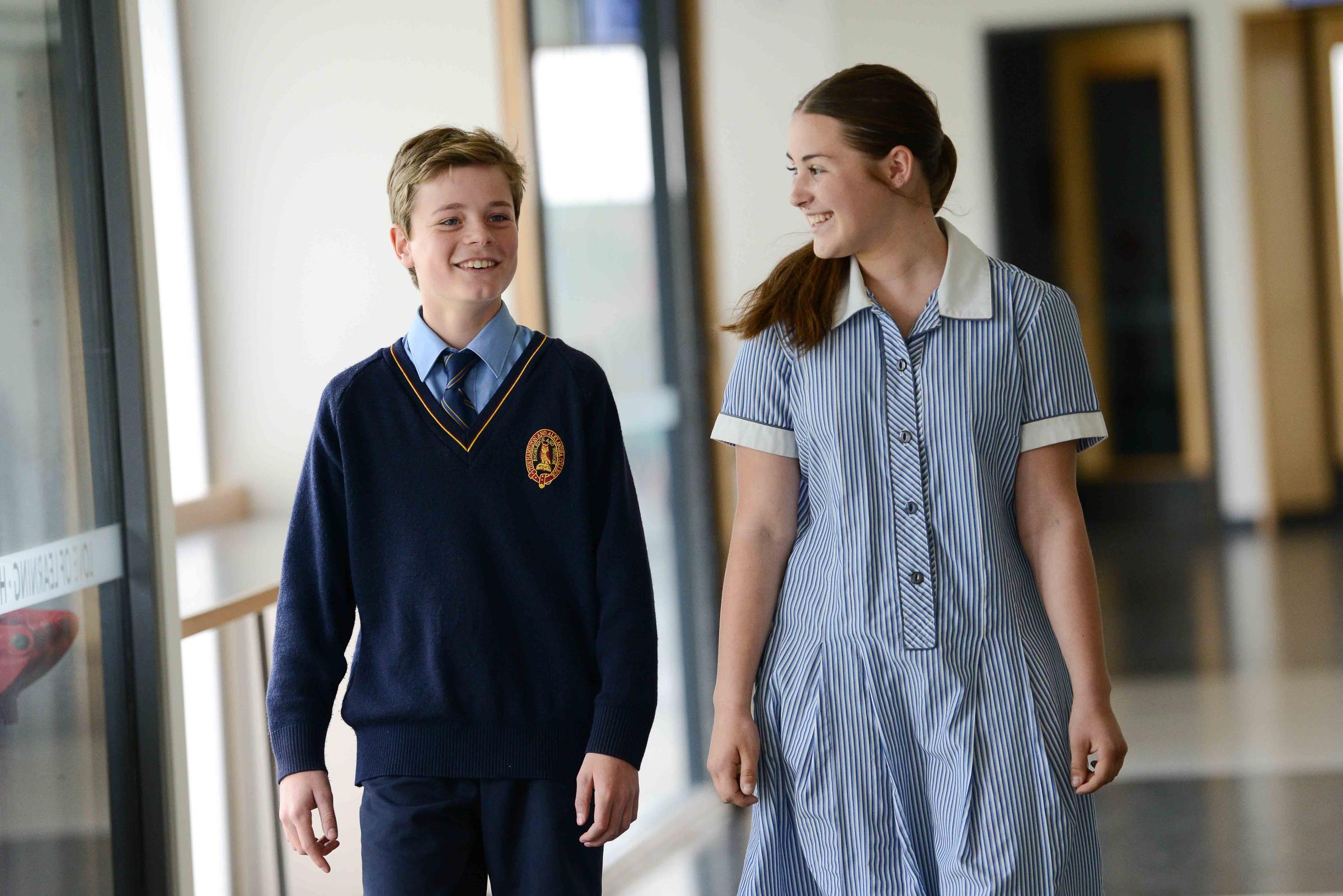
End of Year Examinations for Middle Years Students
Our Year 7, 8 and 9 students are preparing for the examinations that commence next week. This is the another opportunity for our students to sit formal internal testing and we are encouraging the students to focus more on the examination process rather than solely focusing on results. We encourage students to thoroughly revise their notes and past tests. Teachers are starting to deliver revision lessons, which allow core learning to be reviewed and reinforced.
During the sitting of examinations, we are encouraging students to develop the following techniques:
- Arrive at the examination room in good time, with the appropriate equipment.
- Follow the instructions on the paper very carefully.
- Read the paper thoroughly during the allocated reading time.
- Read the questions carefully to ensure that your answers are thorough.
- Be aware of the timing of each section of the exam and use all the time available to you.
The examinations are not only an opportunity for students to demonstrate their learning but to also gain practise performing within a limited time frame in preparation for the Senior Years and beyond. We see this as an essential learning opportunity for our Middle Years students. I would encourage all students to approach their exams with a growth mindset, and here is a summary for parents and students.
Approach your exams with a Growth Mindset
Dr. Carol Dweck, a professor of psychology at Stanford University and author of the book Mindset: The New Psychology of Success, studies mindset in children. She believes children are similar to adults in that they have one of two possible mindsets—a fixed mindset or a growth mindset. Growth mindset students recognise that people aren’t ‘smart’ or ‘dumb’, that there are no talented geniuses; only hard-working people who have chosen to take their abilities to the next level.
Carol Dweck’s research shows that students’ beliefs about intelligence play an important role in their school achievement, engagement, and happiness. She said “We found that students’ mindsets—how they perceive their abilities—played a key role in their motivation and achievement, and we found that if we changed students’ mindsets, we could boost their achievement. Students who believed their intelligence could be developed (a growth mindset) outperformed those who believed their intelligence was fixed (a fixed mindset).”
8 tips for promoting a growth mindset in kids:
- Help students understand that the brain works like a muscle, that can only grow through hard work, determination, and lots and lots of practice.
- Don’t tell students they are smart, gifted, or talented, since this implies that they were born with the knowledge, and does not encourage effort and growth.
- Let children know when they demonstrate a growth mindset.
- Praise the process. It’s effort, hard work, and practice that allow them to achieve their true potential.
- Don’t praise the results. Test scores and rigid ways of measuring learning and knowledge limit the growth that would otherwise be tapped.
- Embrace failures and missteps. Students sometimes learn the most when they fail. Let them know that mistakes are a big part of the learning process. There is nothing like the feeling of struggling through a very difficult problem, only to finally break through and solve it! The harder the problem, the more satisfying it is to find the solution.
- Encourage participation and collaborative group learning. You learn best when they are immersed in a topic and allowed to discuss and advance with their peers.
- Encourage competency-based learning. Get students excited about subject matter by explaining why it is important and how it will help them in the future. The goal should never be to get the ‘correct’ answer, but to understand the topic at a fundamental, deep level, and want to learn more.
http://yourbrainhealth.com.au/8-ways-to-encourage-a-growth-mindset-in-kids/
Julia Winter Cooke
Year 7 Camp Report
Canoeing and camping along the Glenelg River for three days and three nights was an absolute blast. When we first arrived at camp, we were greeted by lovely staff members from Aus Camp who told us everything we needed to know. Next, we were split up into five groups – which we were both nervous and excited about. We had five members of staff including Mr Carolan, Mr Carroll, Ms Couchman, Mr Steer and gap student Georgia and the group selections were great. Everyone had their friends with them which made camp so much better.
When we woke up on the first morning, we got all our equipment ready to set off down Glenelg River. We packed the gear in into the two-person canoes; it was a hard start trying not to crash into the riverbank, but as the day went on we all got the hang of it. After a long hot day of canoeing, we finally reached our first destination and set up camp before having a swim to cool down.
On the second day of camp we grabbed a delicious breakfast to fuel us for big day ahead. We reloaded the canoes and set out on the river. It was a relief to stop for lunch because everyone’s arms were sore! At the third campsite we made pizza for dinner and ate it sitting on the jetty, recounting our joyful day with friends. When the sun disappeared, we headed off to bed.
Friday morning was the one we all dreaded, because it was the last day of camp! Everyone packed their barrels and canoes and for the last time set out onto the river. At the Princess Margaret Rose Caves (PMRC), we went down all the steps into the cold cave where there were stalactites hanging from the roof and stalagmites growing from the floor. There were wedding cakes and straws that covered the cave and fossils over 3,000 years old. It was amazing to see.
Once we had looked at the PMRC we had lunch and headed back onto the river for the final stretch - we paddled and paddled across the border and kept on paddling. We finally came to our destination where our fun filled and energy packed camp came to an end. We said our thanks and goodbyes to our guide and when all the groups were back on the bus, ready to head home, we could not stop telling each other the fun adventures we had on the trip.
By Laura Michelmore, Bella Chow and Millie Clark (Year 7)