
Initiativies
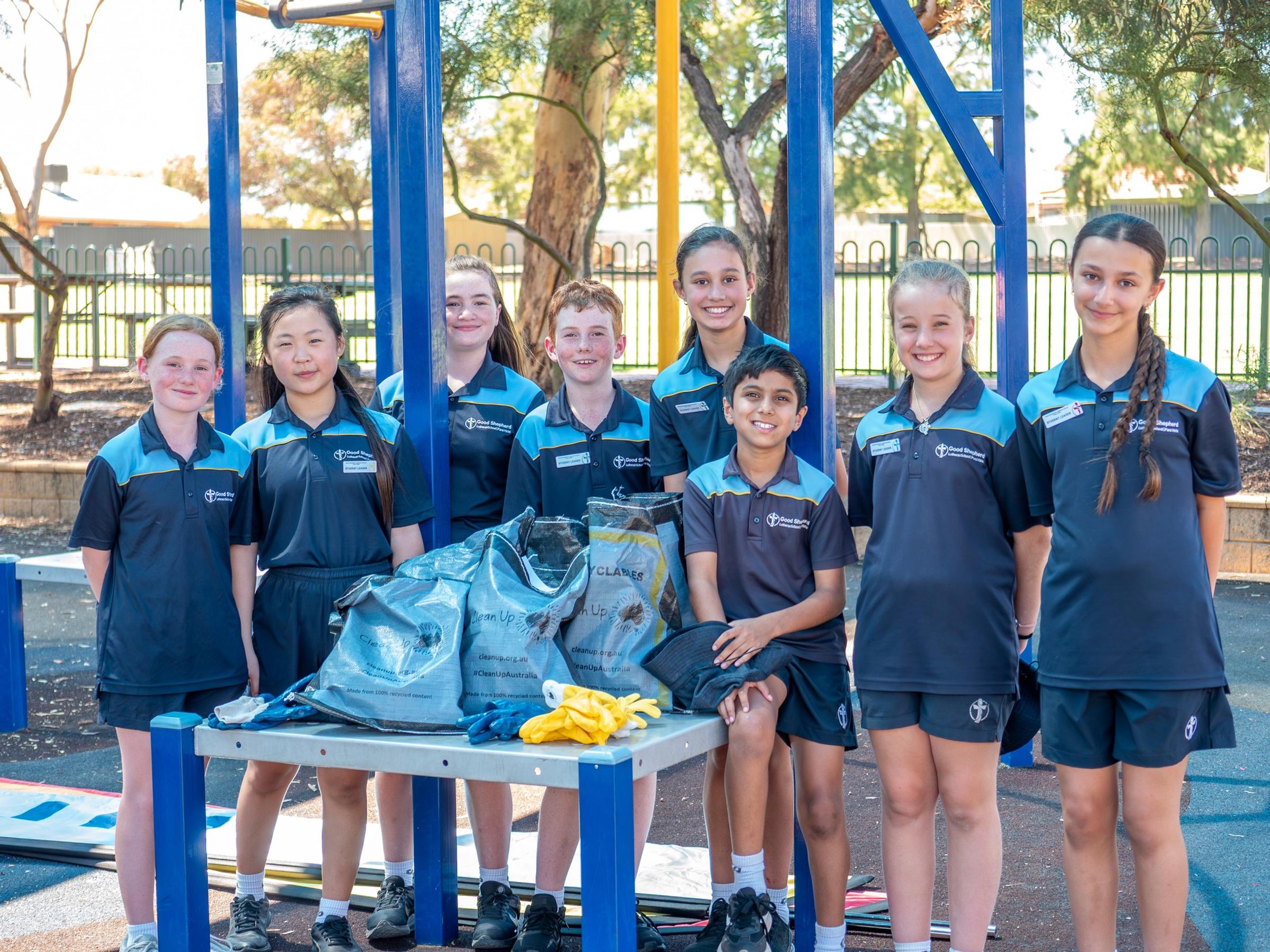
Student Leadership 2025
The Student Leadership Program 2025, was initiated to significantly develop student leaders and create a stronger avenue for capturing student voice across the school. This was timely given the school's shift to a new structure featuring eight leaders - four from each new House.
The program's vision was anchored in promoting Teamwork, encouraging Student Voice, and fostering Responsibility within the team.
The leadership development used a Compassionate Systems approach, involving focusing on specific capacities, such as deep listening, creating a safe space for vulnerability and sharing, and prioritising grounding, journaling, and reflection before engaging in tasks. The eight student leaders, who humorously dubbed themselves the "Prudent Beavers", began their journey with a training day alongside ALWS to explore servant leadership. Key reflections from the students included the need for leaders to have a growth mindset, the reality that decisions aren't always perfect, and the recognition of badged and unbadged types of leaders.
Formal weekly meetings, which commenced at the start of Term 1, followed a structured format including a Formal Agenda, Minute Taker, and beginning with Journaling and Grounding on questions like "What is going well?" or "What is challenging?". The meetings always concluded with Prayer. A major initiative was gathering the voice of students across the years, which involved leaders visiting Junior Primary (JP) classrooms and SP students completing an online survey. The team then synthesised this data over several meetings. Additionally, the leaders organised and ran various Student Leader Led Events for younger students, such as lunchtime activities, obstacle courses, reading aloud in the library, and a Clean Up Australia event.
By the end of the year, the students had progressed to running their meetings independently, handling the agenda and minutes through a Microsoft Teams platform. Their reflections demonstrated a mature understanding of their role, seeing themselves as role models, and stating that they were doing things "for a reason," shouldn't expect something in return, and must "work hard because it is the right thing to do". These reflections were captured in a video to inspire future Year 5 students considering leadership in 2026.
RAP Initiatives
Our commitment to reconciliation has been reflected through a range of impactful initiatives. We published our second Reconciliation Action Plan (RAP), which now encompasses Curiosity Early Learning Centre (ELC) through to Year 6, including Outside School Hours Care (OSHC). Staff engaged in professional development through Australians Together, deepening their understanding and integration of Indigenous perspectives. Indigenous students have been supported through Individual Learning Plans (ILPs), ensuring tailored educational pathways. We placed a strong emphasis on Reconciliation Week, culminating in the launch of a mural accompanied by a commemorative plaque and a narrative detailing the creative process. These collective efforts were proudly recognised and showcased at the AISNSW Wingara Education Conference 2025 in Sydney, under the theme Cultural Empowerment and Educational Excellence: The Waratah Project in Action.
Child Safe Projects
Our school continues to prioritise child safety through a range of proactive and visible initiatives. We created a dedicated Child Safe wall, which includes a mechanism for anonymous reporting, and recently, Senior Primary students implemented an online version to enhance accessibility. A Child Safe survey was conducted to gather insights and strengthen our practices. Child safety remains a visible and active focus across the school, supported by celebrations such as Children’s Week. We’ve engaged in policy reviews and discussions, and collaboratively brainstormed the ‘Great Play Experiment’, carefully strategising to identify and mitigate potential risks. Staff have explored the National Principles for Child Safe Organisations, and we’ve analysed Department for Child Protection (DCP) data to refine and improve our internal processes.
Playground Developments
We trialled a staggered lunch schedule, allowing Junior Primary and Senior Primary students to access a wider range of play spaces and enjoy more freedom during break times. This change was complemented by a variety of themed lunch clubs organised by the Learning Enrichment (LE) team, offering students engaging and structured activities throughout the week. To ensure safety remained a priority, we collaborated with the Child Safe Team to gather data from both teachers and students, helping us better understand and respond to playground dynamics. We also made use of newly developed areas within our school grounds, enhancing the play experience for all students. Student leaders played an active role in promoting inclusive play by introducing initiatives such as “friend-o-leaders” and scavenger hunts. The introduction of new equipment - including table tennis, pickleball, and additional handball courts - proved highly successful in engaging students and diversifying play options. While teachers appreciated the increased outdoor space, the shift also brought challenges, particularly with the pressure of managing indoor play, which at times became risky. However, overall student behaviour improved, and injury rates across the school noticeably declined, highlighting the positive impact of these changes.
Wellbeing Support
Student wellbeing continues to be a complex and evolving focus area, closely intertwined with learning and behaviour. The team is actively working through policy and process development, with ongoing reflection and refinement. The addition of a school counsellor has significantly strengthened our approach, leading to the creation of new structures and documentation to better support students with high Tier 3 needs. Our wellbeing policy is informed by the AISSA template and aligned with the Australian Student Wellbeing Framework, ensuring a robust foundation. Looking ahead, the Wellbeing Round Table will be re-established next year, and under the new structure, there will be more layers and clarity in how we manage student wellbeing. Importantly, all the new initiatives introduced across the school contribute positively to the wellbeing of all students.