Learning
and Teaching

Learning
and Teaching
How We Learn and Remember Things
We learn what we think about
Learning starts with thinking. If a child isn’t thinking about something, they’re not learning it. So, it's not just what they hear or see, it's what they mentally engage with those matters.
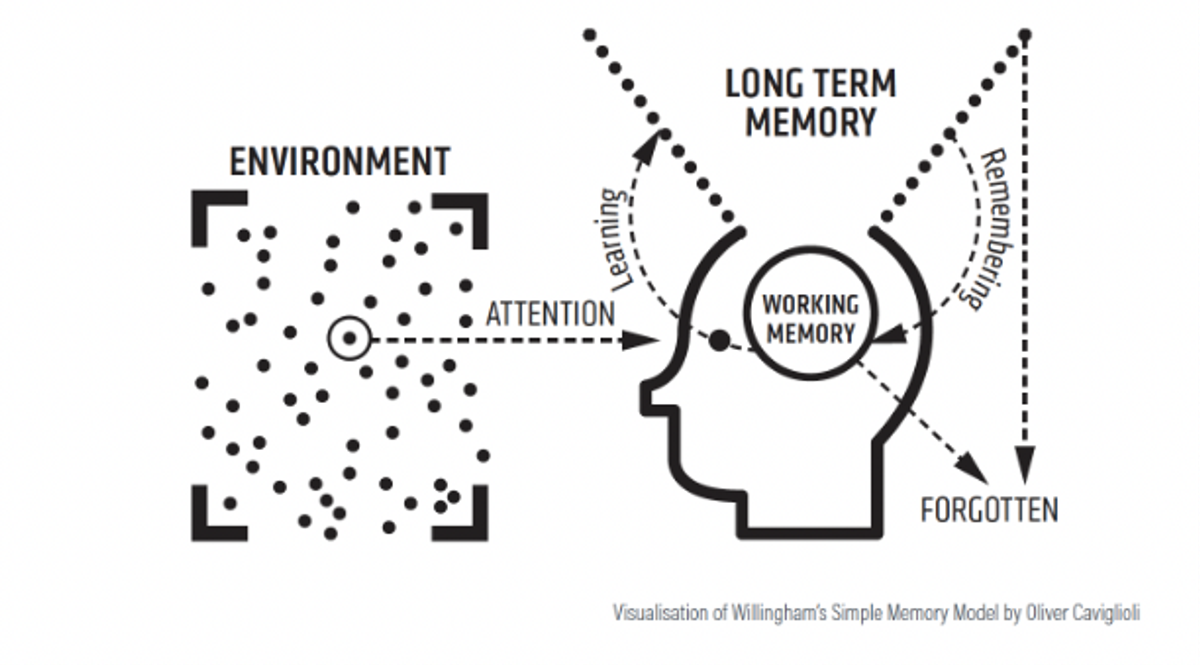
Attention is everything
If a child doesn’t pay attention to something, they can’t remember it. Attention is like the “doorway” that lets new information into their brain.
Working memory is where learning happens
Once we pay attention, information enters working memory, which is like a mental notepad. But this notepad is small, it can only hold a few things at once. If too much is crammed in too fast, children get overwhelmed.
Long-term memory is the goal
To really learn something, it has to move from working memory into long-term memory. This is where we store knowledge for the future, like knowing how to spell or solve a maths problem.
Learning builds on what we already know
New information sticks best when it connects to what children already understand. Think of it like adding pieces to a puzzle, they make more sense when they fit into the bigger picture.
We all forget and that’s normal
Forgetting is part of how the brain works. But we can help kids remember by:
Retrieving what they’ve learned (e.g., asking questions)
Spacing practice over time instead of cramming it in one go (known as “spaced retrieval”).
The more we know, the better we think
Critical thinking, creativity, and problem-solving all depend on having a strong base of knowledge. That’s why knowing “stuff” is important—it gives kids tools to think deeply.
Learning takes time and follows phases
Children go through stages as they learn:
Acquisition: They’re just starting and may make mistakes.
Fluency: They get more accurate and faster.
Generalisation: They can apply what they know to new situations.
Adaptation: They can use what they’ve learned in creative or unfamiliar ways.
What Can Parents Do?
Encourage focus: Reduce distractions when your child is learning.
Ask questions: Help them recall what they’ve learned in different ways.
Talk about learning: Make connections to what they already know.
Be patient: True learning takes time, repetition, and reflection.
This model, used across Sandhurst Catholic schools, is based on solid brain science to make learning stick and help students flourish in school and life.