Wellbeing
Grade 1 & 2 Choir learning christmas songs with Mrs May
Wellbeing
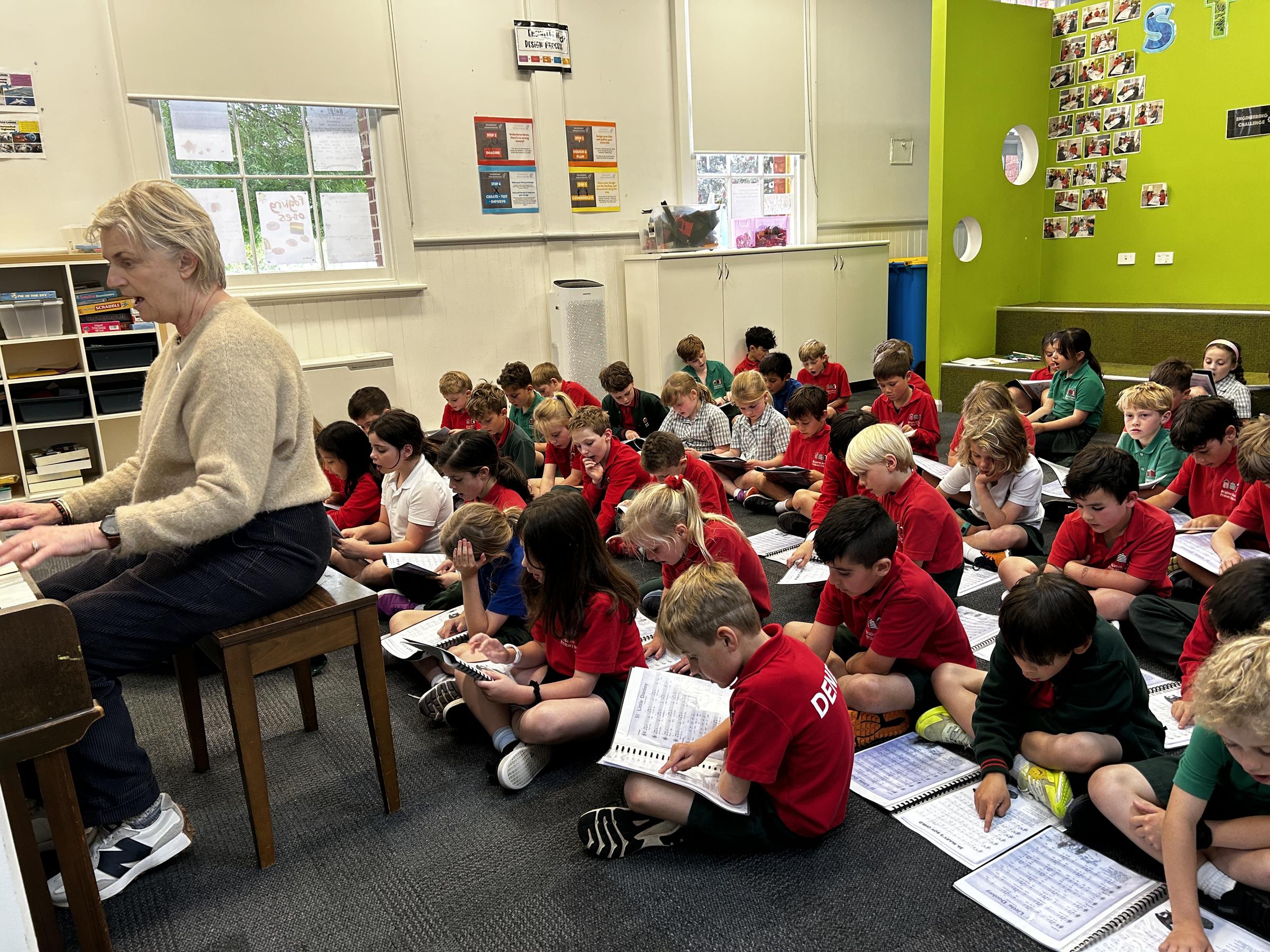
Grade 1 & 2 Choir learning christmas songs with Mrs May
Respect of each other – Understanding Racism
As a school community, we are committed to ensuring that every student feels safe, valued and included. This year, we have addressed a small number of incidents involving racist language or behaviour. While these moments are concerning, they also strengthen our determination to take a prevention-focused approach, grounded in education, respectful dialogue and consistent expectations across the school.
As part of our continued focus on the school value of Respect, this week we further explore respect for each other and diversity.
Racism is a serious issue that have a lasting impact on children (and their families). It is crucial we work together to educate our students about the importance of respect, empathy and understanding towards all people, no matter their differences.
Racism, in any form, is not acceptable at BBPS.
Primary school aged children have not been on this planet for very long, and as educators (both as teachers and parents) it is our responsibility to help them build an understanding of each other, and to make sense of the information they have access to about race and cultural diversity.
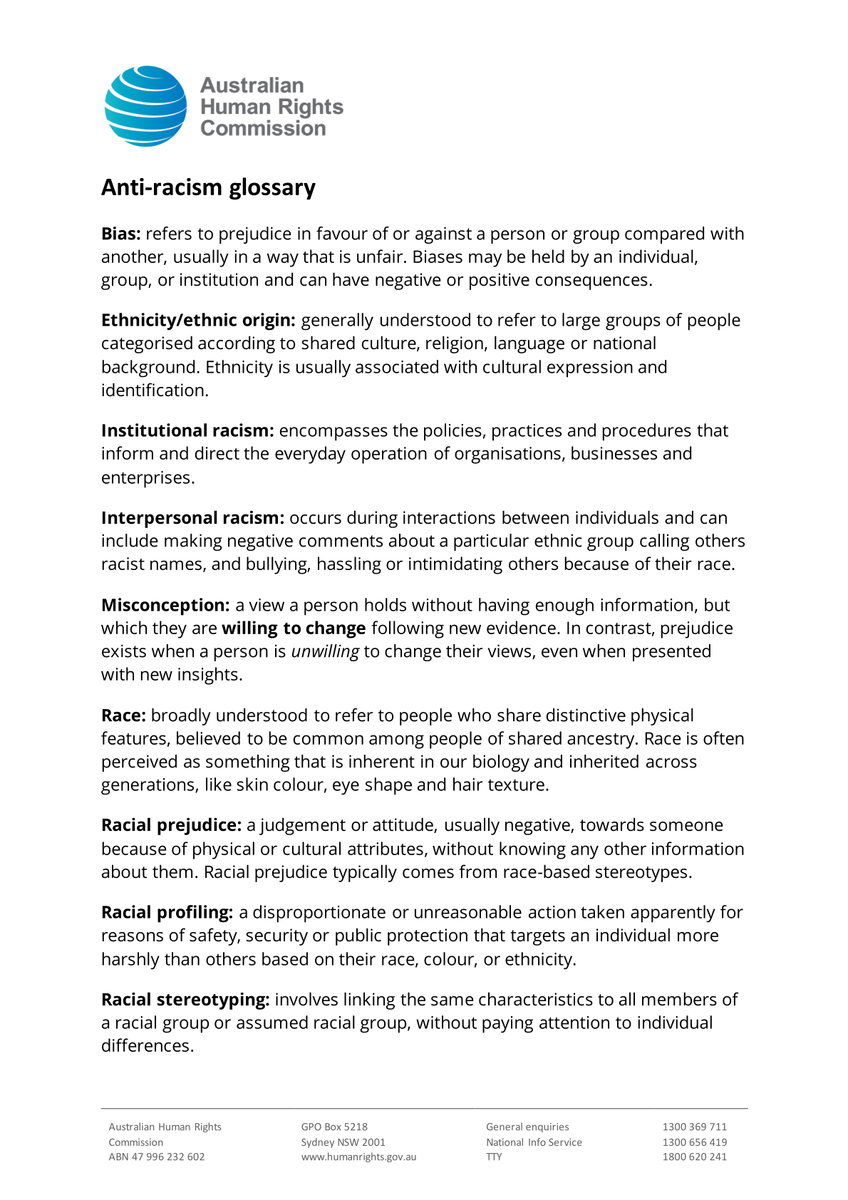
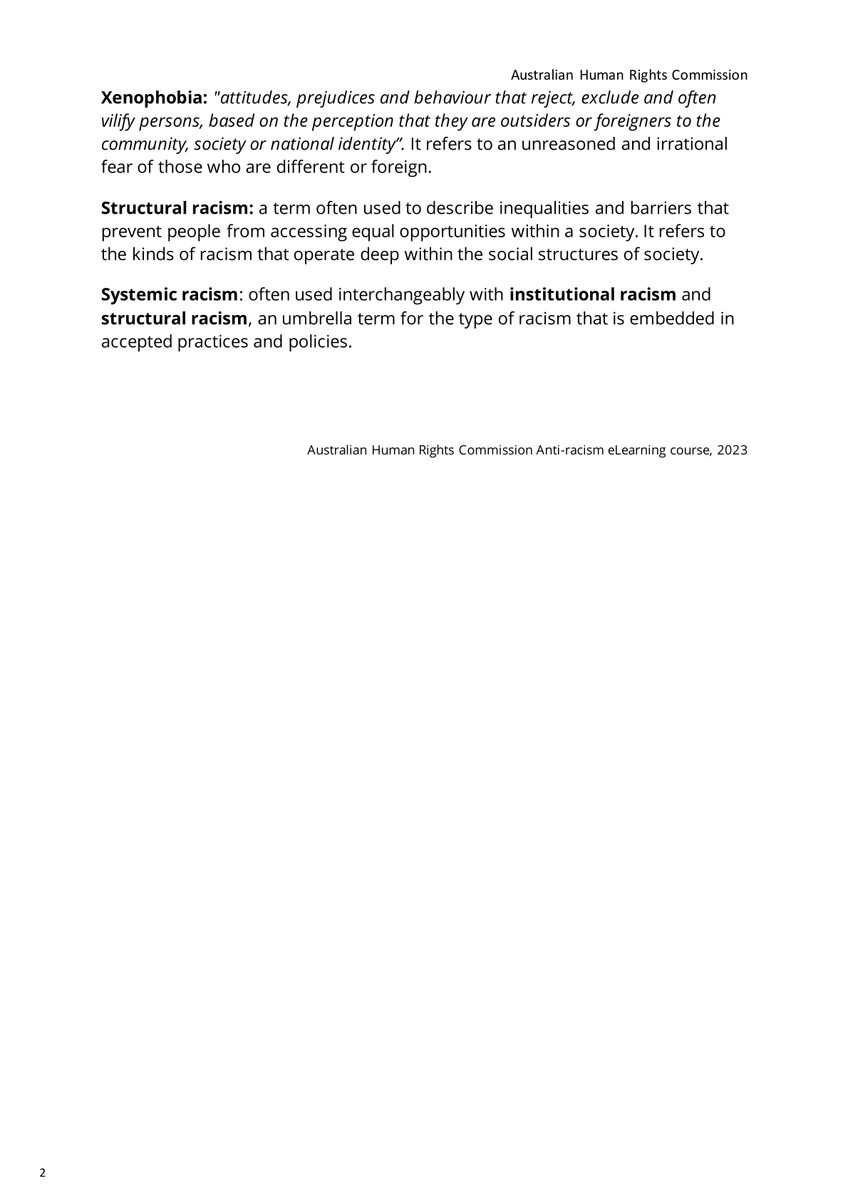
Our work aligns with the Department of Education’s Anti-Racism Policy, which sets out clear standards for identifying, responding to and preventing racism in schools. This can be accessed via our school website.
Through our curriculum, wellbeing programs and whole-school practices, students learn about diversity, fairness and the importance of standing up for others. We want every child to grow not only in their academic learning, but also in their capacity to recognise bias, show empathy and contribute to an inclusive community.
This year, teachers have already had conversations with our students to reinforce expectations aligned with our school values. They have discussed kindness, inclusion, what ‘racism’ means and why it is harmful, and the serious consequences it can have – all at an age-appropriate level.
Next year our students will be further engaging in a range of learning opportunities that build understanding and appreciation of each other and our backgrounds. We will be drawing on the resources provided by:
* Respectful Relationships curriculum
* Schools Standing Up to Racism
* Let’s talk race: A guide on how to conduct conversations about racism
* Learning about world views and religions (PDF)
Families also play a powerful role in this learning. Talking with your child about difference in a positive, open way helps build understanding from an early age. You might name and challenge stereotypes when they appear in books, media or everyday conversations, encourage curiosity about other cultures and perspectives, and model inclusive language at home. We encourage you to continue these conversations at home, and to reinforce these important messages:
*At BBPS we celebrate diversity and multicultural inclusion
*We understand the importance of everyone being treated with respect
*Racism is taken very seriously at our school and appropriate consequences will be put into place following a reported incident
*Racist slurs, name calling or gestures that refer to a person’s race, colour or religion are not acceptable.
Thank you for your ongoing support. Together, we can ensure our children grow up confident in who they are and respectful of the rich diversity around them.
School TV has been updated to include resources to reflect this week’s focus.
How to support your child under 16 with the new social media age restrictions
From 10 December 2025, the Online Safety Amendment (Social Media Minimum Age) Act 2024 will require social media platforms to:
· prevent children and young people under 16 from having a social media account
· deactivate or freeze existing accounts held by people under 16.
Delaying access to social media protects the health and wellbeing of young people and gives them extra time to build real world connections and digital literacy skills.
The responsibility will be on the social media platforms, not parents, carers, children or schools, to implement these new restrictions.
Most popular social media platforms will be age restricted. These include Facebook, Instagram, Snapchat, TikTok, X (formerly Twitter), Reddit and YouTube.
Messaging services and online games, as well as apps and platforms that support health and education, can still be used.
How to help under 16s prepare for the change
Parents and carers play an important role in supporting their children to be safe online.
To help get under 16s ready for the social media minimum age requirements, you can go to the eSafety website to learn more about the social media age restrictions and find tips on how to talk about social media age restrictions with young people.
What the change means for our school
At our school, all age-restricted social media platforms are blocked for student use on the school network.
To keep up to date about the new social media age restrictions, visit the eSafety website and subscribe to their newsletter.