Auslan News
Molesworth St Campus

Auslan News
Molesworth St Campus
From Caen Chang, Junior School Auslan teacher
It’s hard to believe we are already in Week 8 of the term! Students have continued to build their Auslan skills each week, and it has been wonderful to see their confidence grow as they use signing more naturally in the classroom.
Our Prep students have been learning a range of everyday signs while also continuing to practise the colour signs we learned earlier in the term. Everyday signs are particularly exciting for students because they are immediately useful in their daily lives.
Students have been practising signs such as toilet, yes, no, please, thank-you, and good morning, and it has been fantastic to see them begin to use these signs independently during class. Many students are now able to silently sign when asking for something, such as requesting to go to the toilet or greeting the teacher in the morning.
Learning these everyday signs is very valuable because it helps students:
Strengthen memory and coordination through repeated signing.
Students have also enjoyed revisiting our colour signs through games, songs, and interactive activities. Revisiting previous learning helps reinforce vocabulary and allows students to become more accurate with their hand shapes and movements.
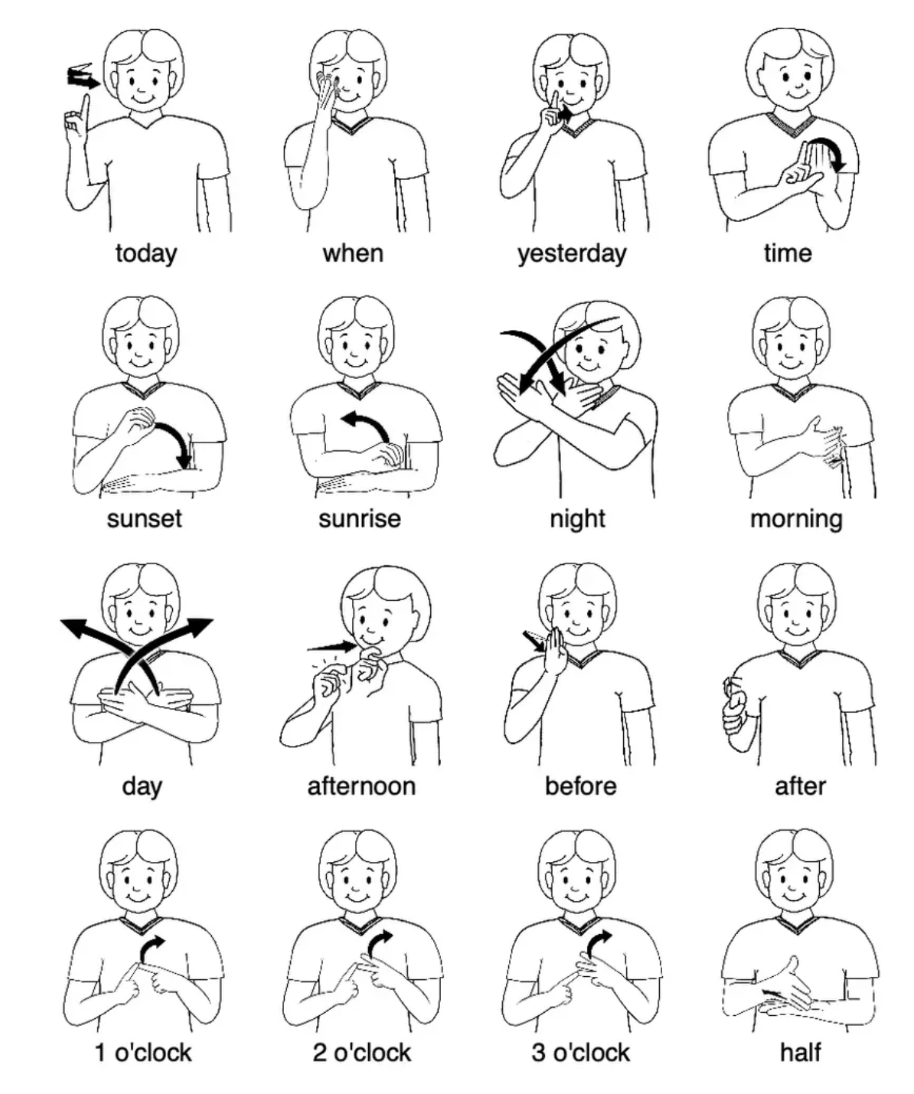
Our Year 1 and Year 2 students have been learning time signs, which has been a fantastic extension of the mealtime signs we explored earlier in the term.
Students are now able to be more detailed when communicating about daily routines, using signs such as morning, afternoon, night, and specific times connected to their day.
They have particularly enjoyed linking this new knowledge to the foods they eat during different mealtimes.
For example, students can now sign ideas such as when they eat breakfast, lunch, or dinner, which creates a wonderful connection between school learning and their home routines. These real-life connections make language learning more meaningful and easier to remember.
Through learning about time, students are:
Building connections between previous and new learning.
It has been great to see students combining their mealtime vocabulary with time signs to talk about their daily habits. These types of language connections help deepen understanding and make Auslan feel like a real and practical form of communication.
How You Can Encourage Signing at Home?
You can continue supporting your child’s Auslan learning by practising simple signs together at home. Some easy ways to do this include:
Practising these signs together helps reinforce learning and builds confidence in using Auslan outside the classroom.
I will include the everyday signs and time posters in this newsletter, so families can use them as a helpful reference when practising at home.
Thank you for your continued support. It is always a pleasure teaching your children Auslan and watching their skills grow each week!