
Careers in the Spotlight

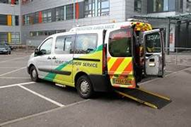
Non-Emergency Patient Transport
Ambulance Victoria and Pro-Medic Services Victoria (PSV) provides Non-Emergency Patient Transport (NEPT) in Metropolitan Melbourne and Regional Victoria to both public and private hospitals, diagnostic facilities, and private individuals. On a recent SEEK advertisement for a role as a Patient Transport Officer (PTO), details of the key duties of the PTO were published, and include –
- Ensuring full compliance with organisational policies and procedures
- Acting as the primary carer in the assessment, treatment and transport management of patients
- Performing as part of a team to deliver high quality treatment in a timely, safe and efficient manner
- Ensuring compliance with patient care documentation requirements
- Adhering to all relevant regulations and clinical practice
- Maintaining currency of qualifications by undertaking training and updates as required
- Maintaining of work areas
The advertisement goes on to state that the successful candidate should be able to demonstrate -
- Ability to take a leadership role within the team to ensure high standards of patient care and safety
- Clear communication and good interpersonal skills
- Able to work reasonable additional hours if required
Physically capable of performing patient transfers
PTO’s are not paramedics but, rather, they fulfill the vital role of transporting non-critical patients to hospitals, clinics, etc. To become a Patient Transport Officer (PTO), one needs to complete a minimum of that HLT31120 Certificate III in Non-Emergency Patient Transport.
This course is offered at a few tertiary institutions in Victoria, as well as the Australian Paramedical College and St. John Ambulance Victoria, which is one of the largest providers of Non-Emergency Patient Transport in Victoria. Many graduates of this diploma choose to work part-time or casually in the industry while pursuing further study at university to become a paramedic.
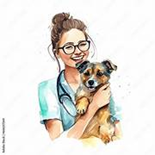
Career in Veterinary Nursing
SEEK * states that in addition to assisting with medical care, Veterinary Nurses provide vital information and support to pet owners and clients.
Some of the tasks a Veterinary Nurse might have to do include –
- Liaising with pet owners and clients on the level of care needed for optimum animal welfare.
- Assisting in medical procedures by sterilising surgical equipment, administering drugs and injections, and holding and maintaining animals during operations.
- Assisting in the day-to-day maintenance of the veterinary facilities by cleaning kennels and cleaning up after animals and surgeries.
Veterinary Nurses commonly have a passion for animals and their welfare. Students keen on finding out more might like to watch this Career Insights of a Veterinary Nurse.
Veterinary Nurses need to have a minimum of a Certificate IV in Veterinary Nursing, although qualifications can include diplomas and bachelor degrees. Some of these can be found at Box Hill Institute, Melbourne Polytechnic, and La Trobe University.