Library
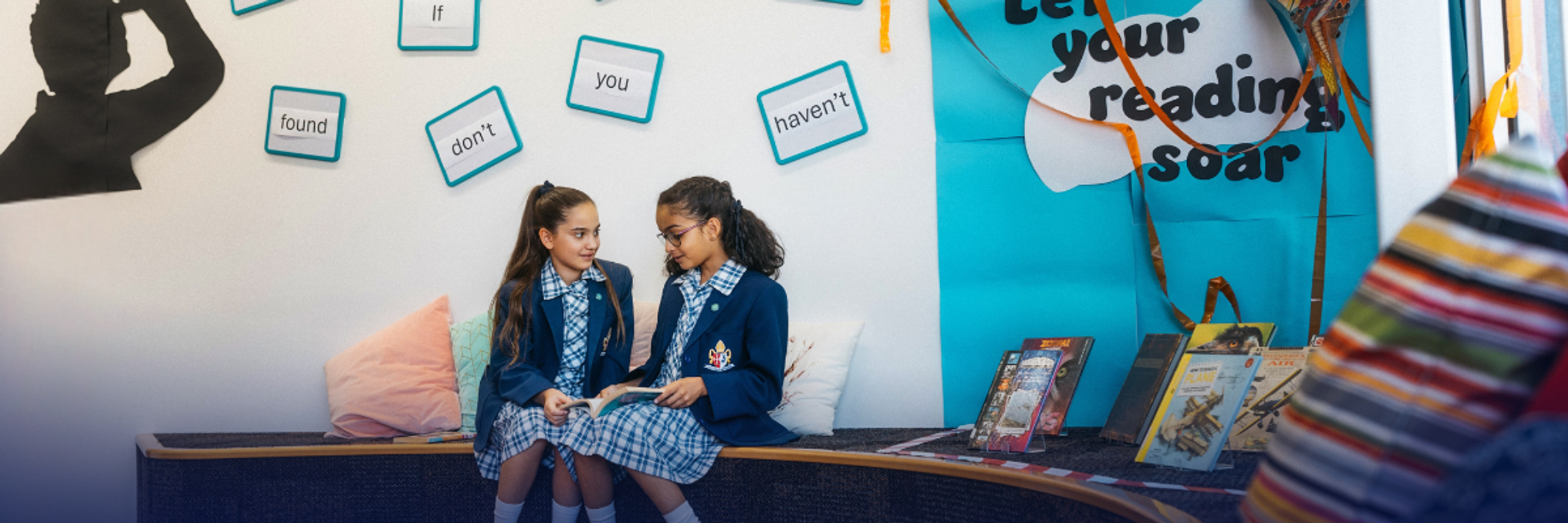
Belonging Between the Bookshelves
Article by Paige Witcombe,, Library Leader – Yirramboi Campus
When many people think of a school library, they picture shelves of books and students quietly reading. While books remain at the heart of what we do, one of the most rewarding aspects of working in a school library is watching it become what sociologists describe as a "third space" – a place that sits somewhere between home and the classroom. At lunchtime, the library becomes a space where students can explore their interests, develop skills and connect with others.
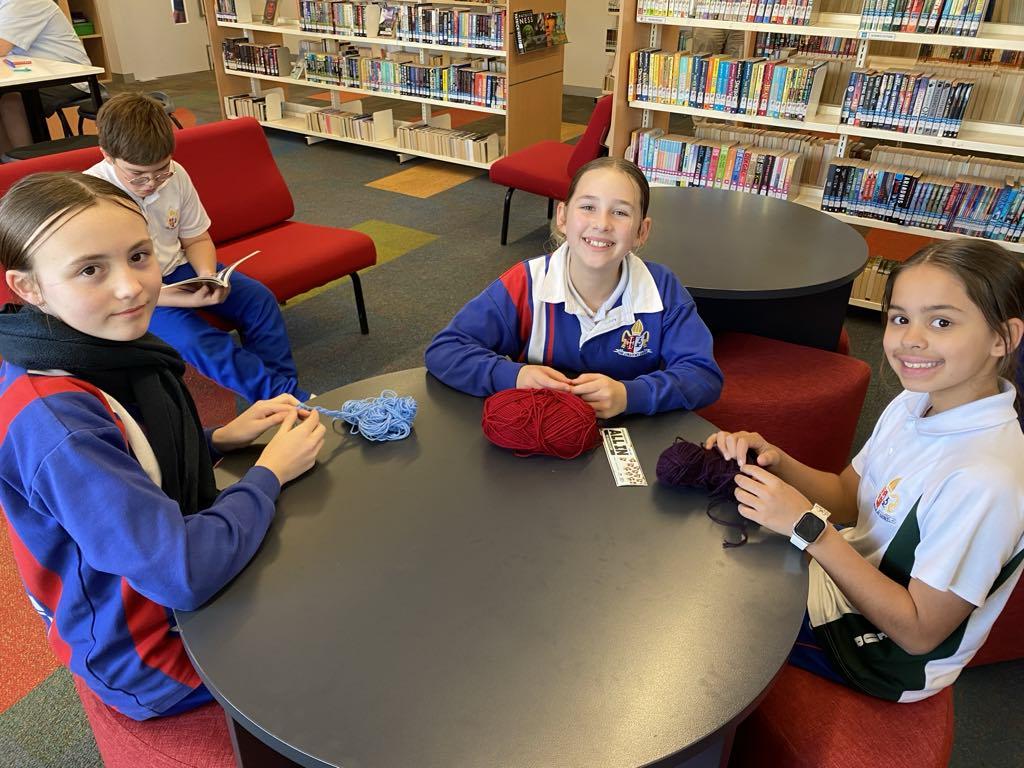
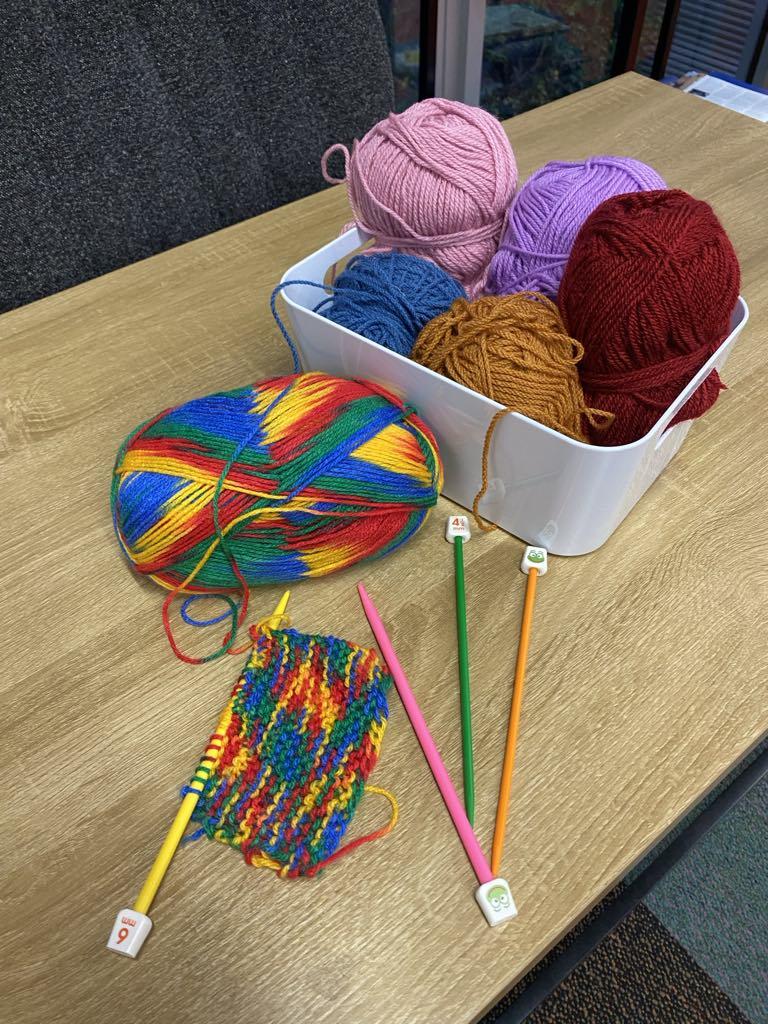
In the Middle School library this term, I have watched how a basket of wool, a handful of knitting needles, crochet hooks and simple instruction sheets has grown into a thriving creative community. Friendships forming over rows of stitches and tangled balls of wool. Some students creating simple knitted squares, others making pom poms, plaited bookmarks or attempting more ambitious projects. The most wonderful aspect has been watching students become teachers, generously sharing their knowledge and encouraging others.
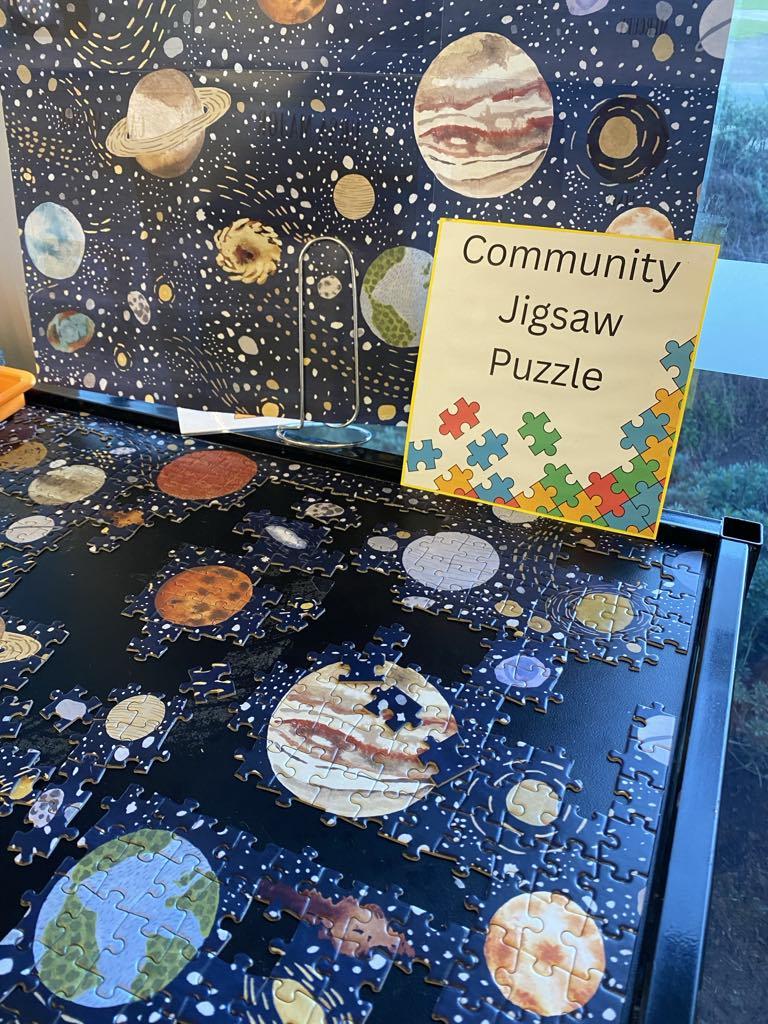
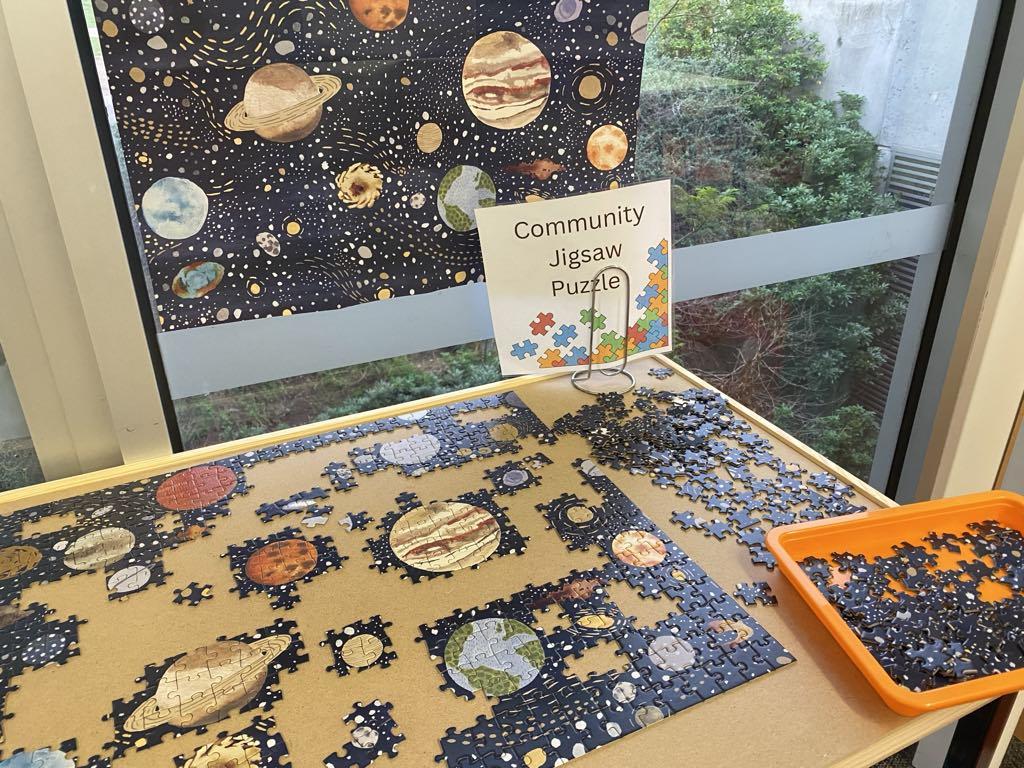
Nearby, another group of students has been tackling our giant (and complex) space-themed puzzle. Moreover, what seemed like a straightforward lunchtime activity quickly evolved into a lesson in perseverance and problem-solving when we realised the puzzle was larger than the table intended to hold it. Together, students have negotiated strategies, reorganised pieces and adapted their plans as the challenge has grown.
Across the library, creativity continues to flourish in unexpected ways. A group of students has independently organised their own LEGO building competition, designing and testing LEGO Beyblades and refining their creations through trial and error. Others gather around chess boards, challenge friends to intense games of Uno or Unstable Unicorns, or carefully remove blocks from a precarious Jenga tower.
Of course, books remain an important part of the conversation. Students regularly stop by to borrow, recommend a novel, discuss the latest installment in a favourite series or seek suggestions for what to read next.
What strikes me most is that none of these communities were planned. They emerged because students were given a welcoming space, some simple resources and the freedom to pursue their interests. In a world where young people are often overscheduled and increasingly connected through screens, there is something powerful about watching students gather around a table to create, play, talk and learn together. These moments remind us that libraries are not simply places where students borrow books. They are places where communities are built, one conversation, one puzzle piece and one row of knitting at a time.