
RE News
SCRIPTURE REFLECTION
Matthew 6:1-6. 16-18
The Father sees what is hidden
Gospel Reflection
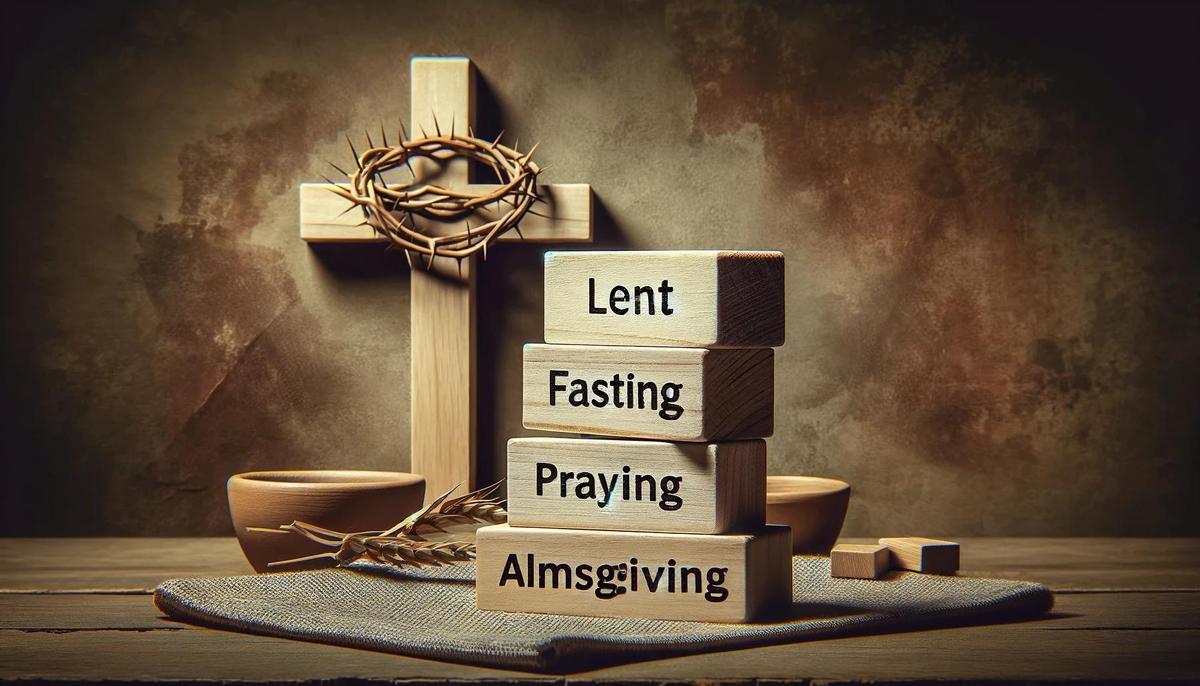
Almsgiving, prayer and fasting were the hallmarks of a faithful Jew at the time of Jesus. They could be regarded as ‘pillars’ of the Jewish faith. In fact, in the Old Testament, the Hebrew word for ‘almsgiving’ (charitable giving) was the same as the word for ‘righteous’ – to give alms was to be righteous and to be righteous was to give alms. These three pillars were essential elements of the practice of one’s faith. However, as Jesus warns in this passage, these same practices also presented opportunities to draw attention to yourself and ‘big note’ yourself in the eyes of others. Jesus criticises the ‘hypocrites’ who parade themselves in front of others when supposedly doing good works or practising these three pillars of faith. ‘Hypocrite’ is a Greek word that effectively means ‘actor’. So when someone is being a hypocrite they are only acting a part – pretending to be prayerful or pious for the purpose of impressing others.
The repetitive structure of the passage is an intentional device to stress the importance of what is being said. It is actually an ancient technique used by story tellers. (It’s like the repetitive pattern often used in telling jokes!) The pattern is: don’t be like the hypocrites; they’ve had their reward; act in a way that is simply between yourself and God.
Sometimes in Lent the emphasis is too rigorously placed on the observable actions of almsgiving, prayer and fasting. Whilst these actions are important, it is actually the purpose behind these actions that is more important than the actions themselves: focusing our attention on our relationship with God. Almsgiving, prayer and fasting help us take the focus off ourselves and turn our focus to God.
Historical Context – The mark of the cross
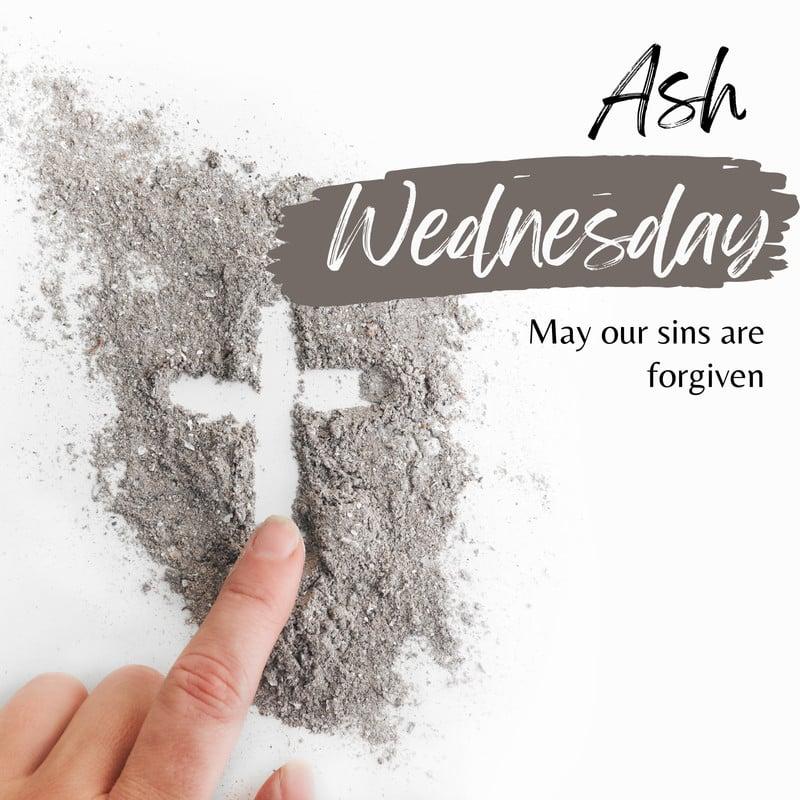
The tradition of marking the forehead with ash on Ash Wednesday can be traced back to the ancient Jewish action of dusting oneself with ash as a sign of repentance and mourning for wrongful actions. It was a public declaration of the acknowledgement of the wrong and the commitment to turn one’s life around and try not to make the same mistake again. It still remains a public declaration that during the period of Lent those who wear the cross of ash are going to attempt to turn around their lives and re-focus themselves more fully on God.
Gospel Focus: ‘Your Father’
Jesus repeatedly uses the phrase ‘your Father’ in this passage. In his own language, the word Jesus was using was the equivalent of ‘daddy’ or ‘papa’. It reflects a very intimate and very child-like relationship with God. This was a challenging new way of imaging God for the people of the 1st Century. Jesus’ emphasis on the intimate, loving relationship between God and ourselves is highlighted by his use of ‘your Father’. He doesn’t say ‘my Father’. That same intimate relationship is open to each and every one of us! We are God’s children.
Have you thought? – ‘They have had their reward’
The gospel writer has Jesus repeatedly stating this seemingly dismissive fact. The word ‘reward’ had a very specific meaning in business – it meant ‘paid in full’ – and was often applied to purchase of a slave. In the passage, Jesus is effectively saying, their account has been settled; their fate has been determined. Because they choose to twist religious practices to their own benefit they have sealed their fate – that is their reward! Their ‘reward’ can only be changed by a dramatic change of heart; turning back to God and doing their works for God’s sake, not their own.
By Greg Sunter