
Curriculum Corner
The Art of Narrative Writing
Curriculum Corner
The Art of Narrative Writing
Text types are something our students work on consistently throughout each school year. These include persuasive writing, recaps, procedures, information reports and poetry. Perhaps our most well-known text type however is narratives, where our students are given the opportunity to explore their imaginations and tell interesting, funny and creative stories!
However, when we consider the art of narratives, we also understand that enjoying stories can sometimes be quite a subjective experience. After all, people like to read different things!
Some of us love crime novels where detectives race to solve their cases, some of us love fantasy stories full of dragons and swords, while others prefer to read stories about relationships and the way people interact with each other.
Does this mean that our students need to survey their teachers and write in their favourite genres to receive the most positive feedback on their writing? Absolutely not!
The assessment of writing can be broken down into ten distinct categories. These categories can be assessed at different ages to determine how effective the stories our students are writing are.
Next week, when Year Three, Five, Seven and Nine students produce a text for their NAPLAN Writing Assessment, these ten categories are what their writing will be assessed on. We thought we would take the time to go through what teachers are looking for when our students are writing narratives, and we have also included some strong examples of these techniques from our senior students. Please read on!
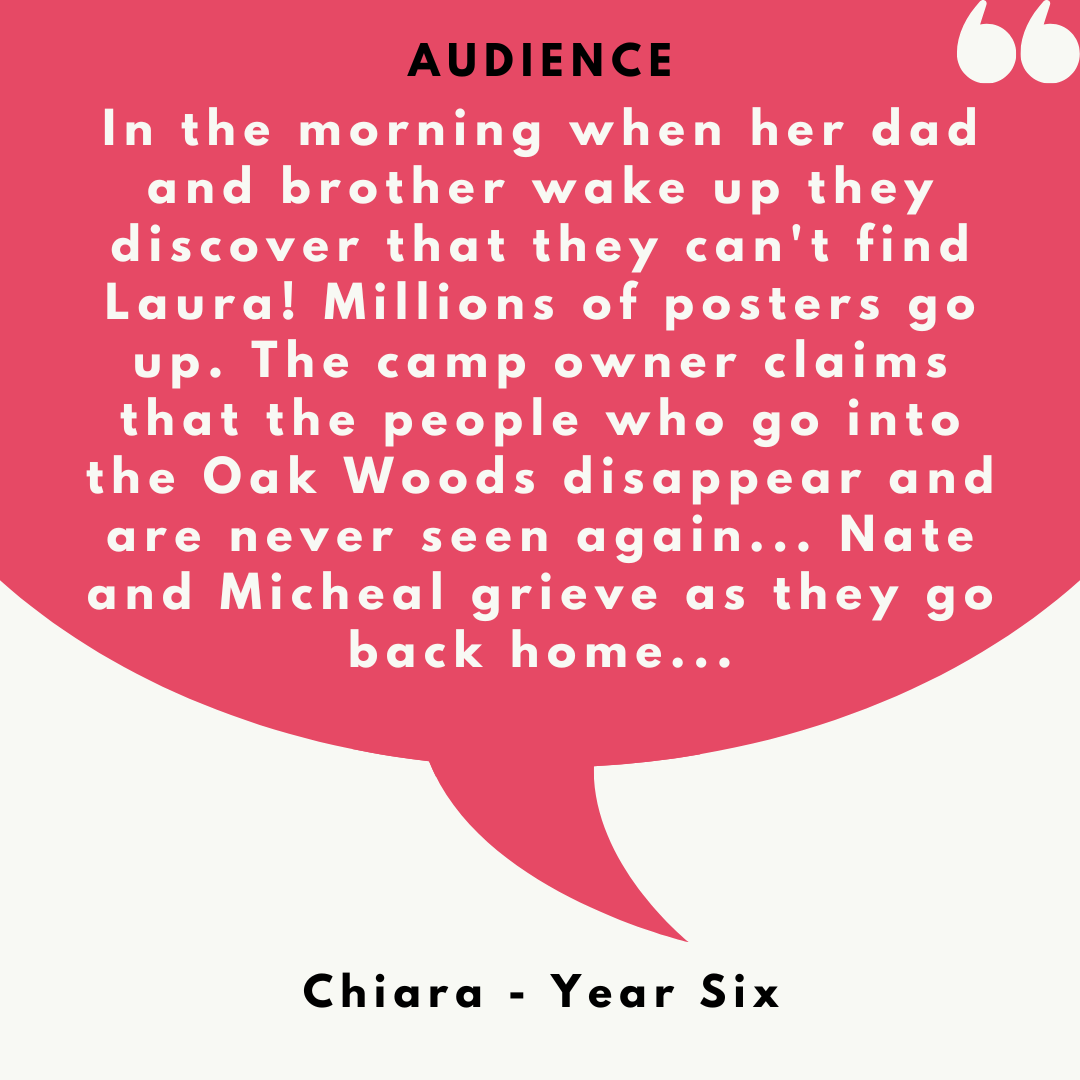
Audience refers to a writer’s ability to clearly paint a mental picture for their reader. The reader does not need to fill in any missing information about the story, but is neatly guided through everything the author imagines. When you are reading a story and become completely lost in it, the author has demonstrated strong audience skills!
2. Text Structure
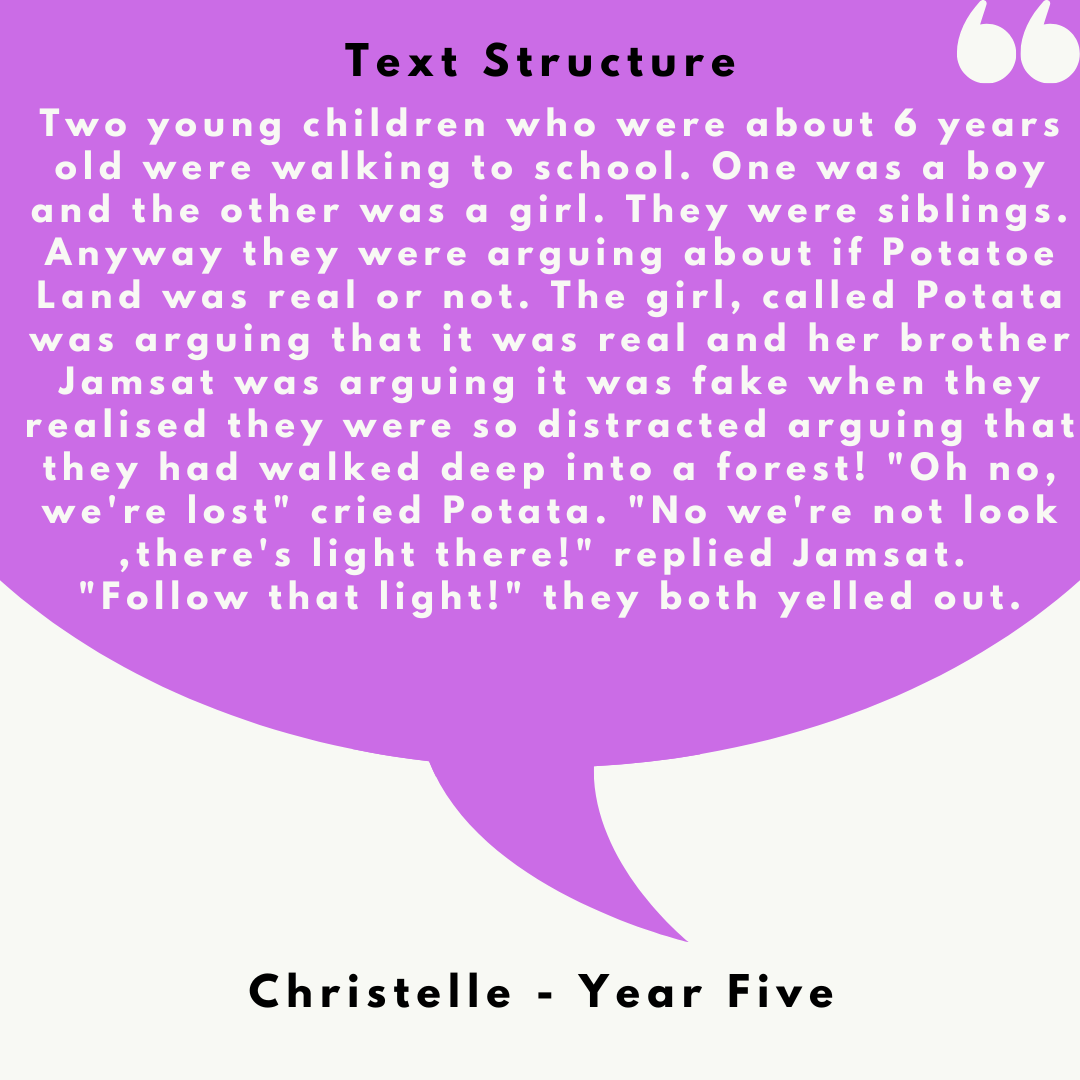
Text structure refers to our students’ ability to craft a story with the required sections, including a setting, complication and resolution. They tell a clear story with plenty of interesting events, all of which are addressed by the end. More sophisticated examples of text structure include narratives that feature cliff-hangers or unexpected twists.
3. Ideas
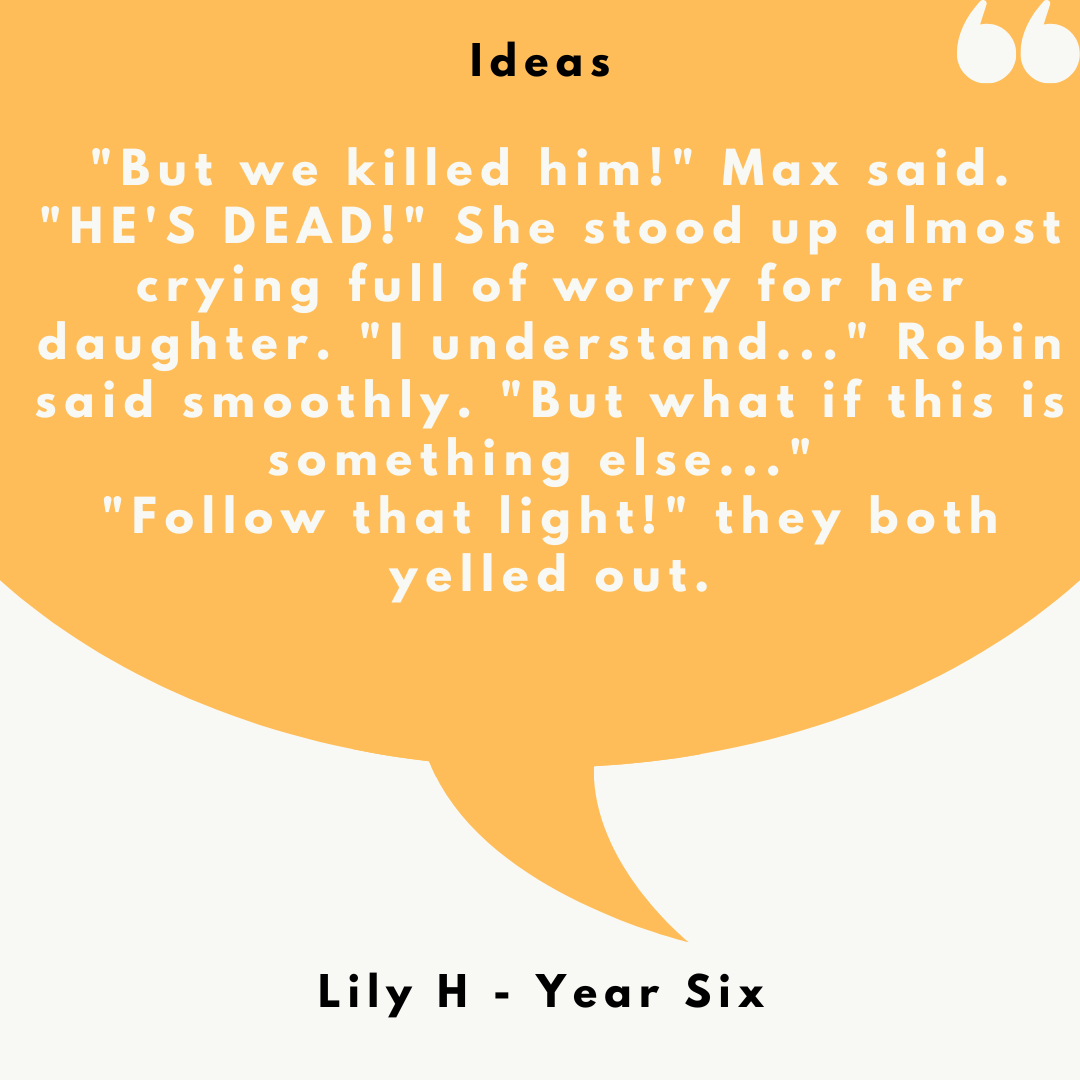
Ideas refer to a student’s ability to tell an interesting and creative story. The highest scores in this area are given to stories that strive to be unique and do not take direct inspiration from existing texts. This is when students are at their creative best!
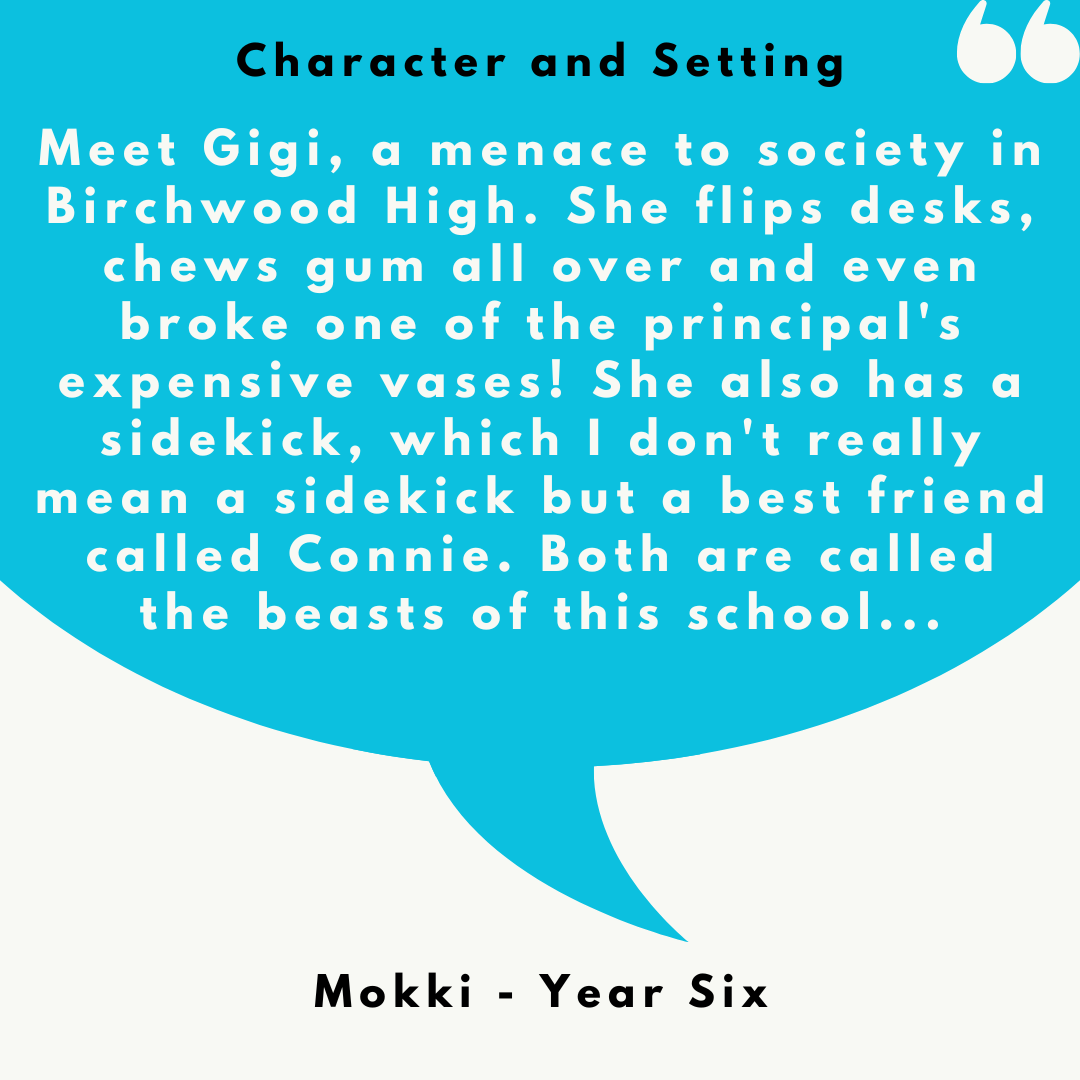
4. Character and Setting
This refers to our writers being very clear about the setting and characters in their story. Where the story takes place is clear and easy for the reader to picture in their mind. In addition, the characters are interesting and act and speak like real life people. Of course, it is perfectly fine for students to take real life people and exaggerate them for their story!
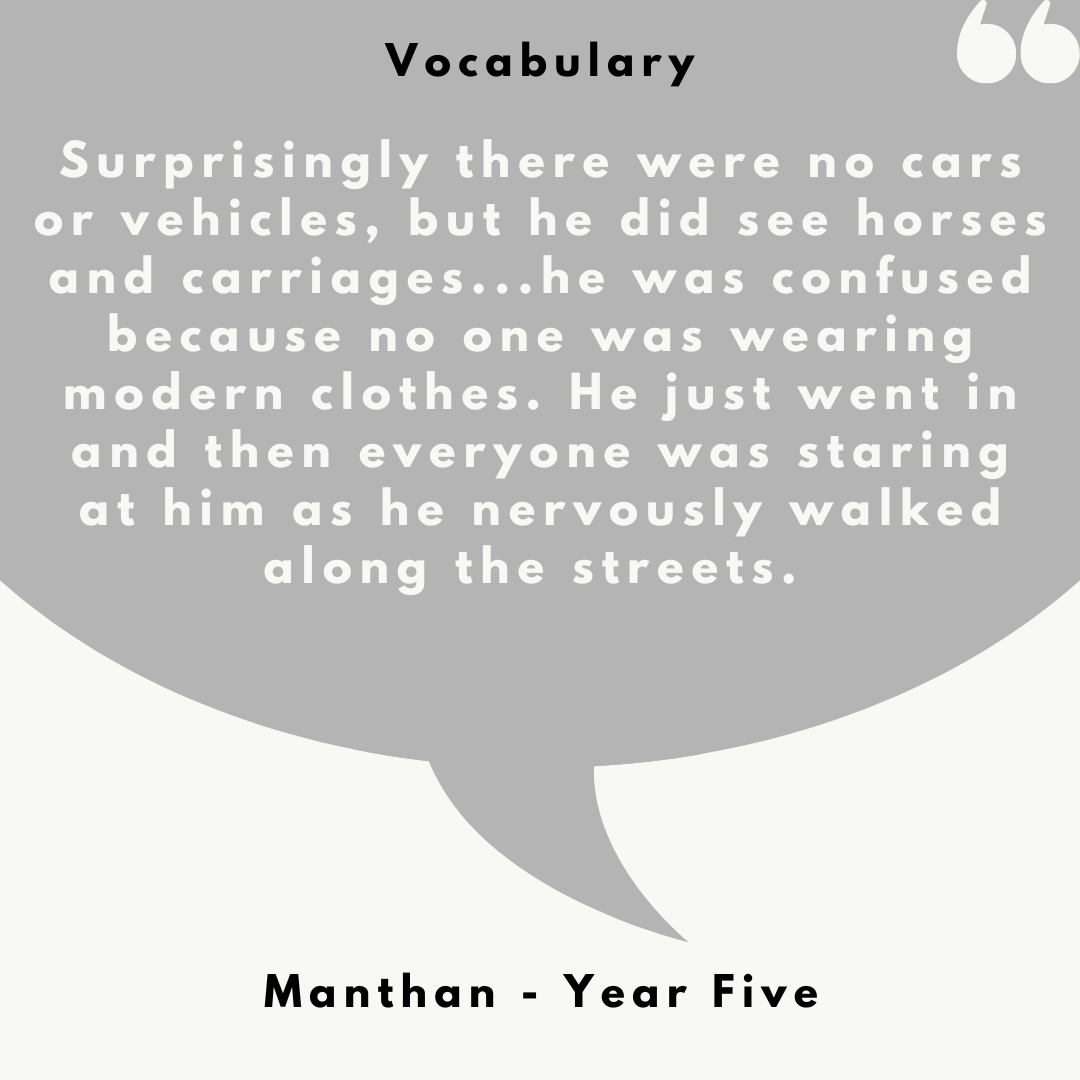
5. Vocabulary
This is where students strive to not only use a wide range of interesting words, but also use them effectively. The vocabulary of a story should match its genre and further help to paint a clear picture for the reader.
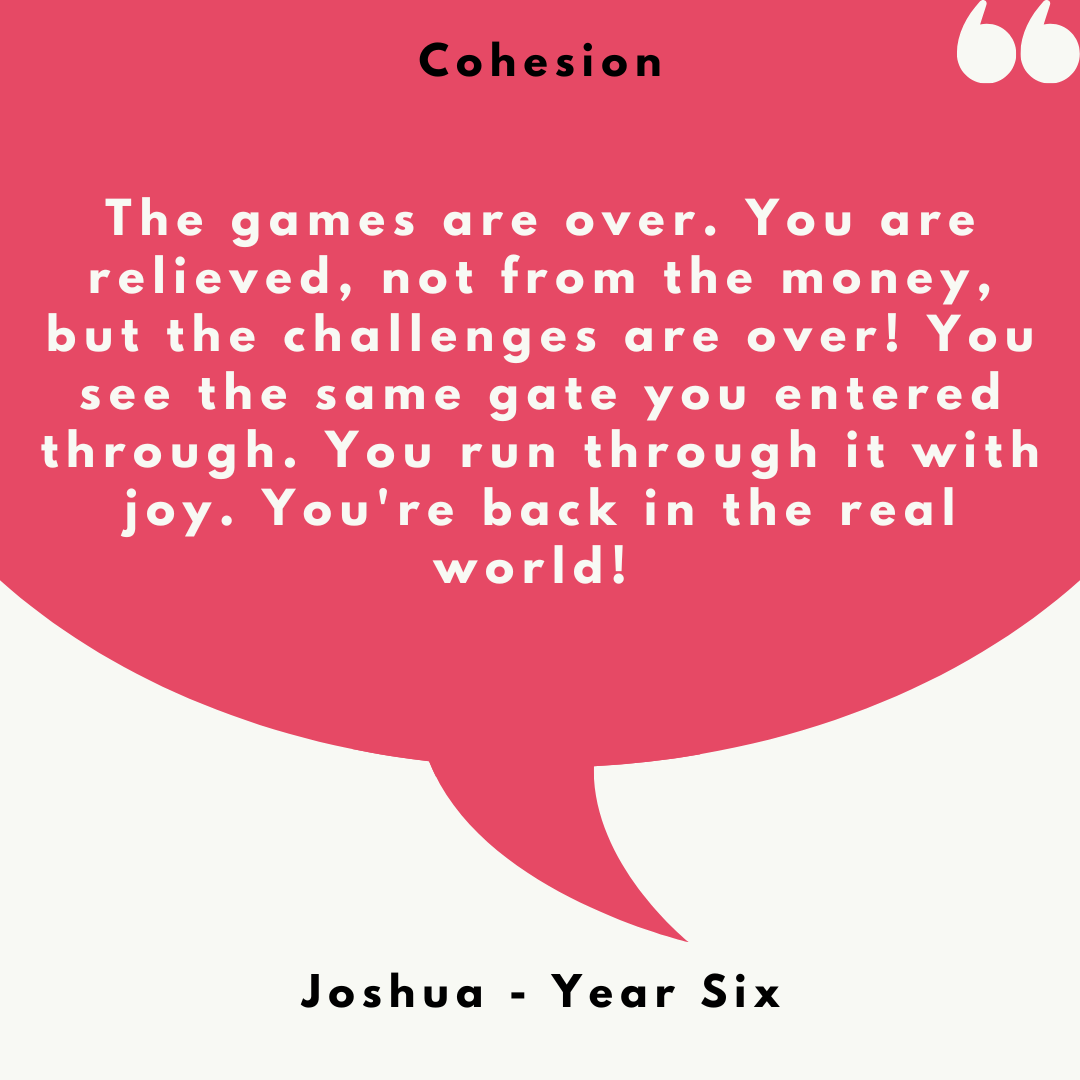
6. Cohesion
This is another area where students strive to tell a clear story that keeps track of its characters and events. An effective narrative does not include wild, out-of-place events that make the reader think, “Wait, hang on.” In particular, this means students carefully plan how to end their story so everything that has taken place is clearly wrapped up. “It was all a dream” is an ending that is banned at our school!
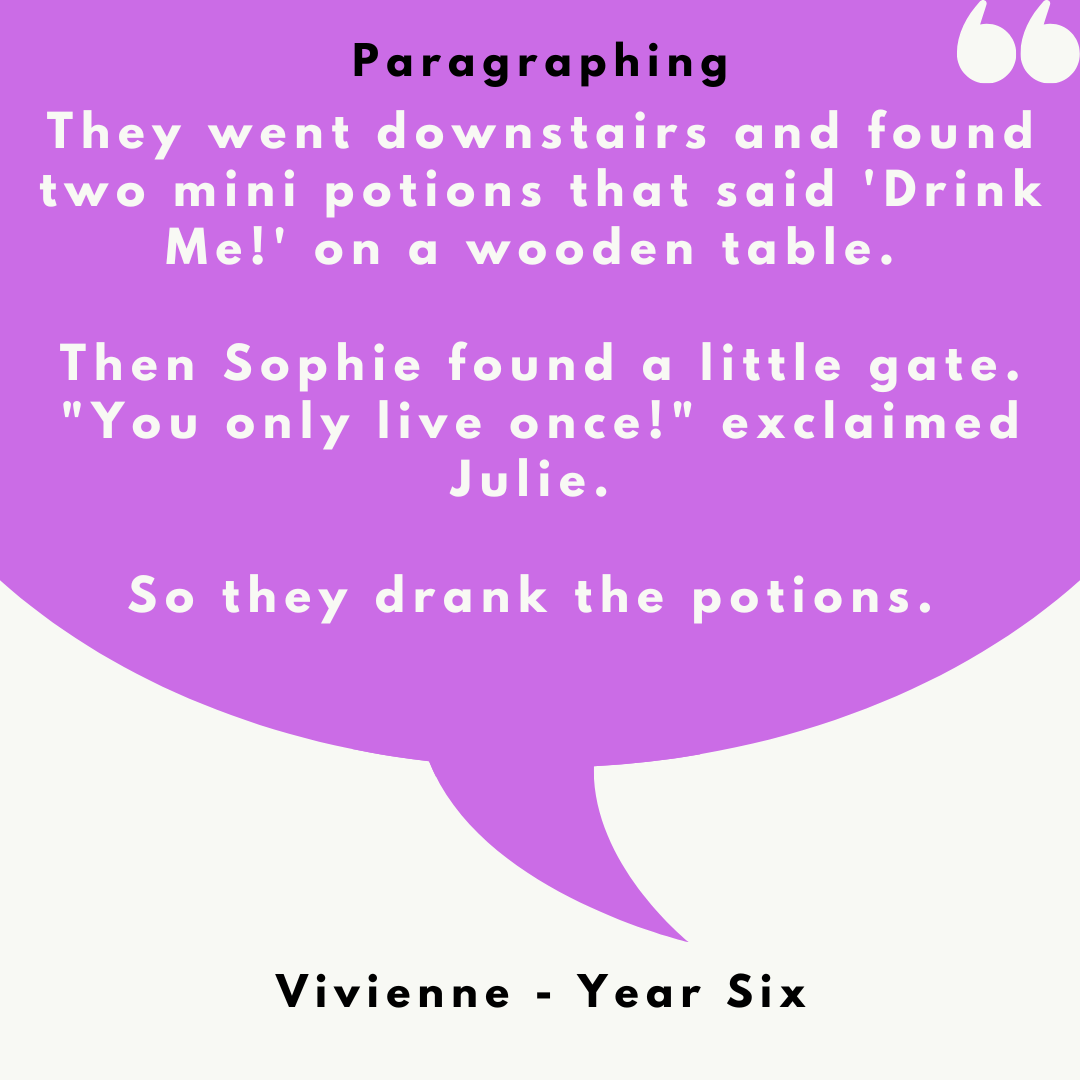
7. Paragraphing
No one wants to read a long slab of text! Correct paragraphing means that the ideas in a story are clearly separated, allowing the writing to flow effectively. Our students practise separating their ideas into different paragraphs in a way that supports the reader as they progress through the story.
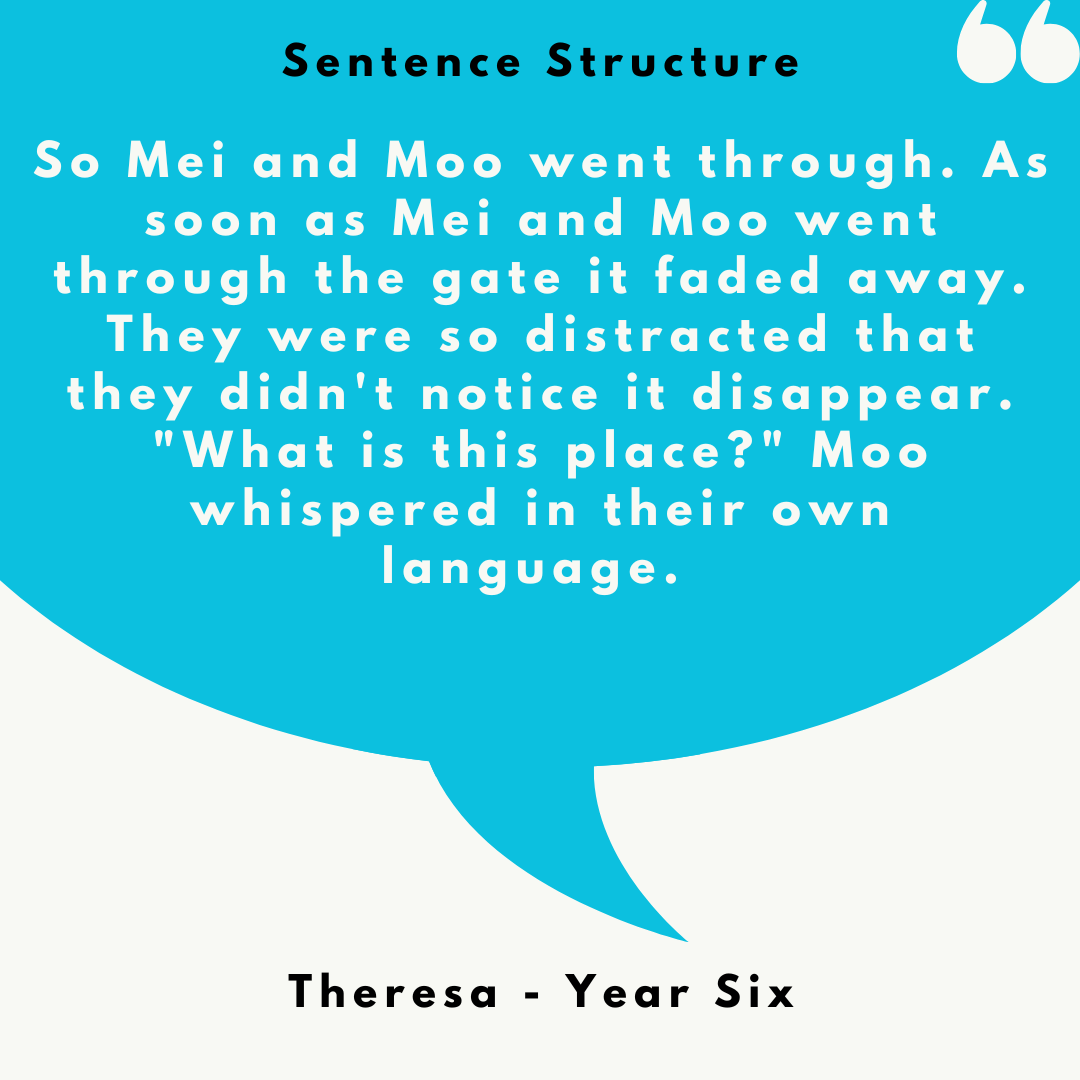
8. Sentence Structure
This refers to our students’ ability to vary the sentences they use, and the best narratives feature a mix of long, short, simple and complex sentences. By doing this, our stories become much more interesting to read. A narrative is not always dictated by the rules of other text types, so sometimes the most engaging sentences in a story may only be a few words long!
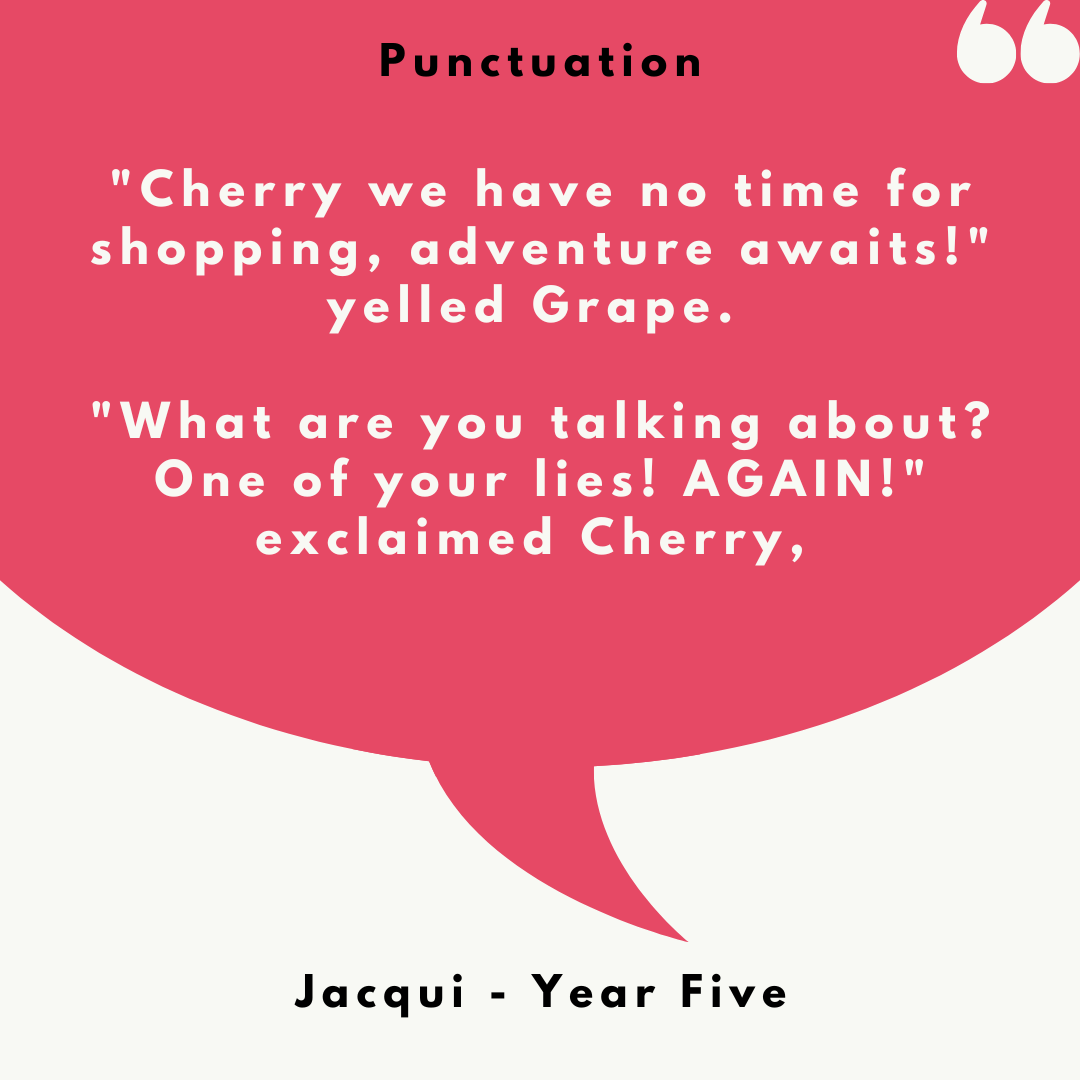
9. Punctuation
This is exactly what it sounds like, our students are challenged to use punctuation correctly, including full stops, question marks, quotation marks and more. This also links to what we mentioned earlier: an effective story should have characters speaking to each other in an engaging way, with the author correctly using quotation marks in each instance.
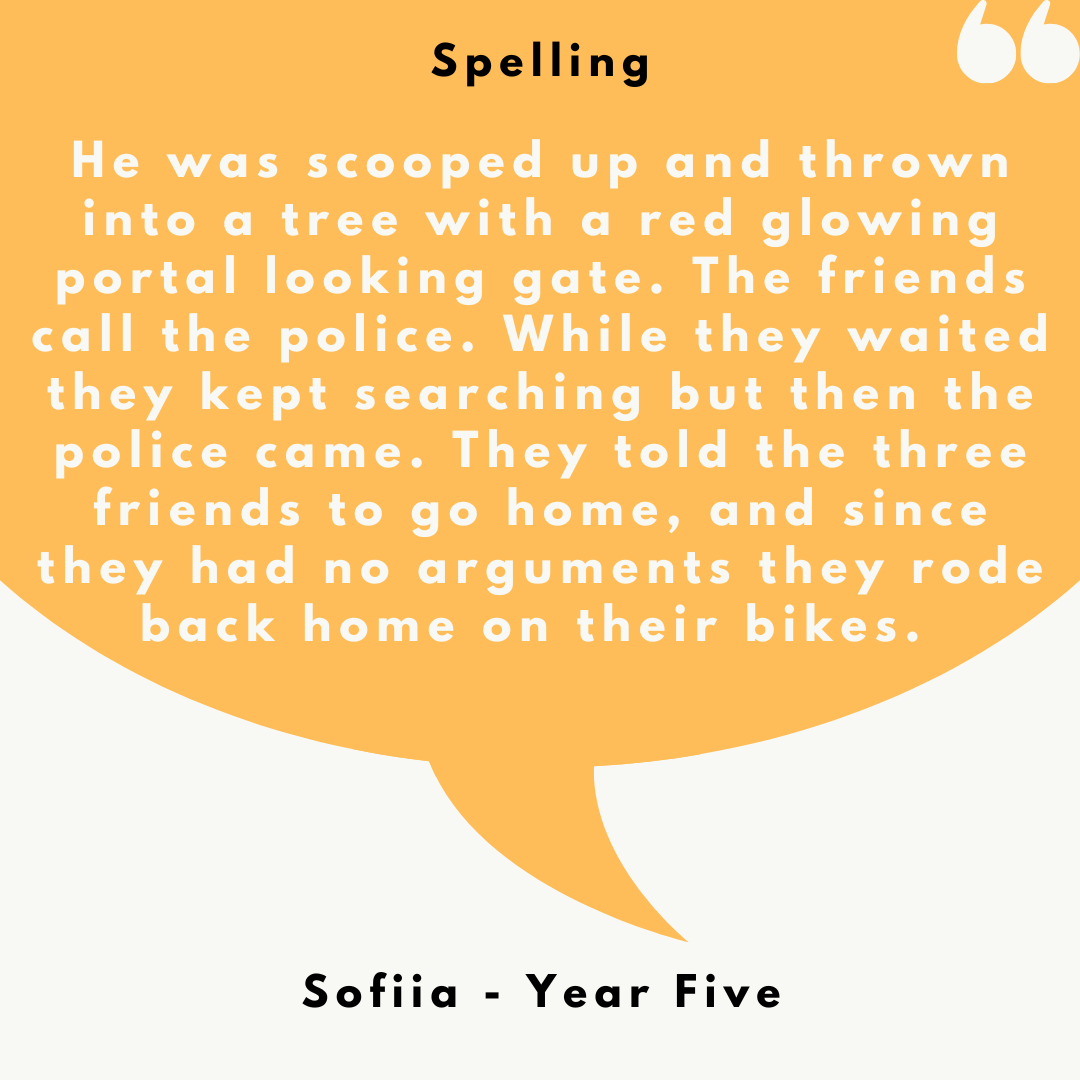
10. Spelling
This is exactly what it sounds like our students need to practice their spelling skills to correctly spell the words in their stories. Beyond this, students should strive to spell more complex words that best express their ideas. The highest-scoring stories include examples where students have chosen challenging words and spelled them correctly.
So there you have it! It does not matter if your story is about a pirate, a a talking dragon or a St Anthony's student, all narratives are assesed using the same criteria.
Our Year Three and Year Five students have been busy reviewing these concepts before their NAPLAN assesments, but these concepts are also taught all year long across our different year levels.
Often one of the most rewarding jobs in teaching is reading through the stories our students write, and we can't wait to continue to share work samples throughout the year.
Happy Writing!
Tim O'Mahoney
Curriculum Leader