
Student Wellbeing

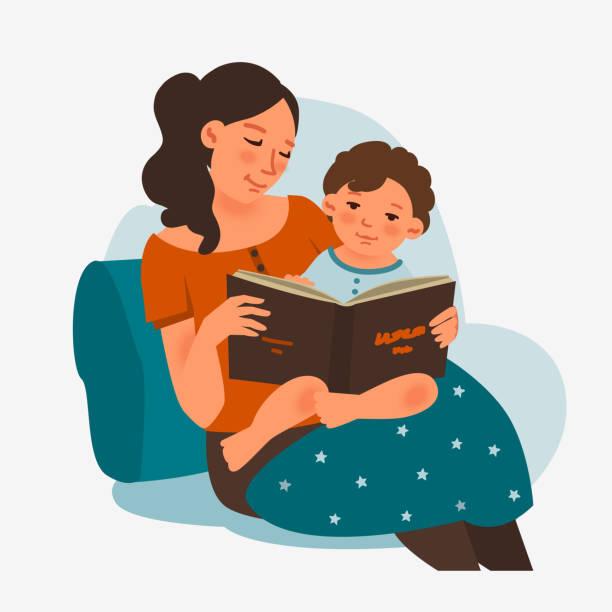
Making reading to your child at night a part of their bedtime routine.
In early childhood, the brain builds over 1 million neural connections per second. The pathways are developed across the areas of language, attention, emotion and memory. When a parent reads aloud, the child also practices listening, waiting and following a sequence.
Storybooks use up to three times more unique words than those in everyday conversation. This supports the development of skills in comprehension and vocabulary. When a parent reads aloud, their voice and a shared story provide a sense of safety. The nervous system learns to calm. This shared reading experience can reduce worries, improve sleep and regulate mood. In this way, books slow stimulation and provide an excellent night-time routine.
Books can introduce emotions a child has not experienced yet, such as fear, jealousy, grief and courage. This exposure builds empathy and emotional regulation before life requires it. Reading becomes more than a routine; it's a healthy habit that does not require screen time, rather it develops emotional stability, focus, empathy and learning, one story at a time.
Lisa
Deputy Principal & Wellbeing Leader
lisa.heath@smcmeppingnth.catholic.edu.au
Jess
Deputy Principal & Learning Diversity Leader