Grade 6 News
Upcoming Dates
- 3/9 - Father’s Day Stall
- 10/9 - Ice Cream Van: Kinder car park (2.30-4pm)
- 14/9 - Rowville District Summer Sport Round Robin Day 2
- 16/9 - SSV Knox Division Track and Field Championships
- 18/9 - Footy Dress Up Day
Reminders
- All secondary school acceptance forms need to be returned to the office
Just a quick message to say a huge thank you to everyone who came in for Parent–Teacher Meetings. It was so lovely to have such positive and meaningful conversations about your children and the progress they are making.
Learning in Action
Reading
Nevermoor: Trials of Morrigan Crow
This week, students continued reading Nevermoor: The Trials of Morrigan Crow, exploring Chapters 18–22. Morrigan continued to settle into life at the Wundrous Society and began to experience more of the strange and exciting world around her. She attended her first Wundrous Society classes, where she discovered that being a Wundrous student was not always as easy as she had imagined.
As Morrigan learns more about her new surroundings, she also begins to develop stronger friendships, particularly with Hawthorne, while navigating the challenges of fitting in. We explored the different personalities of the characters and considered how Morrigan’s relationships are beginning to change.
Students also explored the growing mystery surrounding Morrigan’s identity and abilities. We discussed clues provided by the author and considered what these might reveal about Morrigan’s past and her future at the Wundrous Society.
Preview:
As students read the next few chapters of Nevermoor, they will continue to focus on and discuss how the author builds a vivid picture for the reader. They will identify and discuss how literary devices such as rhyme, ellipsis, and imagery are used to create mood and engage the reader.
Writing
This week, students focused on writing the problem or conflict in their narratives. They learned that a strong problem gives the character something they need to solve, overcome or escape from, while keeping the reader interested in what will happen next.
Students:
- Planned a clear problem or conflict for their main character.
- Built tension by showing events leading up to the problem.
- Described the character’s thoughts, feelings and reactions as the problem developed.
- Used action and descriptive language to make the problem exciting for the reader.
- Included language features such as similes, rhetorical questions, ellipses, triples and foreboding to build suspense.
- Considered how their character would respond to the problem and what they might need to do to overcome it.
Wrote a problem that was challenging for their character rather than something that could be solved easily.
Students used examples from Nevermoor to explore how authors created tension and kept readers wanting to read on. They then applied these techniques when planning and writing the problem section of their own narratives.
Maths
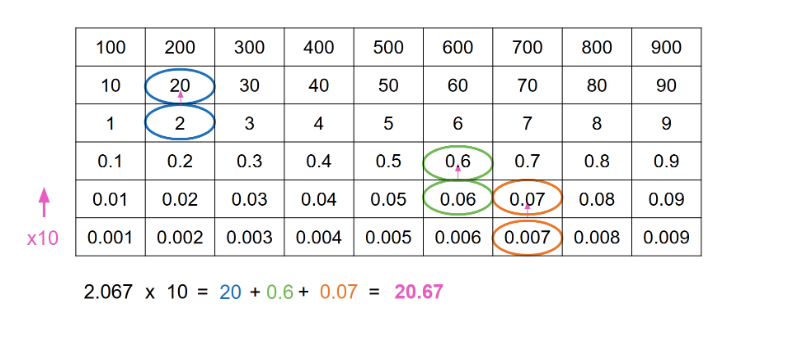
Last week, students finished their unit on decimals and continued to develop their understanding of how place value changes when multiplying and dividing decimals by 10 and 100.
Students learned to:
Understand that each place value is 10 times greater than the place to its right and 10 times smaller than the place to its left.
Use Gattegno charts and place value charts to show how digits change when multiplying and dividing.
Multiply and divide decimal numbers by 10 and 100.
Explain how the digits and their place values change when multiplying and dividing by powers of 10.
Apply their understanding to a range of decimal problems and real-world examples.
Converting Metric Measurements
This week in Maths, students continued developing their understanding of metric units of length. We focused on converting between millimetres, centimetres, metres and kilometres.
Students learned to:
- Convert between centimetres and millimetres using ×10 and ÷10.
- Convert between metres and kilometres using ×1000 and ÷1000.
- Convert between millimetres and metres using ×1000 and ÷1000.
- Find equivalent measurements by converting the same length into different units.
Use place-value and conversion charts to support their thinking.
Students also applied their skills to real-life examples, such as determining whether different measurements represented the same length. Students who were ready for a challenge converted between millimetres and kilometres and centimetres and kilometres.
Preview
In Maths, students will explore mass and capacity, using decimals and metric units to solve real-world measurement problems.
Students will be exposed to:
- Measure mass using milligrams, grams, kilograms and tonnes.
- Measure capacity using millilitres, litres, kilolitres and megalitres.
- Understand the relationships between different metric units and convert between units using ×1,000 and ÷1,000.
- Use decimals when reading and recording measurements.
- Apply their learning to everyday situations, such as weighing items at the shops, measuring ingredients in recipes and working with liquid measurements.
- Become familiar with the abbreviations for each unit, such as mg, g, kg, t, mL, L, kL and ML.
Knowledge Rich
Three-way Country Study
Following their studies of Australia, Greenland and Vietnam, students are learning to explain and compare how each country is responding to climate change through investment in sustainable practices and policies. For example, Australia’s commitment to net zero emissions, Vietnam’s management of aerosols and Greenland’s research on ice sheets.
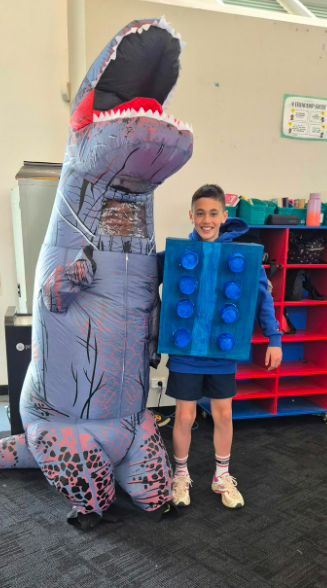
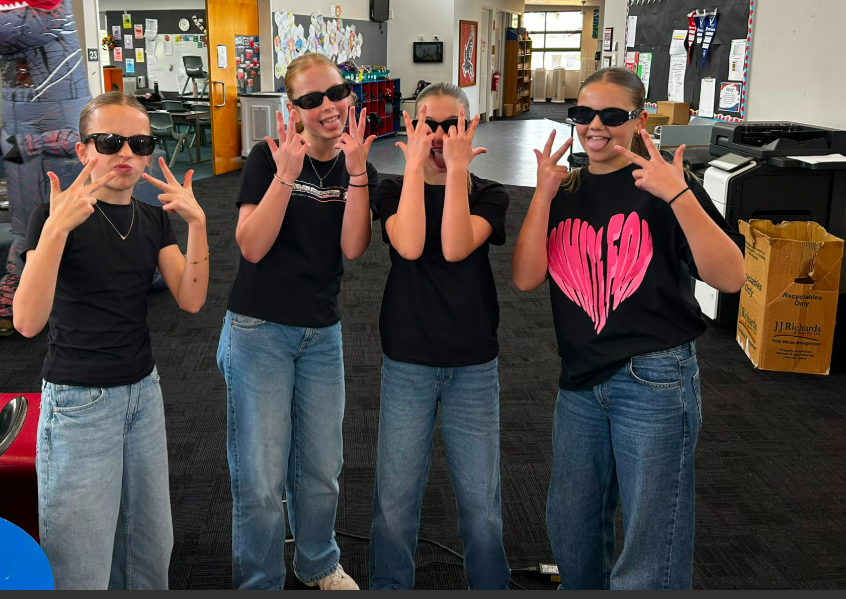
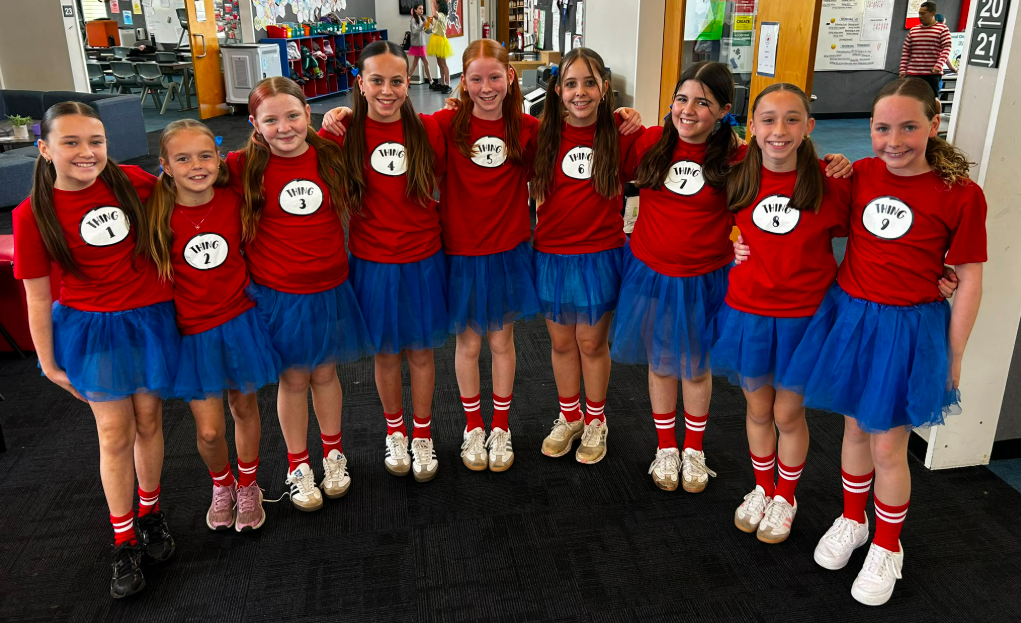
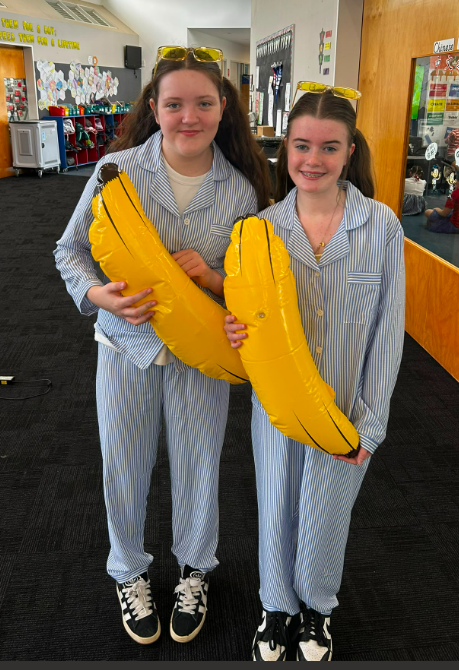
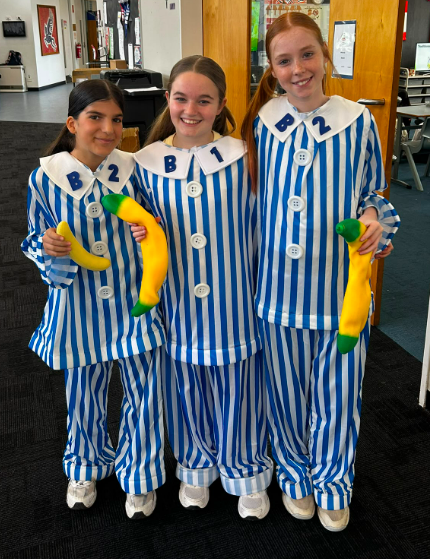
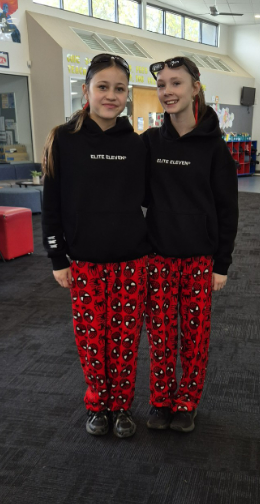
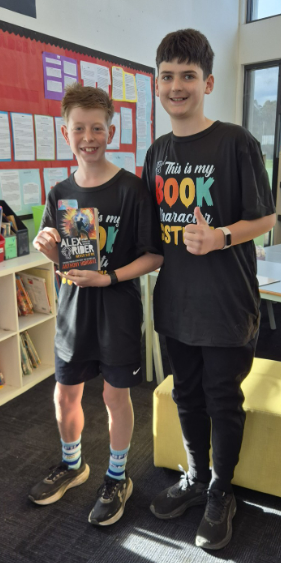
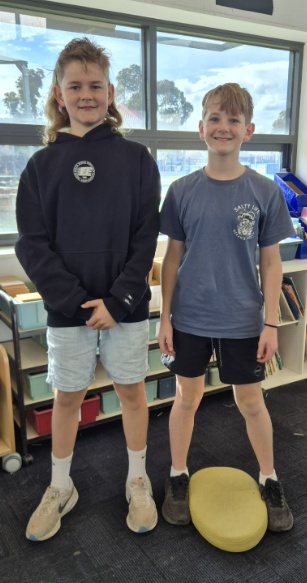
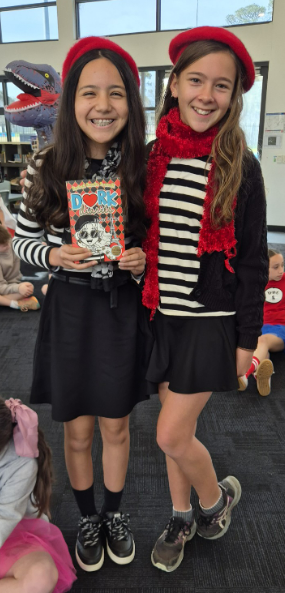
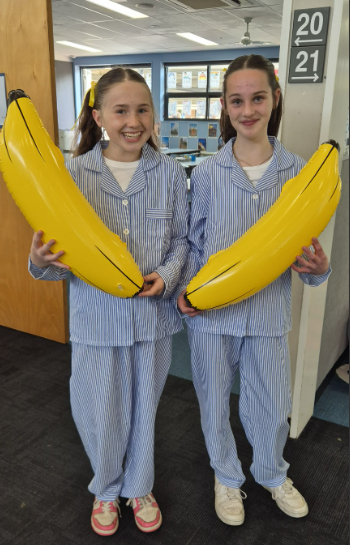
Bookweek fun:
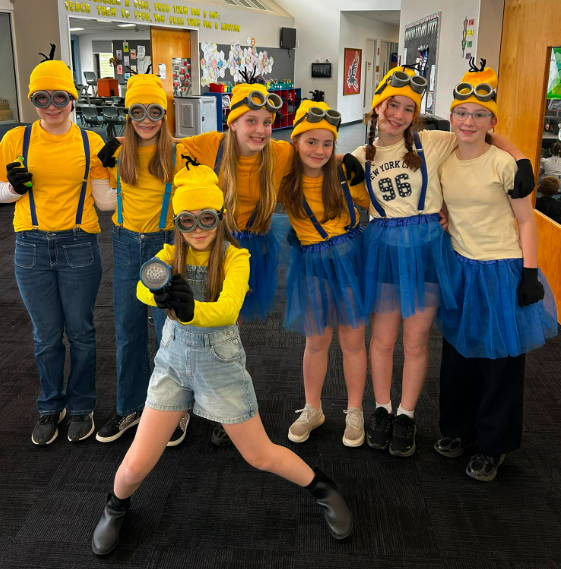
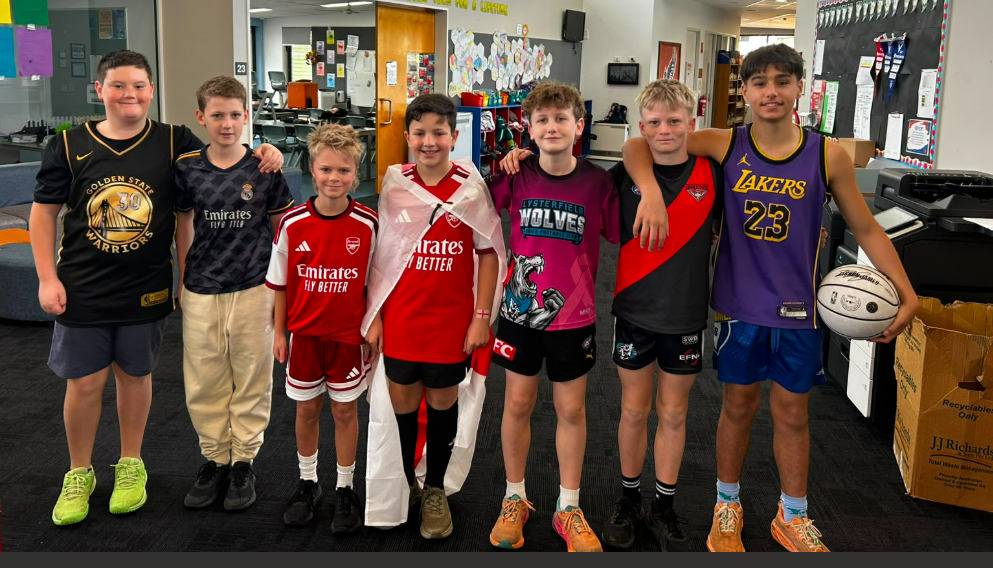
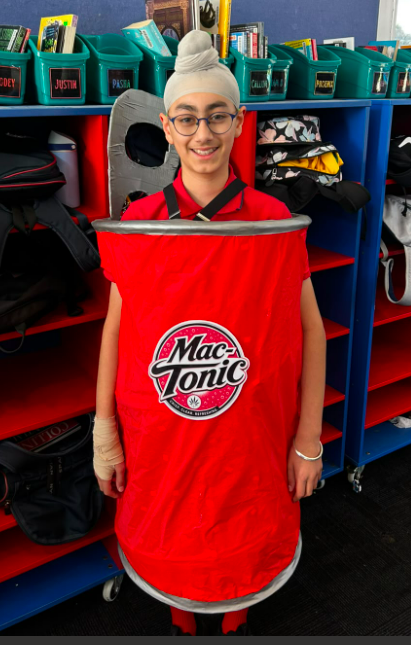
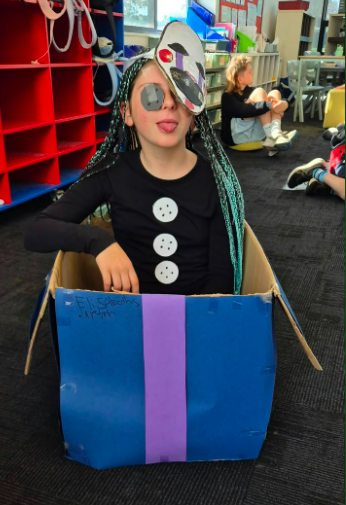
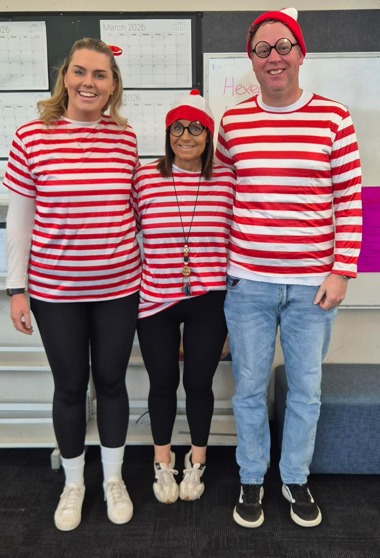
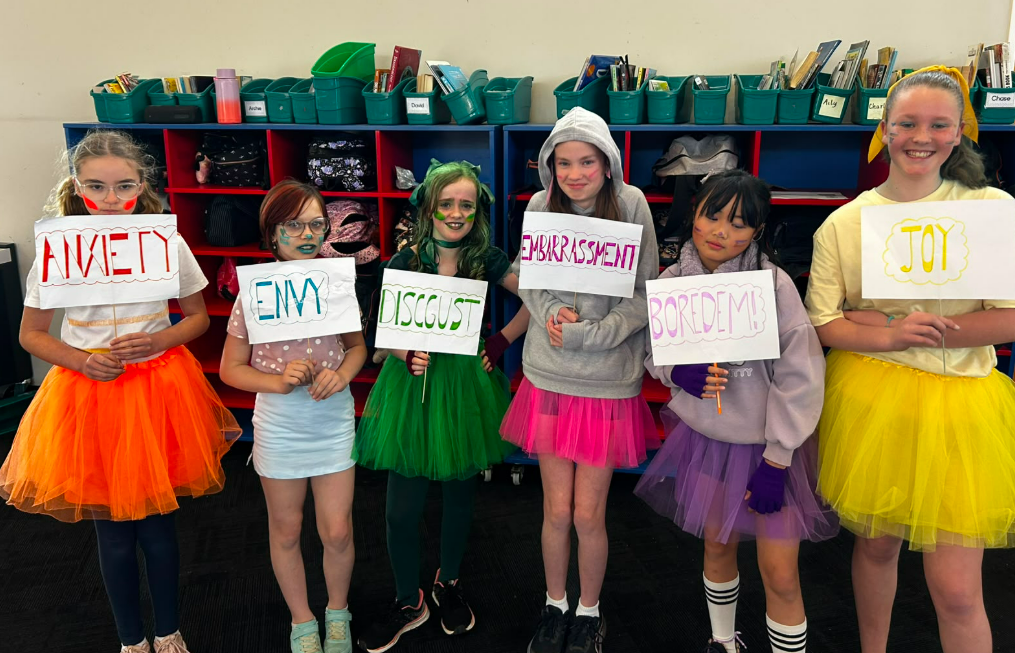
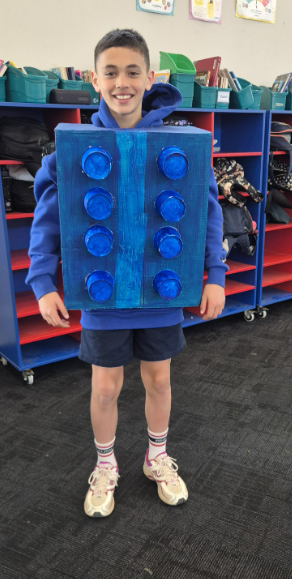
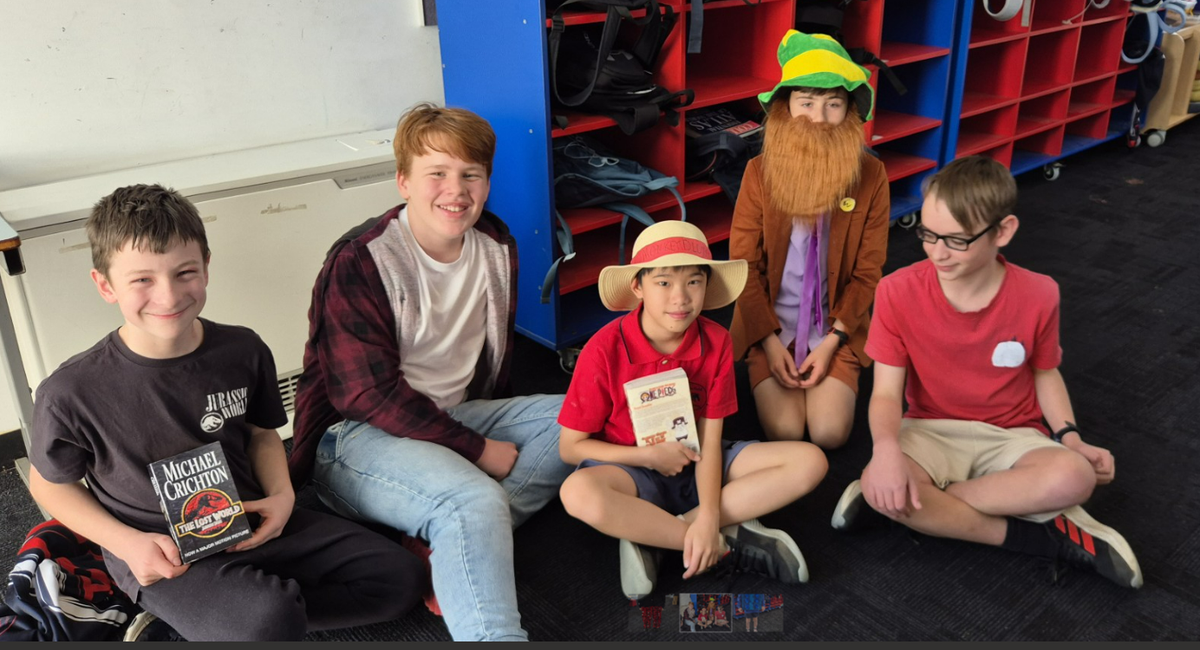
The Grade 6 Team
Melissa Adams, Caillin Ibbotson, Craig McKenzie, Chloe McElroy, Lisa Dealy