
Garden Club
Mr Jorgen Choong

Garden Club
Mr Jorgen Choong
| Type | Best Varieties | Harvest Time |
|---|---|---|
| Veggies | Rocket (Arugula), Radishes, Baby Spinach, Bok Choy/Pak Choy | 3–5 weeks |
| Leafy Greens | Silverbeet (Swiss Chard), Loose-leaf Lettuce, Kale | 6–8 weeks |
| Herbs | Coriander, Parsley, Dill, Chives, Mint | 4–6 weeks |
As the crisp Sydney air settles in, many gardeners assume the "growing season" is hitting the pause button. However, our mild winters are the perfect window for a fast-paced harvest! While heavy-hitters like broccoli take their time, there is a whole world of "quick-crop" vegetables and herbs that thrive in the cooler soil.
To see results before mid-winter, look toward leafy greens and root jewels. Radishes are the sprinters of the garden, often ready in just 25 days. Pair them with Rocket and Baby Spinach; these greens prefer the cool weather as it prevents them from "bolting" (flowering prematurely) and turning bitter.
For the herb lovers, now is the time to embrace Coriander. While it often struggles in the summer heat, it flourishes in the Sydney winter. Parsley and Dill are equally hardy, providing fresh flavours for those warming winter soups and stews.
Top Tip: To maximize growth, prioritize the sunniest spots in your garden. As the sun sits lower in the sky, those north-facing nooks become prime real estate. Give your seedlings a liquid seaweed feed every fortnight, and you’ll be harvesting your own winter salads in no time!
| Feature | Rainwater | Tap Water (Mains) |
|---|---|---|
| Nutrients | Contains nitrates (natural nitrogen). | Lacks natural nutrients. |
| pH Level | Slightly acidic (perfect for most plants). | Often alkaline (can lock out nutrients). |
| Additives | Pure; no chlorine or fluoride. | Contains chlorine to kill bacteria. |
| Cons | Collection can be inconsistent or dirty. | Can lead to salt buildup in soil. |
Every gardener knows that plants look noticeably greener after a storm. It isn't just your imagination; there is a scientific reason why "Sky Juice" beats tap water every time.
The Benefits:
Rainwater is naturally soft and slightly acidic, falling in the "sweet spot" (pH 5.5–6.5) that allows plants to absorb nutrients more efficiently. As rain falls, it also collects nitrates the most bioavailable form of nitrogen providing a free, instant fertilizer boost. Perhaps most importantly, rainwater is free from the chlorine and fluoride found in Sydney’s mains water, which can be sensitive to some seedlings and beneficial soil microbes.
The Disadvantages:
The primary downside is reliability and hygiene. Unlike the dependable tap, rainwater depends on the weather. If you are collecting it from a roof, it can also pick up debris, bird droppings, or heavy metals from old gutters. Furthermore, stagnant water in barrels can become a breeding ground for mosquitoes if not screened properly.
The Verdict:
While tap water is a safe and convenient necessity, using harvested rainwater whenever possible will lead to healthier soil and more vibrant crops. If you must use the tap, let it sit in a bucket for 24 hours to allow the chlorine to dissipate!
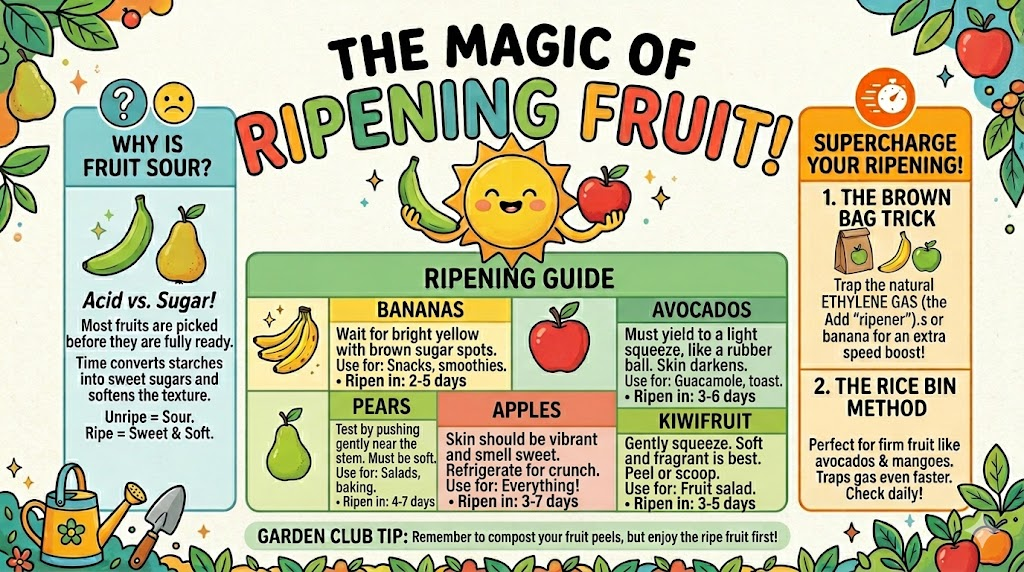
It is a classic "school garden" mystery! You’re likely right, school fruit often looks perfect on the outside because it’s bred for transport and durability, but inside, the starches haven’t yet converted to sugars. When kids take one bite of a sour apple or a "woody" pear, it often ends up straight in the compost.
Here is a guide to common school fruits, how to ripen them, and some clever hacks to speed up the process.
Ripening Hacks & Processes
Most of these fruits are climacteric, meaning they continue to ripen after being picked because they release ethylene gas.
Why is the fruit sour?
If the students are tossing fruit, it's usually due to acid vs. sugar. Unripe fruit is high in organic acids (like malic or citric acid). As the fruit sits at room temperature, enzymes break down complex starches into simple sugars, and the acid levels drop.
If you find a surplus of "sour" fruit, you can often save it by slicing it up and lightly stewing it with a tiny bit of honey or cinnamon. The heat breaks down the fibres that time didn't get to!
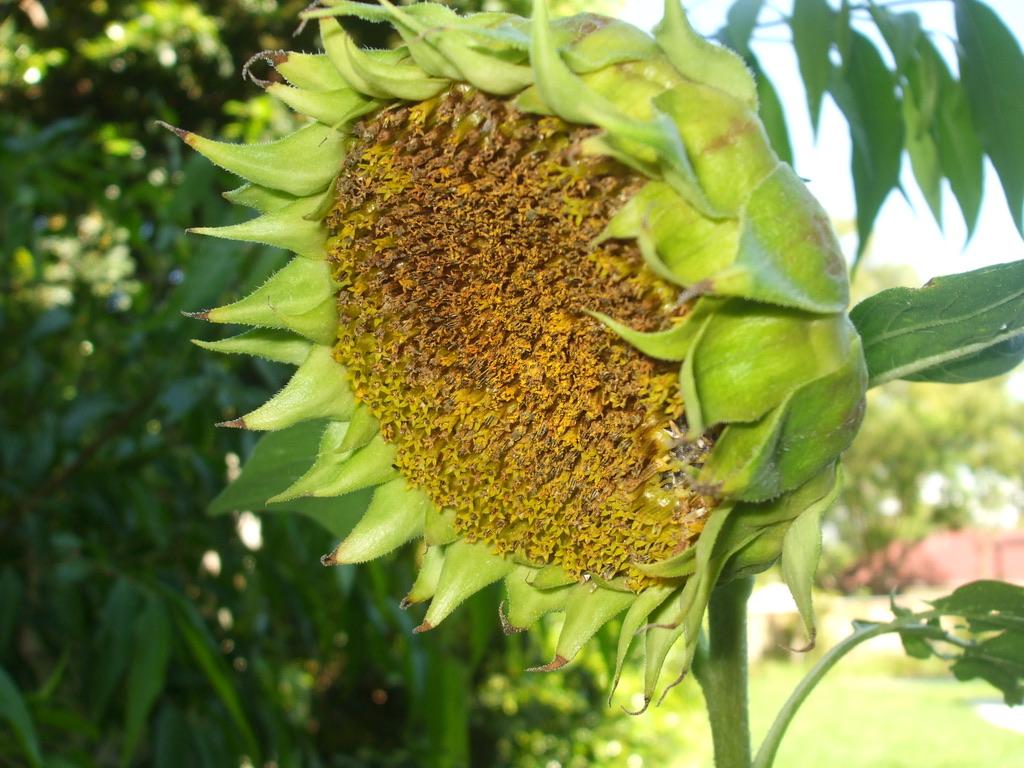
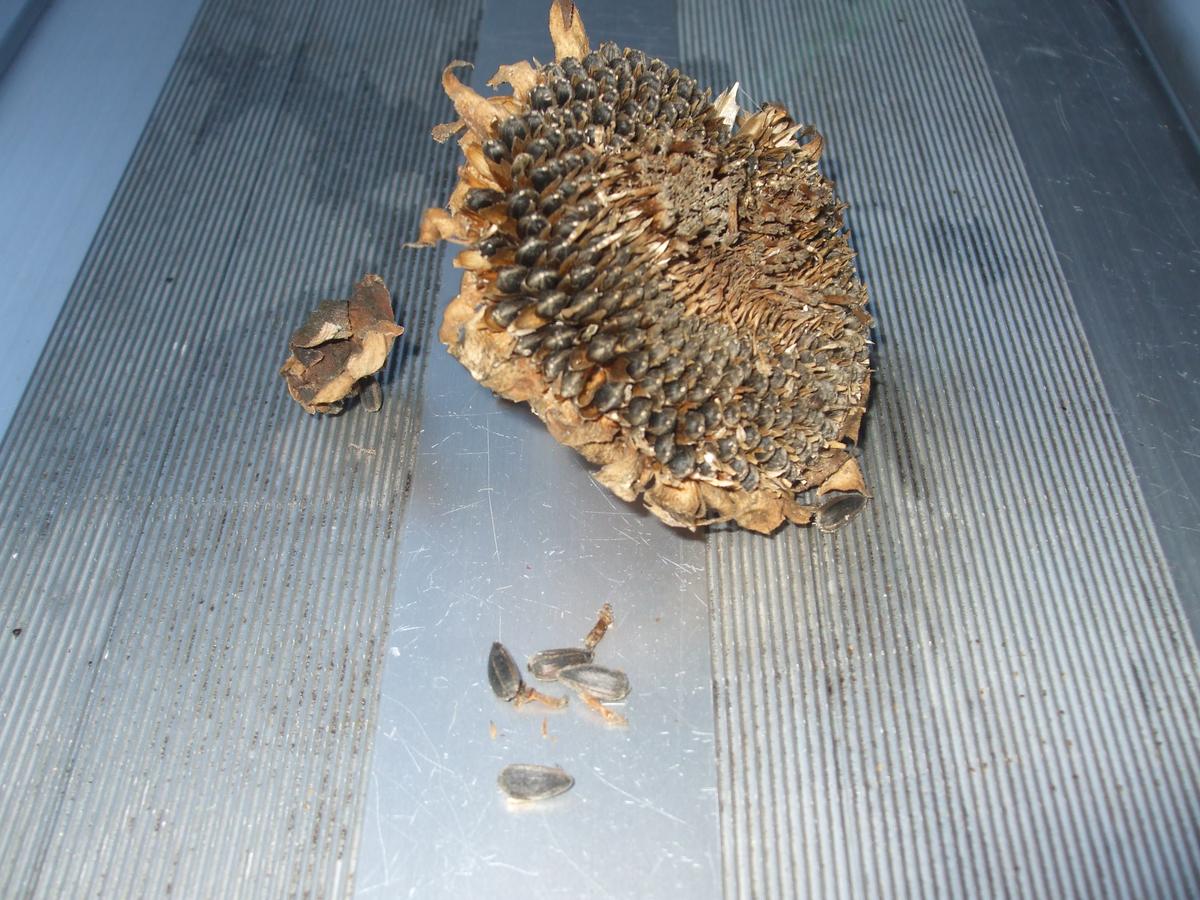
This was the Sunflower that grew over the summer break. The flower's seeds are finally dried and ready for next summer.

Garden Club happens on Tuesday and Thursday mornings, right after the gates open. We meet at the bubblers on the Churchill Avenue side of the school.
Garden Club is completely FREE to join! It's a great opportunity to learn to be a lateral thinker with limited resources, get first pick after a harvest, and see some fascinating creatures.
The information shared here is based on our experiences and knowledge, but we are not gardening experts. Think of it as friendly advice from one garden lover to another. Please remember that all gardening activities should be done with adult supervision and that you're responsible for your own safety and decisions.