
Literacy Corner
Mrs Adriana Cordi - Acting Instructional Specialist
Literacy Corner
Mrs Adriana Cordi - Acting Instructional Specialist
Across K-6, students are continually developing their reading fluency and comprehension. These skills grow over time and look different at each stage, but every child benefits from regular, positive reading experiences at home.
Fluency is the ability to read with:
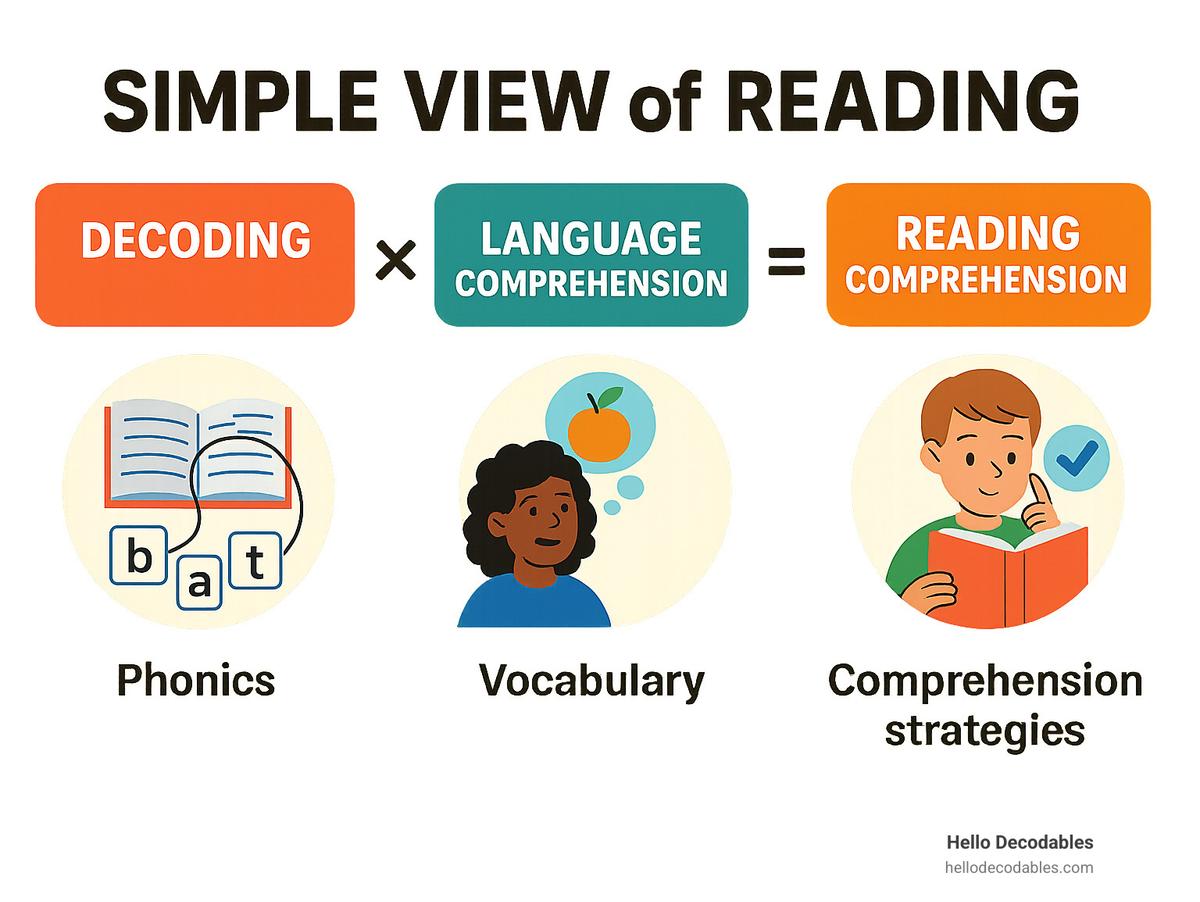
Comprehension is the ability to understand, interpret, and think about what they read. This includes:
When a child is using most of their energy to sound out individual words, they have very little attention left to understand the story or information. As their reading fluency improves, reading becomes faster and smoother, and they begin to recognise words automatically. This allows them to focus on what the text means rather than simply decoding what it says. With this mental space freed up, students can make predictions, visualise what’s happening, and connect ideas, all of which are essential to strong comprehension.
How can you help at home?
Fluency and comprehension develop gradually across all primary years. By practising regularly at home and school, students build the skills they need to become thoughtful, capable, and enthusiastic readers.
Keep an eye out in future newsletters for writing and other literacy work samples!