
Job Vacancies Board

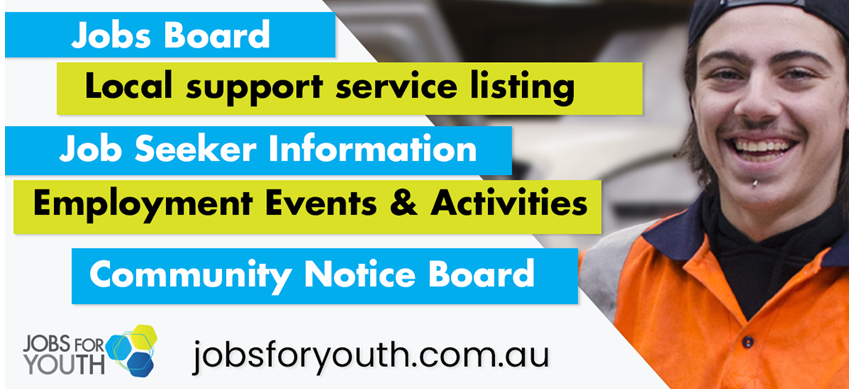
Jobs for Youth Career Hub
A one-stop portal for local, youth-focused job listings, events & activities and job hunting advice.
Search for local entry-level employment opportunities across the inner northern regions of Darebin, Merri-bek, Yarra and the CBD.
Access employment information from job searching, resume and cover writing, interview preparation, and everything you need to know about starting a new job.
Connect to a range of local services that can support you into employment, training and education.
Go to www.jobsforyouth.com.au to find out more.
Common job titles for young people and what they actually mean
When you're searching for your first job, it's easy to feel like the listings are written in another language. Titles don't always tell you what a role actually involves day to day, and two jobs with completely different names might turn out to be almost identical in practice. On top of that, the same job can go by several different titles depending on the employer, which makes it even harder to know what you're actually applying for.
Understanding what these titles mean, and what to expect from them, makes the whole process a lot less daunting. Here are some of the most common ones you're likely to come across.
Casual, part-time, and full-time: what's the difference?
Before getting into specific titles, it's worth knowing that most job listings will also tell you the type of employment on offer. You might see a role listed as "Casual Sales Assistant" or "Part-Time Crew Member," for example. These aren't just descriptions of how much you'll work; they affect your pay rate, your entitlements, and how much flexibility you'll have.
In short, casual roles offer more flexibility but less job security, part-time roles give you set hours each week with more stability, and full-time roles are your standard working week. We have a full article on this that goes into much more detail.
Hospitality
Hospitality is one of the most common industries for young people entering the workforce. The hours are often flexible, the roles are usually entry-level, and the skills you build, such as communication, time management, and working under pressure, carry over into almost any other industry.
Crew Member
This is one of the most common titles you'll see if you're applying to fast food or quick service restaurants. A Crew Member handles a mix of tasks depending on where they're rostered on a given shift. That could mean taking orders at a counter or drive-through, preparing food, keeping the workspace clean, or helping customers with their orders. The role moves quickly, so being able to stay organised and work as part of a team matters a lot. The title varies between employers; some use Team Member, Service Crew, or simply Team Associate, but the role is largely the same.
Barista
A Barista prepares and serves espresso coffee and other hot and cold beverages, typically in a café, coffee shop, or restaurant setting. If you've ever been handed a perfectly made flat white, a Barista made it. The role usually also involves taking orders, handling payments, and keeping the café area clean and stocked. Some cafés will train you from scratch; others prefer applicants who already have some experience. If you're keen to get into this space, a short barista course can help you stand out.
Wait Staff / Waiter / Waitperson
These titles all refer to the same role: someone who takes food and drink orders from customers, delivers them to tables, and makes sure the dining experience runs smoothly. Wait Staff are the main point of contact between the kitchen and the customer, so being friendly and attentive is a big part of the job. The title changes depending on the venue, with some using Floor Staff or Service Staff instead.
Other common hospitality titles:
- Kitchen Hand: assists kitchen and service staff with food preparation and cooking, and keeps food prep and service areas clean.
- Bar Attendant: prepares and serves alcoholic and non-alcoholic drinks to customers in licensed venues such as bars, pubs, and clubs.
- Food and Beverage Attendant: a broader title that covers serving food and drinks across different venue types, often used in hotels, sporting venues, and event spaces.
Retail
Retail is another industry where a huge number of young people find their first jobs. Like hospitality, it builds a strong set of transferable skills and tends to offer flexible hours that work around school or study.
Sales Assistant
This is probably the most common retail title you'll come across. A Sales Assistant helps customers find what they're looking for, answers questions about products, processes payments, and keeps the shop floor tidy and well-stocked. The role sits at the front line of the customer experience, so being approachable and having good product knowledge matters. Some employers use Retail Assistant or Store Assistant instead, but the day-to-day is usually very similar.
Customer Service Representative
This title can appear in retail but also in call centres, banks, and service-based businesses. A Customer Service Representative is focused specifically on helping customers, whether that's answering questions, processing transactions, handling complaints, or directing people to the right place. In a retail setting, this role sometimes sits separately from sales and is more about problem-solving than selling. In a call centre context, most of the work happens over the phone or via online chat.
Other common retail titles:
- Visual Merchandiser: arranges products and displays to make the store look appealing and encourage sales, often a more senior or specialised role.
- Checkout Operator / Cashier: processes customer purchases at a register or self-service terminal.
- Stock Assistant / Storeperson: manages inventory, unpacks deliveries, and keeps shelves stocked and organised.
Other industries
Young people aren't limited to hospitality and retail, and plenty of entry-level roles exist across other sectors too.
- Administration Assistant: provides general office support such as answering phones, managing emails, scheduling appointments, and handling paperwork.
- Childcare Assistant: supports qualified educators in looking after and engaging young children in a childcare or early learning setting.
- Labourer: carries out physical tasks on construction sites, in warehouses, or in outdoor settings, often as a support role to tradespeople or site supervisors.
- Delivery Driver: transports goods or food orders from one location to another, usually requiring a valid licence.
A note on job titles varying between employers
It's worth knowing that the same job can go by several different names depending on where you're applying. One supermarket might call the role Checkout Operator while another uses Customer Service Team Member. A café might advertise for a Barista while another lists the same position as a Coffee Specialist or Café Attendant.
When you're reading job listings, look past the title and focus on the responsibilities listed in the description. That's where you'll find out what the role actually involves day to day, and whether it's a good fit for you.
Where to from here?
Now that you've got a clearer picture of what these titles mean, you're in a better position to find roles that suit you and apply with confidence. Head to our First Jobs section for more advice on writing your resume, preparing for interviews, and everything else that comes with starting out in the workforce.