Assistant Principal's Message
Mrs Marie Iorfino
Assistant Principal's Message
Mrs Marie Iorfino
Research has shown there is a direct correlation between attendance and student achievement. High-performing schools have attendance rates around 97-98%. I encourage all parents/carers to ensure their son/daughter is at school on time each day of the school term, unless they are too ill to attend. Applications for leave longer than 5 days need to be made at least two weeks in advance to Mrs Novak.
Class | Attendance Rate % |
|---|---|
| Kindergarten | 98.27% |
| Year One | 96.35% |
| Year Two | 96.1% |
| Year Three | 96.1% |
| Year Four | 93.6% |
| Year Five | 96% |
| Year Six | 93.55% |
| Overall School | 95.71% |

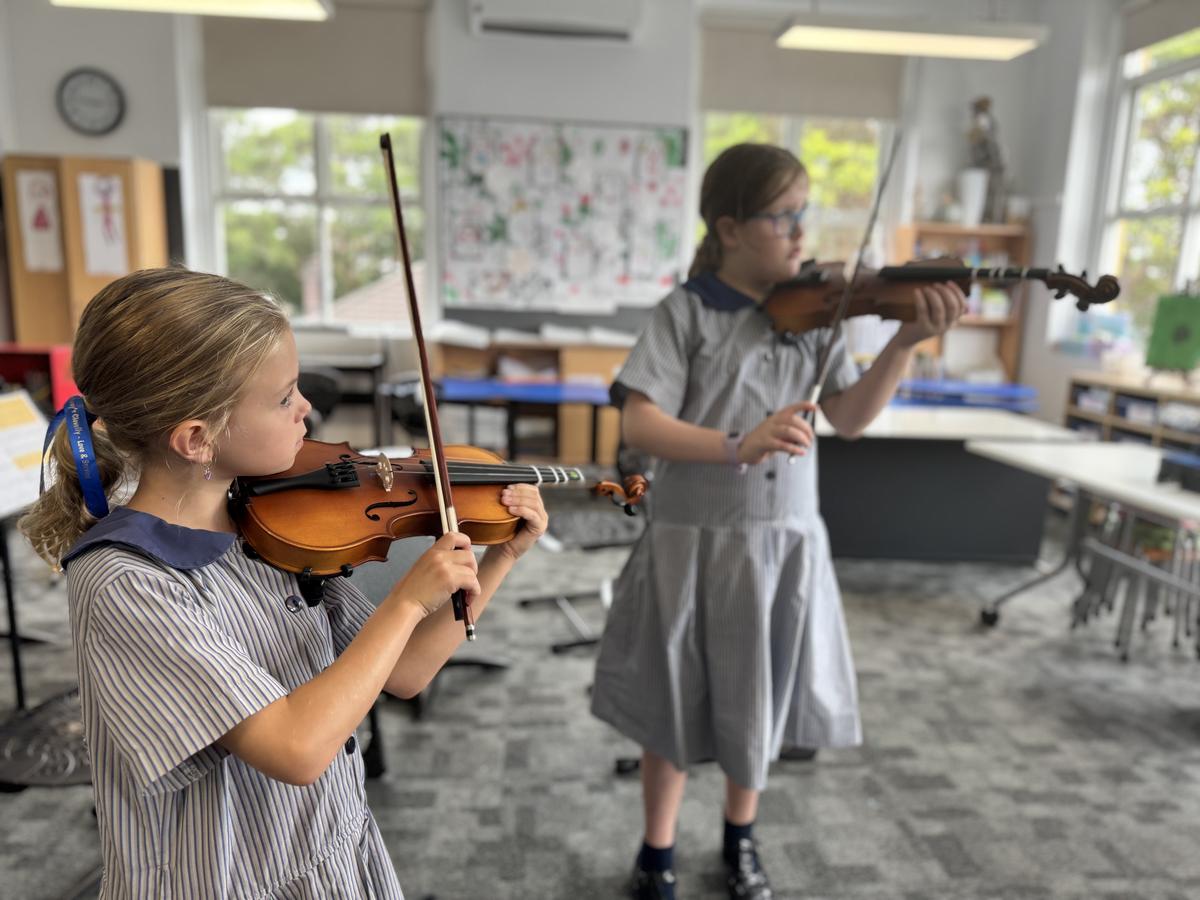
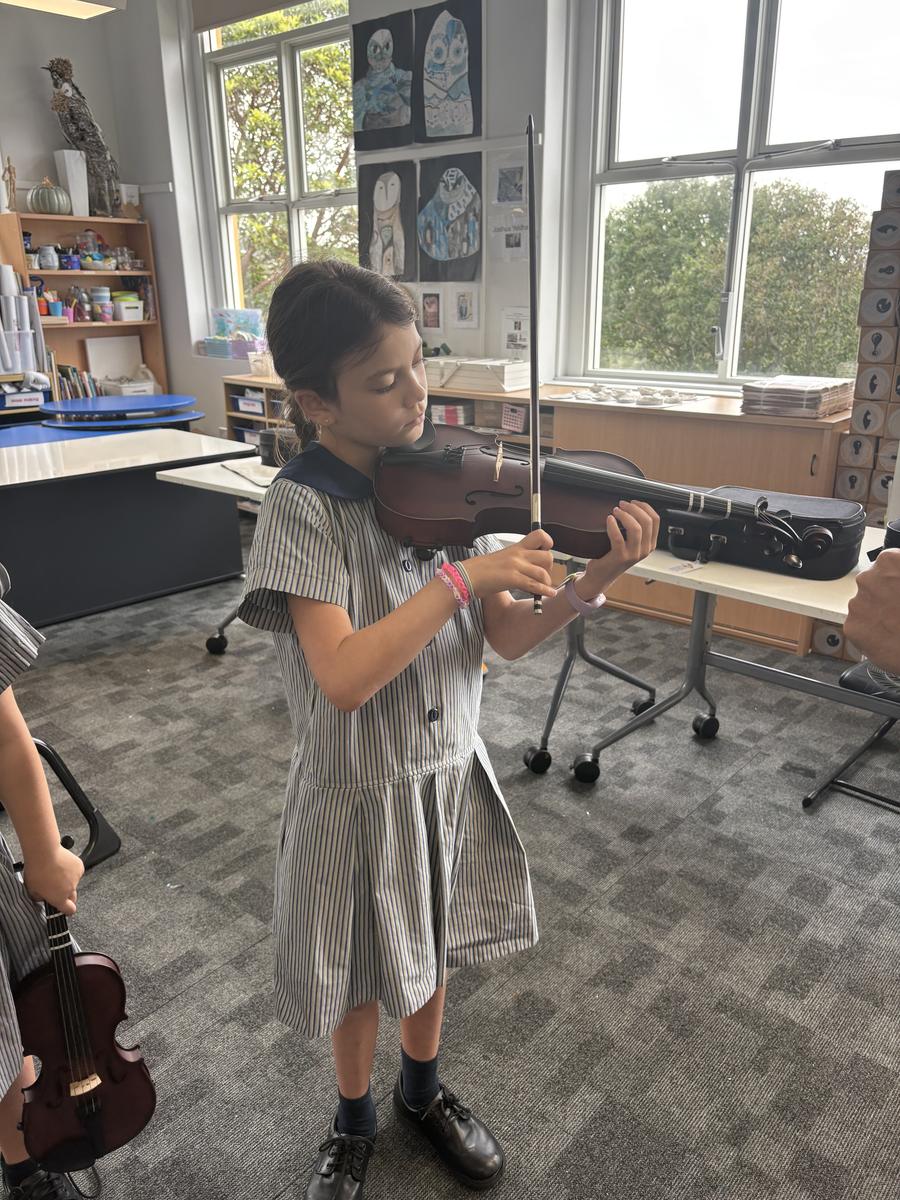
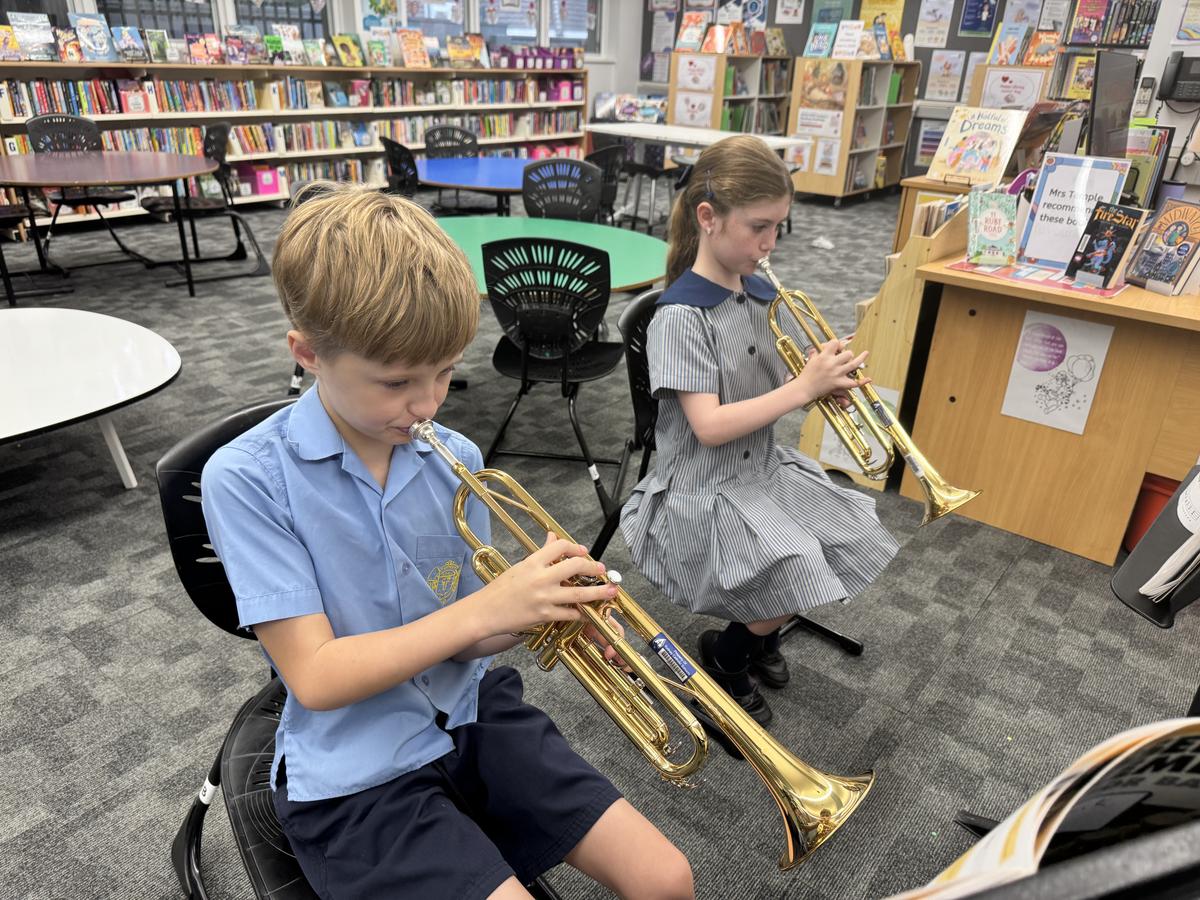
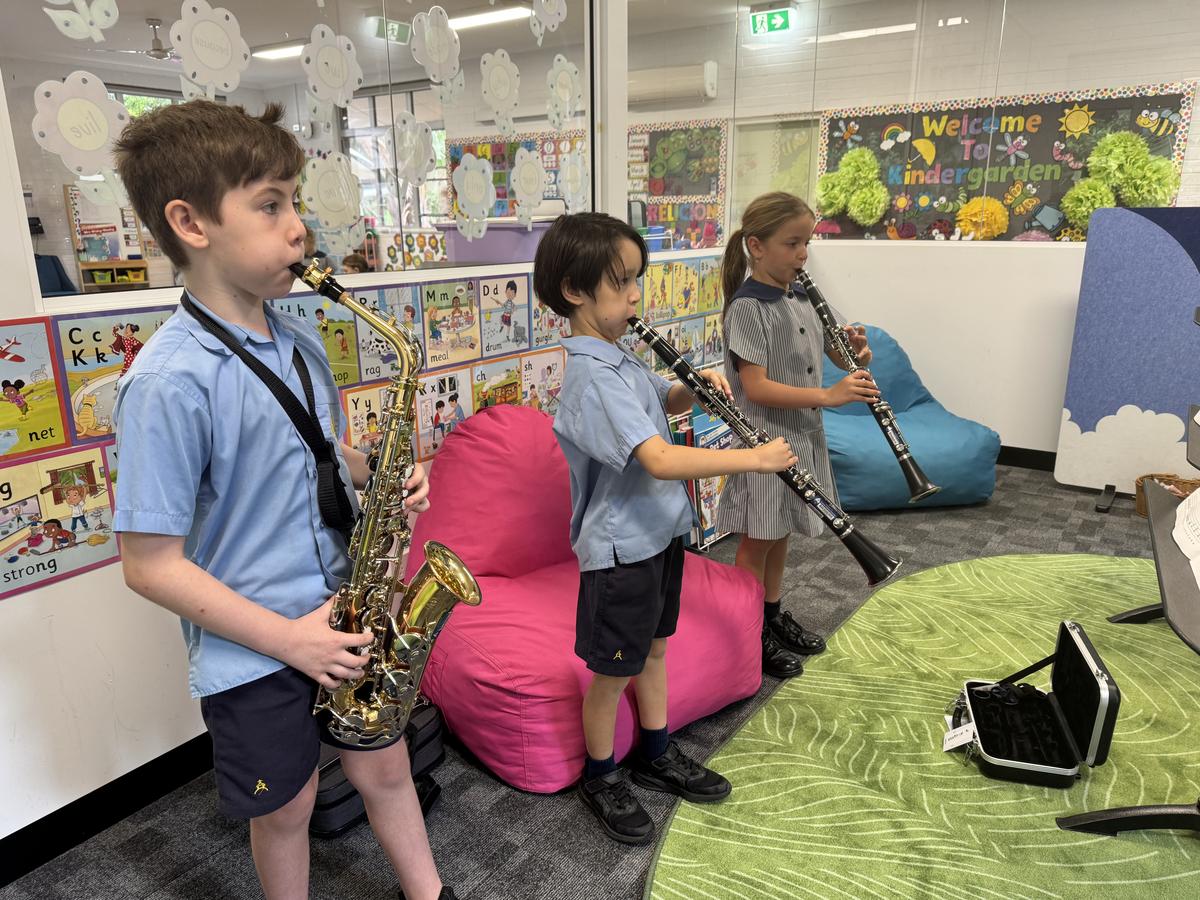
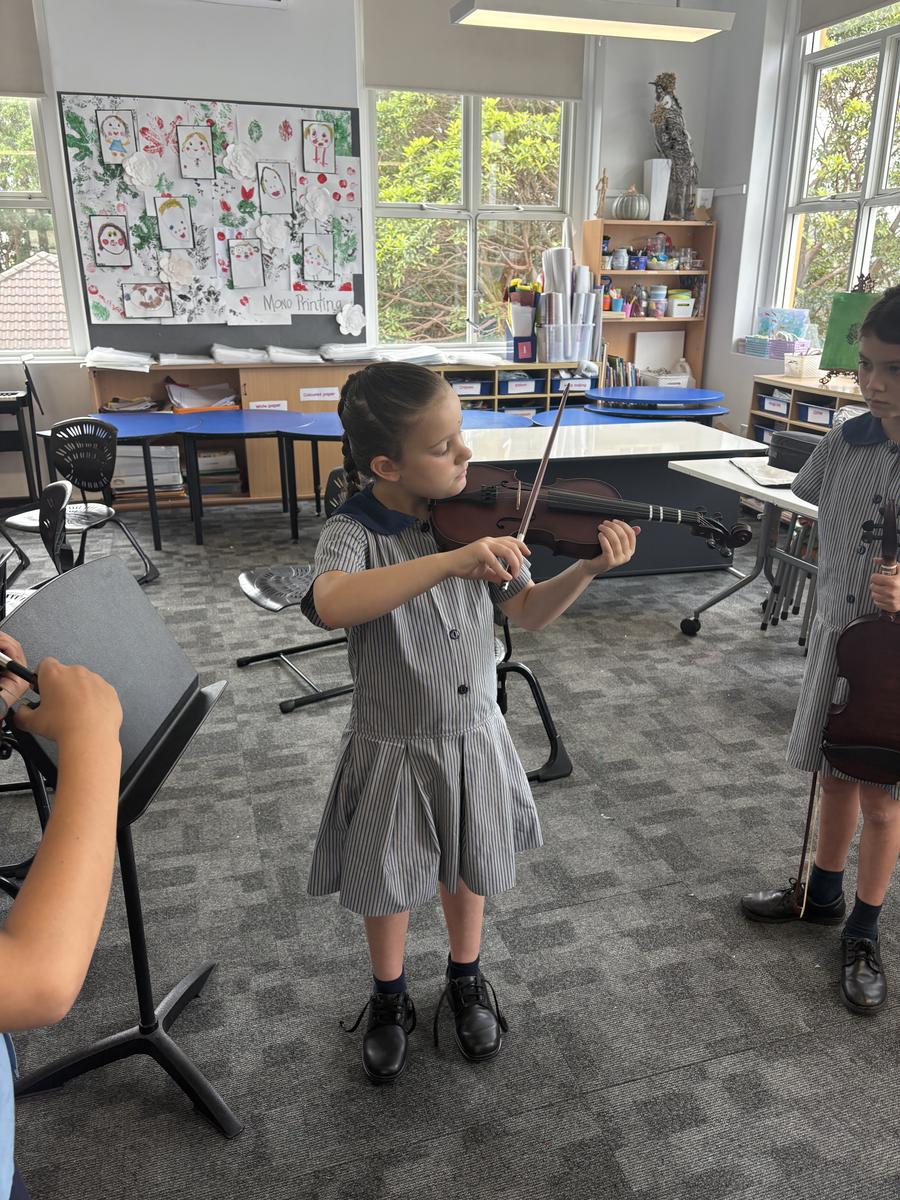
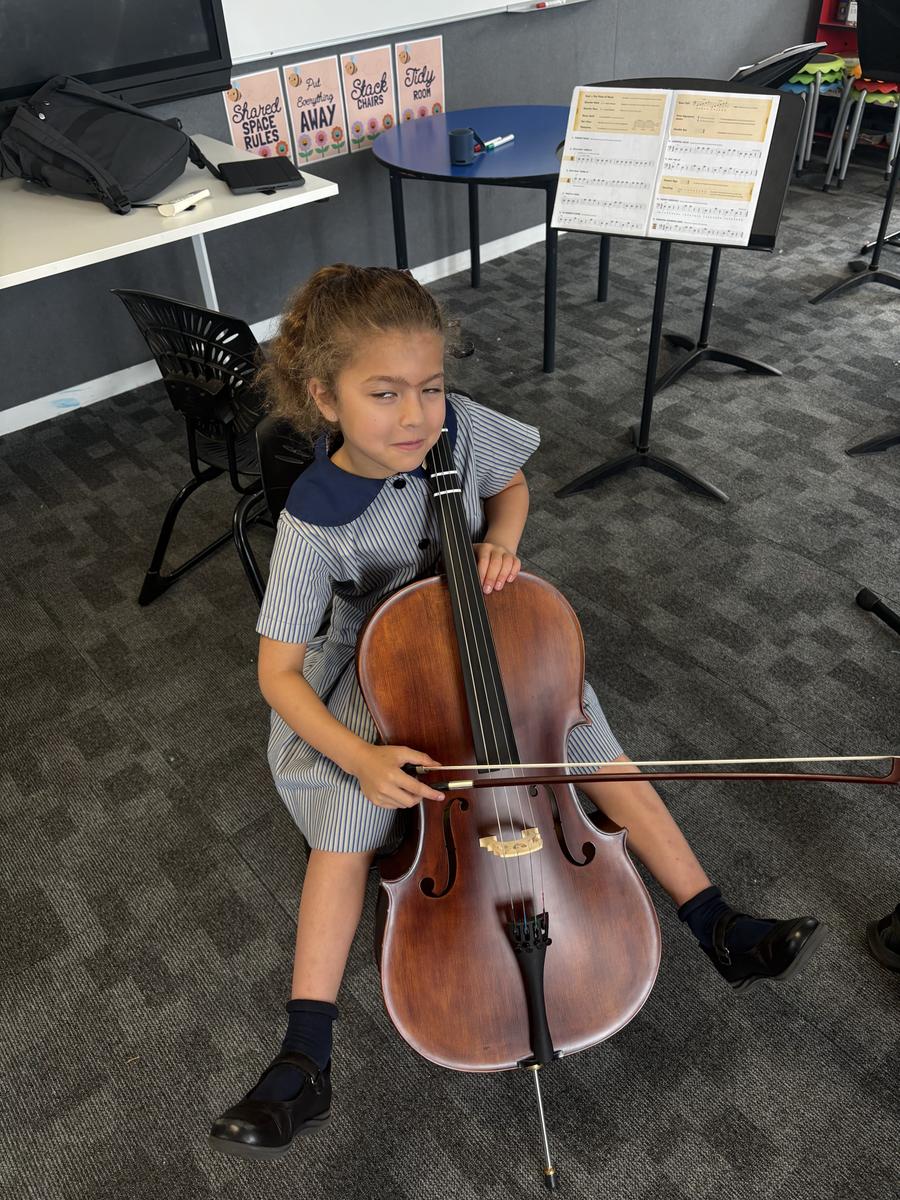
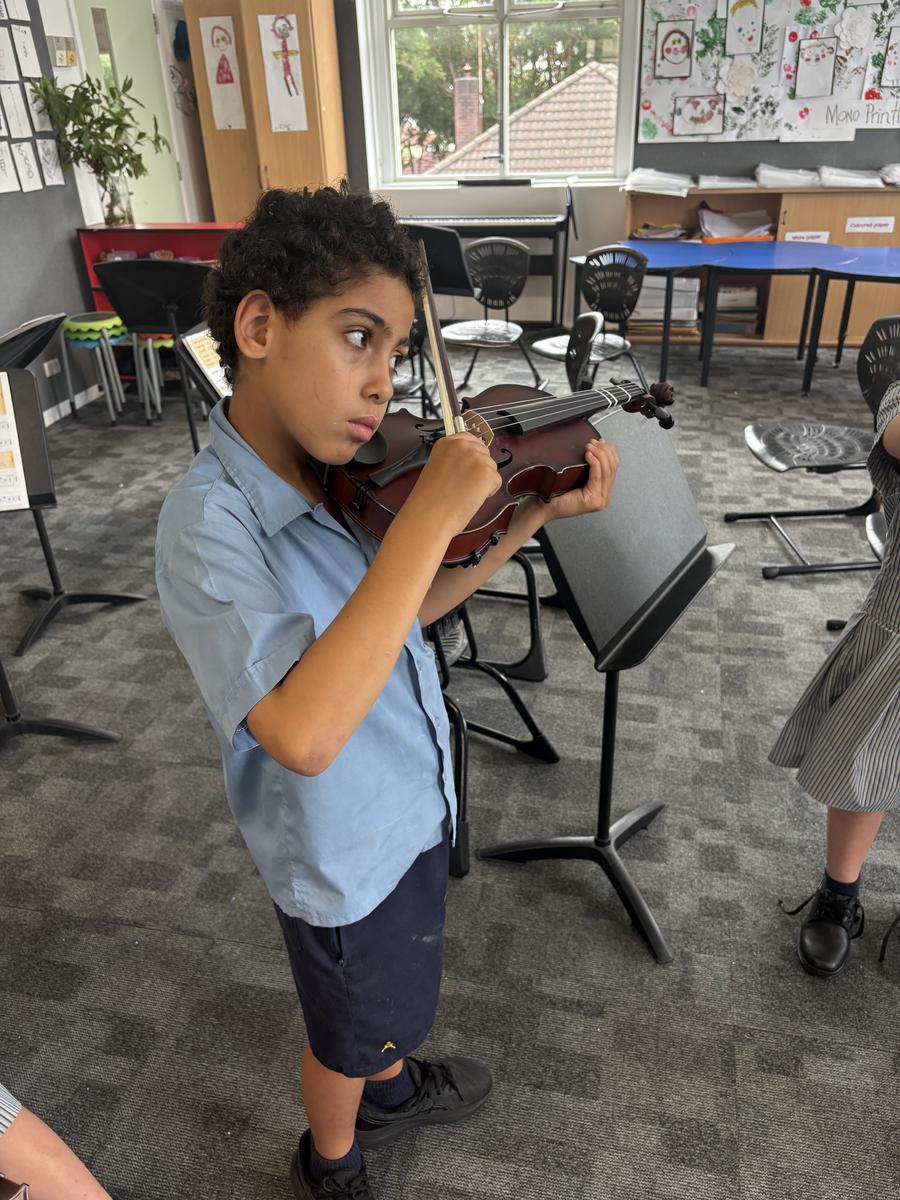
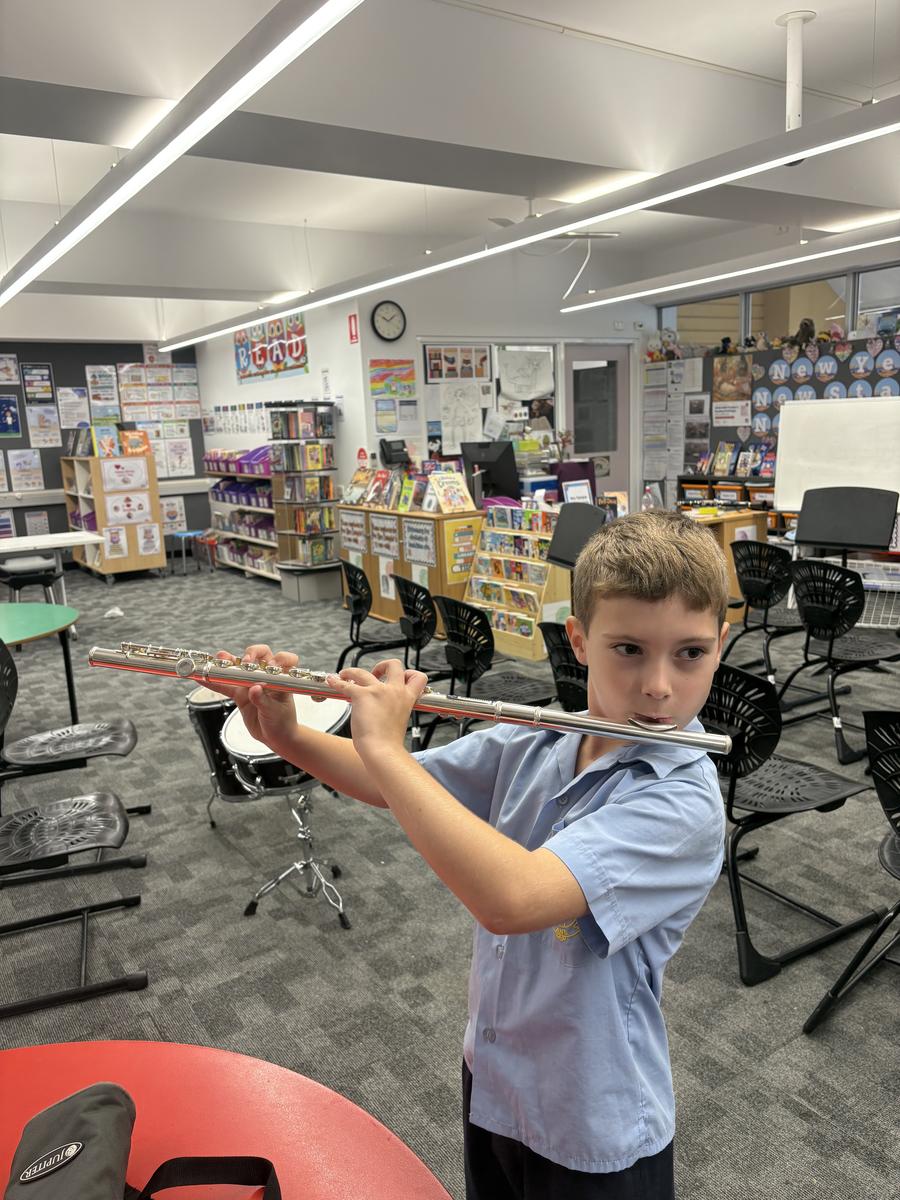
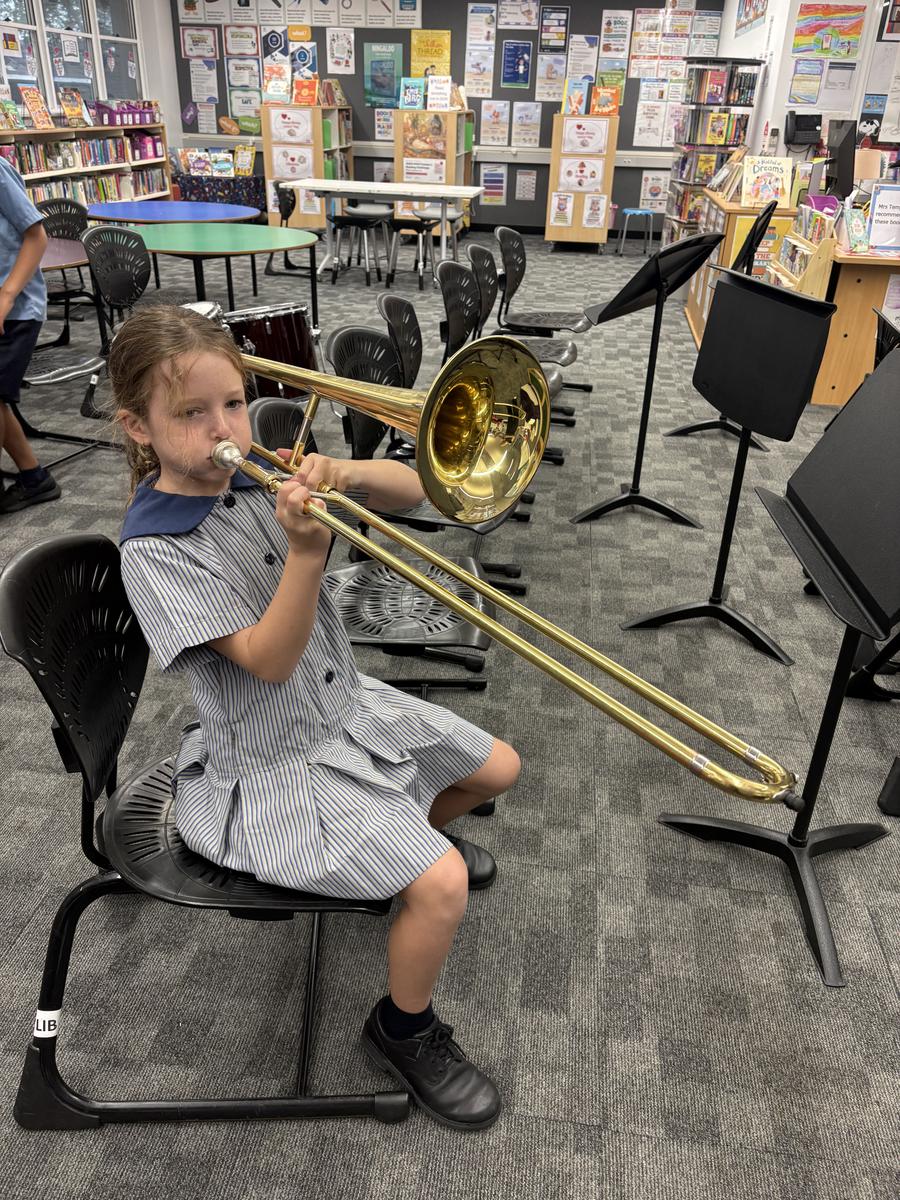
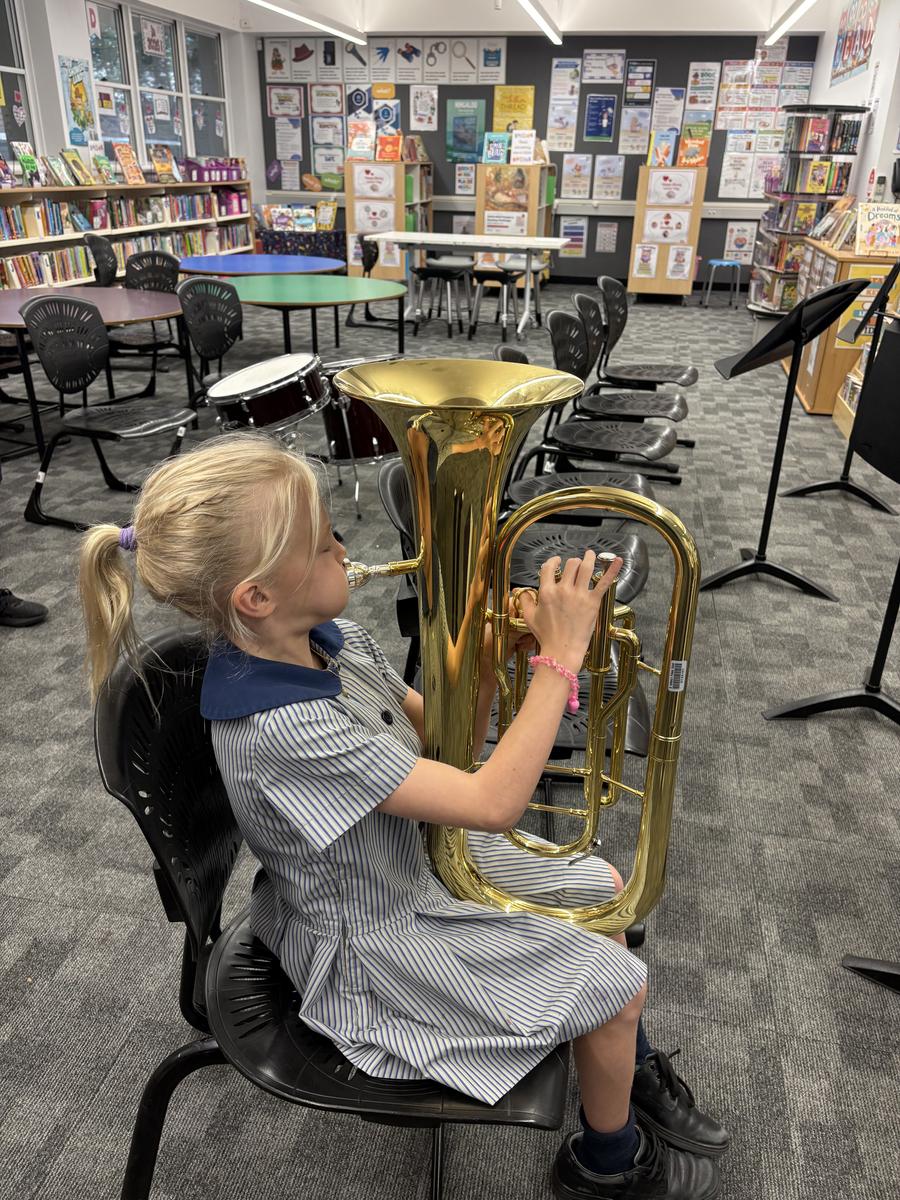
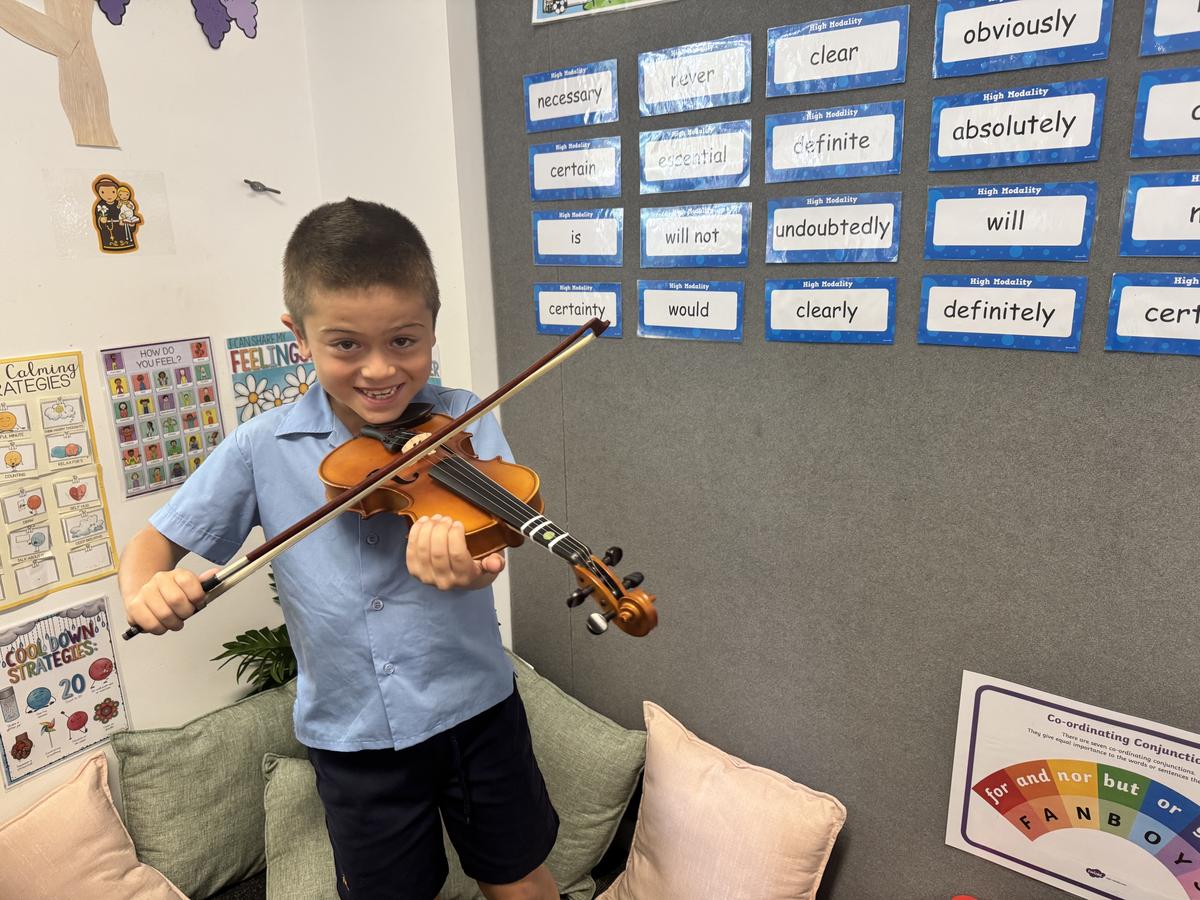
To maximise the benefit of learning an instrument, students are expected to practice at home in between lessons and rehearsals. It is ideal to create a routine by setting a specific time and space (without distraction) to practice every day at home. Students should set small goals and achieve something each day. Recommended length of practice sessions is:
Years 3 to 6 - 20 minutes daily
Instrumental Tutors will advise a specific practice program for their students, however, a general guide for students includes the following:
Tune-up and warm-up: focus on good posture, clean and clear notes
Technical skill building: scales, arpeggios and other exercises
Play difficult passages and repeat several times
Set pieces: individual and ensemble pieces
Use a phone or other device to create a recording of yourself playing. Listen to it and determine the aspects you are happy with and areas for improvement.
During a visit to the library the other day, I noticed a Kindergarten student struggle to grab a book that was just out of her reach.
Before I could help her, this is what I noticed:
A year 2 student stopped reading his book and made his way over to the younger child and got the book for them. He then handed the book she couldn't reach, and said with a smile, "You were so close! Soon you’ll be able to reach yourself."
It was a brief exchange, but it struck me how powerful it is to hear encouraging words, especially when they come from someone else.
We often tell our children how special they are, but seeing them interact with others is truly inspiring.
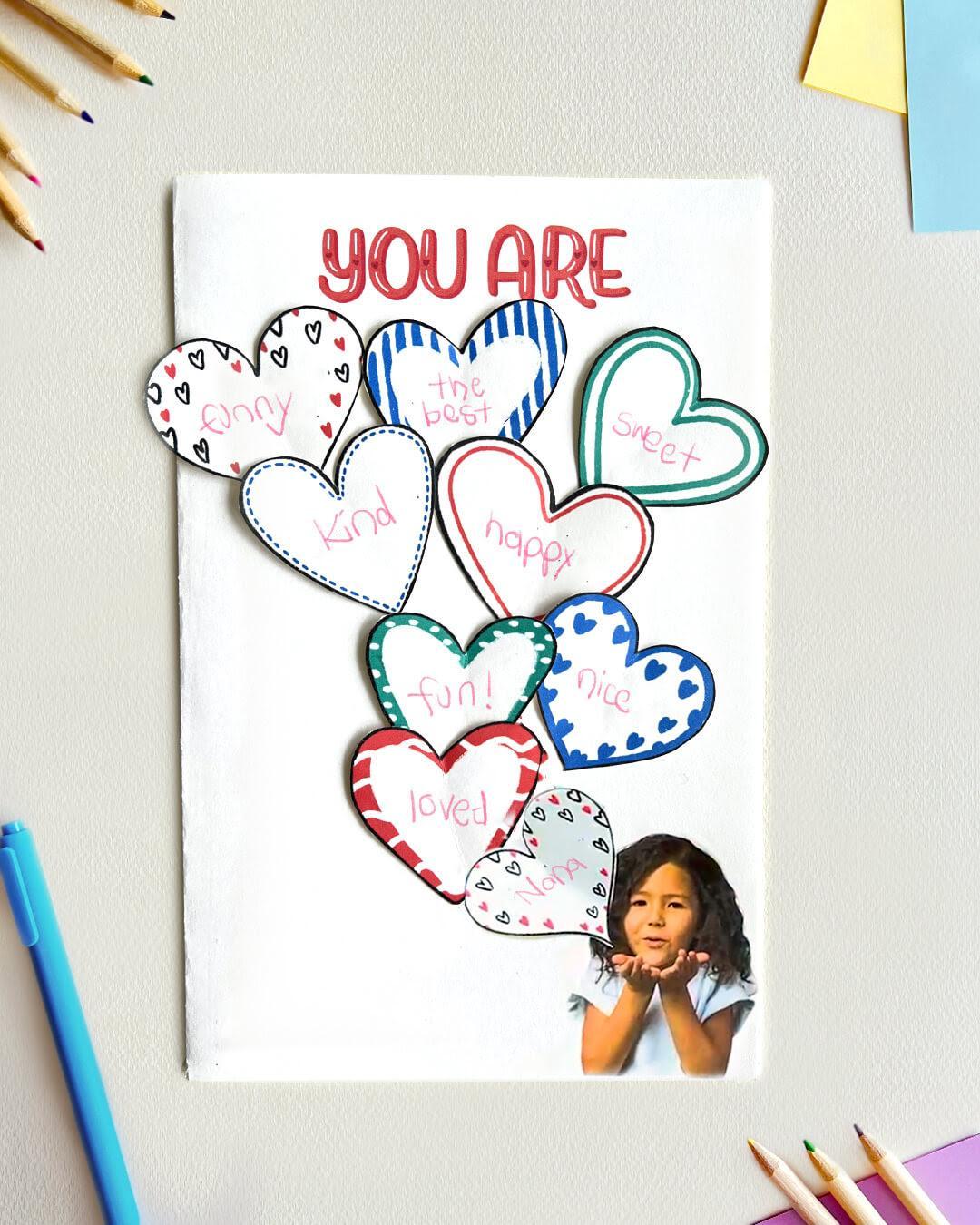
This week's printable, You Are & I Am Affirmation Cards provide a perfect opportunity to craft unique and heartfelt messages of love, encouragement, and affirmation.
Talking to your child about being a good friend is an important part of their social and emotional development. Here are some tips and information for parents on how to approach this topic effectively:
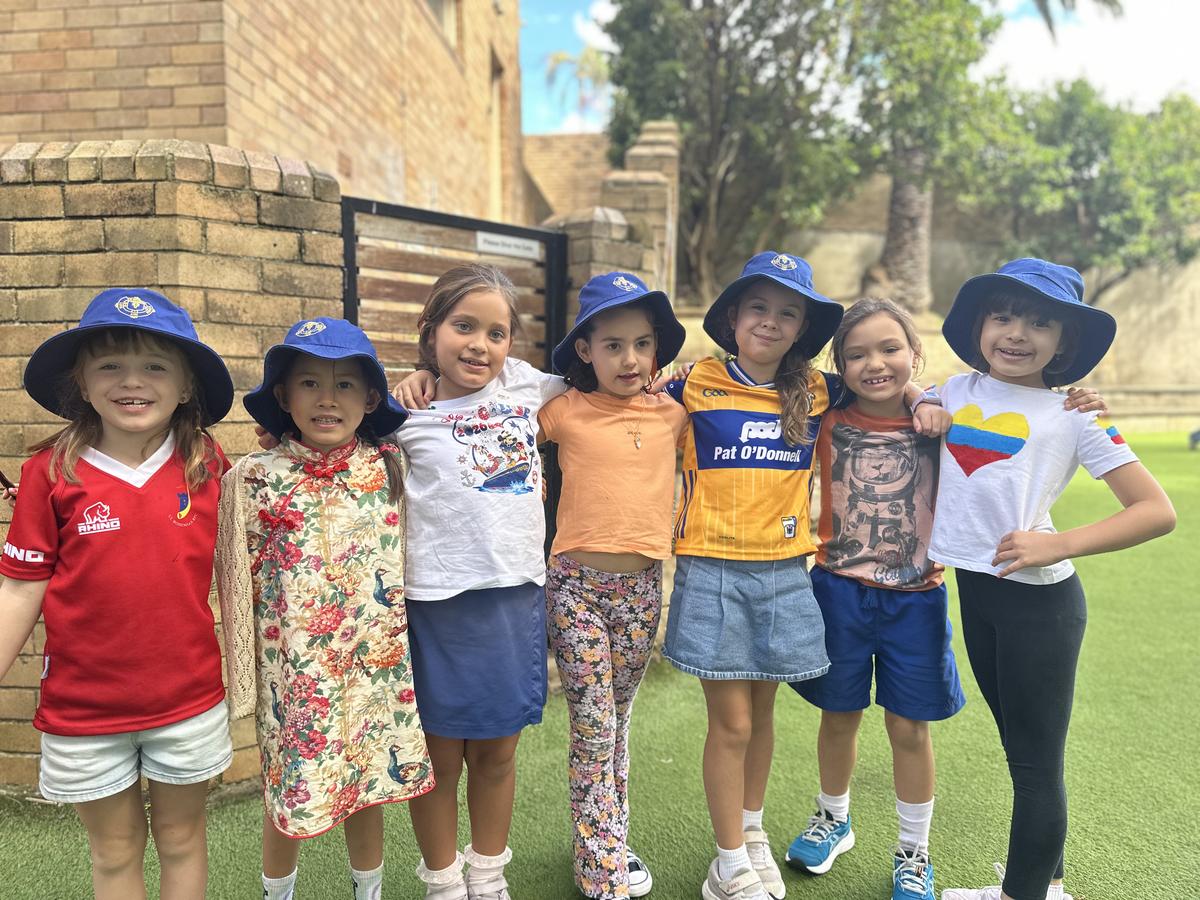
Explain what Friendship means and provide examples: Discuss what it means to be a good friend. Use simple terms like "being kind," "sharing," "listening," and "helping each other." Provide examples from their life or stories where characters demonstrate good friendship qualities.
Kindness: Explain that being kind means treating others with respect, using polite words, and considering their feelings.
Sharing: Teach the importance of sharing toys, snacks, and other items. Explain that sharing helps build stronger friendships.
Listening: Encourage active listening by making eye contact and not interrupting when their friend is speaking. Emphasise that understanding others is key to a strong friendship.
Empathy: Help your child understand empathy by discussing how to recognise and respond to their friends' feelings. Ask them how they would feel in certain situations to build their empathetic skills.
Trust: Explain that friends trust each other by keeping promises and being honest. Discuss how trust is built over time through consistent, positive behaviour.
Role-playing: Use role-playing scenarios to practice being a good friend. Act out situations where they can demonstrate kindness, sharing, and empathy.
Positive reinforcement: Praise your child when you see them being a good friend. Positive reinforcement encourages them to continue exhibiting these behaviours.
Model good behaviour: Be a role model. Show your child how to be a good friend by demonstrating these behaviours in your relationships.
Discuss real-life situations: Talk about real-life situations where they struggled with friendship. Discuss what they did well and what they could do differently next time.
Books and stories: Read books and tell stories that highlight the qualities of good friendship. Discuss the characters' actions and how they contributed to their friendships.
Conflict resolution: Teach your child basic conflict resolution skills. Explain how to calmly discuss issues, listen to each other's perspectives, and find a compromise. Prepare your child for times when friendships may not work out.
Inclusivity: Encourage your child to include others in their activities and to befriend classmates who may feel left out.
Open conversations: Keep lines of communication open. Regularly ask your child about their friends and how they feel about their friendships.
Active listening: Listen to your child's concerns without immediately offering solutions. Sometimes, they need to feel heard and understood.
Ask open-ended questions: Use open-ended questions to encourage your child to talk about their experiences and feelings. For example, "What do you like most about playing with your friend?" or "How did you feel when your friend did that?"
Playdates and extracurricular activities: Arrange playdates and involve your child in group activities to provide opportunities to practice friendship skills. Enrol your child in extracurricular activities where they can meet and interact with new peers, learning how to form and maintain friendships in different settings.
Term 2: Presentations: Years 2 - 6
Use these KAPLAN prompts to help you with your research:
Details
| Traits, attributes, characteristics to describe something; the defining characteristics/ the evidence to support ideas and opinions
|
|
|

The Details icon challenges students to determine the key facts, traits, parts, or elements of the content. Learners are tasked with looking for the vital details or characteristics to define the topic of study.
Big Idea
| When students think about the Big Idea of a topic, we’re looking for a statement that sums up the content. |
|
|

The Big Idea prompt (represented by the pillar/temple icon) asks students to identify, generalise, and summarise core principles or themes from a study. It forces learners to move beyond facts to formulate a central, supported theory. Key questions include identifying the main message, summarising content, and relating it to other subjects or the real world.
Each year, Sydney Catholic Schools (SCS) provides time for Staff Development Days (SDD), which provides professional learning time for all staff. St Anthony's will provide supervision for ALL Staff Development Days from Monday, 30 March. Parents will need to register.
| Term 2 |
|---|
Week 11 - Friday - 03.07.26 |
| Term 3 |
|---|
Week 1 Monday - 20.07.26 |
Week 10 Friday - 25.09.26 |
| Term 4 |
|---|
Week 1 Monday - 12.10.26 |
Week 10 Wednesday & Thursday - 16.12.26 & 17.12.26 |