
Year 2 News
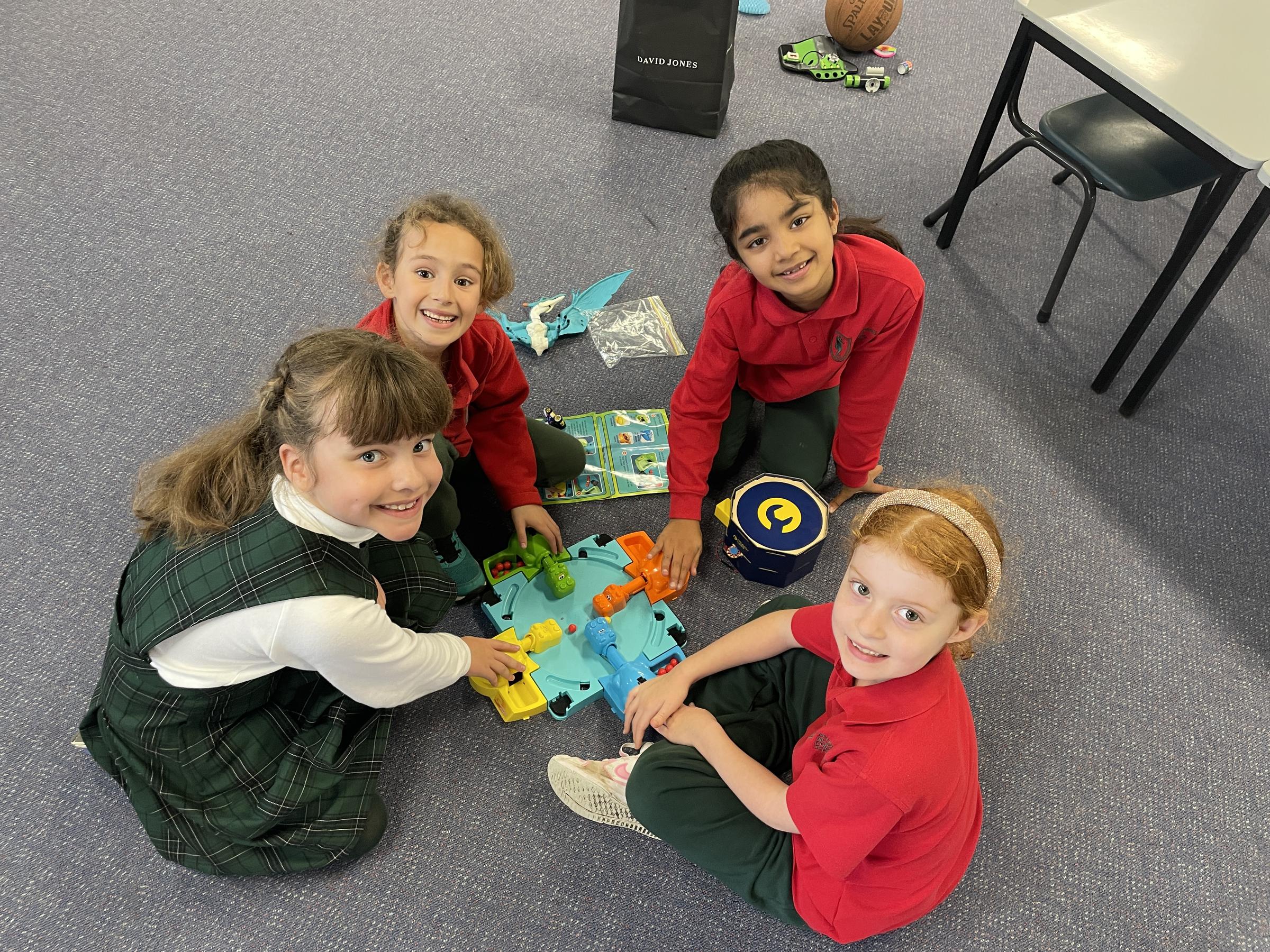
It has been a busy and positive term in Year 2! The students have settled well into our classroom routines and engagement norms, and it has been wonderful to see them approaching their learning with enthusiasm and confidence. We are proud of the way students are showing responsibility, working cooperatively with others, and actively participating in class discussions and activities.
At the moment, students are completing a range of assessments across Reading, Writing and Mathematics. These assessments help us to monitor student progress and prepare for upcoming reports and Parent Teacher Interviews. We look forward to sharing and celebrating the growth each student has made so far this semester.
Home Reading
Home reading continues to be an important part of our learning in Year 2. Students have been enjoying selecting a range of texts from our take-home reading boxes, classroom library and school library.
It has been very pleasing to listen to the improvement students are making during our daily partner reading sessions as part of our Phonics Plus lessons. Regular reading helps children to build fluency, develop comprehension skills, expand vocabulary and grow confidence as readers. Reading often also encourages a love of books and supports success across all areas of learning.
Phonics Plus
In our Phonics Plus lessons, students have been working through Set 19 and learning the grapheme–phoneme correspondences (GPCs) or and ar. Alongside building their phonics knowledge, students have also been learning how words can change when endings are added. We have explored word endings such as -er, -est, -s, and -es through words including slower, greener, weakest, hardest, reads, wishes, mixes, and coaches.
Students have also been learning about compound words, where two smaller words join together to make a new word, such as footstep, playdate, backbone, and wetland. Through base word study, students are learning how words change to show different meanings and tenses, for example play, plays, played, and playing.
It has been wonderful to see students growing in confidence as they apply these skills during reading and writing activities.
Literacy Text Study
In our current text study, we have been reading the picture story books Max and Queenie the Bantum by Bob Graham. Through these engaging stories, students have been developing their understanding of characters, settings and story structure.
We have explored Max’s character traits and used evidence from the text to describe his personality, emotions and responses to challenges throughout the story. Students have also been learning to describe and compare the farm and city settings by thinking about what they can see, hear and feel.
As part of our comprehension work, students have practised sequencing important events, summarised key parts of the story and making personal connections to the characters and events. To extend their creativity, students will also write about a familiar character in a new setting using descriptive language and important story details.
EMP Maths
This week we folded pieces of paper into half, then quarters then finally into eighths. We discussed that when we divide something into fractions, the parts must be equal. We also discussed that as the number below the line gets bigger, the parts get smaller. So, 1/2 of a cake is a bigger part of the cake than 1/8.
We have continued to consider multiplication using arrays. It would be wonderful if you could reinforce your child’s classroom learning at home. Please refer to the Compass post sent home last week for some Maths at Home ideas.
How The World Works
Forces change the way things move
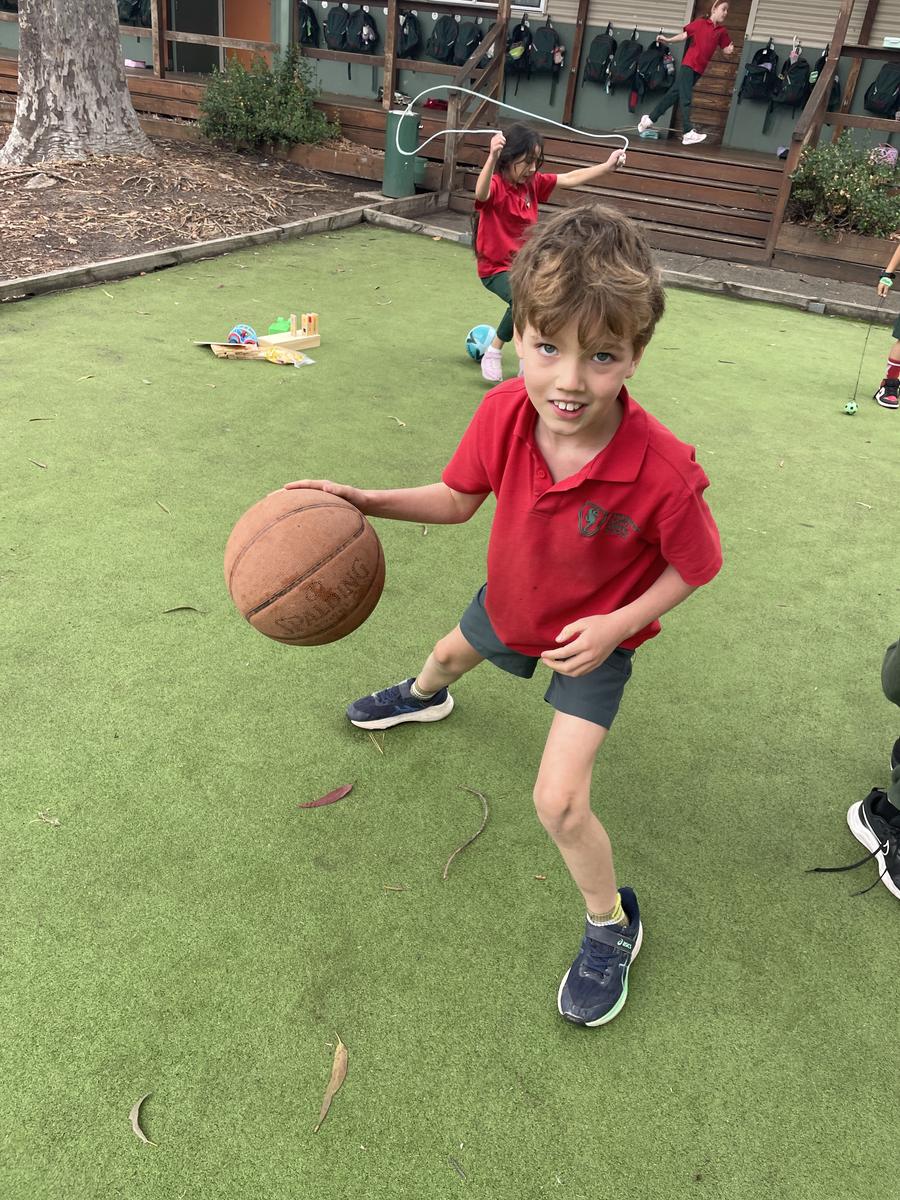
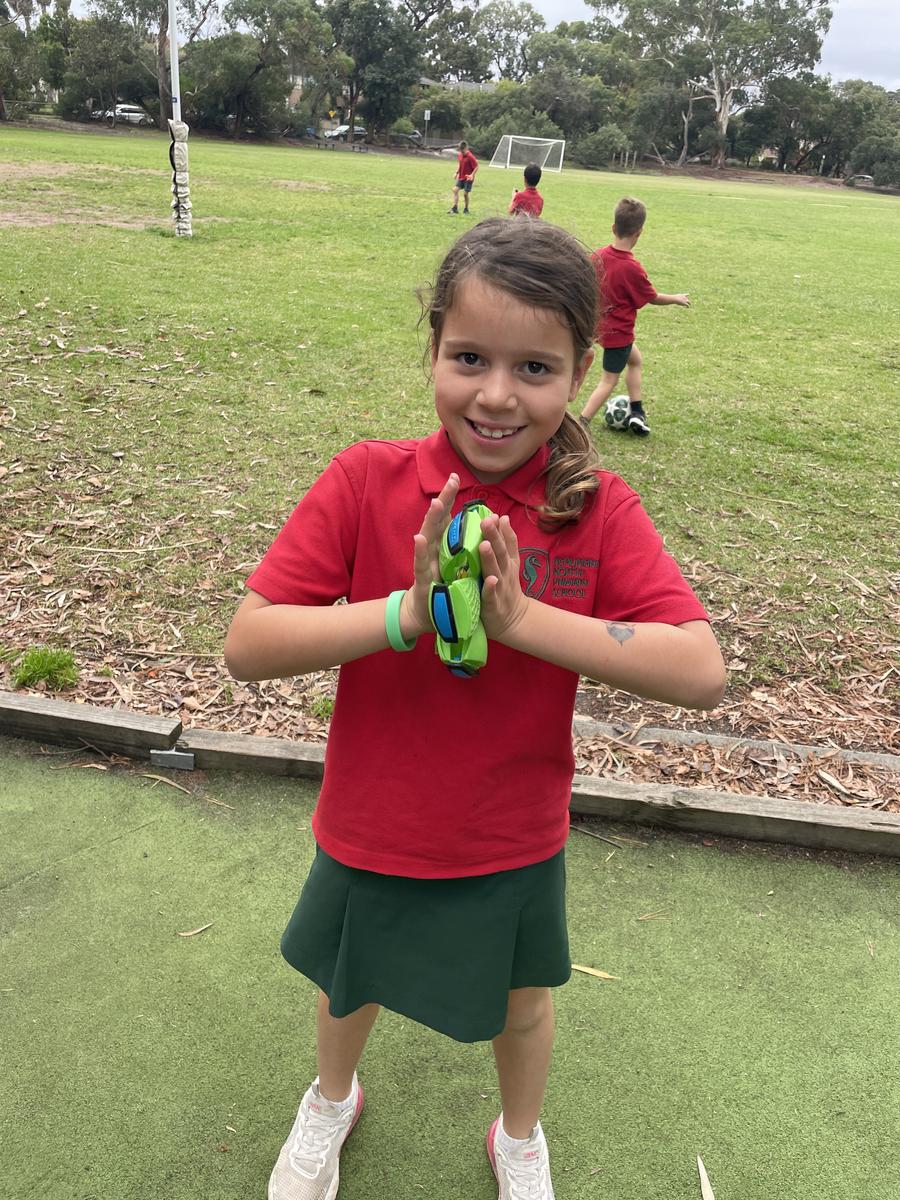
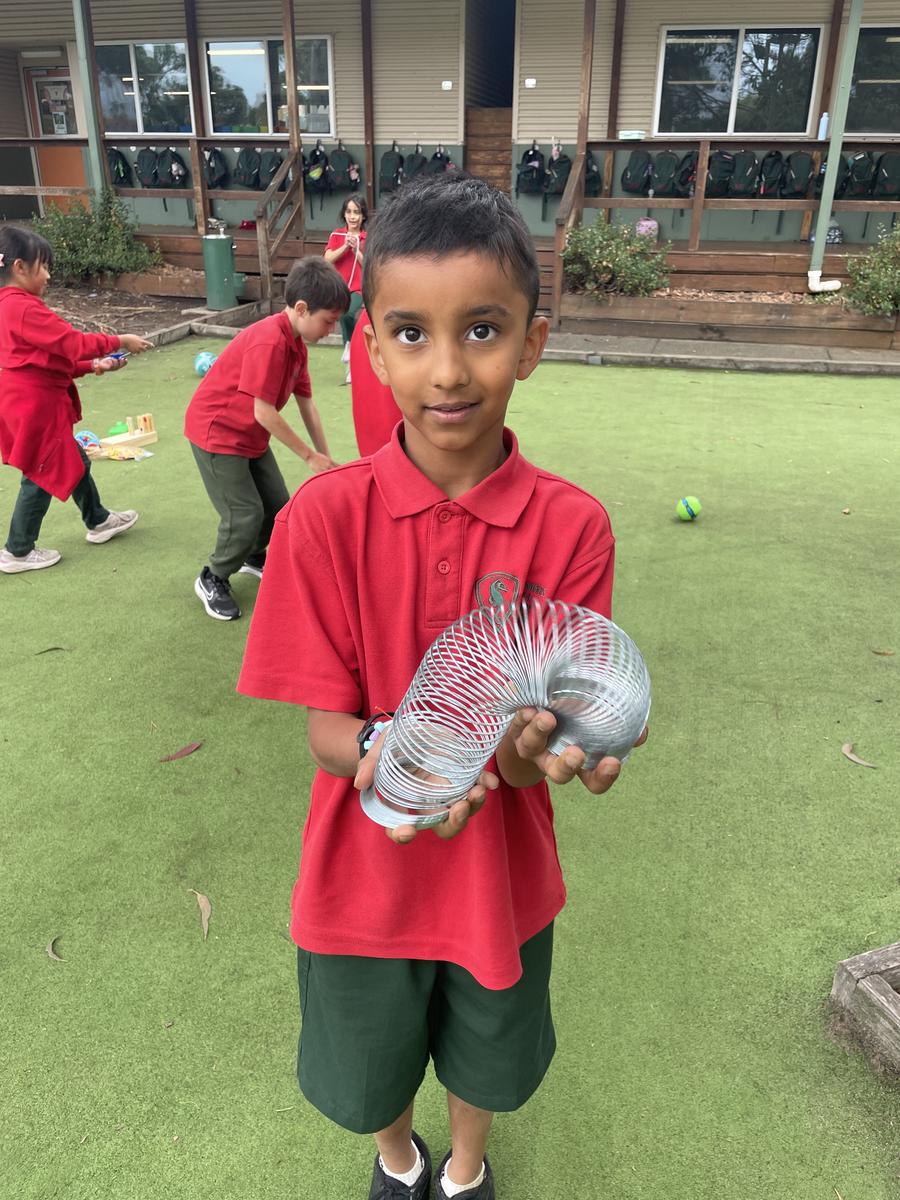
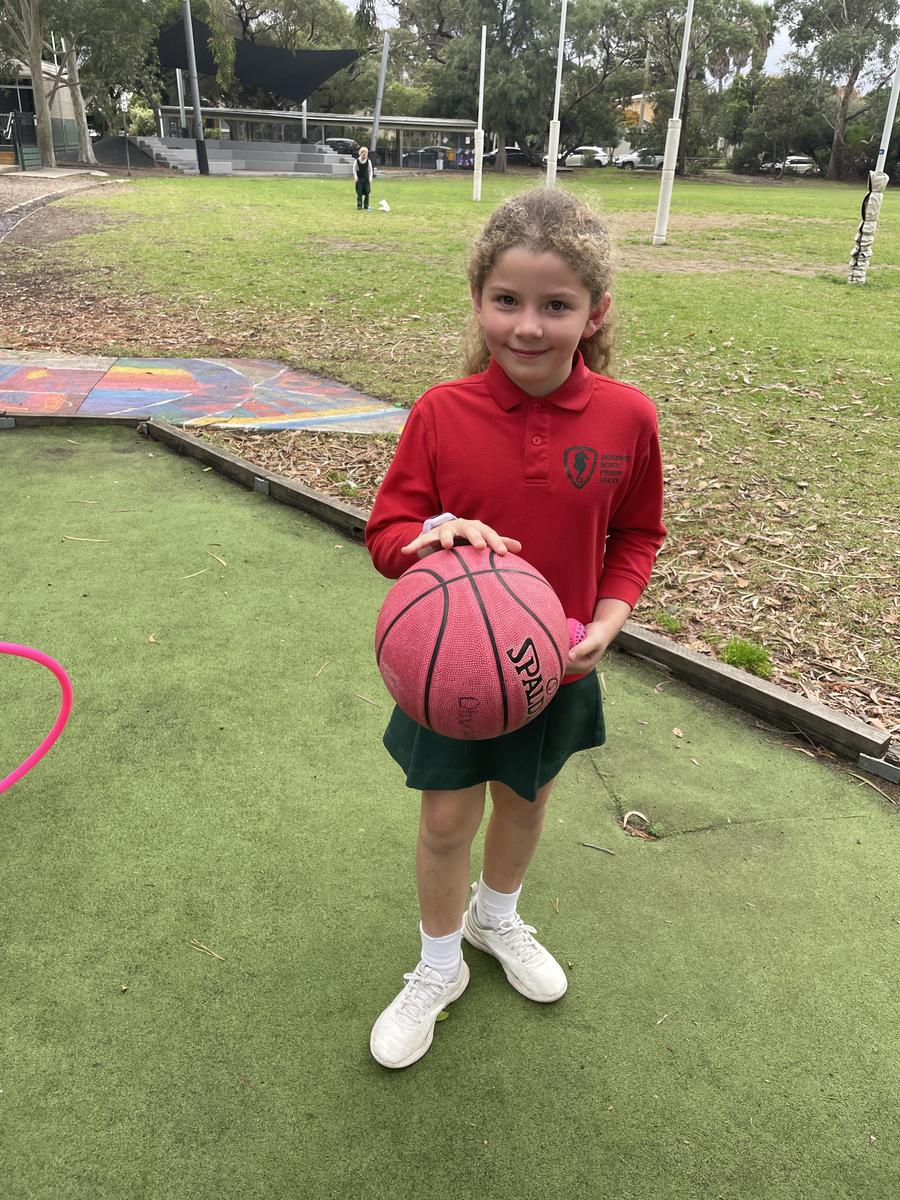
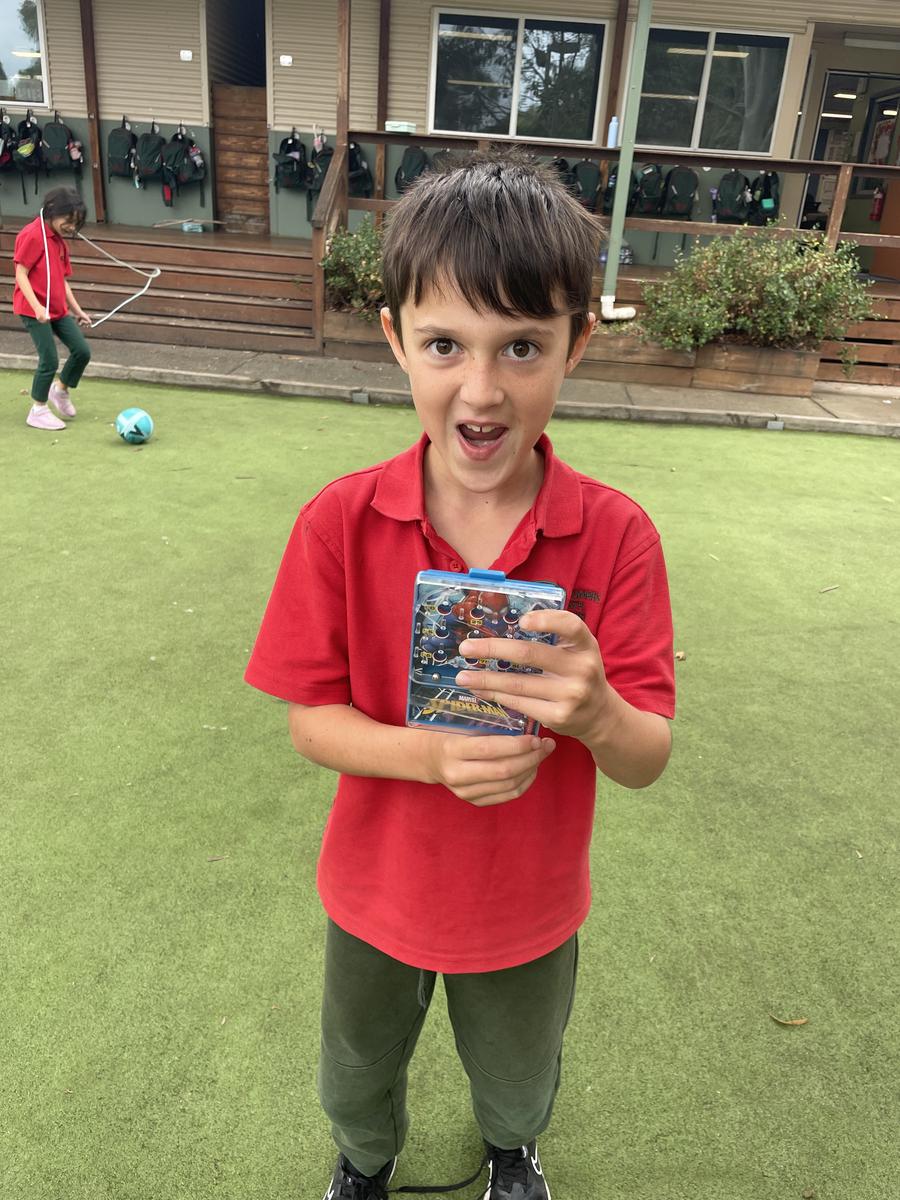
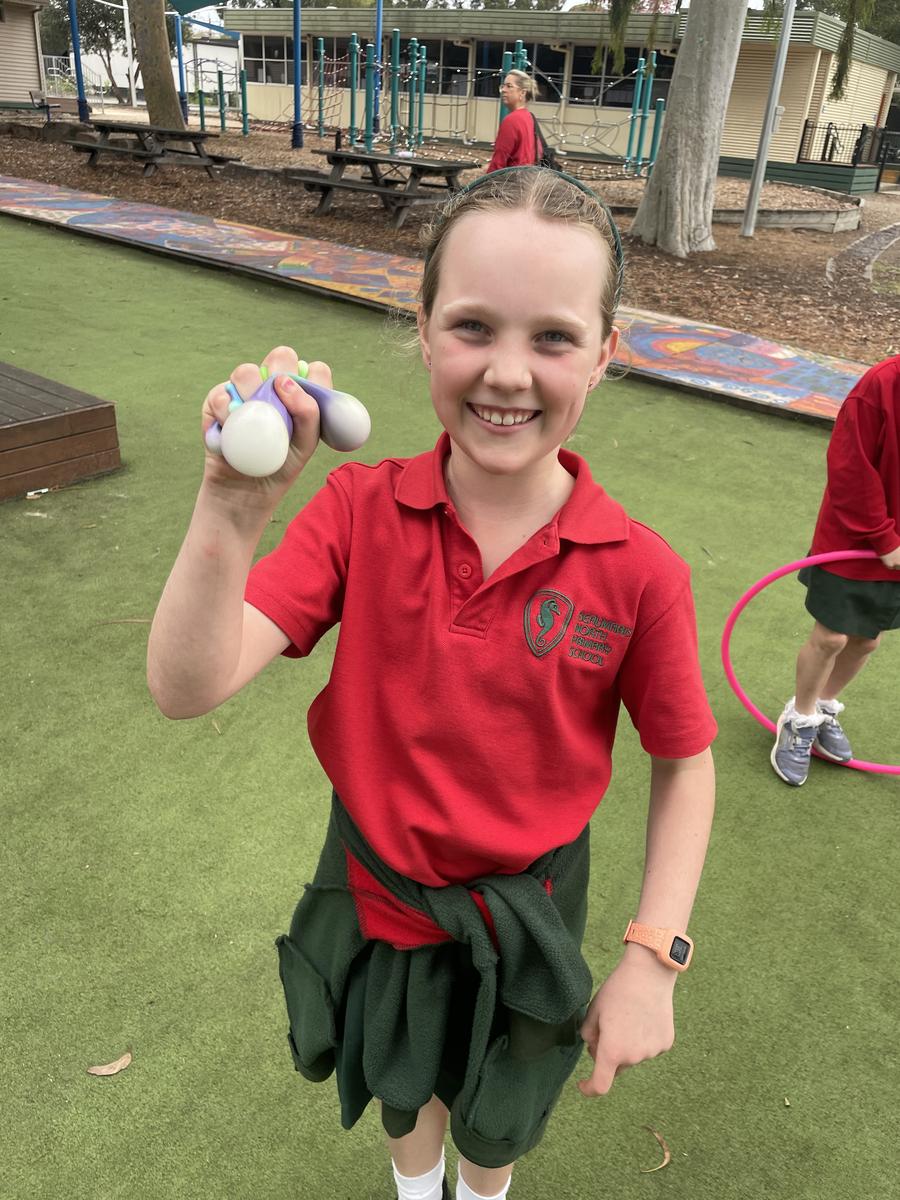
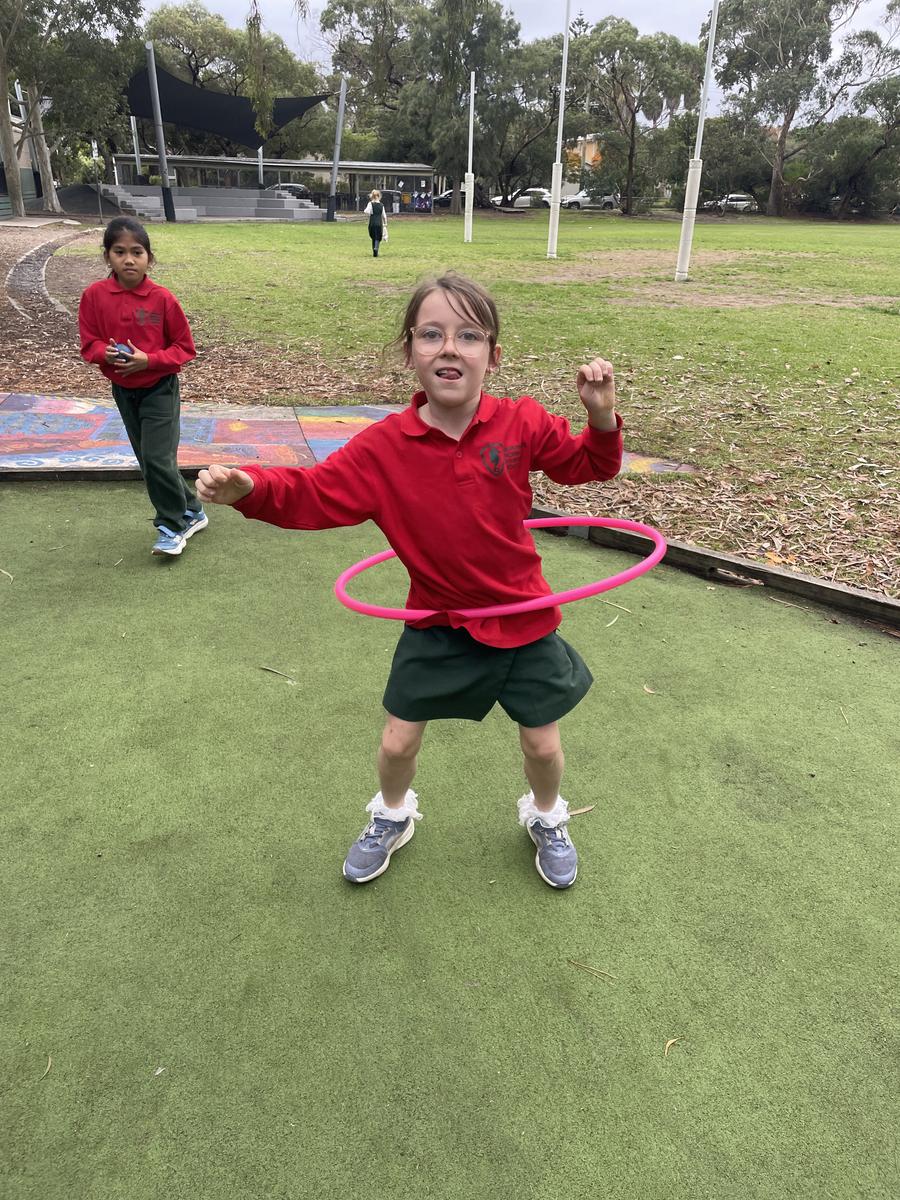
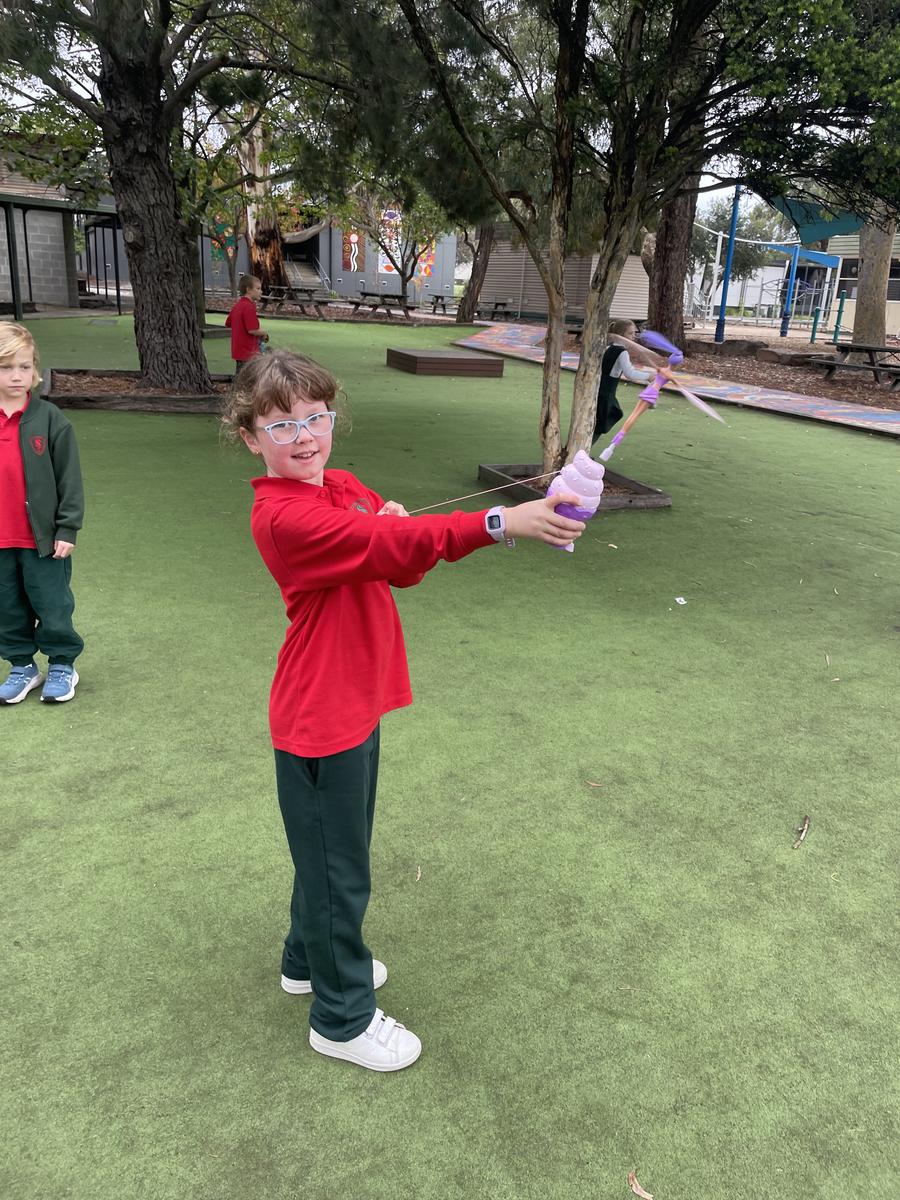
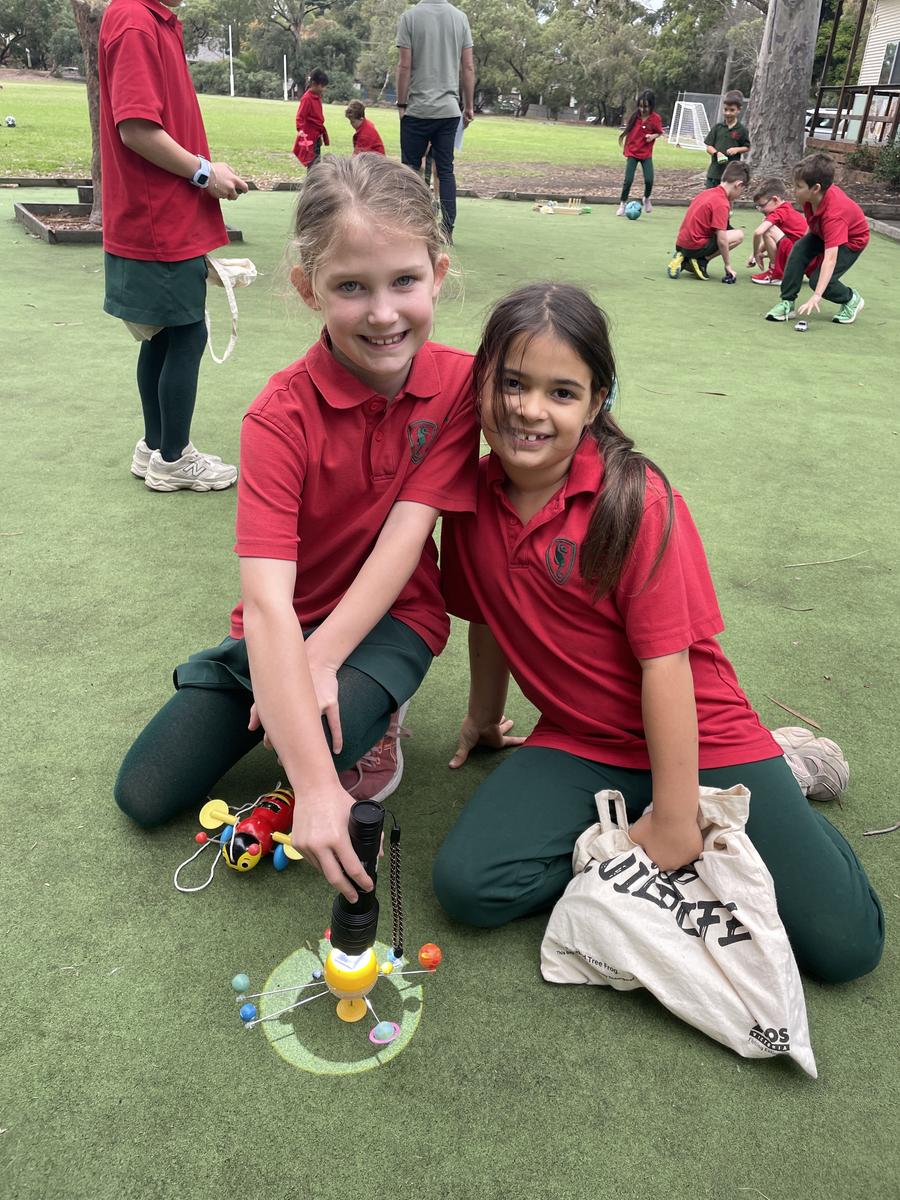
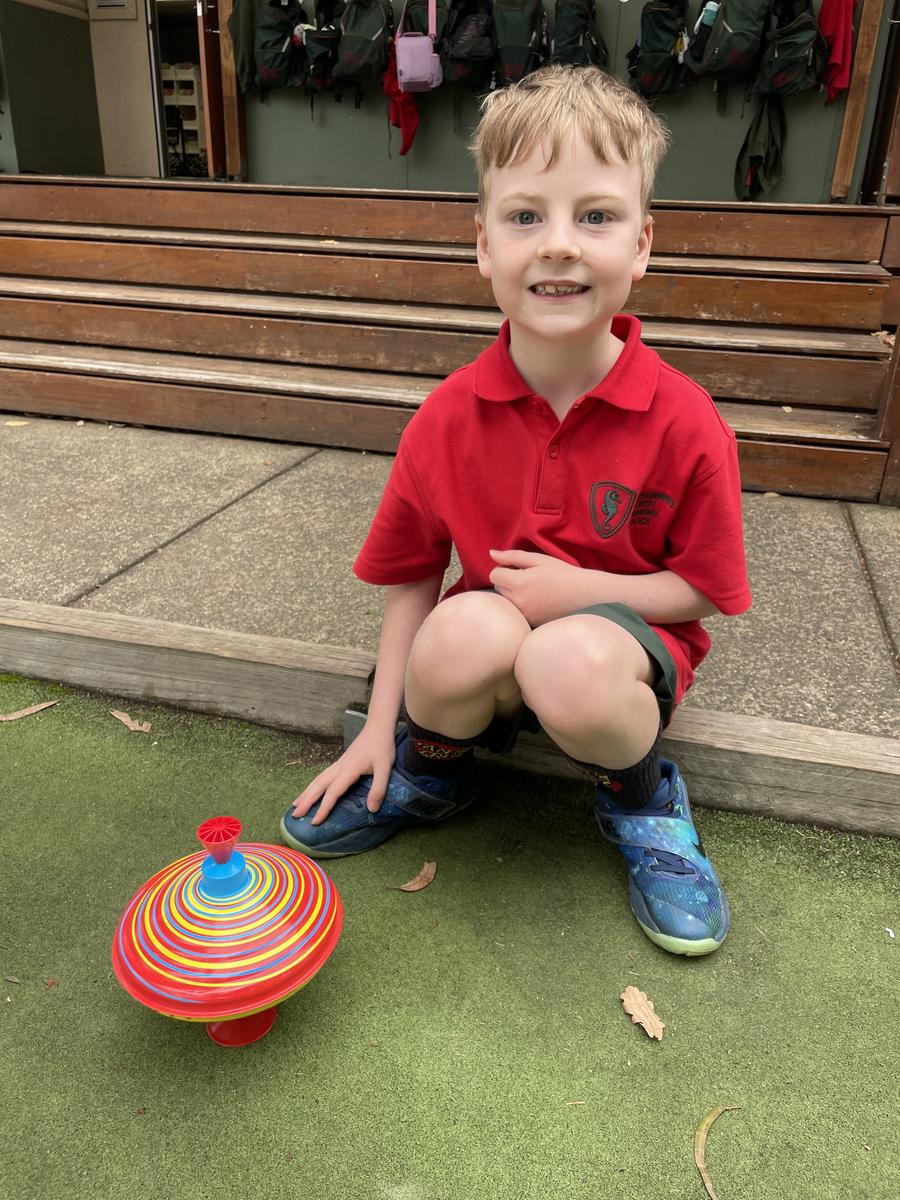
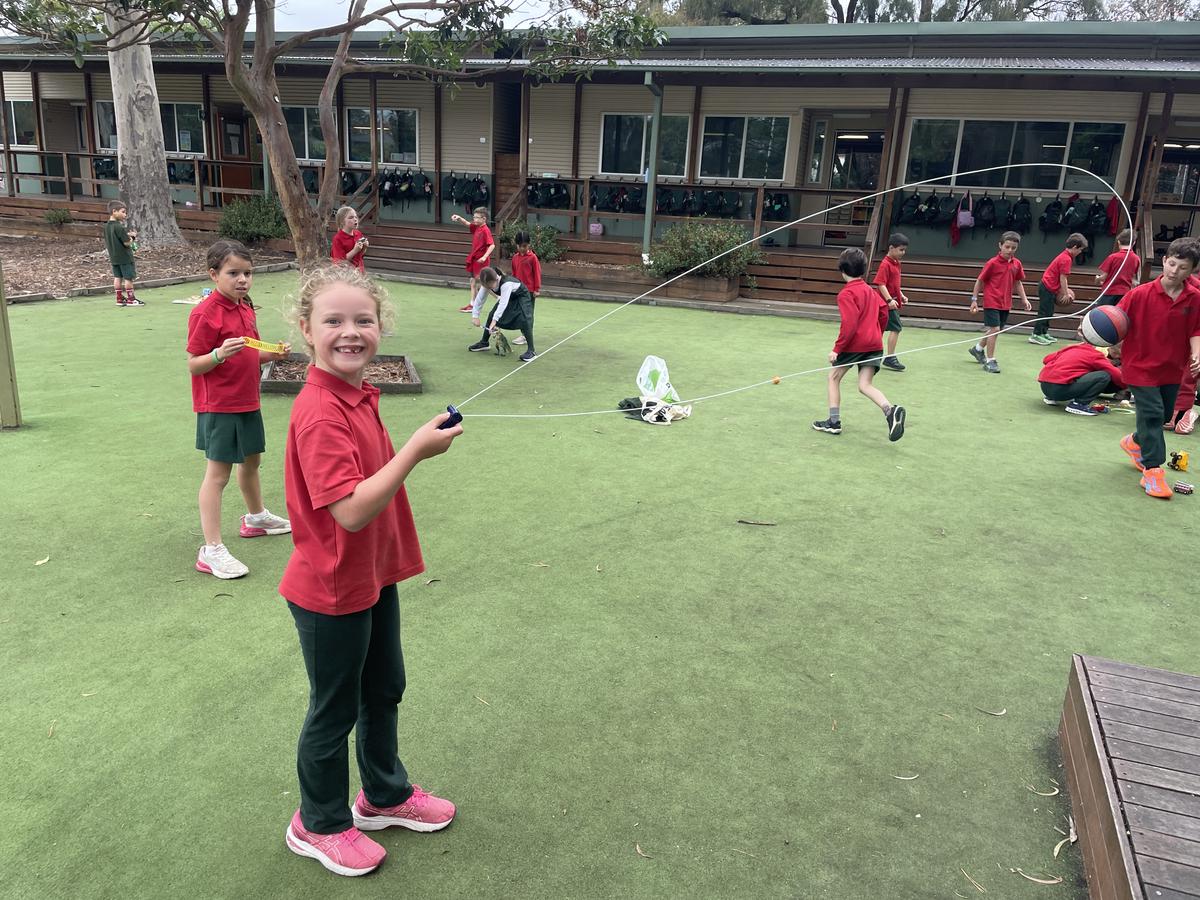
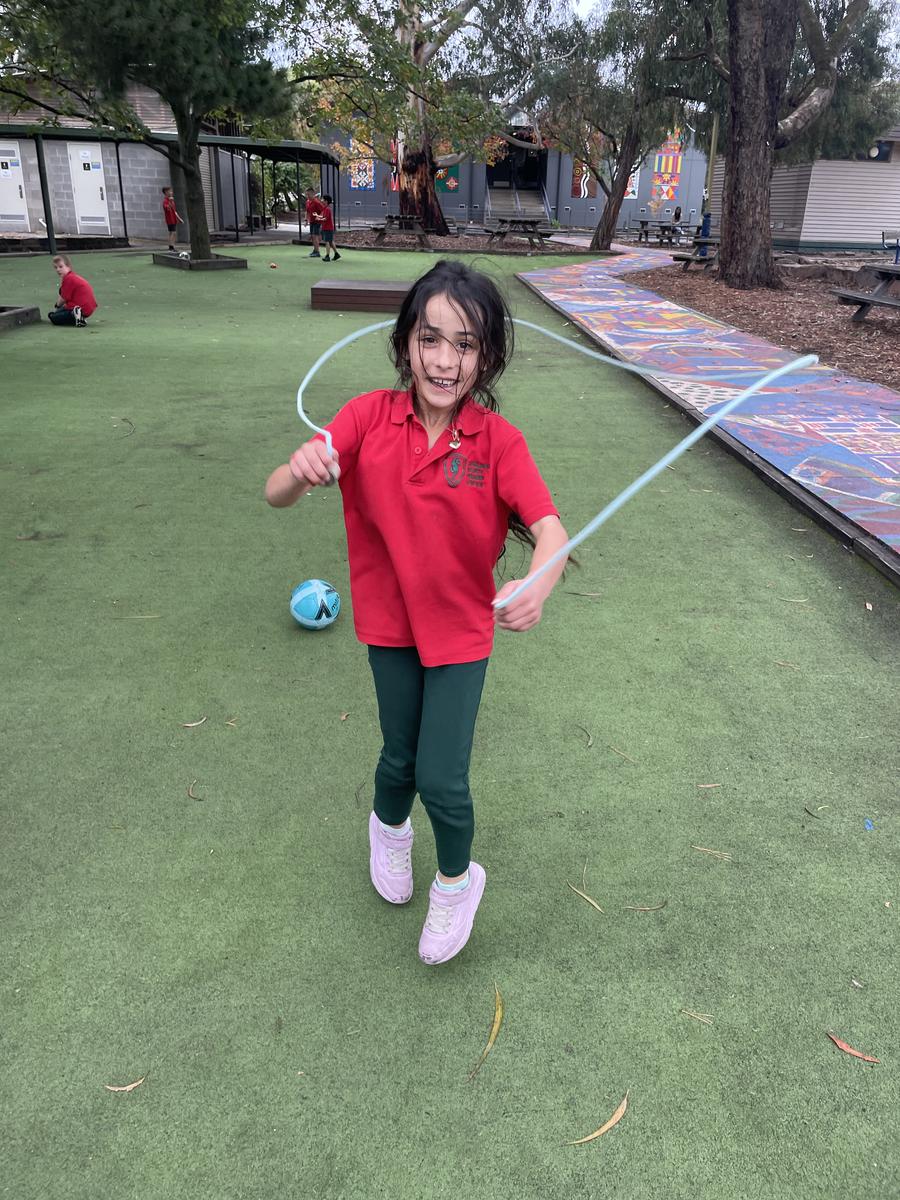
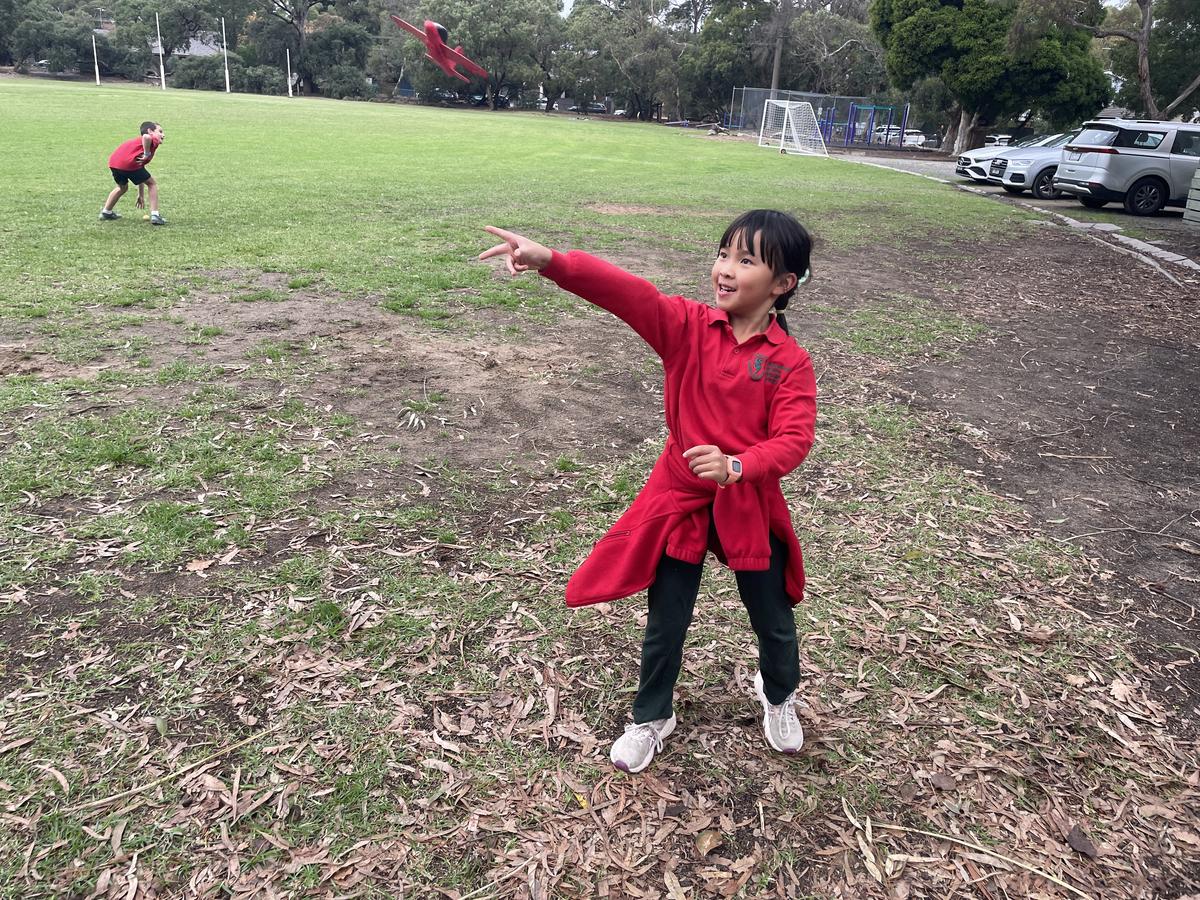
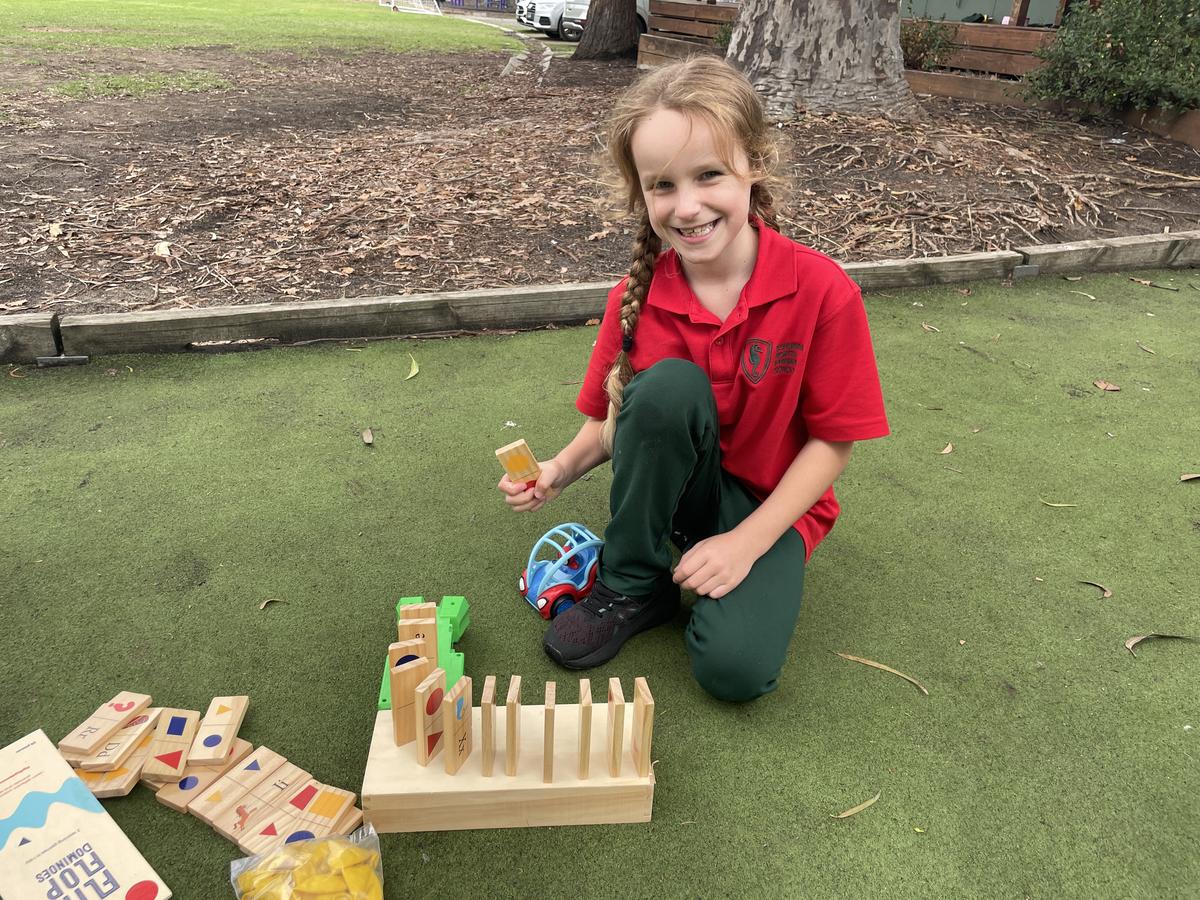
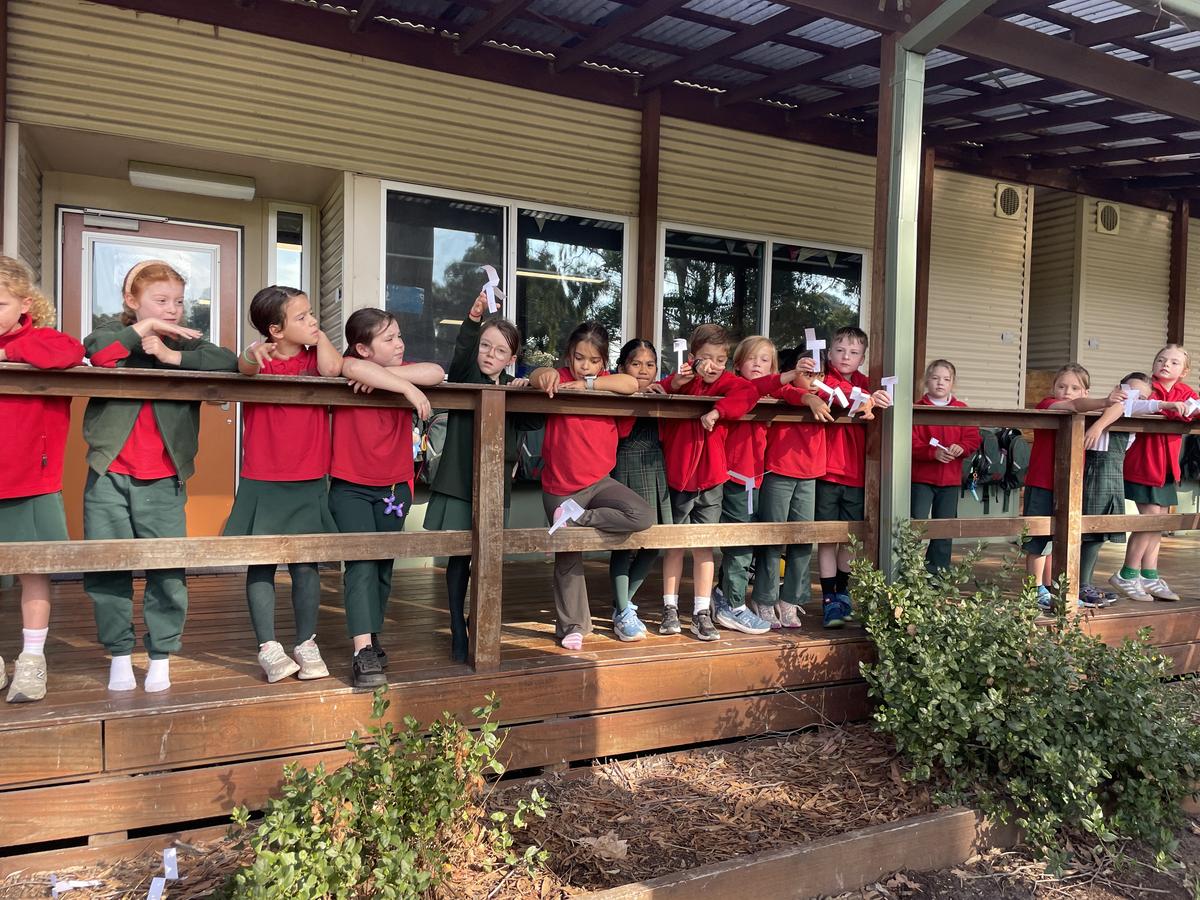
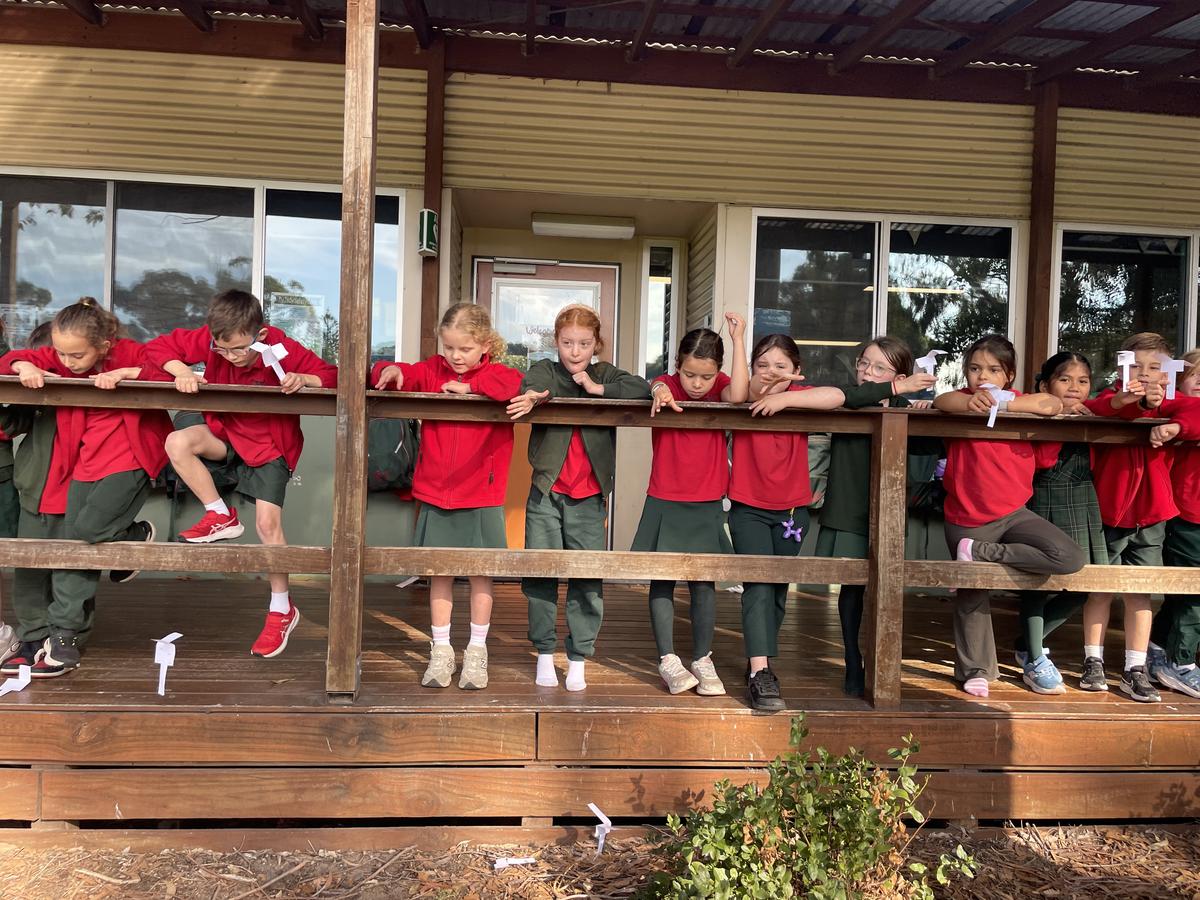
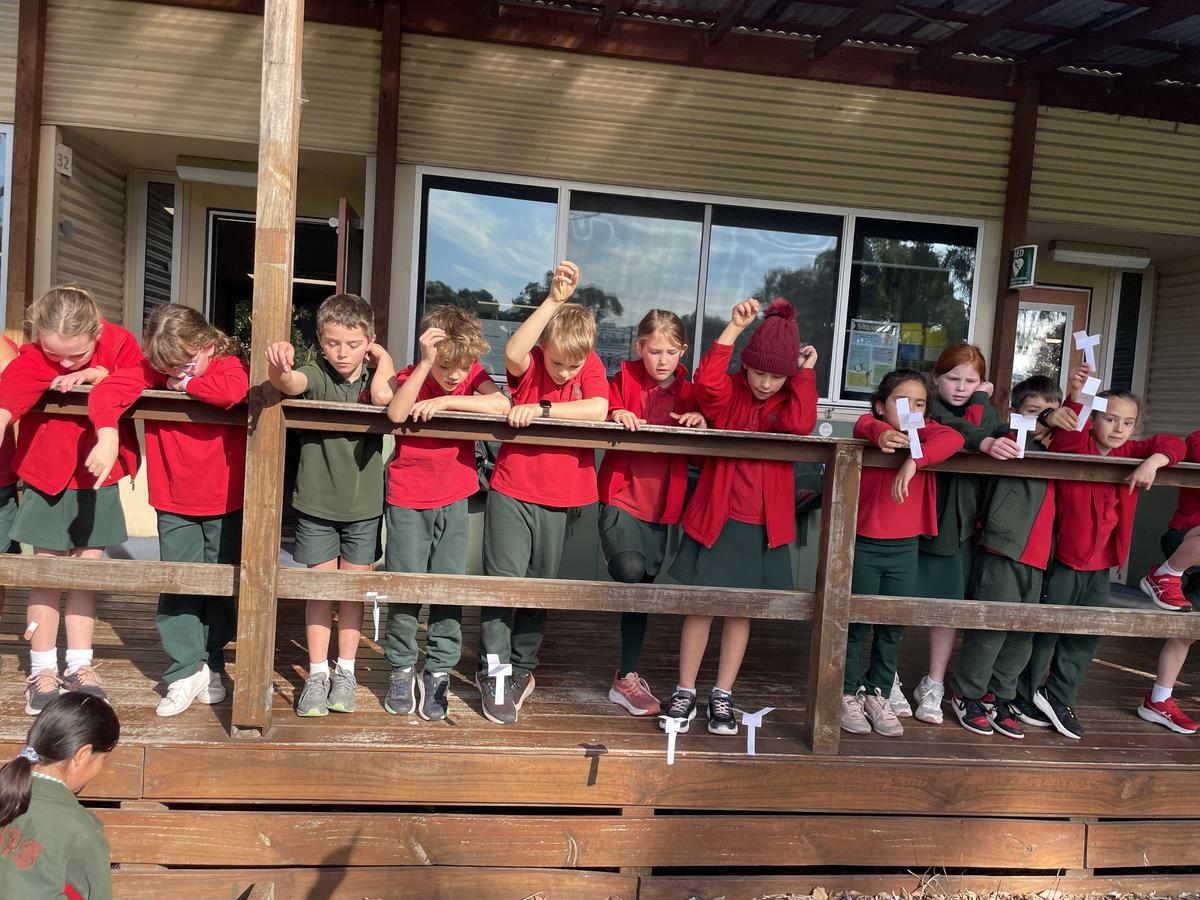
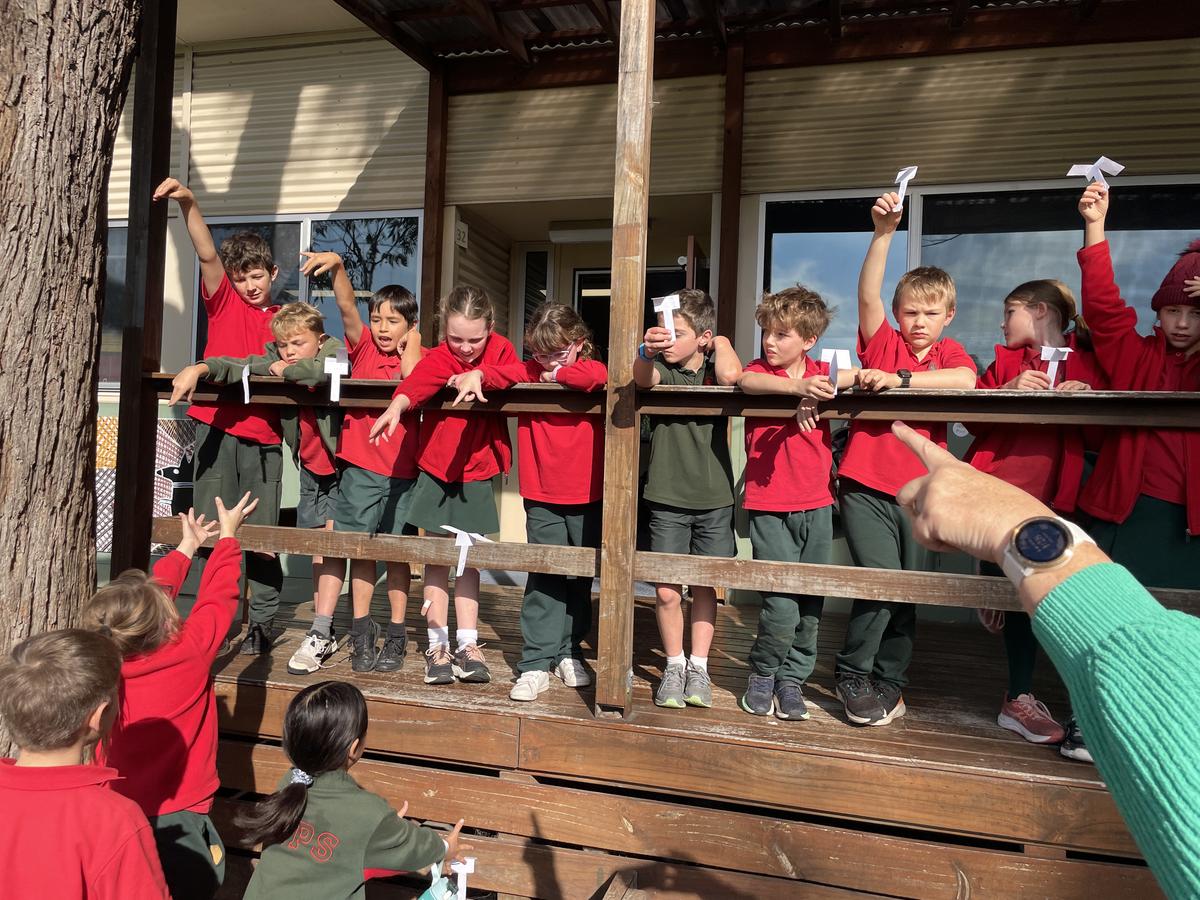
The students had a wonderful time last week exploring force through play. We saw all sorts of exciting toys using force to make the toys fun!
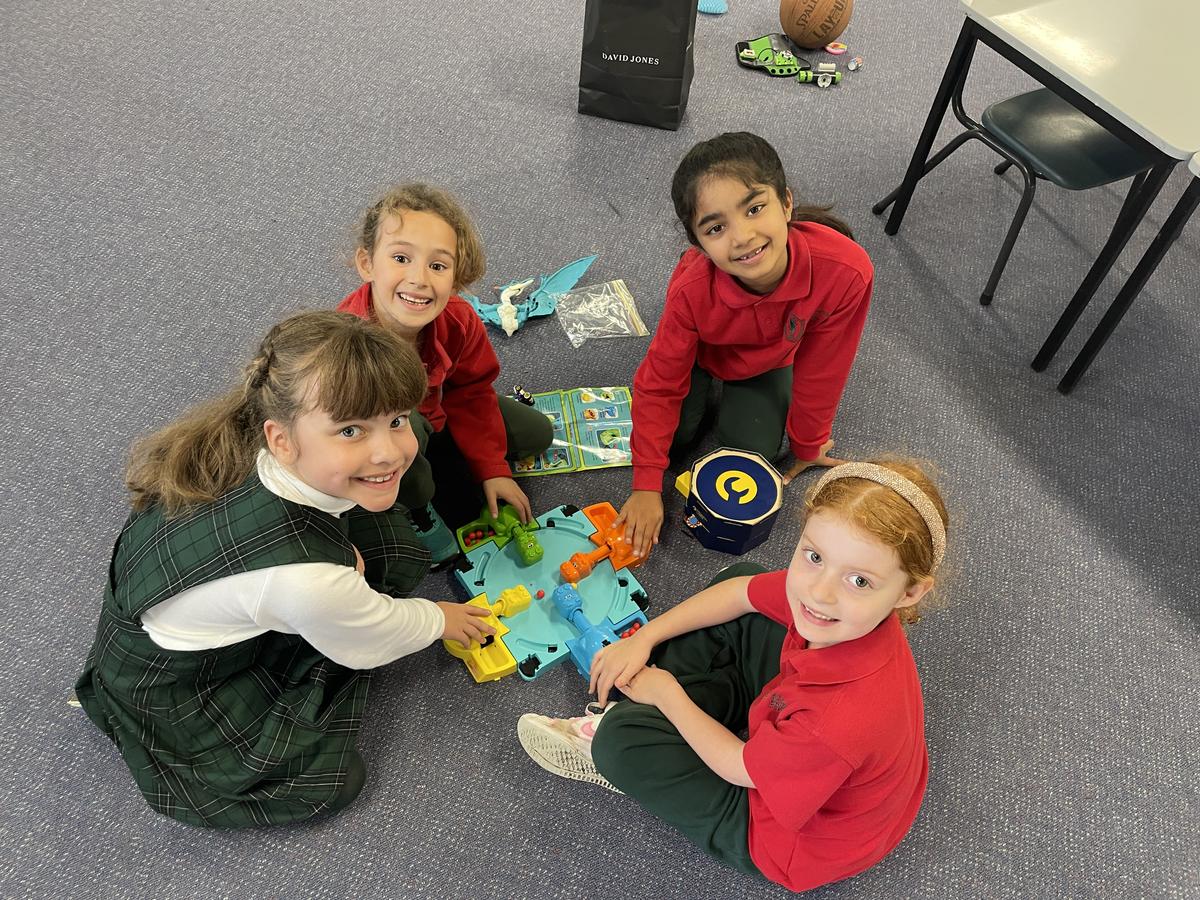
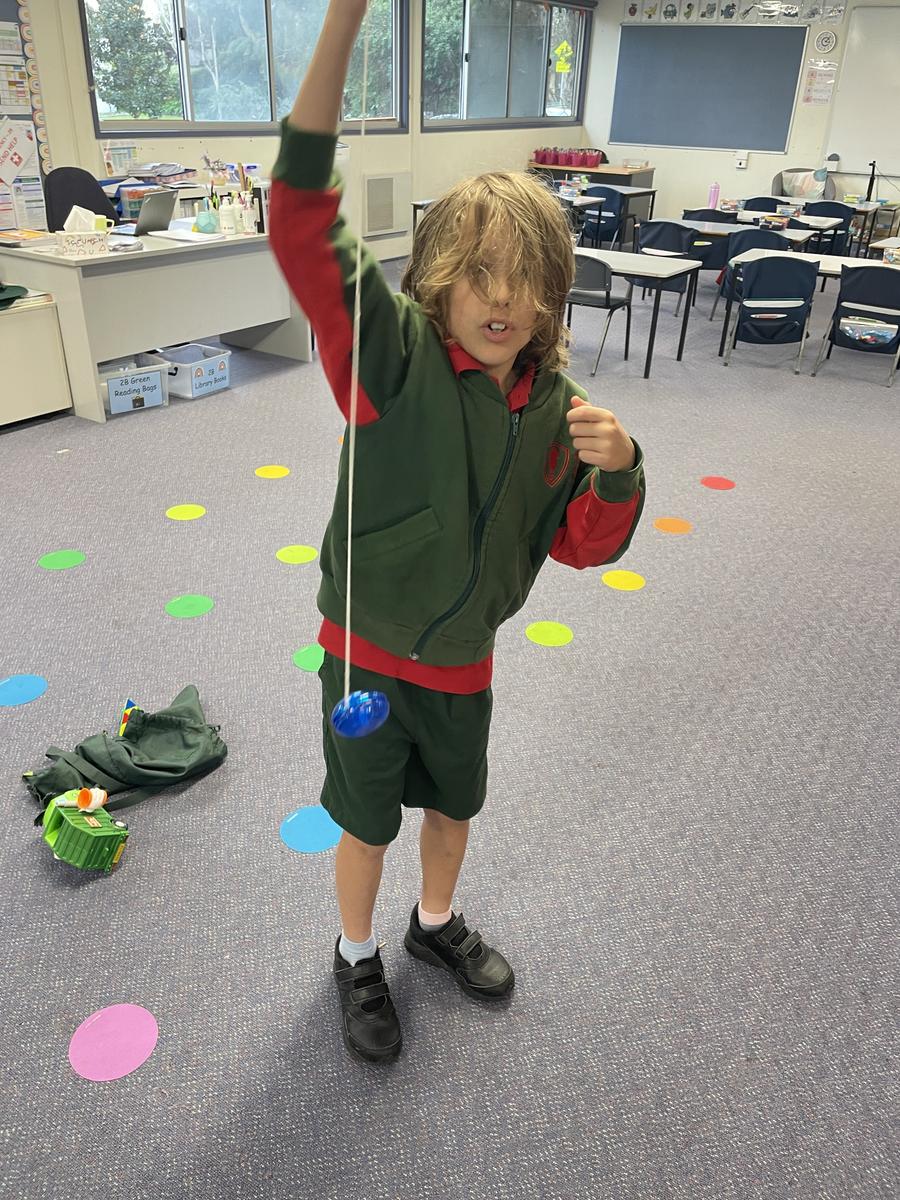
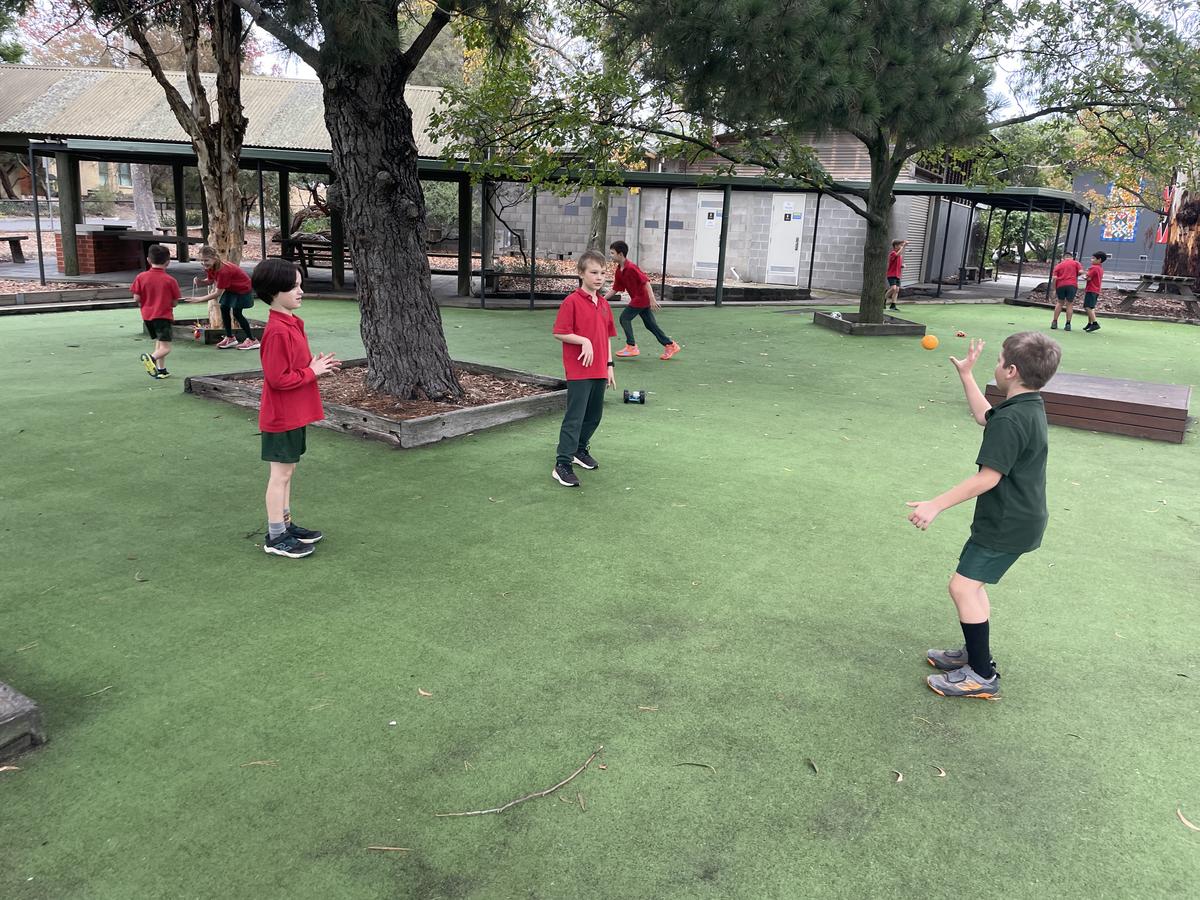
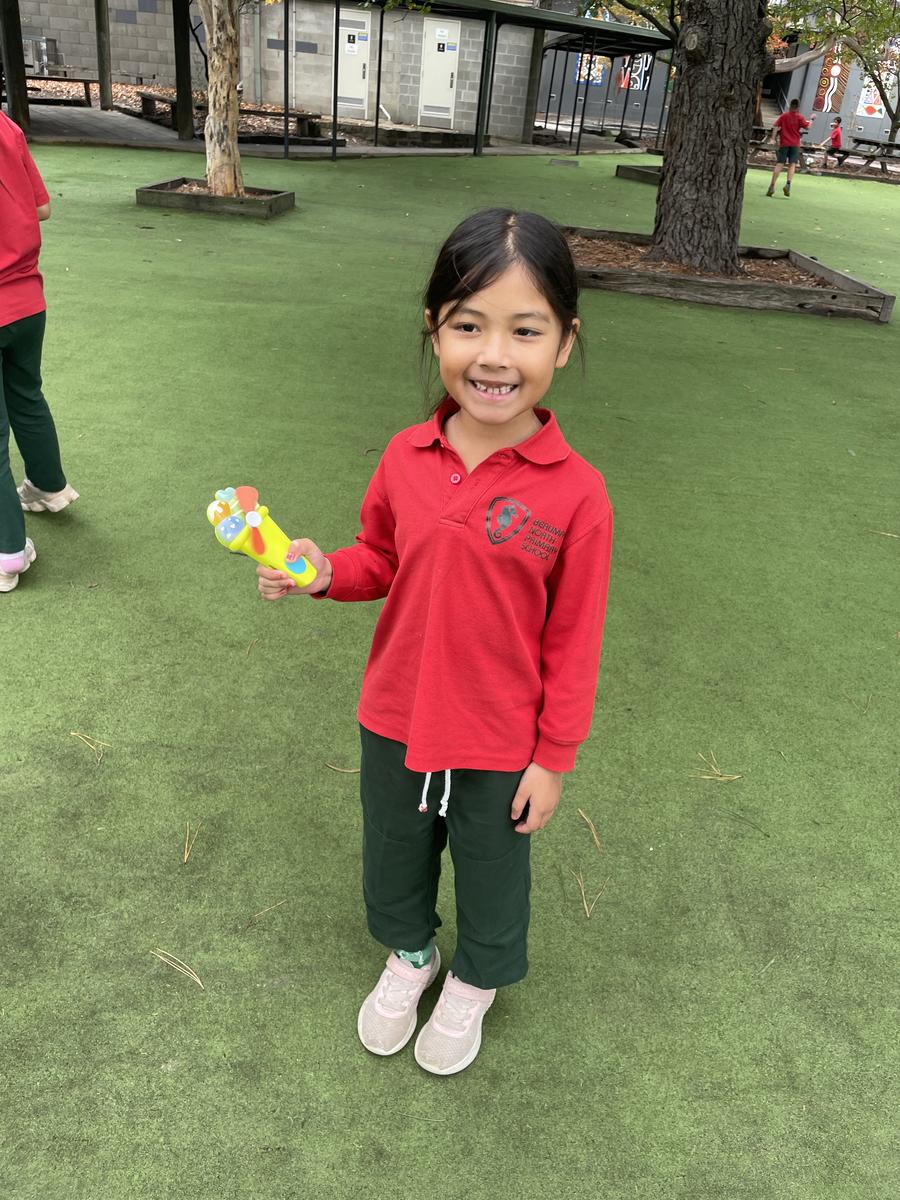
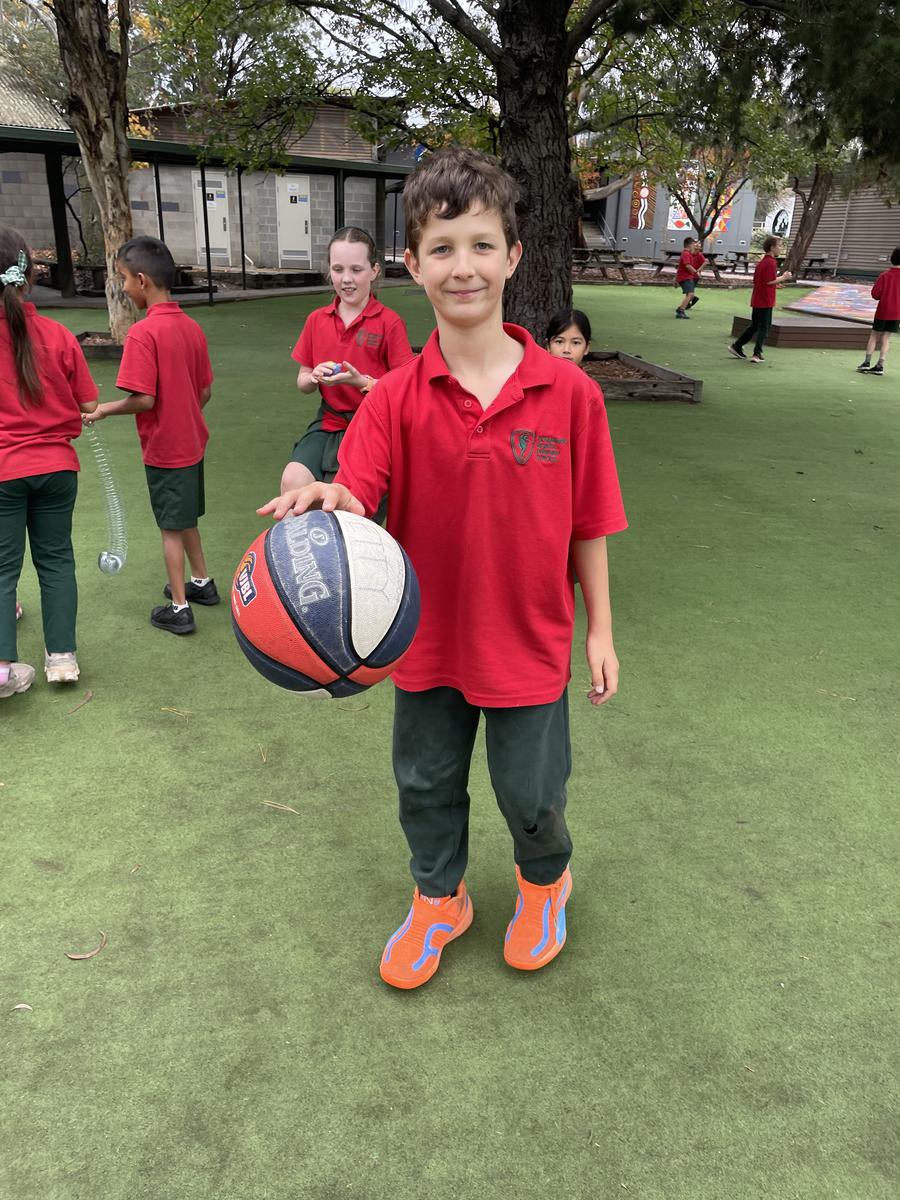
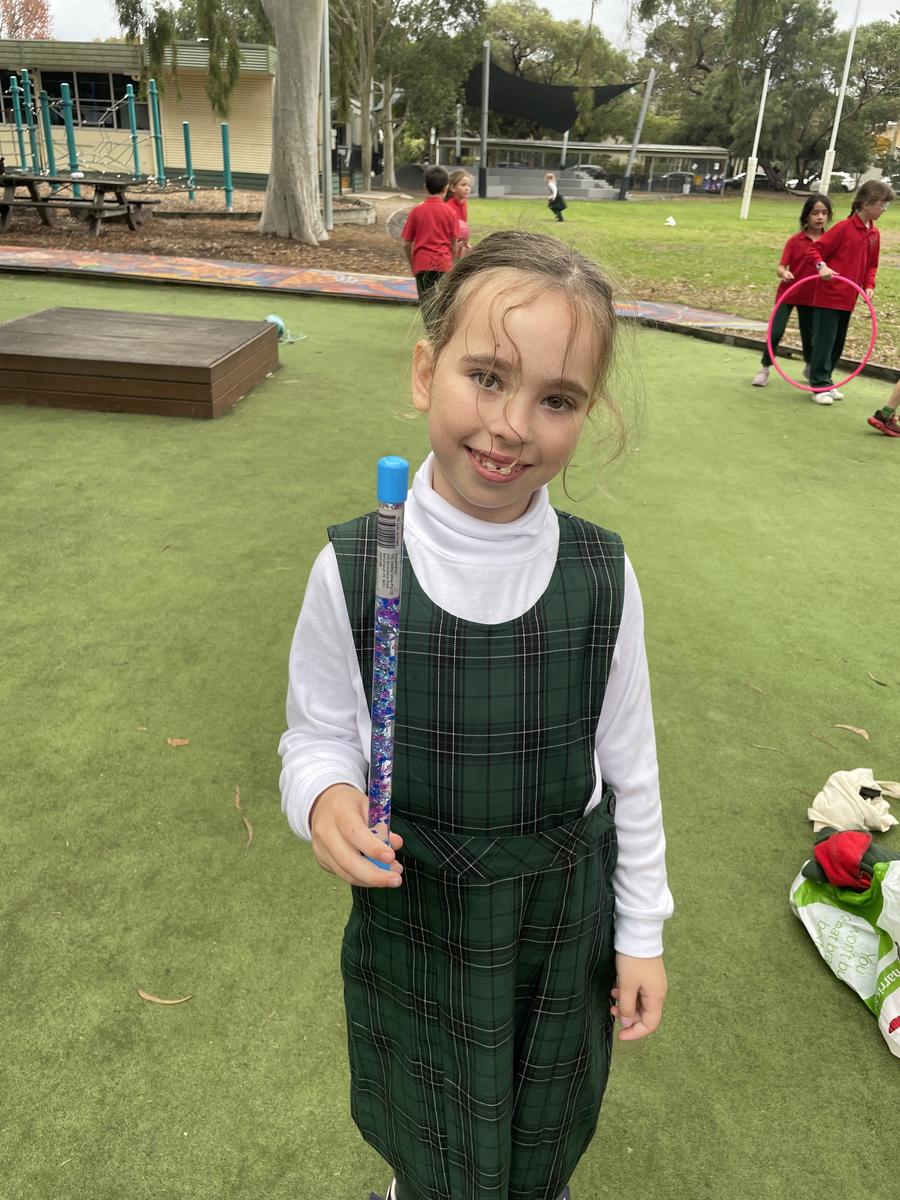
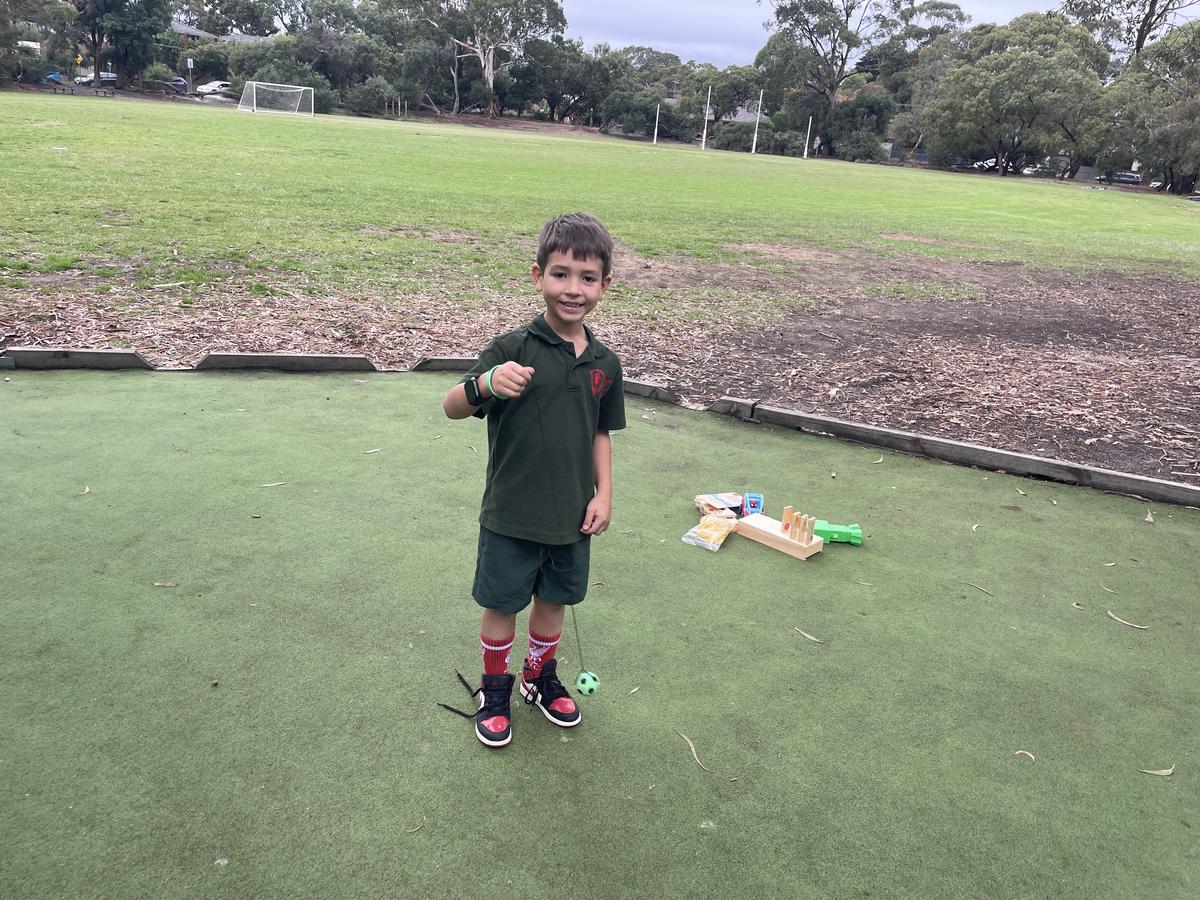
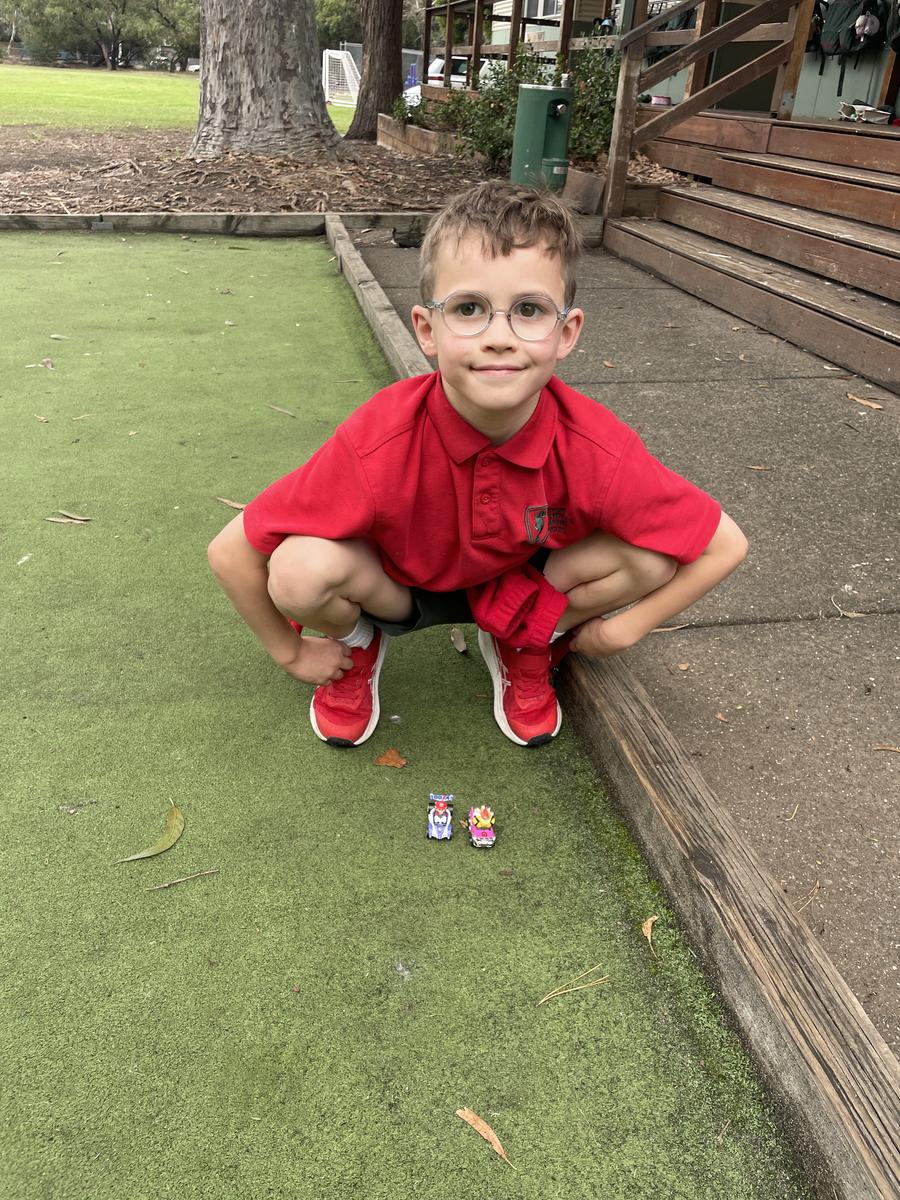
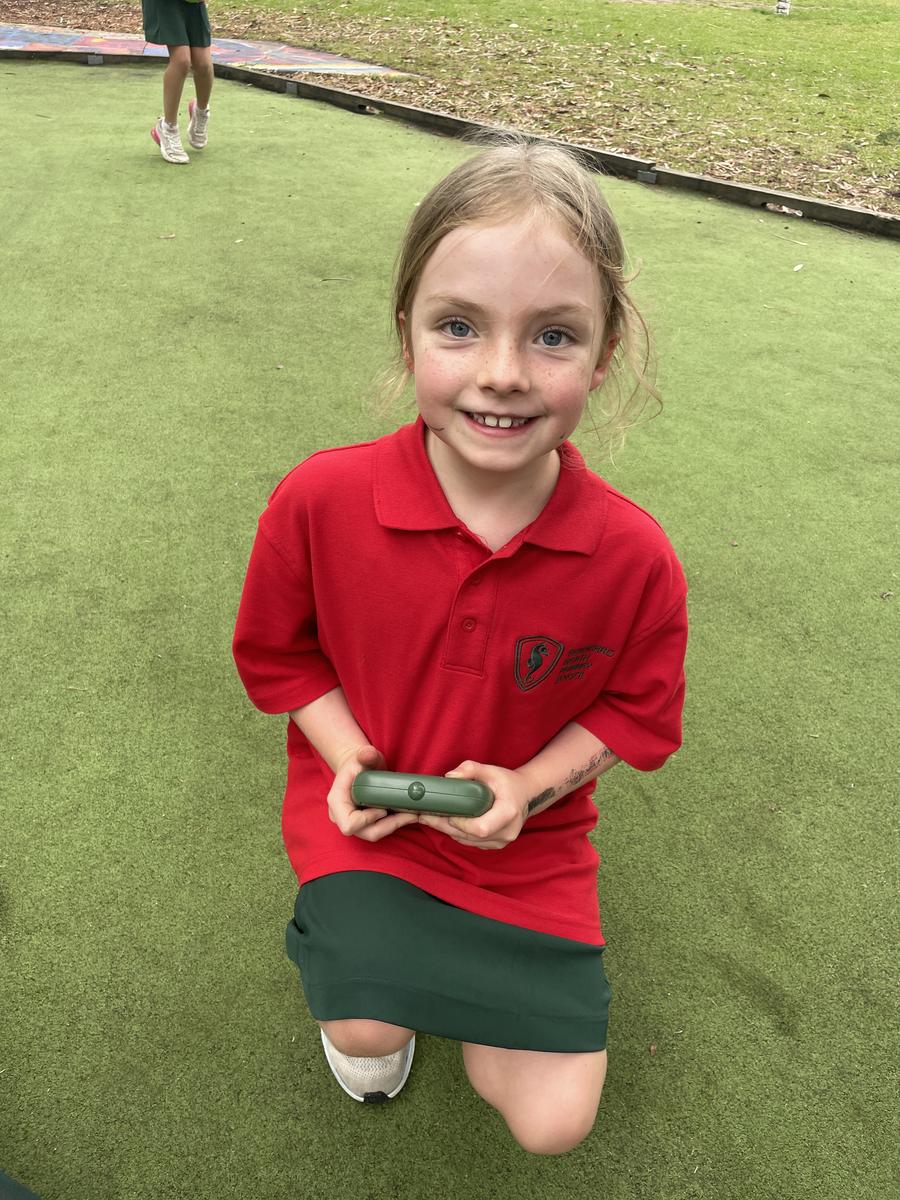
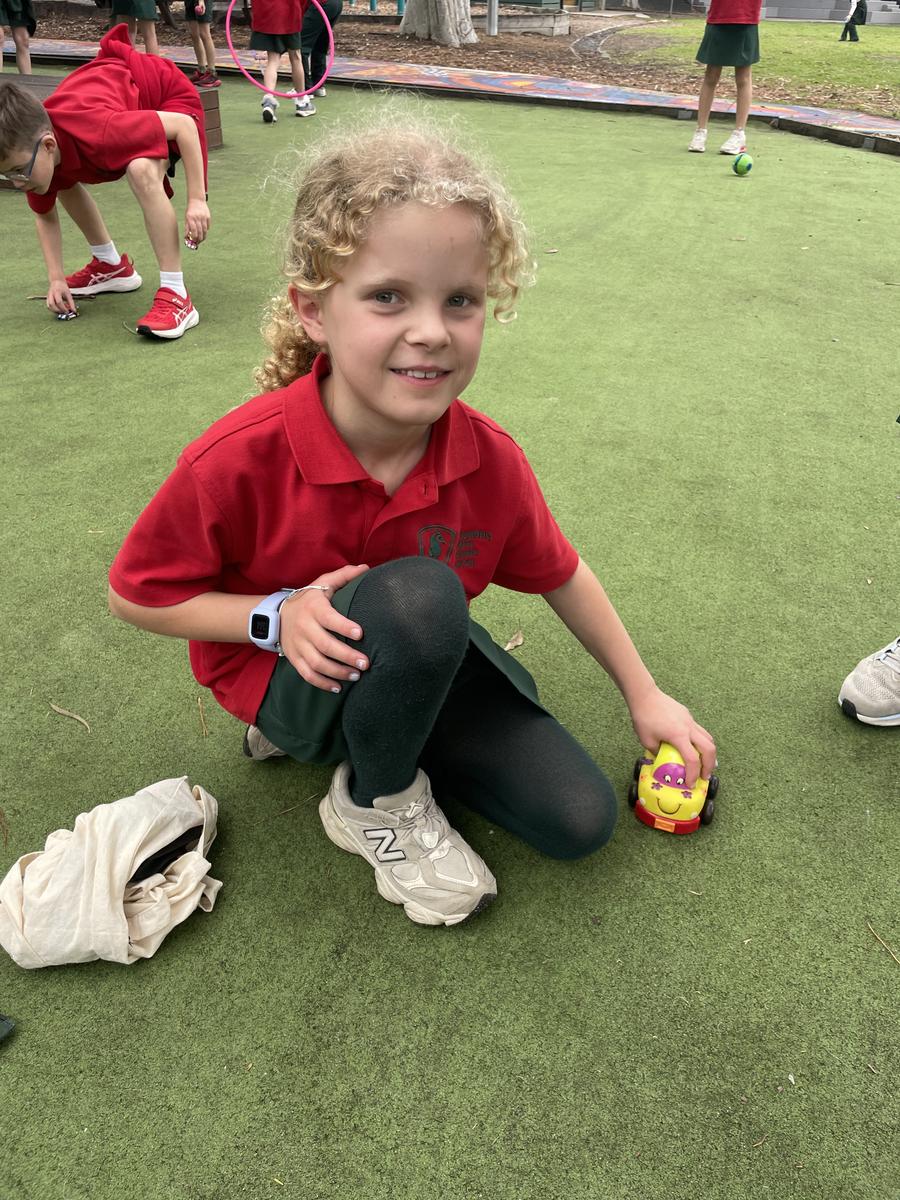
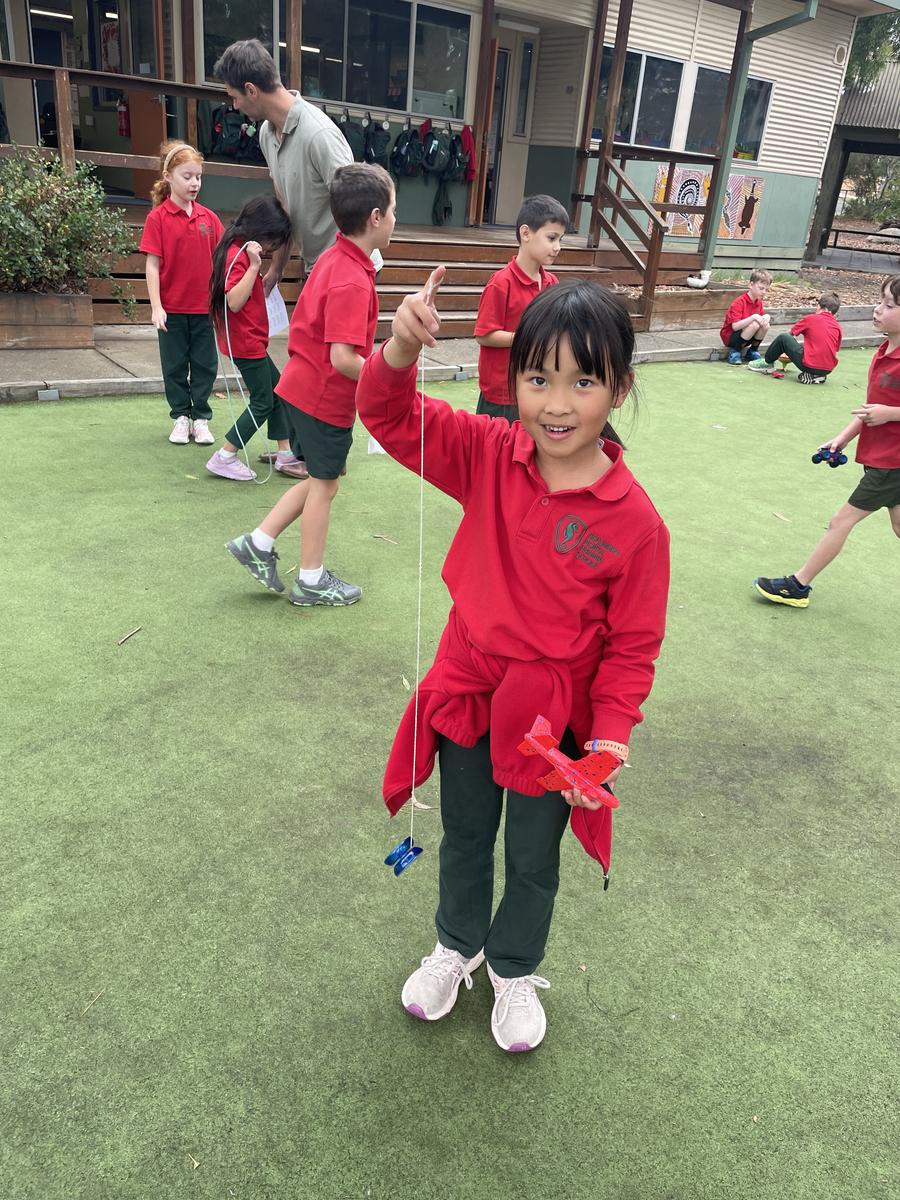
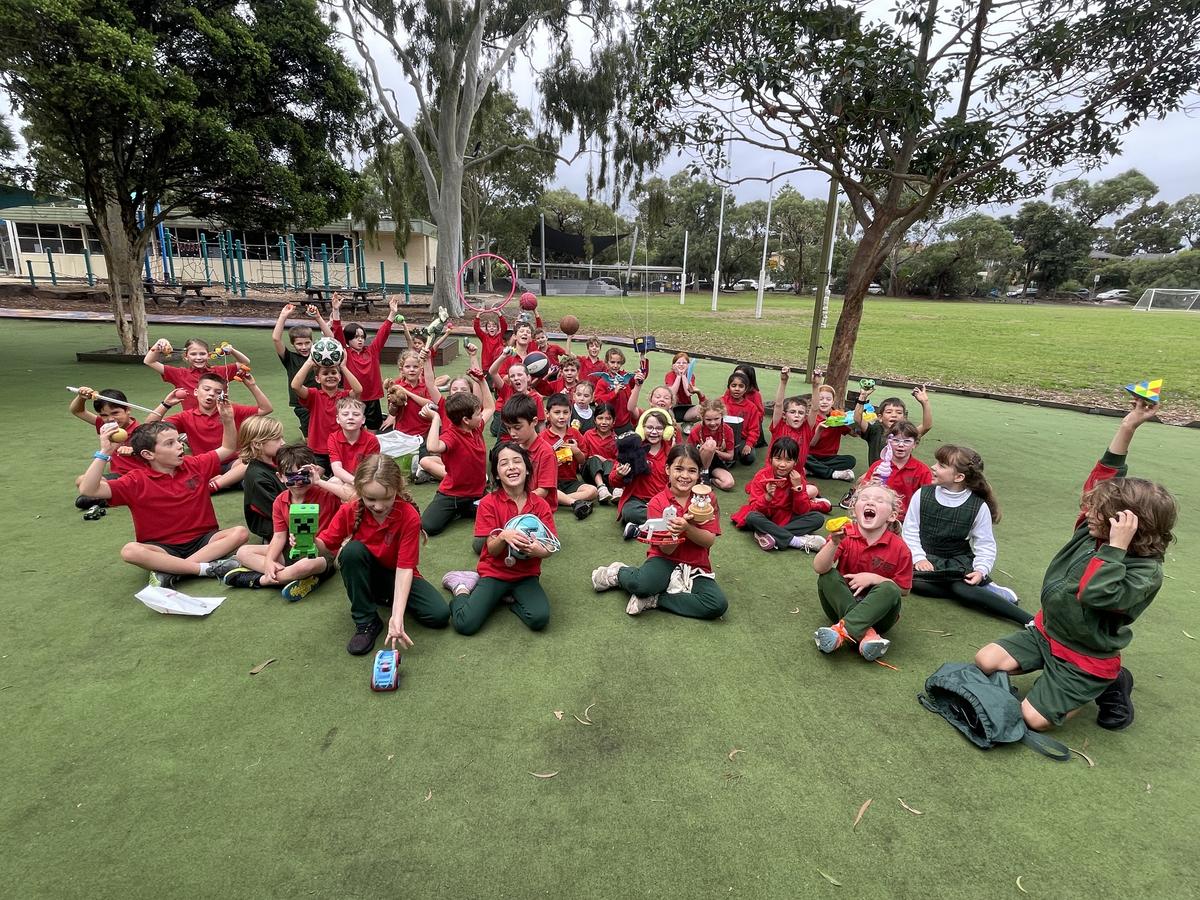
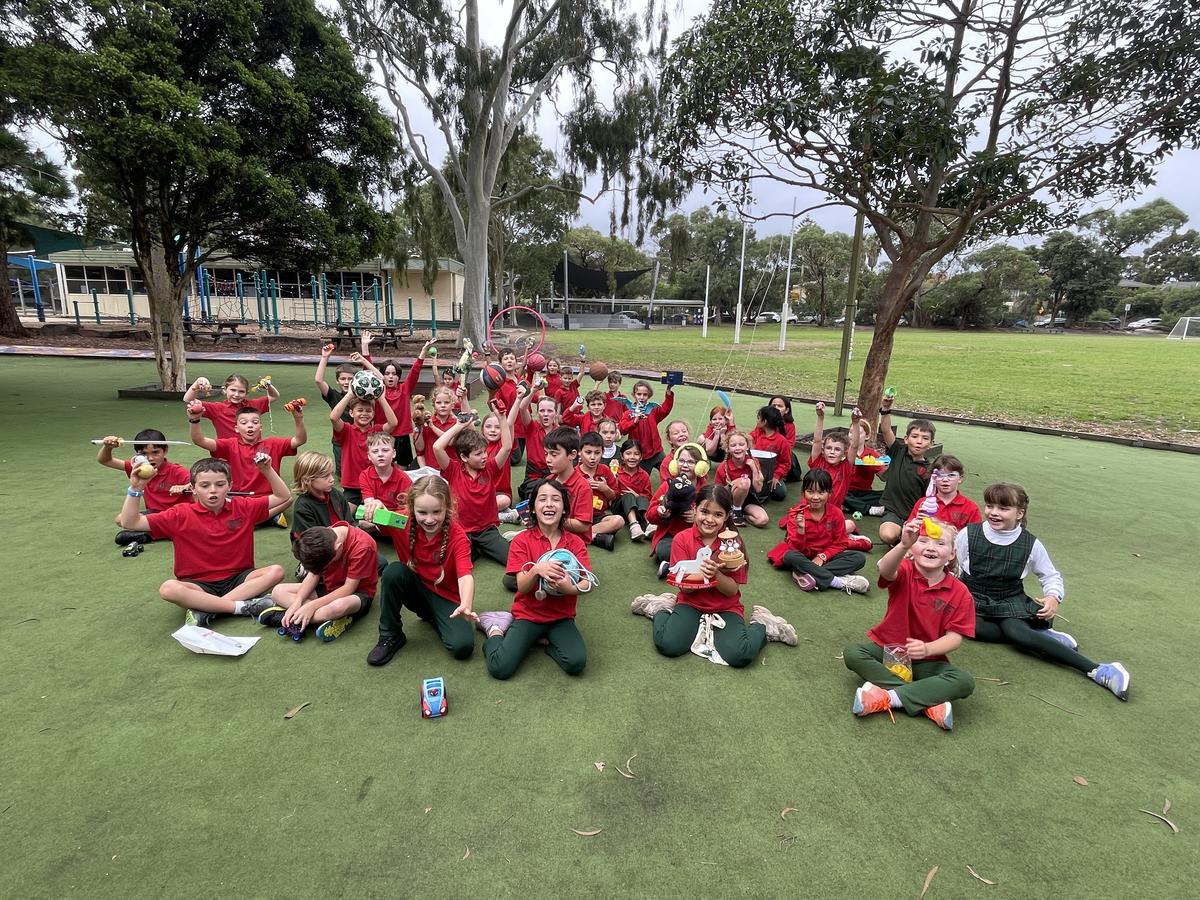
We then had a go of creating our own helicopters. We learnt that gravity pulls things to earth, and that as our helicopters ‘fell’ to earth, the wings created wind resistance, or drag, where the air pushed back against the wing. The larger the wing, the slower the helicopters ‘fell’.
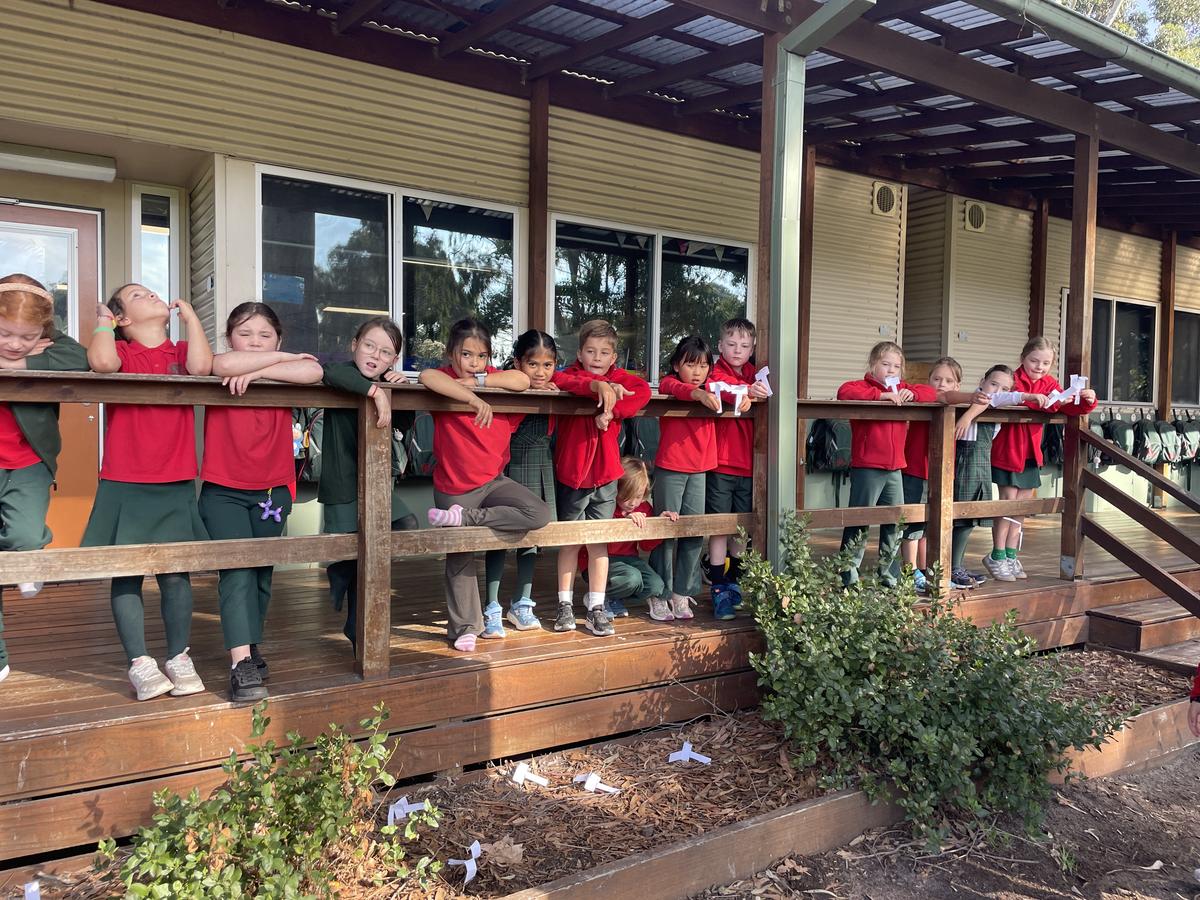
We will continue to explore force in class, such as friction, as well as magnetism and buoyancy in our science class.
What We Are Learning Next
Phonics Plus
Grapheme–phoneme correspondences (GPCs): oi, oy
Introduction of new GPC: oi
Oral, reading and spelling components:
oil, foil, toil, point, moist
Spelling patterns:
Use ‘oi’ at the start and in the middle of a word.
Do not use ‘oi’ at the end of a word.
Introduction of new GPC: oy
Oral, reading and spelling components:
boy, joy, soy, coy, ploy
Spelling patterns:
Use ‘oy’ at the end of a word or syllable.
Text Study
Our next text study will be Fantastic Mr Fox by Roald Dahl. Throughout this unit, students will explore character traits, themes and author techniques. They will analyse how Mr Fox’s actions reveal his personality, compare characters’ actions and use evidence from the text to justify their ideas.
Students will also learn about important themes such as hope and persistence, as well as how authors build suspense and give animal characters human qualities. At the end of the unit, students will explain why Mr Fox is described as “fantastic” using evidence from the story.
Literacy Skills
Punctuation and Grammar
In our upcoming Literacy Skills lessons, students will be learning how to use pronouns to make their writing clearer and less repetitive. They will practise replacing nouns with pronouns and using pronouns correctly within sentences. Students will also learn about possessive adjectives, such as my, your, and their, and use them to add detail and meaning to their writing.
EMP – Explicit Maths Program
We are:
Solving total problems
Writing and breaking down 4-digit numbers
Please continue to practise these ‘Maths at home’ ideas which will help your child immensely:
Practise skip counting by 2s, 3s, 4s, 5s and 10s
Please watch this fun clip with your child to help them learn the three times tables: Three Times Table Song (Cover of Uptown Funk by Mark Ronson and Bruno Mars)
Practise maths fluency, which involves asking your child to quickly and accurately solve simple addition and subtraction problems using numbers between 0 and 20.
Discus what a quarter and half turn look like, and practise turning objects by one quarter or one half
Discus the terms half, quarter and eighth. Discuss that the parts must be equal. Please also demonstrate what this looks like by drawing shapes and breaking them into parts, or by folding pieces of paper.
Please continue to keep your eye out for Compass posts guiding you to support your child in their ‘Maths at home’.