Billy Button News
Jemima Saw & Farishta Yousafz
Dear Billy Button Families,
Can you believe we are almost halfway through Term 2 – and what a delightful start it has been! The children returned full of energy and enthusiasm after the Easter break and have settled back into the Billy Button program very well indeed. The consistent rhythm and repetition of our mornings over Term 1 has meant that children are able to anticipate what is coming next, helping them to feel safe, secure and relaxed enough to sink deeply into play.
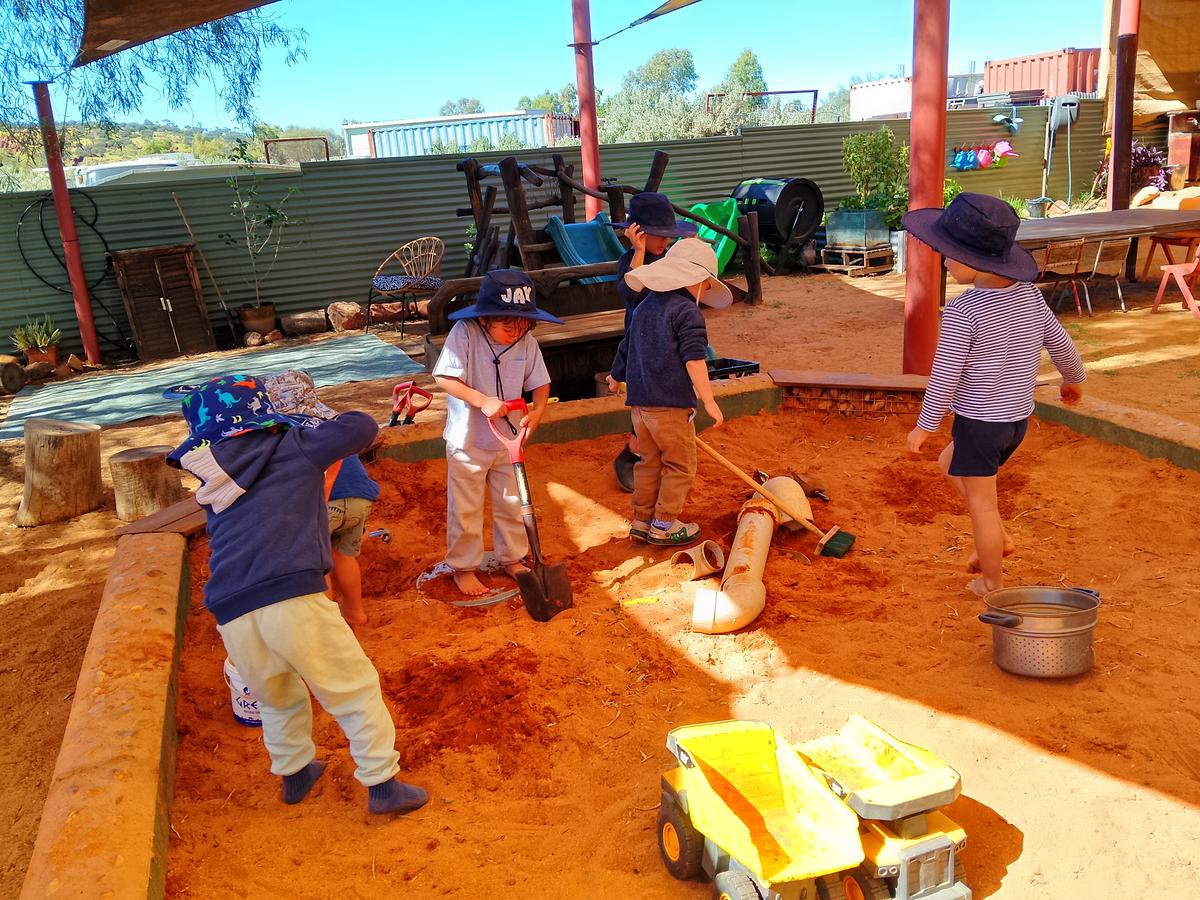
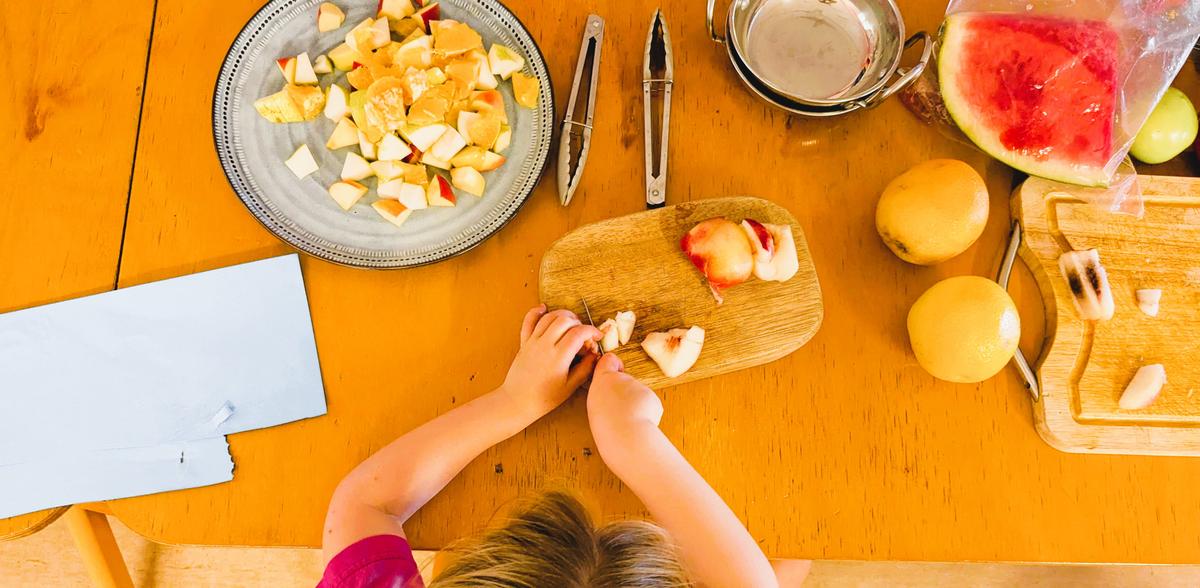
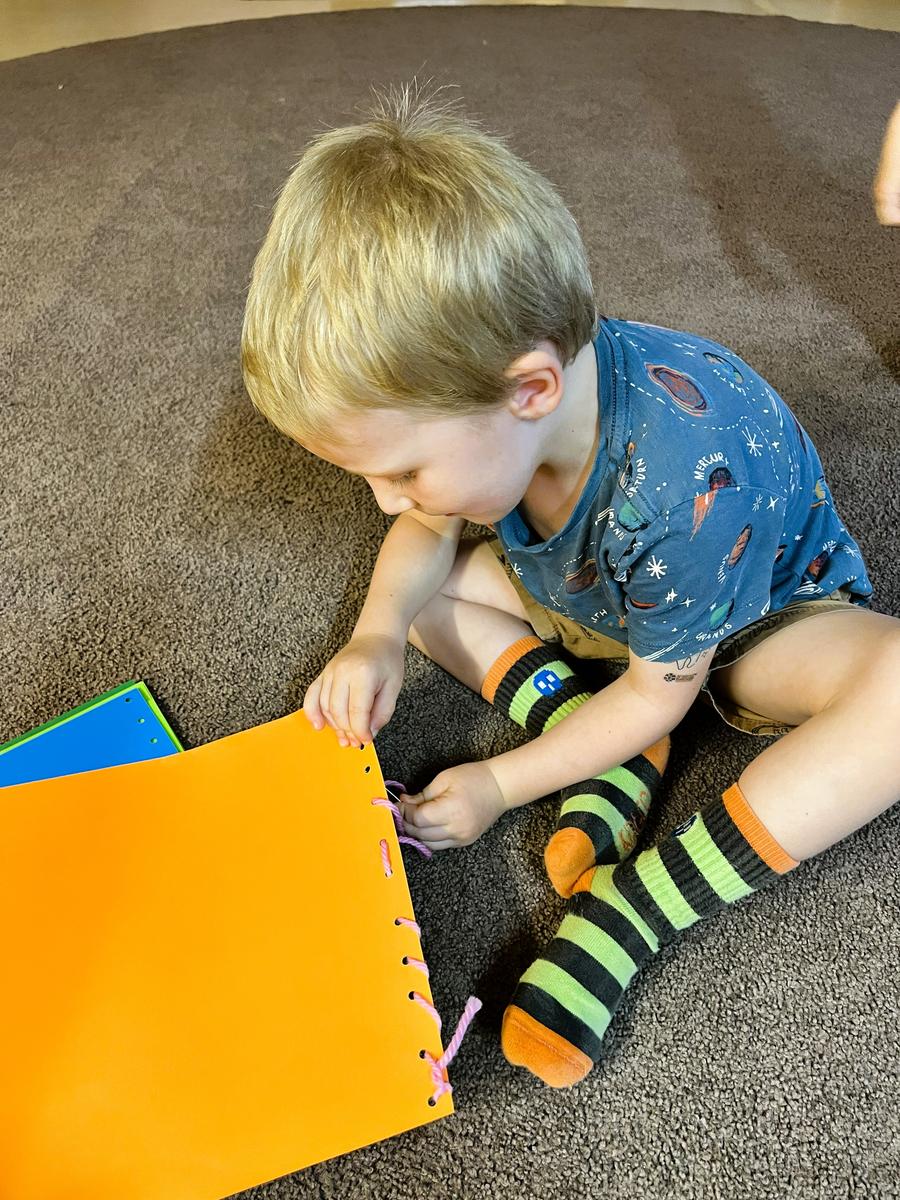
In Steiner Education we talk about play as ‘the work of the child’. Through play children explore, solve problems, take risks, practice their social skills, engage their imagination, develop their fine and gross motor skills, take in the world through all of their senses and so much more!
As children grow and change, their play changes too. Around three year-old children’s play shifts from one rooted in cause and effect, to one that is rich in creativity and imagination. In Steiner Education we believe that creating beautiful environments, filled with open-ended toys and resources offers children the opportunity for their imagination to thrive. When children are given enough time and space for uninterrupted play, their creative thinking really starts to emerge and so does the child’s capacity to see the endless possibilities of how the world could be.
Simple play materials can be found throughout the preschool - wooden blocks, silk cloths, tree stumps, planks of wood and rocks - all of which can be transformed into anything the children can imagine, with no limitations. For example, a simple wooden block can be a truck or train, or transformed into a home or castle. Young children are naturally curious, and play builds on this natural curiosity, helping them to better understand how things work, while at the same time, building skills that will grow with them.
Play involves a lot of trial and error. When the tower of blocks falls, the tea cup spills or the sand castle is washed away, children experience disappointment. It is through these moments that children learn to push through for future successes and in turn build resilience.
There has been much research done on how play helps children to develop the cognitive and social-emotional skills crucial to long-term school success in academics and beyond. Critical thinking is a great example of this as it is born through rich, imaginative play. The ability to think critically, creatively, to persevere and be flexible, does not come through worksheets or reading exercises, but through problem-solving activities that are natural to play!
Rich imaginative play is also the perfect way to develop language skills. As children play, they act out different scenarios, take on different characters and discuss what might happen next. These moments help them to develop linguistic and conversational skills. Even when children are playing alone they often narrate their own play, creating opportunities for expressive language growth and development.
Play-based education helps children to fall in love with learning, through discovery and joy. An education rich in play meets young children in a developmentally appropriate way. By bringing the right thing at the right time, children come to preschool excited, ready to engage and participate. When school is full of love, joy and warmth, it grows into a second home and family. The ease of transitions from one activity to the next, combined with the strong emphasis on rhythm, help to create an environment of safety and trust.
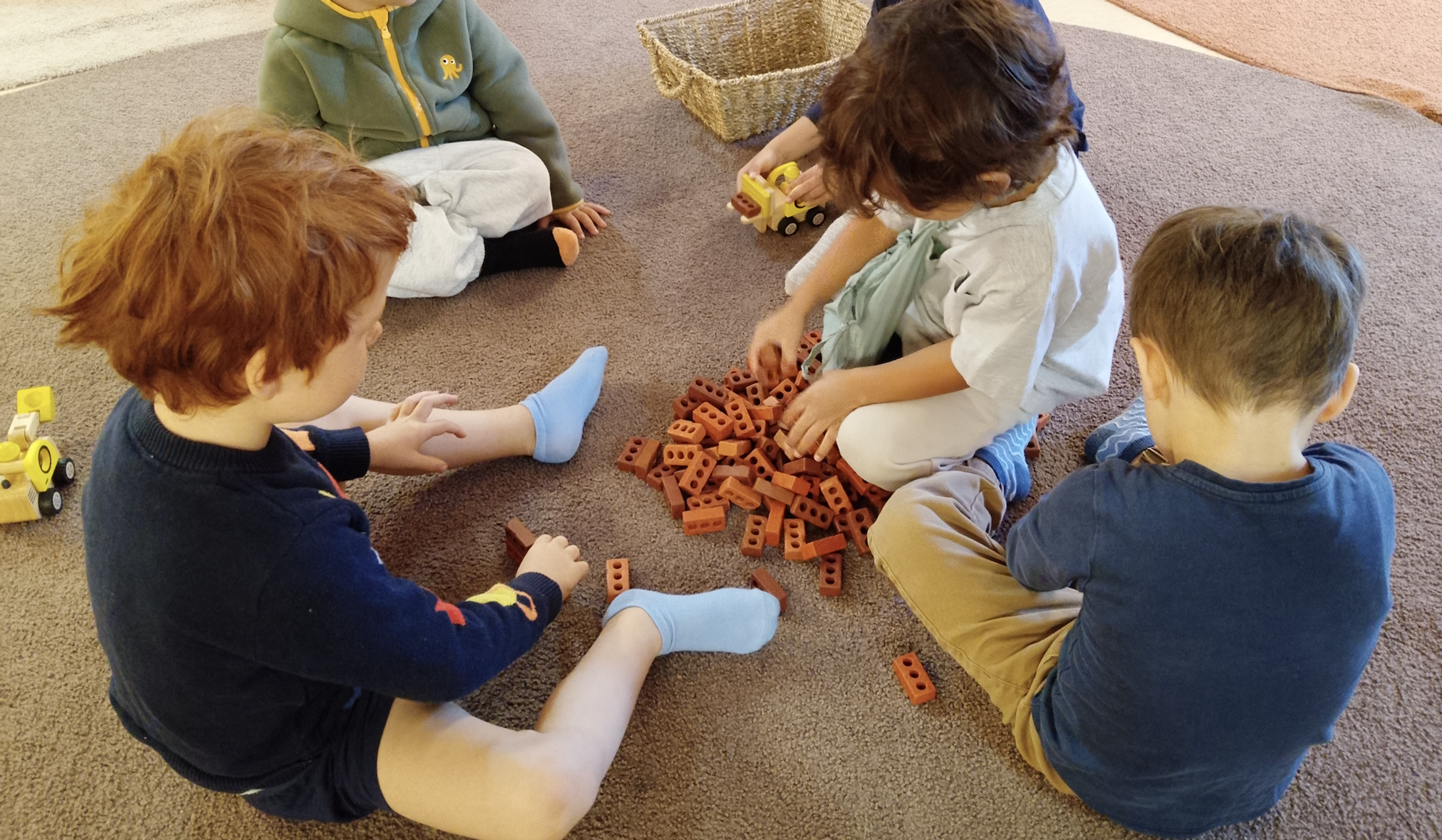
Here are just a few photos of some of our Billy Buttons busy at work in play…
We are looking forward to another wonder-filled term with your little ones!
Warmly,
Jemima and Farishta