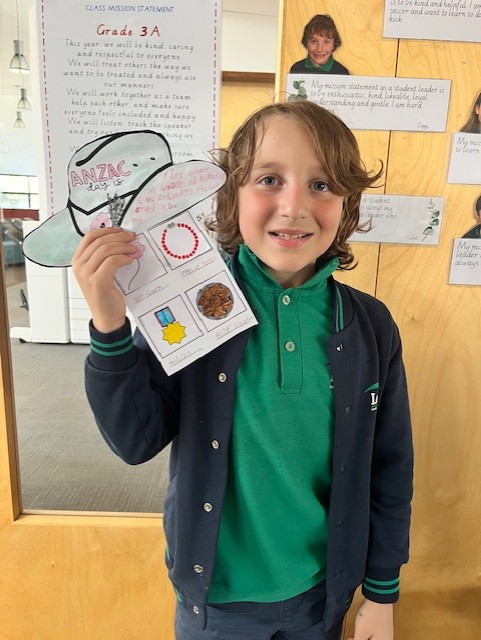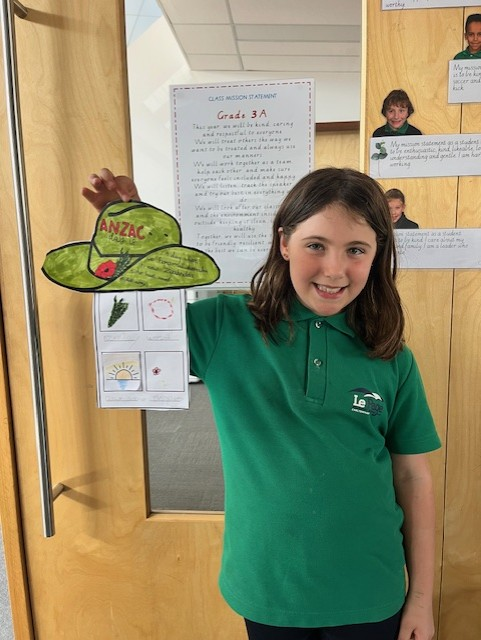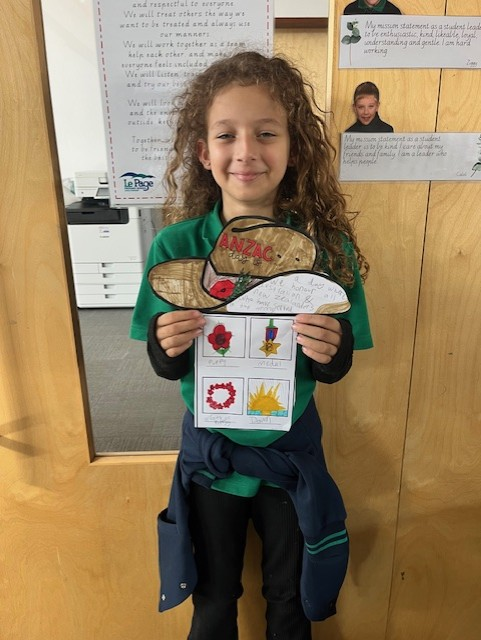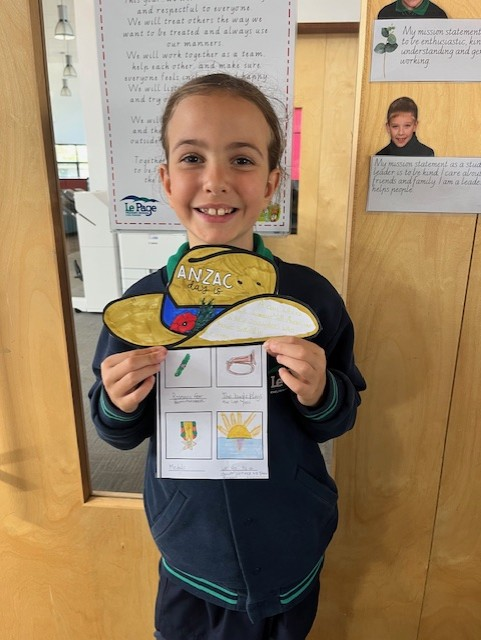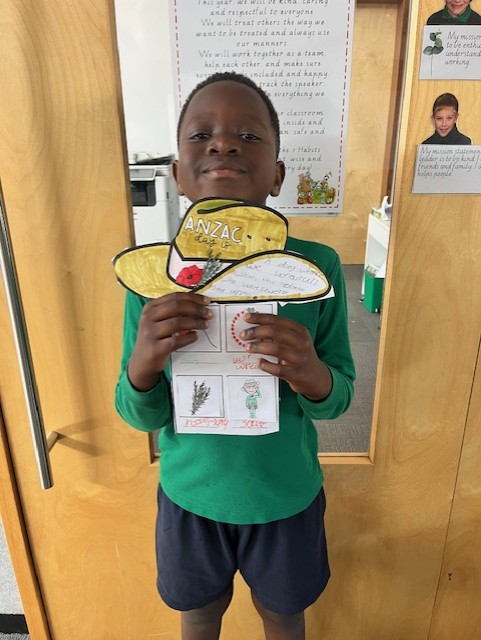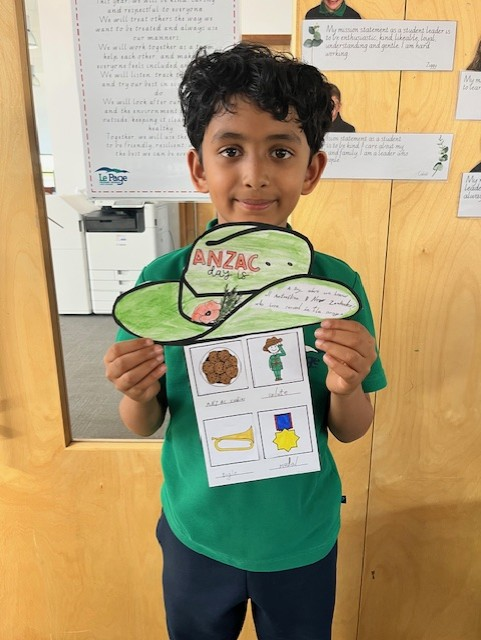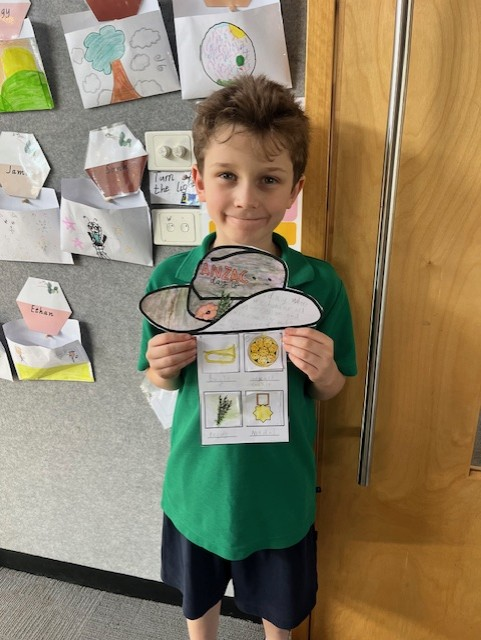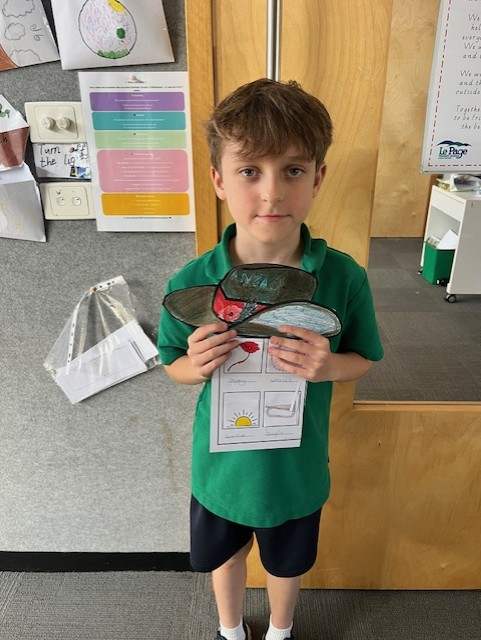
Tremendous 3
Term 2 Week 2
Year 3 Newsletter
Welcome to Week 2 of Term 2!
Literacy:
This term students have been developing their skills in writing information reports. An information report is a type of non-fiction writing that presents facts about a particular topic. It could be about animals, places, people, or objects, and the aim is to inform the reader clearly and accurately.
As part of this learning, students are exploring the key features that make an effective information report. These include:
- A clear title that tells the reader what the report is about
- An introduction that gives a general overview of the topic
- Organised paragraphs that group similar information together
- Subheadings to help structure ideas and guide the reader
- Factual information presented in the present tense
- Technical vocabulary related to the topic
- Images, diagrams, or labelled illustrations to support understanding
Phonics:
Week | Focus | Example words |
| Week 1 | 111 Rule | Madly Clapped Runner taping |
| Week 2 | 111 Rule | Dripped Splashed Strapped Shopped |
| Week 3 | 111 Rule | foggy Stunning Trotting Cunning |
| Week 4 | Homophones 1 | Ball Bawl Knot Not |
| Week 5 | SFE + suffix rule | lovely homeless shameful hugely |
| Week 6 | SFE + suffix rule | Hopeful Gamer Trembling Rescuer |
| Week 7 | Homophones 2 | heel – heal – he’ll |
| Week 8 | L stuffs it all | Fall stall always almost |
| Week 9 | Homophones 3 | meat meet flour flower |
| Week 10 | Homophones 4 | which - witch |
Maths:
In maths this term students have started learning about Fractions. We are also encouraging students to use mathematical language confidently, including terms like numerator, denominator, and equal parts. Through engaging activities and real-life examples, students are building a strong foundation in fractions.
In class, students are developing their understanding by:
Recognising and naming common fractions such as 1/2, 1/3, 1/4, and 1/8
Identifying fractions of shapes and collections
Understanding that fractions represent equal parts of a whole
Comparing simple fractions (e.g. knowing that 1/2 is larger than 1/4)
Using visual models such as diagrams, number lines, and hands-on materials to support learning
| Weeks 1-2 | Weeks 3-4 | Week 5 | Week 6-7 | Weeks 8-9 | ||||
Fractions VC2M3N03 | Length VC2M3M01, VC2M3M02 | Pattern VC2M3N09 | Data representation VC2M3ST01, VC2M3ST02 | Addition and subtraction 2 VC2M3N04, VC2M3N06 | ||||
Science
This term in Science, students will be learning about living, non-living and once-living things. They will explore the features of living things, such as the need for food, water and air, and how to group and classify different things in the world around them.
Students will also investigate life cycles of plants and animals, learning how living things grow and change over time. They will compare different life cycles (such as insects, mammals and plants) and begin to understand that some living things go through significant changes, while others develop more gradually.
A key focus of this unit will be understanding that offspring are similar to their parents, but not identical, helping students recognise patterns in how living things grow and reproduce.
.
Extra Announcements:
- Please send any photos from home to your child's classroom teacher
- Zoo excursion Tuesday week 5
- School photos Monday week 7
- Swimming Monday- Thursday week 9 & 10
Photos