
Wellbeing News
Lynda Hudson

Wellbeing News
Lynda Hudson
Mindfulness and Breathing Techniques for the Classroom
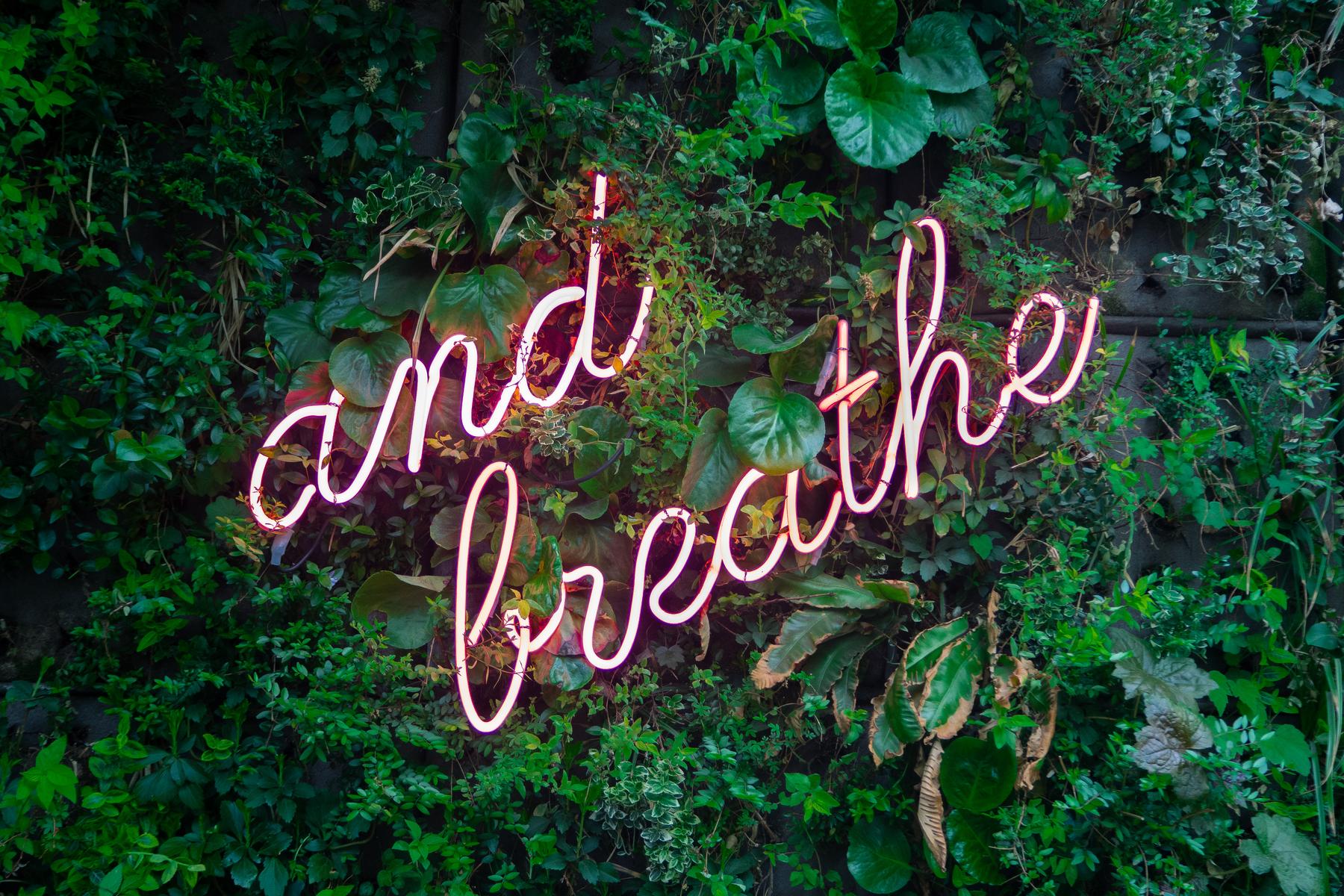
In today’s fast-paced world, students are navigating more distractions, pressures, and emotional challenges than ever before. Creating a calm and focused learning environment is essential, not only for academic success, but for students’ overall wellbeing. One simple yet powerful way to support this is through mindfulness and breathing techniques in the classroom.
Mindfulness is the practice of being fully present in the moment, aware of thoughts, feelings, and surroundings without judgment. For students, this might mean paying attention to their breathing, noticing how their body feels, or simply focusing on the task at hand. Research shows that mindfulness can improve concentration, reduce stress, enhance emotional regulation, and support academic performance. Best of all, it is simple to introduce and can be naturally woven into everyday classroom routines.
Breathing is a natural anchor for mindfulness. When students feel anxious, overwhelmed, or distracted, their breathing often becomes shallow and rapid. Teaching students how to slow down and control their breath helps activate the body’s relaxation response, calming both mind and body. Even a few minutes of intentional breathing can reset the tone of a classroom, helping students feel more settled, focused, and ready to learn.
Simple Strategies to Try
Stomach (Belly) Breathing: Place a hand on the stomach and take slow, deep breaths, feeling the stomach rise and fall. Inhale through the nose and exhale through the mouth.
4-4-4 Breathing: Inhale for four seconds, hold for four seconds, and exhale for four seconds. This steady rhythm helps regulate the nervous system.
Five-Finger Breathing: Trace the outline of one hand with a finger from the other hand - breathe in as you trace up a finger and out as you trace down. This combines movement with breathing to support focus and calm.
Consistency is key. Starting small, such as a two-minute breathing exercise at the beginning of the day or after a break, can make a meaningful difference. Over time, students begin to recognise when they need to pause and can use these strategies independently to manage their emotions and refocus their attention.
Mindfulness and breathing techniques are more than just calming strategies, they are lifelong skills that help students build resilience, self-awareness, and emotional balance. By embedding these simple practices into daily routines, we are supporting not only better learning outcomes, but healthier, more confident young people. As a school community, we can all play a role in encouraging these moments of pause, whether in the classroom or at home. Sometimes, the most powerful step forward begins with something as simple as taking a slow, steady breath.

School TV Resource
SchoolTV is a trusted online platform that helps parents and caregivers support the wellbeing of young people. Covering topics such as mental health, cyber safety, and resilience, it provides expert advice in a clear and accessible format.
Each edition focuses on a specific issue and includes videos, practical strategies, and guidance from leading professionals. This makes it easy for busy families to stay informed and confident in supporting their children.
SchoolTV also strengthens the connection between schools and home, creating a shared understanding of important wellbeing topics. By encouraging open conversations and early support, it helps families navigate the challenges of raising young people in today’s world.
Overall, SchoolTV is a practical, reliable resource that empowers families to raise happy, healthy, and resilient children.
Anxiety and Depression to Foster Resilience
Did you miss the SchoolTV webinar “Understanding Anxiety and Depression to Foster Resilience”?
You can watch the recording via the link below or through the Webinar Series tile on our SchoolTV homepage up until Monday 4 May. Be sure to download the KEYpoints flyer to help guide conversations at home.