Term 2 Learning Summary
English
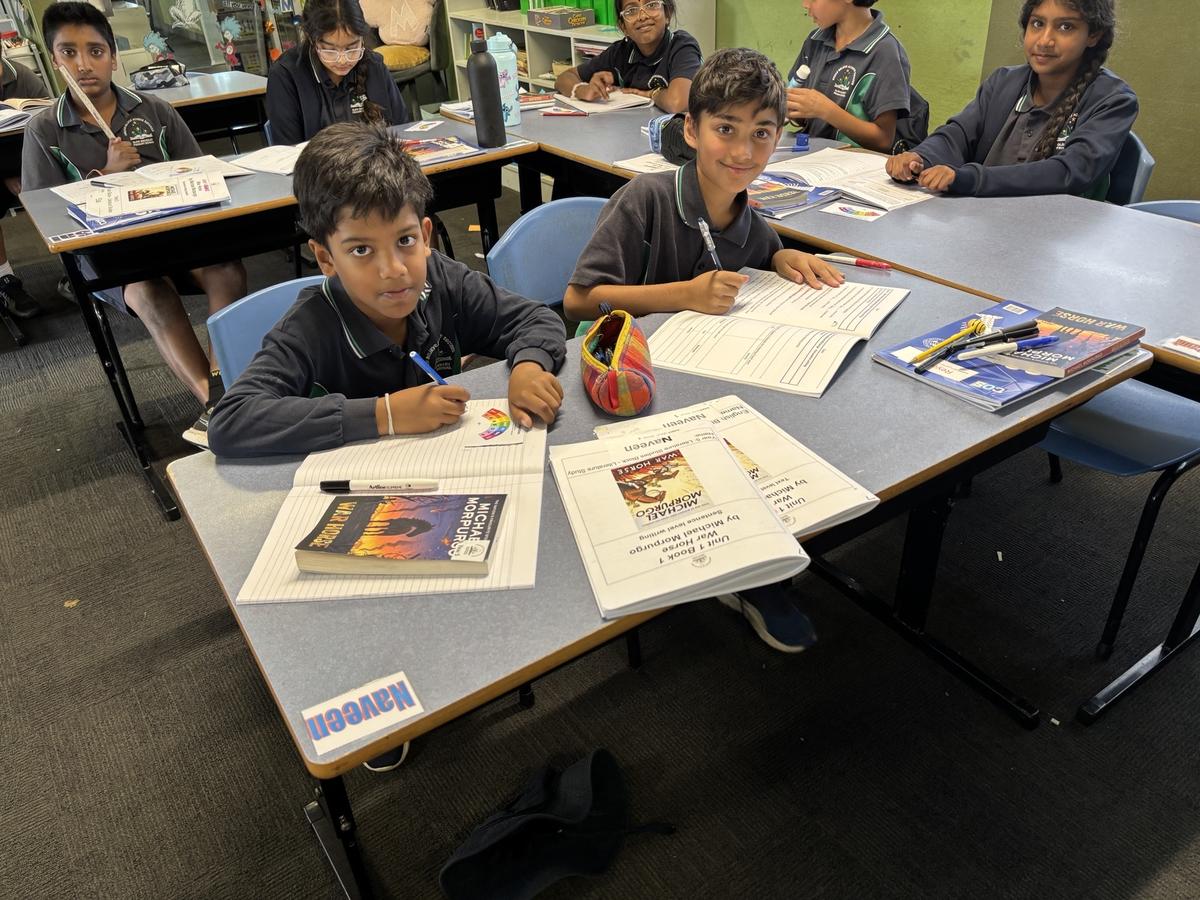
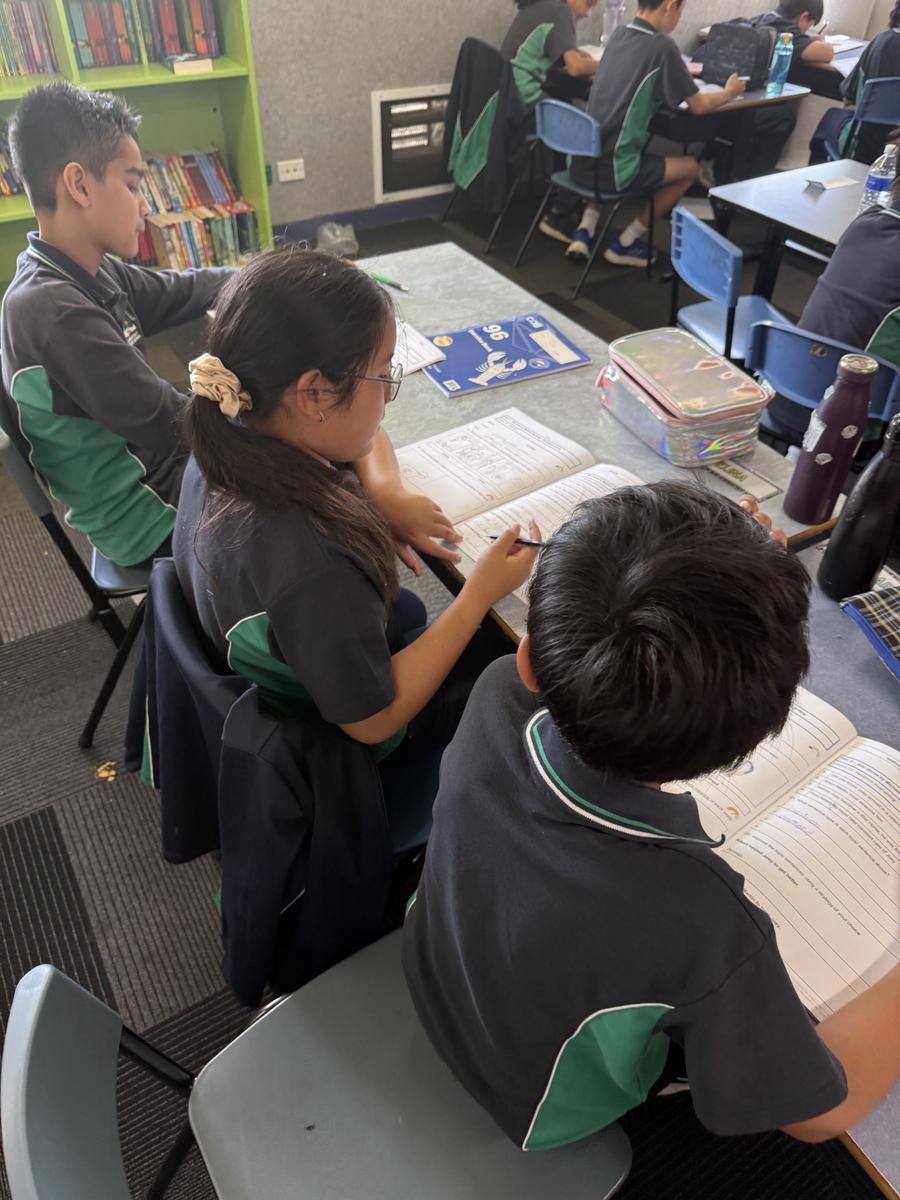
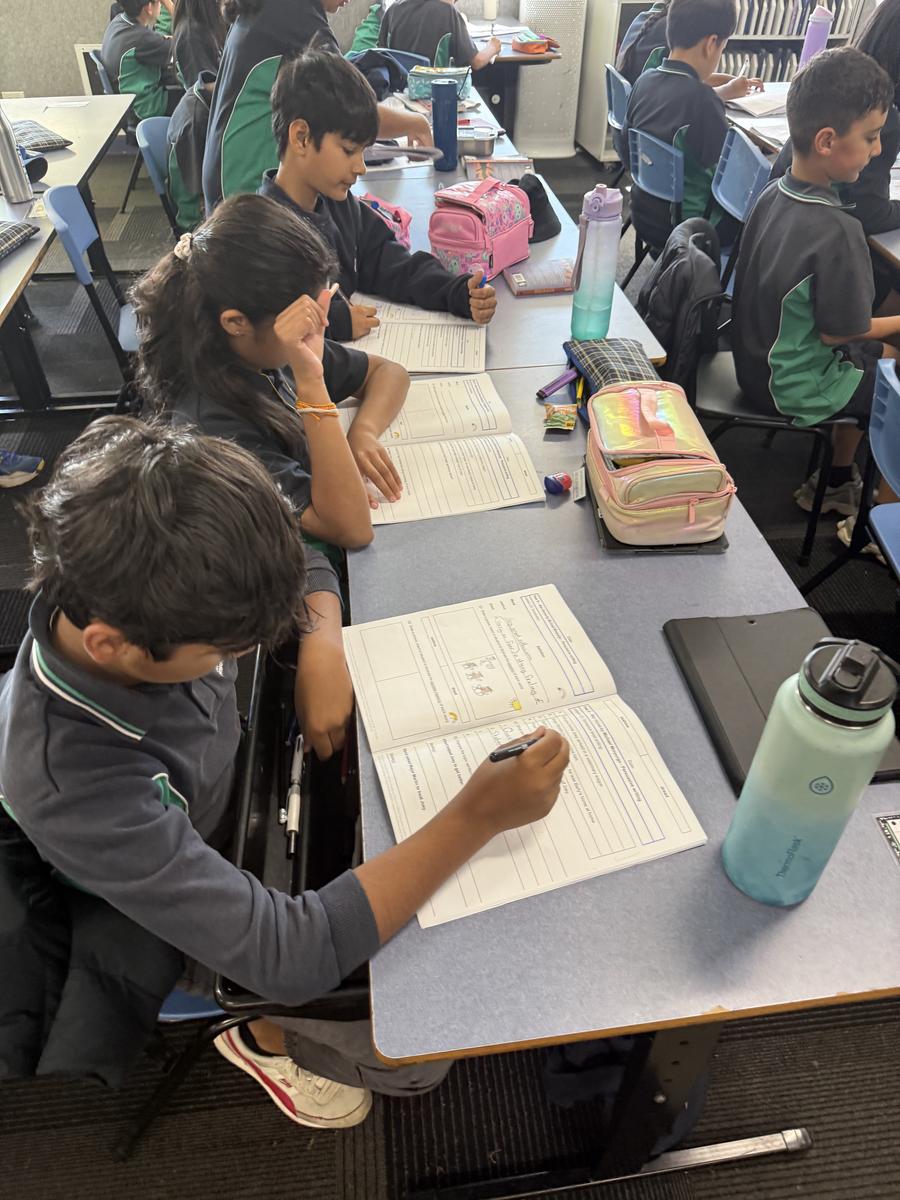
During the term, Year 5 students will continue with the Ochre English program across the senior school. The program is aligned with the Victorian Curriculum 2.0 at Level 5 and incorporates teaching elements informed by the Science of Learning. Learning experiences including explicit instruction, frequent feedback, and spaced practice, to ensure all students are supported to make consistent progress in English. The students showed great interest in the program during term one.
In Reading, students will take part in a rich non-fiction text novel study of How Was That Built? – The Stories Behind Awesome Structures. This text has been authored by Join Roma Agrawal, an award-winning structural engineer, and shares with children a behind-the-scenes look at some of the world's most amazing landmarks. Through discussion and guided reading, students will expand their capacity to comprehend texts and build meaning and identify key themes. Students will also analyse the detailed illustrations which include cross-sections, skylines and close-ups of engineering techniques. Students will also discuss the effects of imagery and sound devices in a text and explain how they create or affect the meaning of the text.
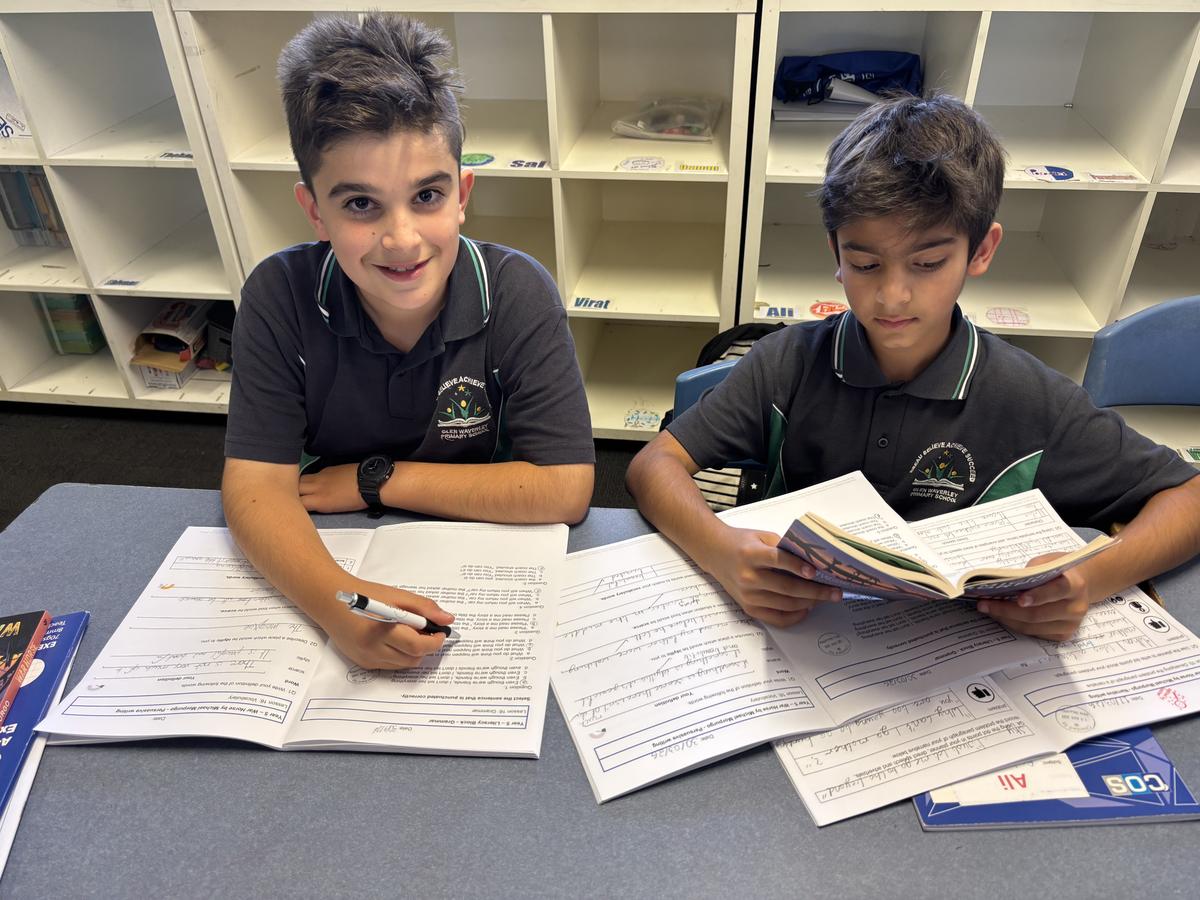
In Writing, students will strengthen their skills across literacy, literature and grammar, while continuing to develop handwriting and typing skills. Lessons will focus on sentence structure, punctuation, and vocabulary, as well as authors purpose for language to engage the reader. Students will continue to practise Victorian-Cursive handwriting and build confidence in typing efficiently and accurately, applying these skills in a variety of tasks.
In Speaking and Listening, students will continue to participate in reading aloud, group discussions, and oral presentations to build fluency and confidence. They will be encouraged to use precise vocabulary, to clarify meanings and make connections to the text, through responding to others’ ideas, and articulating their opinions clearly and respectfully in appropriate tones of voice.
Key vocabulary to support learning areas
English | |
Structures Friction Compression Tension Terrain Dedicated Reinforce Sturdy Hygiene
| Excavated Congestion Inspired Tributaries Stable Exposed Symbolises Appease Unique
|
To support your child’s learning at home, you could:
Encourage regular reading and talk about the book, characters, and key events.
Support writing development by encouraging your child to keep a journal, write short stories, or respond to books they are reading, with a focus on clear sentences, correct punctuation, spelling, and neat handwriting.
Practise typing by letting your child type up texts on a computer/iPad.
Encourage your child to read each night, both aloud and to themselves.
Ask your child what they have learnt about their spelling words from their spelling inquiry during the week.
Mathematics
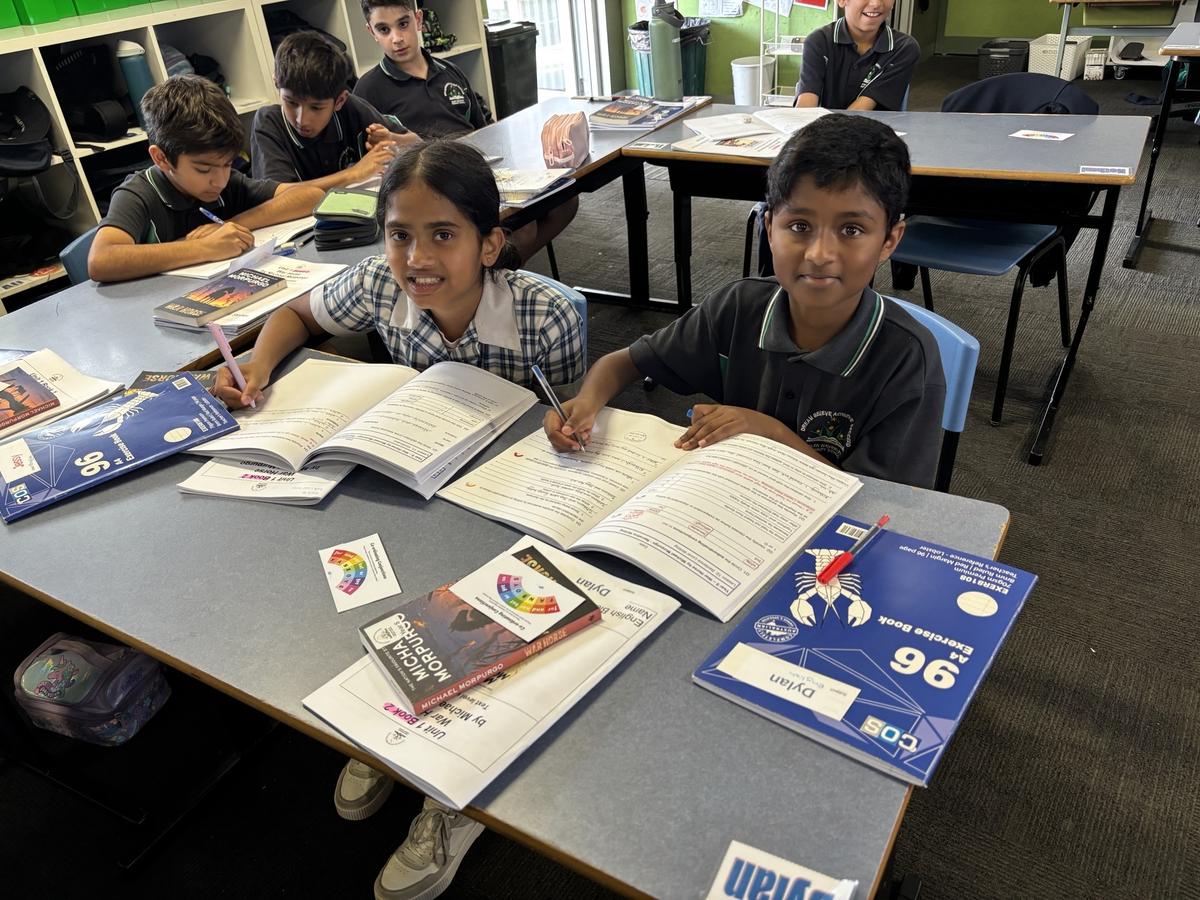
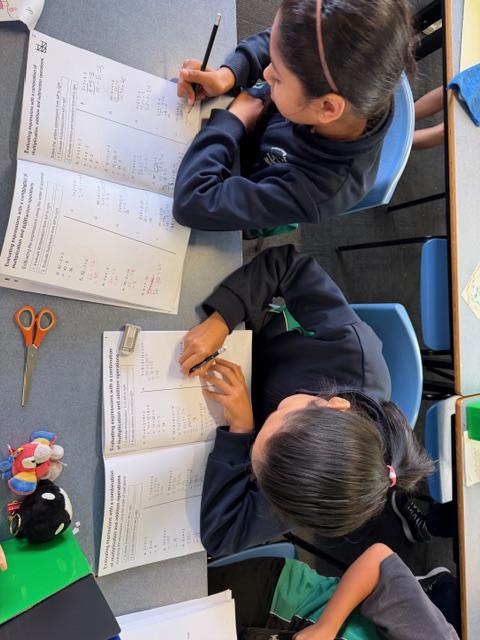
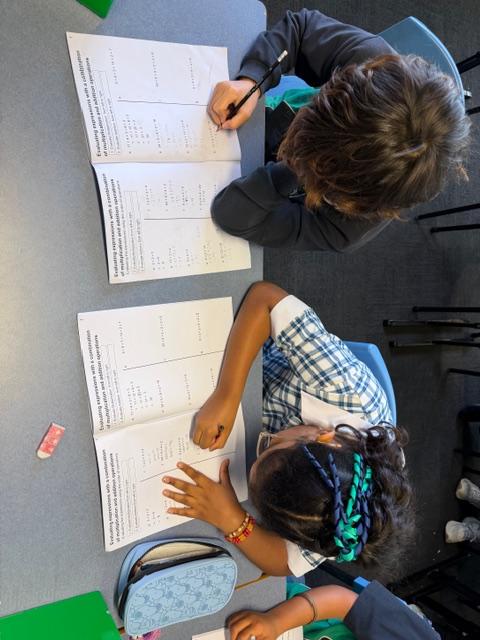
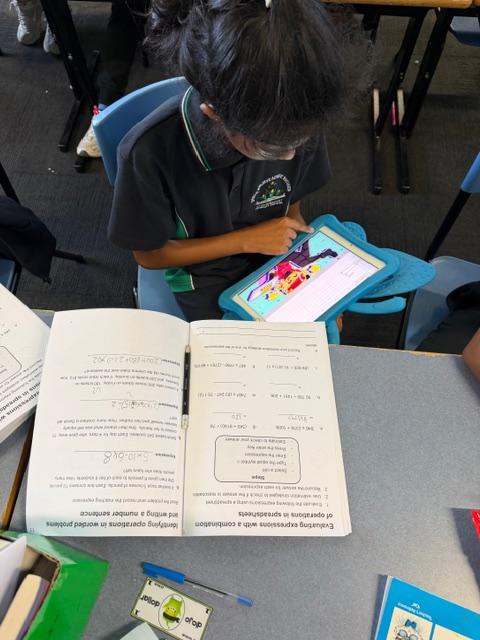
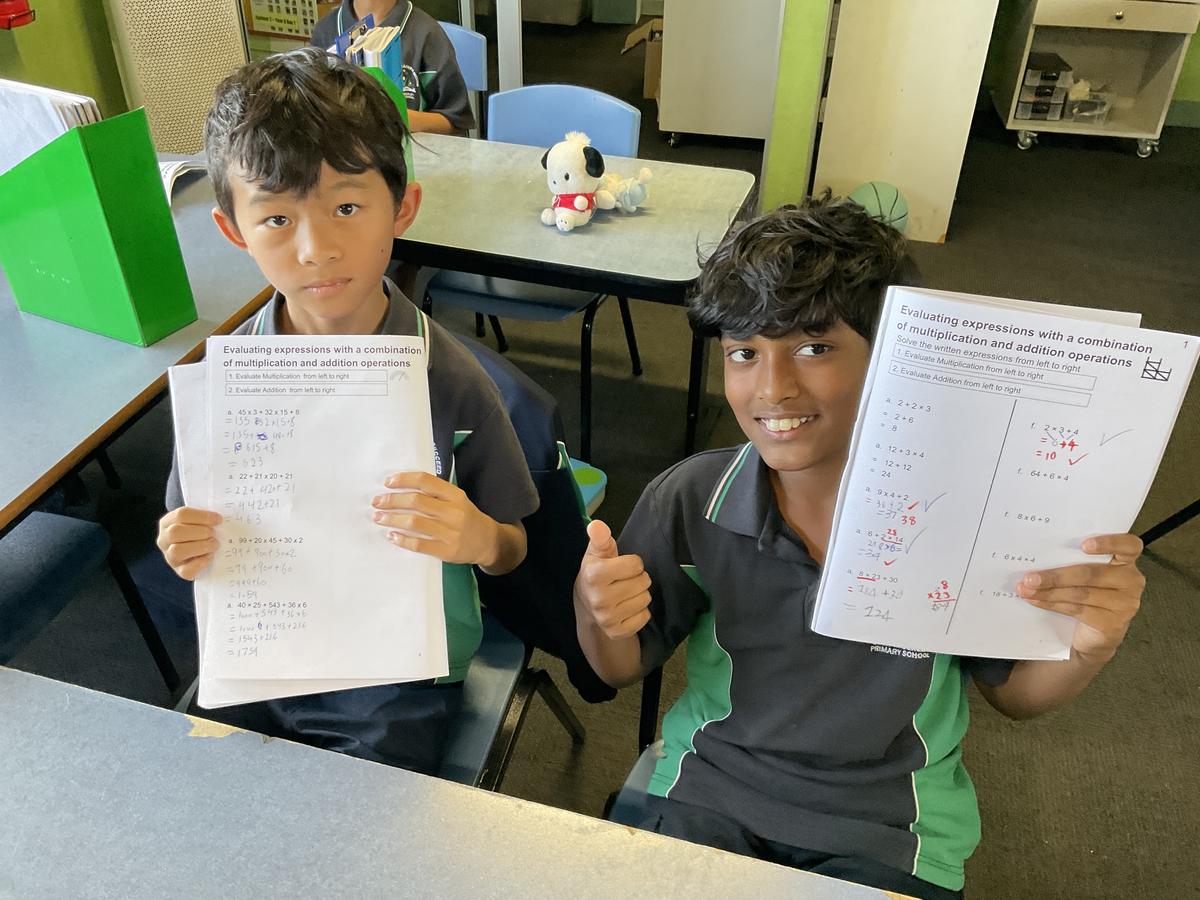
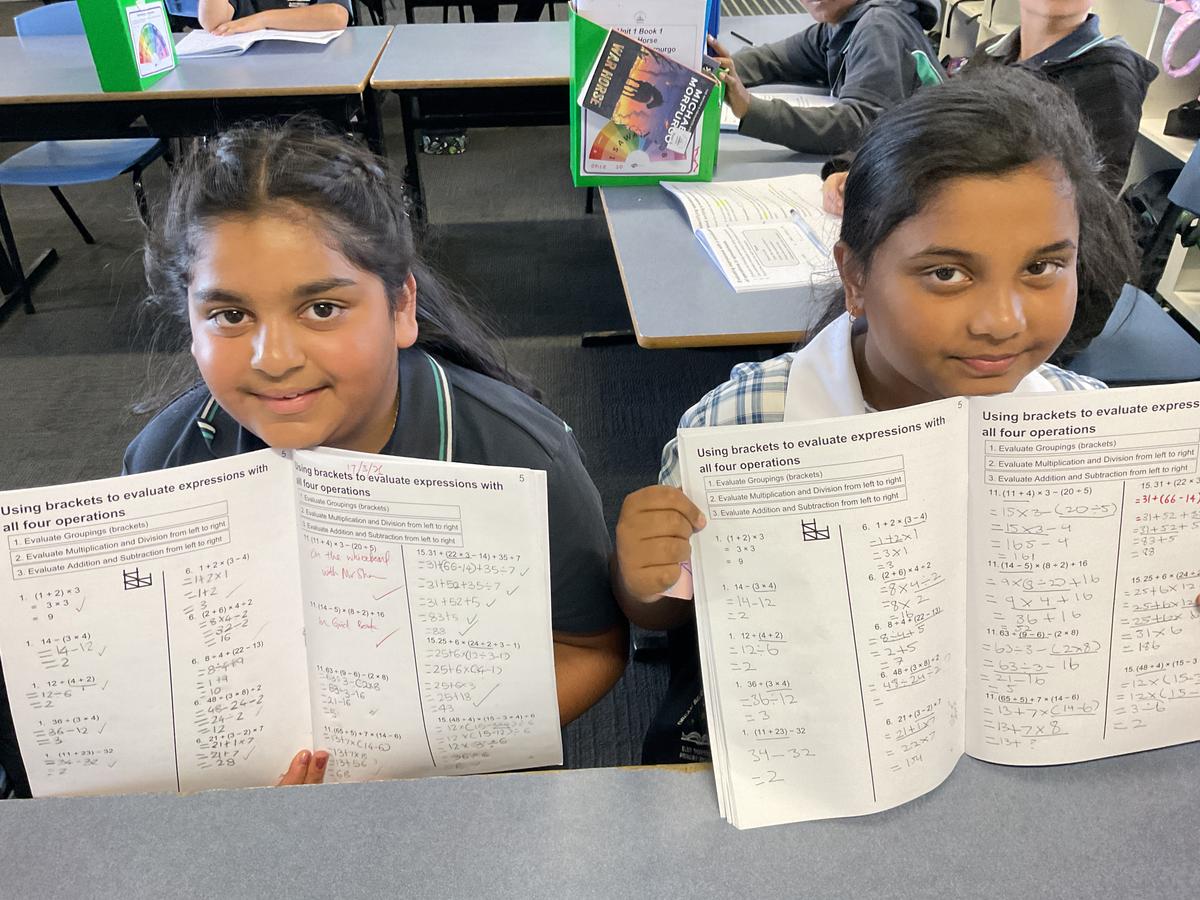
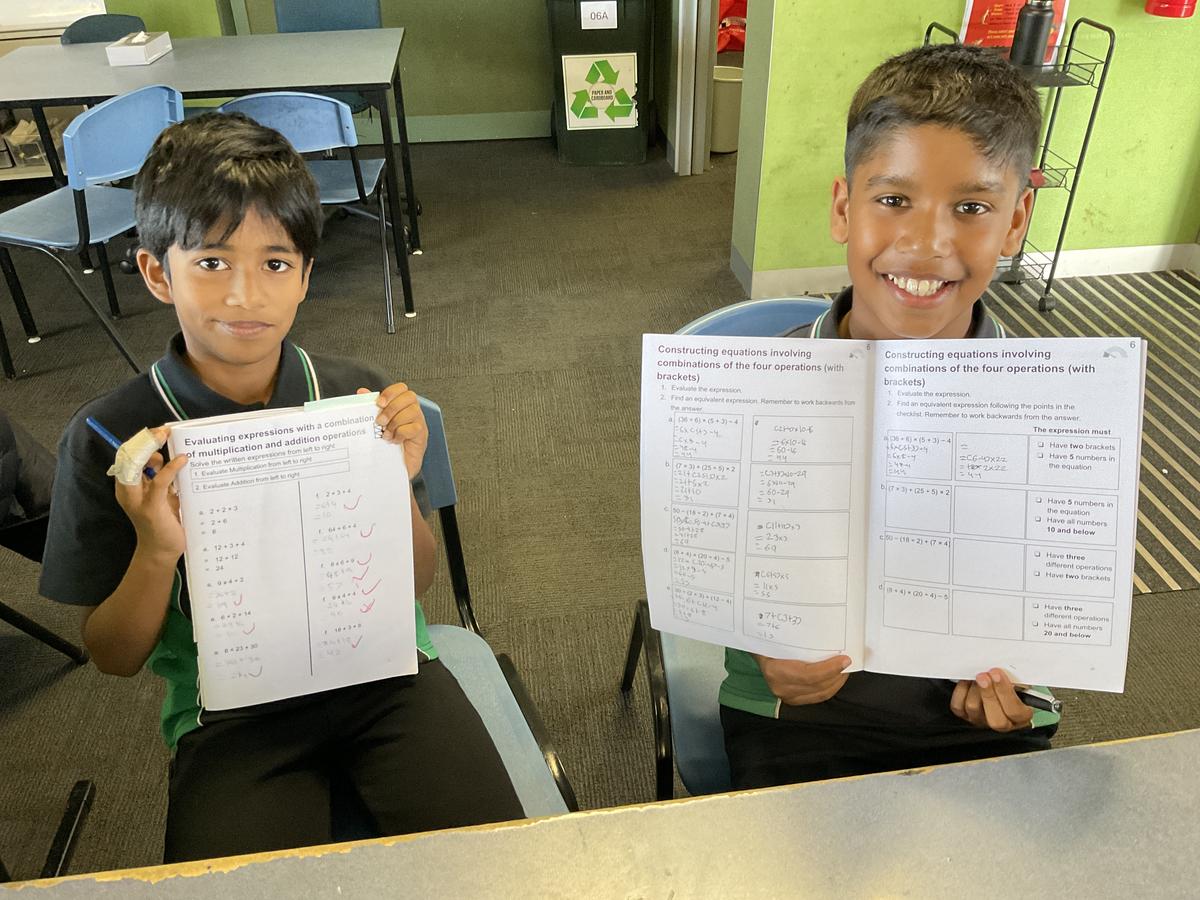
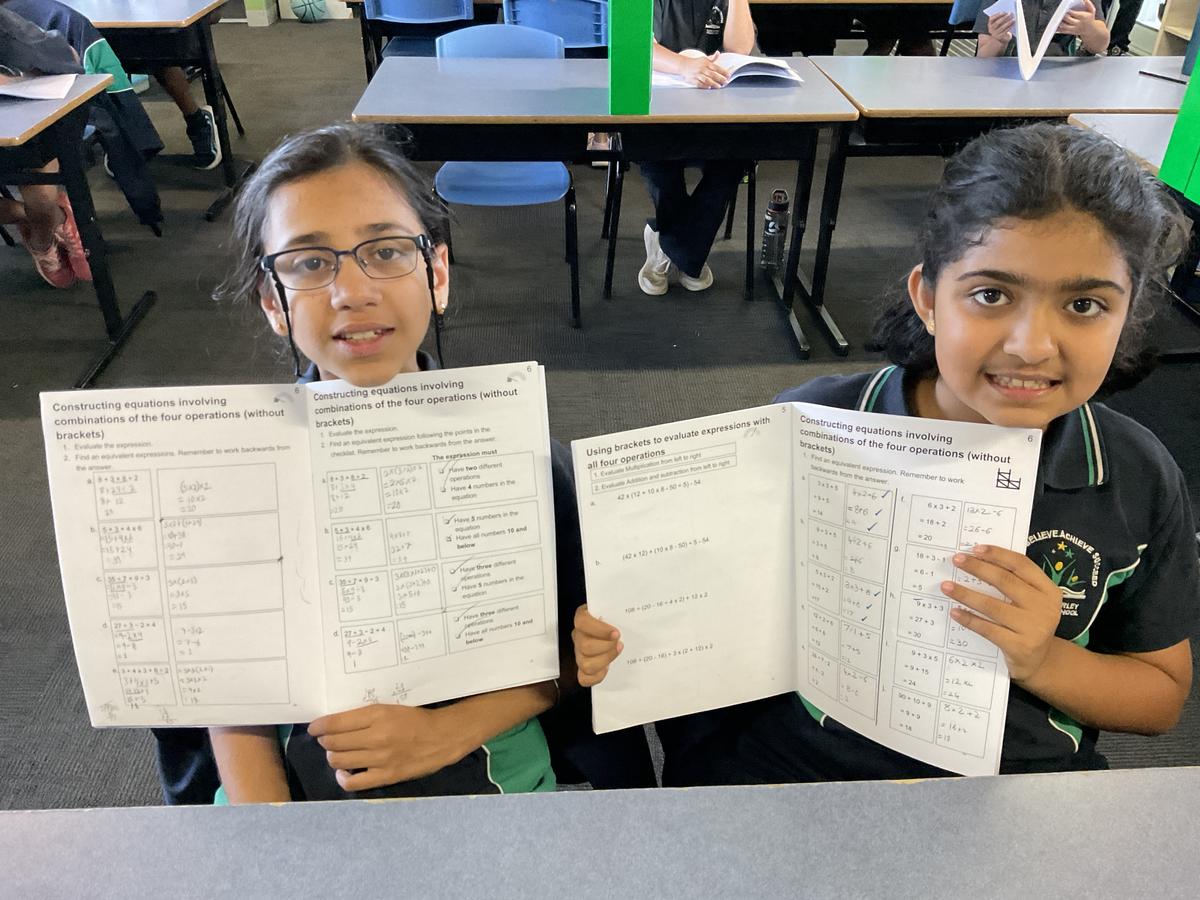
In Term Two Mathematics, students will continue to follow the I Do/We Do/You Do explicit instructional cycle. As previously explained, this approach to teaching Mathematics is based on the science of learning and empowers students to feel confident in their mathematical learning, providing opportunities for frequent revision of past topics, step-by-step instruction when learning new content and topics, and allows for immediate feedback for misconceptions and misunderstandings.
The topics to be covered in Term Two are as follows:
- Time: Time is used to quantify, measure, or compare the duration of events or the intervals between them.
- Fractions: The value of fractions can be compared by converting to equivalent fractions with common denominators.
- 3D Objects: 3D objects, including right prisms, have properties such as their cross-sections that can be used to describe and classify them.
- Decimals: The base ten place value system can be extended to decimals (tenths, hundredths and thousandths), to represent parts of whole numbers; calculation strategies can be applied to addition and subtraction of decimal numbers.
- Probability: Theoretical probability can be calculated, placed on a numerical scale and compared to actual outcomes of chance experiments.
- Pattern: Repeating a sequence of steps can create identifiable number patterns that can be generalised with algebraic expressions.
Key Vocabulary:
| Time | Fractions | 3D Objects |
|
|
|
| Decimals | Probability | Pattern |
|
|
|
To support your child’s learning at home, you could:
- Practise telling time using both digital and analogue clock.
- Practise working out time duration, such as, how long till… and how long did … took.
- Ask your child to identify 3D shapes around your home and their properties.
- Encourage your child to explain their thinking and reasoning behind their calculations.
- Discuss the meaning and example of key vocabulary
Inquiry
Question: “How might we contribute to the thriving of flora and fauna?”
Global Theme: Sustainable Development
Global Goal: Life on Land
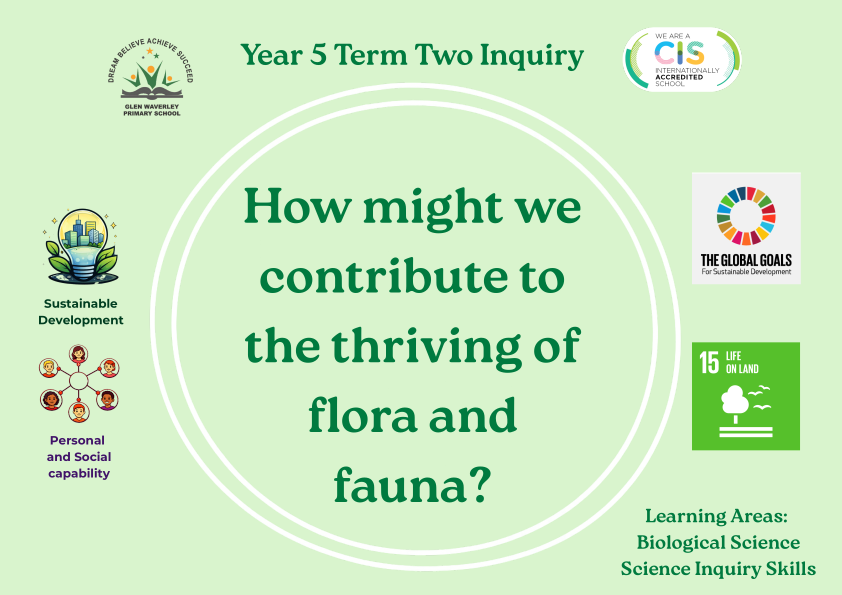
In Term 2, our Inquiry learning will centre around the question: “How might we contribute to the thriving of flora and fauna?” This inquiry connects to the Global Goal 15: Life on Land, where learners will explore the importance of caring for and sustaining life on land.
Throughout the question, learners will develop their understanding of the concepts of survive, thrive and adaptation in relation to native flora and fauna. They will investigate a range of native plants and animals, focusing on two chosen examples in greater depth to broaden their knowledge and perspectives. As part of their learning, they will also examine how human actions impact natural environments and consider the sustainable choices that can be made to support the survival and thriving of native species.
A key component of this inquiry is the learning transfer, where learners will demonstrate their understanding by presenting their response to the inquiry question in a meaningful and purposeful way. This may include creating an action that supports flora and fauna, producing an educational ‘how-to’ video or book, developing a campaign, or sharing their learning through presentations such as an expo, assembly, or digital platform. Learners will be encouraged to select the most appropriate format to communicate their ideas effectively.
As part of this inquiry, learners will also engage in hands-on and collaborative experiences such as exploring native plant ideas for a Year 6 playground, designing dioramas of native environments, and creating posters, leaflets or petitions to advocate for environmental change. We are also exploring opportunities to host a learning expo, where learners can showcase their understanding and potentially engage with members of the local community, such as council representatives, through discussions and student led questioning.
This inquiry aims to build both knowledge and agency, empowering learners to think critically about their role in supporting and protecting the natural world.
Key Vocabulary:
- Flora - plants in a particular area or environment
- Fauna - animals in a particular area or environment
- Native species - plants or animals that naturally belong to a specific place
- Ecosystem - a community of living things and their environment interacting together
- Habitat - the natural home or environment of an animal or plant
- Survive - to stay alive in an environment
- Thrive - to grow, develop and be healthy in a strong and successful way
- Adaptation - a feature or behaviour that helps a living thing survive in its environment
- Environment - the surroundings in which plants and animals live
- Sustainability - using resources in a way that does not harm the environment for future generations
- Impact - the effect or influence something has on something else
- Conservation - protecting and caring for natural environments and living things
- Biodiversity - the variety of living things in an area
- Human impact - the ways human actions affect the environment
- Habitat loss - when natural environments are destroyed or reduced
- Endangered - a species at risk of becoming extinct
- Extinct - when a species no longer exists
To support your child’s learning at home, you could:
Encourage your child to share what they are learning about flora, fauna and ecosystems, and ask them to explain key ideas in their own words.
Explore local environments such as parks or gardens together and discuss the plants and animals you observe.
Support research at home by helping your child find information about native Australian species using books or reliable online sources.
Watch nature-based documentaries or short videos together and talk about how living things survive and thrive.
Promote sustainable habits at home, such as recycling, reducing waste and caring for the environment.
Wellbeing
The Resilience Project and Cyber Safety
In Term 2, our wellbeing focus continues through our involvement in The Resilience Project, alongside explicit teaching in Cyber Safety. These programs support our whole-school commitment to nurturing the social, emotional, and digital wellbeing of all learners.
Through The Resilience Project, learners will continue to engage in regular lessons and activities centered around the key principles of Gratitude, Empathy, Mindfulness (GEM) and Emotional Literacy. These strategies are embedded into classroom practice through short GEM chats and reflective activities, helping learners build awareness of their emotions, strengthen relationships, and develop practical strategies to support their wellbeing in everyday situations.
Emotional Literacy remains a key focus, as learners are supported to recognise, understand, and express their emotions effectively. This underpins the development of gratitude, empathy, and mindfulness, enabling learners to respond thoughtfully to challenges and interactions both in and out of the classroom.
Cyber Safety learning will also be an important part of our program this term. Learners will continue to develop their understanding of how to interact safely, respectfully, and responsibly in digital environments. This includes building awareness of online behaviours, understanding personal digital footprints, and knowing how to respond to situations where support may be needed. These lessons aim to equip learners with the skills and knowledge to navigate technology with confidence and care.
We encourage families to continue conversations at home around GEM principles and Cyber Safety. Our families have access to the Resilience Project Home - TRP@HOME portal along with the Cyber Safety Project home Resources - Cyber Safety Project. Working together supports learners in applying these strategies beyond the classroom and helps strengthen their wellbeing across all aspects of their lives.
Key vocabulary:
Wellbeing | Cyber Safety |
|
|