
"What does school readiness really look like?"
"What does school readiness really look like?"
By Rachael Gemmill, Senior Advisor
We are often asked, “When will you start your school readiness program?” The truth is that at Glen Education the school readiness program begins the moment your child walks through our doors. Every experience, interaction, and moment of play throughout the year supports children to develop the skills, confidence, and curiosity they need for a positive transition to school and for life-long learning.
What does School Readiness really mean?
School readiness is not about learning to read, write, or sit still for long periods. It’s about helping children become curious, confident learners, effective communicators, socially and emotionally capable, independent and resilient, and able to manage routines and relationships. These are the foundations of success at school, and they are built through rich, play-based learning every day.
How does a Glen Education play-based program builds these skills?
Project Work
For example - Through developing and caring for a vegetable garden, children explore where food comes from planting seeds, caring for plants, harvesting, cooking, and sharing meals. Projects like this foster early science and numeracy (measuring, observing, predicting growth), sustainability awareness and responsibility, collaboration and problem-solving, communication and language development through discussion, storytelling, and reflection.
Evidence-based Social and Emotional Learning
For example - Educators intentionally plan social-emotional learning using evidence-based strategies from the Pyramid Model.
This includes building warm, trusting relationships (Tier 1), teaching emotional literacy including naming and understanding feelings (Tier 2); and supporting self-regulation, problem-solving, and empathy through modelling and visual supports (Tier 3). When children can understand and manage their emotions, they approach new challenges like starting school with confidence and optimism.
Creative Arts
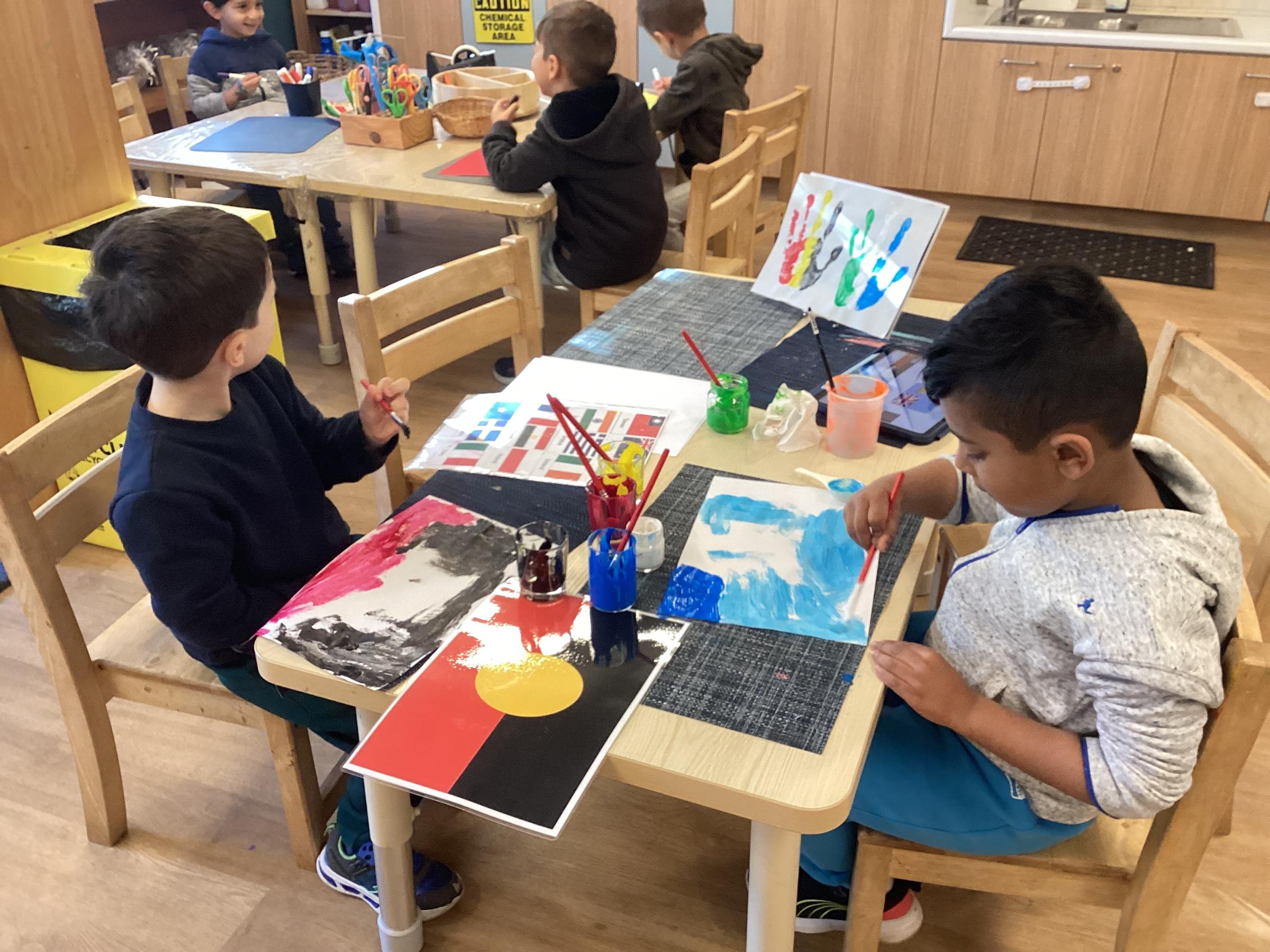
For example - Through process not product driven creative art experiences educators nurture creativity and expression in many forms including art, music, movement, storytelling, and construction. Through these learning experiences, children develop fine motor skills for writing and self-care, learn to communicate ideas visually and verbally, practice focus, persistence, and problem-solving, and experience joy and pride in their achievements.
A Quality Program That Nurtures Readiness Naturally
For example - Educators intentionally weave literacy, numeracy, social skills and independence skills into everyday play from counting ingredients while cooking, to writing signs for the garden or their elaborate stage shows, making a piece of toast and washing their dishes, to negotiating turns in a group game and working through social conflict. This holistic approach ensures that children transition to school with confidence in who they are, a love of learning, and skills for relationships, resilience, and self-regulation.
These qualities are what truly prepare children not just for school, but for life.
Glen Education's school readiness program isn’t something that starts at the end of the year. It’s embedded in everything we do. Through play, projects, creativity, and connection, your child is developing the skills, dispositions, and confidence they need to thrive at school and beyond.
Supporting School Readiness at Home
You are your child’s first and most important teacher. Everything you do at home helps your child build the skills and confidence they need for school often without even realising it!
Here are some simple, everyday ways to support school readiness at home:
1. Talk, Listen, and Share Stories –
Build vocabulary and comprehension and strengthens identity and language.
Chat about your day, ask open-ended questions, and listen to your child’s ideas. Read together every day - books, signs, recipes, or shopping lists. Tell family stories
2. Encourage Independence -
Let your child practise dressing themselves, opening lunch boxes, and packing their bag, carry their bag into kindergarten. Give responsibilities (feeding a pet, setting the table, unpacking the dishwasher, sorting clothing) to build confidence and problem-solving.
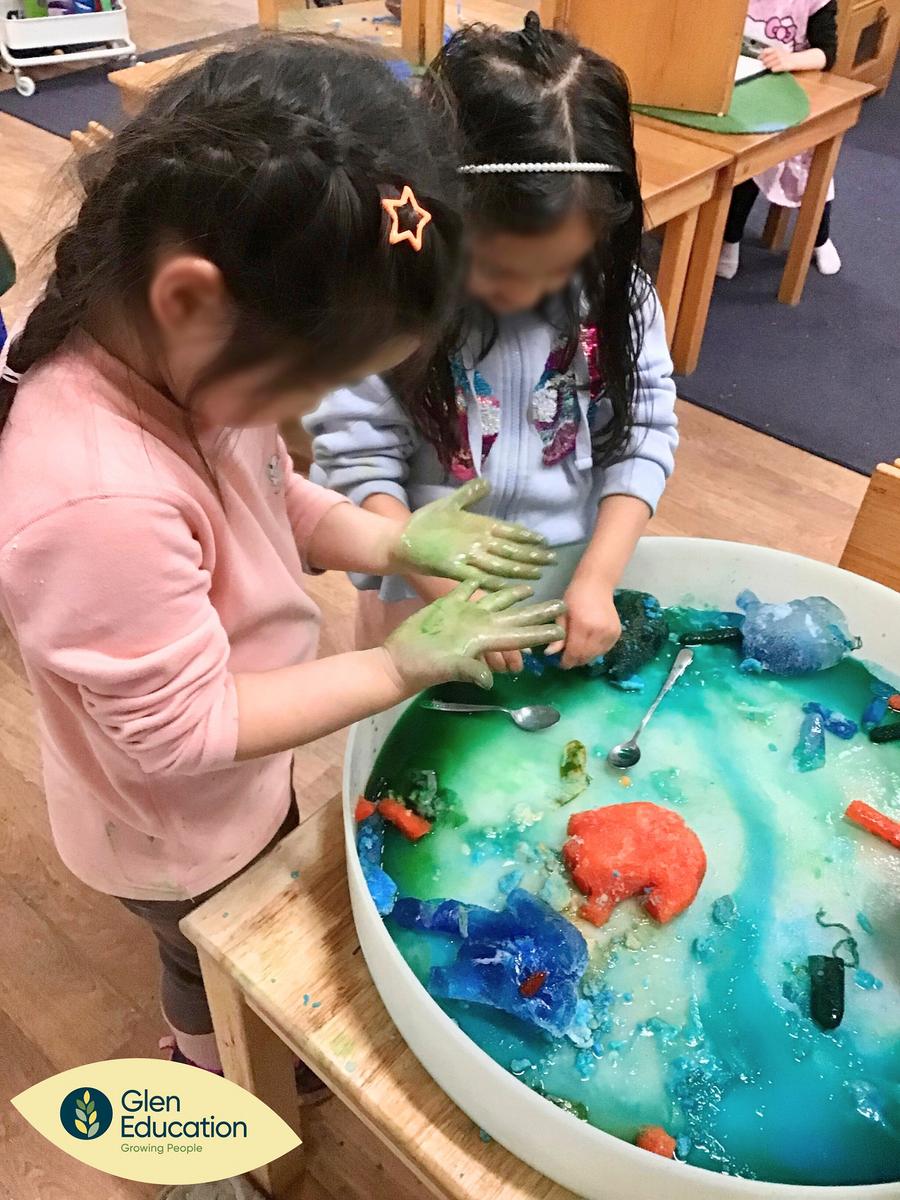
3. Build Thinking and Curiosity Through Play - Cook together, garden, build, and explore nature. Ask, “What do you think will happen if…?” to encourage curiosity and reasoning. Count, measure, and notice patterns in everyday life – math is everywhere!
4. Support Social and Emotional Skills -
Model and talk about feelings: “I felt frustrated when…” Practise turn-taking, sharing, and using words to solve problems. Praise effort rather than outcome because it builds resilience and a growth mindset.
5. Encourage Creativity –
Creativity supports confidence and flexible thinking. Provide simple materials for drawing, painting, building, and music-making, including texters, scissors and sticky tape. Celebrate your child’s ideas rather than focusing on the final product
6. Stay Connected with Your Educators -
Share what your child enjoys or worries about because it helps us support their transition together. Talk positively about school and learning - your attitude shapes theirs. Share the language we use at home around expectations.
7. Be Kind, Be Safe, Be Responsible -
School readiness isn’t about knowing the alphabet or numbers. It’s about being curious, confident, and capable.
Your everyday moments together are what truly prepare your child for school and for life-long learning.