
Glen Education Mordialloc

Culturally Responsive Practice in Early Childhood
By Marie Davis, Diploma Educator
At Glen Mordialloc one of our biggest achievements is our community engagement through indigenous perspectives.
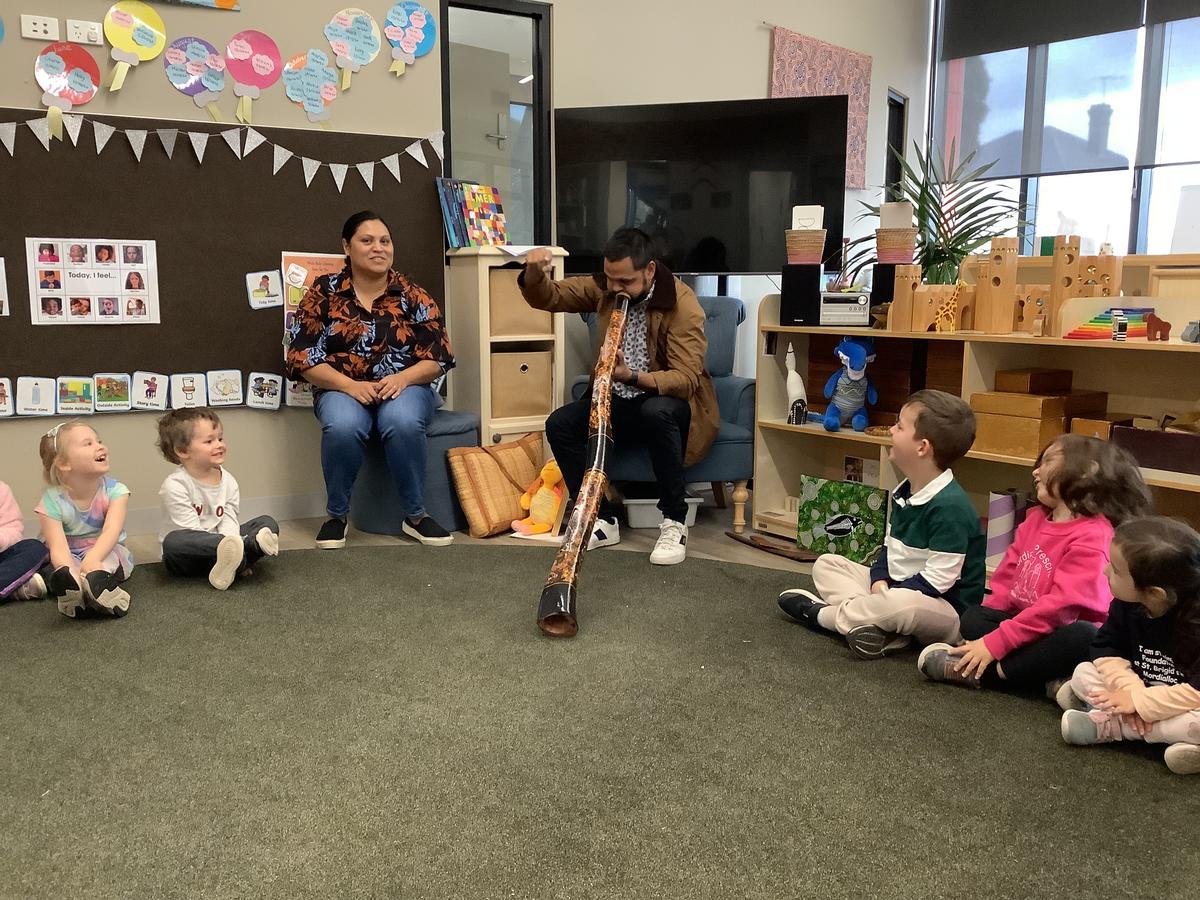
In Term One we had a visit from Didgeridoo Australia, with Sean and Ronan playing an animal guessing game with the didgeridoo for us. They also showed us how to make ceremonial ochre and painted our hands. We got to explore animal furs and learn hunting techniques.
We were also very blessed this year to have one of our families be the proud owners of Yarn and Learn, a 100% Aboriginal owned and operated business.
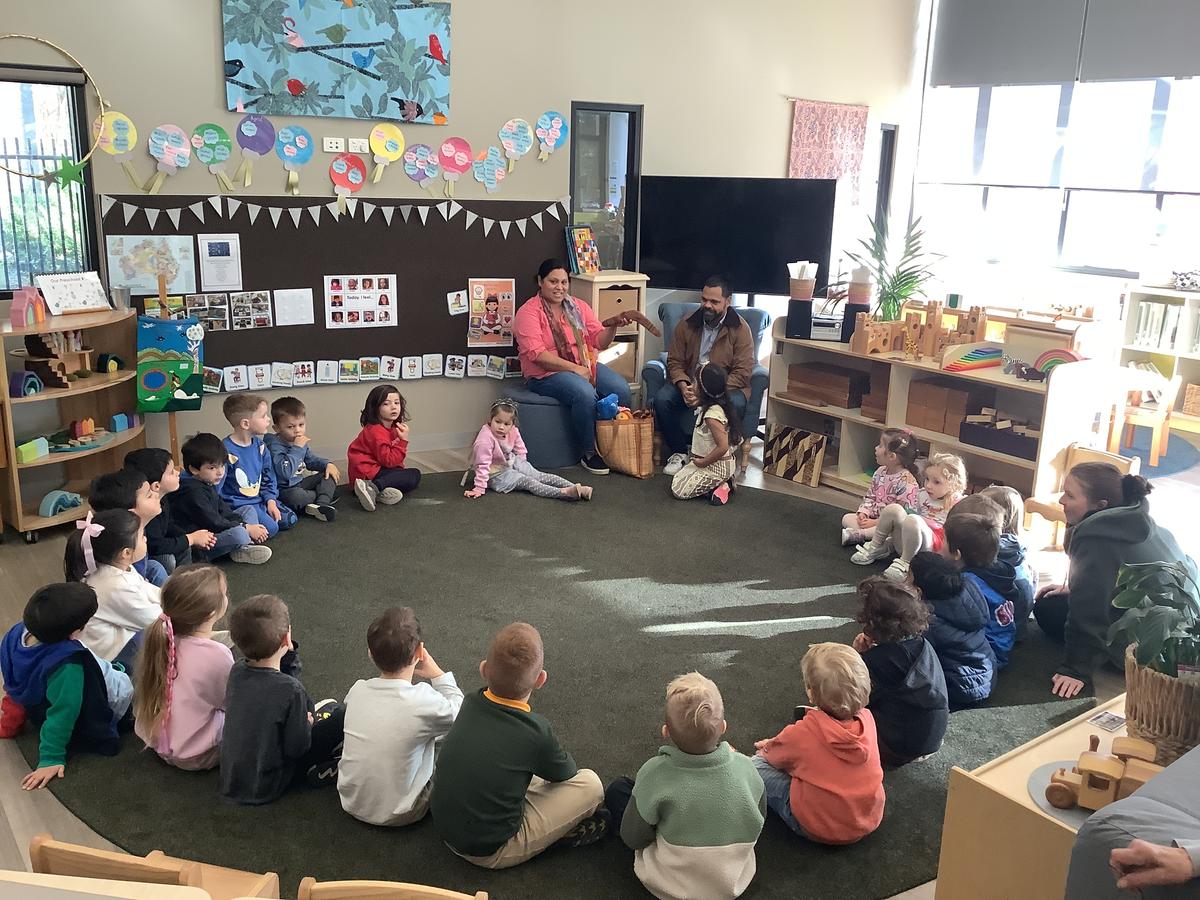
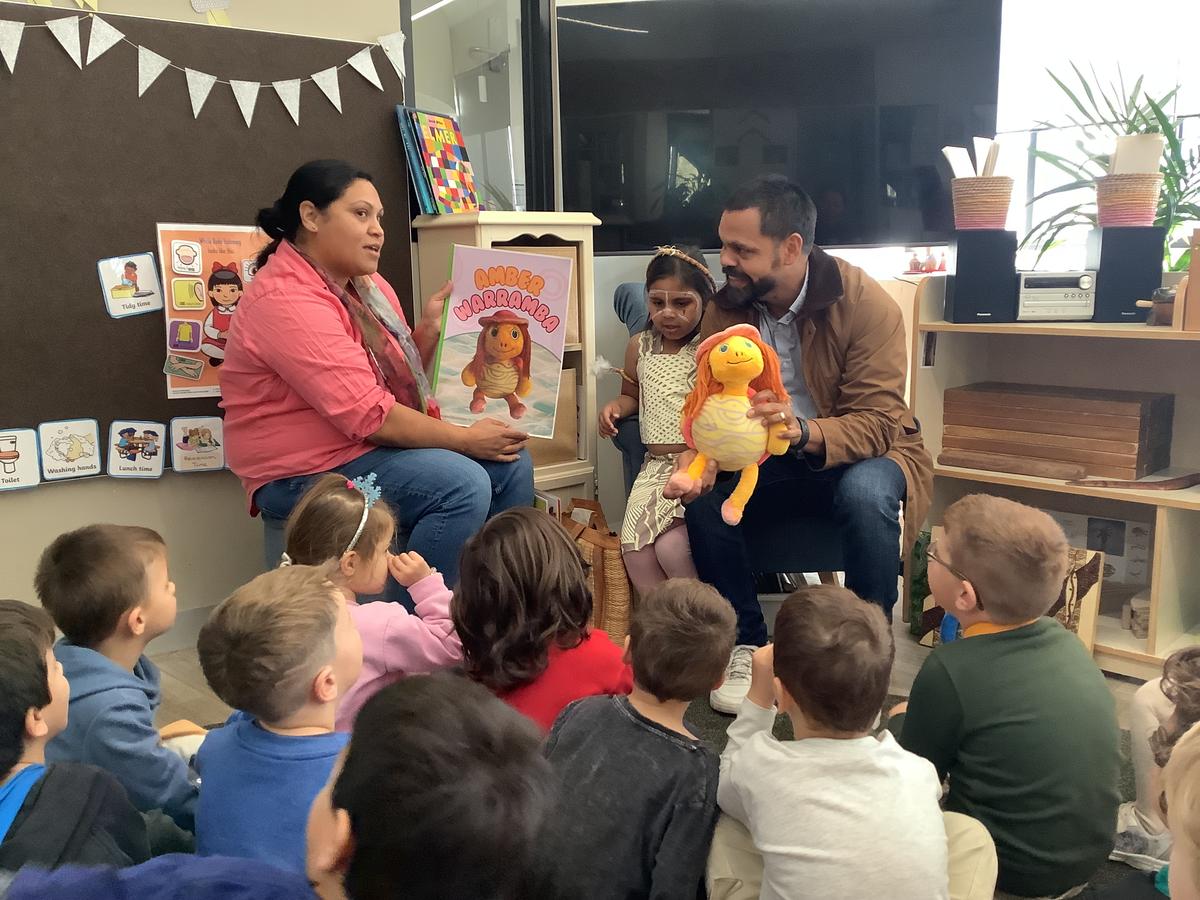
We were delighted to have a visit from Jono and Carmel, parents of our classmate Yurali and the people behind Yarn and Learn. They showed us a boomerang, and read us their books Amber Warramba and Ray Ray Yittikabay. Jono is from the Tiwi community and taught us animal names from the Tiwi language. Jono played the didgeridoo while the children danced along and acted out animals.
By experiencing these amazing programs we get to see Indigenous perspectives in real life, shown to us by people in the First Nations communities who can answer questions and give us an authentic view of Aboriginal culture.
1. Cultural Competence and Respect for Identity
The EYLF emphasizes the importance of fostering a sense of belonging, being, and becoming for all children, including Indigenous children. This includes:
- Acknowledging Indigenous Culture: Early childhood education settings can actively include Indigenous cultural practices, languages, and stories in their curriculum, creating an environment where Indigenous children feel proud of their heritage.
- Promoting Cultural Safety: EYLF encourages educators to create culturally safe spaces where Indigenous families feel welcome and respected. This can be done by acknowledging traditional custodians, integrating Indigenous artwork, and using culturally appropriate resources in the classroom.
2. Engagement with Indigenous Elders and Community Leaders
Indigenous visitors, such as elders, knowledge keepers, or community members, can play an essential role in the early childhood setting. Their presence can help connect children to traditional ways of knowing and understanding.
- Storytelling and Oral Traditions: Elders and Indigenous community members can be invited to share stories, songs, and dances that reflect Indigenous histories, values, and knowledge systems.
- Cultural Education Programs: Elders can also participate in programs that teach children about Indigenous languages, customs, and cultural practices, enriching the EYLF’s goal of promoting diverse cultural learning.
3. Integrating Indigenous Perspectives in Learning Areas
The EYLF promotes five Learning Outcomes, and Indigenous perspectives can be woven into each of these areas:
- Outcome 1: Children have a strong sense of identity: Educators can ensure that Indigenous children’s cultural identity is nurtured and that they feel valued in the learning environment. Activities could include celebrating Indigenous traditions, using culturally relevant materials, and encouraging pride in their heritage.
- Outcome 2: Children are connected with and contribute to their world: Indigenous children can engage with local environments through cultural perspectives, learning about traditional land care, stories connected to place, and Indigenous ecological knowledge. Additionally, this outcome can foster respect for Indigenous ways of caring for the land and community.
This also ties to the Child Safe Standards, Standard One: Organisations establish a culturally safe environment in which the diverse and unique identities and experiences of Aboriginal children and young people are respected and valued.
www.didgeridooaustralia.com.au