
Senior School
Head of Senior School - Jessica Zwarts
Acting Head Of Senior School - Neil LaRocca
Senior School
Head of Senior School - Jessica Zwarts
Acting Head Of Senior School - Neil LaRocca

Article by Brandon Fuga, Year 12 Year Level Leader
Most senior secondary students in Australian schools must cope with examinations due to the emphasis on ATAR scores for entry into tertiary level courses. As such, readiness is not just about content knowledge, but also about managing pressure, pacing study effectively, handling cognitive load, and navigating exam anxiety.
Recently, I have been researching the ways students’ study for examinations. The research highlights students’ reliance on ineffective revision methods, such as rereading, highlighting, note-taking, and often cramming before exams. These approaches are considered low-utility strategies because their impact on long-term learning is limited. In contrast, high-utility strategies such as spacing, retrieval practice, and interleaving are far more effective in supporting long-term retention and deeper understanding.
Below is an overview of three strategies students can use when revising for assessments and examinations.
Spacing
Spacing is a study method where learning is spread out over two or more sessions instead of being covered in a single study block. In other words, scheduling in short, focussed sessions across many days as opposed to having one long session. Believe it or not, when you forget something and then work to retrieve it during a later review, your brain is actively engaged. This effort strengthens the memory trace and improves retention. Spacing can help convert short term memory towards long term memory storage. Studying across days or weeks allows the brain to build and strengthen connections each time the content is revisited. Studying across days or weeks allows your brain to form new links each time you review content. Cramming is the enemy of spacing. Although it feels productive, it only has short lived benefits, and it can be highly stressful.
Retrieval Practice
Retrieval practice involves students actively recalling information with the teacher, with a peer, or in a study group. During this method of study, students attempt to remember information when prompted, rather than immediately consulting a textbook or having the content re-explained. Equally, retrieval practice can help the student and teacher identify any learning gaps. If a student cannot bring content to front of mind, it signals an area that requires further review and consolidation. Retrieval practice can come in many forms, such as flash cards, quizzes, practice questions, brain dumps, or helping other with their retrieval practice. Although re-reading and highlighting information is easy to do, it’s not enough and is regarded as a passive way to study.
Interleaving
Interleaving is a learning strategy that involves alternating between different subject topics or types of tasks within a single study session, rather than concentrating on one topic at a time. In many ways, this reflects how VCAA examinations are structured. With questions that mix topics and require students to shift between different types of thinking and problem-solving. So why don’t we study this way? By practicing mixing topics and tasks in this way, learners strengthen their ability to identify appropriate methods, deepen understanding, improve long term retention, and builds confidence heading into end-of-year examinations.
I hope this overview helps you better understand effective revision strategies and encourages you to support your learner at home in trying them.
Article by Natalie DiSauro, Teacher of Physical Education
Blackwood:
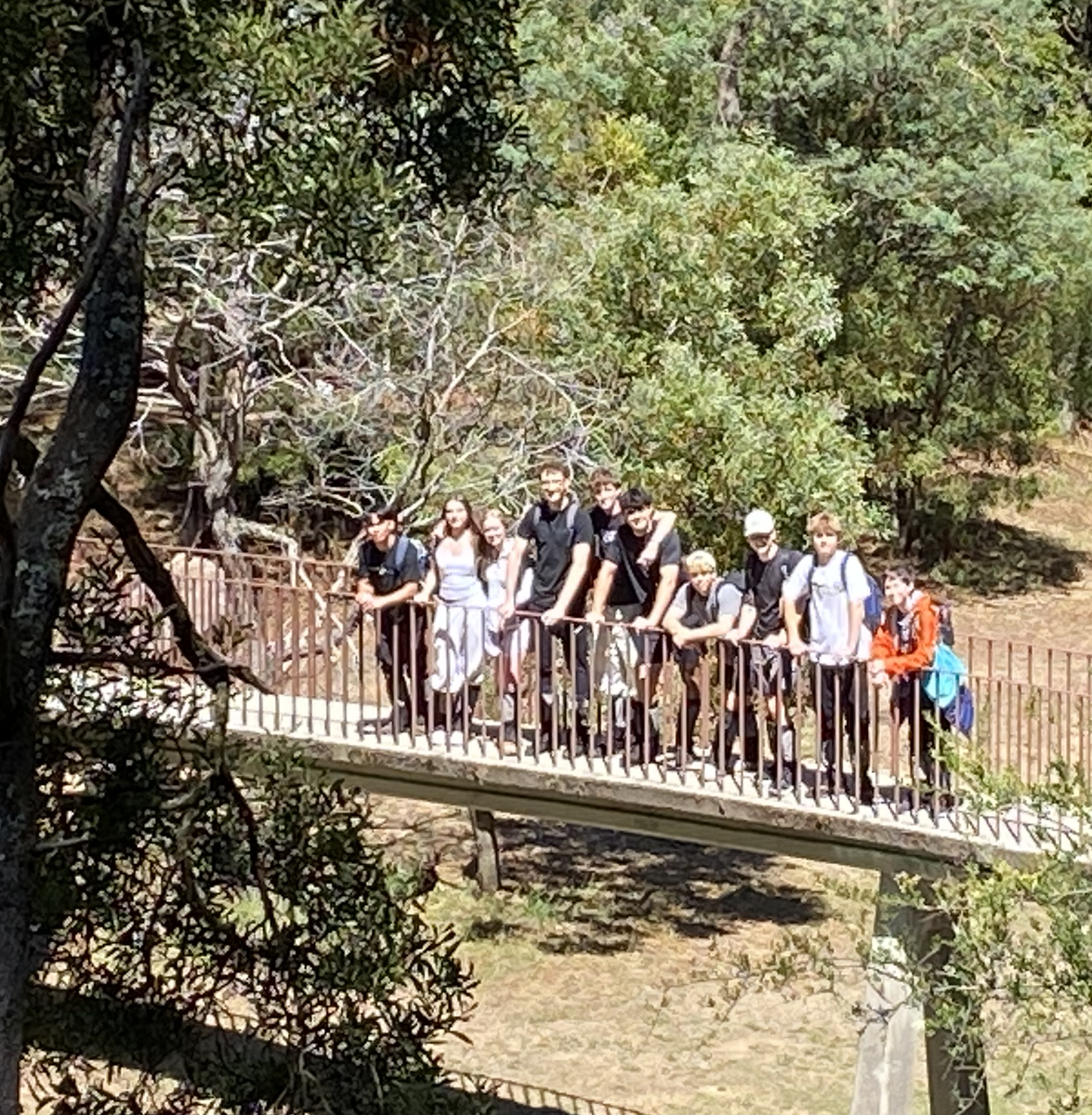
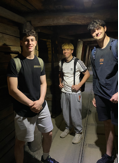
Students visited the Blackwood area and hiked the 17 km circuit adjacent to the Lerderderg State Park. There was evidence of old gold mining shafts as well as the historic mineral springs. Students met the VCE criteria by examining evidence of how humans have understood and interacted with Australian outdoor environments over time, through firsthand experiences in the unique Blackwood outdoor environment and investigation of diverse human–environment relationships.
While hiking through Blackwood, we came across a small mineral springs reserve. We decided to try the natural mineral water, which was lightly sparkling with a distinct iron taste.
- Manny
Sovereign Hill:
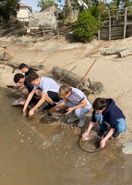
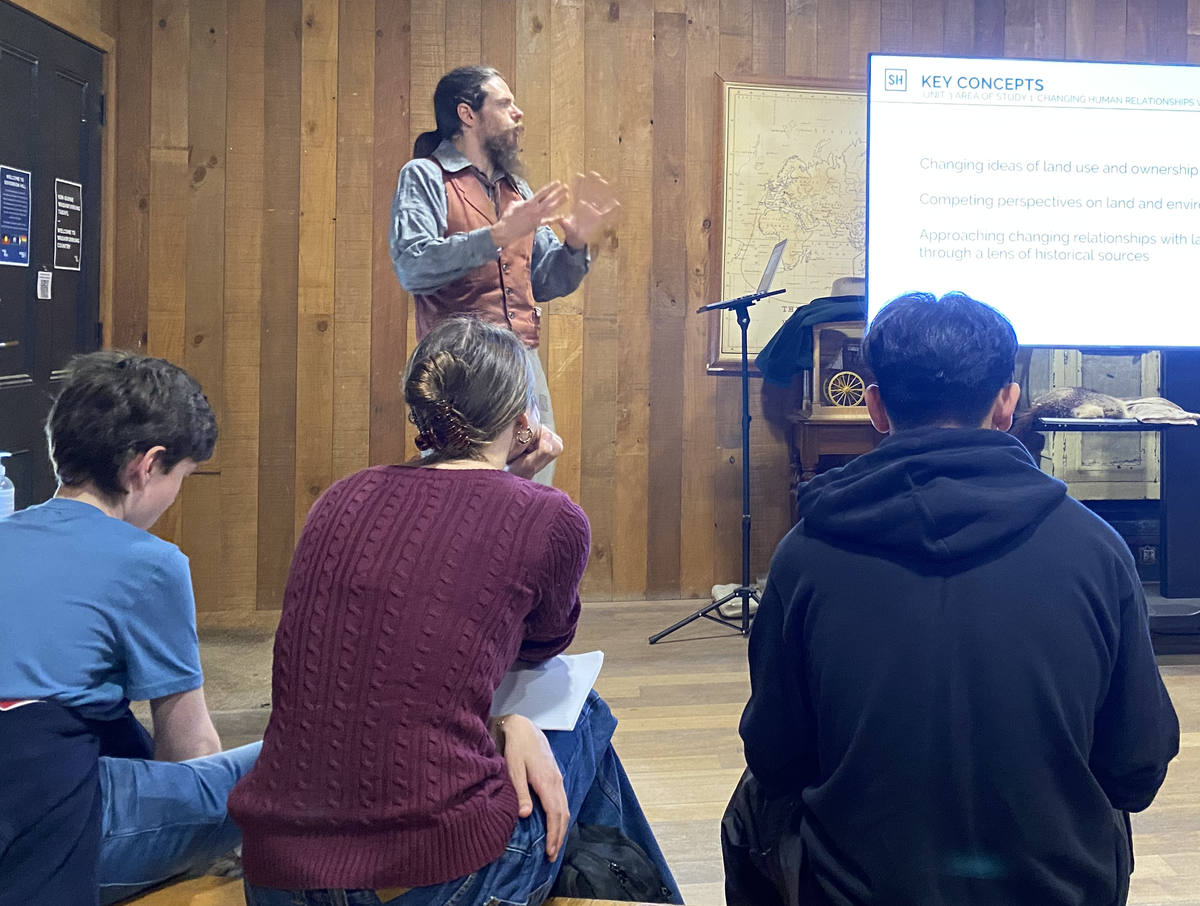
Students attended Sovereign Hill and participated in gold panning, travelled down into a quartz mine and attended an immersive VCE 90-minute masterclass. The masterclass was instrumental and aligned with VCAA Study Designs for Outdoor Environmental Studies. The program utilised the outdoor museum to analyse the 1850s gold rush period, sustainability, and economic and environmental impacts to the area.
Year 10 Outdoor Education Aqua Camp
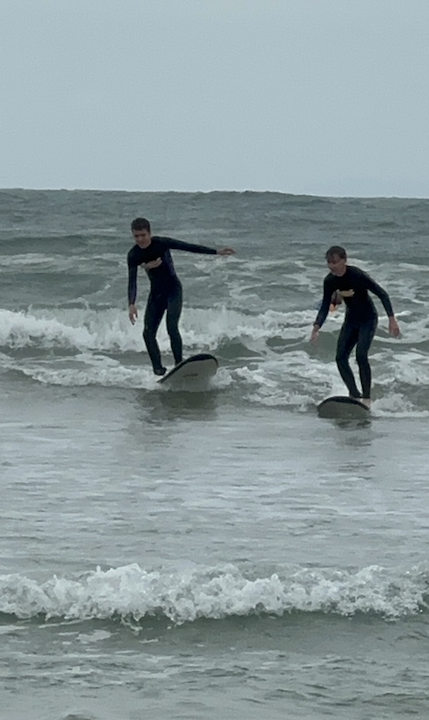
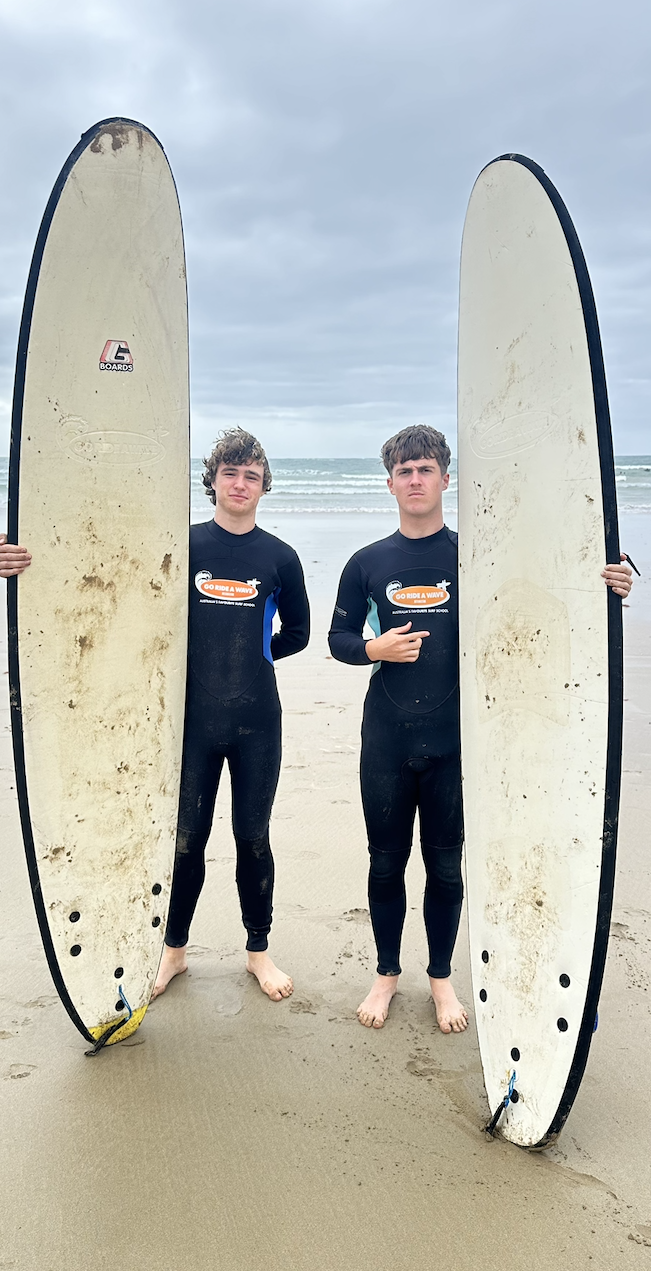
Students in year 10 Outdoor Education attended the two-day camp to Torquay. The day began at Cosy Corner with students being guided by instructors from Go Ride a Wave on identifying rips, use of the surfing equipment and weather conditions. Students successfully paddled and surfed in the favourable conditions. After a short drive to Queenscliff, students accessed the environmental dune walk running parallel to the beach. The 8km looped walk, lined with the native Moonah Trees, had students climbing into disused forts dating back to about 1860, observing the environmental impacts of erosion and watching out for local fauna including echidnas and the Hooded-Plover. Students camped overnight in tents at the Torquay Foreshore Caravan Park.
On day-two, students spent the morning on stand-up paddle boards on Spring Creek in Torquay, again with instructors from Go Ride A Wave. Students navigated the shallow, winding waterway and observed nesting swamp hen and also completed an environmental clean-up and rubbish audit of Spring Creek.

Each fortnight, the College Careers Team publishes a newsletter providing students and parents with the most up-to-date career information, events and opportunities.
Please access via the following link.