Junior School
Head of Junior School - Nicola Treacey
Junior School
Head of Junior School - Nicola Treacey

Article by Priti Vadher, Head of Learning and Maths Leader
In the Junior School, learning is not simply about completing tasks or arriving at the correct answer. It is about thinking. It is about growth. It is about courage.
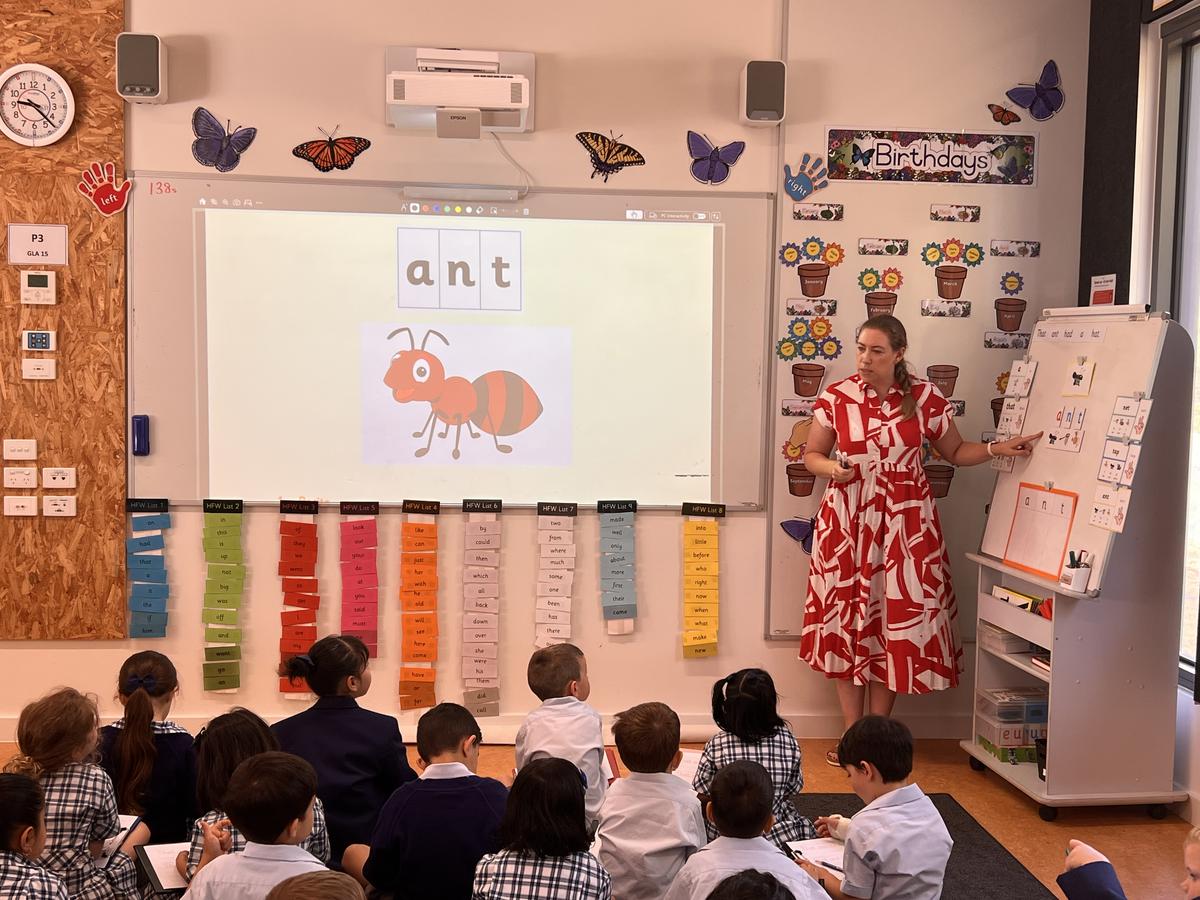
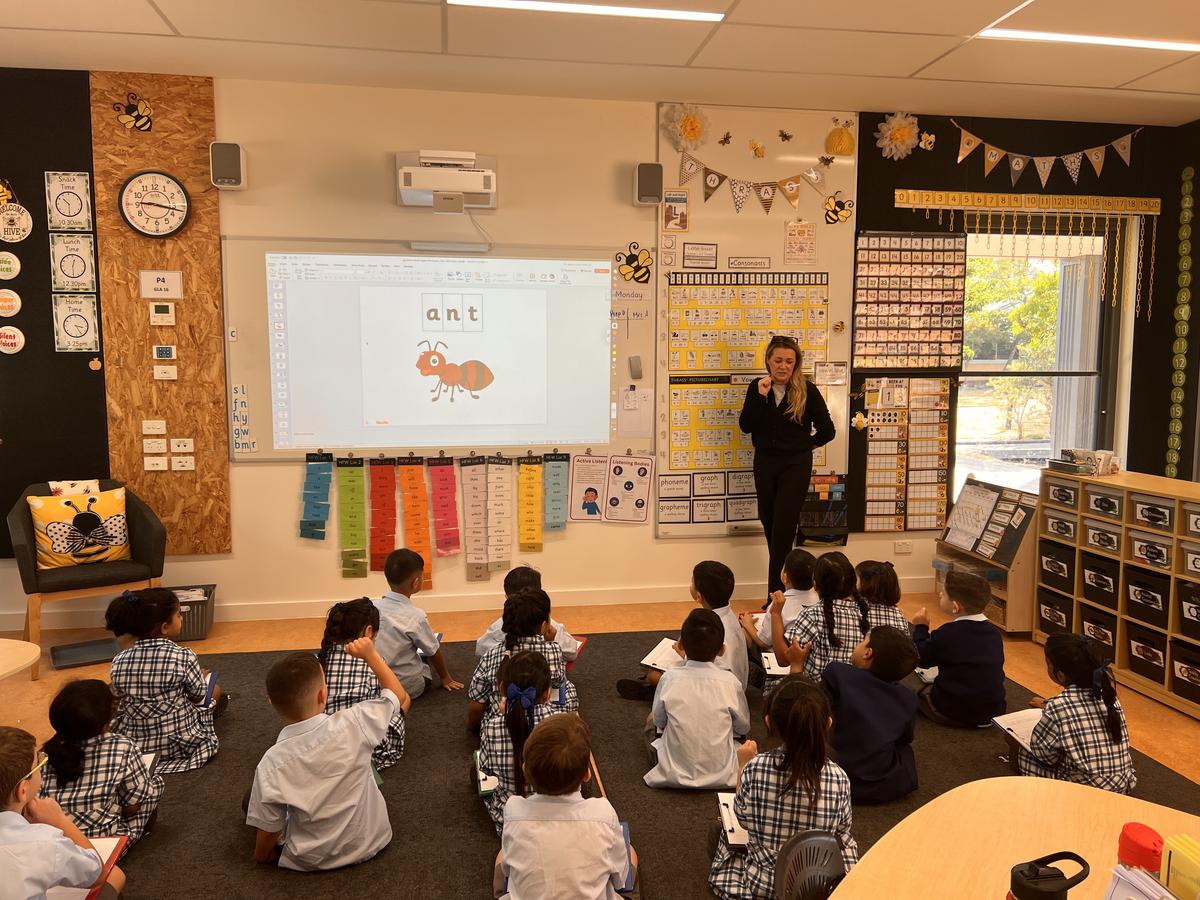
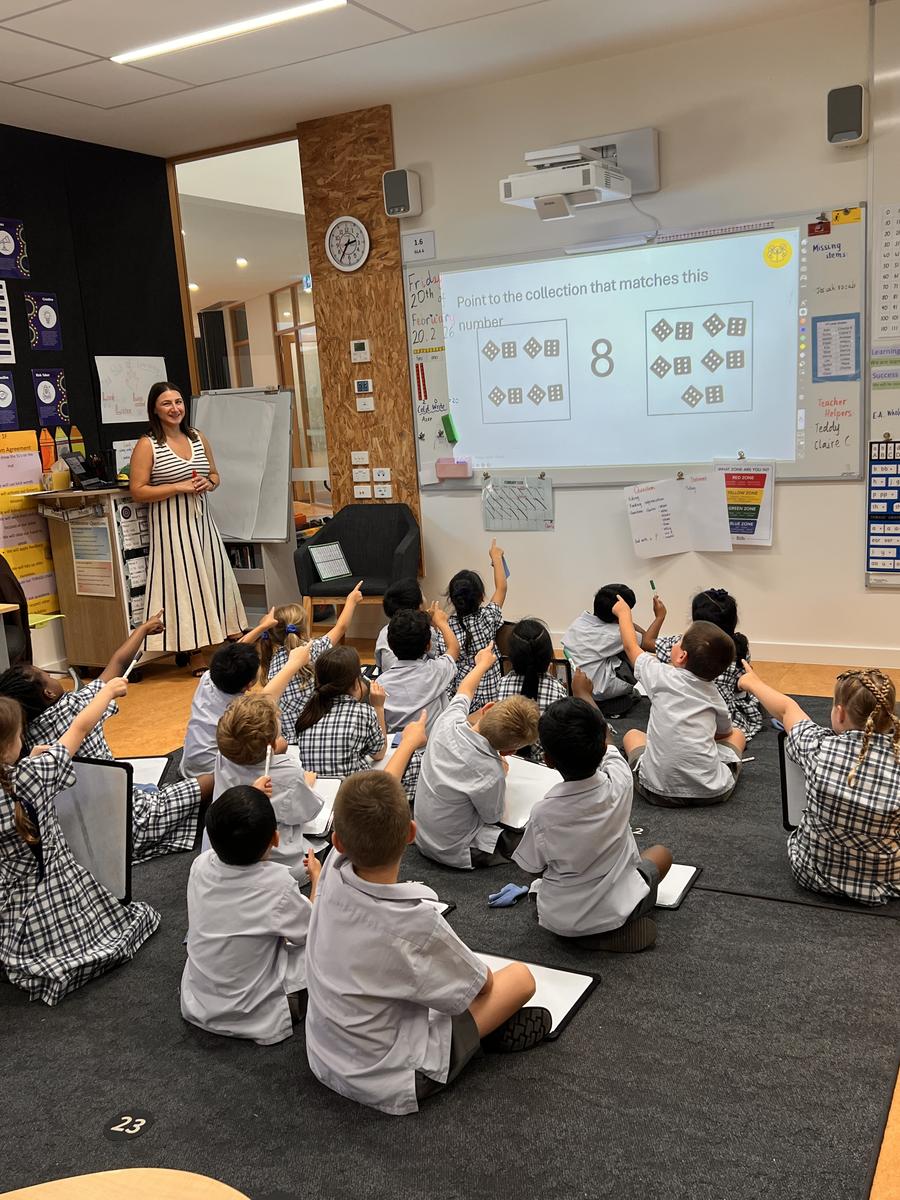
At its core, learning is an active and effortful process. Real learning occurs when students think deeply, when they draw on prior knowledge, make connections, explain their reasoning, and refine their understanding. When something feels challenging, it is often a sign that meaningful learning is taking place. Productive struggle is not a sign of failure; it is a sign of growth. For this reason, we intentionally design lessons that require active thinking rather than passive completion, ensuring students engage with ideas in ways that strengthen understanding and build capability.
Yet thinking deeply also requires bravery. As Brené Brown reminds us, vulnerability is not weakness; it is courage. To attempt something new, to risk getting an answer wrong, or to share thinking aloud in front of peers demands confidence and trust. Learning requires students to acknowledge when they do not yet understand, ask for another opportunity to try again, and recognise when they have made a mistake. In the Junior School, we deliberately cultivate classroom environments where this kind of courage feels safe. When students experience psychological safety alongside high expectations, they are more willing to take the academic risks that lead to genuine growth. Belonging and challenge sit side by side.
Within this environment, mistakes are not something to avoid; they are valuable information. Every error provides insight into what a student understands, where misconceptions lie, and what needs to be strengthened. We explicitly teach students to view mistakes as feedback rather than judgement, reinforcing that errors are a necessary part of the learning process. This aligns closely with research on Self-Regulated Learning, which emphasises the importance of students monitoring their understanding, adjusting strategies, and reflecting on progress. When a child recognises, ‘That strategy didn’t work, I need a different one,’ they are not simply learning content; they are developing the capacity to regulate their own learning.
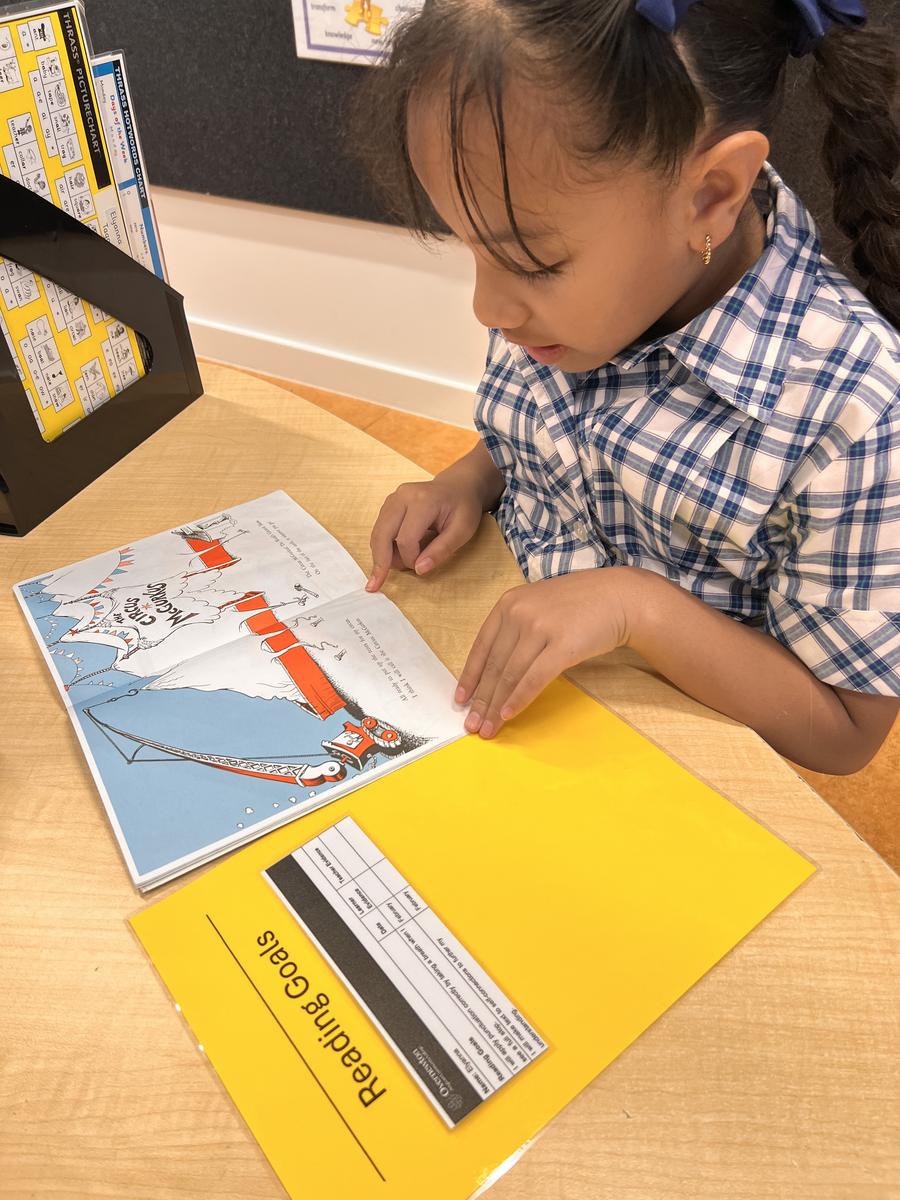
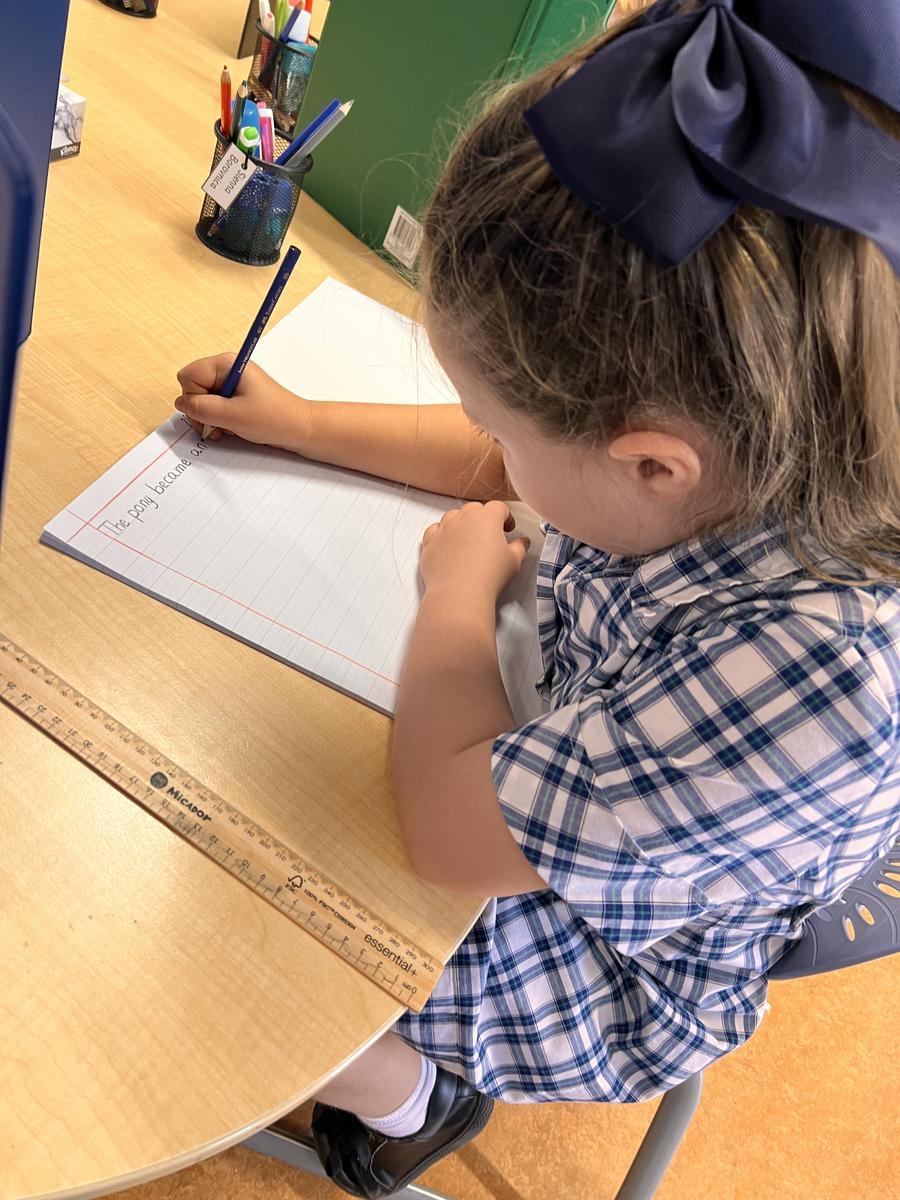
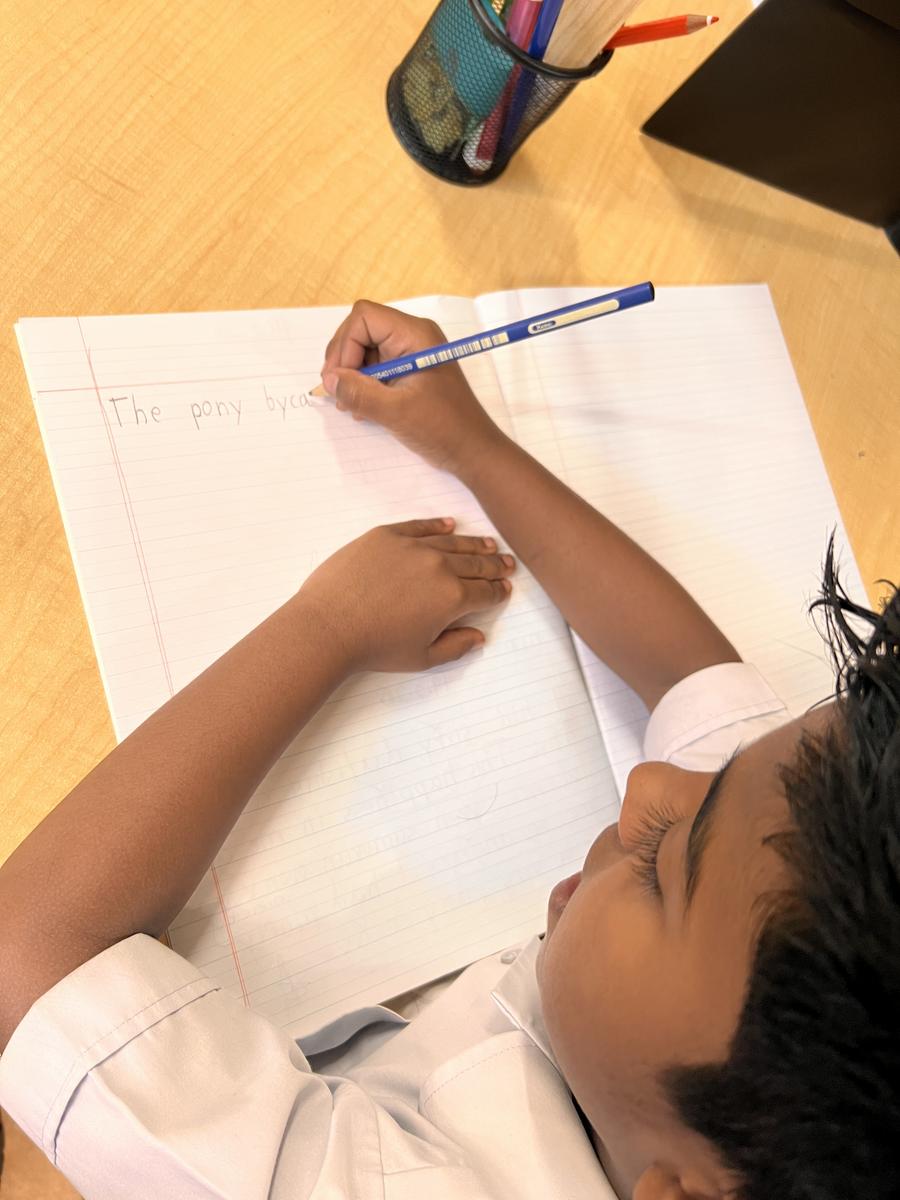
As understanding grows, it must also be strengthened. Practice is how learning becomes secure. This reflects Rosenshine’s Principles of Instruction, which emphasises the importance of daily review, guided practice, checking for understanding, and gradually releasing responsibility to students. Learning does not become durable through exposure alone; it becomes secure through structured rehearsal and deliberate practice. When foundational skills in reading, writing, and mathematics become fluent, students free up cognitive capacity for higher-order thinking. Practice is not about busyness; it is about consolidation. It builds confidence. It builds automaticity. It builds independence.
Therefore, when we speak about learning in the Junior School, we mean more than curriculum outcomes. We mean thinking deeply, showing courage, embracing challenge, reflecting on progress, responding to feedback, and persisting through difficulties. Learning is both cognitive and emotional. It requires skill and resilience, structure and safety and high expectations and strong relationships.
As we begin this year, our commitment is clear: to create classrooms where students think rigorously, act courageously, and develop the capacity to regulate their own learning. Because when children learn how to learn, they are equipped not just for this year, but for life.