
Health Centre
It's time to talk about flu vaccination
The flu vaccine is the best and safest way to protect children from becoming sick with the flu. Influenza vaccines will be available in Australia from April, making the school holiday break a good time for families to get their vaccinations sorted. In 2025, low vaccination rates and a high caseload of influenza led to the highest number of influenza related deaths in this century.
The intranasal flu vaccine is a needle-free alternative to the traditional flu injection. It delivers the flu vaccine through the nose in the form of a nasal spray.
In late 2025, the Australian Therapeutic Goods Administration (TGA) approved the intranasal flu vaccine ‘FluMist’ for use in children aged two to less than 18 years. FluMist has been used safely for many years in both the United Kingdom and the United States.
The intranasal flu vaccine is not currently part of the Australian National Immunisation Program Schedule; this means that in Victoria, parents will have to pay for their child to get it.
Here are some simple talking points to share with families to help them prepare their child for flu vaccination:
- The flu vaccine is free for children aged six months to five years, Aboriginal and Torres Strait Islander people, pregnant women and people with medical conditions (such as chronic heart or lung disease, low immunity or diabetes).
- The flu vaccine is safe and effective for children and adults. All vaccines available in Australia must pass strict safety testing before being approved for use by the Therapeutic Goods Administration (TGA).
- If your child is allergic or anaphylactic to eggs, they can still safely get the flu vaccine. These allergies do not increase the risk of allergic reaction or side effects from the vaccine.
- Your child can get the flu vaccine at the same time as other vaccines on the National Immunisation Program. Multiple vaccines at once do not overwhelm the immune system or cause increased side effects.
Are kids in the safest car seat for their size?
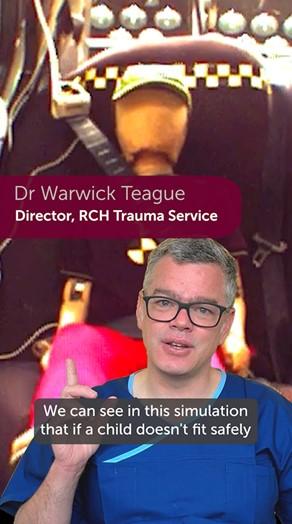
Head of the RCH Trauma Service, Dr Warwick Teague, explains why it’s crucial to keep kids in booster seats for every car ride until they can pass the ‘5 step test’, which usually happens when they reach 10 or 11 years of age.
Share this reel with families so they can check if their child is in the appropriate type of car seat before heading off on school holidays.
Spotting these signs could save a life
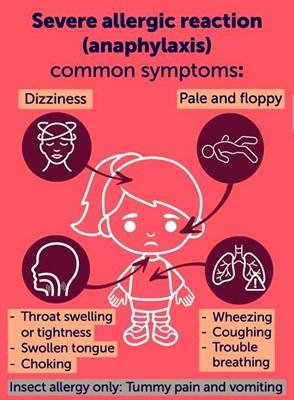
Symptoms of an allergic reaction can range from mild to life-threatening, so it’s important to know which symptoms to lookout for which may need emergency care. Share with colleagues, parents and caregivers so they can confidently spot the signs of anaphylaxis.
Navigating needle phobia
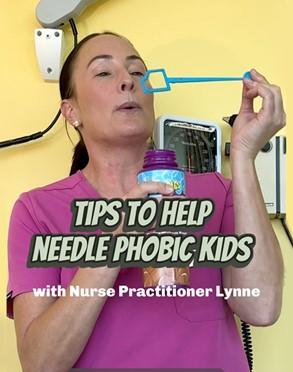
Nurse Practitioner Lynne from the RCH Immunisation Service shares her top tips to help families have a successful vaccination appointment.
New Kids Health Info podcast season coming soon
The new season of the Kids Health Info podcast launched on Tuesday 31 March, so now is the time to hit 'follow' and keep an eye on your feed for the new episodes.
This season our host, Dr Anthea Rhodes, will be joined by guests from The Royal Children's Hospital's Psychology Department to provide support for parents in navigating the common social, emotional and behavioural challenges experienced by children, young people. From ADHD, anxiety and autism, through to offering support for parents navigating a new diagnosis in their family, this season will cover topics that help parents build out their tool kit.
Search 'Kids Health Info' on your preferred podcast app and hit 'follow' now.
All episodes can also be viewed on YouTube.
Click here to explore the Kids Health Info podcast library.
Julie Zuk
First Aid Officer