
Health Centre News

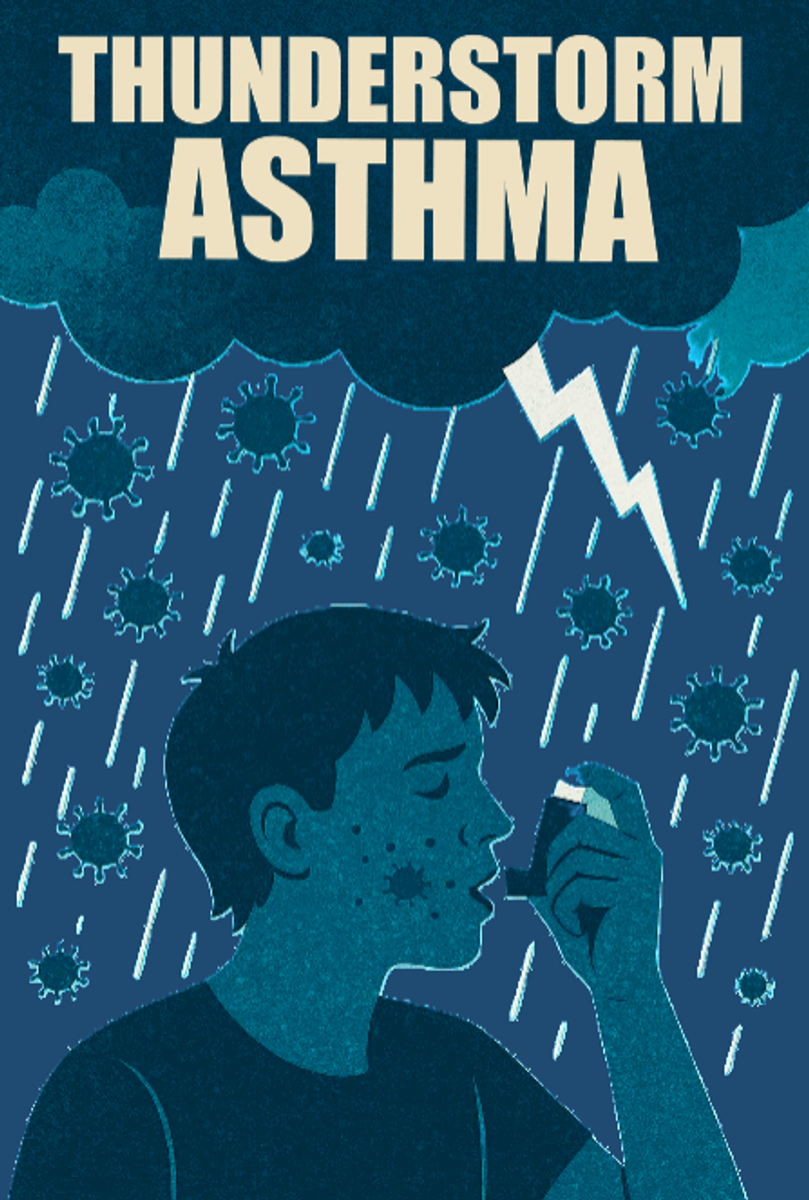
Thunderstorm Asthma: What Parents Need to Know
Dear Families,
As we head into spring and summer, it’s important to be aware of thunderstorm asthma—a rare but serious condition that can affect children, especially those with asthma or hay fever.
What is Thunderstorm Asthma?
Thunderstorm asthma occurs when thunderstorms during high pollen seasons cause pollen grains to break into tiny particles. These particles can be inhaled deep into the lungs, triggering sudden and severe asthma symptoms. While most common in people with asthma or hay fever, anyone can be affected. [rch.org.au]
Who is at Risk?
- Children with asthma (diagnosed or undiagnosed)
- Children with hay fever or seasonal allergies
- Those with a family history of asthma or allergies [rch.org.au]
Signs and Symptoms
Watch for:
- Wheezing or coughing
- Tightness in the chest
- Shortness of breath
- Difficulty speaking in full sentences Seek urgent medical help (call 000) if your child:
- Is too breathless to talk
- Has blue lips
- Appears floppy or unresponsive
How to Prepare
- Check forecasts: Use resources like the Melbourne Pollen App or Victorian thunderstorm asthma alerts.
- Stay indoors during high-risk periods, keep windows closed, and set air conditioners to recirculate air.
- Medication readiness:
- Ensure your child’s Asthma Action Plan is up to date.
- Make sure preventer and reliever inhalers are available and not expired.
- Hay fever management: Antihistamines can help reduce pollen sensitivity. [spinneyhil...ter.sch.uk], [rch.org.au]
School Preparedness
Our school follows the Victorian Department of Education guidelines, which include:
- Maintaining an asthma emergency kit
- Staff trained in Emergency Asthma Management
- Following official thunderstorm asthma warnings [www2.educa...vic.gov.au]
What Parents Can Do
- Inform the school nurse if your child has asthma or allergies.
- Provide an updated Asthma Action Plan and medication.
- Teach your child to recognize symptoms and seek help promptly.
For more information, visit:
Let’s work together to keep our children safe during storm season.
Please feel free to contact me if you have any concerns or questions.
Warm regards,
Nurse Cecile