NET Program and
Mentor Career Journey

NET Program and
Mentor Career Journey
New Energy Technology (NET) Program
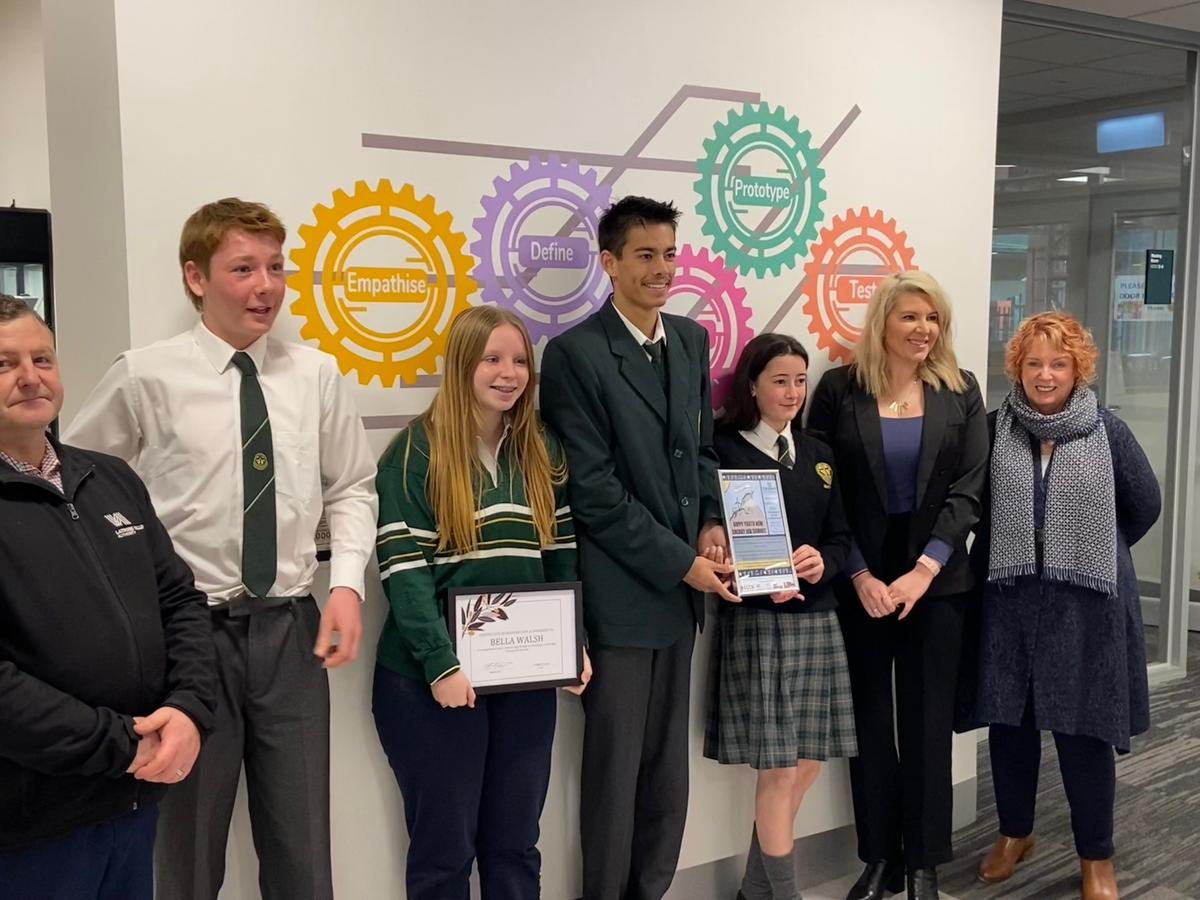
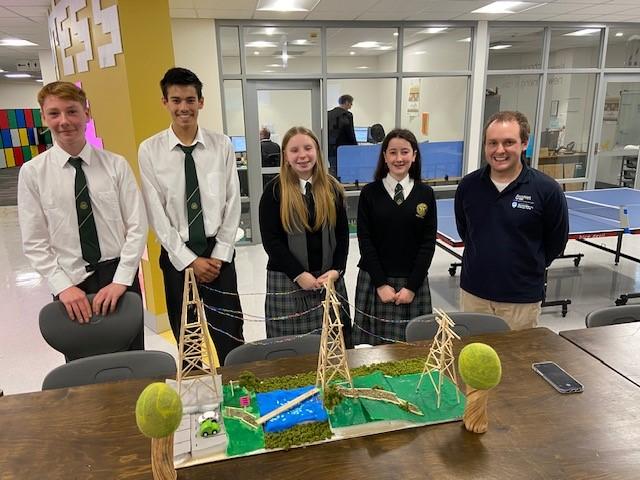
This year four Year 10 students – Ben Allsop, Archie Dunn, Jorja McGibney and Bella Walsh participated in the New Energy Technology (NET) Program alongside mentors Brett and Aaron from AusNet.
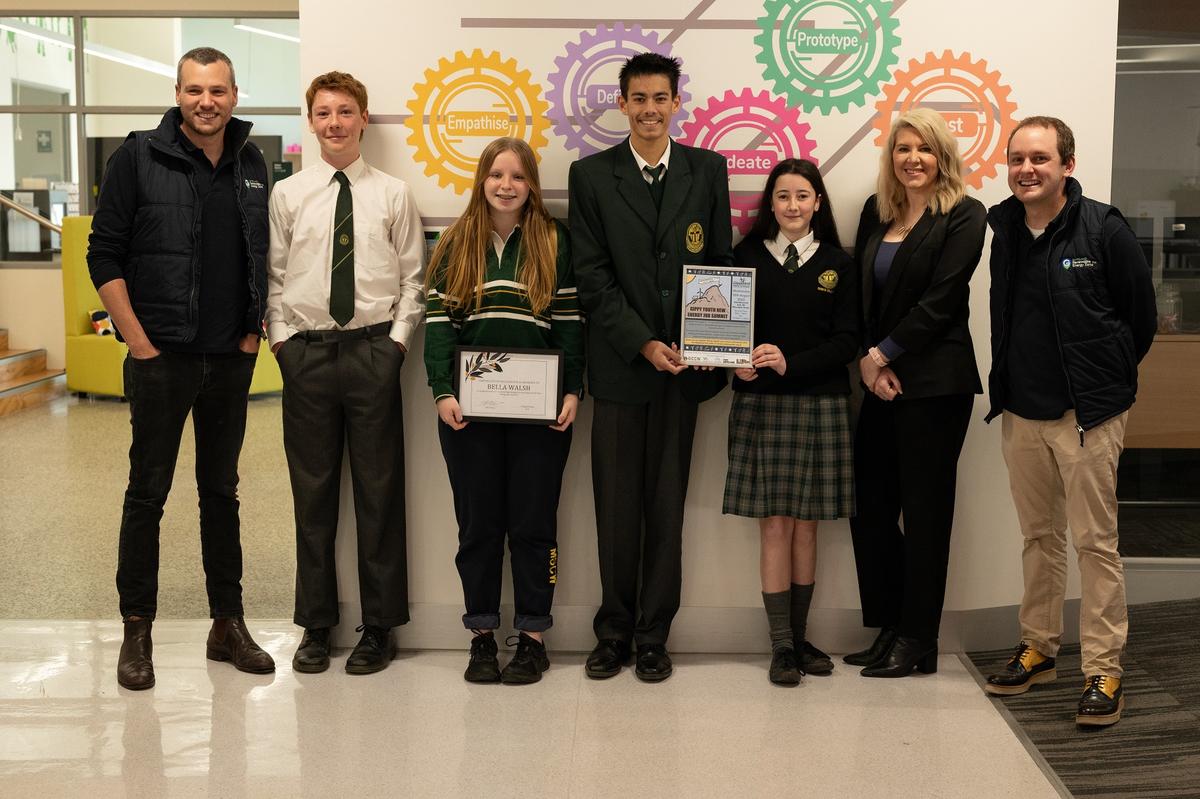
In a collaborative effort, Baw Baw Latrobe Local Learning and Employment Network (BBLLLEN) partnered with Broadening Horizons, Gippsland Tech School and mentors from nine industry organisations, to deliver the program to a group of 27 students from across Baw Baw and the Latrobe Valley.
The NET program was for students to gain a unique opportunity to learn about emerging local jobs in new industries; renewable energy, technologies, engineering and new career prospects in existing industries.
A series of workshops, based on the design thinking framework were developed to provide a specialised approach to problem solving real-world industry challenges and transferable skill development with the support of industry mentors. Key themes throughout the program were technologies, engineering and emerging jobs.
The NET Program was held at the Gippsland Tech School in Morwell with two sessions each term.
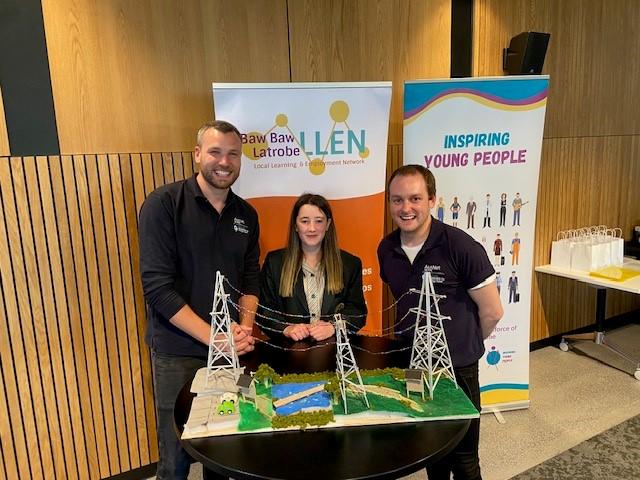
The MSCW AusNet team, aptly named Mission Transmission, were tasked with the impossible challenge of making necessary transmission lines more palatable for landholders and communities with benefits that would outlast the project. Brainstorming, research and design were key to the process and ultimately the team settled on building informative walking tracks at selected transmission areas, that can provide an attraction for locals and visitors alike and possibly include an annual light show. Ultimately, an innovative solution for new transmission infrastructure to connect renewable energy generators.
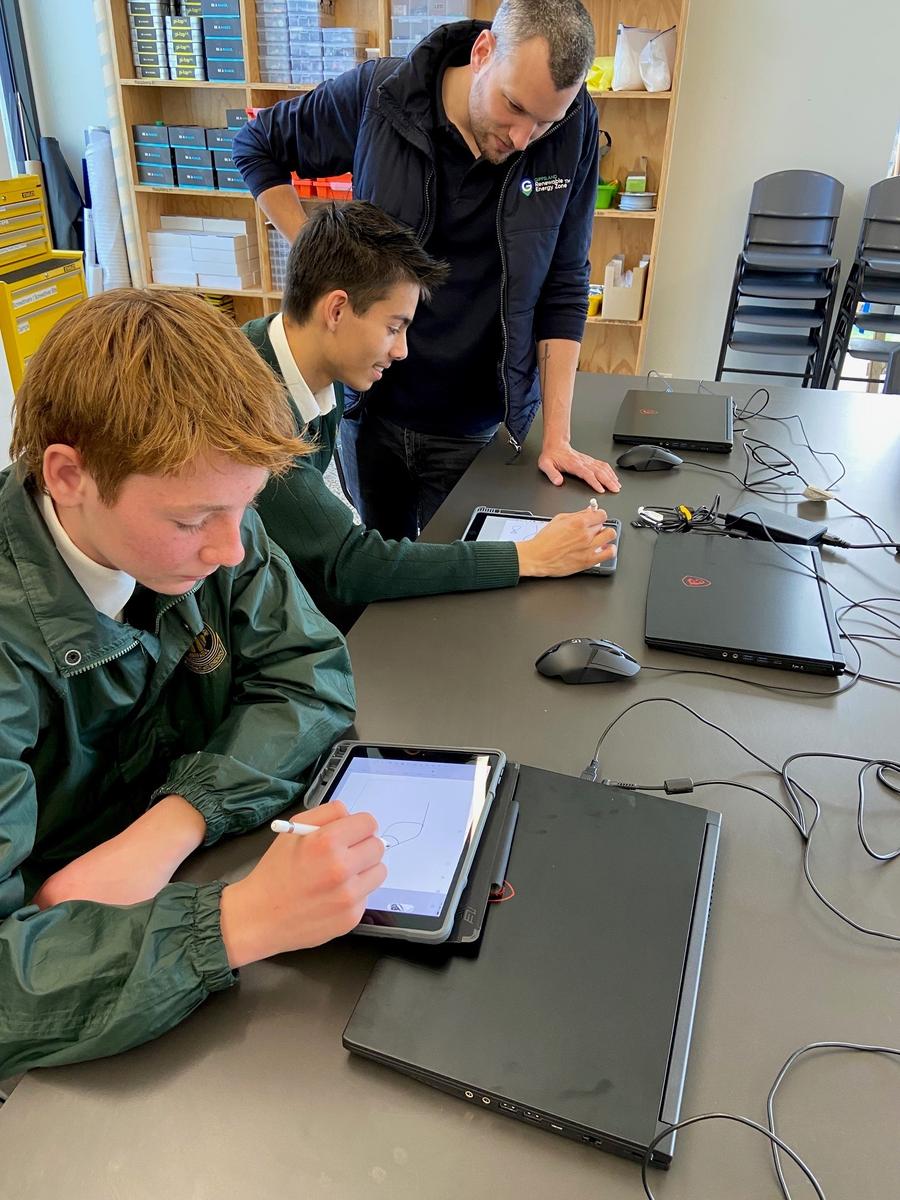
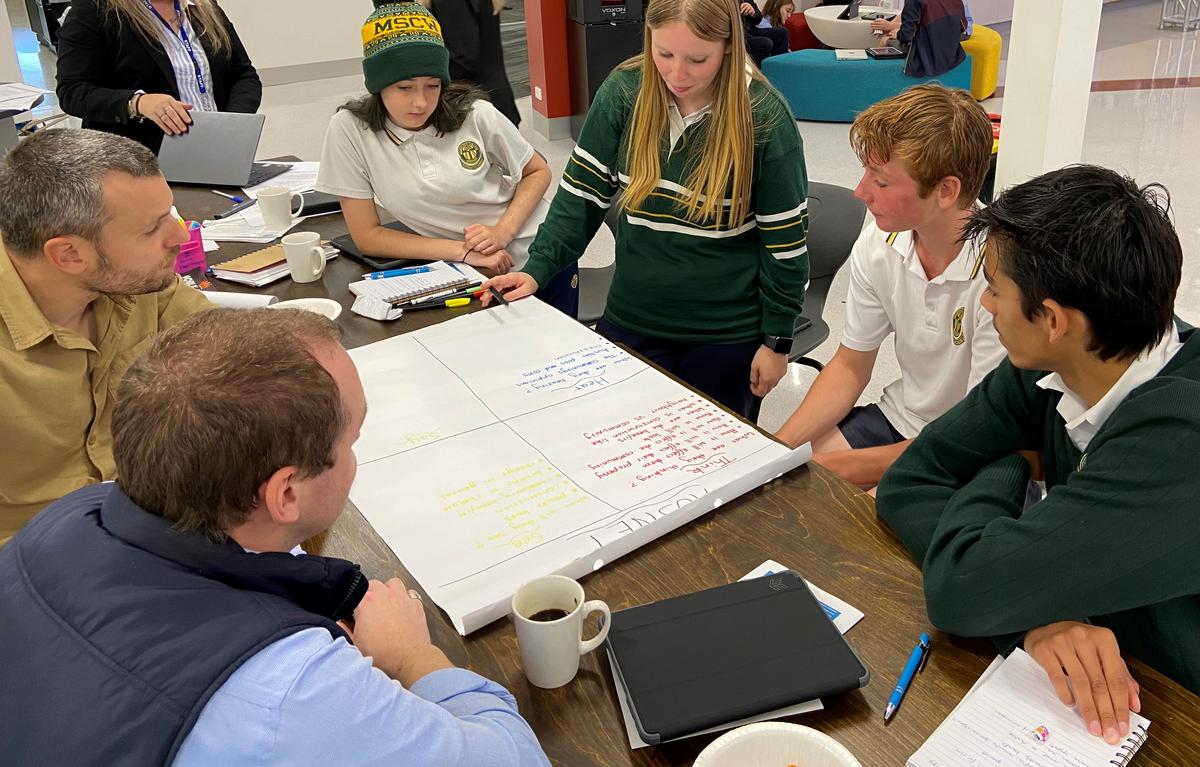
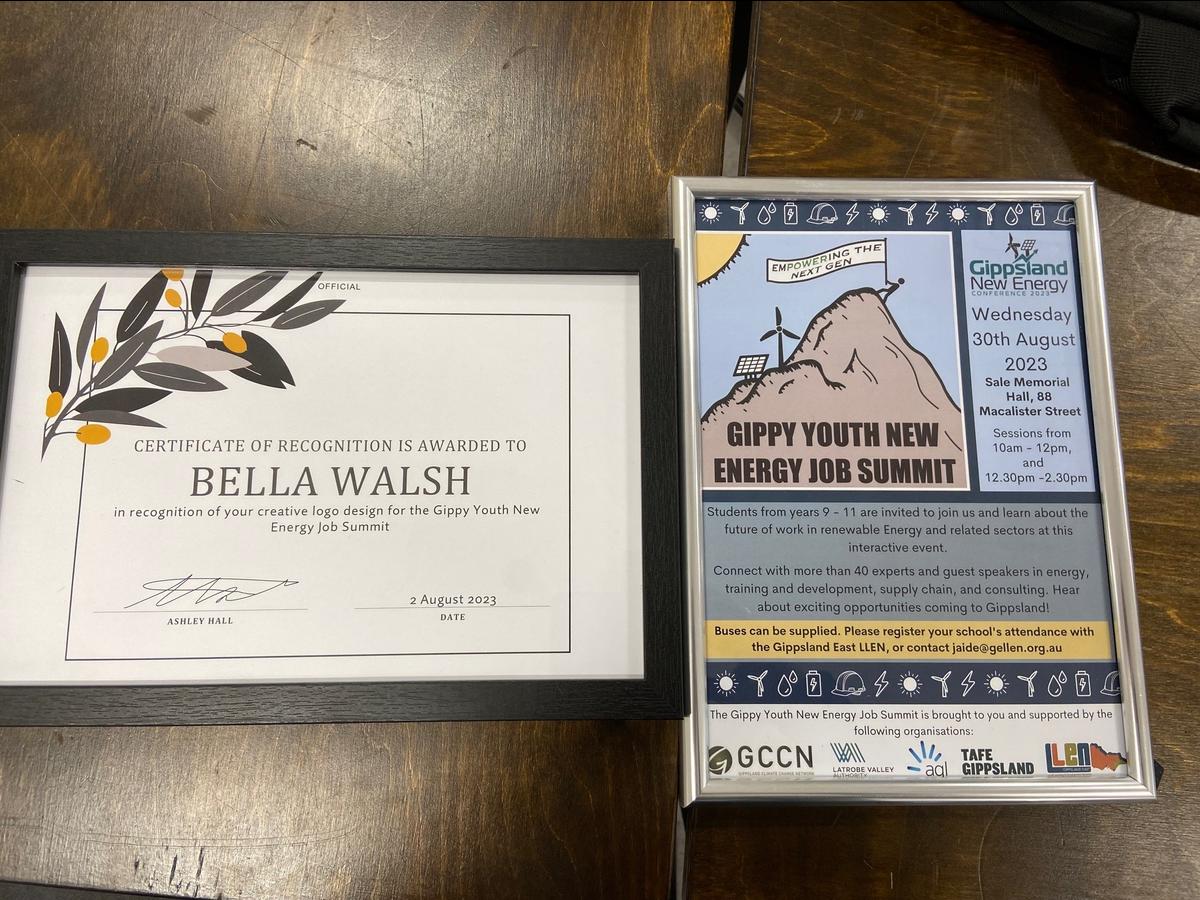
Some of the highlights across the year included the team winning a ‘name and design’ challenge for the Gippy Youth New Energy Jobs Summit (held in Sale in August), the team-built model, and the final presentation/pitch delivered by Jorja McGibney to a large audience – an impressive individual effort.
Thanks to all involved in this wonderful opportunity.
Mentor Career Journey - Brett Millsom (AusNet)
Brett Millsom was one of our fabulous NET program mentors from AusNet and he kindly put together some responses to questions relating to his career journey to date which includes challenges of common misconceptions and some great advice.
Current role
Stakeholder and Communications Lead for AusNet Services’ Gippsland Renewable Energy Zone™ (G-REZ™) project.
First paid job
In a local nursery and garden supplies business. Ironically, I’m absolutely woeful at keeping plants alive.
Key roles across my career journey
I started my career as a journalist and producer with the Australian Broadcasting Corporation. I really enjoyed my time in journalism and think it teaches you a lot of transferrable skills, many of which I still use now – whether it’s how to work under pressure and to a tight deadline, how to deal with someone who finds themselves in really challenging circumstances, and how to express complex ideas and issues in simple, plain and easy to understand language.
I left journalism and moved to the Victorian Public Sector where I spent eight years working in communications and engagement within the earth resources portfolio. I’m drawn to challenging and contentious projects and the earth resources portfolio offered plenty of complex issues to work on.
For the last 18 months, I’ve been with AusNet working to support the clean energy transition, specifically, the development of vital transmission infrastructure needed to connect new, renewable energy generators to the National Electricity Market (NEM).
Schooling/recommended studies/further learning
I studied arts at both undergraduate and postgraduate levels and yes, I’ve heard all the jokes about the value (or perceived lack thereof) of an arts degree. Despite that, I remain a big advocate for the arts in higher education and teaching. These courses bring together so many of the skills that you need to be adaptable and creative in the ever-changing modern workplace, as well as how to think critically about some of the biggest problems and challenges workplaces, and more broadly, societies face.
That’s not to discount courses in health, or education, or STEM, or to suggest that one is more important or valuable than the other. All of these courses and the graduates they produce have a role to play.
I’d also encourage students to think really strongly about the various pathways that exist to pursue their professional goals. University is one pathway, but it’s not the only one. There’s training through the vocational sector, on-the-job training, etc. all of which have their merits.
What you love most about your current role/career
It’s a combination of the challenging nature of the projects I get to work on, and the team I get to work with.
You spend the majority of your time between Monday and Friday with your colleagues and so it’s important to work with really great people. I think as I’ve got older (and hopefully wiser), the people I work with are a much greater influence in determining whether or not roles and/or workplaces are of interest to me.
Because I’ve always tended to be drawn towards challenging projects, being surrounded by great people that can have a bit of fun and a laugh is even more important. Without that, it’s really easy to get dragged down pretty quickly because these projects can become all-consuming.
Greatest challenge or change in your role/career?
There’s been plenty, but I think for students, I’d encourage them to not think of a specific career as necessarily one that is ‘for life’ and to really be open to the idea of change.
If I think back to my schooling days, there was a notion that if you study for example engineering, you’ll become an engineer and that’s what you’ll do for the remainder of your working life and I think that’s just not the case.
Careers evolve and I think it’s really critical not to pigeon-hole yourself and be open to opportunities that might seem a little bit left field as they present themselves.
Any general career advice you think young people need to hear?
In addition to the above, I’d really encourage students to build and maintain contacts within the industries or sectors they want to enter.
There’s a line from the TV series Veep where one of the characters says tongue-in-cheek ‘you’ve got to network to get work’ and I think that certainly rings true.
Most of the job opportunities I’ve had over the course of my career have been through people I’ve known or who I’ve worked with before. Industries, even if they might seem quite large, such as say energy for example, can often be smaller than you might think and often if you don’t know someone within that particular industry, someone you know or work with will and this can be incredibly helpful in securing new opportunities for professional growth.