
Family Feature

Created for Connection
“Without a solid, bonded relationship, the human soul will become mired in psychological and emotional problems. The soul cannot prosper without being connected to others”.
This quote by well renowned Clinical Psychologist, Dr Henry Cloud, stopped me in my tracks a few months ago. I’d been reading his acclaimed book, Changes That Heal, which was gifted to me by a dear friend. As I pondered on this profound quote, I thought about the world around us. We live in the digital age of connectivity and engagement; a period of time where information, knowledge, opportunity, and people are accessible via one click or swipe. Yet despite this convenience, countless studies indicate that today’s society is unhappier and lonelier than the preceding generations. The question is, why? I believe the answer can be found in the latter part of Dr Henry Cloud’s quote:
“No matter what characteristics we possess, or what accomplishments we amass, without solid emotional connectedness, without bonding to God and other humans, we will suffer sickness of the soul.”.
At our very core, we are relational beings. This is because we are created in the image of a relational God. We are created with a deep desire for connection with God and with one another. The question is: how many of us genuinely acknowledge and honour our need for connection? We flood our lives with schedules, obligations, and tasks in pursuit of success. We flood our children’s lives with academic quests and extracurricular activities so they might grow up to be accomplished individuals. Whilst there is nothing wrong with these endeavours, we can very easily prioritise them and forsake connection. Professor William von Hippel, author of The Social Paradox, attributes this to society’s dramatic shift towards autonomy. He contends that:

“We’re all struggling with the tension between autonomy and connectedness. All humans want to have some level of self-directedness. We want to pursue our goals and dreams. And at the same time, all humans want to be connected to others. We want to maintain important relationships.”
So, how do we honour our need for connection with God and one another in an autonomous culture?
Firstly, by acknowledging and accepting that we are all created for connection. It is our greatest and most fundamental need as human beings. We are all created in the image of a relational God who shares constant, unbroken connection within His trinity. In John 10:30 (NIV), Jesus boldly declared, “I and the Father are one”. If we are created in God’s image and in His affinitive likeness, as outlined in Genesis 1:26-27 (NIV), then we can conclude that connection is important to God, and that we have been created for connection.
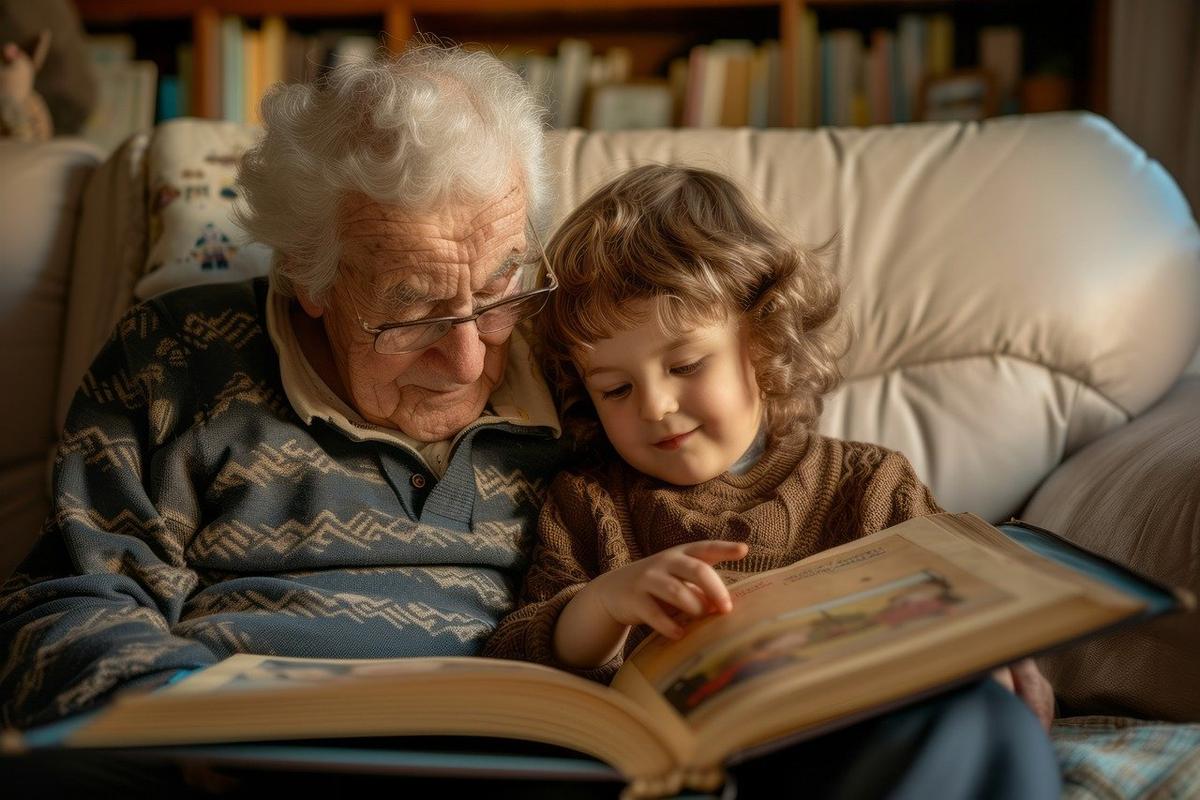
Secondly, we can honour our need for connection with God and one another by honestly evaluating the connections in our lives. Empathy, open communication, shared experiences, active listening, and trust are critical factors that drive emotional connection. We can examine the relationships in our lives by asking ourselves some reflective questions such as:
- Do I prioritise tasks and obligations over opportunities to connect with God and those around me?
- Am I currently experiencing secure, healthy, emotional connection in my relationship with God and others?
- Are my relationships with my spouse and children marked by empathy, open communication, shared experiences, active listening, and trust?
Finally, we can honour our need for connection with God and one another by saying yes and prioritising connection. Say yes, when a friend asks you to join them for coffee. Say yes, when your child asks you to play with them. Say yes, to going on a date with your spouse. Say yes, and prioritise connecting with God and with those around you! It may require reshuffling your schedule and reframing your perspective, but as Dr Henry Cloud says, it places you, as well as those around you, in “a constant position of being loved”.
MrsSammi Nalliah (WS Student Wellbeing Coordinator)