Connect Year 6
Grade 6
Key Dates
24th February - District Swimming @ The Pines Pool
26th February - Peacemakers
9th March - Labor Day Public Holiday
18th March - Youth Leadership Conference
23rd March - School Photos
24th March - Clean up Skye Primary School
2nd April - School Cross Country
The Next Fortnight of Learning
Mathematics
The grade six students have been delving into the wonderful world of order of operations. We have been methodically working through problems ensuring the correct order is being followed. Students have been highly successful so far and have been engaged and working to the best of their abilities. In data, we have been learning the correct way to graph information. Graphs make information so easy to read. We collect our data in a table, then transfer that information into the most appropriate graph.
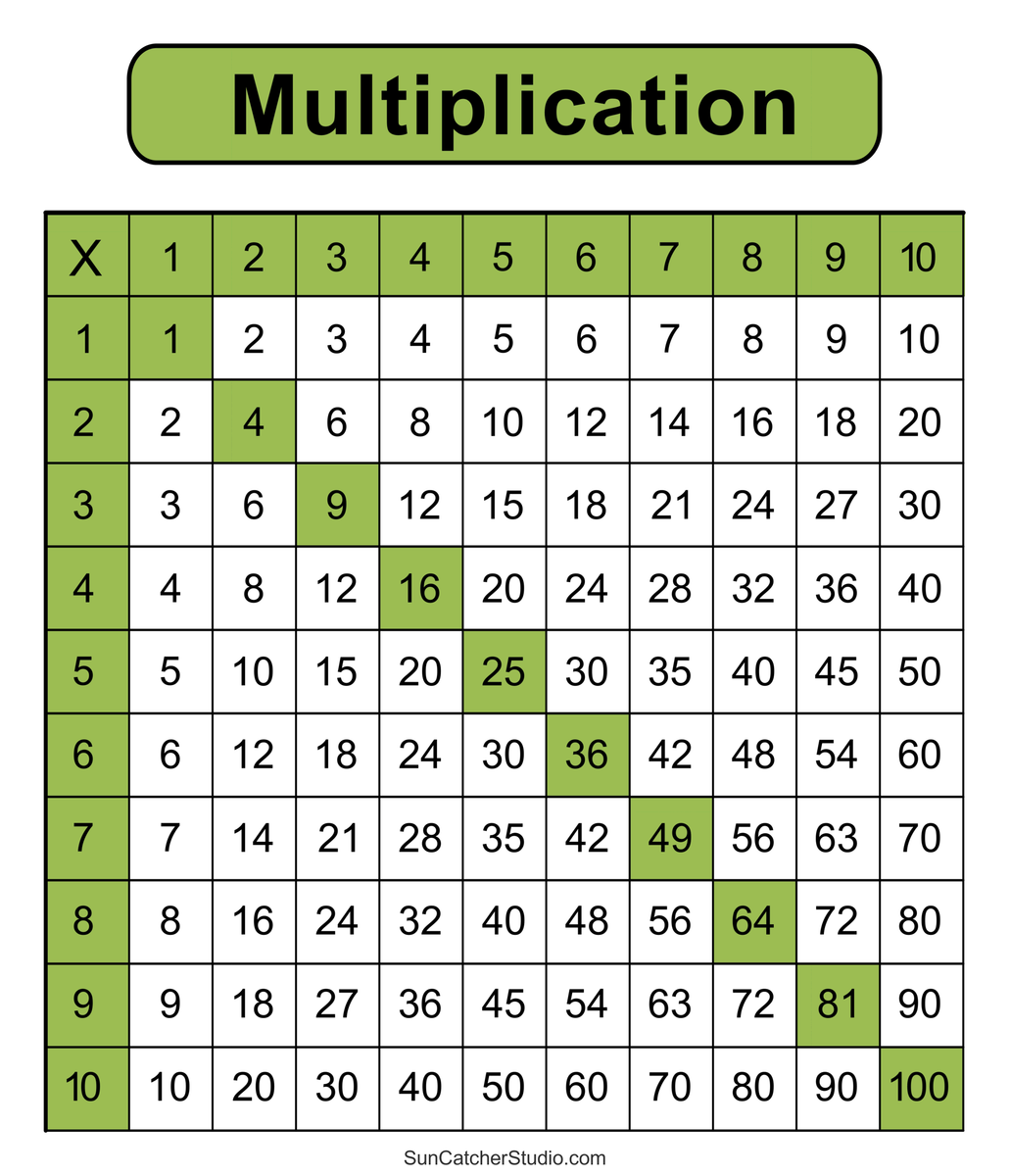
We have also been speeding up on our maths fluency. Our times tables skills are improving rapidly. We have an intense 15 minute session at the start of each maths lesson, racing the clock to complete a random times table grid. The times are coming down and the accuracy is rising!
Literacy
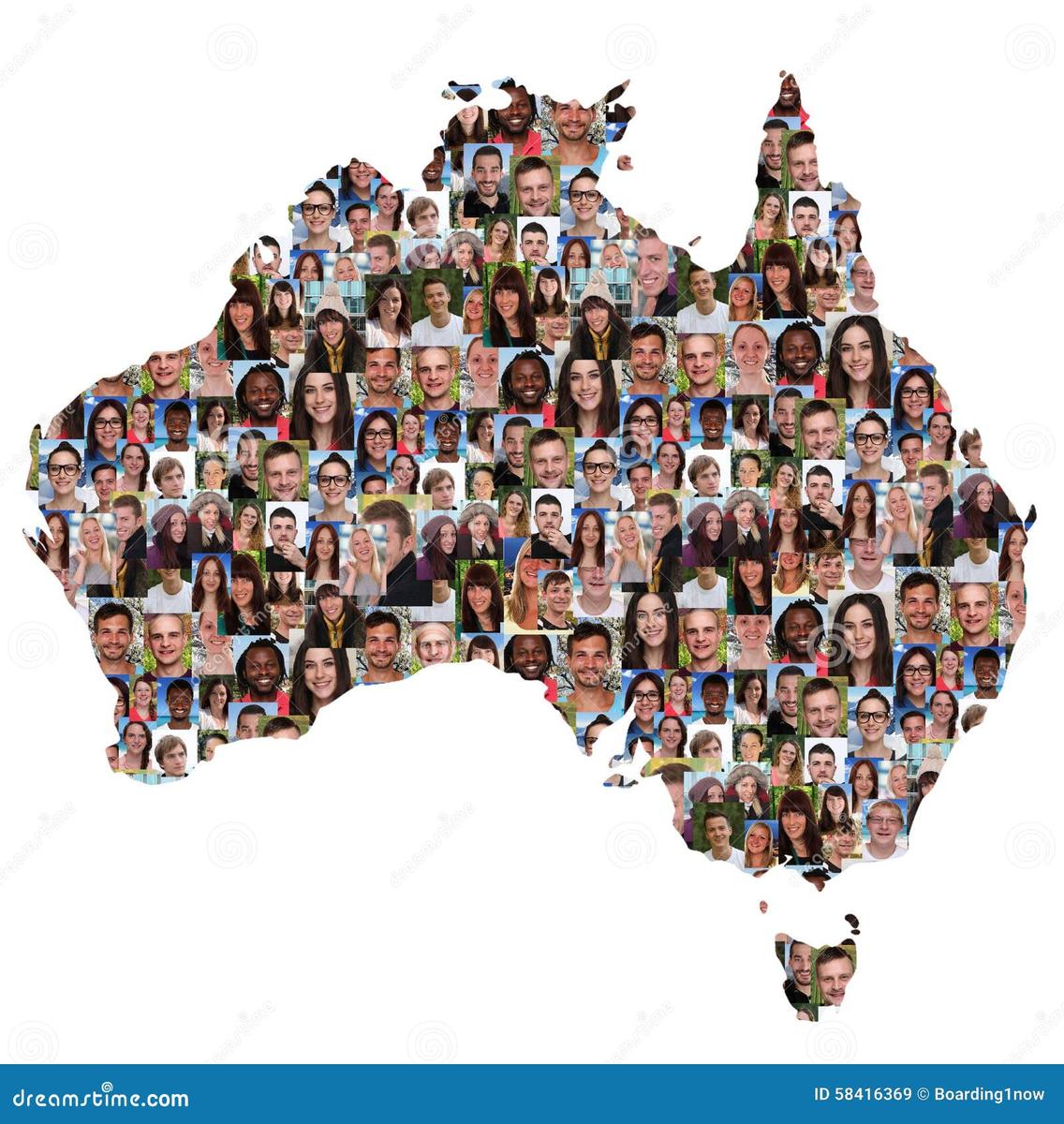
Our unit “Immigration and International Interaction” has provided the students with tremendous knowledge of how Australia has evolved into the Multicultural nation that we know and love today. We have focussed on how the arrival of the First Fleet and European settlement drastically changed the lives of our First Nations People, the hardships that the early European settlers faced and the immigration boom caused by the gold rush where we had people from all over the world coming to seek their fortune. We have just touched on what Australia looked like at the time of Federation in 1901 and the inherently racist legislation of the “White Australia Policy” that aimed to keep the nation looking as white as possible. Australia got quite a scare in World War II and suddenly realised that we need to “Populate, or Perish!” We opened our doors to many nations that have suffered particularly badly during the war and overnight the Italians and Greeks changed the way we eat and drink. Pasta and souvlakis became a part of our everyday lives and where we were a nation of tea drinkers, coffee suddenly became our hot drink of choice. Next week we will see how the wave of Vietnamese refugees in the 1970’s were able to call Australia their new home and how other people from war-torn countries have been able to seek asylum here. Again, with each new culture that has come, their cuisine has come with them. It wouldn’t be uncommon for the average household to have a stirfry, spaghetti bolognaise and a curry of some type during the week, where pre World War II, we were “meat and three veg” and a roast on Sunday. Australia has changed over the years, and we will continue to be seen as “The Lucky Country” by many people overseas and a place where they can change their lives if they are lucky enough to immigrate here.
Science
This term in Science, our students have been diving into a fascinating new topic: Reversible and Irreversible Changes. It’s been a hands‑on, curiosity‑fuelled few weeks as we’ve explored how materials behave, how they can change, and what those changes tell us about the world around us.
We began by looking closely at the three states of matter; solid, liquid, and gas, and how materials can move between these states. Water has been our star example. Students observed how ice melts into liquid water, and how that same water can be heated into water vapour. These changes can go backwards too: water vapour can cool and condense back into liquid, and liquid water can freeze back into ice. Because these changes can be undone, they are known as reversible changes. This understanding helped us connect to the water cycle, where evaporation, condensation, and precipitation are constantly transforming water from one state to another in a never‑ending natural loop.
To contrast this, we explored irreversible changes—changes that cannot be undone because a new substance is formed. A simple but powerful example is burning wood. Once a piece of wood has been burned, it turns into ash, smoke, and gases. It cannot return to its original form, no matter what we do. This helped students recognise that some changes fundamentally alter the material itself.
One of the highlights of our learning was a lively bicarbonate soda and vinegar experiment. Students mixed the two substances and watched with excitement as the mixture fizzed and bubbled. This reaction produced carbon dioxide gas, demonstrating an irreversible change. The original materials could not be separated back into vinegar and bicarbonate soda, reinforcing the idea that a new substance had been created. The experiment also gave us a chance to discuss how gases behave and how we can detect them even when we can’t see them directly.
We will be also exploring the concept of dissolving, another important type of change. Students will investigate what happens when substances like sugar or salt dissolve in water. Although the solid seems to “disappear,” we will learn that it is still present, just broken down into tiny particles spread throughout the liquid. Because the dissolved substance can be recovered by evaporating the water, dissolving is considered a reversible change. This will tie beautifully back to our discussions about evaporation in the water cycle.
Throughout these lessons, students have been encouraged to observe closely, ask questions, and think like young scientists. They are beginning to understand that changes happen all around us, and that recognising whether a change is reversible or irreversible helps us make sense of everyday processes from melting ice blocks to baking cakes.
We look forward to continuing our investigations and seeing where students’ curiosity leads next. Science is all about exploring, experimenting, and discovering, and our learners are certainly embracing that spirit.
Wellbeing
In our Wellbeing sessions we are looking at understanding emotions, and developing emotional literacy which helps students recognise how feelings shape their behaviour, learning, and relationships. When we can identify emotions in ourselves and others, we are better equipped to respond thoughtfully rather than react impulsively. Emotions influence focus, motivation, and confidence, which means that learning to manage them supports stronger engagement in the classroom. Factors such as stress, sleep, family dynamics, cultural expectations, and individual temperament all play a role in how effectively students regulate their emotions. By teaching strategies like naming feelings, pausing before responding, and seeking support, we help students build resilience and self‑awareness.
We will also celebrate the rich personal and cultural strengths that each student brings to our school. These strengths might include creativity, curiosity, empathy, humour, or determination, as well as cultural traditions, languages, values, and ways of seeing the world. When we recognise and appreciate own strengths, and those of others we develop a stronger sense of identity and belonging. Embracing this diversity enriches our community and encourages students to value the unique contributions everyone makes.
Thanks for reading and taking an interest in what is happening in Grade 6. We really appreciate your support that you give to your children to keep them motivated to get the best out of themselves.
Until next time, Ms. Grant (6A), Mr. Taberner (6B) and Mrs. Hammill (6C)