
Term 1, 2025
Curriculum News - Year 3
Term 1, 2025
Curriculum News - Year 3
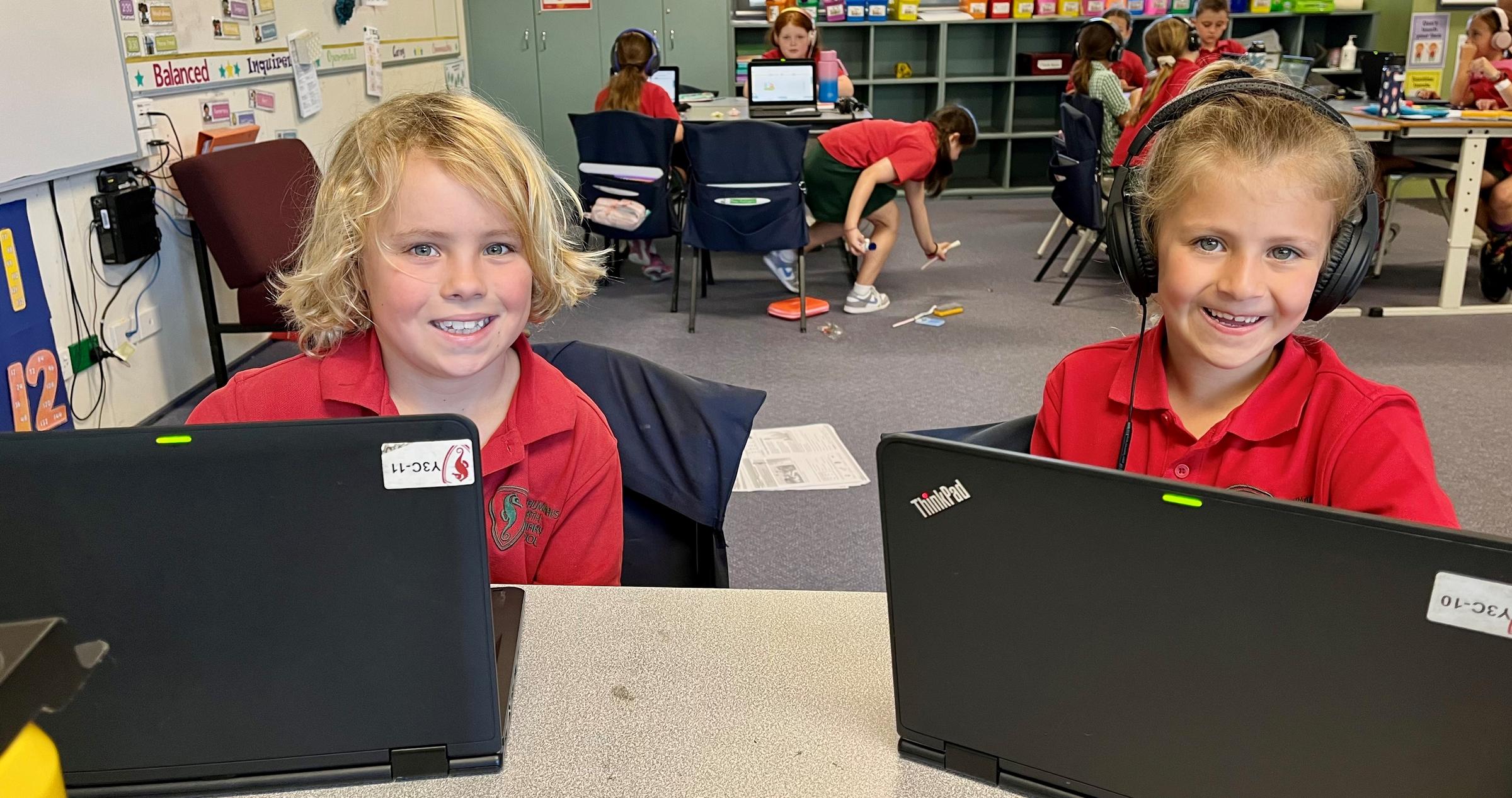
Our Year 3 students have had a fantastic start to Term One, settling in beautifully and embracing their learning with enthusiasm! It has been wonderful to get to know each other, and we are proud of the effort they are putting into developing their independence.
They are embracing the challenges of middle school with confidence, taking greater ownership of their learning, and demonstrating responsibility in and out of the classroom. From organising their materials to managing their time more effectively, they are rising to new expectations in ways that will set them up for success.
We look forward to seeing them continue to grow in resilience, curiosity, and leadership throughout the year!
Reading
Reading is an important focus in Year 3, and students will engage in a variety of activities to strengthen their skills. They will participate in guided reading groups, where they will develop fluency, expression, and comprehension strategies. Each day, they will also engage in independent reading ('Read to Self') as we work on building their reading stamina.
A key focus this term will be strengthening comprehension skills, particularly inferring meaning from a text.
Year 3 students are responsible for recording their daily reading in their Homework books and bringing them to school each Friday. We value and celebrate reading achievements throughout the year.
Each week, students will also enjoy a dedicated library session with their classroom teacher. During this time, they will listen to and explore a variety of literature and have the opportunity to borrow two books. We encourage students to select one book for classroom use and another to take home to enjoy.
In Writing, we will focus on key traits that help students become confident and expressive writers, including generating ideas, developing their writer’s voice, and structuring their work effectively. As part of this, students will refine essential writing skills, such as using the 5 W’s (who, what, where, why, and when) to strengthen their storytelling and explanations.
Additionally, they will explore the structure and organisation of persuasive and narrative texts in preparation for NAPLAN. These skills will support them in communicating their ideas clearly and effectively across a range of writing styles.
Each Monday, students will receive their weekly SMART spelling words, which will be included in their homework books to practice throughout the week in preparation for their weekly spelling test on Friday. In class throughout the week, students will participate in a range of spelling and grammar activities designed to reinforce their understanding of word patterns and rules.
Additionally, one spelling activity will be assigned to students as part of their homework to support their learning at home.
Speaking and Listening
This term, we are focusing on developing active listening skills and demonstrating respect when teachers and fellow students are speaking.
Number
This term, our numeracy focus will be on developing a strong foundation in number concepts. Students will explore key areas such as place value, addition and subtraction with regrouping, number patterns, skip counting, and basic number facts.
Each lesson will begin with a number sense activity, such as a ‘Number Talk’ or a warm-up game, designed to strengthen their understanding of the number system and build their confidence in mathematical thinking.
Measurement
This term, students will explore the concept of length, including how to measure the perimeter of squares and rectangles. They will engage in a variety of hands-on activities to deepen their understanding and develop practical measurement skills.
Who We Are
Positive relationships contribute to a harmonious community
Lines of inquiry
How We Express Ourselves
People express themselves differently according to environment and audience
Lines of inquiry
February - caring
March - communicators
This term, we are focusing on building positive, respectful relationships among students and fostering an inclusive environment. We will encourage students to practice tolerance and understanding toward their peers, cultivating an atmosphere of kindness and empathy.
Through activities centred around gratitude, empathy, and mindfulness, students will learn to recognize and appreciate the strengths and perspectives of others. These practices will help them develop emotional intelligence, manage their own feelings, and support their classmates in building meaningful connections.
Our aim is to create a classroom culture where all students feel valued, respected, and empowered to contribute in a positive and supportive way.
Zones of Regulation
The Zones of Regulation, developed by Leah Kuypers, is a systematic framework designed to help children understand and manage their emotions. It categorizes emotional states and levels of alertness into four color-coded zones:
Blue Zone (low alertness): This zone represents feelings of being tired, sad, or bored. For example, a child might feel sluggish after a long day or when they're feeling unwell.
Green Zone (optimal alertness): This is the 'just right' zone for learning and socializing, where children feel calm, focused, and happy. A child might feel this way when they're engaged in a fun activity or playing with friends.
Yellow Zone (heightened alertness): This zone includes emotions like frustration, anxiety, or excitement. For example, a child may feel a bit nervous before a test or excited about an upcoming event.
Red Zone (extremely high alertness): This zone is for intense emotions like anger, rage, or terror. A child may experience this zone when they’re having a meltdown or feel completely out of control.
By fostering emotional awareness, teaching self-regulation strategies, and creating a supportive environment with visual cues, we empower children with the essential skills they need to manage their emotions, build emotional resilience, and maintain self-control in various situations.
Cyber Safety Project
Students will engage in Cyber Safety Project lessons this term, where they will learn how to use technology safely and responsibly. The focus will be on empowering students to take control of their own privacy and security online, teaching them the importance of protecting personal information.
In addition, they will explore what it means to be a responsible digital citizen, understanding the impact of their online actions and how to navigate connected technologies in a respectful and thoughtful way. These lessons are designed to equip students with the skills and knowledge to use technology confidently and safely in an increasingly digital world.
Monday 19 – Friday 23 February - CyberSafety Week
Monday 19 February – Year 3 Cyber Safety Incursion
Monday 3 March – School Photos
Monday 10 March – Labour Day Public Holiday
Wednesday 12 – Monday 24 March – NAPLAN schedule
Tuesday 18 March – Whole School Music Incursion
Tuesday 25 March – Whole School Colour Run
Friday 4 April – Term 1 Concludes
Tuesday 22 April – Term 2 Commences


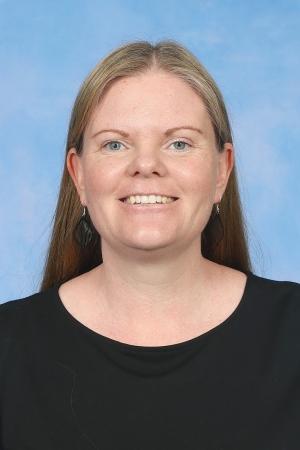



The Year 3 team
Janelle Diggings, Kate Boston, Christine Gill, Maridia Astarlis & Doug Bray