
Cyber Safety Tips
Not everyone online is who they say they are
Most people who contact you online just want to be friends or chat.
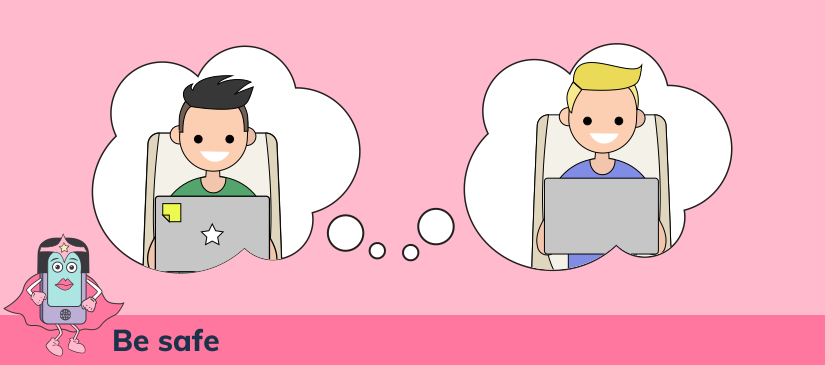
The problem is that not everyone is like this. People can also pretend to be someone else online.
Someone could pretend to be a kid your own age.
It could be a stranger, or it could be someone you know. It can be hard to know what to look out for.
Things to watch out for
- You feel that something is not right — trust your feelings.
- Things don’t add up — their online profile does not match what you see and hear when you talk or chat with them.
- They contact you all the time and in different ways — you meet in an online game and they ask you to start texting them.
- They ask you who else uses your computer or tablet — or even which room of your house you are in.
- They insist on meeting — they keep talking about meeting in person or try to make you feel bad if you say no.
What to do if something goes wrong
If an online friend is making you feel uncomfortable or unsafe, or you feel like something is not quite right, help is available.
Remember if things go wrong, it is never your fault. Even if you feel embarrassed or scared about what has happened, help is always available.
You can follow these steps
- Talk to a trusted adult — tell your parent, carer or a trusted adult what is happening.
- Collect evidence and block — before you block the abusive person, get your parent, carer or a trusted adult to help you take screenshots.
- Report to the police — or make an anonymous report to Crime Stoppers
- Get help and support — contact Kids Helpline