Teaching & Learning at Milgate
Who We Are
Understanding Wellbeing as a Foundation for Learning
This term, students across the school are engaging in the Who We Are unit of inquiry. This unit supports students to develop a shared understanding of wellbeing and the role it plays in learning behaviours, relationships and personal growth across the school community.
Central Idea: Our wellbeing influences how we learn, grow, and interact with others.
Shared Line of Inquiry (Foundation–Year 6): There are different dimensions of wellbeing.
Each year level explores this concept in age-appropriate ways, building depth and complexity across the school.
Exploring the Dimensions of Wellbeing
Throughout the unit, students learn that wellbeing is multi-dimensional and interconnected. Strength in these areas supports students not only to feel positive, but to engage deeply with learning, build strong relationships and flourish over time.
Our work is informed by the Berry Street Education Model, which highlights the importance of explicitly teaching self-regulation, stamina, emotional awareness and character as foundations for academic success.
The dimensions explored include:
Body: Students learn how movement, breathing and physical awareness support regulation and readiness to learn. When students can recognise and respond to their body’s needs, they are better able to focus and participate in challenging learning.
Relationships: Students explore how positive relationships create safety, belonging and trust. Strong relationships enable collaboration, respectful discussion and the confidence to take learning risks.
Stamina and Engagement:Students develop the capacity to sustain attention, persist through challenge and remain engaged in complex tasks. This is particularly emphasised through challenging mathematics experiences where students practise effort, problem-solving and explaining their reasoning.
Character: Students reflect on qualities such as responsibility, respect, courage and empathy. These character strengths influence how students approach learning, respond to mistakes and contribute to a positive learning environment.
Emotional Literacy and Positive Coping:Through rich texts and structured discussion, students build the language to identify and understand emotions. They explicitly learn and practise positive coping strategies to manage frustration, anxiety and challenge, enabling them to remain calm and purposeful in learning situations.
Wellbeing in Service of Learning
Importantly, these dimensions are not taught in isolation. They are embedded within curriculum experiences so students can apply them authentically across literacy, numeracy and inquiry learning.
By explicitly teaching these capabilities, we are equipping students with the tools to regulate themselves, sustain effort, collaborate effectively and respond constructively to challenge. These skills directly influence academic growth and long-term success.
At Milgate, we believe that when students develop strong wellbeing foundations, they are better positioned to flourish - not only socially and emotionally, but academically. The Who We Are unit ensures that this development is intentional, structured and aligned with high-quality teaching and learning.
Wellbeing in Service of Learning
Tai Chi as a Curriculum Enhancement
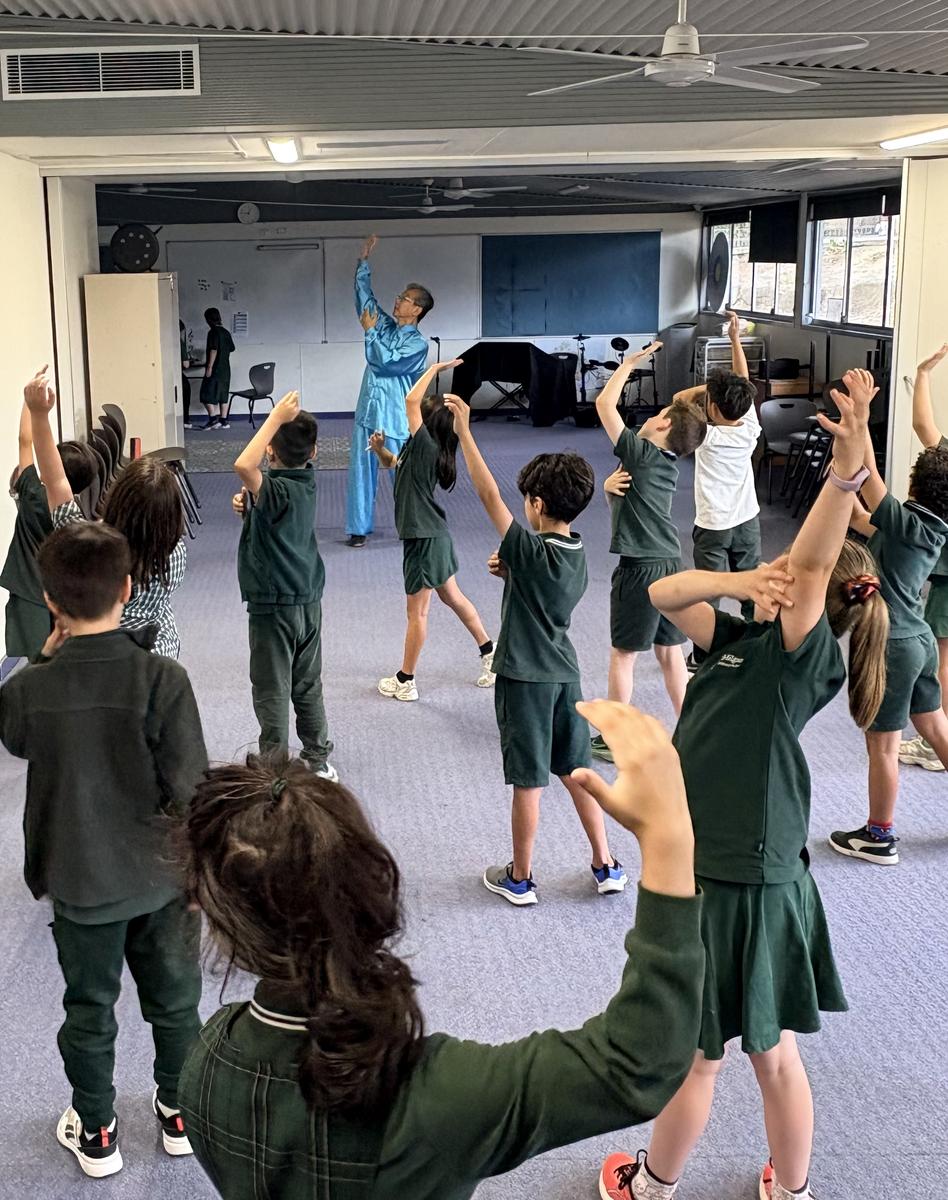
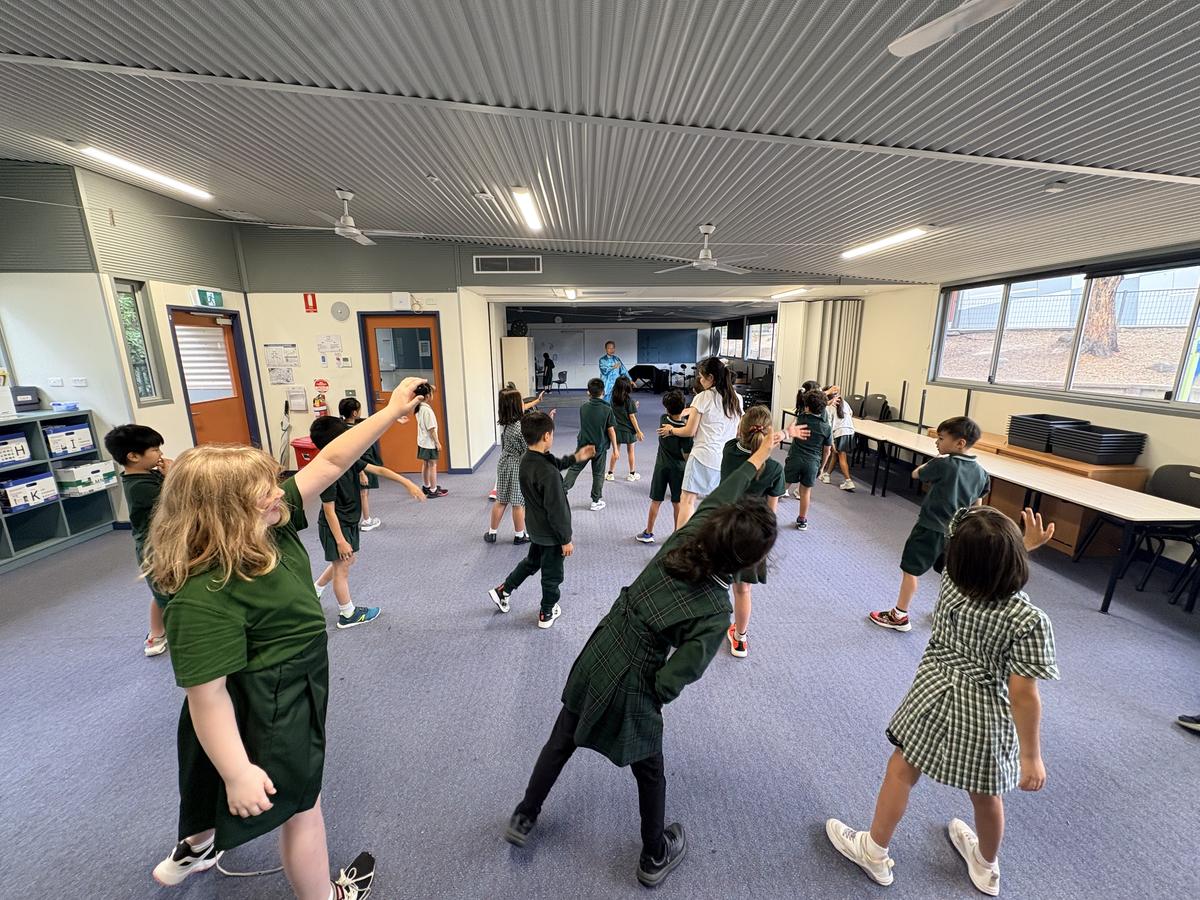
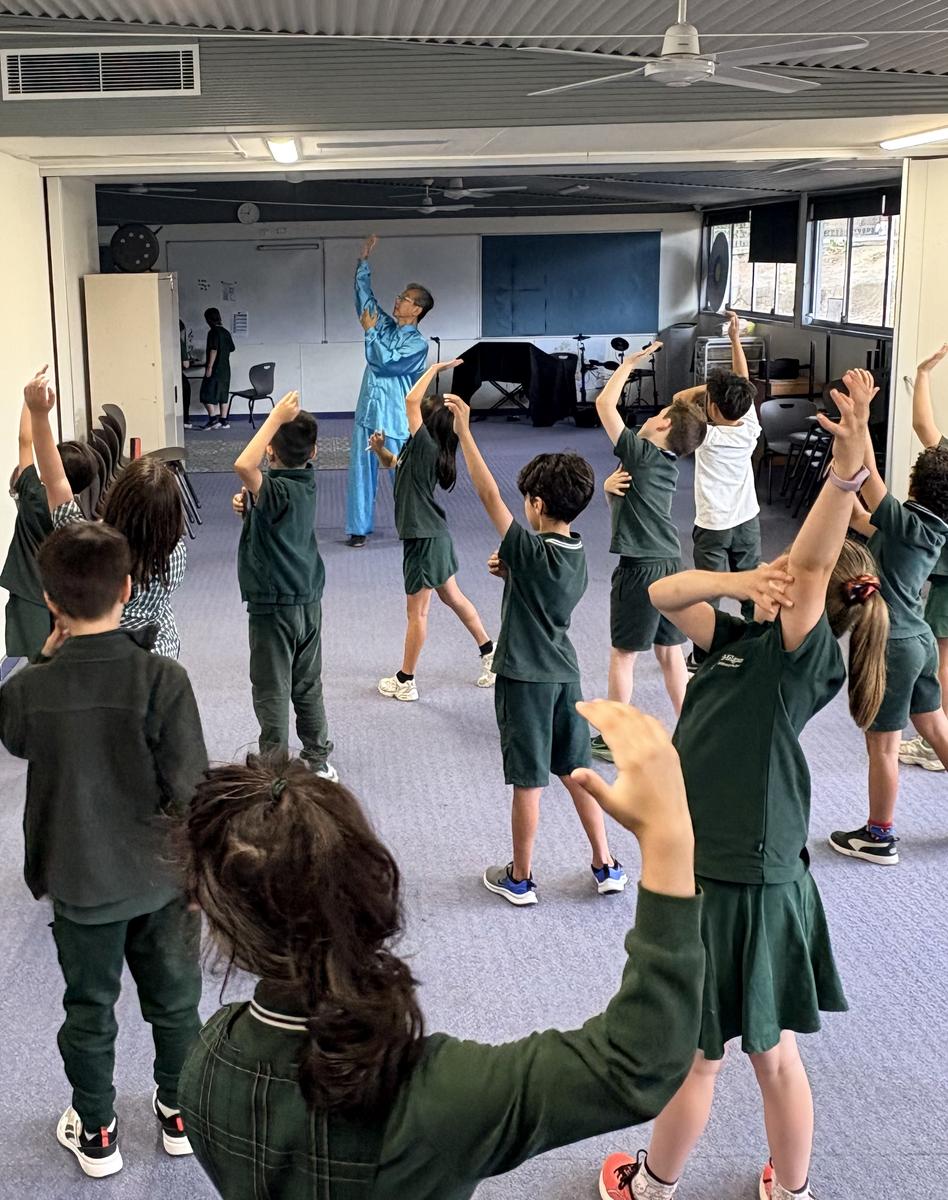
This term, Year 3 students are participating in a Tai Chi program as a curriculum enhancement designed to strengthen learning readiness, focus and engagement. The program complements their Mandarin studies and supports the development of skills that directly contribute to academic success.
Tai Chi is a traditional Chinese movement practice that combines slow, purposeful movements, balance, breath control and concentration. Research consistently shows that students who can regulate their bodies and attention are better able to sustain effort, process information and engage deeply in learning tasks. This program intentionally develops those capacities.
Through Tai Chi, students are:
strengthening physical coordination, balance and posture
- building focus, stamina and emotional regulation
applying and responding to key Mandarin vocabulary in an authentic context
developing greater awareness of their body and breath to support calm, sustained attention
As an enhancement program, Tai Chi adds depth to students’ learning. It strengthens the foundational skills that underpin success in literacy, numeracy and inquiry learning, particularly attention control, persistence and self-management.
The structured and repetitive nature of Tai Chi supports students to regulate their nervous systems, work collaboratively and manage challenge more effectively. These capabilities are essential for academic growth and positive relationships at school.
The sessions are led by a specialist instructor and embedded within the school program. At the conclusion of the program, families will be invited to participate in a shared experience to celebrate the students’ learning and growth.
This program reflects our commitment to high-quality teaching - where wellbeing is intentionally designed to enhance learning outcomes, and every initiative is aligned to supporting strong academic progress.