
Student Health & Wellbeing
Wellbeing Support for the Holidays
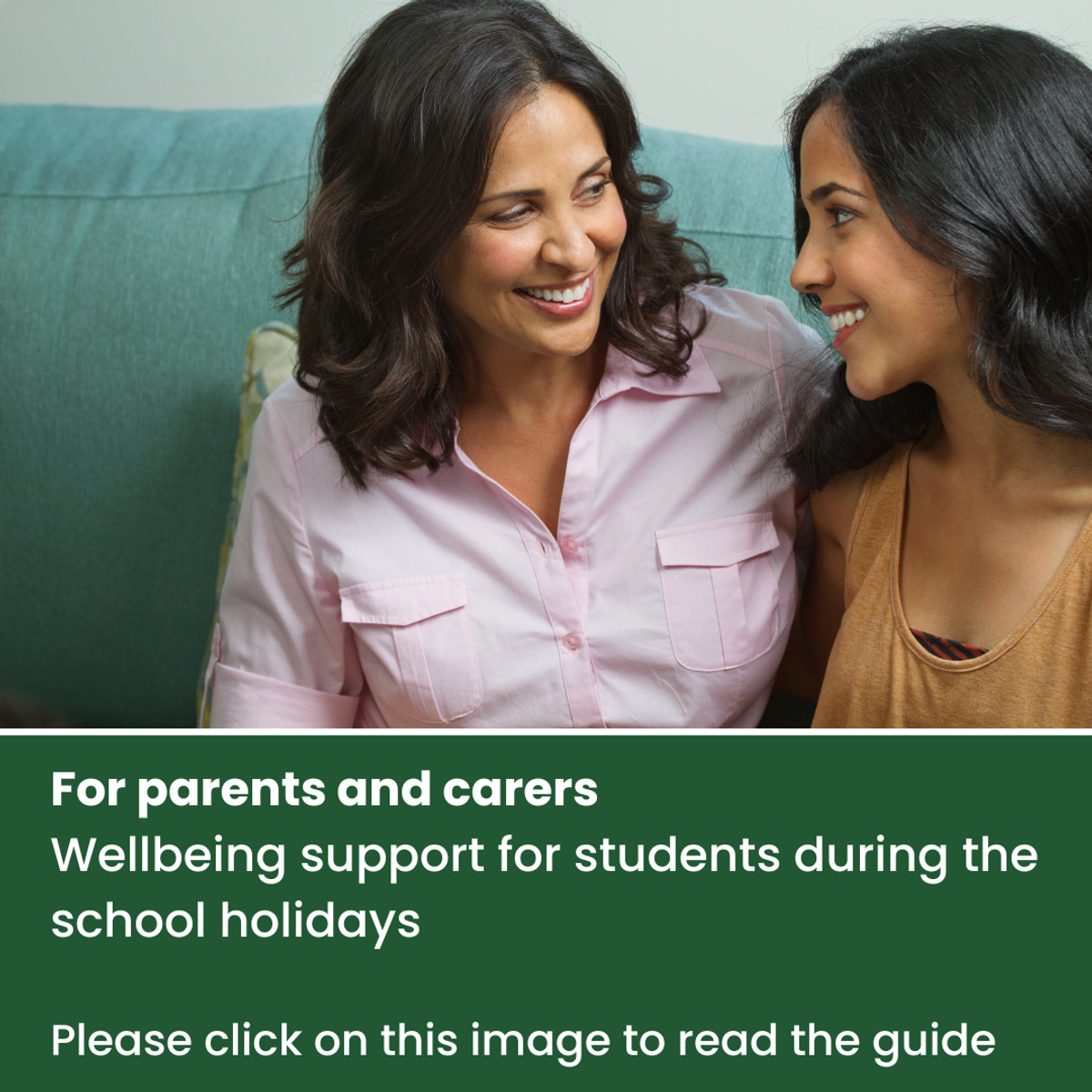
Protecting against diphtheria

There are diphtheria outbreaks happening in some parts of Australia, especially in regional and remote areas of the Northern Territory, Western Australia and South Australia. There have been no cases identified in Victoria to date.
Vaccination is the best way to protect against getting very sick from diphtheria. Everyone should stay up to date with their vaccinations.
Travel to higher risk areas over the school holidays
If your family is travelling to a higher risk area, the Department of Health recommends that you:
- check your family’s diphtheria vaccinations
consider getting vaccinated if you or your family have not had a diphtheria vaccine in the past 5 years.
You can check your diphtheria vaccination records:
- on your Medicare online account through MyGov or by contacting the Australian Immunisation Register on 1800 653 809
- on your personal health records, such as your childhood immunisation records
by speaking to your GP, immunisation provider or Aboriginal Health Service.
You can also check if your family is up to date with other vaccinations before travel in Australia or overseas.
About diphtheria
Diphtheria is a serious infection. It can affect the skin or the nose, throat and airways. In severe illness, it can affect the heart, kidneys and nerves.
It is spread through close contact with an infected person, through skin sores, or droplets from coughs, sneezes and saliva. Sometimes it can spread through contact with contaminated items such as towels or shared objects.
People who are not fully immunised have higher risk of severe illness. Pregnant women, children aged under 5 years and those with weakened immune systems also have higher risk.
Free diphtheria vaccinations
Vaccination is free for:
- people aged less than 20 years who need a catch-up vaccination
- refugees and humanitarian entrants
- pregnant women
some Aboriginal and Torres Strait Islander people.
For more information about eligibility, refer to the Department of Health’s diphtheria booster vaccination campaign.
Vaccination is available at your GP, local pharmacist, local council or Aboriginal Health Service. Call ahead to see if you are eligible for a free vaccine.
Please note that there are no restrictions on travel to [Northern Territory/Western Australia/South Australia] based on vaccination status.
Find out more
For more information, refer to:
- Better Health Channel for information on finding your immunisation records
- Department of Health for information about free booster vaccine eligibility
- your GP, local pharmacist, local council or Aboriginal Health Service
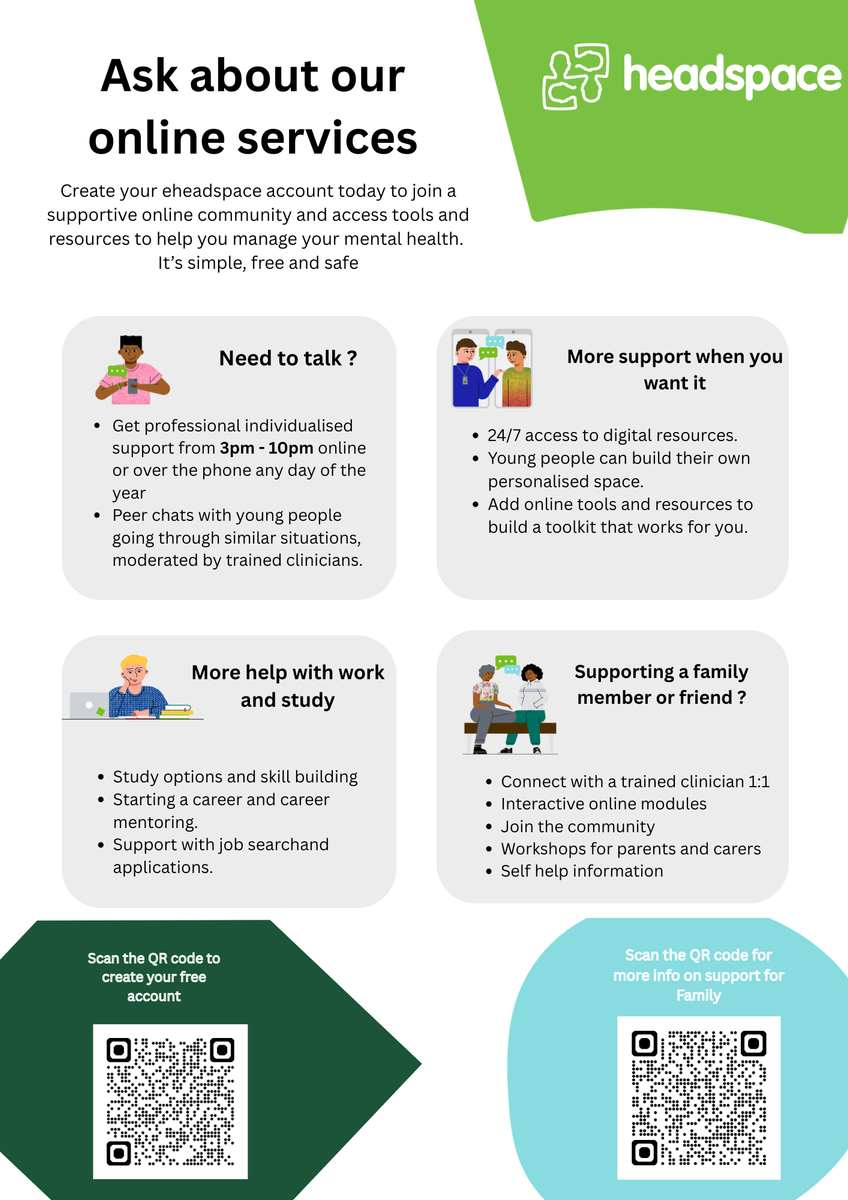
Headspace Services
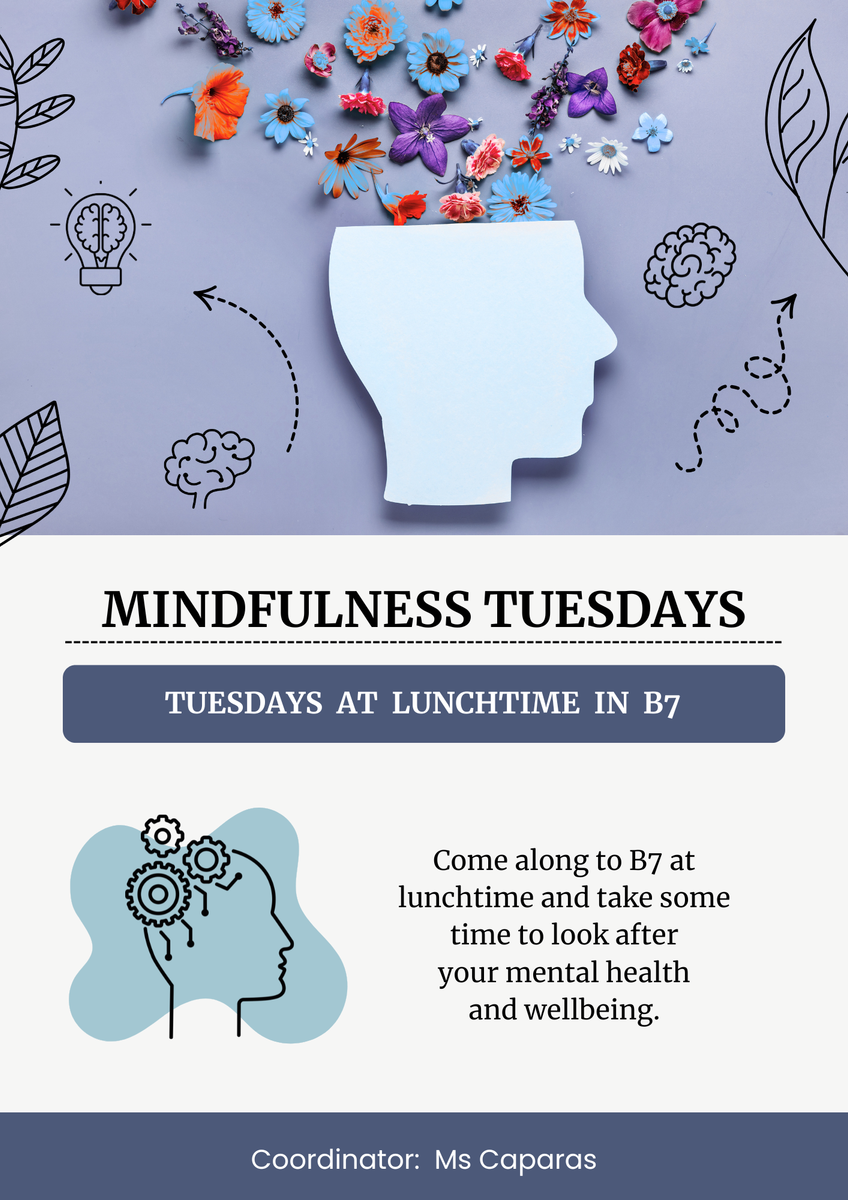
Mindfulness Tuesdays for Students
Stay well this Winter
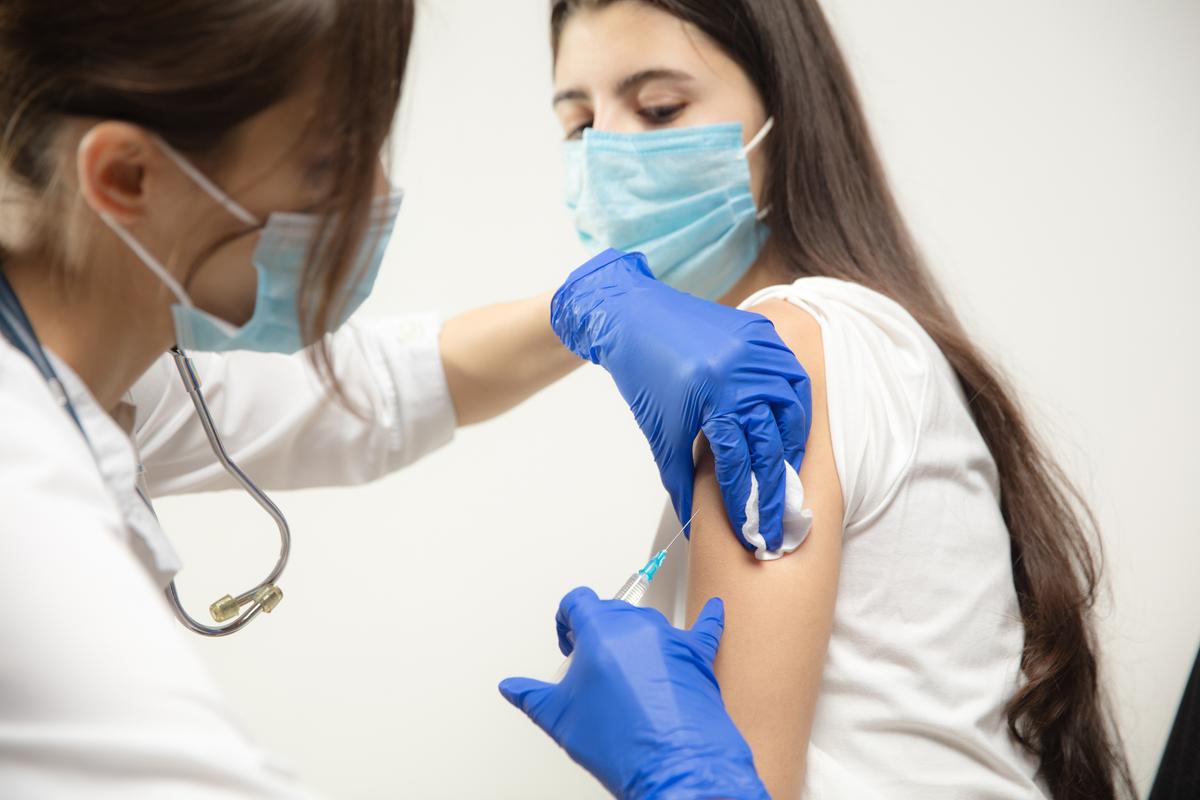
Influenza (flu) can be serious, especially for children.
Choose to protect yourself and your loved ones with an annual flu vaccine. The earlier you and your family get vaccinated, the better your protection heading into winter.
KEEPING OUR SCHOOL COMMUNITY WELL
We encourage parents and carers and students to:
wash or sanitise your hands thoroughly and regularly, particularly before and after touching your face
cough or sneeze into your elbow
stay home if unwell and consult your GP or Nurse-on-Call as needed
stay up to date with your flu vaccinations.
FLU VACCINATIONS
Flu vaccination is recommended for everyone aged 6 months and older.
Some people are more at risk of severe illness from flu, especially babies and toddlers. They can get a free vaccination as part of the National Immunisation Program.
You can book a flu vaccine through your GP or pharmacy, or find a flu vaccine near you.
RSV VACCINATIONS FOR MOTHERS AND BABIES
RSV (respiratory syncytial virus) is a common virus that causes colds and ear infections. In babies, it can cause severe illness like bronchiolitis.
The RSV vaccine is available for pregnant women as part of the National Immunisation Program. In Victoria, eligible babies can also get the RSV vaccine until Wednesday 30 September 2026.
You can speak with your GP or midwife about the vaccine.
FIND OUT MORE
For more information about staying well this winter, refer to:
your GP, pharmacist or midwife
the Better Health Channel – Don’t risk the flu campaign, including information about flu and other vaccines. This information is available in different languages
the Better Health Channel – RSV vaccine for mothers and infants
the Raising Children Network – influenza, COVID-19, bronchiolitis and helping your child prepare for vaccination.
Doctors at Secondary Schools Program
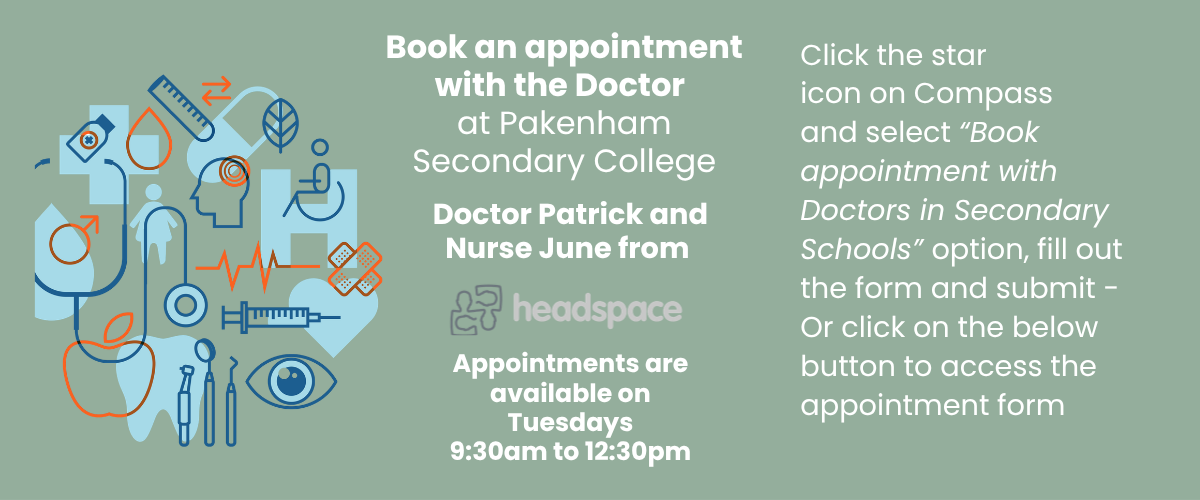
Pakenham Secondary College is part of the Doctors at Secondary Schools Program. As part of the program, Dr Patrick Halton, a Headspace adolescent-trained GP, will be at the school every Tuesday from 9:30am until 12:30pm, as well as Nurse June, a Headspace adolescent-trained nurse, to provide free access to primary health care for secondary students at our school.
You are welcome to attend consultations with them, if/when required.
Why is it needed?
We know that teenagers are the least likely of all age groups to seek health care, but we also know that many health problems that can have consequences into adulthood start at this time of life. This program seeks to address this issue.
What will the GP do?
The GP will provide students with the same services as the kind normally provided by GPs in the community, including seeing students about their physical and mental health, and sexual and reproductive health issues.
GPs may also make referrals to other health services as required. The GP will bulk bill consultations through Medicare, so there will be no out-of-pocket expenses for this service for your family.
This program is not designed to replace any existing medical arrangements your family may have in place. The GP in the school can provide a convenient alternative to primary care within schools hours, and encourage health care access to those students without an existing relationship with a GP.
The program is intended to provide better access to primary care for secondary school students. Therefore, parents, carers, guardians and other family members are not able to use this service at this time. All GPs in this program adolescent health training and will understand the health and wellbeing needs of teenagers.
Accessing the GP
The school GP office is located behind the Gym, next to the Log Cabin.
Please click on the below image to book an appointment.
Support Services
If you feel like you could do with the support of a professional, help is always available.
MyPlace - Cardinia - 1800 496 884
Youth Counselling and Support Service - Casey - 9792 7279
LifeLine - 13 11 14 - Provides counselling, information and referrals for people experiencing a personal crisis. Click here for the link.
Beyond Blue - 1300 224 636 - Provides advice and support for people experiencing depression and anxiety. Click here for the link
Suicide Call Back Service - 1300 659 467 - Provides free counselling for anyone (15 years+) who is suicidal or affected by suicide.
Kids Helpline - 1800 55 1800 - Provides free, private and confidential telephone and online counselling services specifically for young people aged between 5 and 25. Click here for the link.
E-HeadSpace - Provides free online or telephone support with a clinician via an online chat. This service is available for 12–25-year-olds, Click here for the link.
Reachout - Click here for the link.