
Careers Corner

Year 10 Work Experience Week
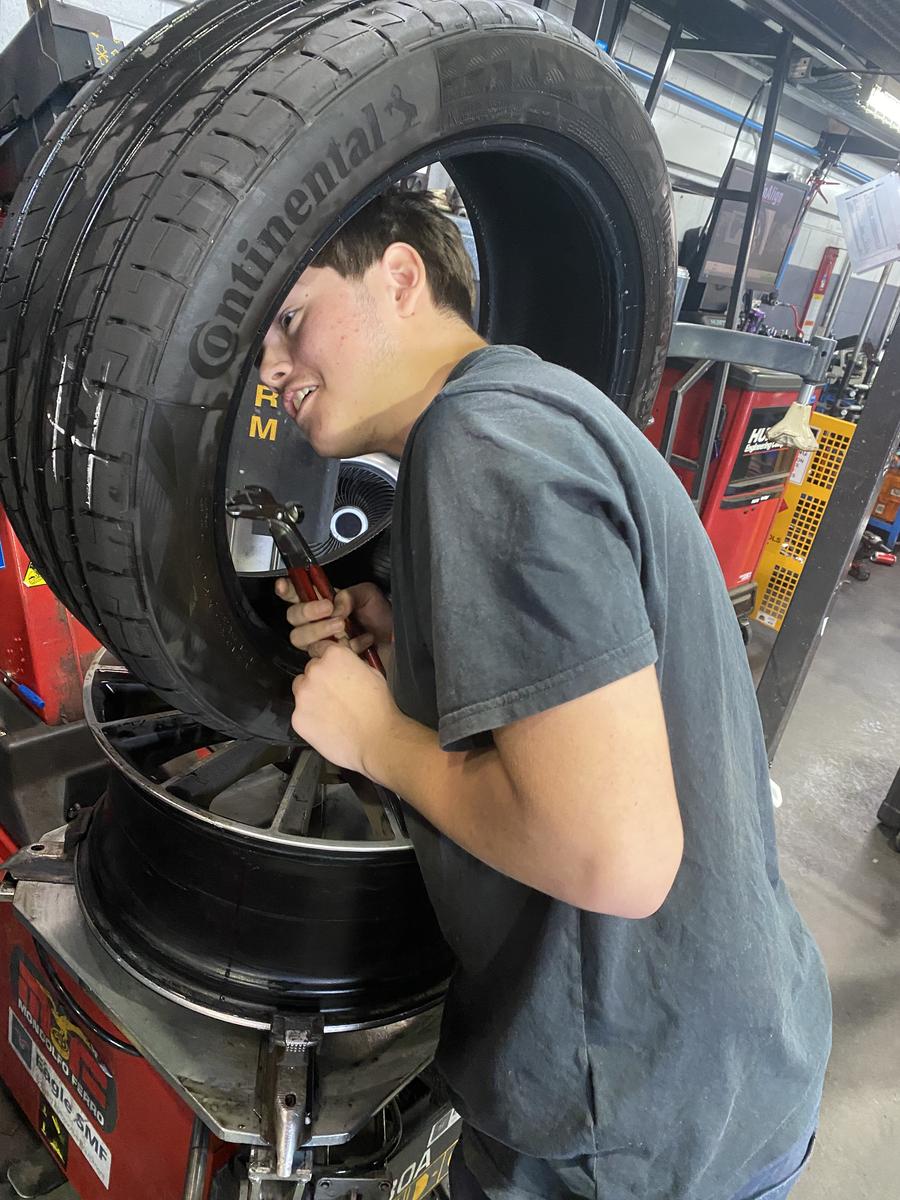
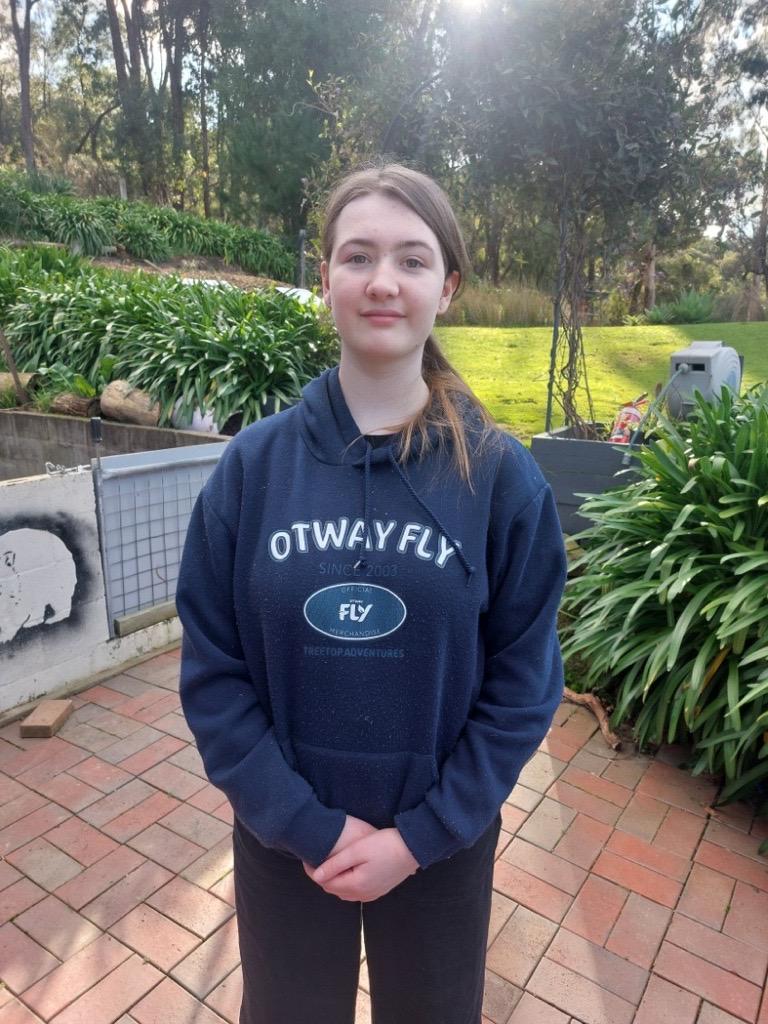
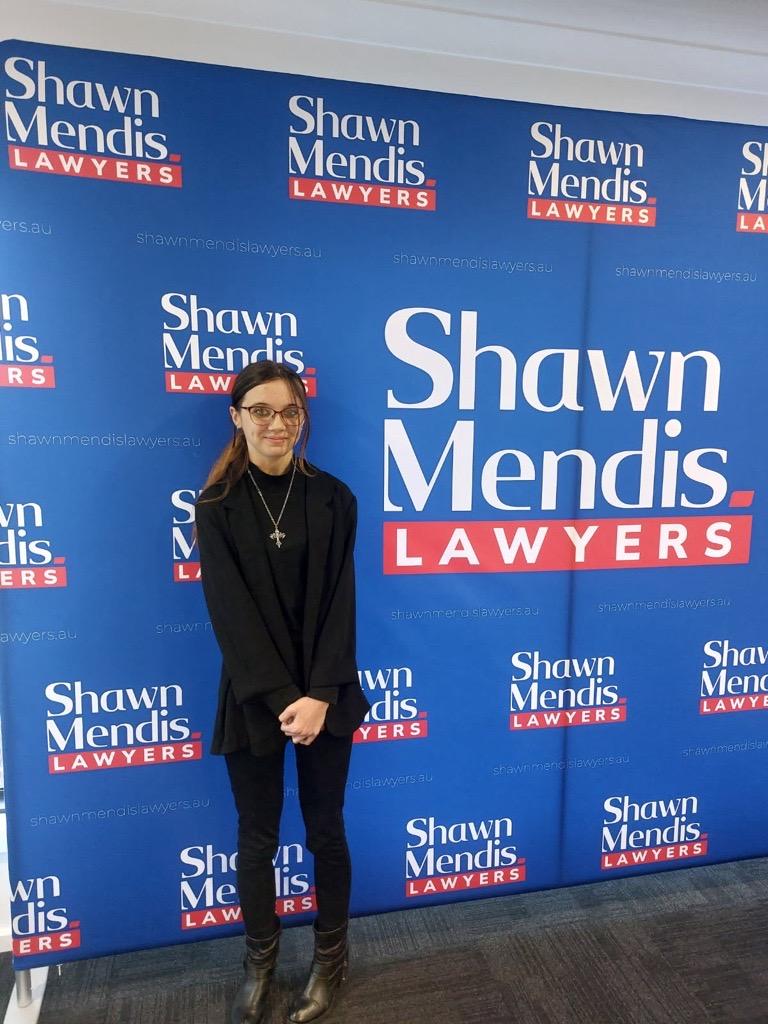
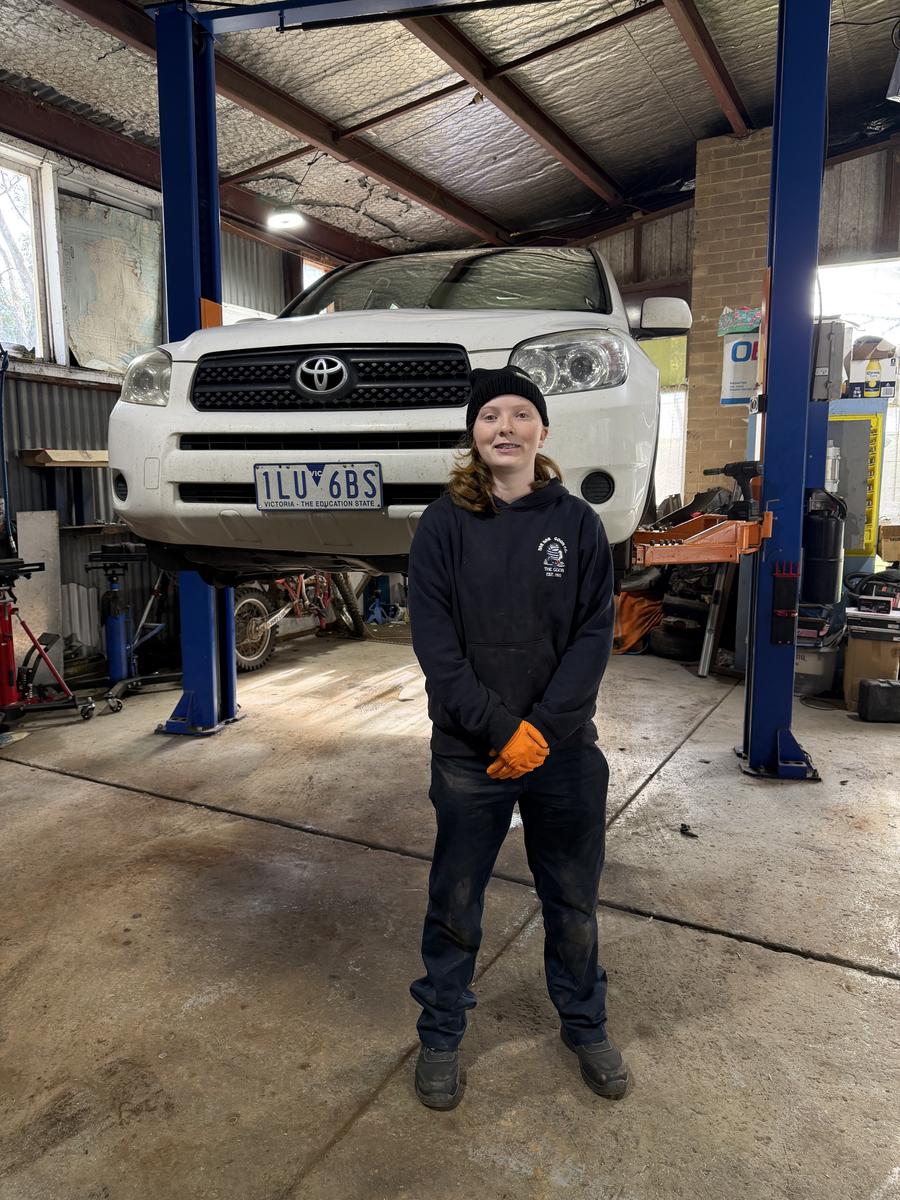
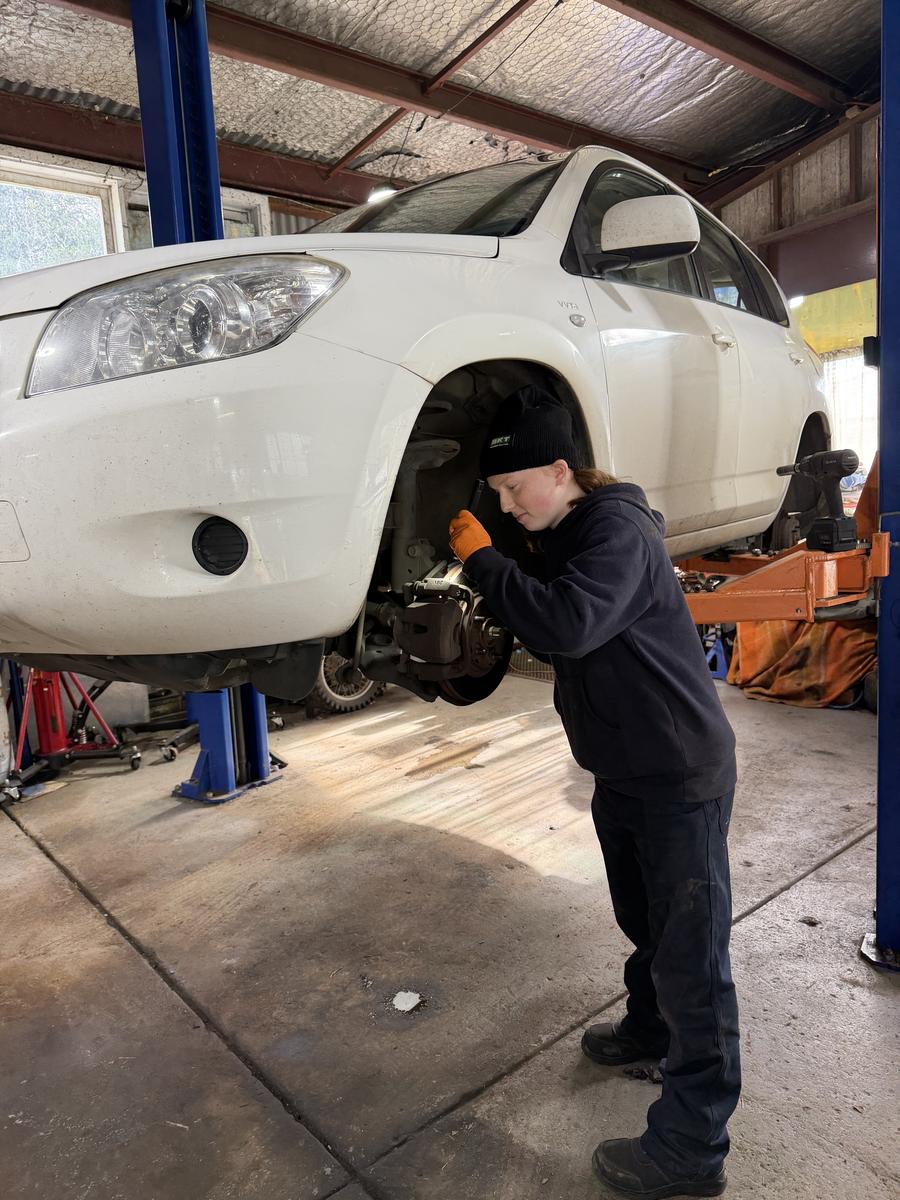
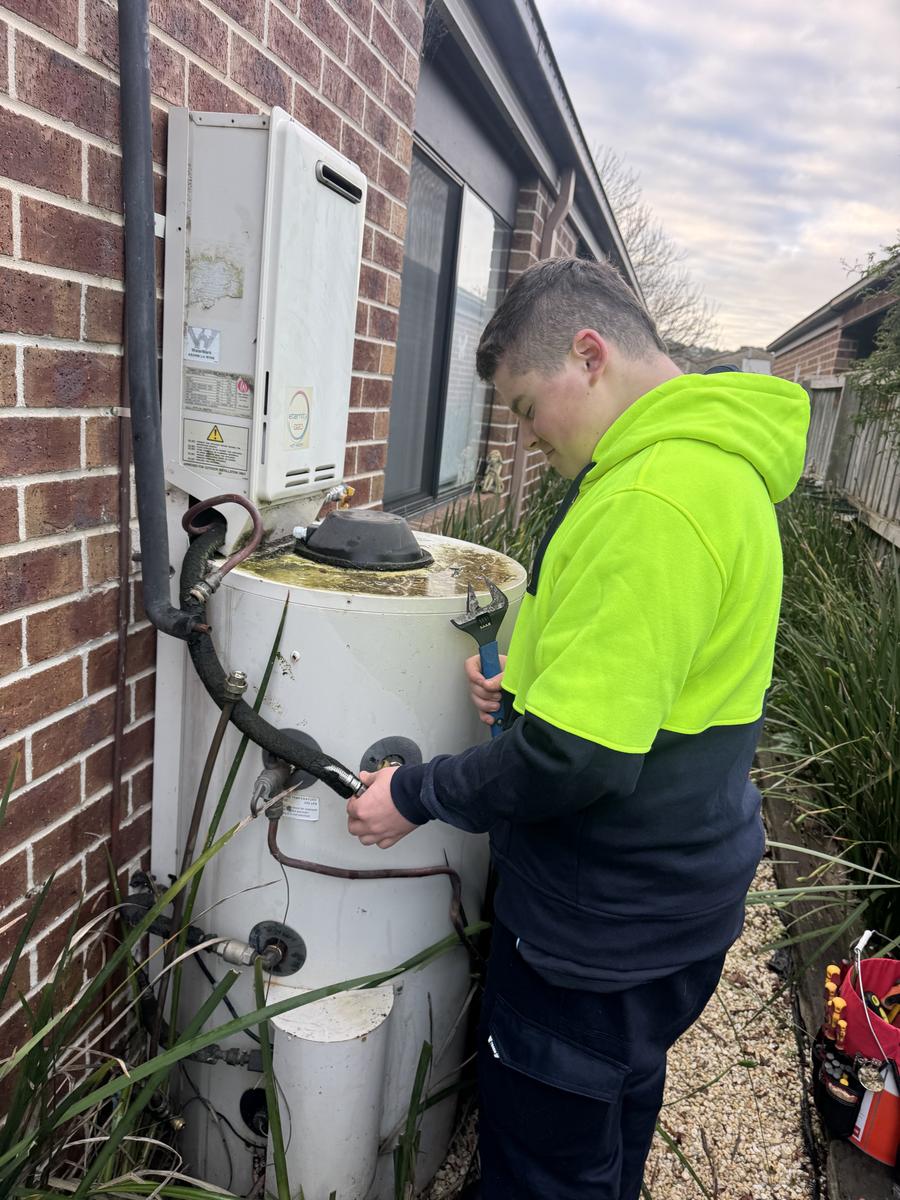

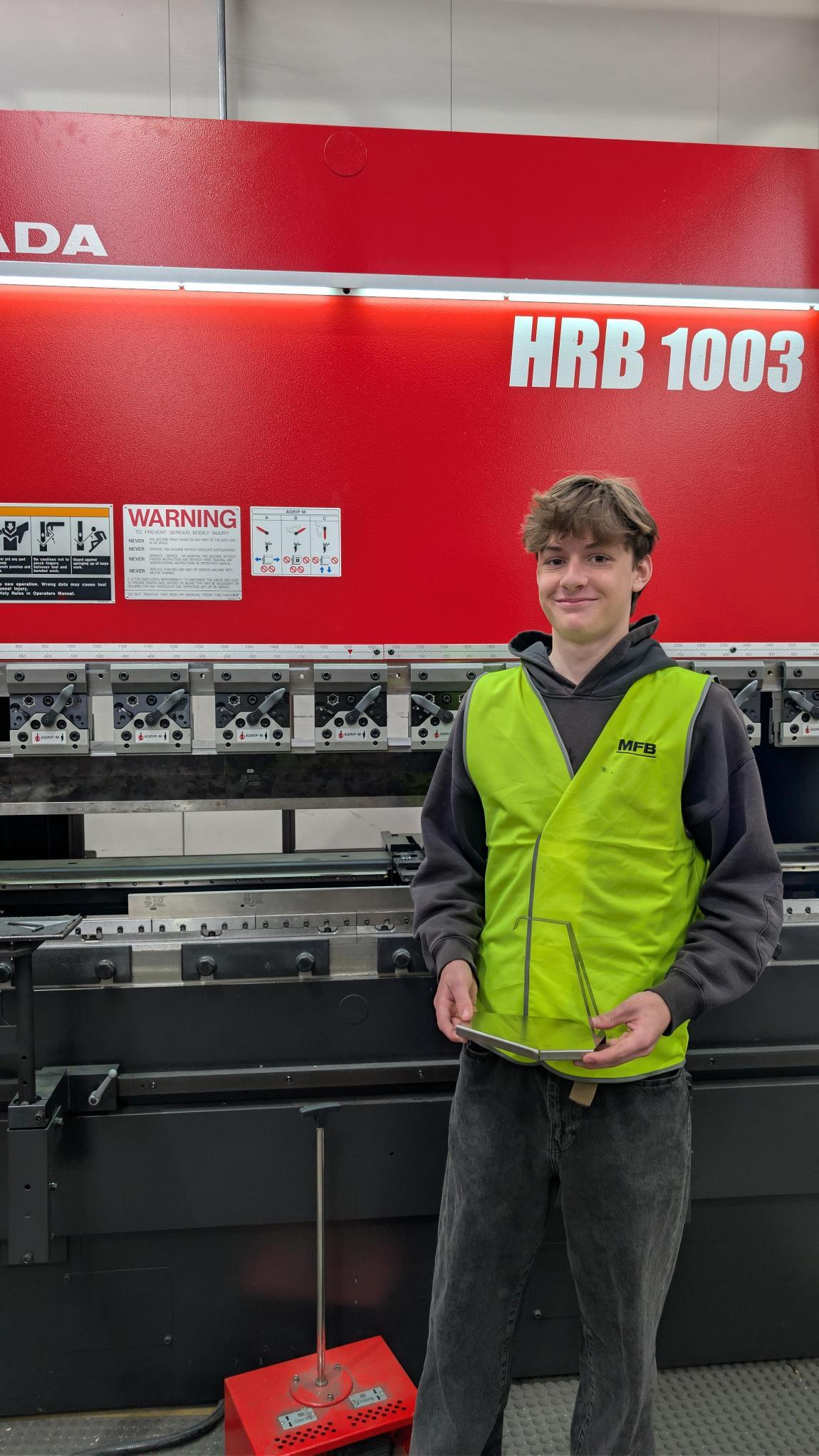
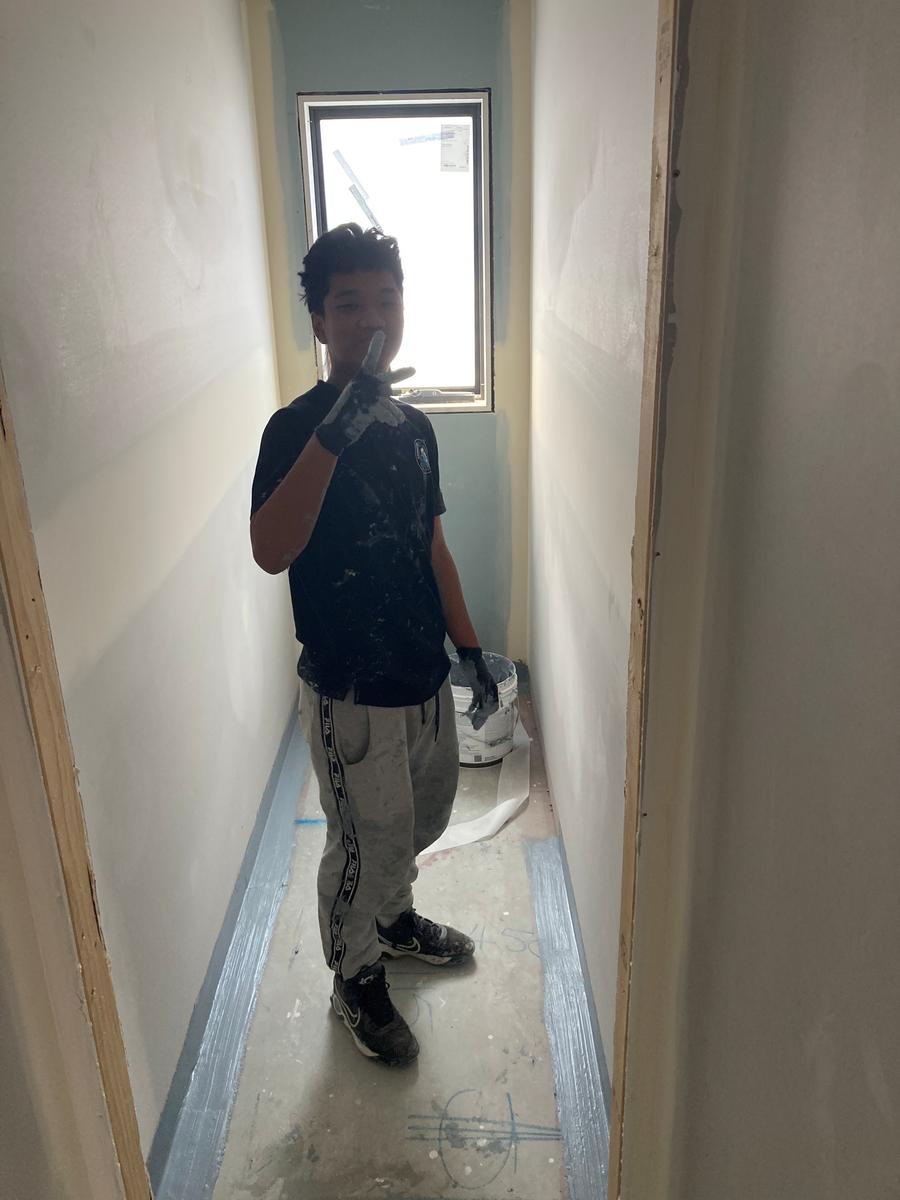
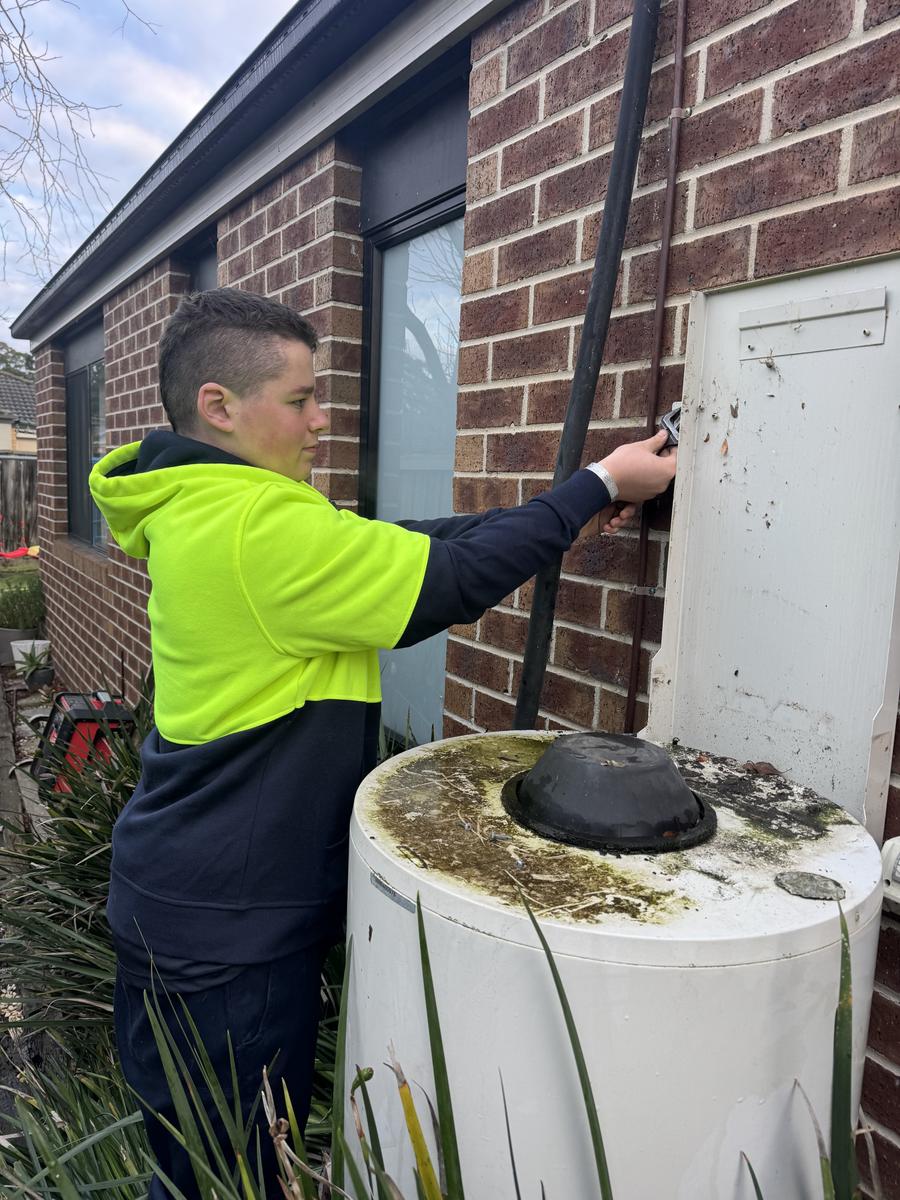
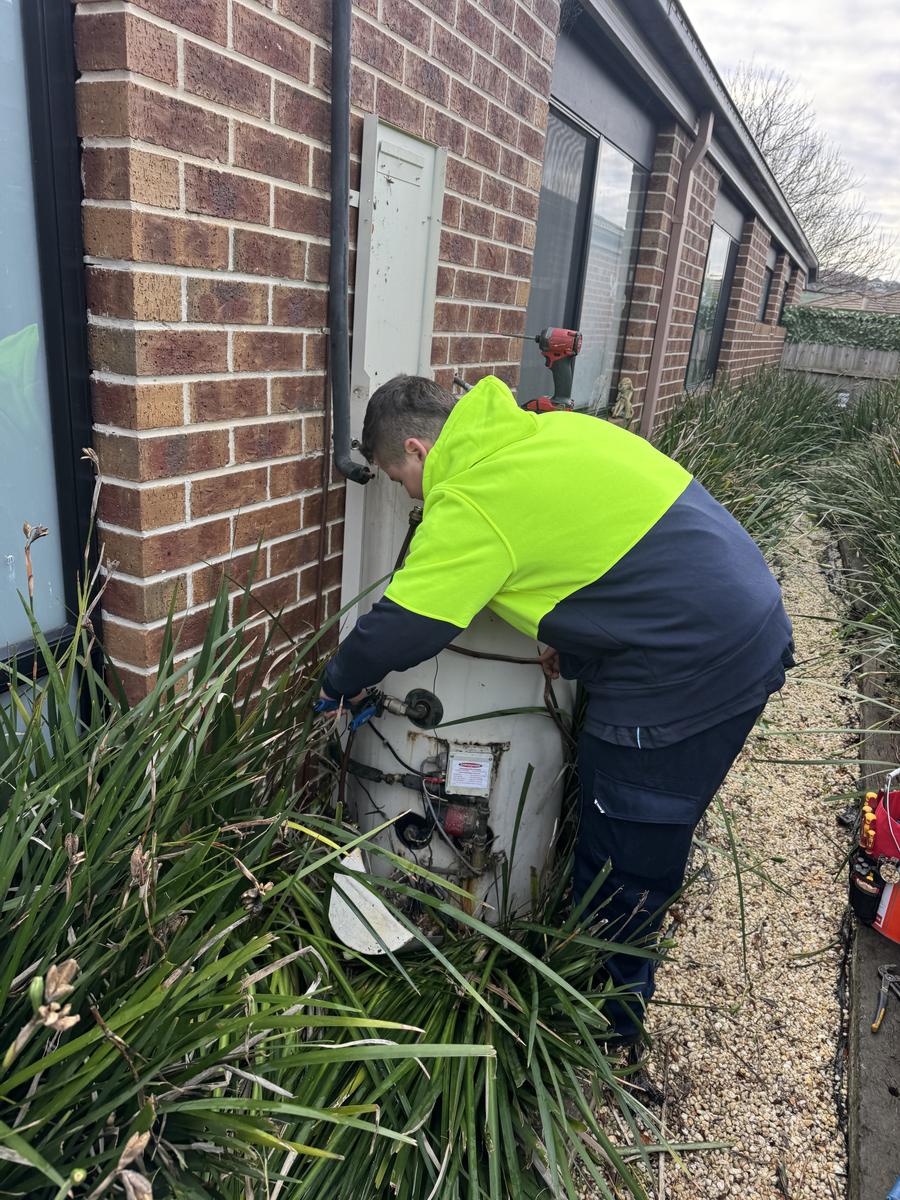
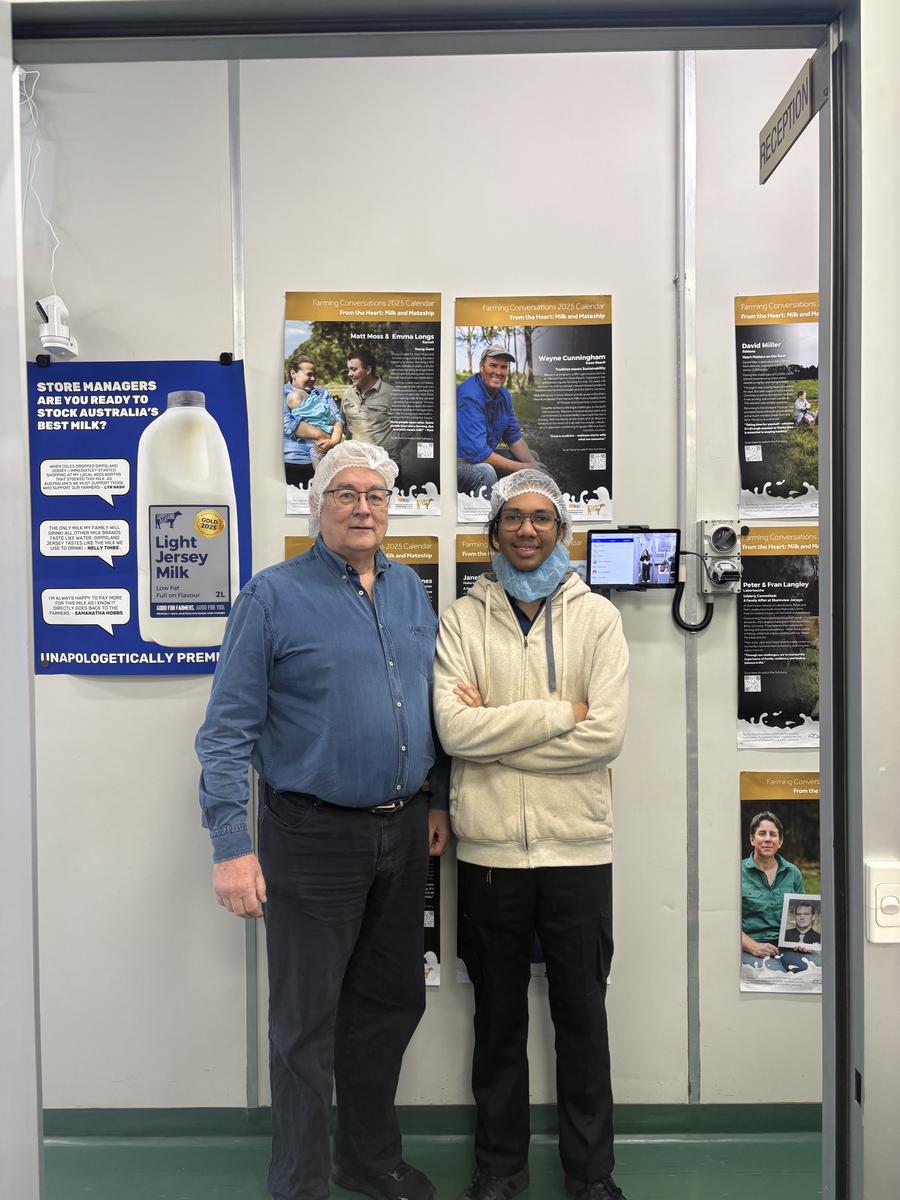
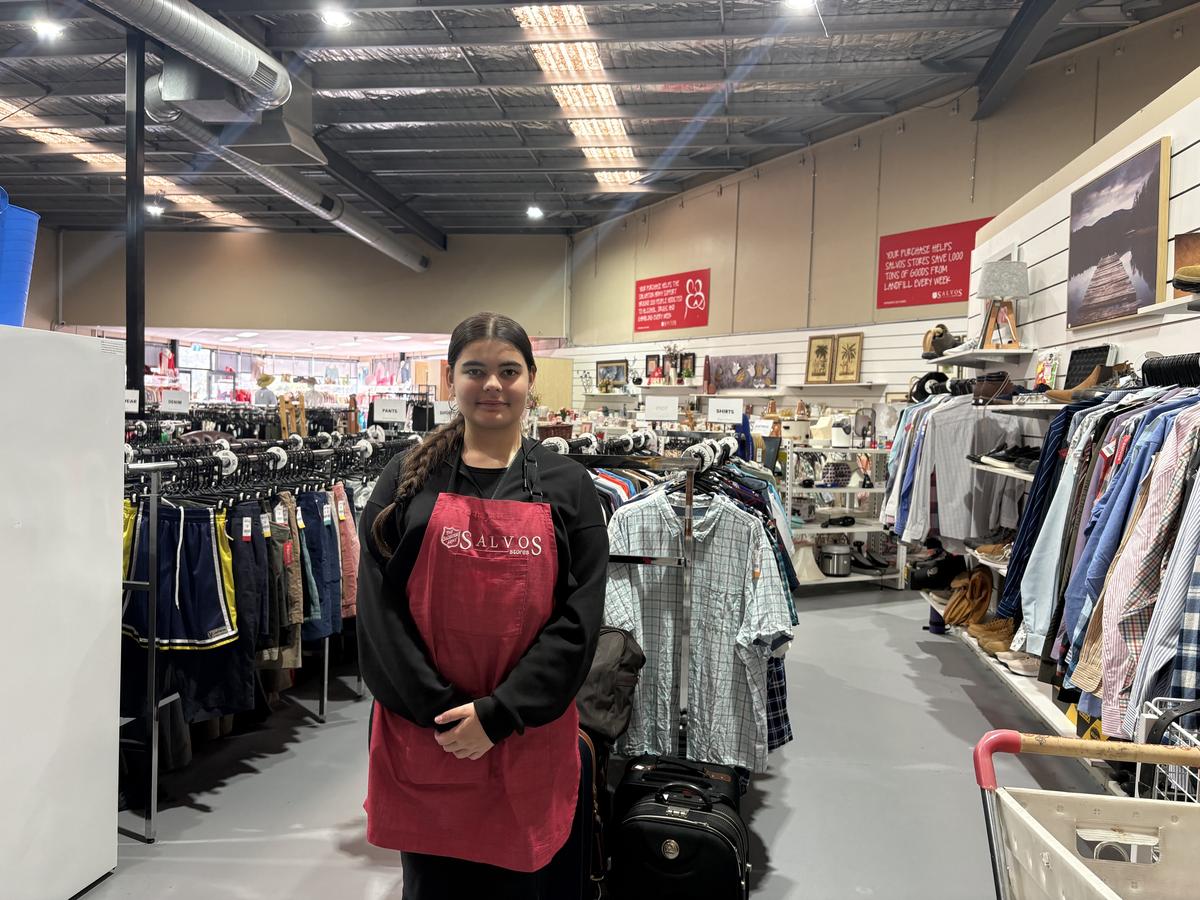

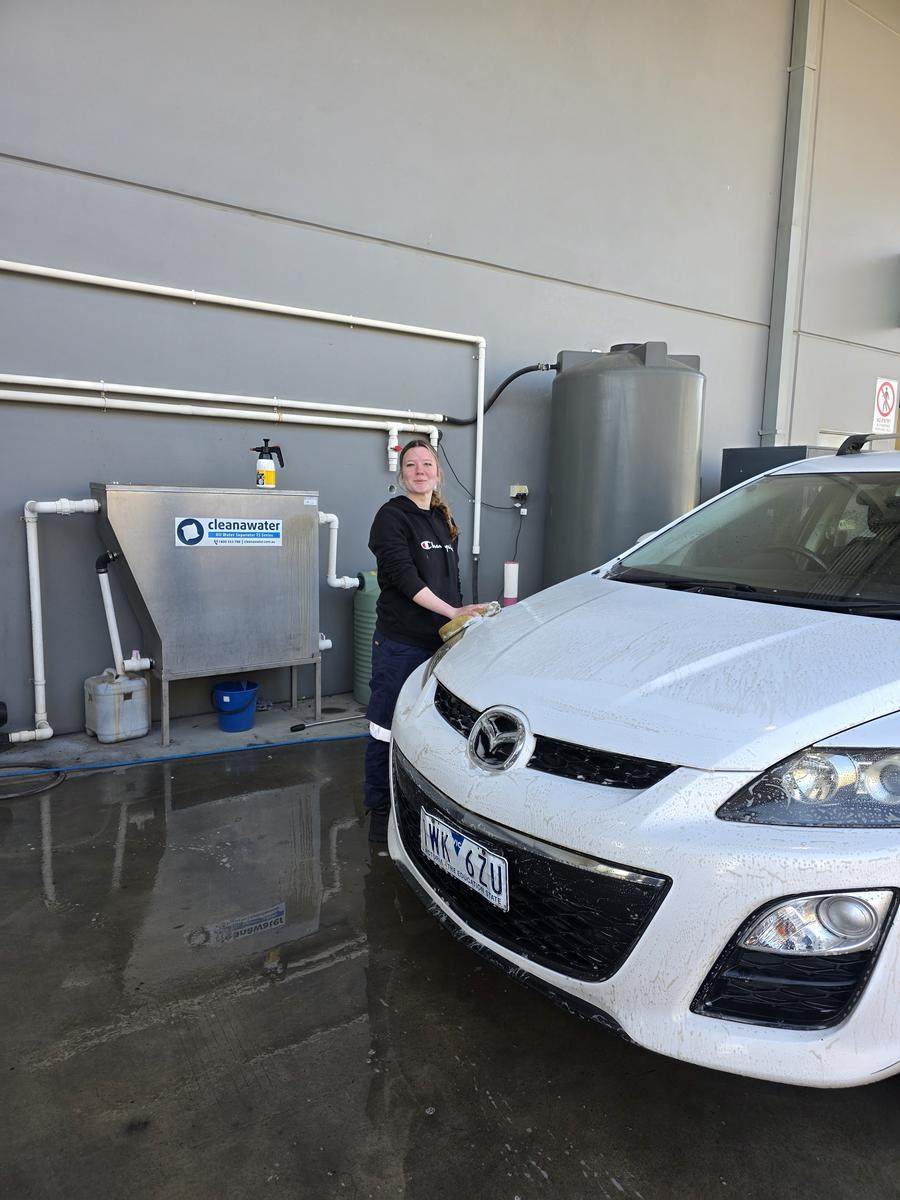
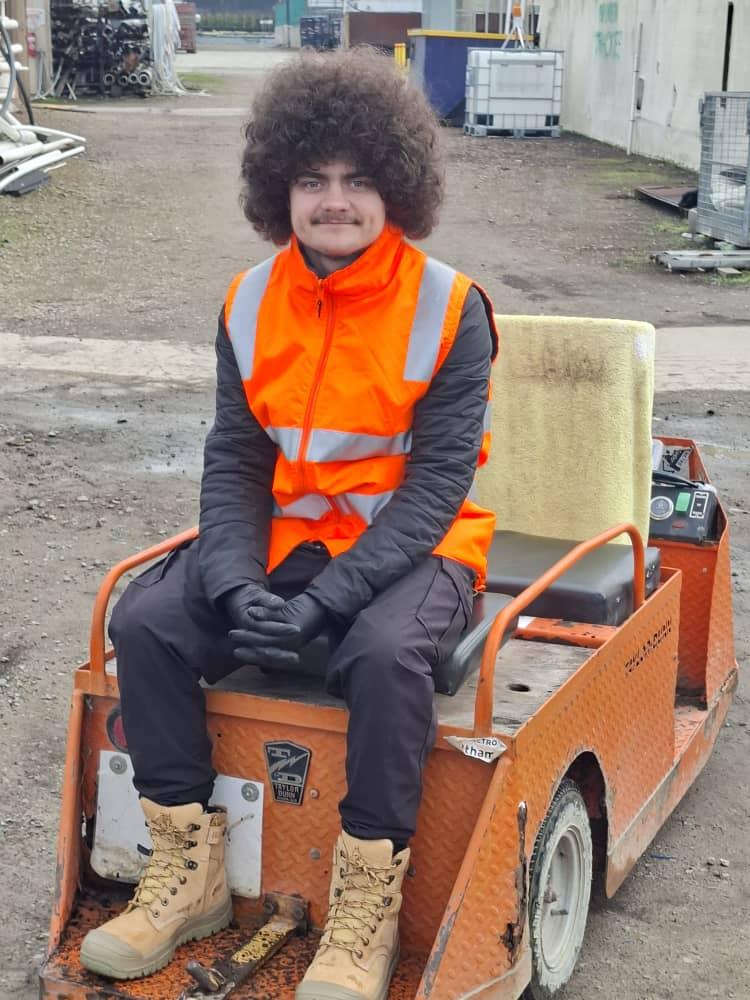
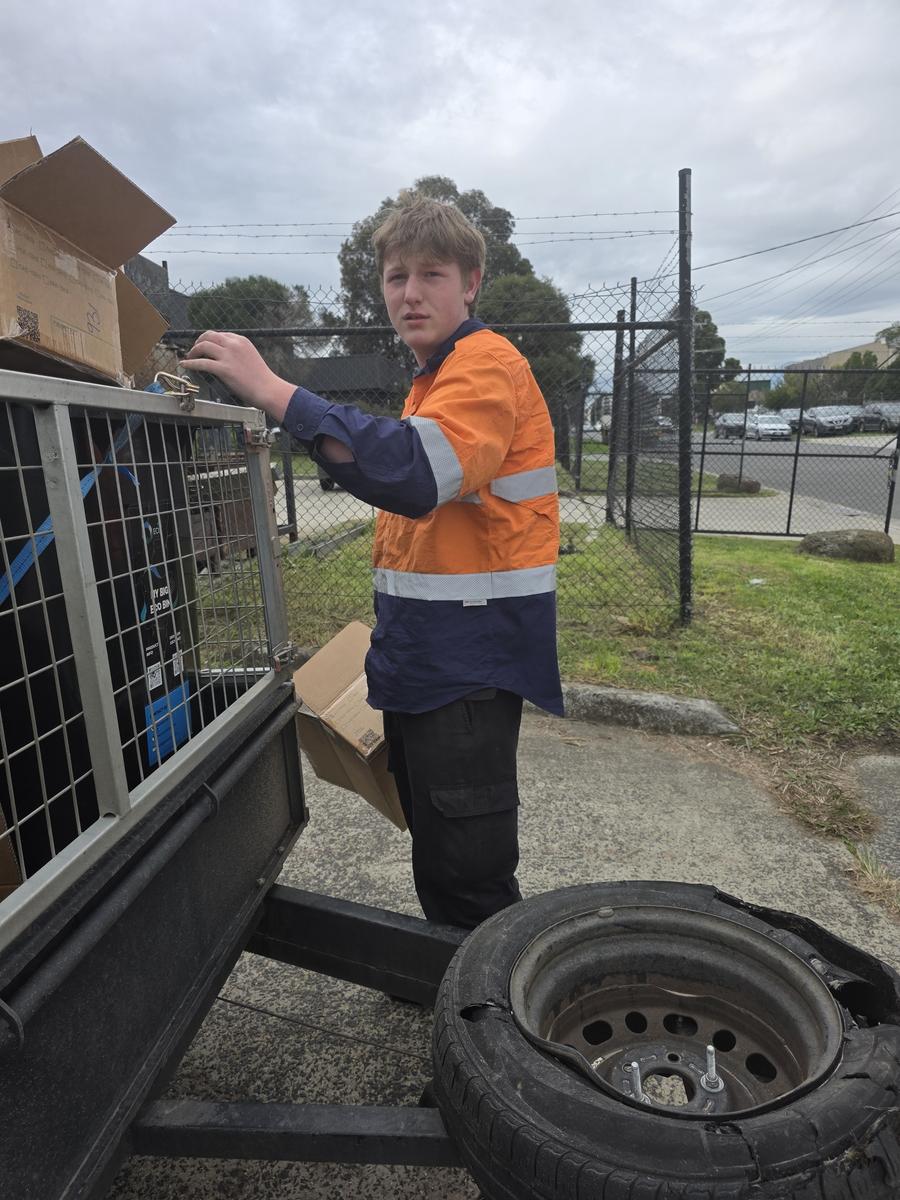
From Monday, 22nd June until Friday, 26th June, our Year 10 students participated in Work Experience placements across a wide range of industries and workplaces throughout the local community and beyond.
The program allowed students to step outside the classroom and gain firsthand exposure to workplace expectations, routines and responsibilities. Throughout the week, students developed important employability skills, including communication, teamwork, initiative and problem-solving, while gaining a deeper understanding of different occupations and industries.
Student Highlights

Paige and Toby
Paige and Toby
Paige at Warragul Vet
One of our students, Paige, completed her placement at Warragul Vet, where she explored the day-to-day operations of a veterinary clinic. During the week, Paige assisted with caring for cats and kittens, cleaning and preparing work areas, observing surgeries and consultations and supporting veterinary nurses with tasks such as taking temperatures and cleaning surgical equipment. Pictured with Toby, one of the animals she helped care for during the week, Paige gained practical knowledge of the skills and responsibilities involved in animal care and veterinary practice.
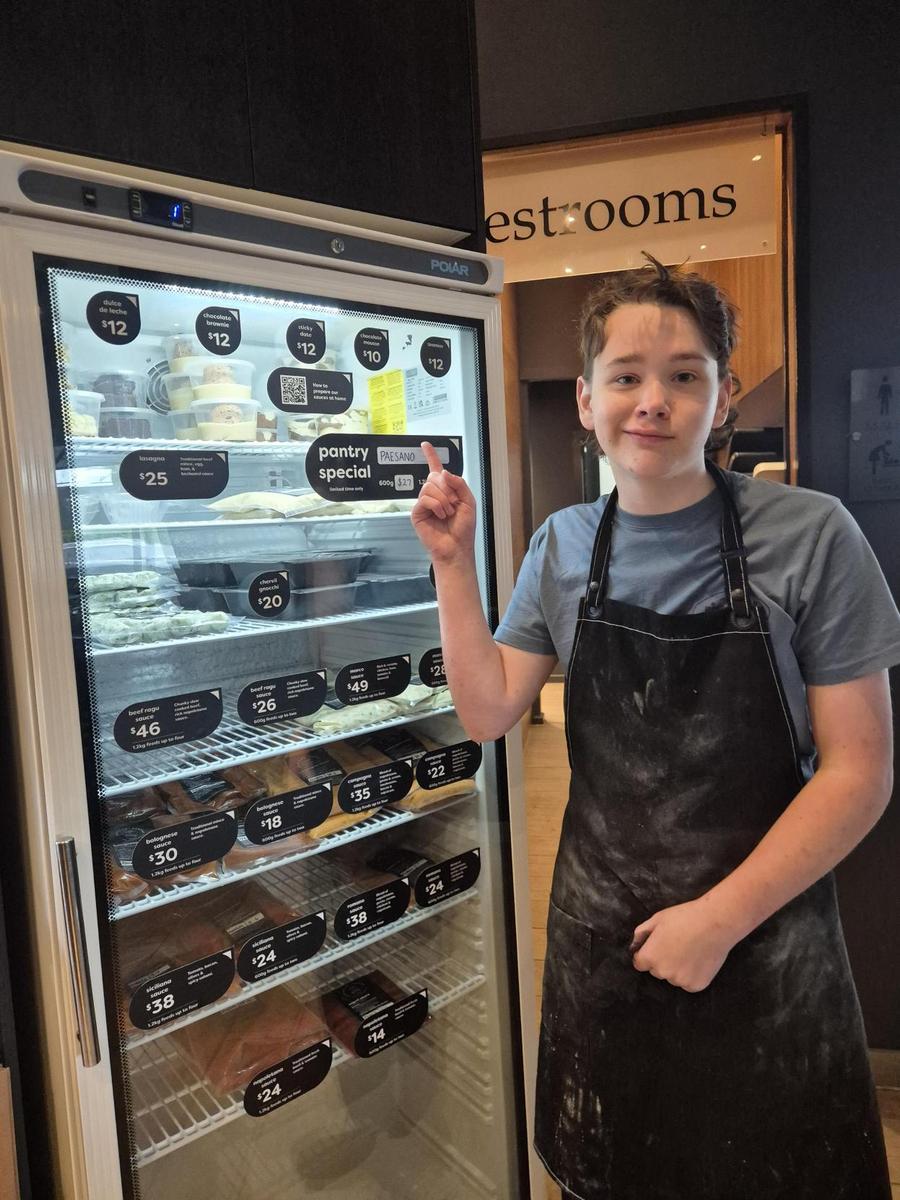
Callum at Shanikas
Callum completed his Work Experience placement at Shanikas Restaurant, where he experienced the pace and precision of a professional kitchen. During the week, he prepared desserts for the restaurant's takeaway fridge, including tiramisu and sticky date pudding, developing practical skills while contributing to food that was served to customers.
University of Melbourne Science Program
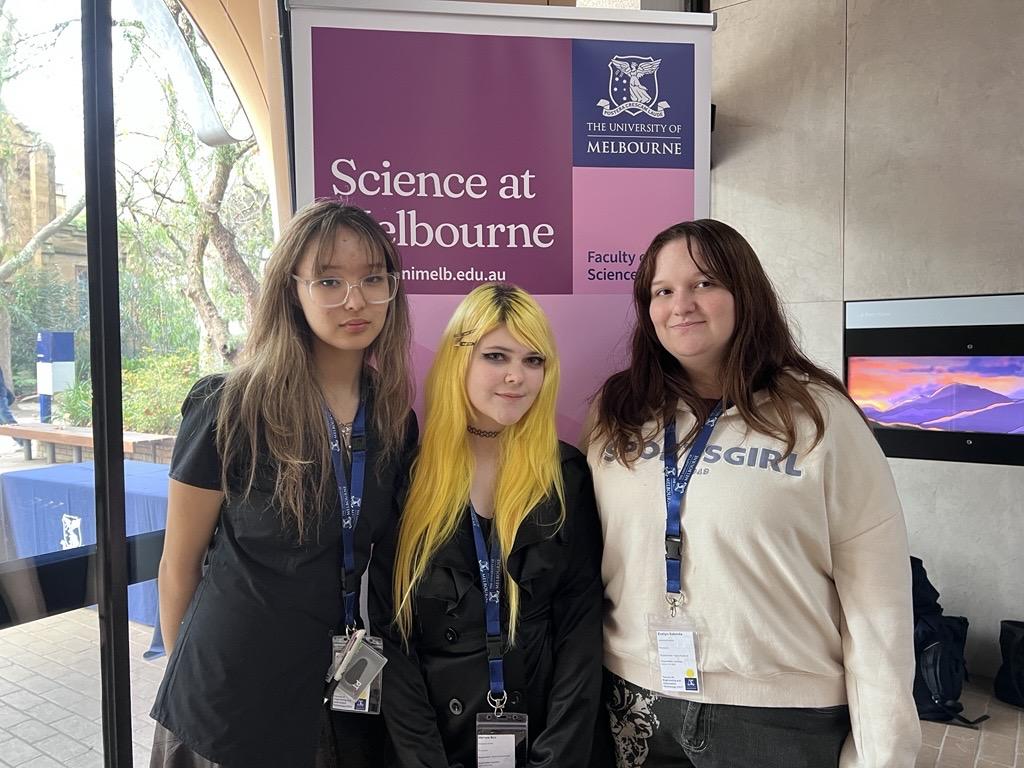
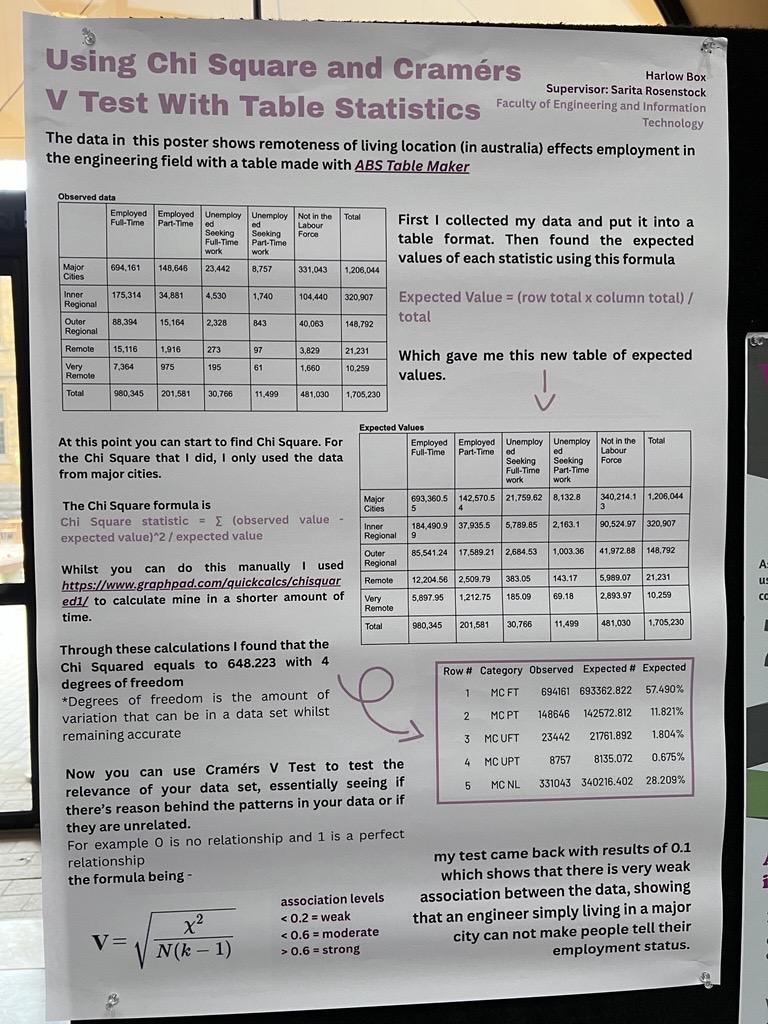
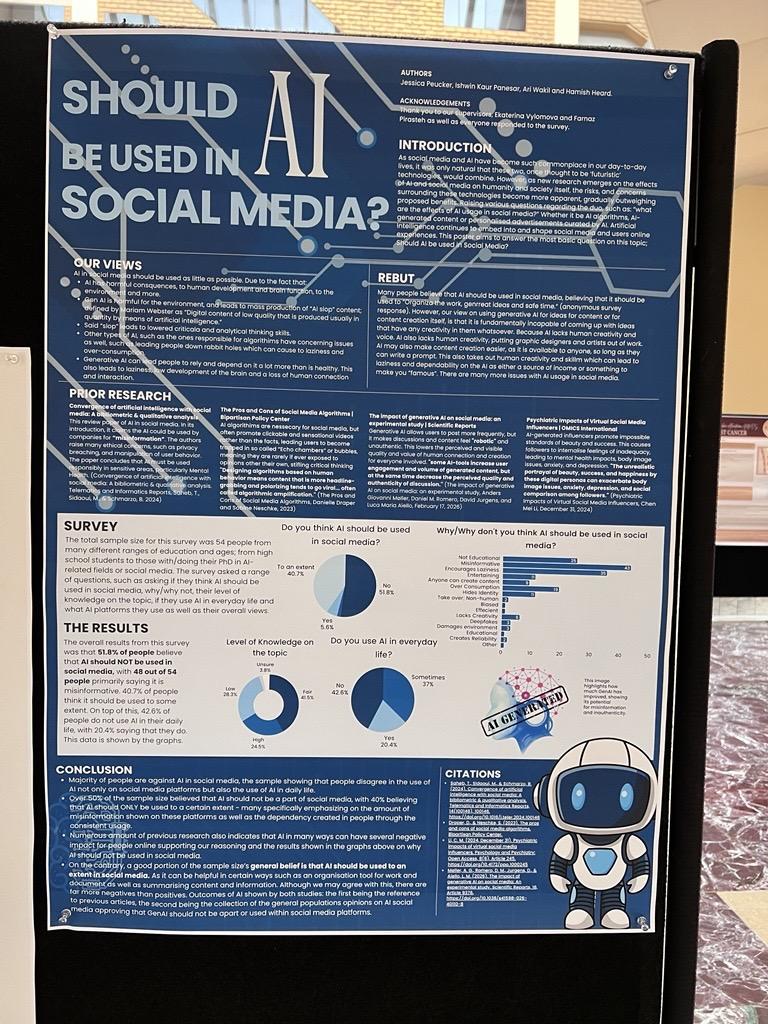
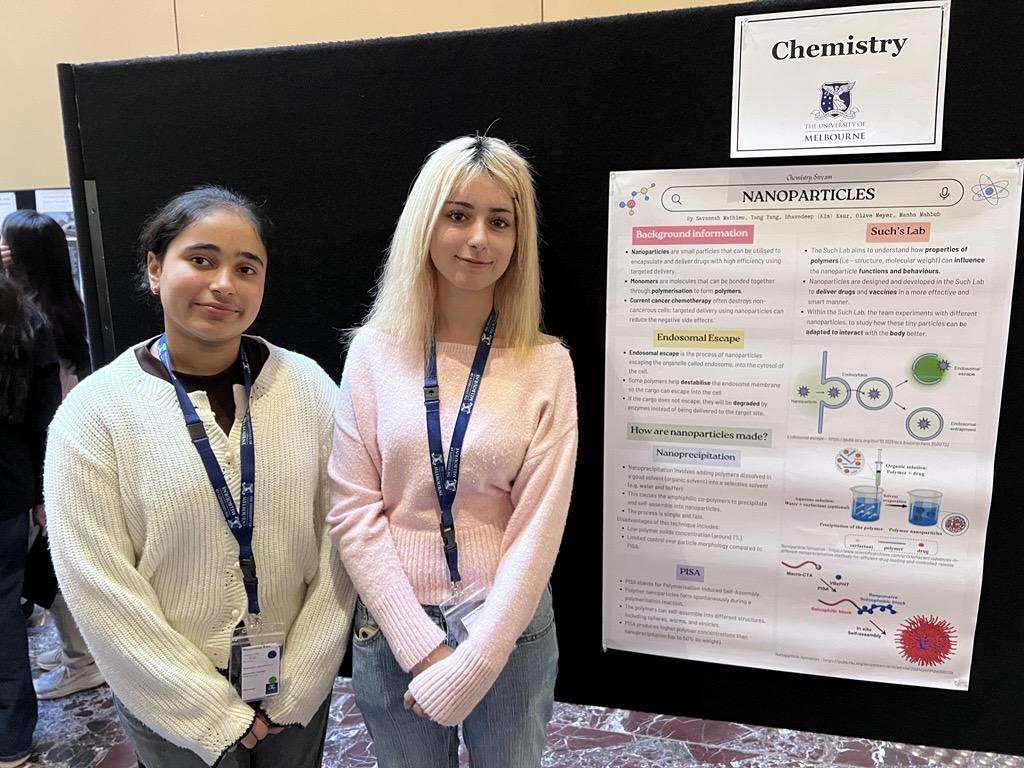
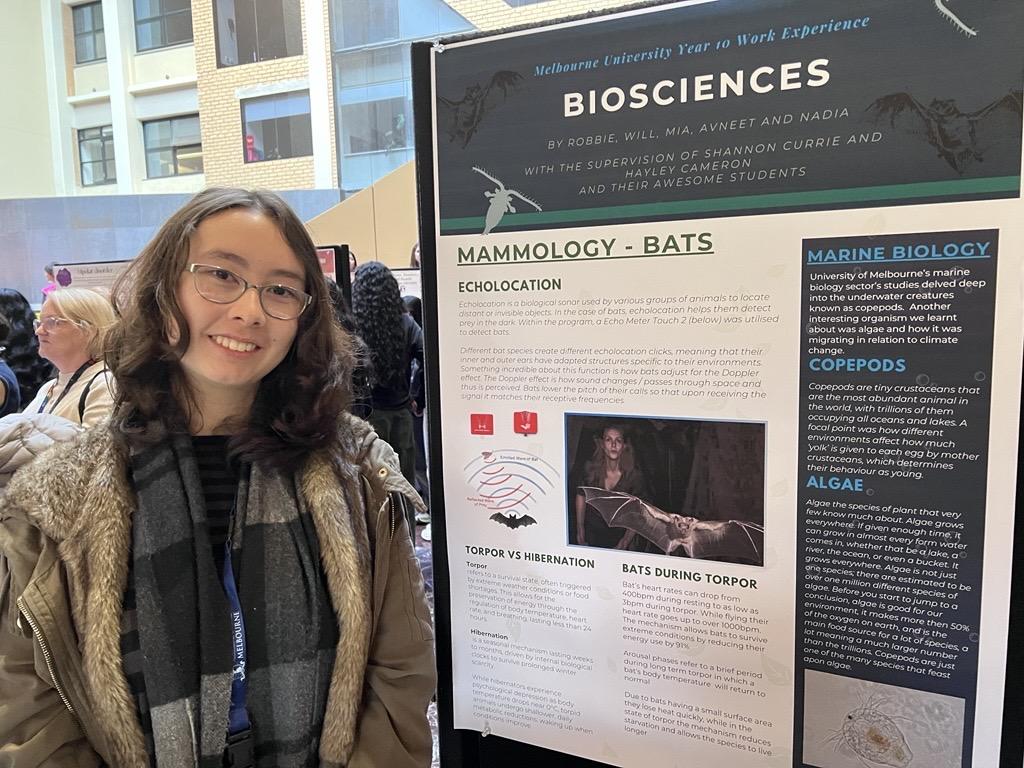
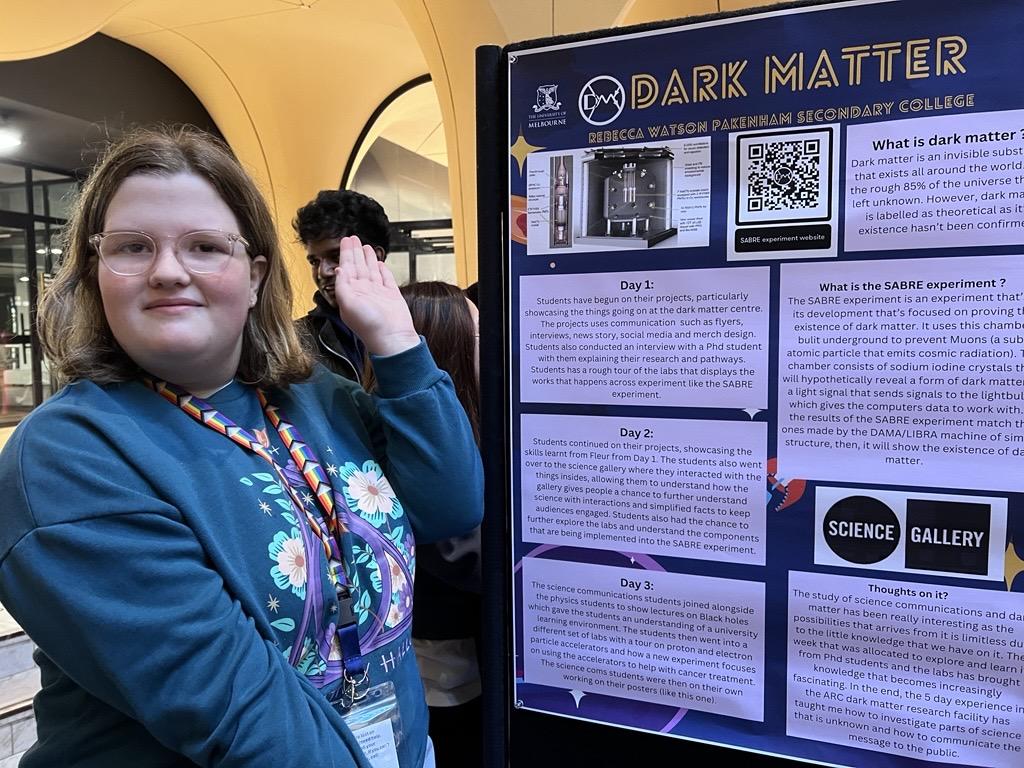
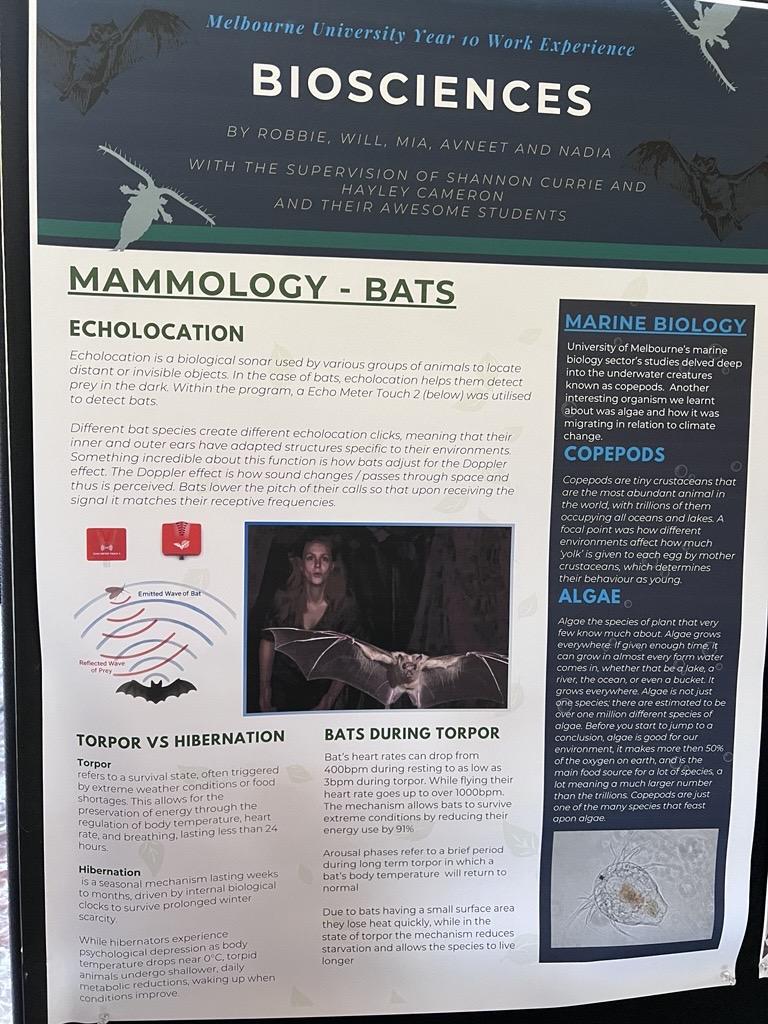
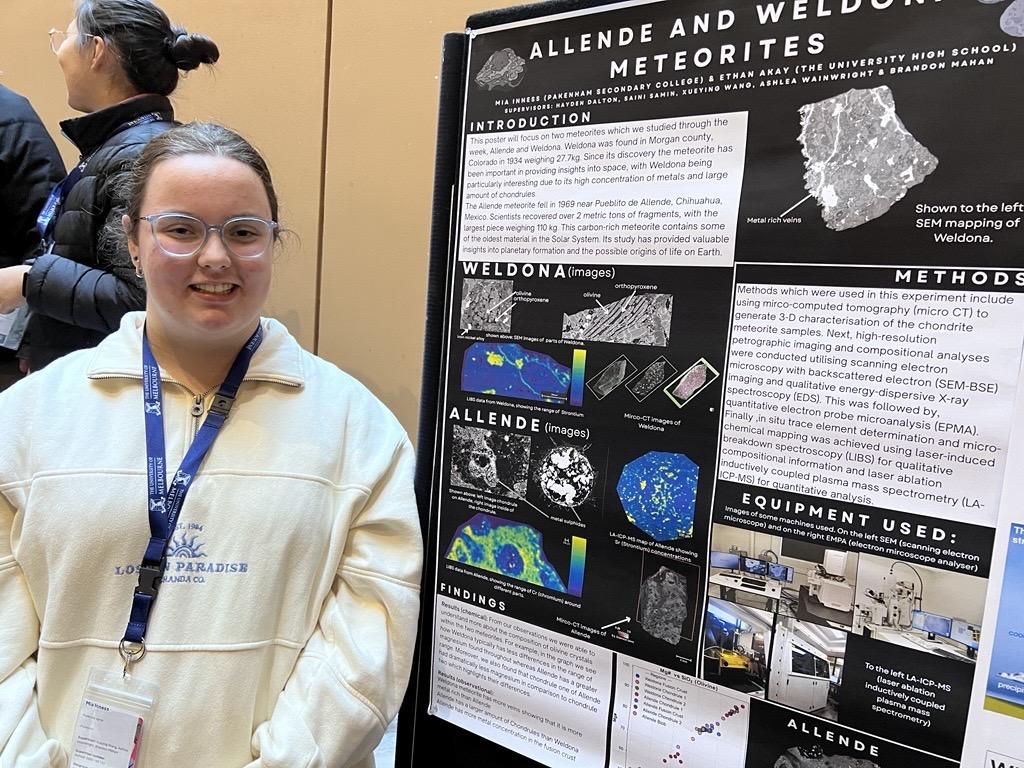
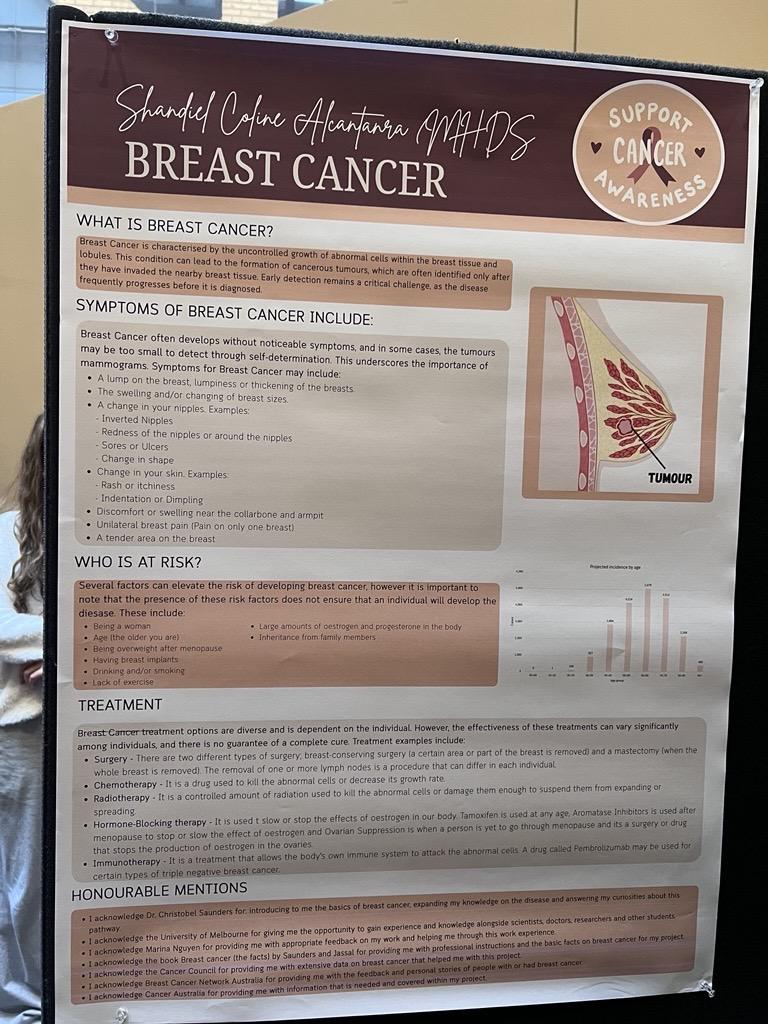
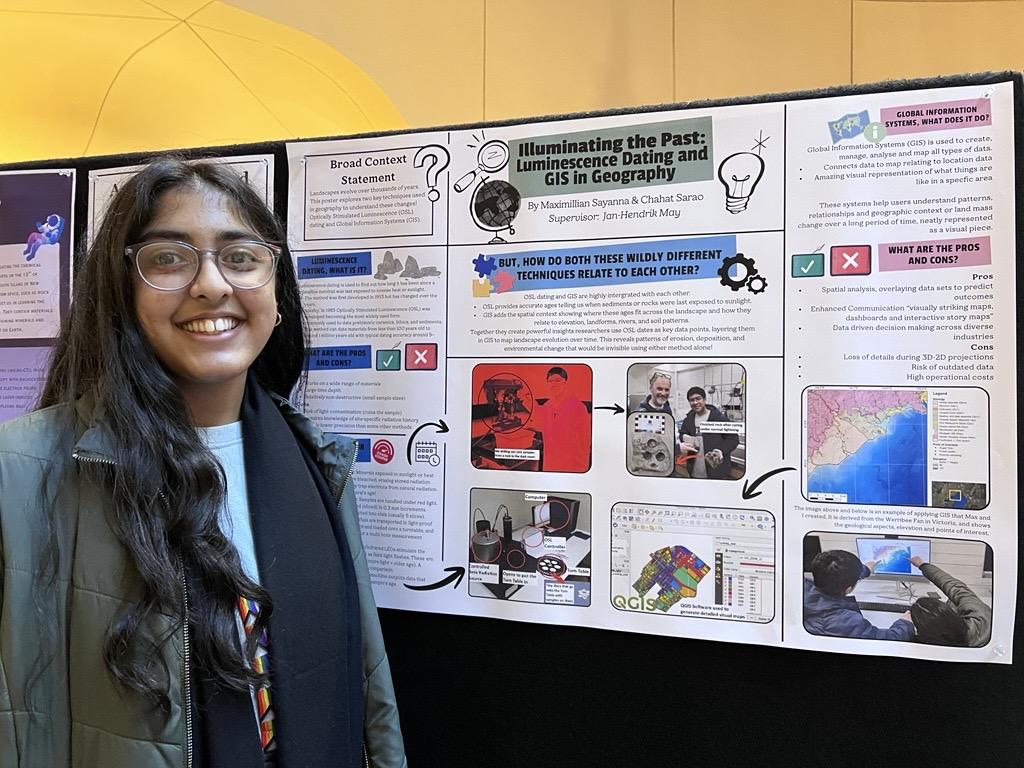
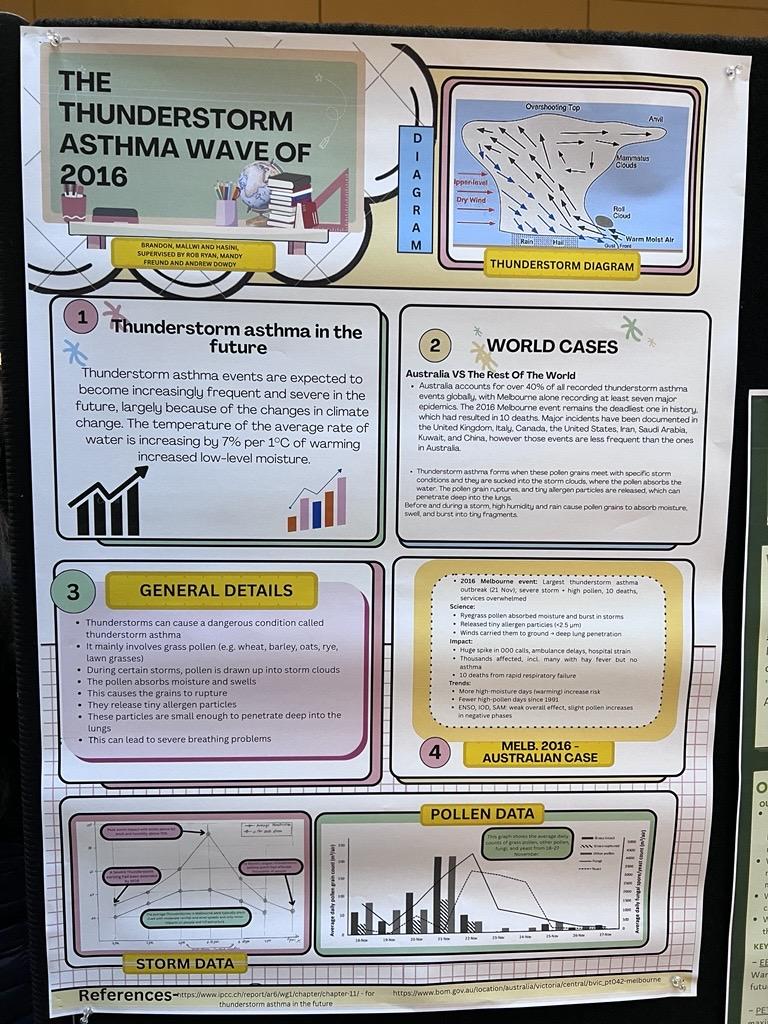
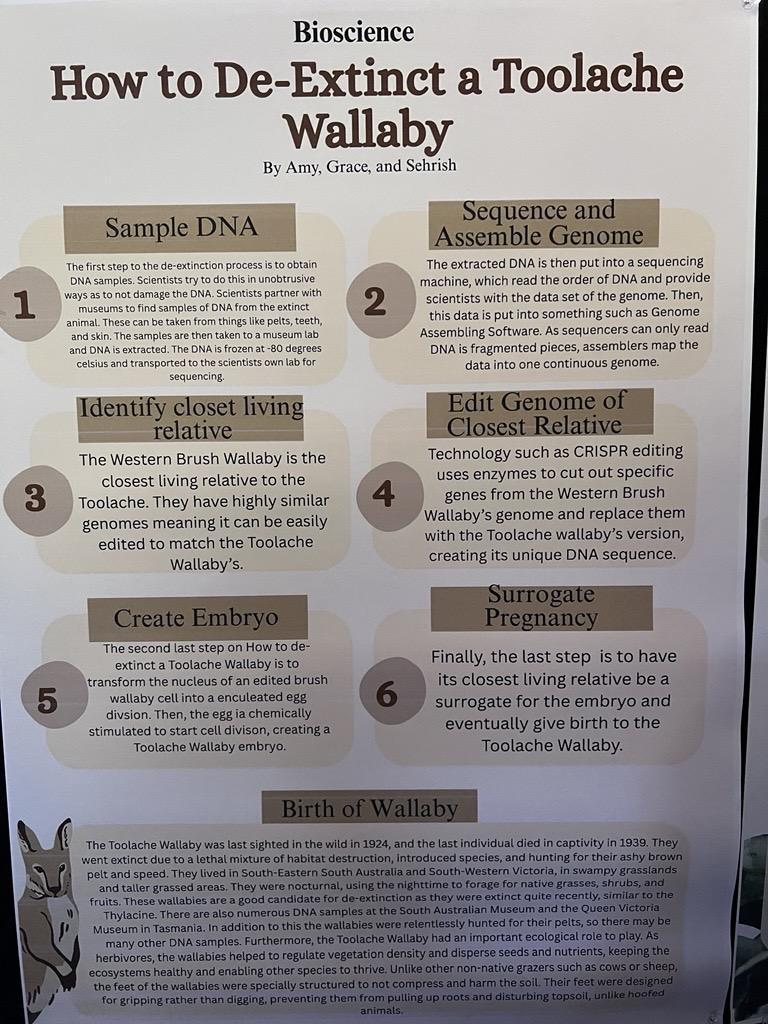
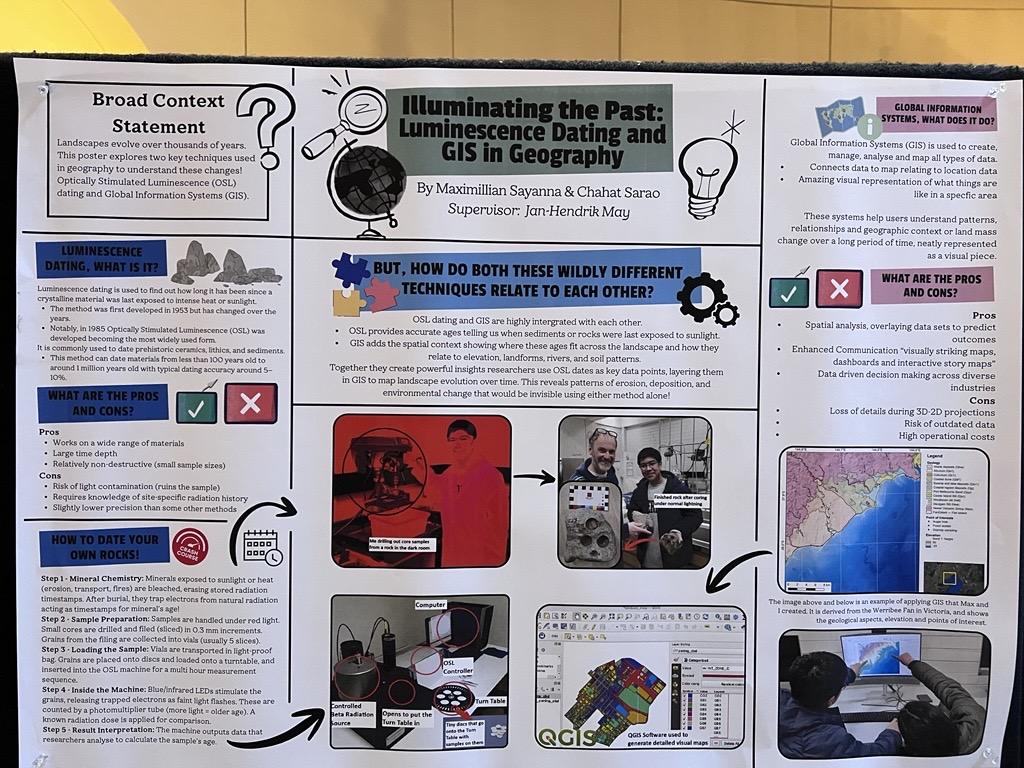
Thirteen of our students completed their Work Experience placement at the University of Melbourne's Science Building, where they participated in a research-based program. Working individually or in collaborative groups with students from other schools, they investigated scientific topics before presenting their findings in a formal exposition. Each student or group created a research poster to showcase their work, providing an authentic insight into scientific research and academic presentation.
Skills for the future
Throughout the week, our students represented Pakenham Secondary College with maturity and professionalism, embraced new challenges, adapted to unfamiliar workplace environments and built confidence in their abilities. For many students, the placement confirmed career interests, while for others it opened their eyes to new possibilities.
We sincerely thank the employers, businesses and organisations that welcomed our students and generously shared their time and expertise. Their support plays an important role in helping young people explore career options and make informed decisions about their future.
We also acknowledge the support of our families, staff and Careers and Pathways team, especially Ms Lesley McKay, in making the program possible. We hope our students return with fresh perspectives and a greater appreciation of the many pathways available after secondary school.
Australia’s green jobs boom is already here
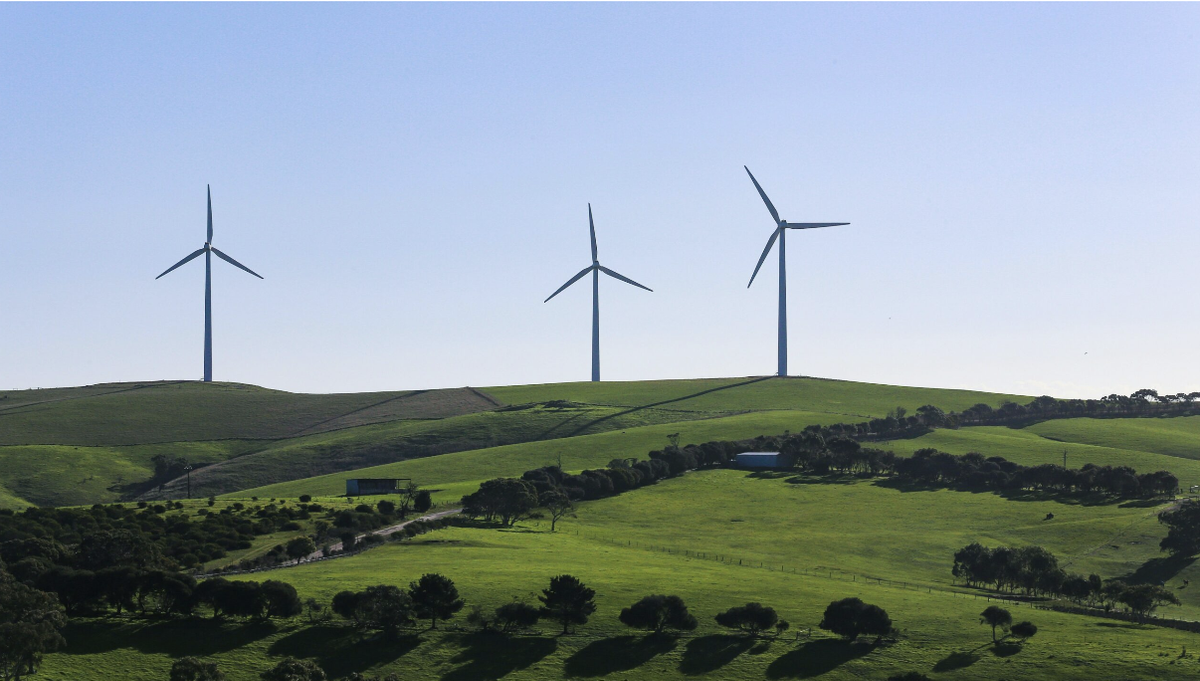
If you ask most people to picture a “green job,” they’ll describe something specific. A scientist collecting water samples. Someone in a hard hat next to a wind turbine. Maybe a marine biologist.
It’s a bit like asking someone to picture a “computer job” in 1995 and getting back: a guy fixing printers. Not wrong. Just missing about 99% of the picture.
The gap between 40% and 82% is where the jobs are
Australia has committed to cutting emissions by 43% by 2030 and hitting net zero by 2050. Getting there requires physically building an enormous amount of new infrastructure: solar farms, wind projects, battery storage systems, transmission lines, hydrogen facilities, and the grid upgrades that tie it all together.
According to the Clean Energy Council and Jobs and Skills Australia, building that infrastructure is projected to create 450,000 jobs by 2030, around one third of all projected jobs growth across the entire Australian economy over that period. Renewable energy already makes up close to 40% of Australia’s national electricity grid. The government’s target is 82% by 2030. The gap between those two numbers is where the work is.
This is not just an engineering story
Think about what it takes to build a solar farm in regional Queensland or a wind project off the coast of Victoria. Civil construction workers and project managers plan and build the site. Electricians connect it to the grid. Logistics coordinators manage the equipment, a lot of it imported and all of it time-sensitive. Procurement specialists, contract administrators, financial analysts, lawyers, and communications professionals all have roles before a single panel goes in the ground.
Once it’s running, operations technicians, maintenance crews, data analysts, and asset performance specialists keep it going. AEMO, which manages the national electricity grid, is the kind of employer that sits at the centre of all of it, hiring across engineering, data, markets, and operations.
And then there’s the part of this story that barely gets covered: what’s happening inside finance and corporate Australia. ESG reporting, which stands for Environmental, Social and Governance disclosures, is now a regulatory requirement for large companies. Carbon accounting is a real and growing profession. Climate risk assessment is being built into how banks and superannuation funds make decisions.
Macquarie, for example, is one of the world’s largest green infrastructure investors, with entire teams dedicated to financing and managing clean energy assets. Firms like Deloitte and PwC have built out significant sustainability and ESG advisory practices in Australia, hiring graduates from finance, law, and accounting into roles that didn’t exist a decade ago. Sustainability analysts, ESG auditors, green finance specialists: these roles are being created right now, in CBD offices, not on wind farms.
About those electricians
Jobs and Skills Australia has been specific about the numbers. Australia needs 32,000 additional electricians by 2030, and 85,000 more by 2050. That’s one trade, in one sector. The Clean Energy Council puts the total workforce shortfall at 40,000 people just to hit the 82% renewable energy target, and the training pipeline is not keeping up.
For anyone thinking about a trade, the timing here is hard to ignore. Electricians, plumbers, structural steel workers, and construction trades are the people who make the energy transition physically happen. A four-year apprenticeship, no HECS debt, a wage from day one, and a credential that’s going to be in demand for the next few decades regardless of what else changes in the job market.
Where the jobs actually are
By 2035, an estimated 75% of clean energy jobs in Australia will be in regional areas. Solar and wind infrastructure goes where the sun and wind are strongest: the Hunter Valley, central Queensland, the Riverina, coastal South Australia, the Wheatbelt in WA, regional Victoria. For young Australians already in those areas, or open to going there, the opportunity is significant and the competition is lower than in the cities.
The professional side of the green economy, finance, law, strategy, policy, communications, is still largely concentrated in Sydney and Melbourne, the same as every other industry. But the physical work, which is the majority of it, is spreading out across the country.
Getting in doesn’t always mean a degree
For anyone heading to university, the green economy is less precious about what you study than you might expect. Engineering is an obvious fit, but finance, law, project management, data science, and communications all lead somewhere useful here. A short course in sustainability or carbon accounting, a well-chosen internship, a genuine interest in how the energy transition works: these things make a real difference to how employers read your application.
TAFE is also a legitimate front door. Certificate programs in environmental monitoring, sustainable building, energy auditing, and conservation land management lead to real entry-level roles, often faster and at a fraction of the cost of a three-year degree. The sector needs people quickly, and that tends to create more ways in, not fewer.
The people building this future are starting their careers right now
The infrastructure being planned and approved today will need to be staffed by people who are 17 or 22 right now. The electricians needed by 2030 are starting, or should be starting, their apprenticeships this year. The ESG analysts those companies will need in five years are probably already studying something that qualifies them, they just haven’t made the connection yet.
Most of the conversation around careers and the future of work is focused on what’s disappearing. This is one of the few stories about what’s being built.
With thanks to Explore Careers for this article
University and TAFE Open Days

Attending open days is an important step towards making decisions about your future education and training. Open days allow you to find out about an institution’s courses and programs, explore campus facilities and speak with current students about their experience.
This year institutions are offering a mix of virtual and on-campus experiences. Do your research for specific details and dates and register so you don’t miss out!
Collarts Winter Workshop Series 2026

Students in Years 10–12 are invited to explore creative career pathways through the Collarts Winter Workshop Series, taking place on 11–12 July 2026 in Fitzroy and Collingwood.
These practical, hands-on workshops provide an opportunity to experience life as a Collarts student while developing industry-relevant skills alongside experienced professionals.
Workshop areas include:
- Game Design
- Fashion Marketing
- Fashion & Sustainability
- Screen & Media
- 2D Animation
- Digital & Graphic Design
- Interior Design
- Entertainment Management
- Music Production
Event Management
Participants can choose from full-day and half-day workshops, with lunch provided for full-day sessions and snacks provided for half-day sessions. Students attending multiple workshops can receive a discount on additional bookings.
This is an excellent opportunity for students interested in creative industries to explore potential career and study pathways while gaining practical experience in their area of interest.
Dates: Saturday 11 July and Sunday 12 July 2026
Location: Collarts Campuses, Fitzroy and Collingwood
Eligibility: Victorian students currently in Years 10, 11 or 12
For further information and registration details, please visit the Collarts website.
University of Melbourne future students events calendar
Upcoming events on campus , in-person or online in 2026 - click on the button below
PSC Careers Website

We have a fantastic resource available for students. The PSC Careers Website provides you with all of the latest information that will help you make decisions about your future career and your life beyond school.
You can visit this site to find out about university or TAFE courses and any other type of course available across Australia. The site also has information about VCE, you can search for job vacancies and much more.
In addition to this, please do feel free to drop into the Careers Office if you have any questions.
Information reproduced with permission from Career Tools.