
What's On In STEM
Foundation
Our Foundation students have been exploring the difference between living and non-living things. Students have been discussing the properties that help us decide whether something is living or non-living, using questions such as Can it breathe? Can it eat? Can it grow? Can it reproduce (have babies)?
As part of this learning, students have been closely investigating plants and discussing whether plants are living or non-living. They discovered that plants are living things because they grow, need water and sunlight, and can reproduce.
Students have also been learning about the key parts of a plant and have been labelling features such as the roots, stem, leaves and flower. Through observations and discussions, students are developing their scientific vocabulary and building their understanding of the living world around them.
Year 1/2
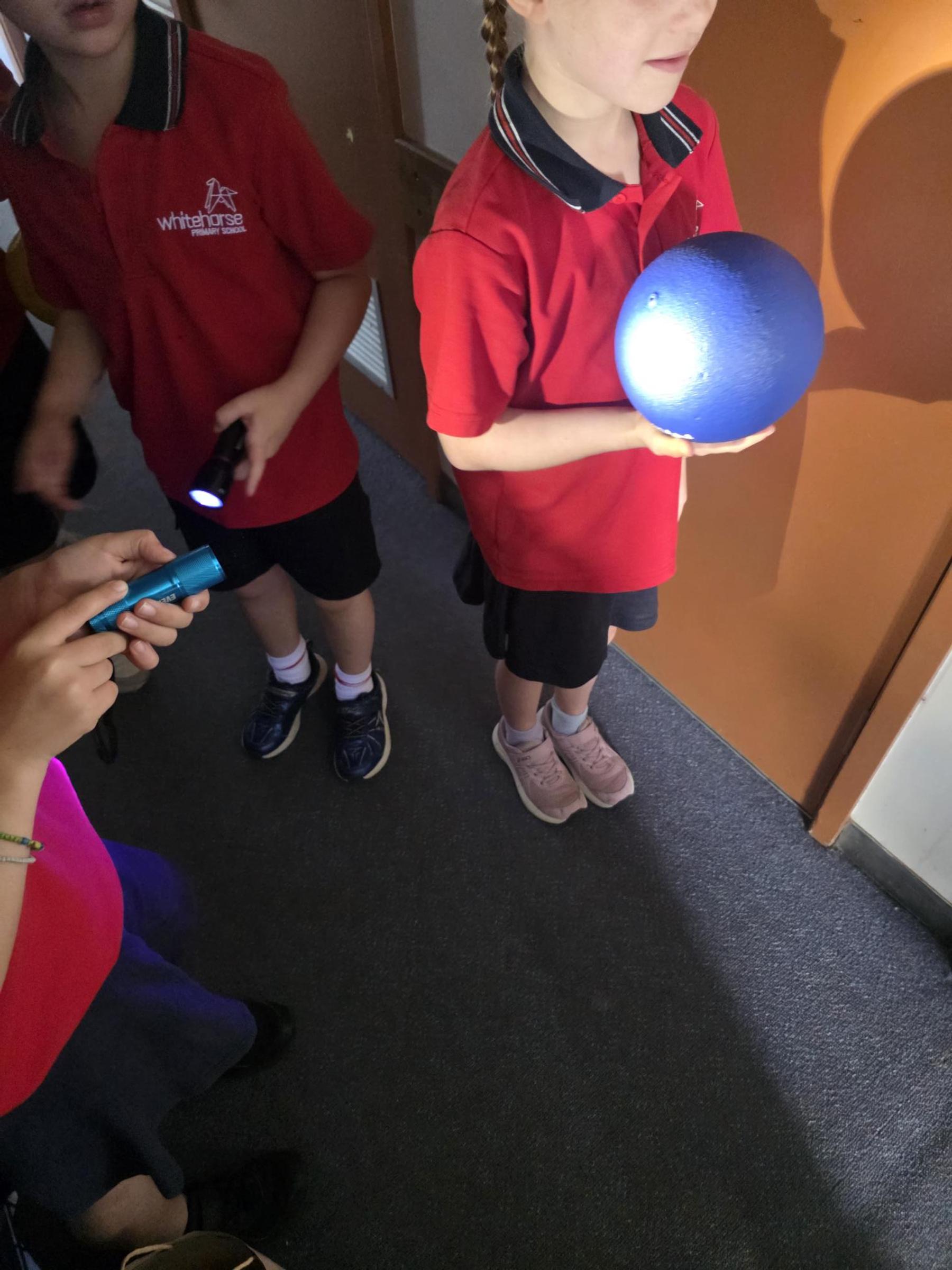
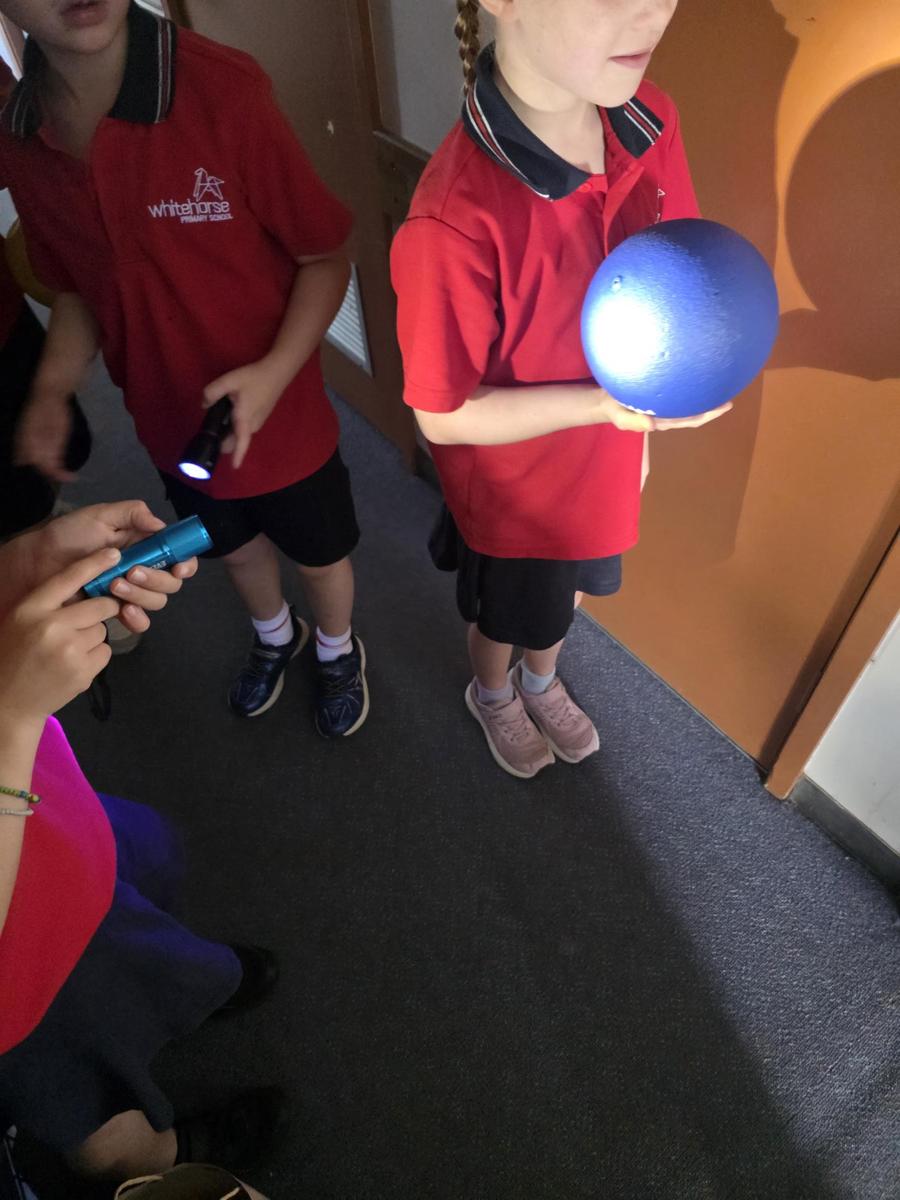
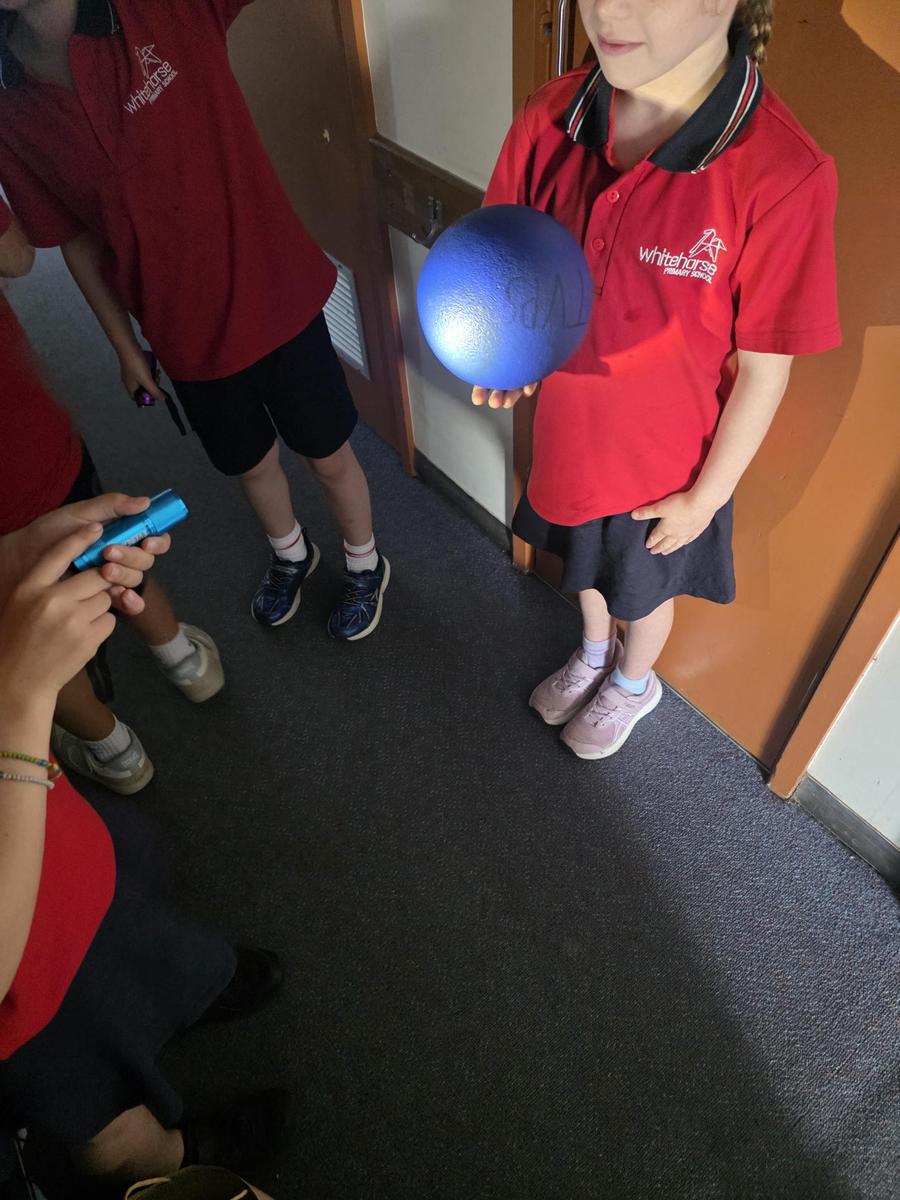
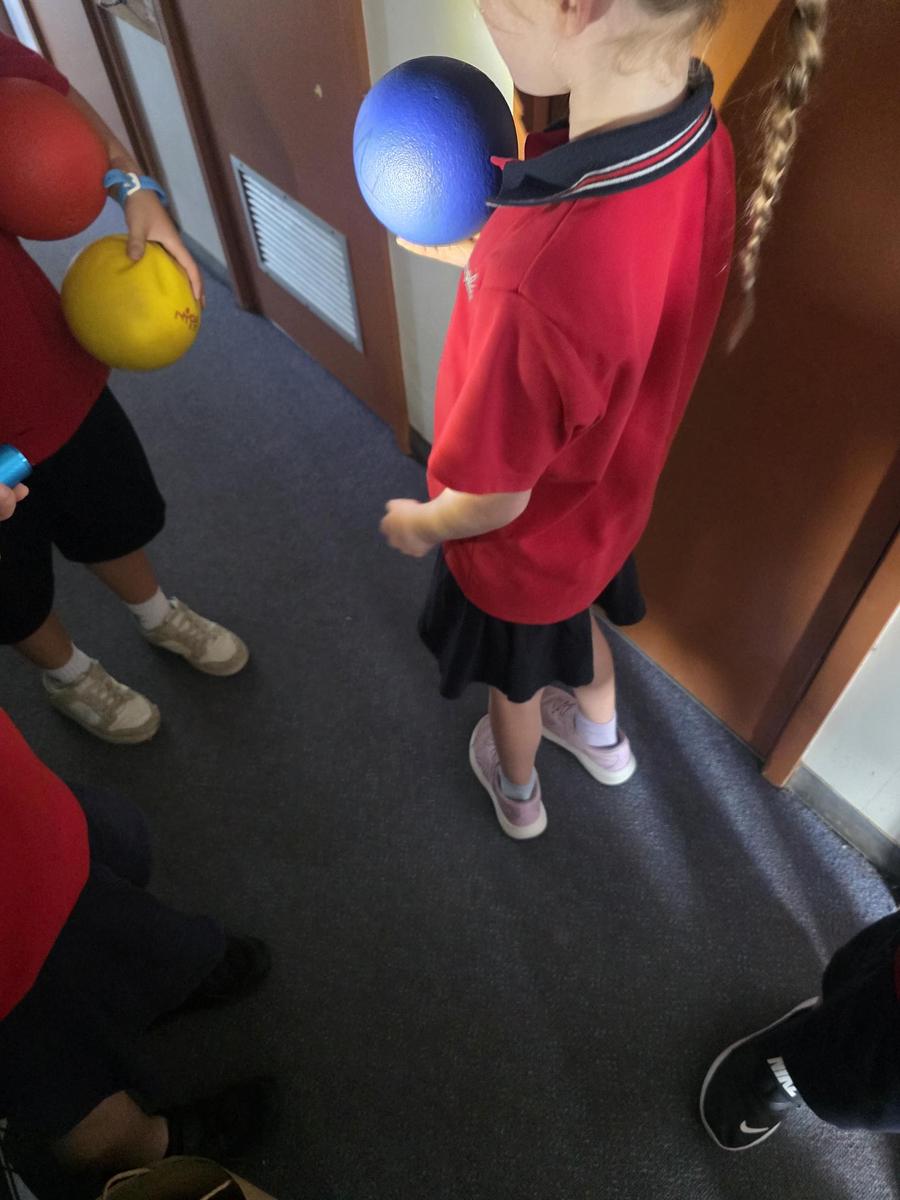
This term, students have been exploring our place in space by learning about the eight planets in our solar system. They practised remembering the order of the planets by creating their own mnemonics and enjoyed drawing and labelling each one. Students also investigated the Moon and its phases through hands-on activities, using torches and balls to model how the Moon orbits Earth and why it appears to change shape. They explored how the Sun moves across the sky during the day and applied this knowledge by creating landscape drawings that included accurate sun placement and shadows.
Students have also been learning about sustainability and how we can care for our planet. They explored how materials like glass, aluminium, and plastic can be recycled, and why recycling is important for conserving Earth’s resources. To apply their learning, students created posters encouraging others to reduce, reuse, and recycle, identifying simple actions they can take at school and at home to make a positive impact.
Year 3/4
This term, students have been exploring weather patterns and climate. They investigated whether weather always follows a pattern by observing changes leading up to weather events, such as storms, and using this knowledge to make predictions. Through hands-on activities, including creating a storm soundscape and analysing local weather forecasts, students identified patterns and discussed how weather can change over time.
Students also explored Australia’s climate, learning about drought conditions through the text Mallee Sky and examining how drought impacts people, animals, and the land. They compared different climates across Australia using maps and digital tools, and investigated how human activities such as deforestation and pollution can affect climate. It has been fantastic to see students making connections between science concepts and the world around them.
Year 5/6
This term, students have been exploring the forces that shape our Solar System and our planet. They investigated gravity and how it keeps planets in orbit around the Sun, creating pocket-sized Solar System models to understand the relative distances of planets and other celestial objects. Students also reflected on questions such as why inner planets are smaller and rockier, and how life on Earth would change if it were closer or farther from the Sun.
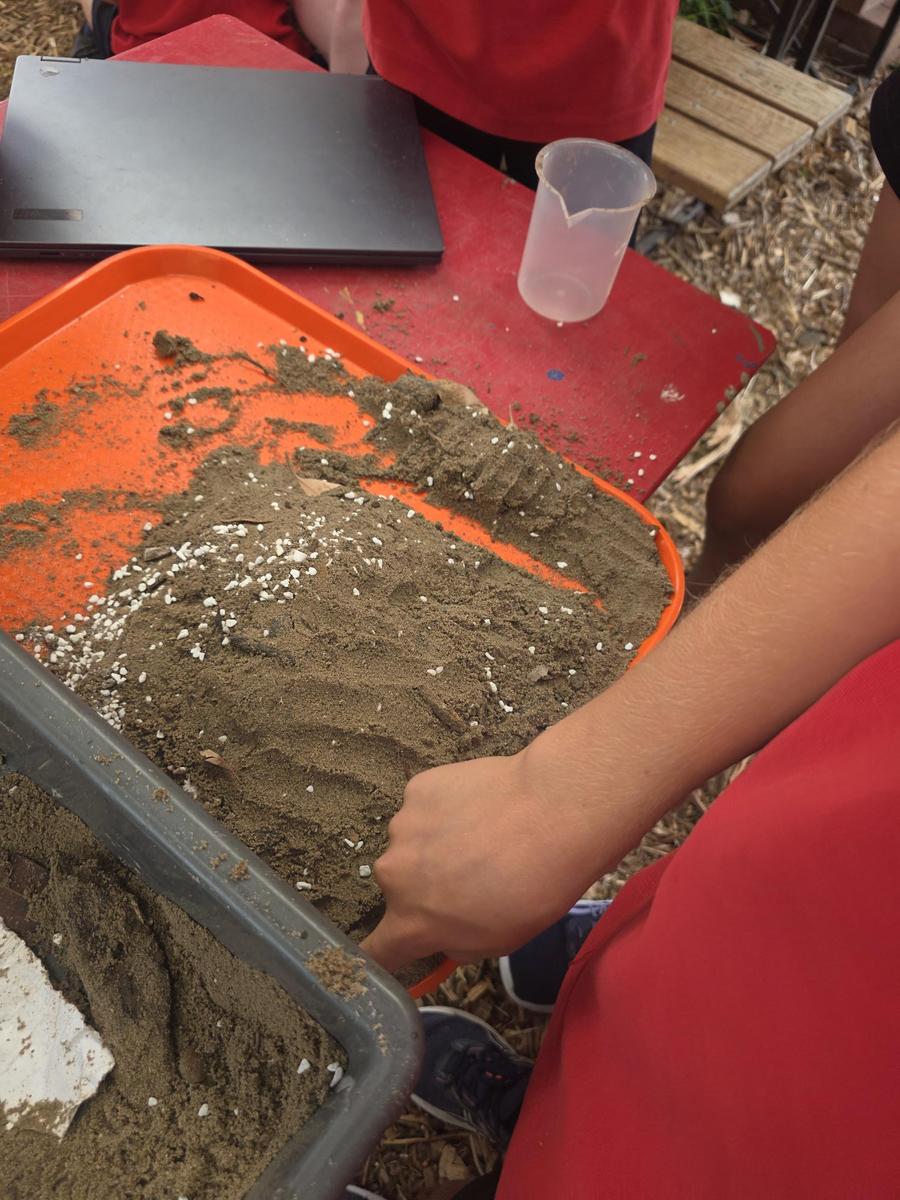
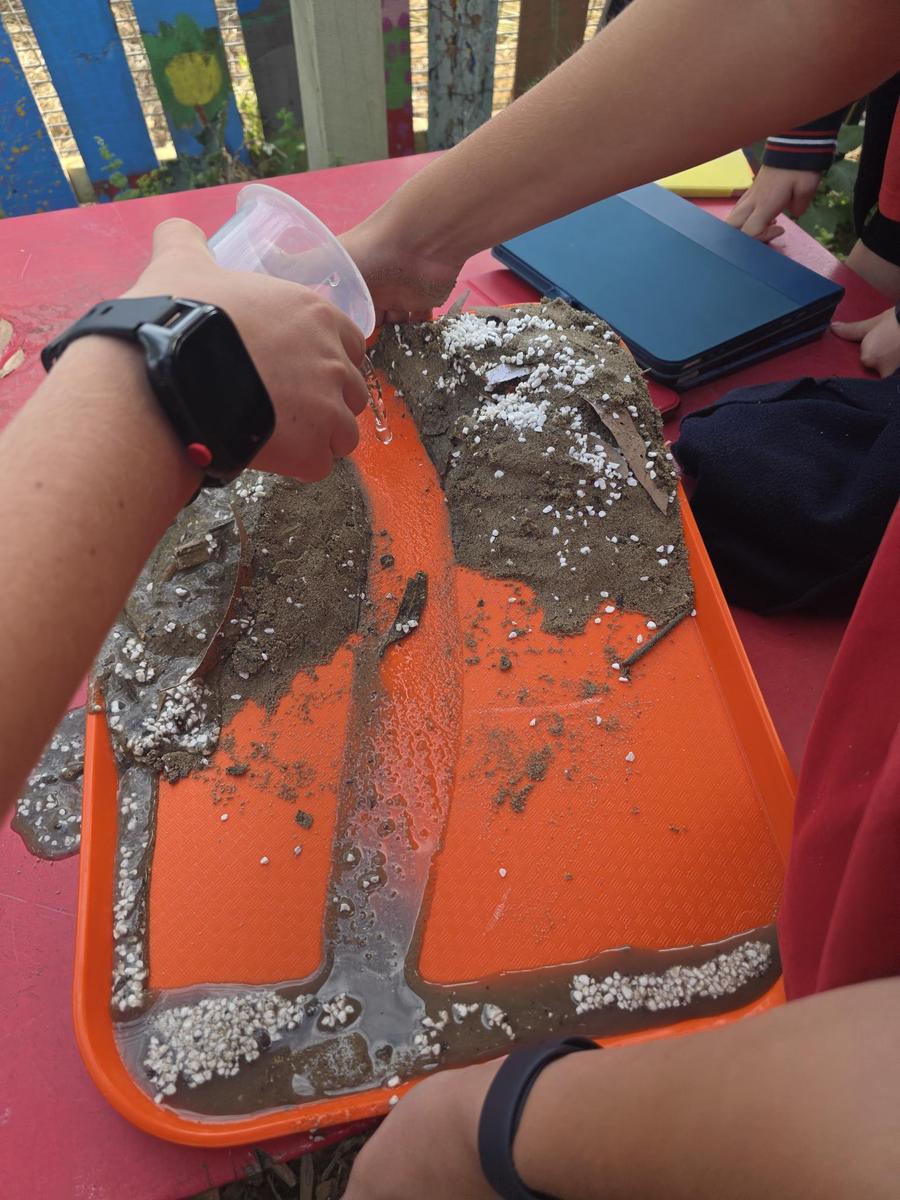
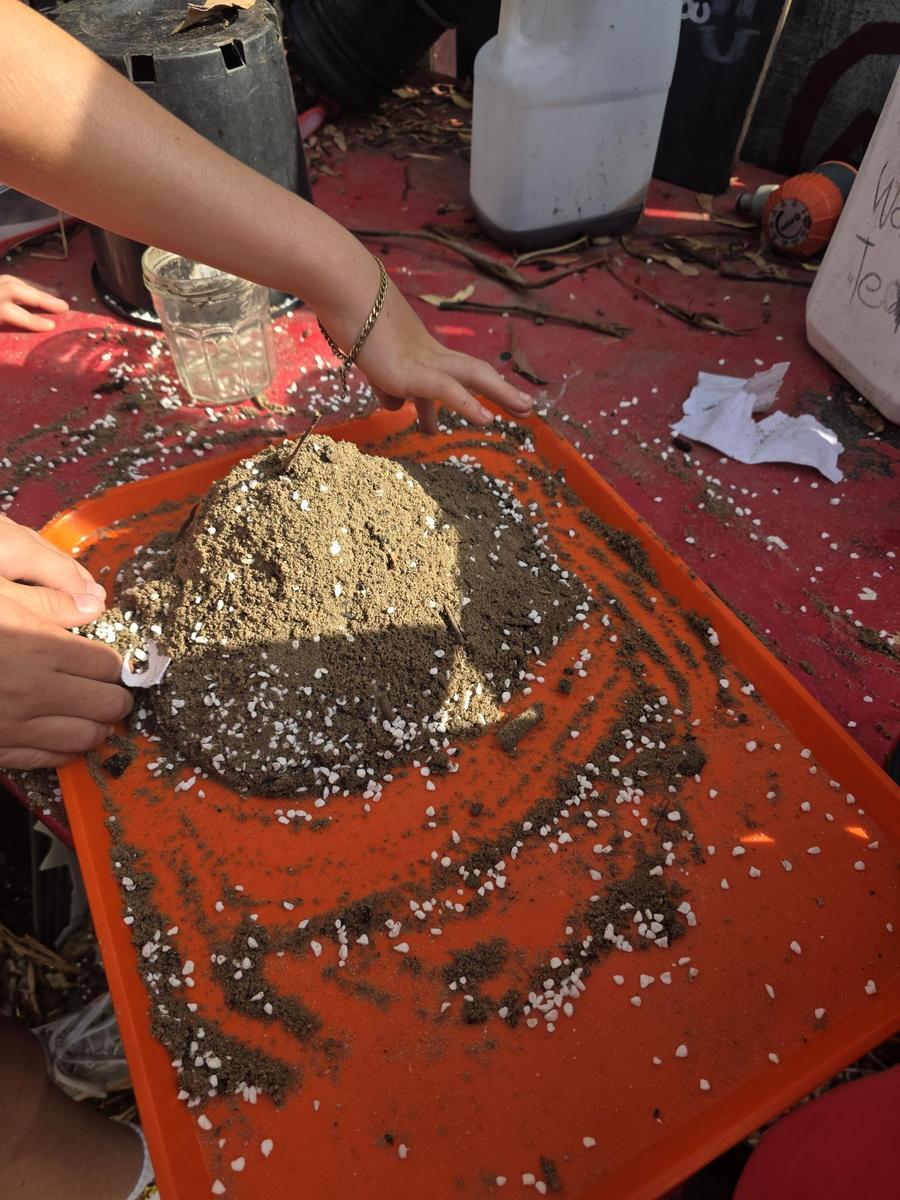
On Earth, students explored natural processes like weathering, erosion, and deposition. Hands-on experiments using sand trays helped them see how water breaks down land, moves materials, and deposits them elsewhere. Students also examined human impacts on erosion and researched examples around the world. To deepen their understanding of Earth’s dynamics, they studied earthquakes, learning about tectonic plates, fault lines, and major historical events, and considered how these natural processes affect people, animals, and the environment.