Sustainability
Sustainability in Action: Repurposing Plastic Bottles
Why?
• Australia produces 3 million tonnes of plastic annually; less than 19% is recycled
• Up to 145,000 tonnes of plastic enter the environment each year
• Plastics can take 20 to 500 years to break down
• 75% of plastic bottles are not recycled
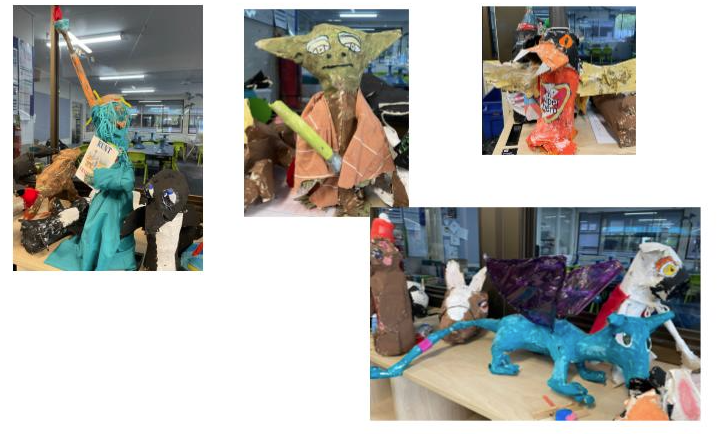
At the end of 2025 and as part of our sustainability education, Year 3 and 4 students were given a design brief with a clear challenge: repurpose a plastic bottle so it does not end up in landfill.
Using papier mâché, creativity, and a lot of teamwork, children transformed everyday plastic bottles into imaginative and purposeful creations. Before beginning, students discussed why reducing waste is important and explored how reusing materials can help care for our environment.
Throughout the project, students planned their designs, problem solved as they worked, and showed persistence as they layered, shaped, and decorated their creations. The results were impressive and varied, with each piece showing thoughtful design choices and a strong commitment to sustainability.
This hands-on task helped students understand that small actions can make a big difference. By rethinking waste and turning it into something new, our students learned that they can be part of creating a more sustainable future.
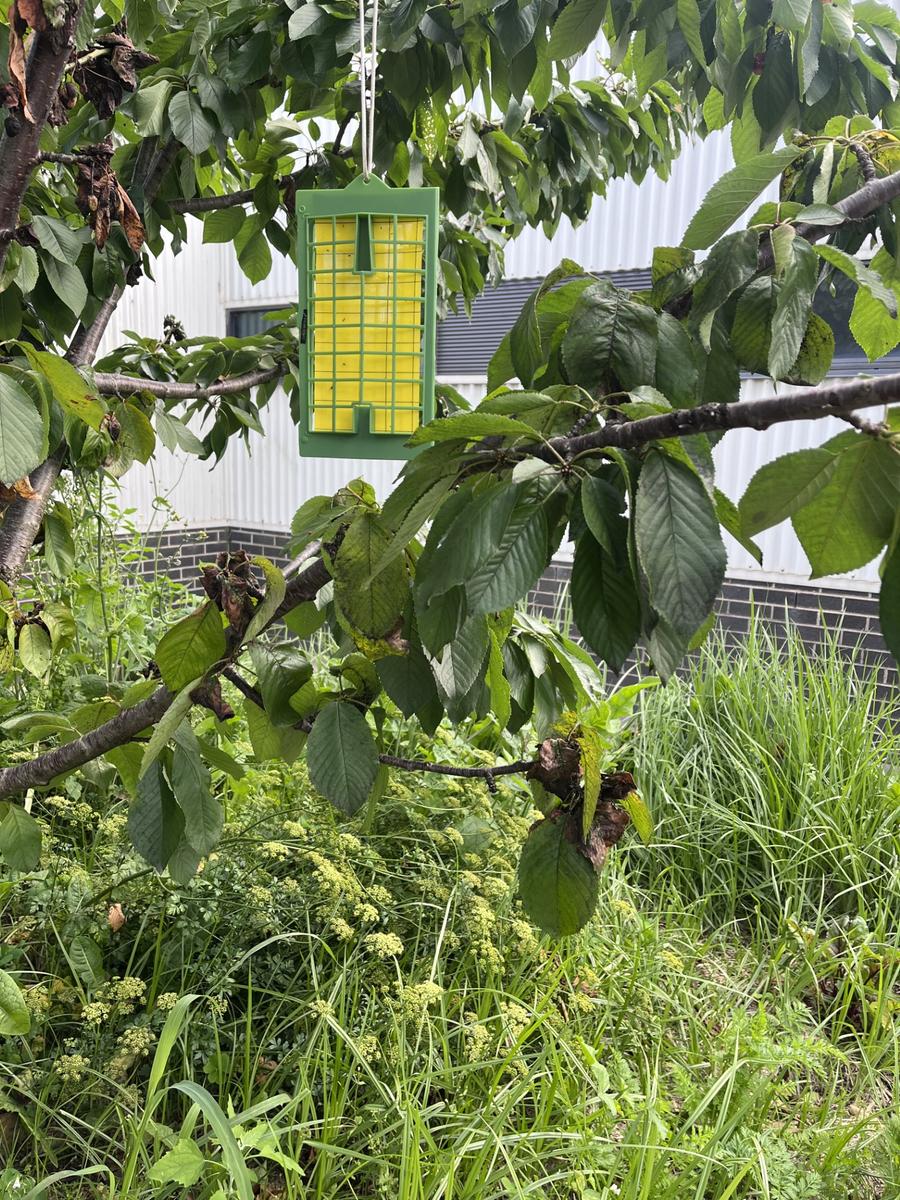
Our school is excited to announce that we are participating in the Great Biosecurity Quest Citizen Science Trapping Program! This hands-on initiative allows our students to help protect Australia’s environment by monitoring local insect activity and learning how early detection supports national biosecurity efforts.
This year as part of the Great Biosecurity Quest, we are asking people to keep an eye out for tomato potato psyllid (TPP) and other biosecurity pests.
TPP is a small insect that feeds on solanaceous hosts such as tomato, potato, eggplant, chili and capsicum, and was detected in Victoria for the first time in November 2024 on the Bellarine Peninsula. This was the first detection in Australia outside Western Australia. Agriculture Victoria is undertaking surveillance to determine if TPP is present in other areas.
We’re proud to be part of a program that builds environmental awareness, encourages curiosity and empowers young people to make a meaningful impact.
Victorian Container Deposit Scheme
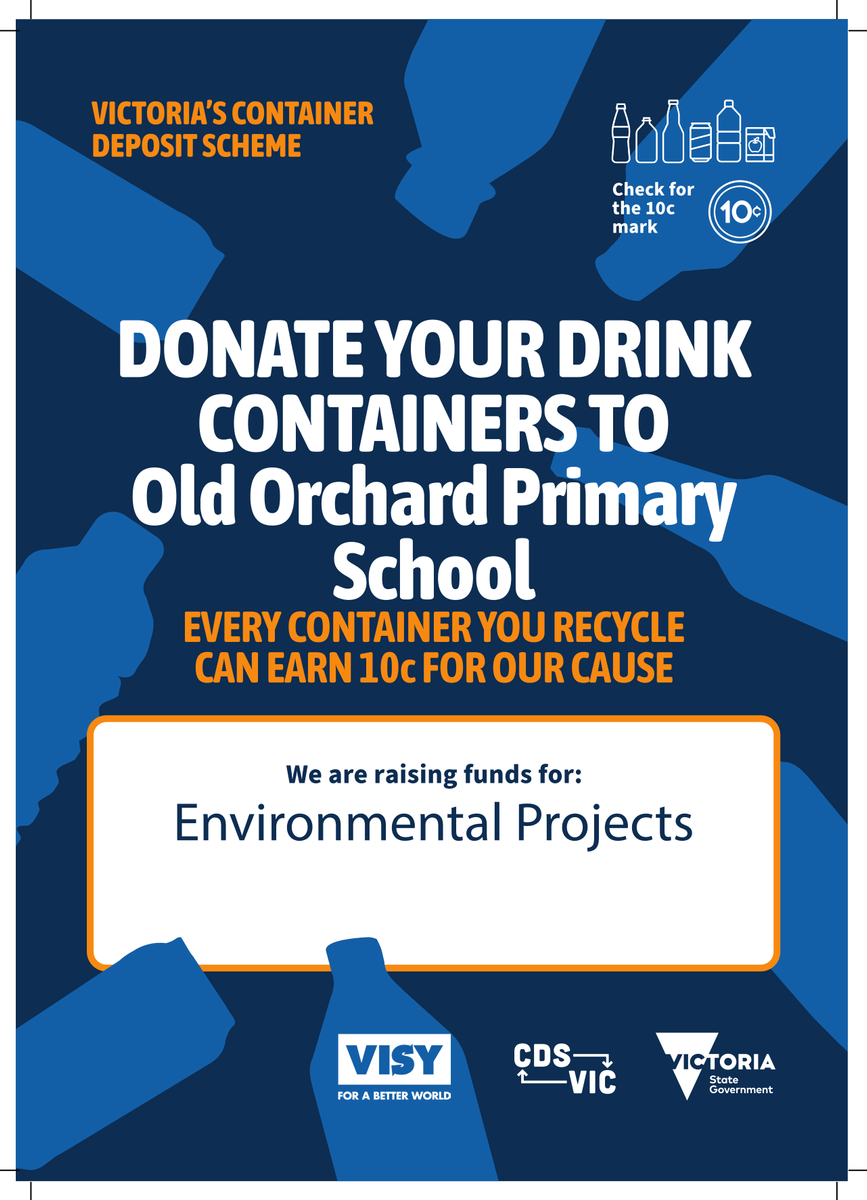
We are excited to share that our school has joined the Victorian Container Deposit Scheme! This program encourages everyone to recycle eligible drink containers by collecting and returning them for a 10 cent refund. Not only does this help to reduce waste and protect our environment, but funds raised will support future student projects and initiatives.
When you return your containers, you can support our school by using our donation ID (C2000069498) or by searching for our school name.
Victoria's Container Deposit Scheme | Visy
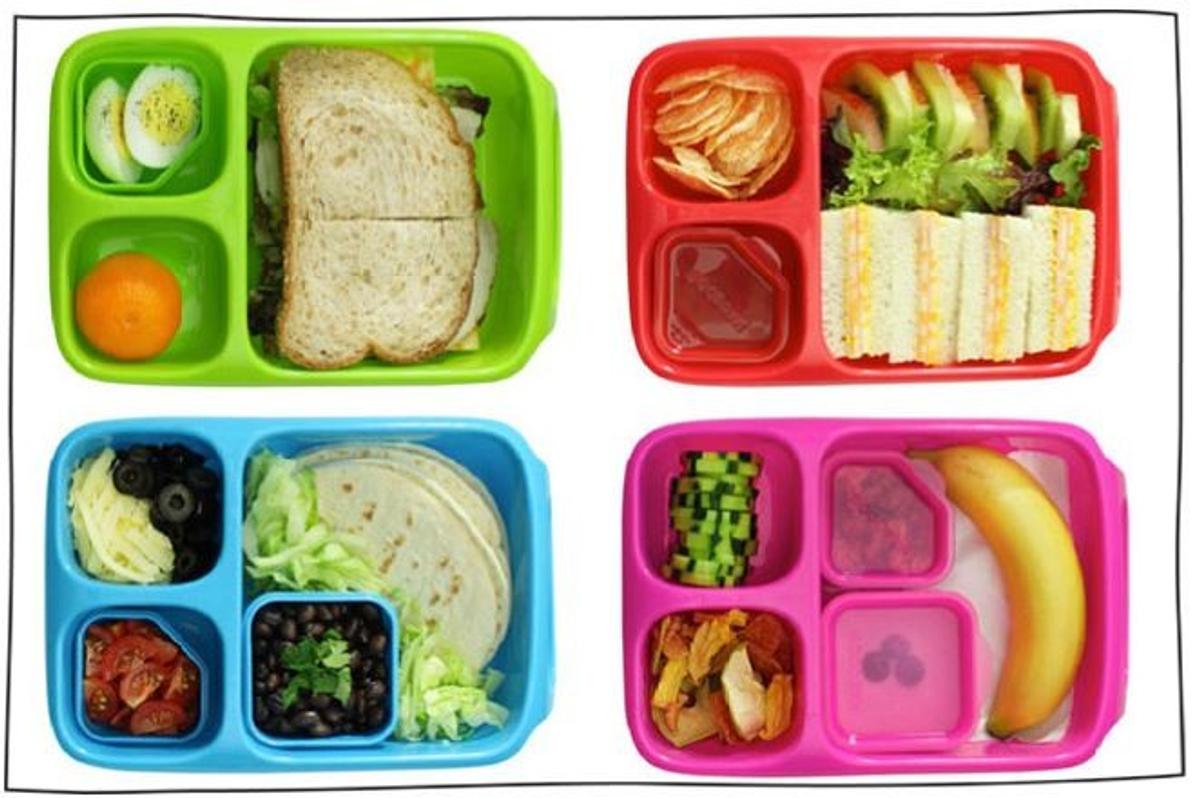
Below are some examples of how to pack a nude food lunch box.