Music News
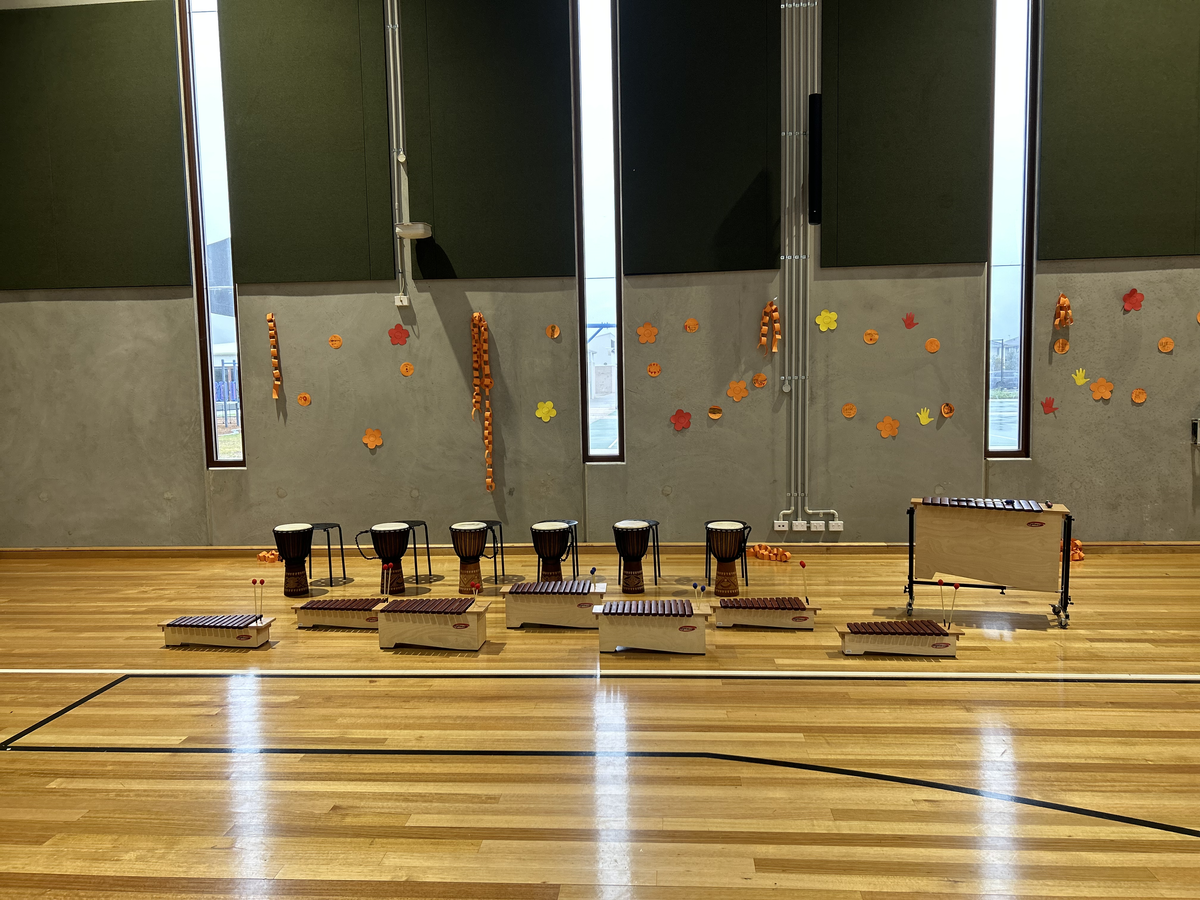
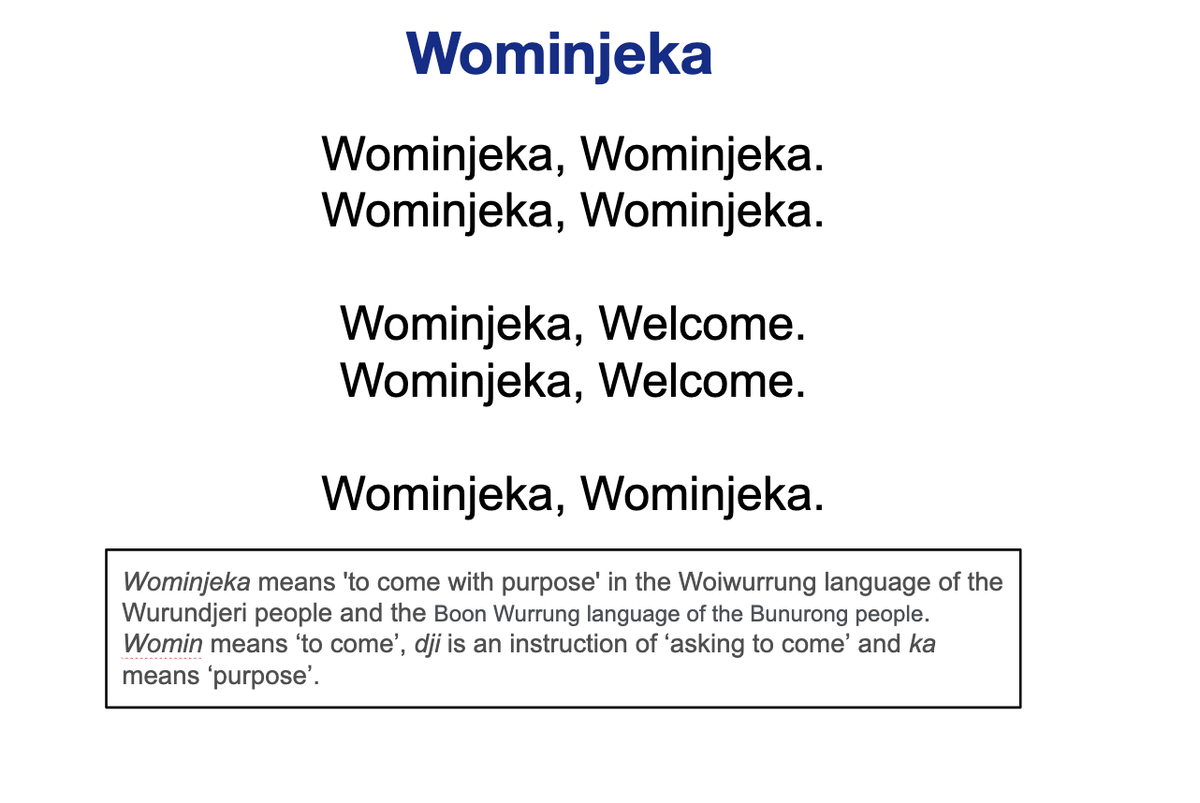
We had our first music performance at the Harmony Day assembly, and the students, ranging from grades 3 to 6, did an incredible job. They worked hard to create a wonderful song arrangement and stage layout for Wominjeka, which they proudly shared with the entire school community during the assembly. Their dedication and effort truly shone through, and it was a memorable celebration of unity and harmony!
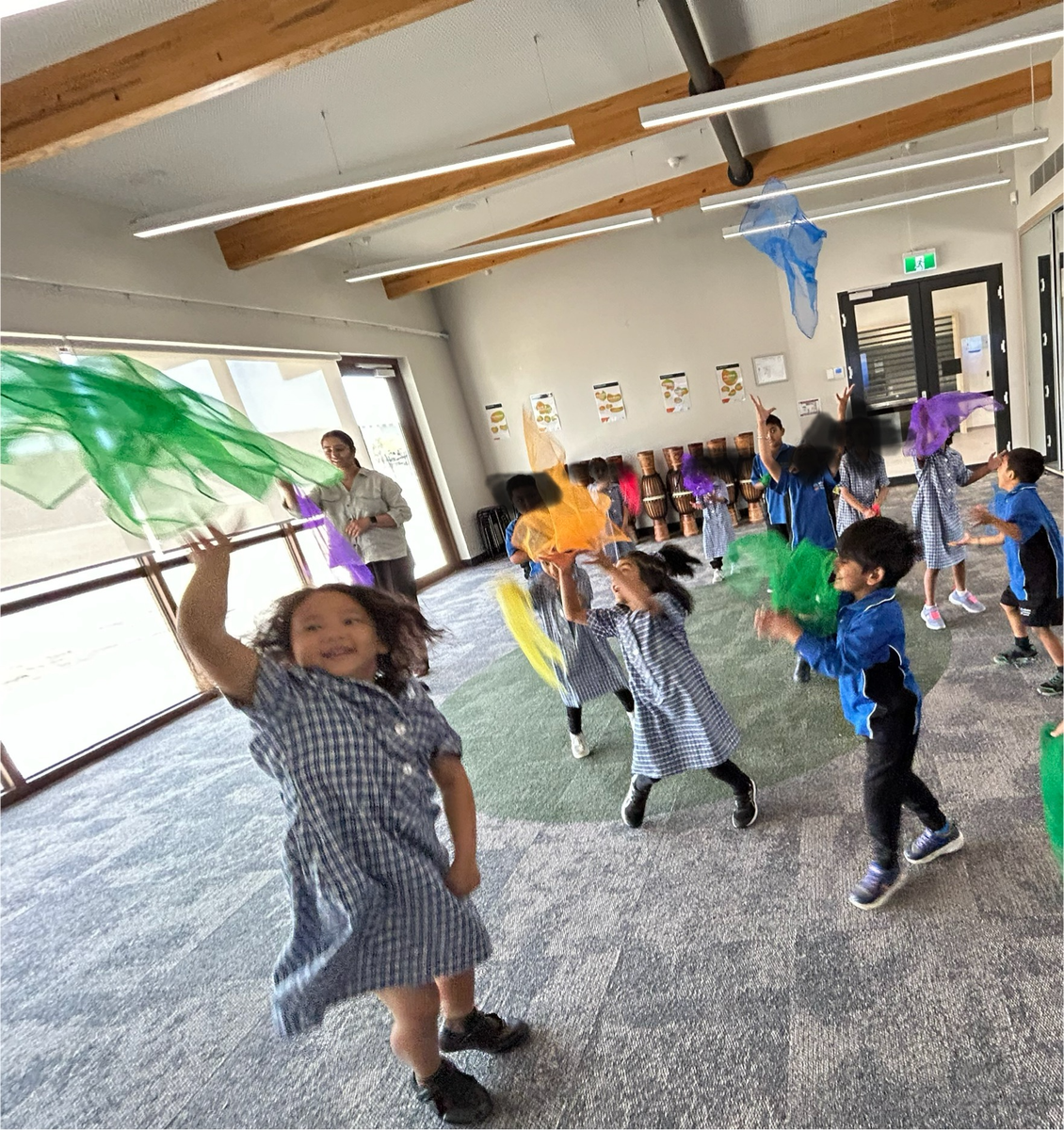
Foundation has continued to explore their various vocal expressions, including the speaking voice, singing voice, and whisper voice, and are learning to distinguish between them. They have also begun using music scarves to investigate the different forms music can take, such as the repetition of patterns throughout a song and pitch (sound) direction. They are also exploring how these musical concepts can be represented through movement.
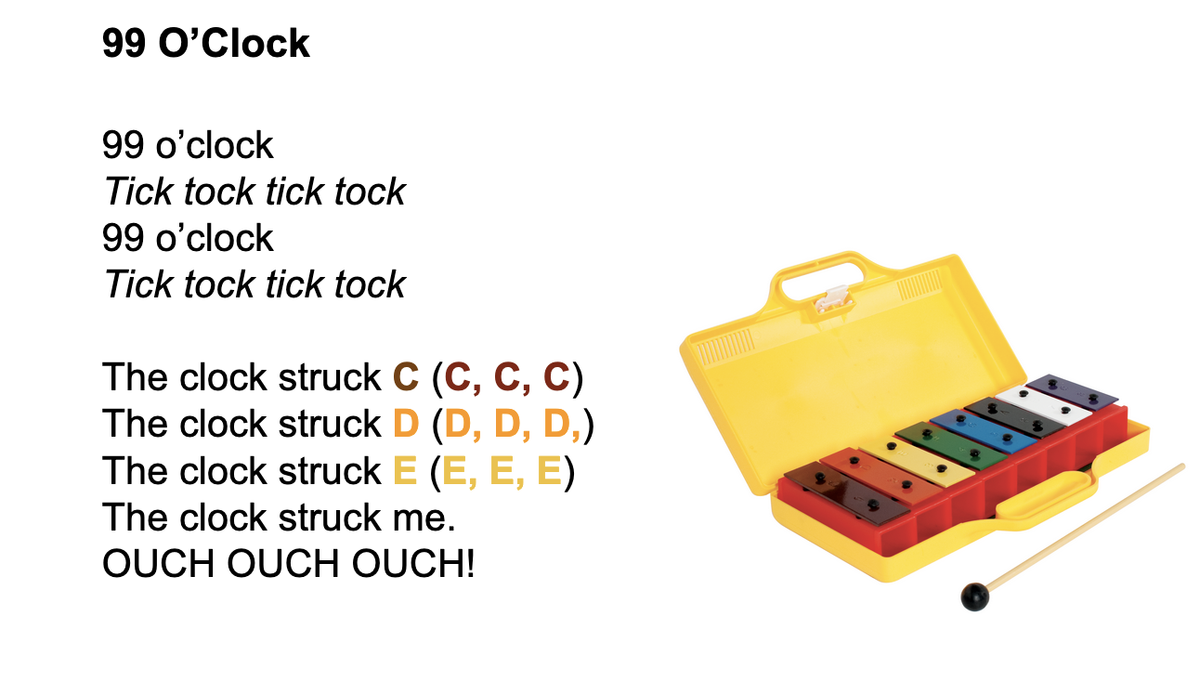
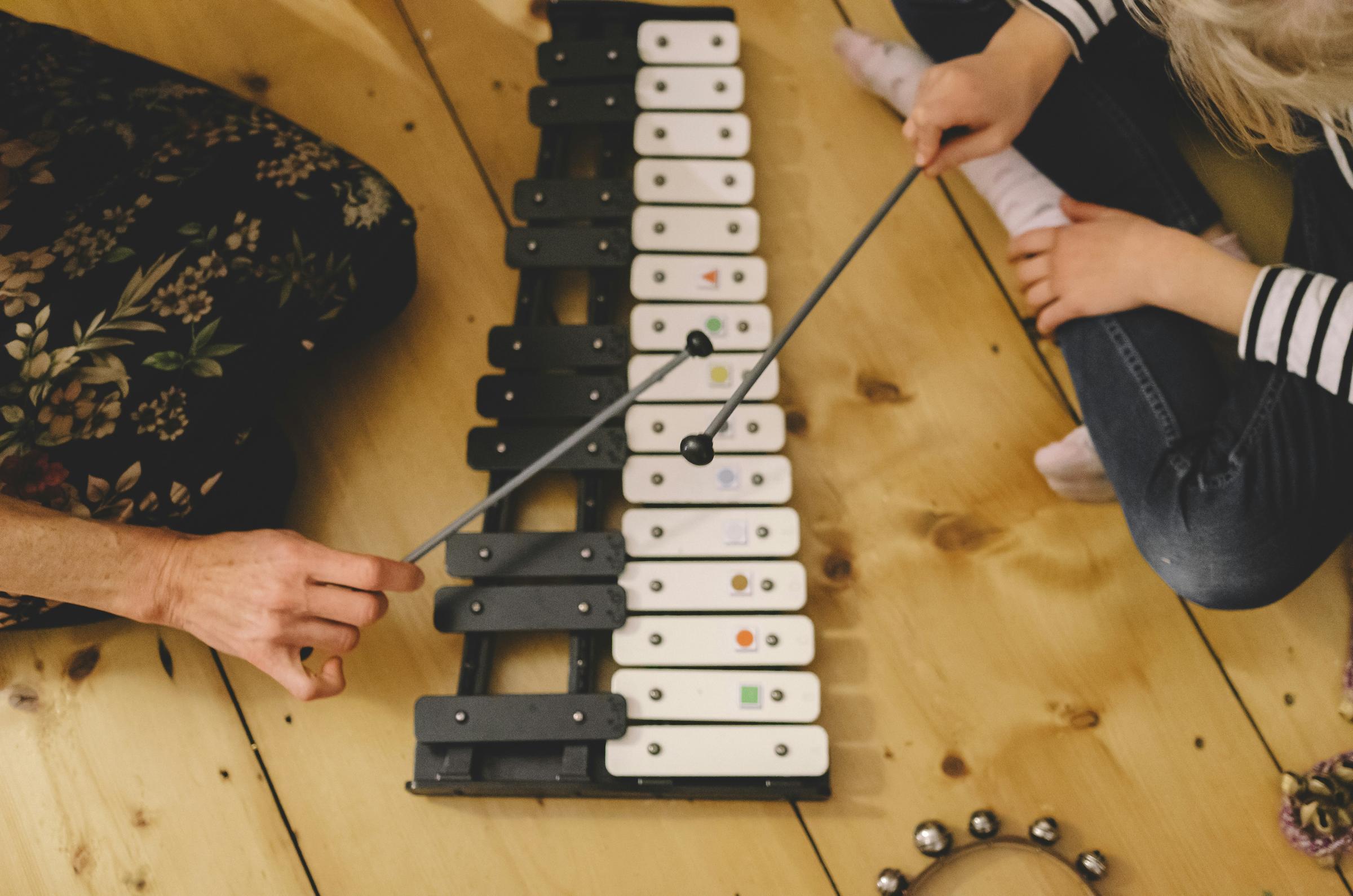
Year 1 and 2 students have been making great progress with their instrumental skills on the chime bar. They can explain the concept of Rest Position and can confidently remove the necessary chime bars for specific songs. Additionally, they have developed the ability to count and understand how many times they need to strike different notes within a given song.
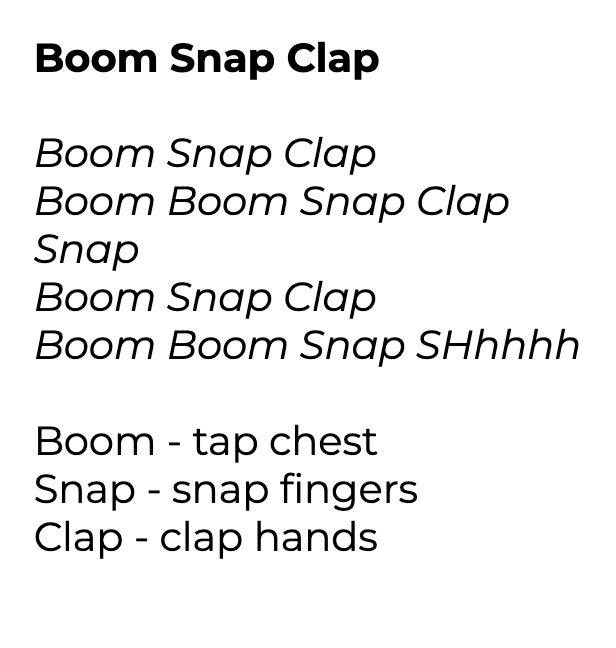
Grades 1 through 6 have been working on their body percussion skills with the fun activity "Boom, Snap, Clap." Body percussion provides students with a hands-on experience of key musical elements, such as:
- Beat: The steady, underlying pulse of the music, like your heartbeat or a ticking clock. It's the part of the music you tap or clap along to.
- Rhythm: The changing patterns of long and short sounds, along with moments of silence, that create the flow of a song.
- Metre: The underlying rhythmic structure that organizes how beats are grouped and accented within a piece of music.
Through body percussion, students are able to internalise and develop their rhythmic skills in an engaging and enjoyable way!
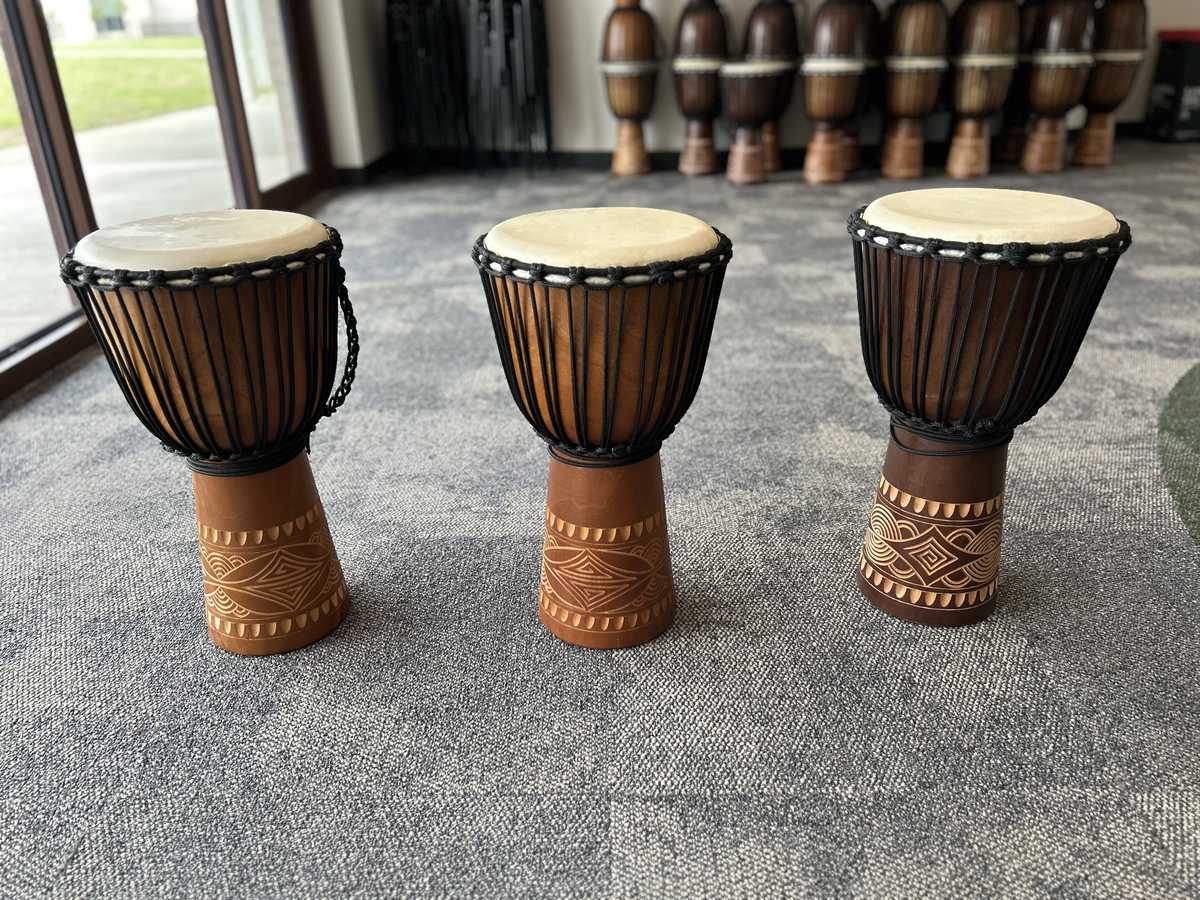
Years 3 to 6 have been developing their instrumental techniques on the Djembe drums, focusing on essential skills such as the Bass, Tone, and Flam strikes. Alongside this, we have been exploring the significance of the circular shape in musical performances across different cultures. The circle is often used for its ability to foster clear communication during songs, ceremonies, celebrations, and storytelling. In our drum circles, students have been practising nonverbal communication, working together as an ensemble to enhance their collaborative skills and rhythm.