STEM News
What are students doing right now in STEM?
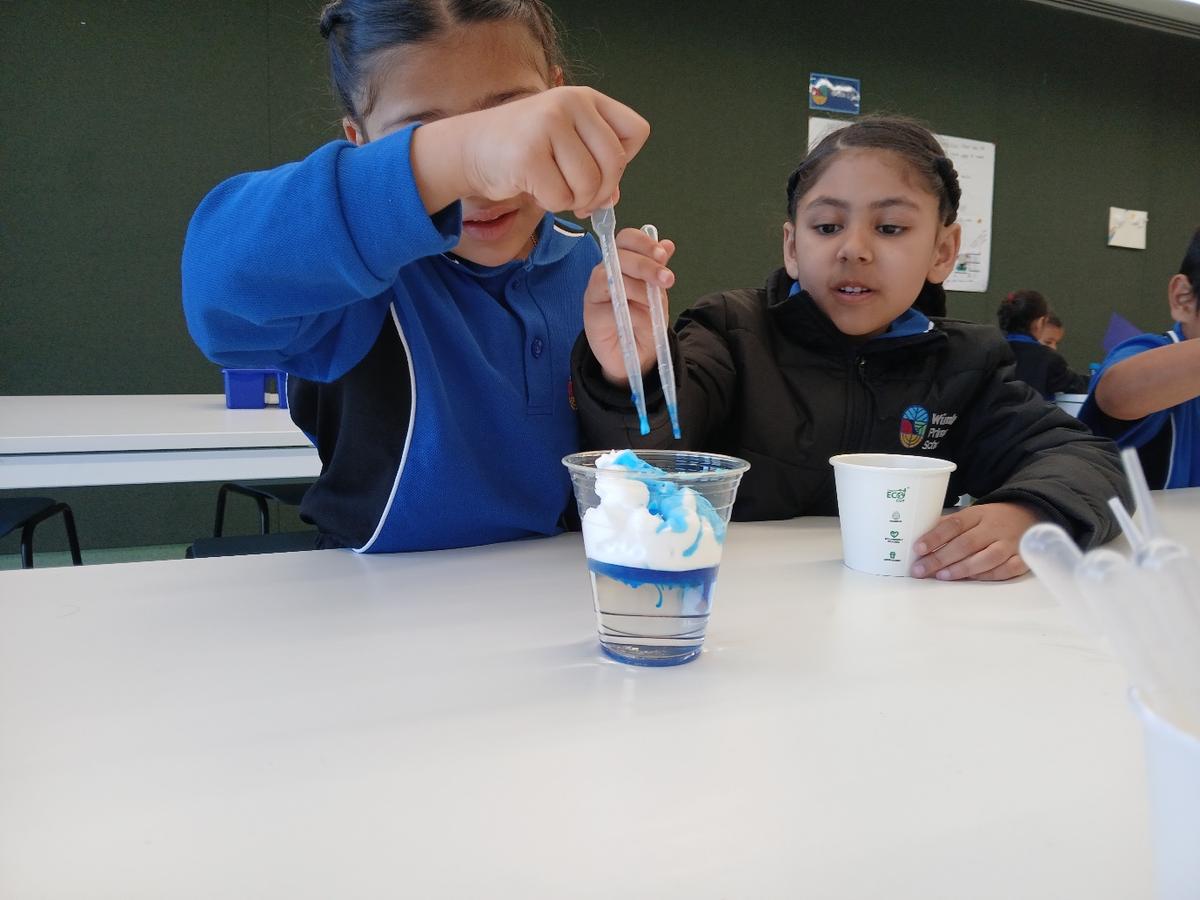
Foundation students are continuing to learn about the weather. Last week we learned about clouds – their different shapes, sizes, and colours. Students enjoyed this little demonstration of a cloud getting too heavy and so it begins to rain.
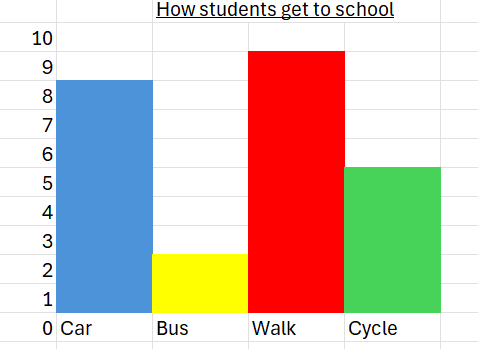
Grade 1 and grade 2 students are learning about data. They have been learning new vocabulary to describe the data they collect – words like ‘event’, ‘frequency’, and ‘outcome’. We are now learning how to represent this data as a graph using digital tools, and students will be completing learning tasks in the coming weeks. Here is an example of their work:
Grade 3 and grade 4 students have been building on their knowledge of creating sequences by learning about algorithms. They have begun their project to create a branching algorithm in the form of a choose your own adventure story. They will need to create a digital story where the user can choose what happens next, requiring the students to consider multiple outcomes. The students have really enjoyed doing this and are getting the hang of using Google Slides to create their algorithms.
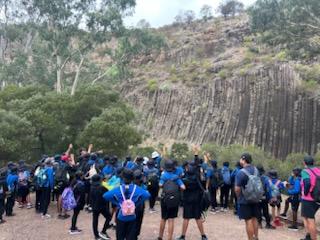
The Organ Pipes
The Organ Pipes
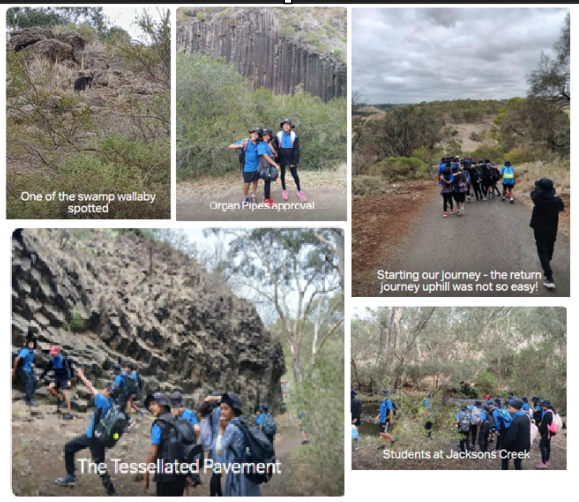
Grade 5/6 students have been learning about the Earth’s surface. This week they visited Organ Pipes National Park where they put their new knowledge into action. They observed lava flows from over 1 million years ago that cooled to create some interesting rock formations tat have been exposed by weathering and erosion. They will be completing their learning task next week.
Here are some photos from the day:
Kim Miter
What is STEM?
STEM stands for Science, Technology, Engineering and Maths. These subject areas will be explored throughout the school year, with a change of focus in each term.
Science includes:
- Science as a human endeavour - the nature and development of science, and the use and influence of science. In simpler terms, how has science improved our lives.
- Scientific Understanding - which includes biological sciences, chemical sciences, physical sciences, and earth and space sciences.
- Science inquiry - using the scientific process to investigate.
Design Technologies includes:
- Technologies and Society - focuses on how people use and develop technologies while taking into account ethical considerations such as legal, aesthetic and functional factors.
- Technologies Contexts- which includes engineering principles and systems, food and fibre production, food specialisations, materials and technologies specialisations.
- Creating Designed Solutions - using the design process to explore systems, services, and products.
Digital Technologies includes:
- Digital Systems and Security - focuses on hardware, software, and networks, and well as cyber security.
- Data, Information, and Privacy- focuses on data
Creating Designed Solutions - creating simple algorithms using robotics or coding languages