Assistant Principal's Report
By Amanda Seach
Assistant Principal's Report
By Amanda Seach
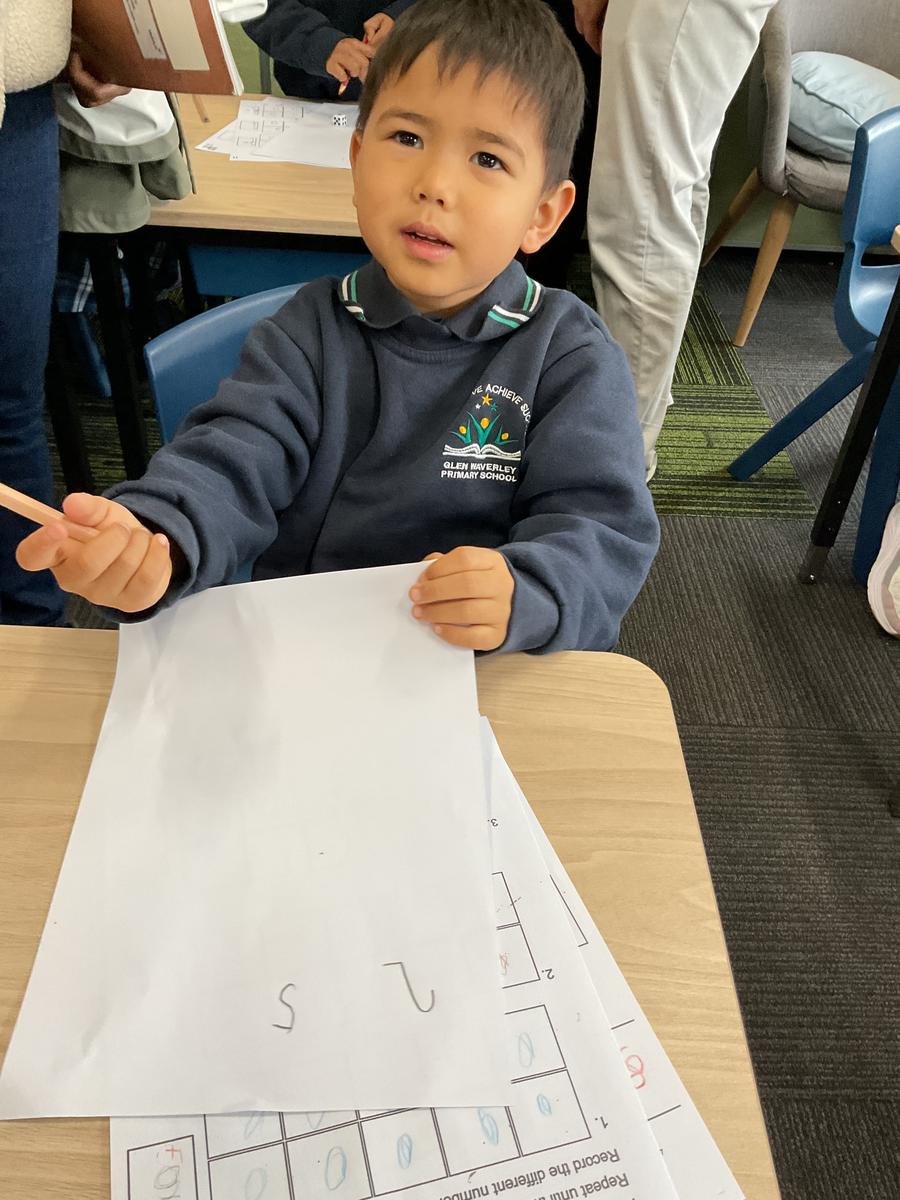
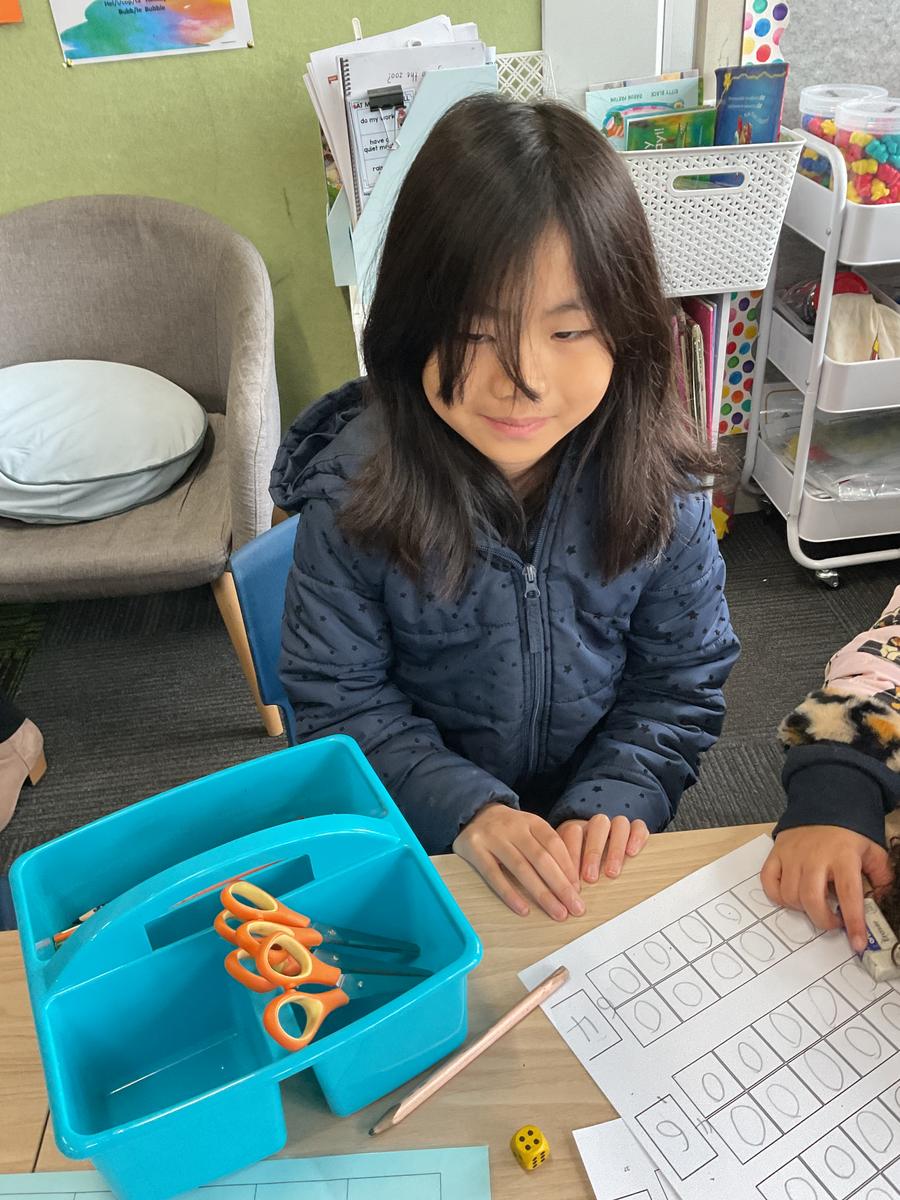
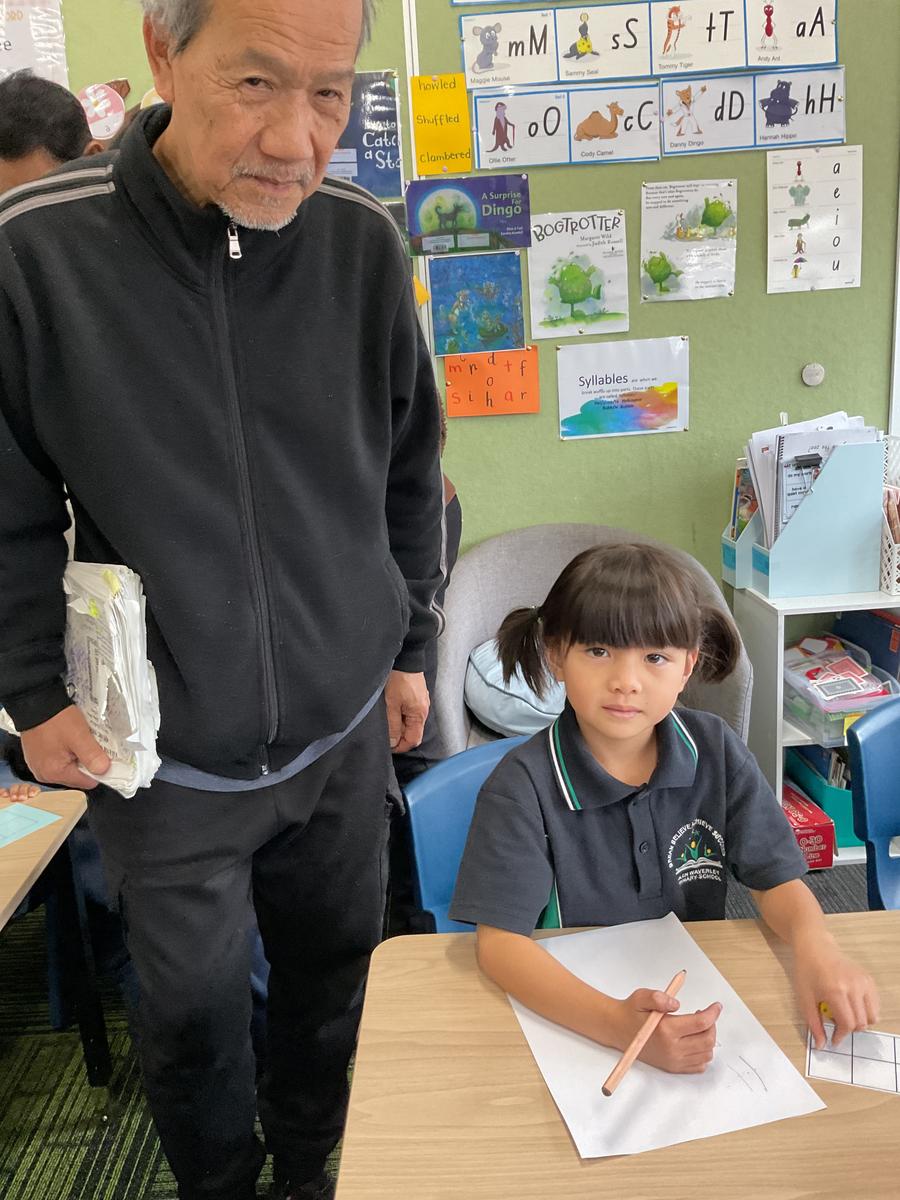
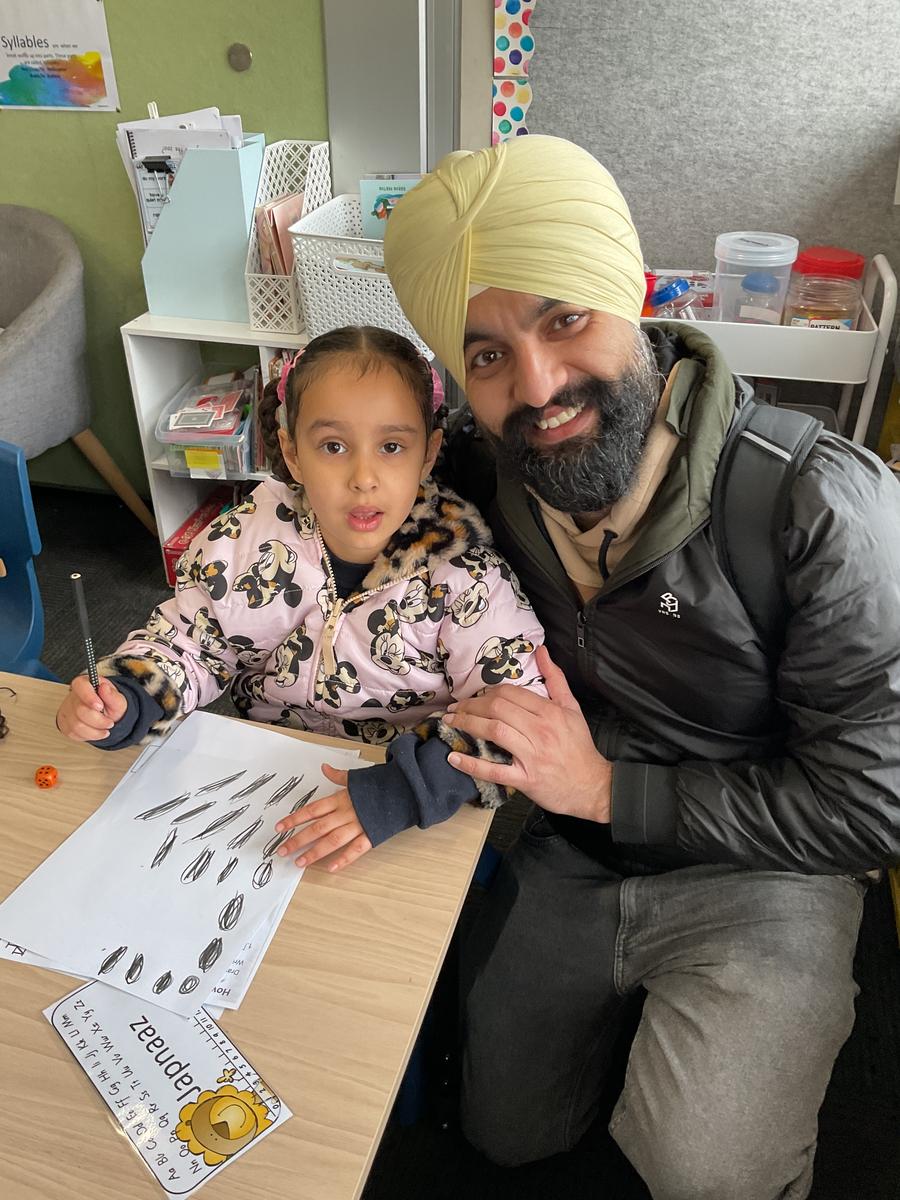
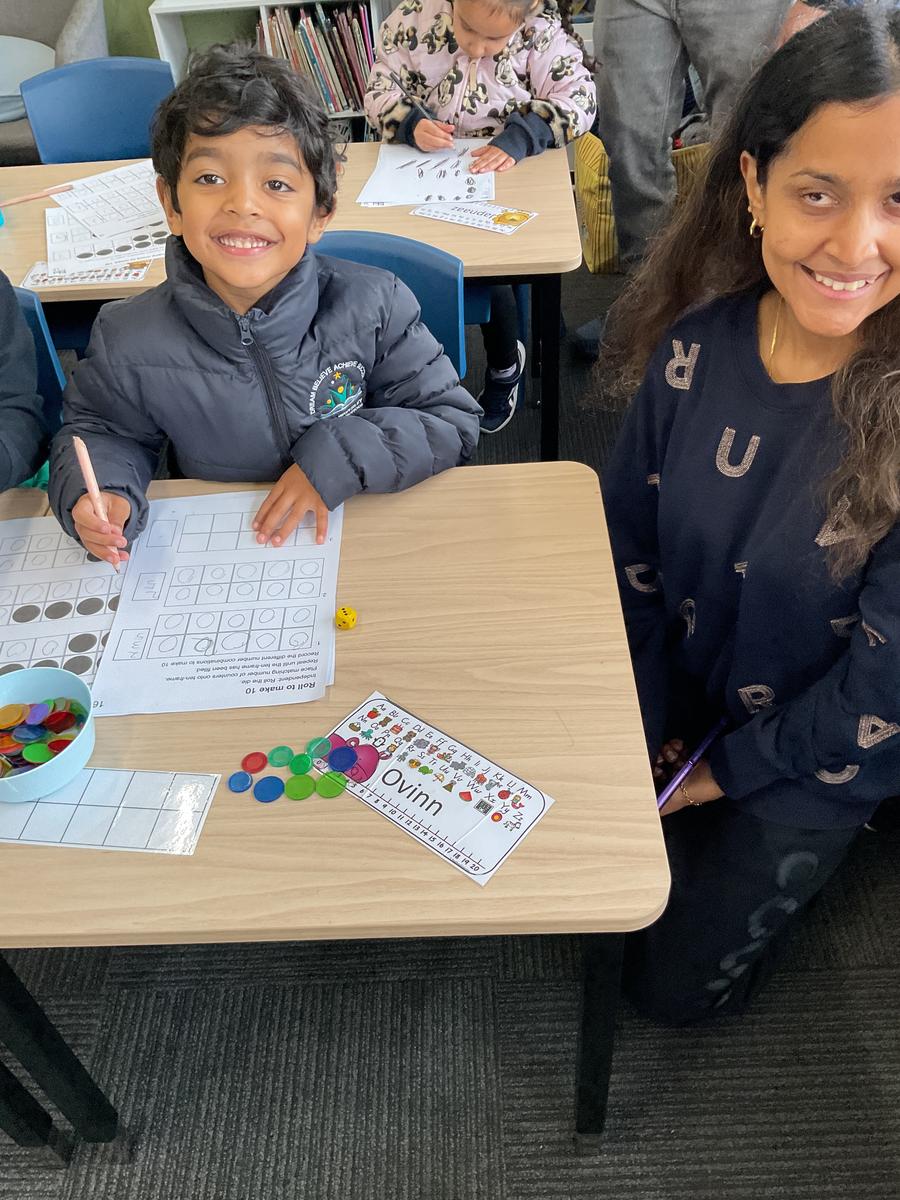
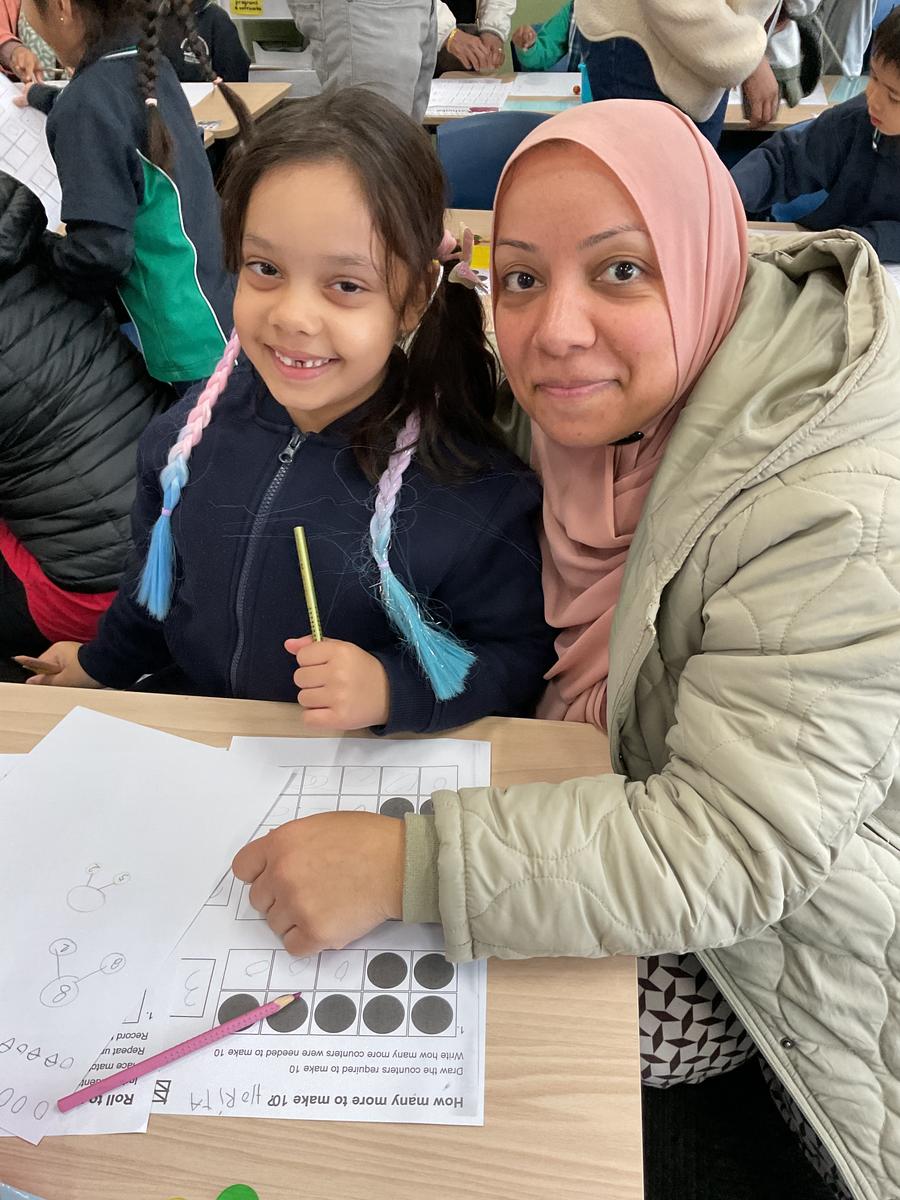
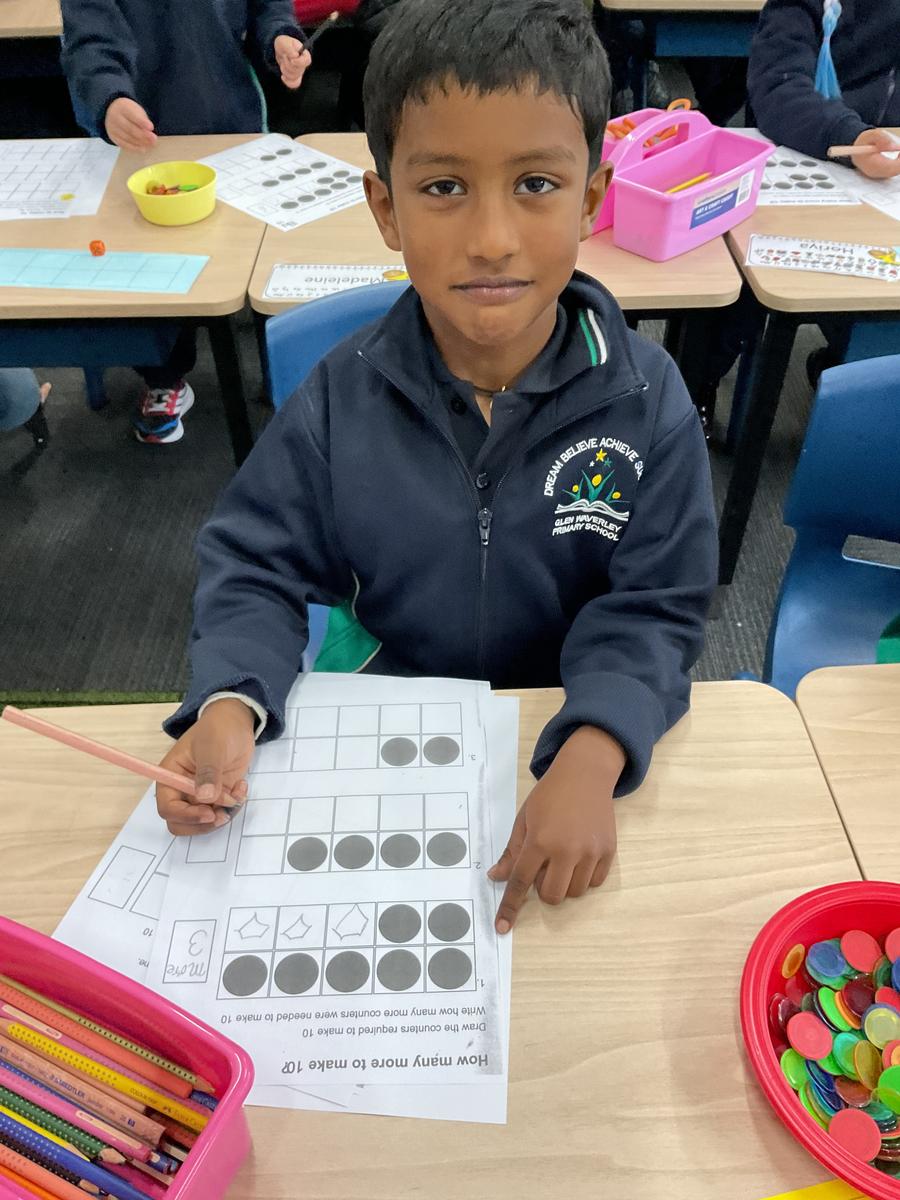
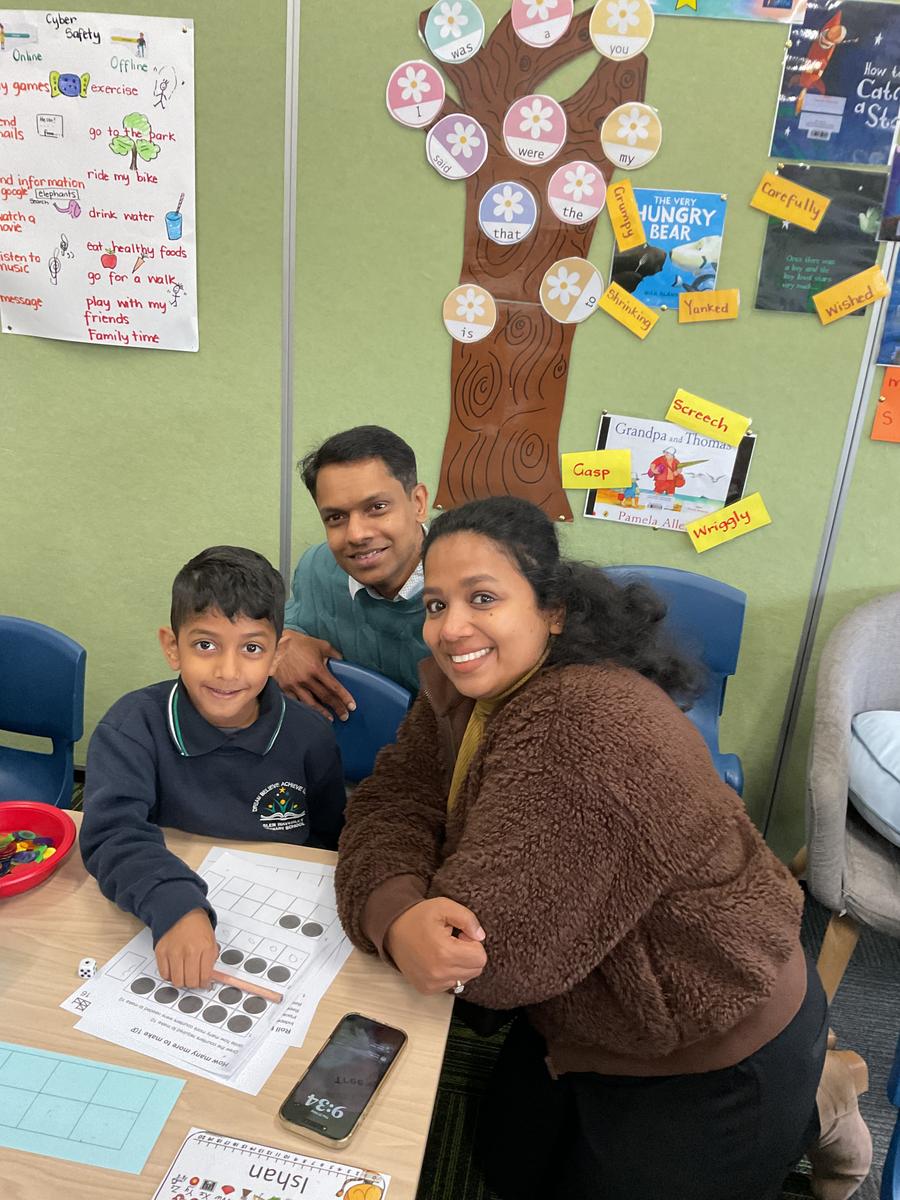
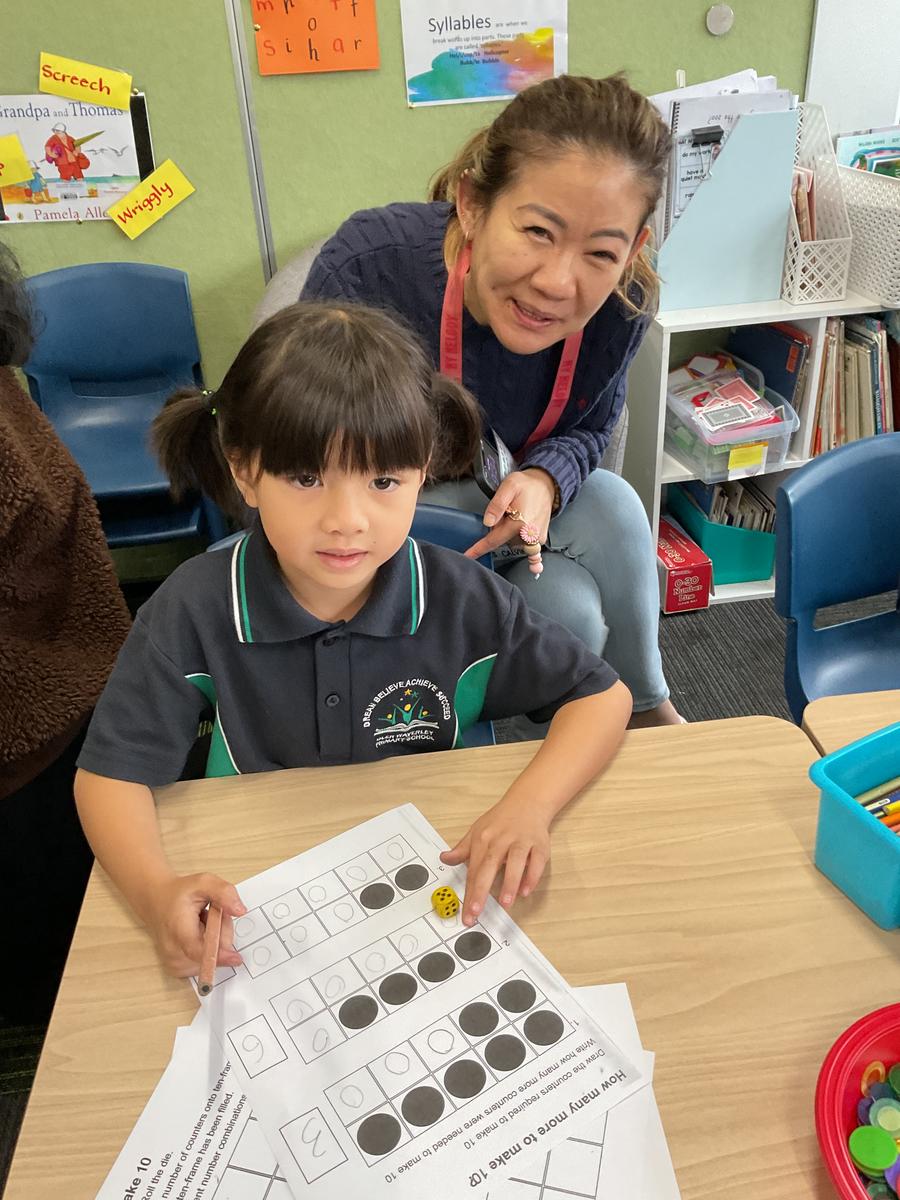
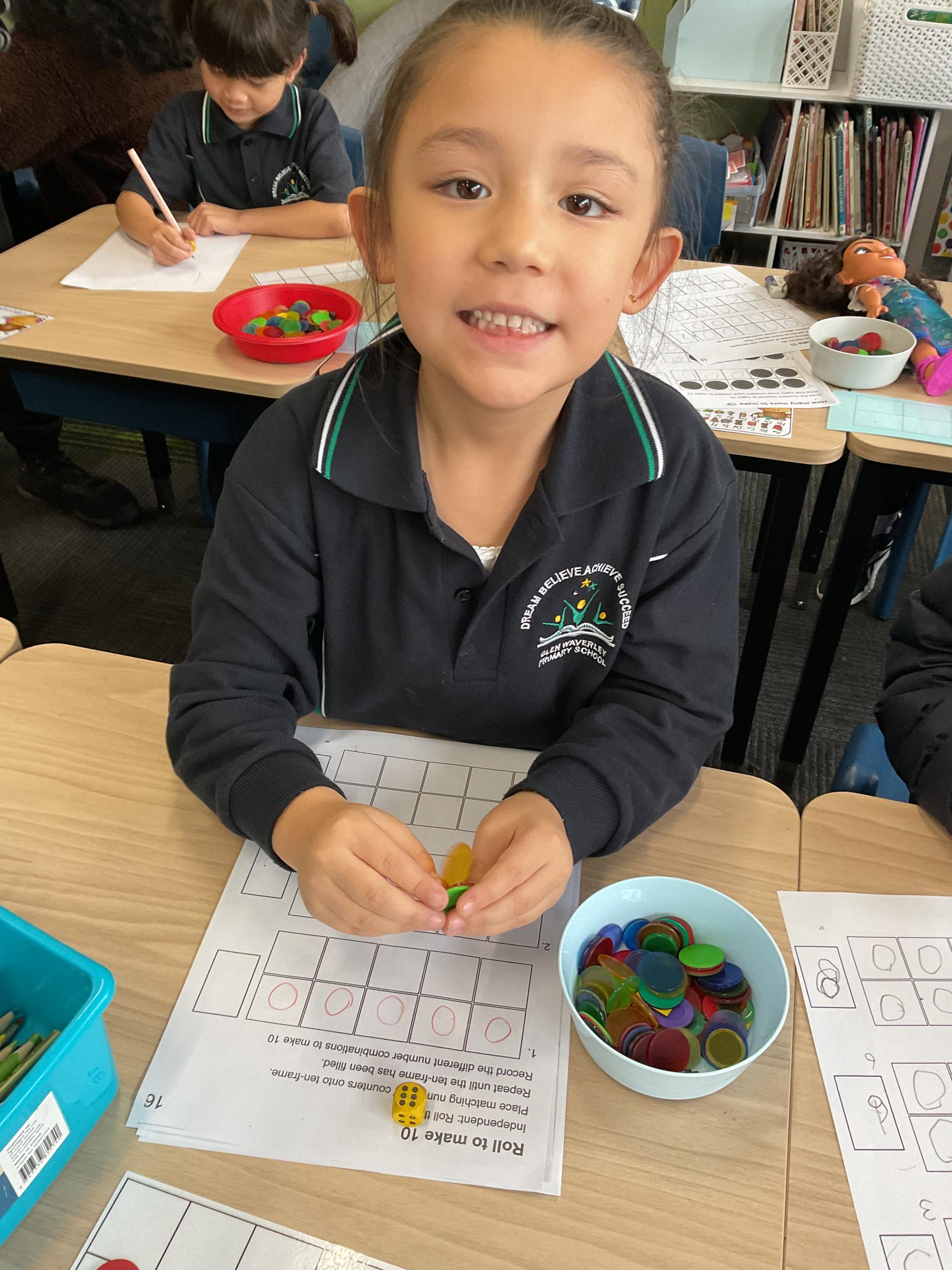
Last Thursday, we proudly hosted our Open Morning for Mathematics, providing families with the opportunity to experience firsthand our approach to teaching Mathematics, grounded in evidence from the Science of Learning. Following extensive research professional learning and classroom trials, we have implemented a whole school explicit and responsive teaching approach from Prep to Year Six using high quality curriculum resources from Ochre Education.
Thank you to the many families who attended the morning. The children were thrilled to welcome parents into their classrooms. Being able to showcase our whole school approach and the learning taking place each day is an important part of strengthening the partnership between home and school.
We hope that by seeing learning in action, conversations about Mathematics at home will be further enriched and families will gain an even deeper understanding of the teaching practices that support student confidence, growth and success in Mathematics.
Parent reflections
How is my child’s Maths learning different to how I learnt Maths?
What benefits do you see in learning Maths this way?
Parent questions (and answers)
Questions on the theme of extension and support
A Science of Learning approach recognises that students move through different stages of learning, from acquiring a new concept to developing fluency, applying their knowledge in different contexts and ultimately using it flexibly and independently. While the curriculum goals are consistent for all students, the level of support, challenge, scaffolding and application is responsive to individual needs. Teachers continually use assessment data to adjust instruction, so students receive the level of support or challenge they need within the same learning sequence.
For students requiring extension, teachers deepen learning within that concept rather than simply providing more work. Once students demonstrate mastery, they may be challenged through higher-order questioning, problem solving, open-ended tasks, explaining their reasoning, applying knowledge in unfamiliar contexts or working with increased complexity and independence. Extension focuses on depth, transfer and critical thinking rather than moving students ahead at speed. Additionally, we have our Innovations Mathematics Program whereby students consistently performing well above the curriculum expectations are extended in advanced learning sessions.
For students who are working towards the expected level, teachers provide additional scaffolds and explicit support. This may include smaller teaching steps, worked examples, guided practice, targeted feedback, differentiated questioning, revision of prerequisite knowledge, opportunities for repeated practice to build confidence and automaticity or the use of manipulative scaffolds such as hundreds charts, MAB blocks, fraction walls and number lines.
Importantly, a shared whole-class learning focus promotes equity with all students exposed to rich curriculum content and high expectations. The expertise lies in how teachers respond during the learning process to ensure every student can progress successfully from their own point of need.
The aim is for students to achieve mastery so that they can apply their knowledge flexibly, explain their thinking, solve problems with confidence and build upon prior learning as concepts become increasingly complex.
Questions on the theme of student concept understanding and assessment
As a foundation teachers build a classroom culture based on the GWPS Learning Norms.
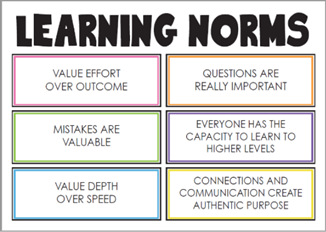
This culture supports children to feel safe with making mistakes. Academic integrity is explicitly taught to help students understand that errors help teachers identify where additional teaching, clarification or support may be needed. Students are encouraged to attempt tasks themselves, make mistakes and learn from feedback, rather than seeking the ‘right answer’ from a peer.
We place an emphasis on high participation and offer all students multiple opportunities to respond such as mini whiteboards, think-pair-share discussions, true/false questions, multiple choice responses and cold calling. These approaches ensure that every student is thinking about the concept and preparing a response, rather than passively observing others who may raise their hand.
Further, as our lessons are designed on the principles of the Science of Learning, there are regular opportunities for teachers to check student understanding. These short cycle assessments allow monitoring progress in real time and immediate response when students need further support or extension.
Importantly understanding is never assessed through a single question. Teachers use a range of carefully sequenced questions and tasks to determine if students can apply and explain a concept. This makes it difficult for students to guess or make things up as teachers are constantly gathering evidence of understanding across a lesson.
Teachers also monitor the student independent workbook entries and observe how students explain their mathematical thinking verbally and in writing. In addition, each unit concludes with a Unit Assessment to evaluate students understanding of concepts taught.
Twice a year, students participate in Adaptive Progressive Achievement Testing (PAT). These assessments adjust the level of difficulty based on student’s responses, providing teachers with detailed information about individual strengths, areas for growth and overall progress across the curriculum.
Questions on the theme of supporting at home
We recommend that you read the Year Level newsletters termly as teachers provide ‘How can you support your child’s Mathematics learning at home?’ ideas each term, dependent on the topics being studied.
The Department of Education also offers parents a suite of resources which can be accesses via
How to build your child's numeracy skills from birth to Grade 2 | vic.gov.au
How to build your child's numeracy skills from Grades 3 to 6 | vic.gov.au
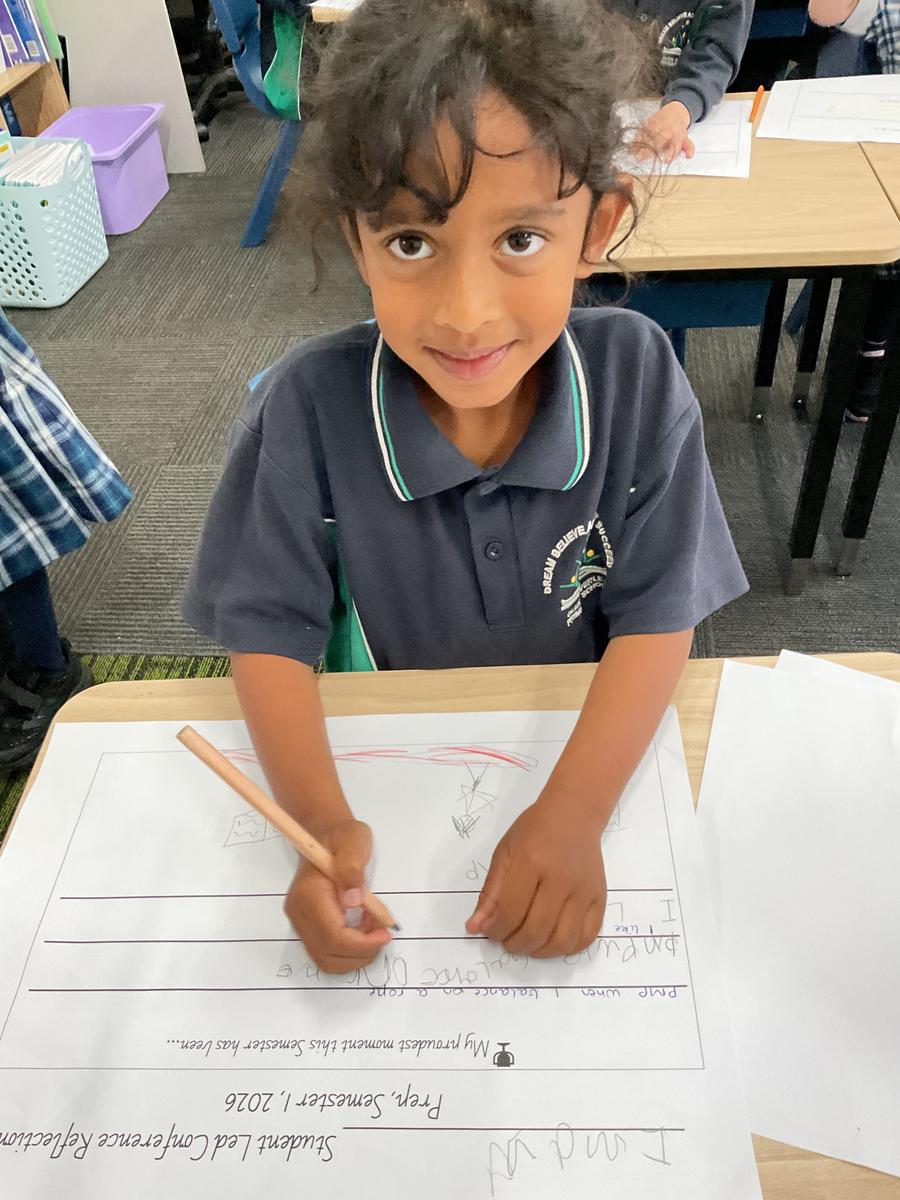
Student reflections