
Chaplain's Spot

10 Tips for Effective Positive Parenting
I love being a parent … and a grandparent. In life there are many challenges, and we can all benefit from the wisdom of past generations, or others on the same path with us. Here are some helpful tips. The web-site link is at the end of the article.
Definition of positive parenting
Positive parenting is a nurturing approach that emphasizes mutual respect and uses positive, clear, and consistent strategies to guide children’s behaviour. This parenting style focuses on building strong, deep, and trusting relationships between parents and their children. It emphasizes encouragement and positive interactions, seeking to empower children rather than control them. The aim is to teach and guide children, setting them on a path to become responsible, self-reliant, and empathetic individuals.
Importance of positive parenting
Embracing positive parenting helps in building their self-esteem, and nurtures a healthy, secure emotional connection between parent and child. This method reduces conflict, enhances communication, and promotes understanding and respect. Studies have indicated that children raised with positive parenting techniques tend to have better academic performance, fewer behavioural problems, and more resilient mental health. Moreover, it prepares children to form positive relationships throughout their lives.
10 Tips for Effective Positive Parenting
Tip 1: Creating a loving and nurturing environment
A loving, nurturing environment is foundational for positive parenting. It involves providing a space where children feel safe, loved & valued. You can foster such an environment by:
– Regularly expressing love and affection through words, hugs, and actions.
– Ensuring that your home is a haven where your child can feel secure and be themselves.
– Being responsive to your child’s emotional and physical needs.
By nurturing this positivity, you are setting the tone for open communication and trust.
Tip 2: Setting clear boundaries and expectations
Clear boundaries and expectations provide children with a structured framework that helps them understand what is expected of them. To effectively set these boundaries:
– Be consistent with rules and the consequences for breaking them.
– Explain the reasons behind your rules to help children understand and internalize them.
– Adjust rules appropriately as your child grows and their understanding expands.
Clear boundaries help children feel secure and develop self-discipline and self-control.
Tip 3: Practicing open communication
Open communication fosters a deeper connection and understanding between you and your child. Encourage a two-way dialogue they feel heard and respected. Do this by:
– Actively listening to your child’s thoughts and concerns without judgment.
– Encouraging them to express their feelings and opinions.
– Discussing various topics openly and honestly, ensuring you’re approachable.
Effective communication builds trust & helps develop critical social and emotional skills.
Tip 4: Encouraging independence and decision-making
Supporting your child’s independence and ability to make decisions boosts their confidence and self-esteem. You can encourage this autonomy by:
– Allowing age-appropriate freedoms to make choices about activities, food, and friends.
– Providing opportunities to express themselves and make decisions about life.
– Supporting choices and guiding them gently to make better decisions when necessary.
Promoting independence prepares children for the responsibilities of adulthood.
Tip 5: Being a positive role model
Children learn a great deal from observing parents. Being a positive role model is crucial in positive parenting. Consistently demonstrate behaviours you want to see in your child, like kindness, patience, respect. Show through actions how to manage stress, interact with others, & pursue goals persistently. Your example will naturally influence them.
Tip 6: Using positive reinforcement
Positive reinforcement involves rewarding the behaviour you want to encourage rather than focusing on punishing the undesired ones. Techniques include:
– Praise and acknowledge your child’s efforts and achievements.
– Give attention to positive behaviours more than negative ones.
– Use rewards sparingly to enhance motivation for specific achievements.
This approach promotes repeated good behaviour and positive development.
Tip 7: Managing stress and anger effectively
Effective management of your own stress and anger is key in setting the right example for your children. Practice self-regulation by:
– Identifying triggers and finding healthy ways to cope - exercise, meditation, or talking.
– Taking a moment to breathe and step back when you feel overwhelmed.
– Apologizing and admitting mistakes when you handle a situation poorly, showing them everyone is human.
Managing your emotions helps create a more peaceful home and teaches your child how to handle their emotions constructively.
Tip 8: Spending quality time with your child
Quality time spent together strengthens bonds and reinforces feelings of love and security. Make the most of this time by:
– Engaging in activities that both you and your child enjoy.
– Being fully present, without distractions like smartphones or other devices.
– Creating traditions and memories that your child will cherish.
This connection is essential for healthy emotional development and reassurance.
Tip 9: Teaching empathy and kindness
Instilling empathy and kindness in your children is essential for their social interactions and moral development. Encourage empathy by:
– Expressing your own feelings and teaching them to recognize and name theirs.
– Discussing feelings and motivations of characters in stories or movies.
– Encouraging them to think about how their actions affect others.
Cultivating these values leads to a more compassionate and understanding individual.
Tip 10: Fostering a growth mindset
A growth mindset, the belief that abilities can be developed through dedication and hard work, is a powerful motivator. Encourage a growth mindset by:
– Praising effort and persistence over results.
– Teaching your child that mistakes are opportunities for learning, not failures.
– Encouraging curiosity and ongoing learning.
A growth mindset helps children embrace challenges, persevere, and achieve personal growth throughout their lives.
Conclusion
Positive parenting is a mindset that can dramatically enhance the relationship between you and your child. It emphasizes empathy, support, and guidance over punishment and criticism, aligning with the emotional and developmental needs of children.
By employing these positive parenting strategies—from maintaining a strong connection to setting clear boundaries and fostering a growth mindset—you’re setting the stage for your child’s overall well-being and success. Remember, the journey of parenting is paved with challenges, but with a positive approach, it can also be incredibly rewarding. Embrace each moment, and watch as you and your child grow together in a loving, respectful relationship.
10 Tips for Effective Positive Parenting - Building Better Brains™
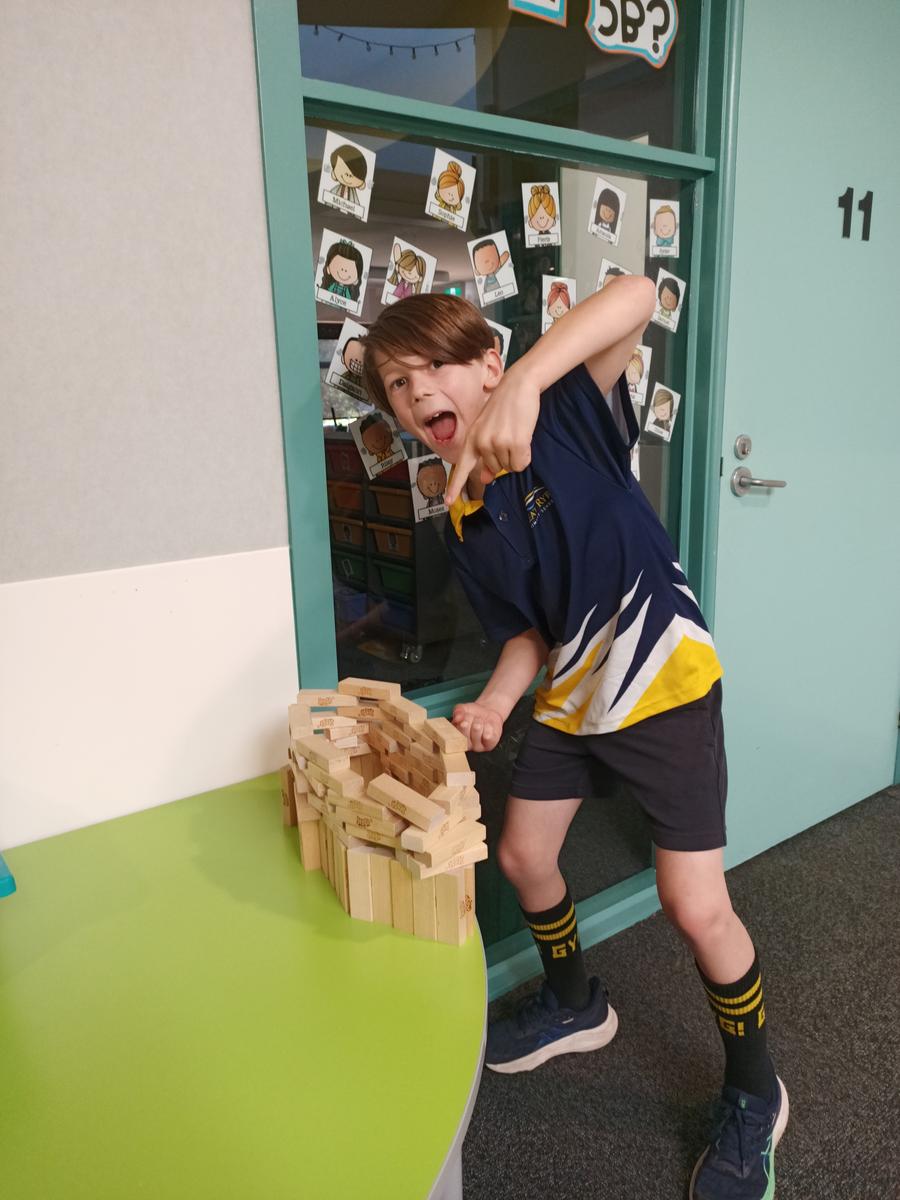
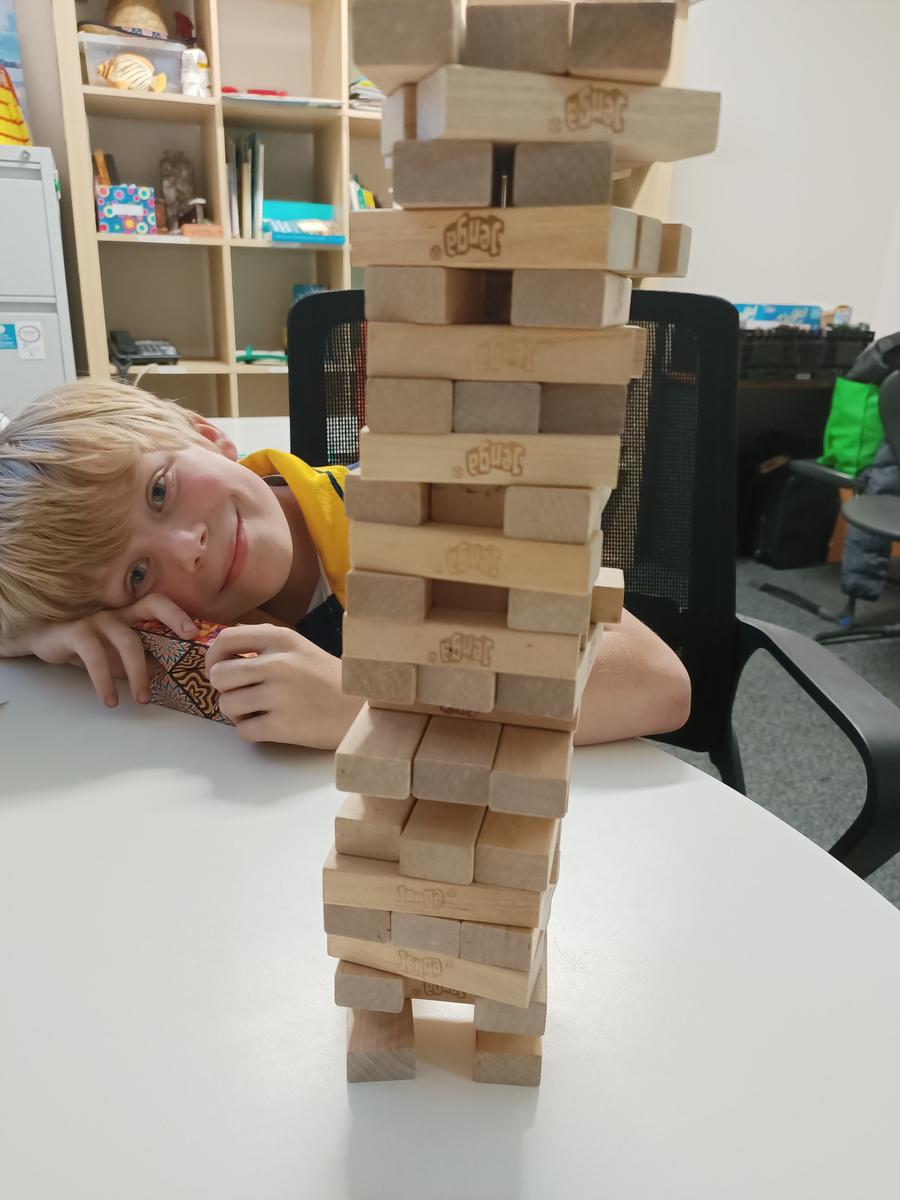
The fun of Jenga:
Jenga has been a popular game since 1983! The basic games is a fun challenge, but also creativity rises to create all sorts of structures, as seen at the games club.
The name Jenga is derived from kujenga, a Swahili word which means "to build".

Community wellbeing:
Toast Tuesday: Our free breakfast program runs weekly on Tuesdays at 8.30am, and is open to all students. Woolies Eastland supports us with a monthly gift card for our spreads.
We would love to have a couple more parent helpers. You need to have a current ‘Working with Children’ card. My wife Bonnie coordinates the team. There are 2 rostered on with her. The link to the Term 2 roster is volunteersignup.org/8RP9L .
Baker Delight goods: We are thankful to Bakers Delight Heathmont, for their generous provision of loaves for Toast Tuesday. If you would appreciate regular bakery items, please email me, or see me at school.
Second-hand uniforms etc:
We have quite a few second-hand school bags available. Check them out on Tuesday mornings. Also, is it time for a pre-winter clean out of uniform items not needed? Track pants are currently in short supply, but any items in good condition and clean are accepted.
Contact: Feel free to contact me about anything that is of concern for you or your family, whether emotional, social, spiritual or practical.
Regarding students, I can meet with them once, and for further contact we ask parents to sign a Consent Form. If you would like a form, I can send one home or email one to you.
Alan Silverwood: Chaplain - Pastoral care for our community. [Tuesday & Friday]

[alan.silverwood@education.vic.gov.au]
Supporting the School community in emotional, social, spiritual and practical wellbeing.
Our Chaplaincy program is funded by the Federal Government’s ‘National Student Wellbeing Program’, the GRPS School Council and donations.