
Pastoral Care

Positive Language
Peer Mentoring bowling afternoon
Year 10 GPs in Schools
Push up Challenge
Parent webinars and workshops
Positive Language
WHAT IS POSITIVE LANGUAGE? AND WHY IS IT IMPORTANT?
Positive language is a way of communicating that aims to express thoughts, ideas, and emotions in a friendly, optimistic, and helpful manner. It highlights what can be done, explores possibilities, and shows respect and hopefulness.
WHAT ARE THE CHARACTERISTICS OF POSITIVE LANGUAGE?
a. Constructive Feedback: Providing feedback that focuses on solutions and improvements rather than just criticising what went wrong.
b. Affirmative Statements: Using words and phrases that affirm and support rather than negate or diminish.
c. Encouraging Words: Motivating and inspiring words that encourage others to take positive action.
d. Politeness and Respect: Using courteous language that respects others' feelings and perspectives.
e. Optimistic Outlook: Expressing a hopeful and positive outlook on situations and future outcomes.
WHY IS POSITIVE LANGUAGE IMPORTANT?
1. Enhances Communicant: Positive language helps to create clear, effective, and empathic communication, making it easier for people to understand and respond constructively.
2. Builds Relationships: Using positive language fosters trust and rapport, helping to build stronger personal and professional relationships.
3. Boosts Morale and Motivation: Positive language encourages and motivates individuals, leading to higher morale and a more positive work or social environment.
4. Reduces Conflict: By focusing on solutions and respectful communication, positive language can reduce misunderstandings and conflicts.
5. Improves Mental Health: Both for the speaker and the listener, positive language can reduce stress, increase confidence, and promote a more positive mental state.
6. Influences Behaviour: Positive language can influence behaviour positively by reinforcing good practices and encouraging desirable actions.
THE APPLICATION OF POSITIVE LANGUAGE IN DIFFERENT CONTEXTS
• Students: Teachers using positive language can create a supportive learning environment that encourages student participation and growth.
• Personal Relationships: Positive communication can strengthen bonds, resolve conflicts amicably, and create a more caring and supportive atmosphere.
• Support for Parents: In interactions with parents of students, positive language can enhance satisfaction and trust by making parents feel valued and respected.
Peer Mentoring Bowling Afternoon
On Friday 18 June, our Year 11 Peer Mentors will take part in a Peer Mentoring activity at Strike Bowling Chatswood, providing a fun and relaxed opportunity to connect with their mentees from the Junior School. Through friendly competition and shared experiences, students will strengthen relationships, build trust, and enjoy spending time together outside the classroom environment.
The activity is designed to support the development of positive connections across year groups, helping younger students feel supported and valued within the school community. By engaging in conversations and teamwork, mentors and mentees will continue to foster a sense of belonging, confidence, and hopefully have a lot of fun together.
Mr Paul Ticli - Wellbeing Coordinator
Year 10 GPs in Schools
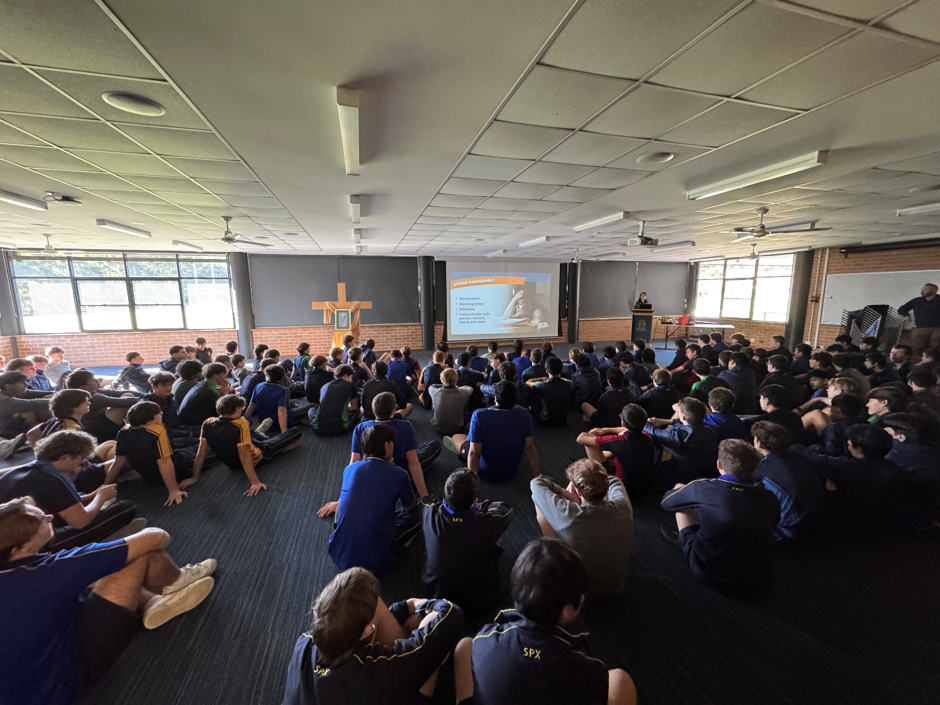
On Tuesday 16 June, Year 10 students participated in the GPs in Schools Program, where they first took part in a whole-group presentation led by healthcare professionals. This session introduced important topics such as how to access a GP, understanding confidentiality, and taking responsibility for personal health and wellbeing. It also explored key issues relevant to young people, including mental health, relationships, stress, healthy lifestyles, and seeking help when needed.
Following the presentation, students were split into smaller peer groups to discuss these topics in a more comfortable and supportive setting with GP’s. This allowed them to ask questions, share ideas, and reflect on real-life situations with guidance from professionals.
Overall, the program had many positives for students, empowering them to feel more confident about managing their health, reducing barriers to seeking help, and encouraging open, informed conversations about issues affecting young people today.
Toby Markulin and Oliver Carswell – Year 10 Students
Push up Challenge
The Push-Up Challenge 2026
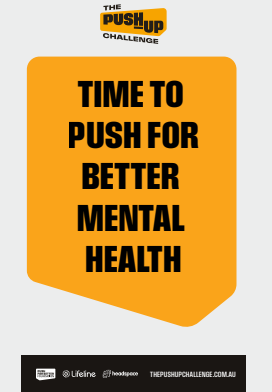
We are excited to once again take part in The Push-Up Challenge - now in our sixth year as a school community!
The Push-Up Challenge is a fantastic opportunity for students, parents, carers, and staff to focus on mental fitness, encourage healthy physical activity, and start important conversations about mental health. It is also a great way to build resilience, connection, and a strong sense of achievement.
This year, we warmly encourage parents and carers to join the challenge alongside their sons and take part as a family.
How it works at SPX
From 3–26 June 2026, participants will work towards completing a set number of push-ups across 24 days. The target number of push-ups reflects an important mental health statistic connected to lives lost to suicide in Australia, helping raise awareness and encourage meaningful conversations around mental health.
Participants can:
Complete the full challenge target or choose a half-target option
Substitute push-ups with squats, sit-ups, or other approved exercises
Log their progress daily using the app or online platform
Each day also features a Mental Health Fact, designed to educate participants, improve awareness, reduce stigma, and encourage positive discussions within our community.
Important reminders
The challenge is focused on awareness, wellbeing, and participation
Fundraising is optional, although donations are welcomed
Students are encouraged to participate safely and consistently
How to log your push-ups
Download the official Push for Better app:
Push for Better App (Apple App Store)
How to join the SPX Community Team
https://www.thepushupchallenge.com.au/fundraisers/stpiusxcollege
So start preparing those shoulders and get a few practice push-ups in before June - we look forward to seeing our SPX community get involved once again!
Mr Paul Ticli - Wellbeing Coordinator
Supporting young people around alcohol and other drugs
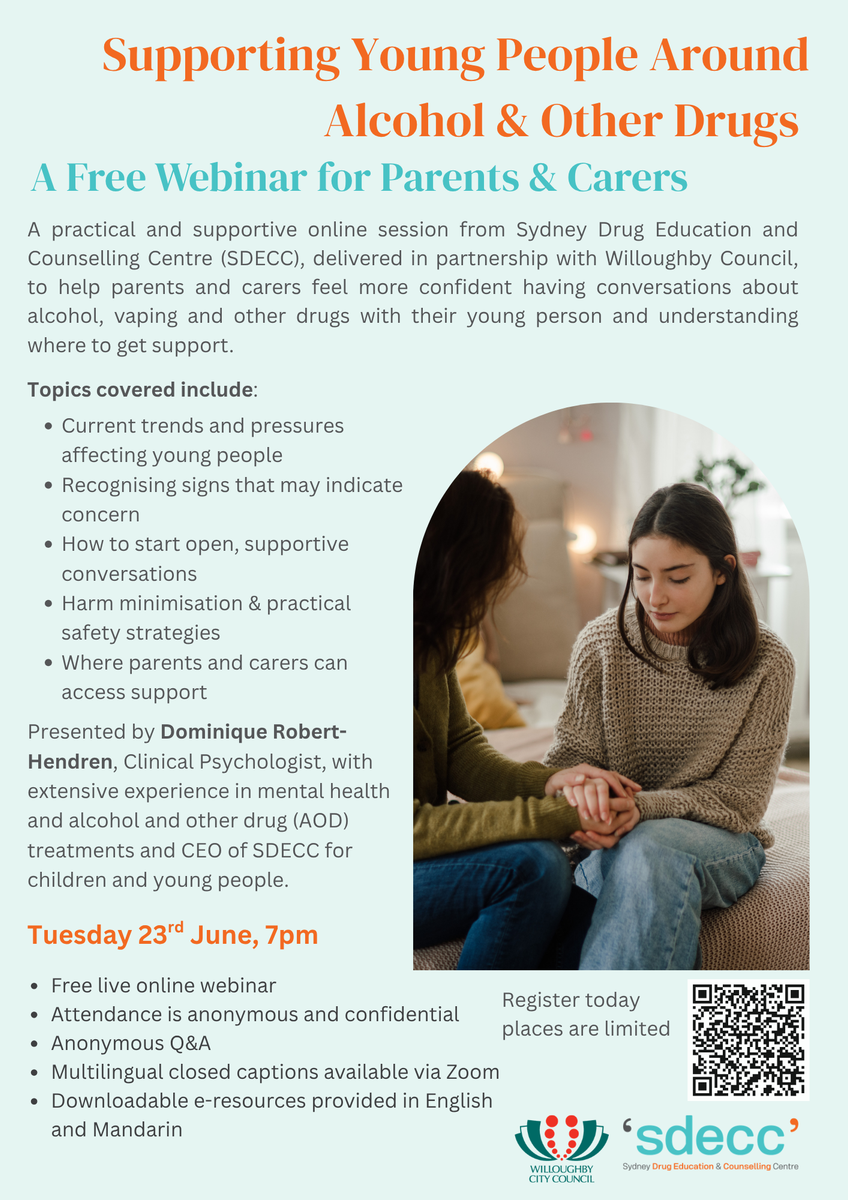
Sydney Drug Education and Counselling Centre presents a free webinar covering:
- Current trends and pressures affecting young people
- Recognising signs that may indicate concern
- How to start open, supportive conversations
- Harm minimisation and practical safety strategies
- Where parents and carers can access support
When: Tuesday 23 June
Time: 7:00 pm
Webinars empowering parents and carers to support teen mental health
The Black Dog Institute are offering free mental health webinars designed to provide practical tools, strategies and insights to help them support the young people in their lives.
Thursday 25 June @ 7:00 pm (AEST) Register here
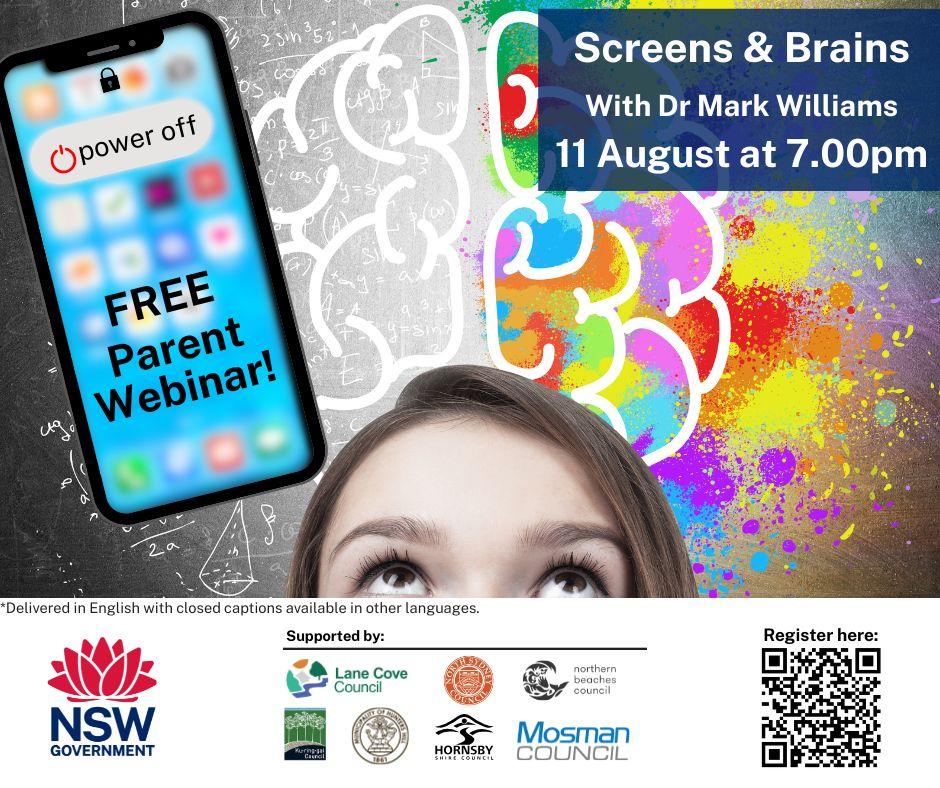
Screens and Brains
This free webinar with neuroscientist, Dr Mark Williams, helps parents learn how screen use influences children and young people's:
- Brain development
- Learning and academic performance
- Behaviour and regulation
- Social connection, wellbeing and mental health
When: Tuesday 11 August
Who: For parents and carers of children and young people from 5 - 16 years.
Mr Martin Gillogly - Assistant Principal, Pastoral Care