
Deputy Principal - Teaching & Learning
Ms Lisa Hanlon
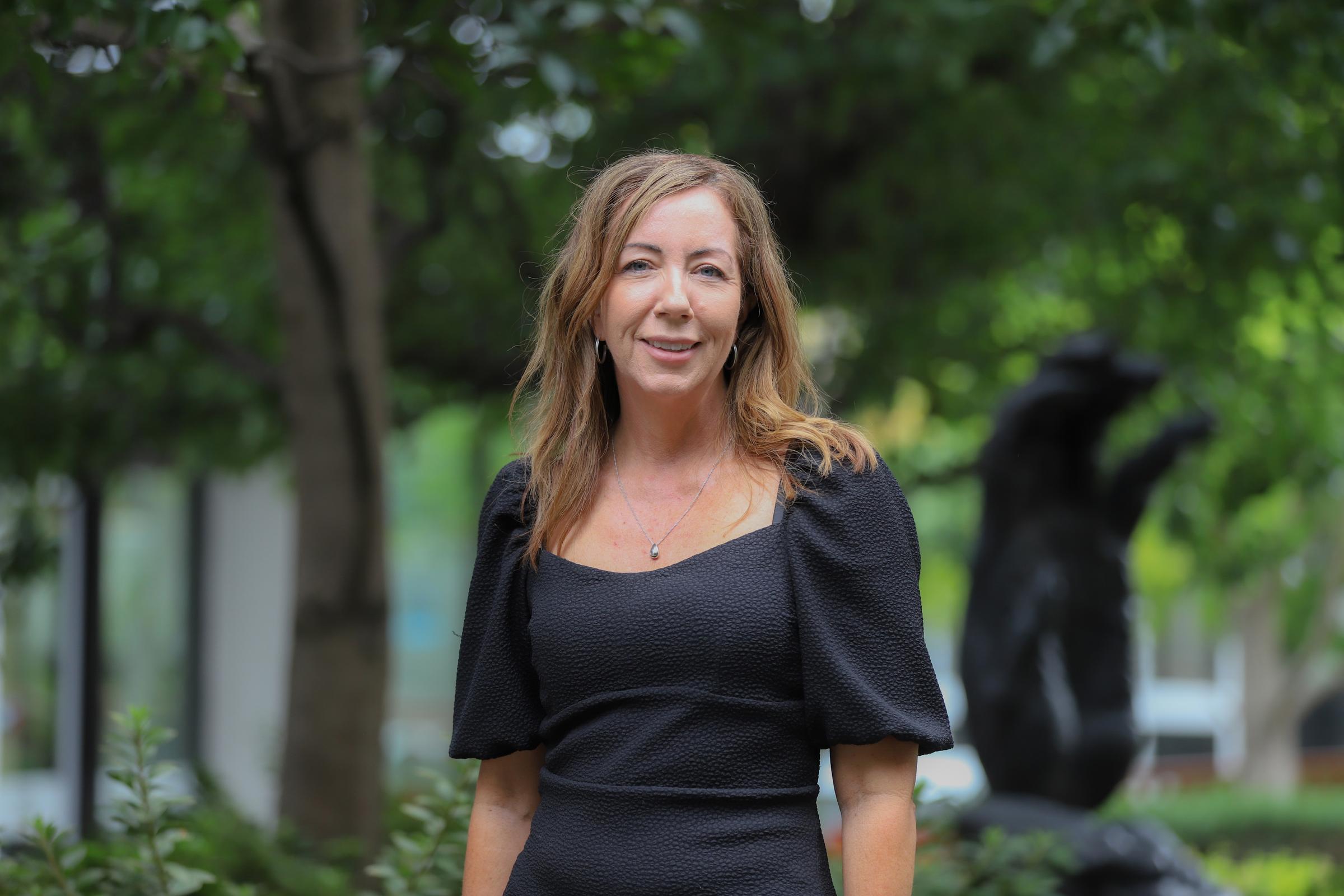
Deputy Principal - Teaching & Learning
Ms Lisa Hanlon
Educators have long emphasised the need to educate ‘the whole person’; it is after all, what gives us a sense of meaning and purpose. More recently, teachers have become aware of the need to prepare students for a world that is global, interconnected, and shaped by rapid technological change. Here at St Catherine’s School, we refer to this as preparing our girls for life beyond the Heyington Gates. And we take this seriously, for we know that so many of our students go on to make a significant impact in society.
St Catherine’s has a rich legacy – a history in which the good has been honoured, both by our motto and in deeds. And so, in designing a flagship Year 9 program, we sought to continue to honour this legacy and build upon it. This week we invited our Year 9 2026 parents on the journey with us and the Cranlana Centre for Ethical Leadership as we launched our Year 9 Ethical Leadership program to them. This residential program, which has been designed in collaboration with Dr Leslie Cannold, Associate Professor and resident Ethicist of the Cranlana Centre, helps our students to develop their own moral framework, by nurturing their capacity for ethical thinking, character formation and moral courage. Our mantra is that students are taught not what to think, but how to think.
This emphasis on reflection about thinking is also evident through how we speak to our students about their learning and studying. Guided by the research of Shyam Barr and colleagues, our teachers have adopted teaching approaches that explicitly develop students’ metacognitive and self-regulated learning skills, which can strengthen students’ capacity for critical thinking, collaboration and reflection. Further, our teacher professional development has been reflective of Barr and Helen Askell‑Williams research which found that when teachers’ professional learning focused on self-regulated learning, there were measurable improvements in their epistemic thinking and classroom practices, which in turn supported students’ capacity to monitor and regulate their own learning (Barr & Askell-Williams, 2020).
While we as a school are doing what we can to reduce the noise of social media while the students are in our care, we know that we do not operate in a vacuum. Thus, it is now more evident than ever that we owe it to our young people to cultivate their capacity for critical and ethical thinking, and we will continue to explore ways that we can embed this in our teaching and learning.
Ms Lisa Hanlon
Deputy Principal - Teaching & Learning