Assistant Principal Wellbeing and Inclusion
Mr Tim Brown

Assistant Principal Wellbeing and Inclusion
Mr Tim Brown
Disability Inclusion
Meadows Primary School is committed to making sure every student feels supported, included, and able to thrive. The Disability Inclusion (DI) School Funding Model helps us do exactly that.
The Disability Inclusion model is a funding and support framework used in Victorian government schools. It is designed to:
The model ensures that support is not “one size fits all,” but tailored to each child.
The Disability Inclusion model has three key parts:
Funding is provided at different levels depending on student need:
This means support can increase or change as student needs change.
For students who may be eligible for Tier 3 funding, the school may invite families to participate in a Disability Inclusion Profile meeting.
At this meeting:
These meetings are collaborative and focused on understanding the whole child.
The model also provides funding to strengthen inclusive practices across the school, including:
This benefits not only individual students, but our entire school community.
If you have questions about your child’s learning or would like to discuss support options, please contact your child’s teacher or the school leadership team.

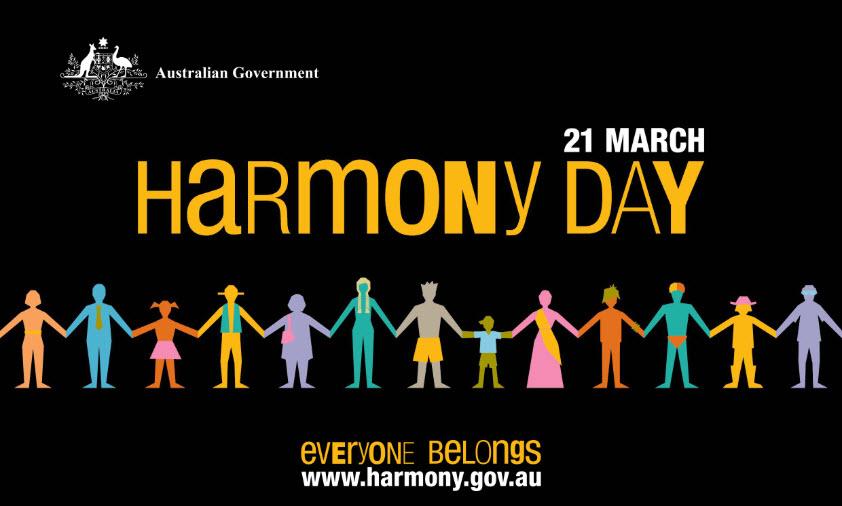
Harmony Day Celebrations
This year Harmony day is on the 21st March. In the week after this (week 10) our school community will come together to celebrate this special occasion that promotes inclusiveness, respect, and a sense of belonging for everyone. Harmony Day is an important opportunity to recognise and celebrate the cultural diversity that makes our school such a welcoming and vibrant place.
This year we want to involve not just students taking part in a range of learning activities focused on understanding, kindness, and appreciation of different cultures and backgrounds, but also come together as a whole school community. More exciting details to come.