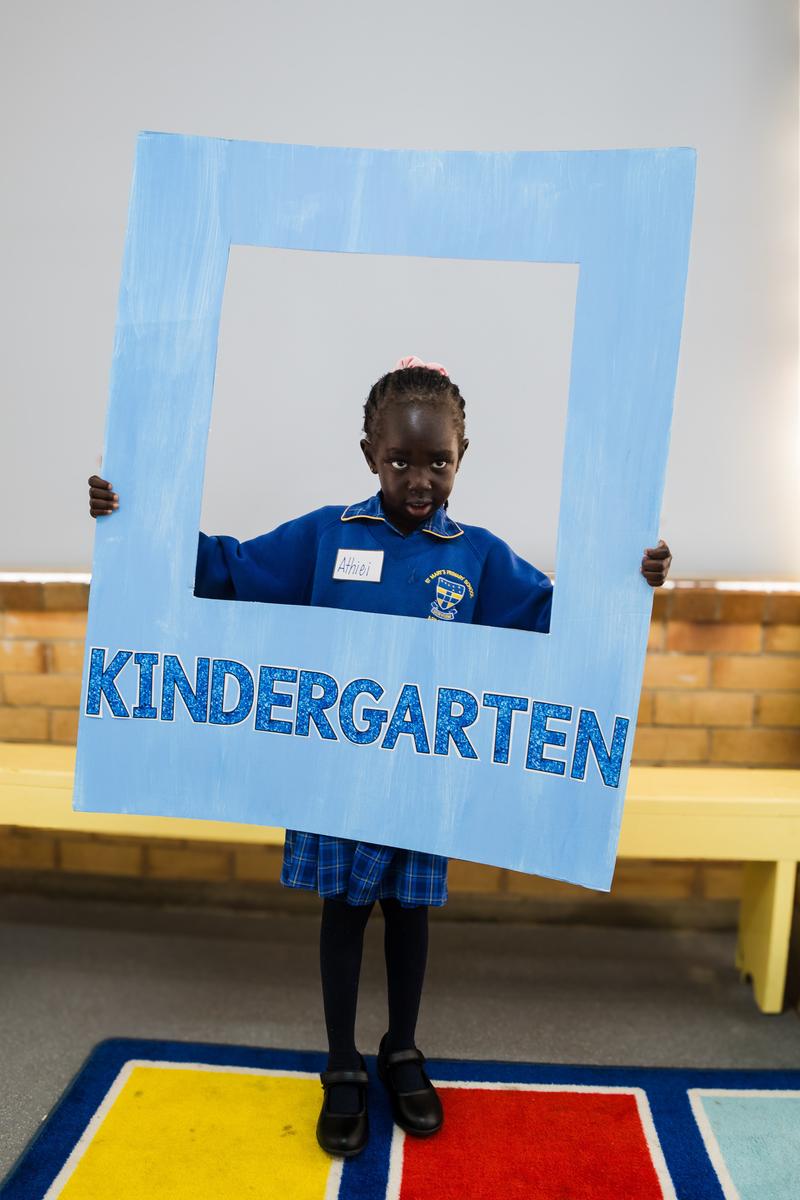
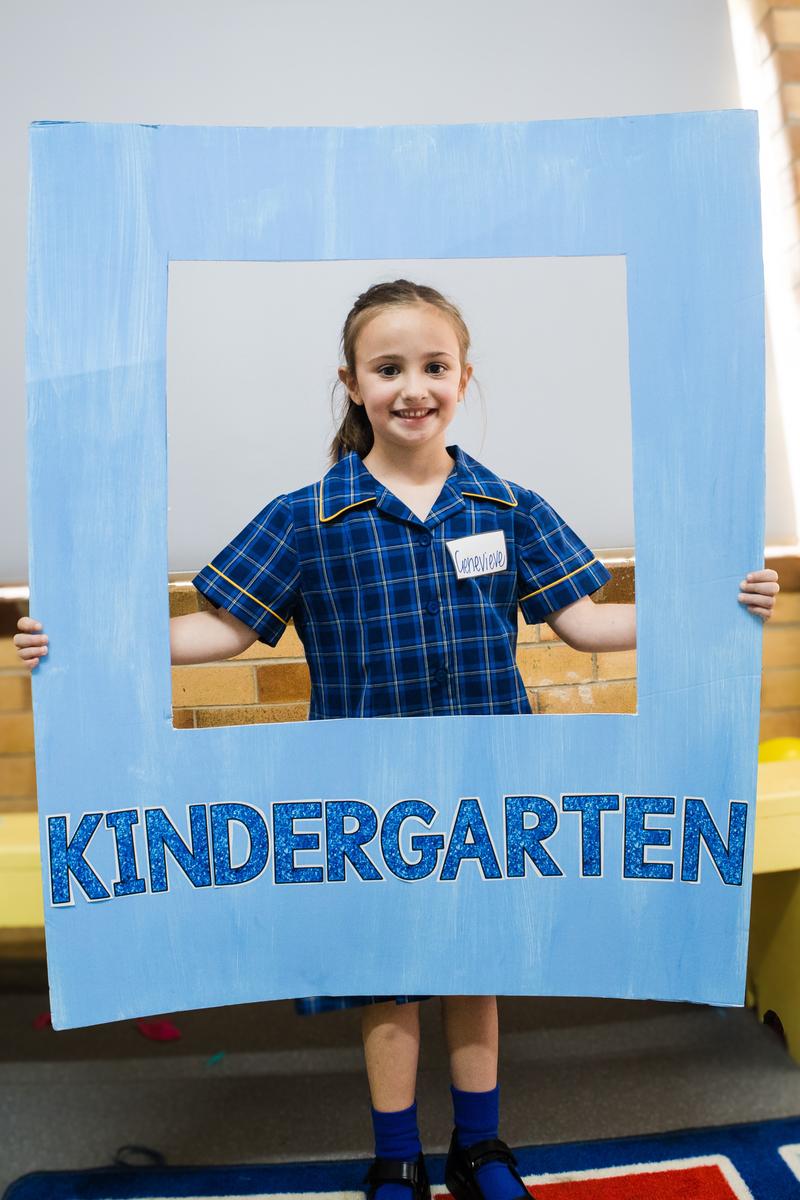
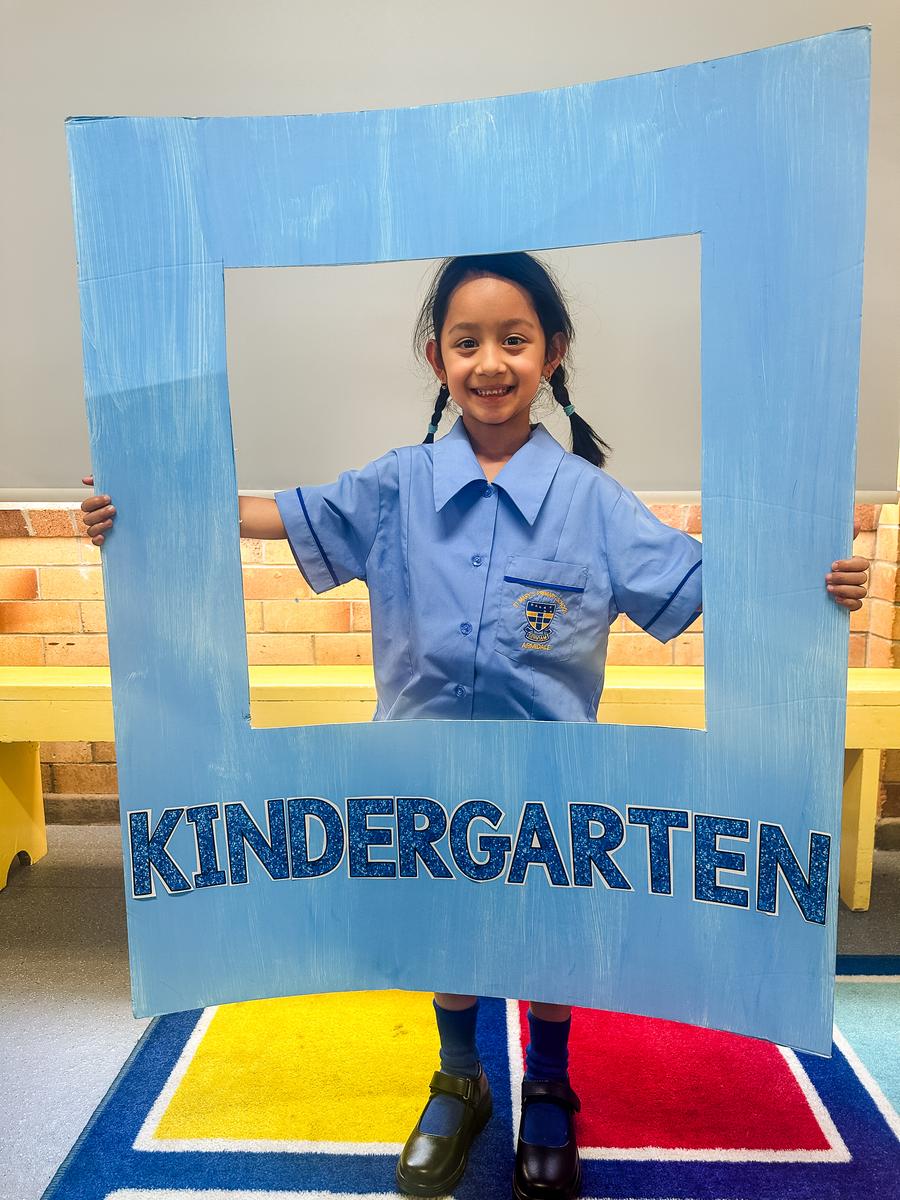
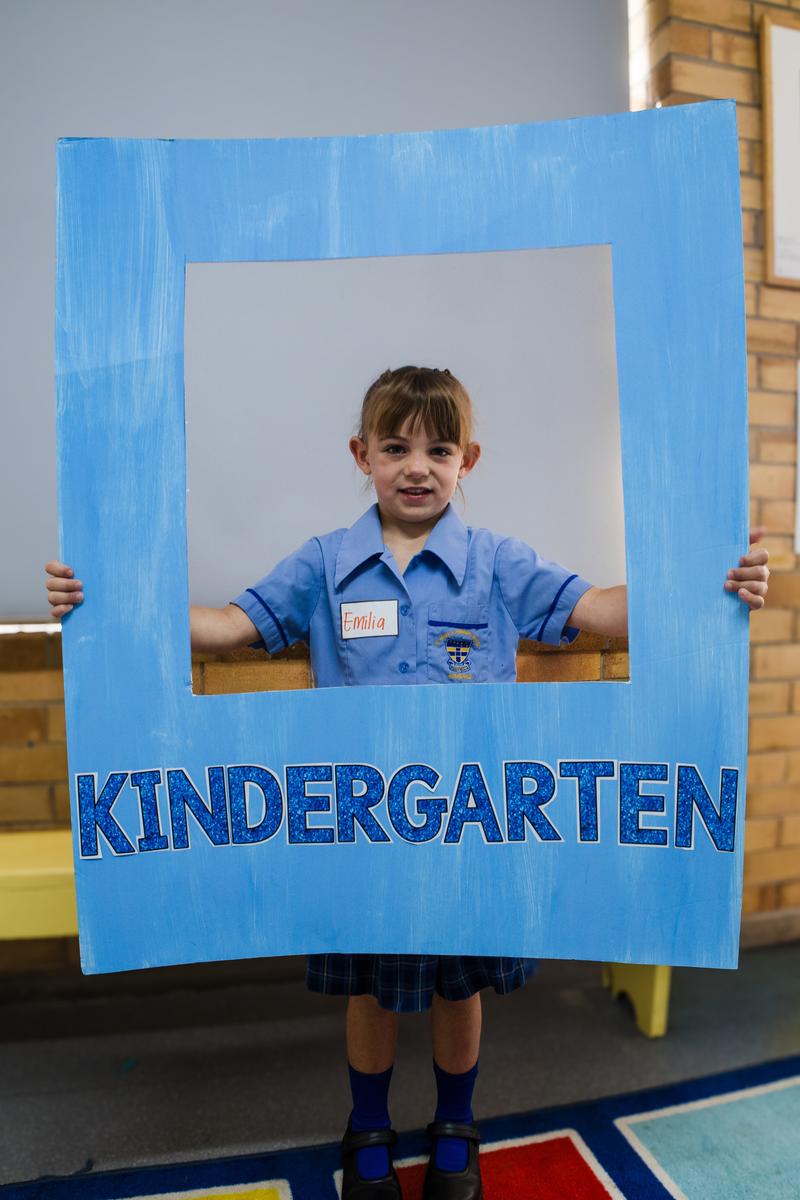
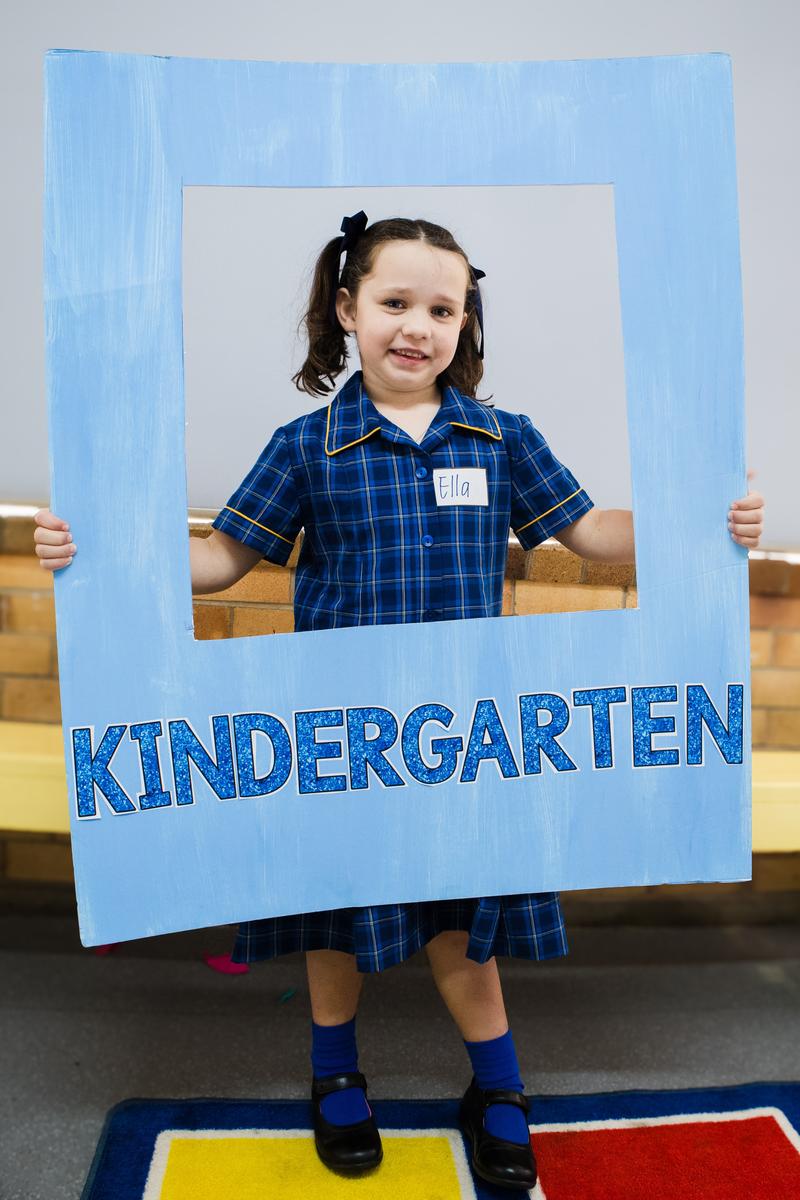
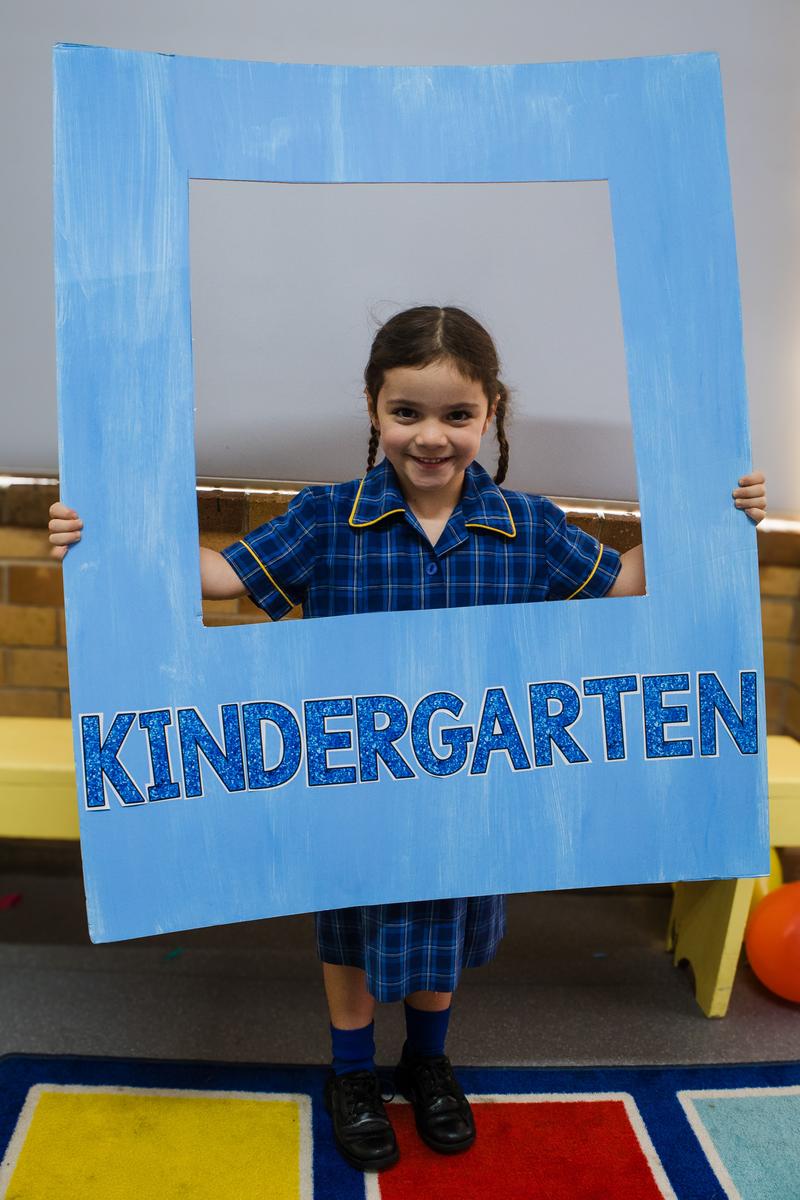
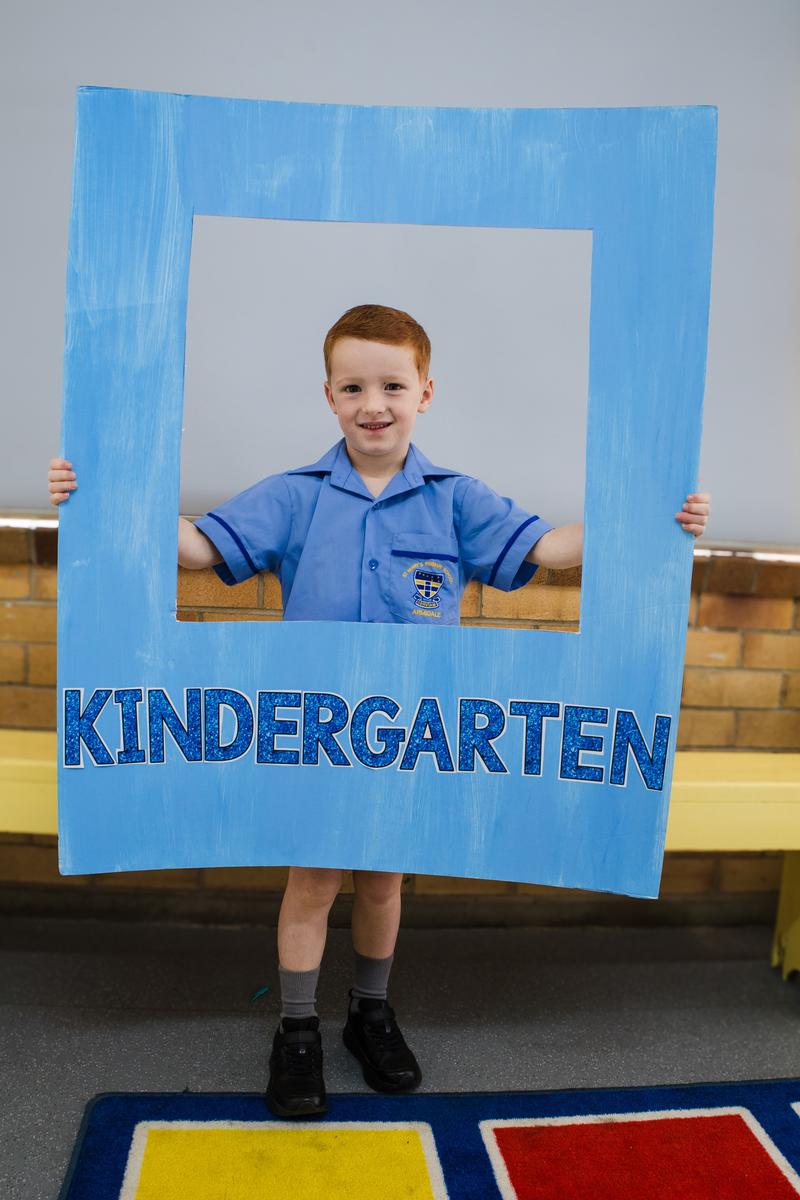
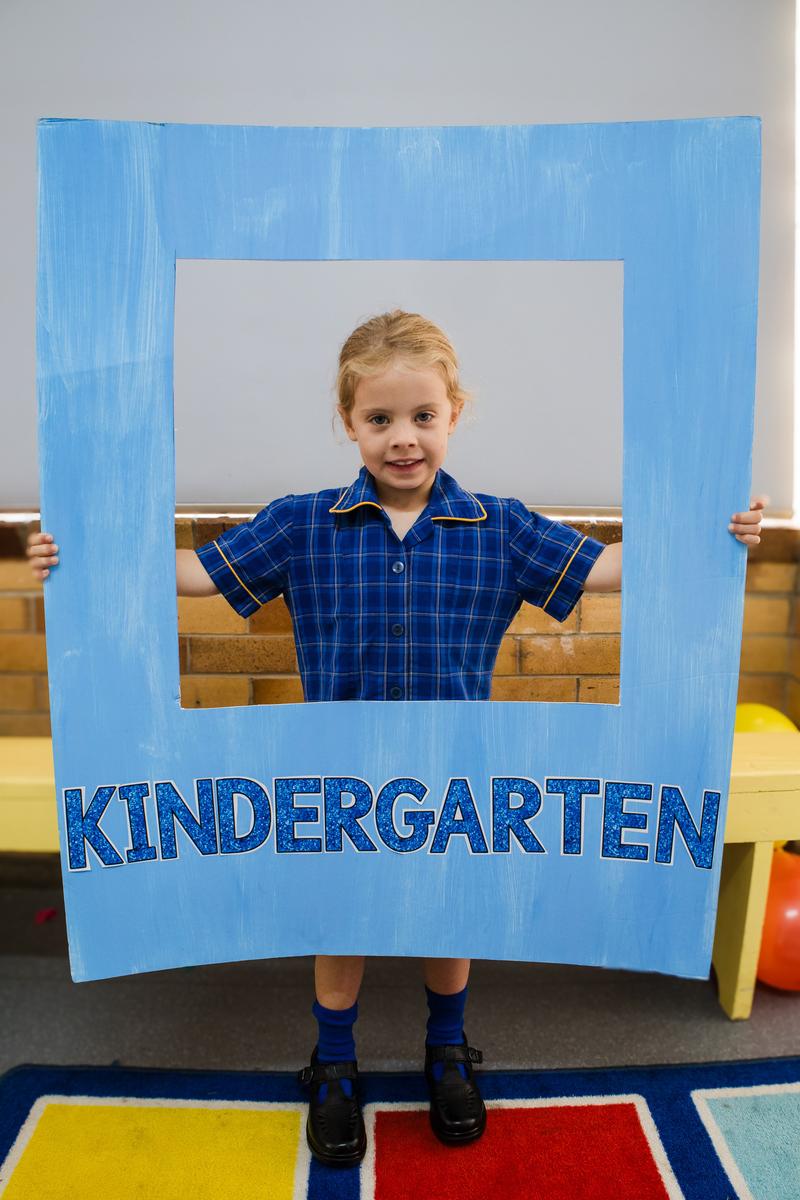
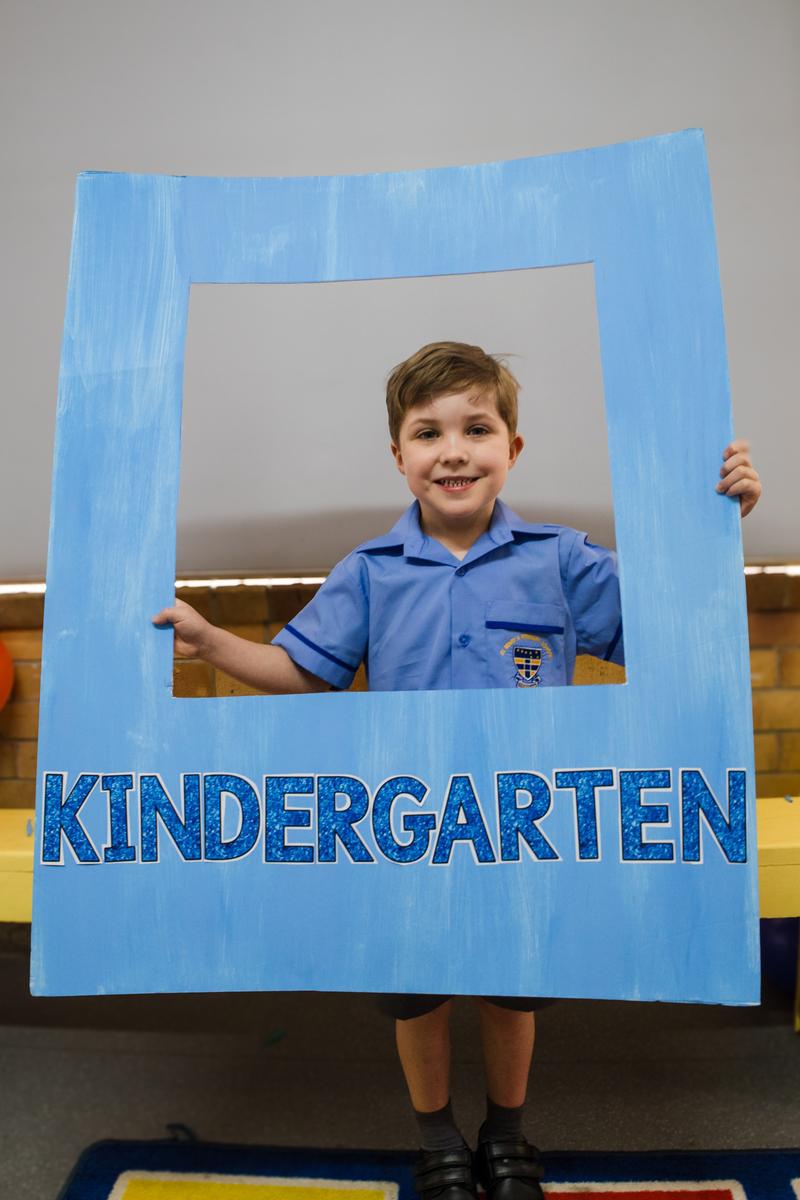
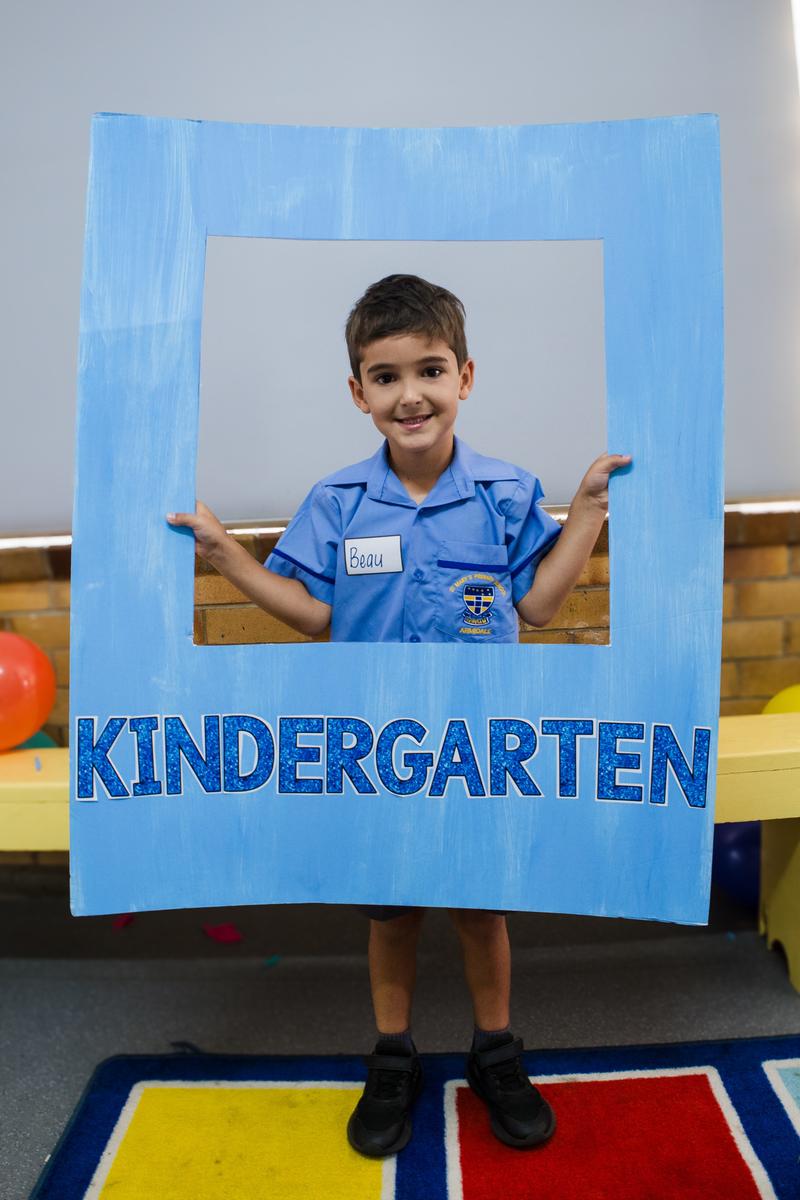
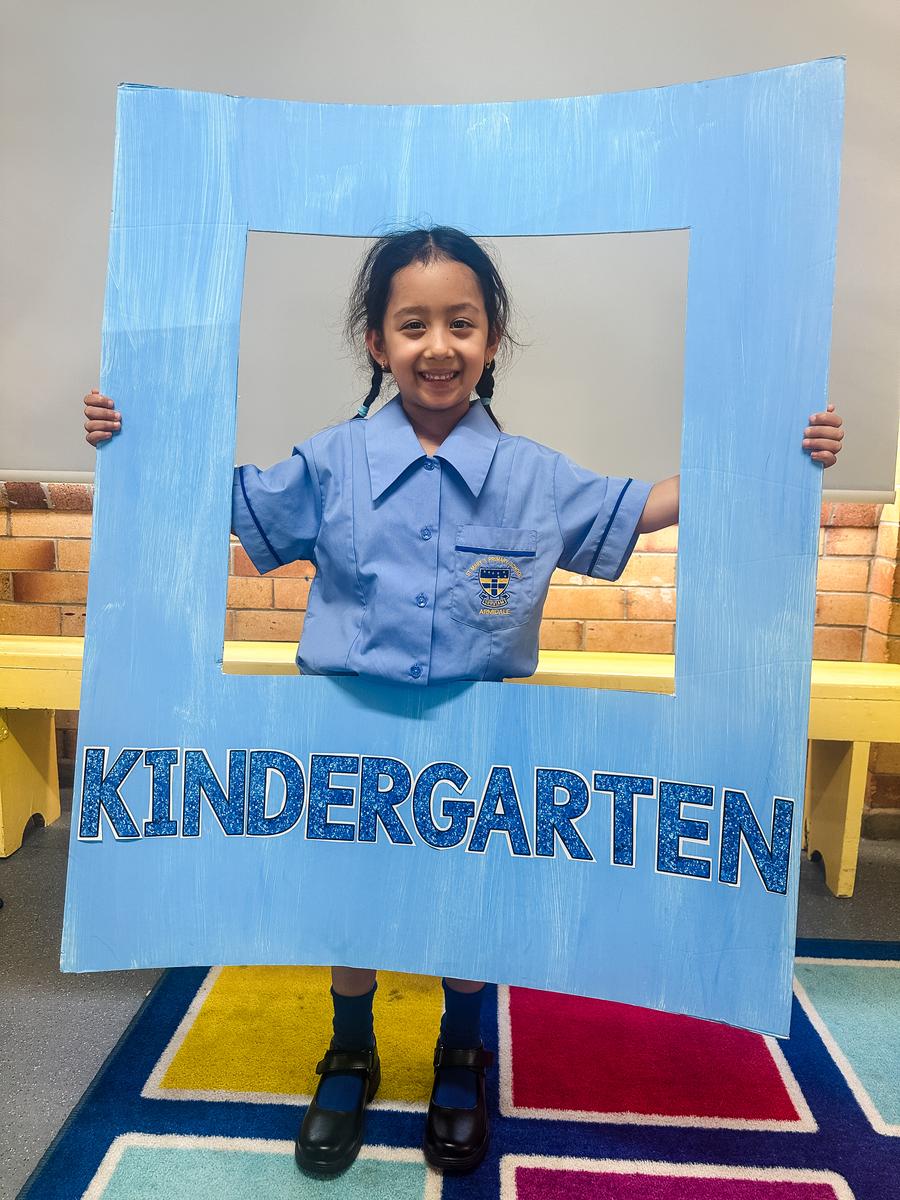
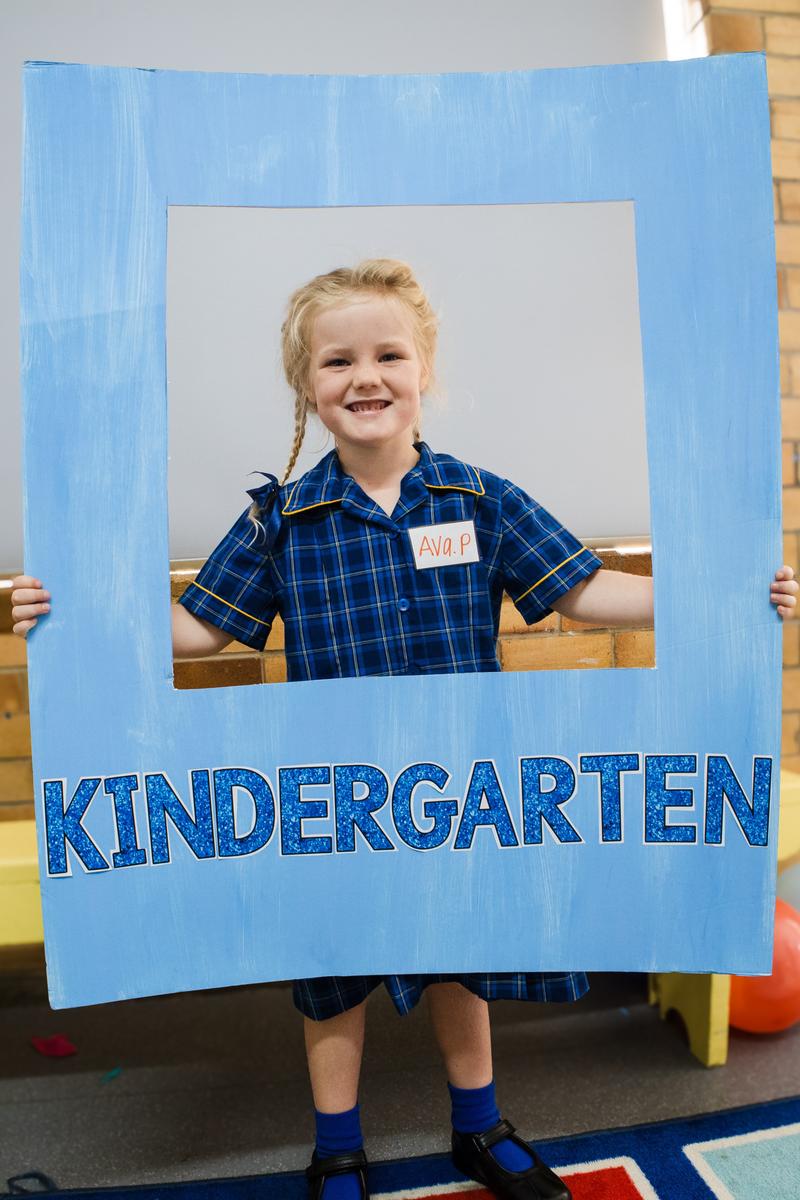
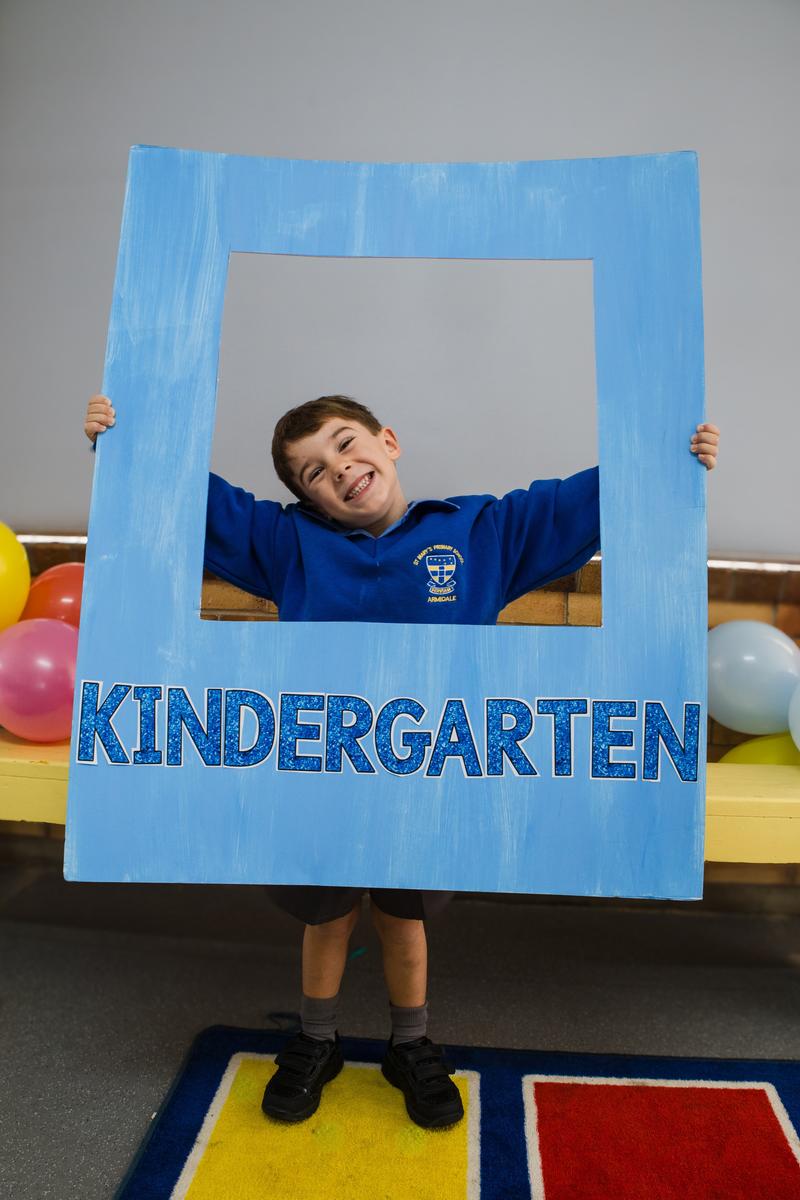
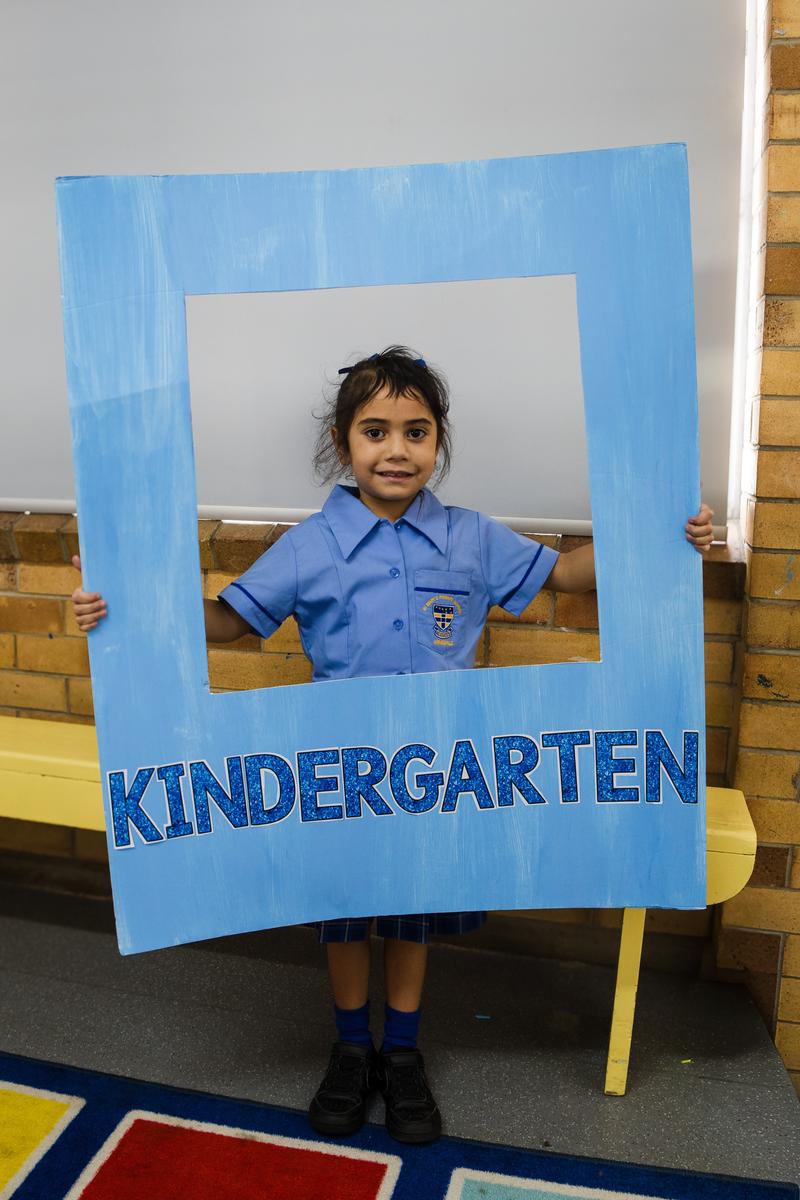
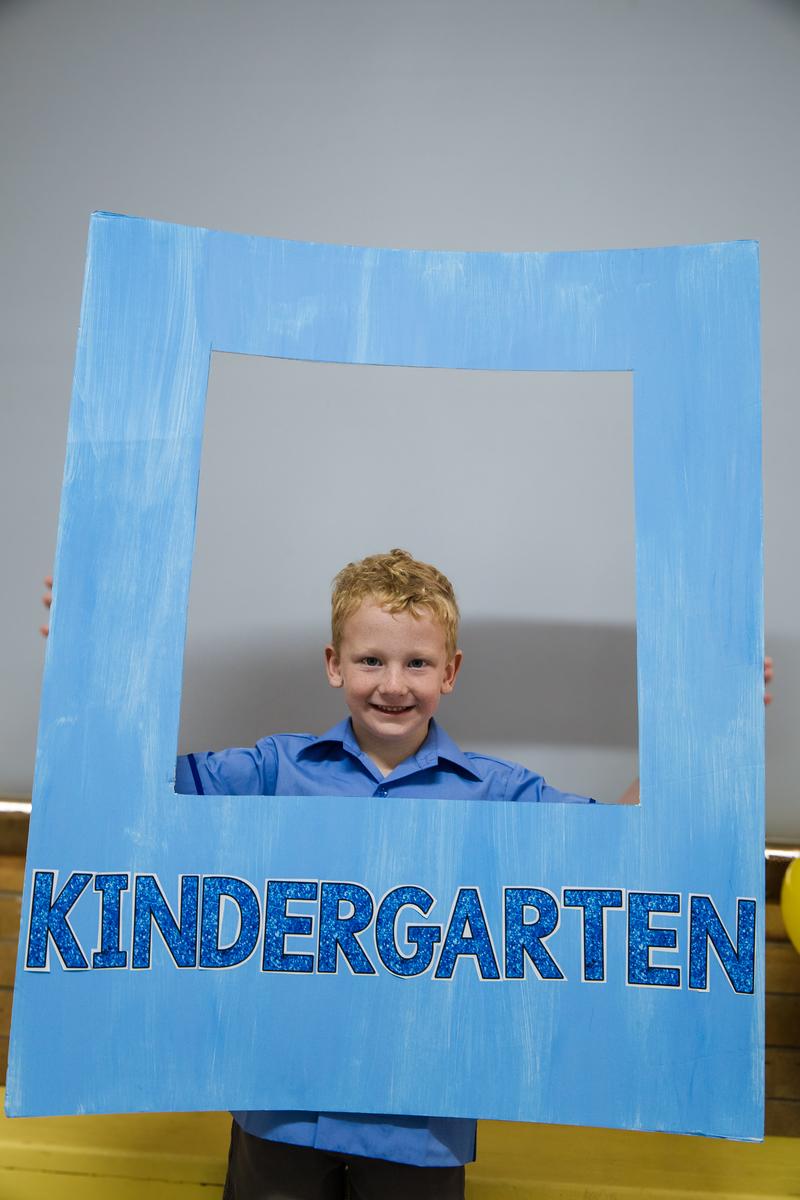
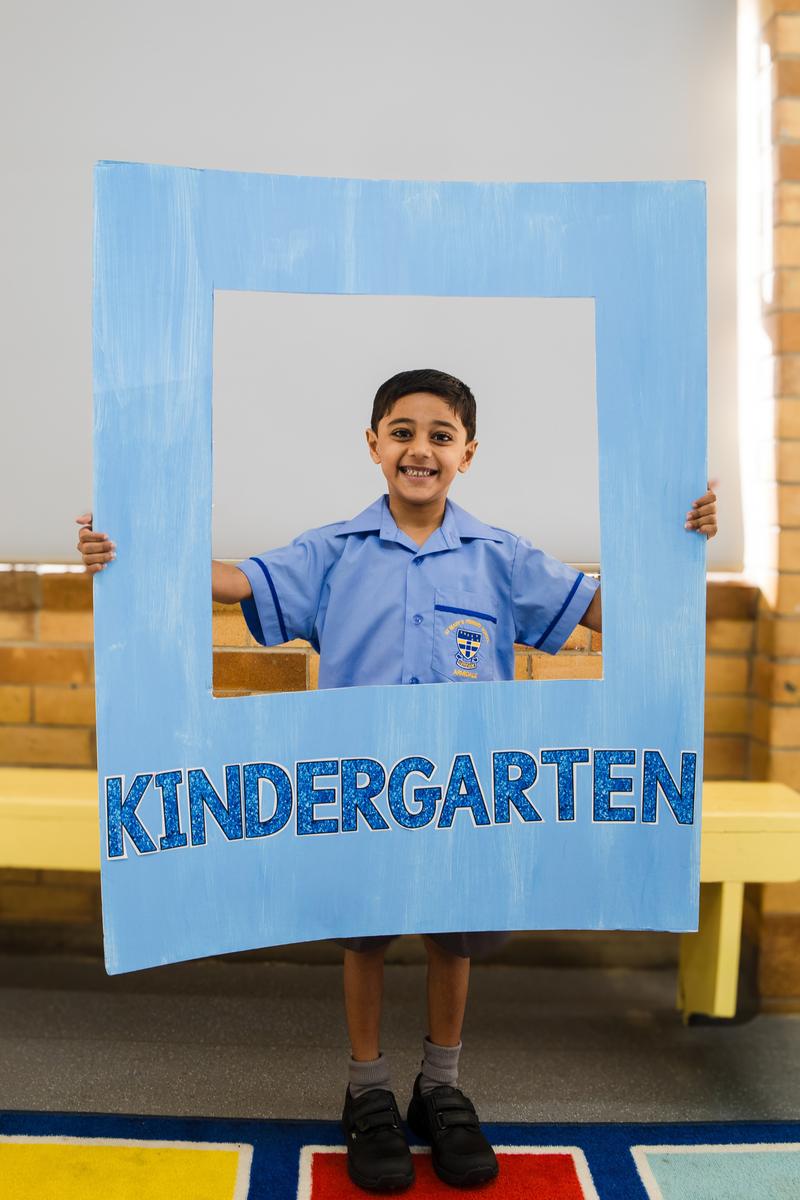
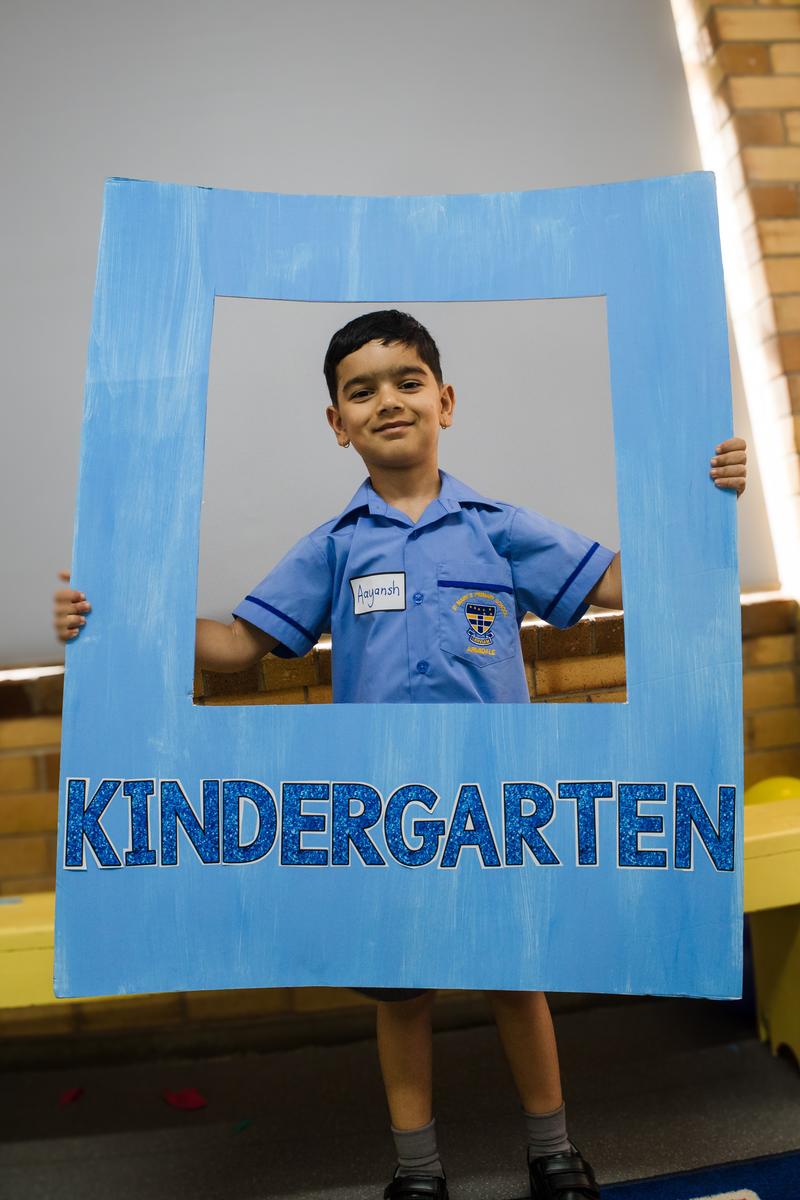
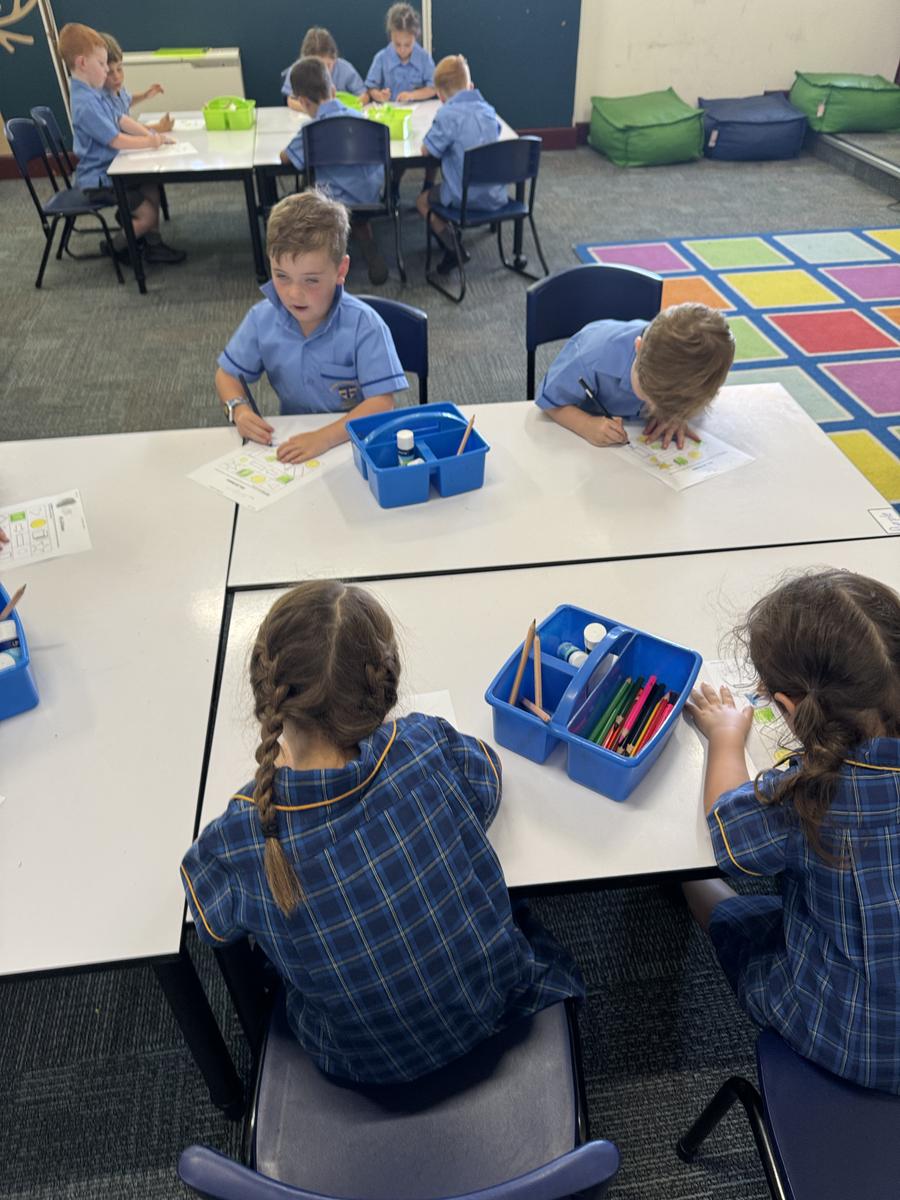
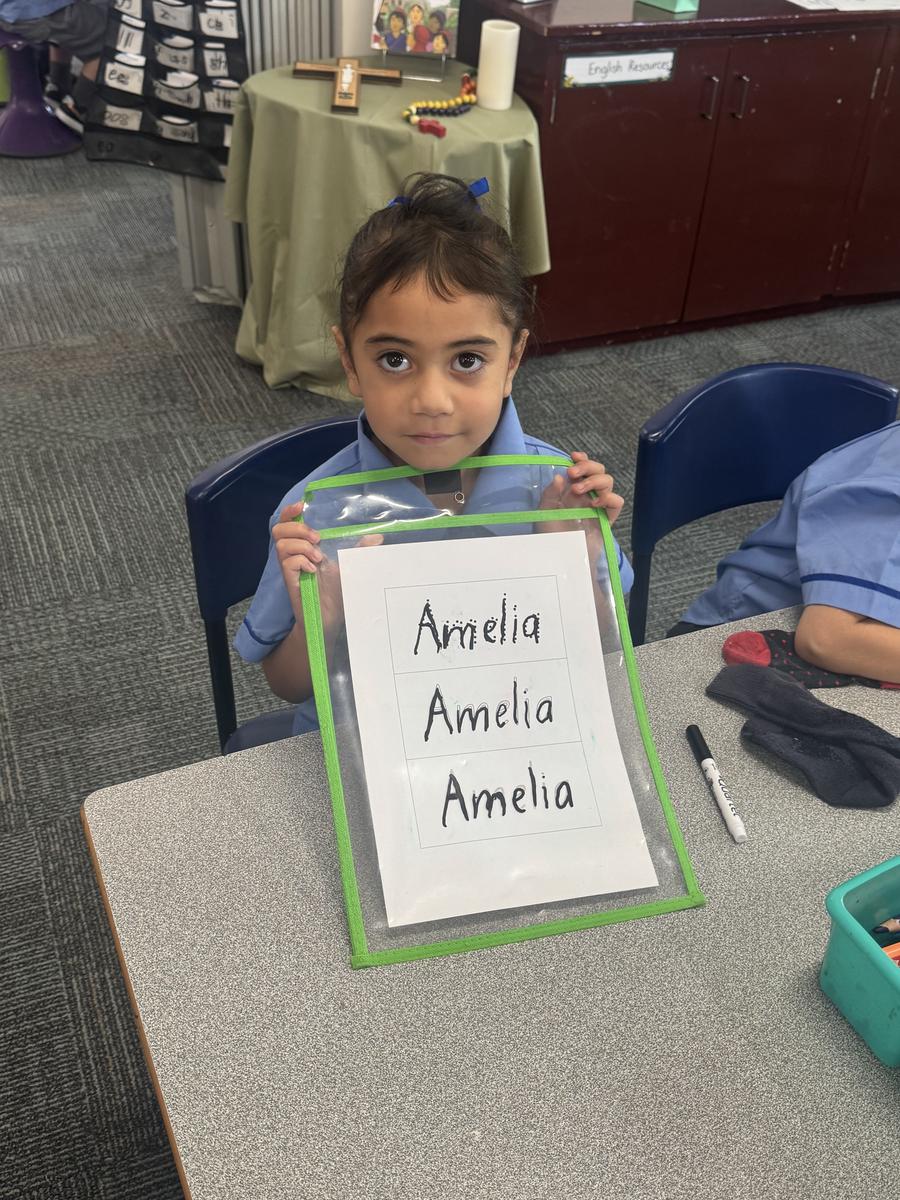
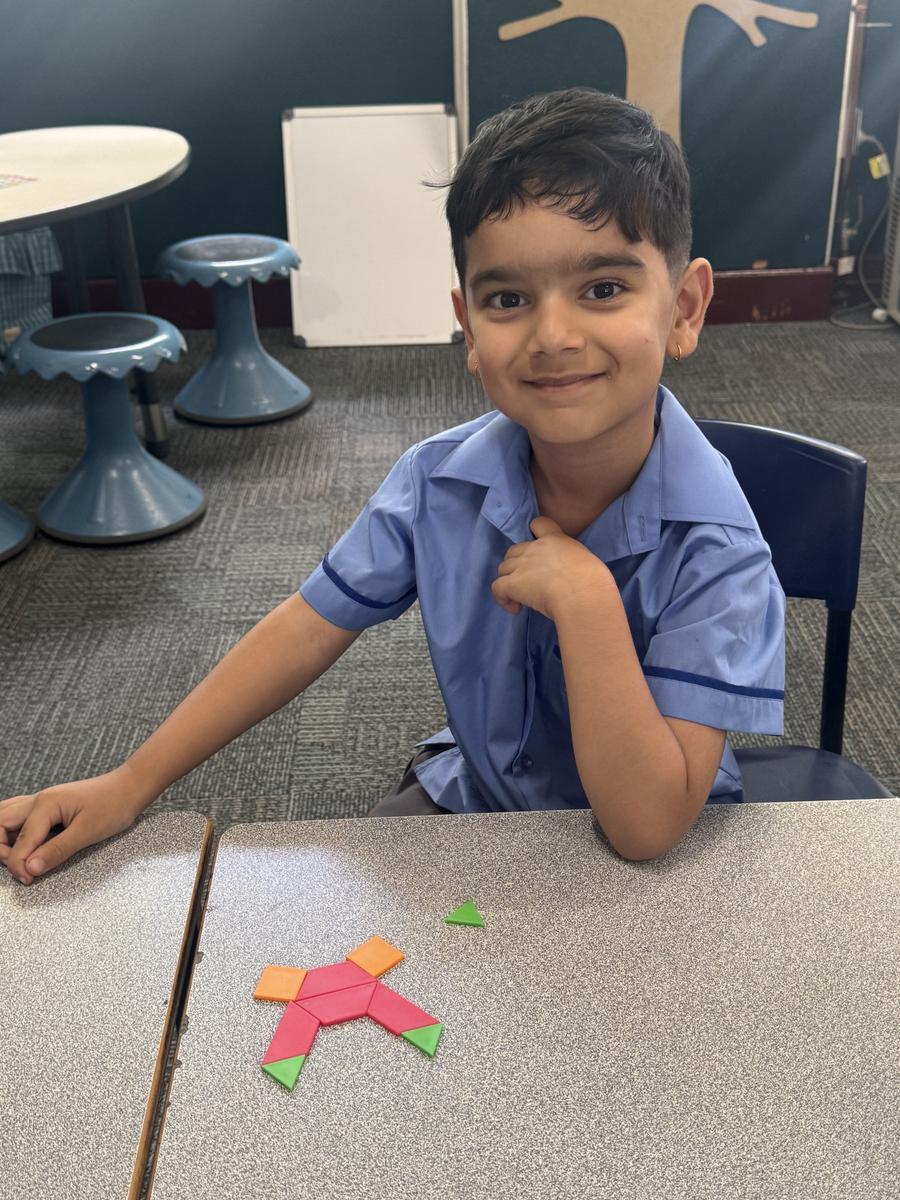
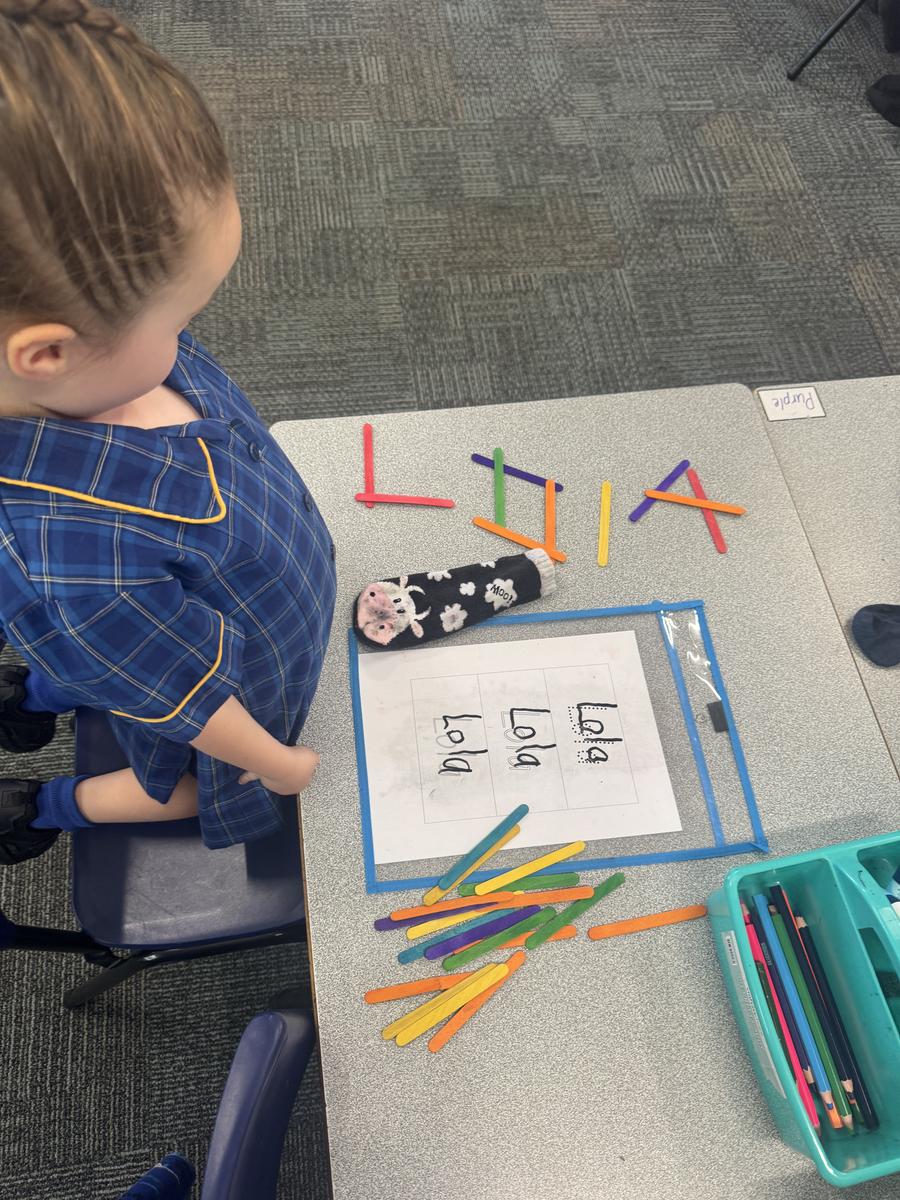
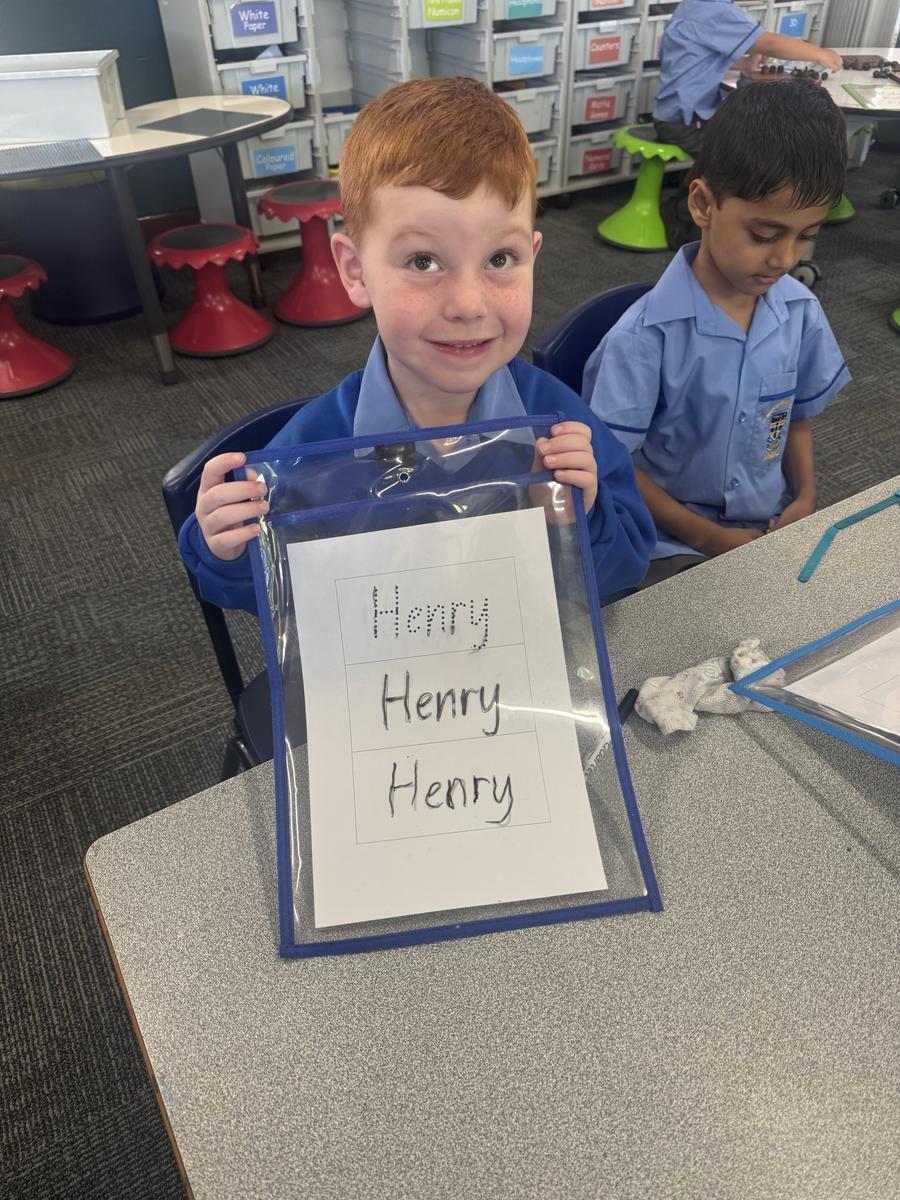
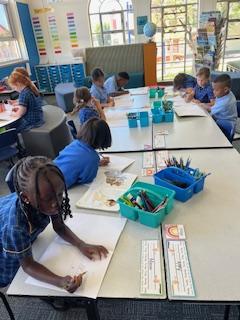
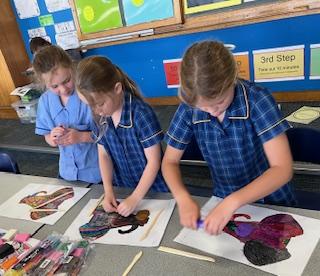
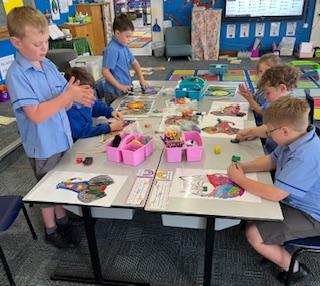
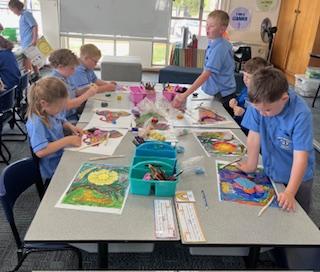
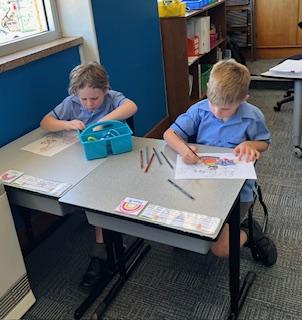
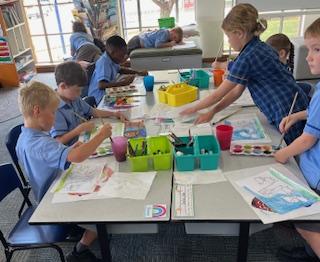
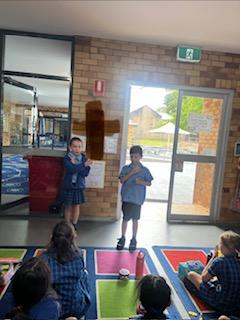
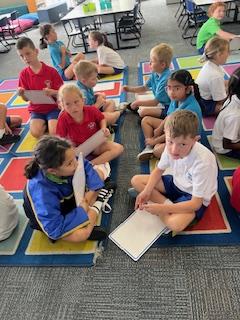
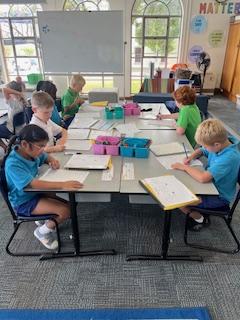
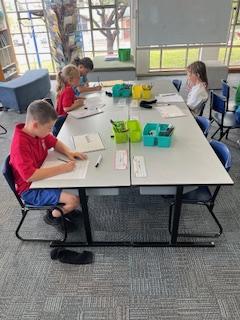
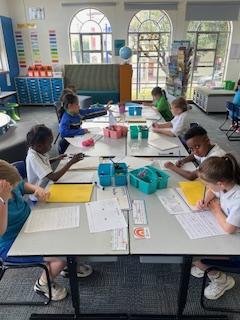
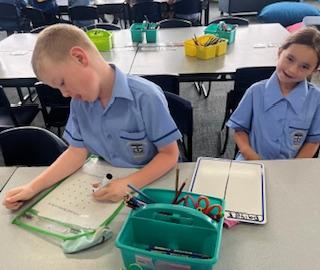
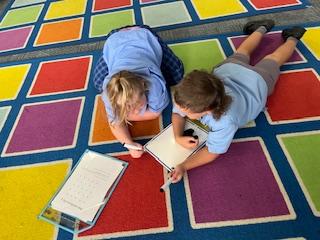
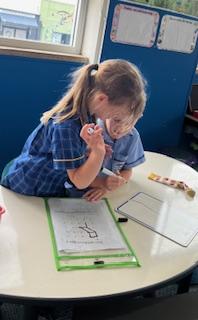
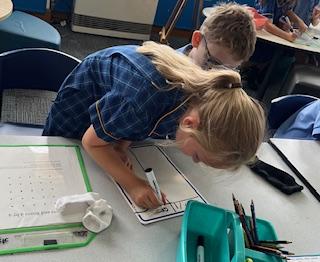
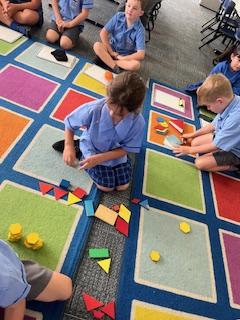
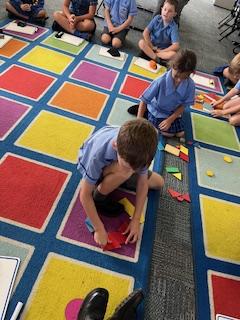
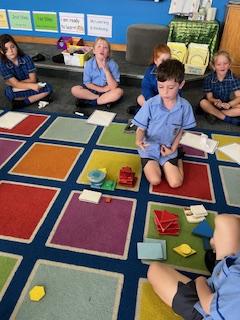
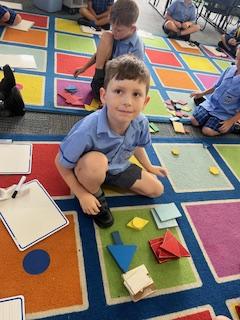
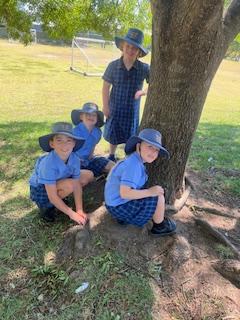
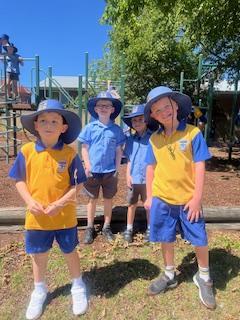
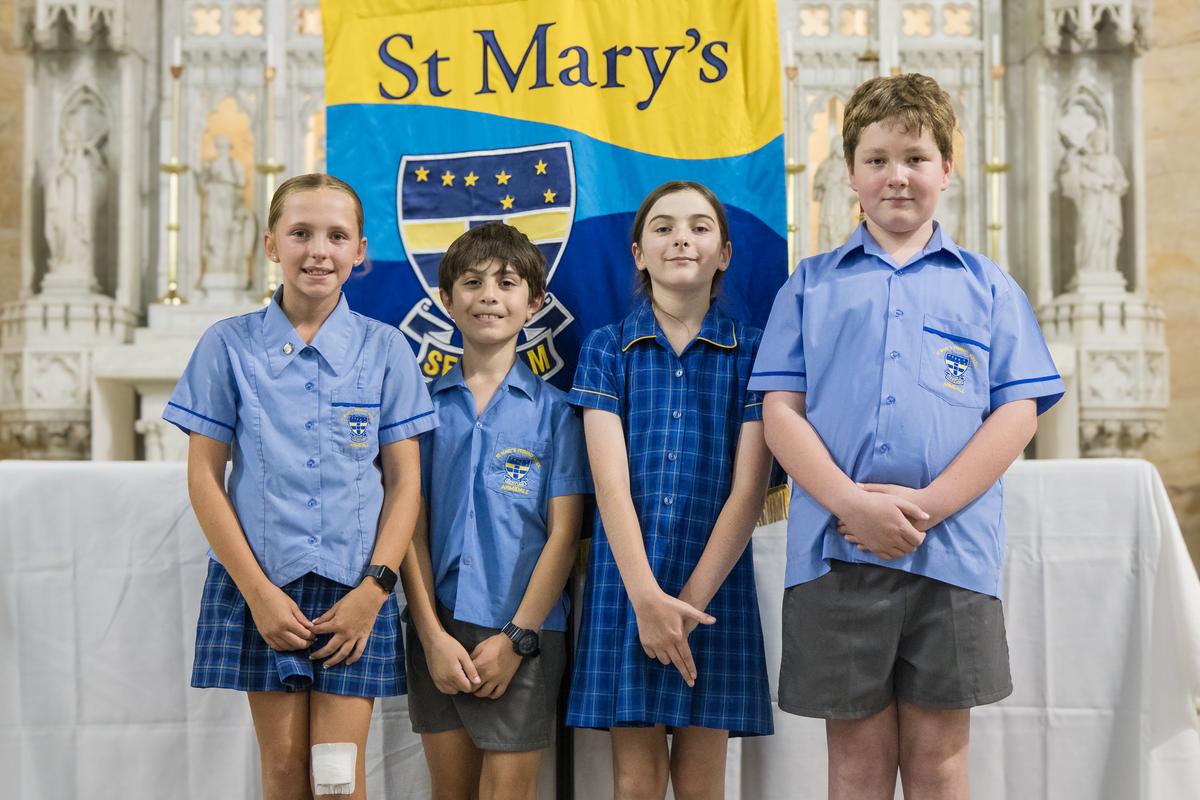
Kindergarten - Welcome to school!
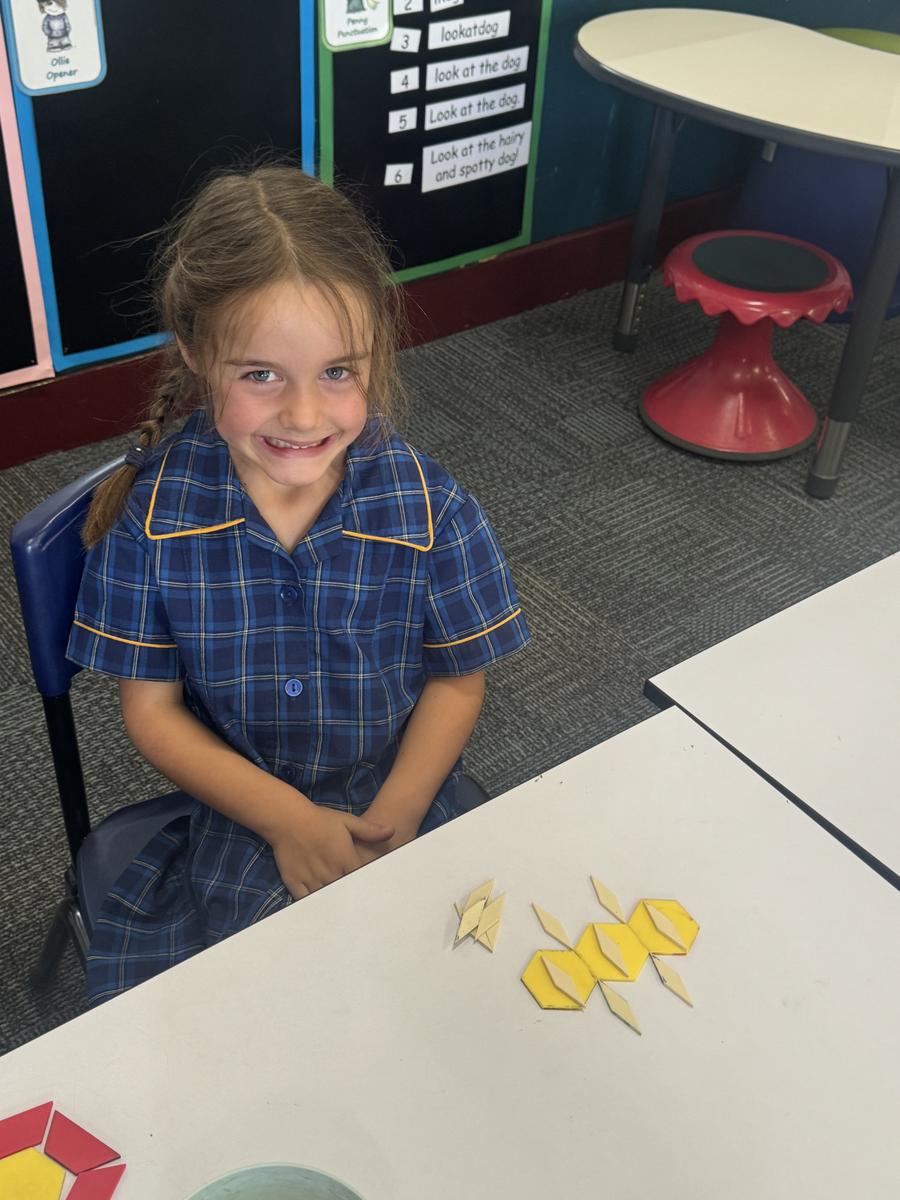
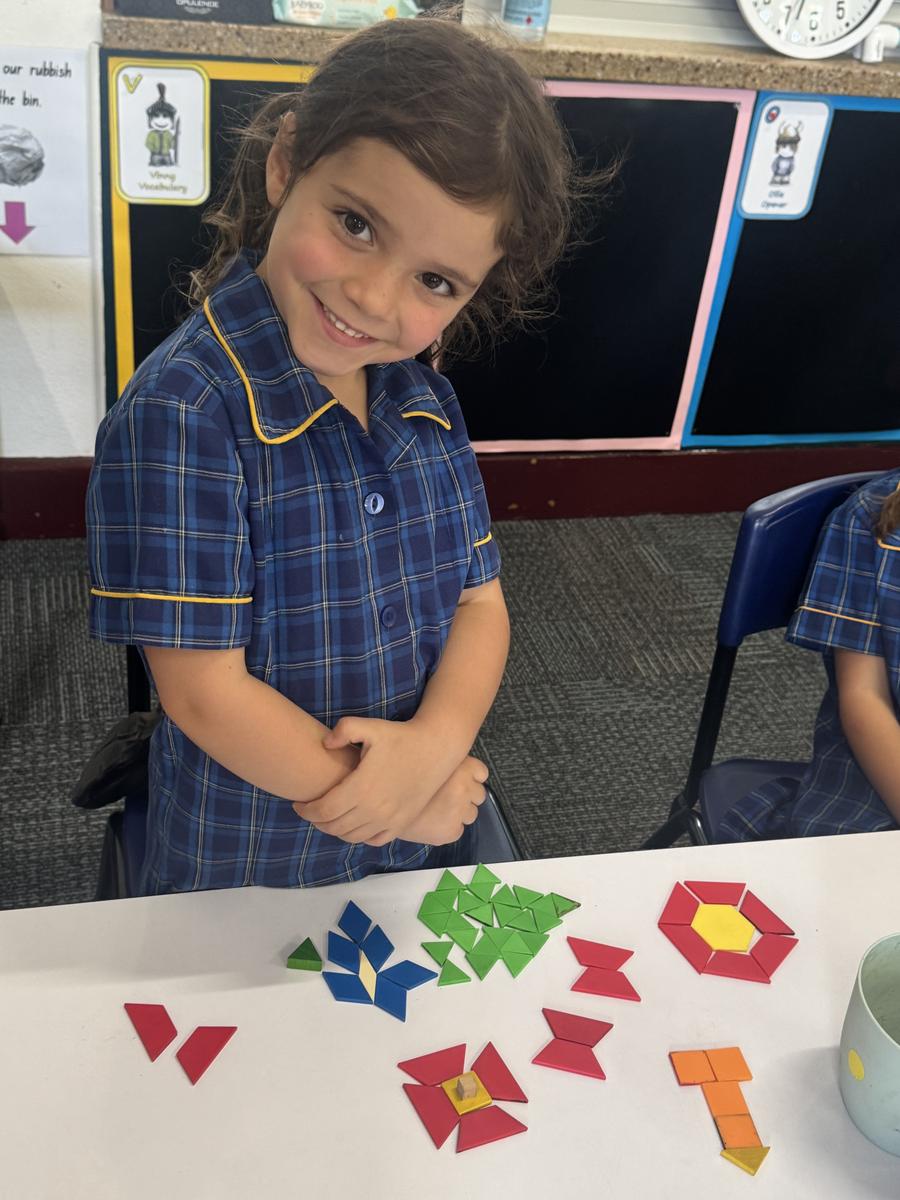
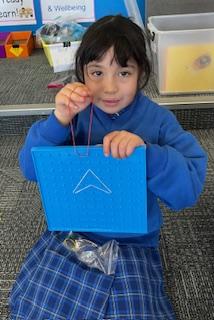
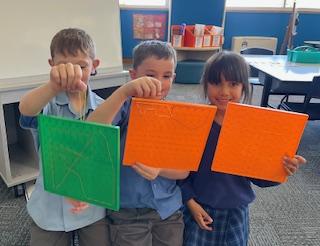
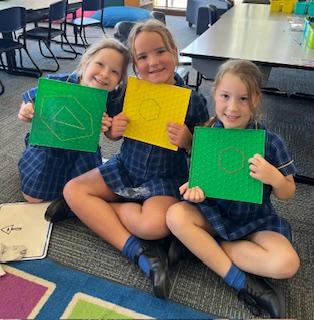
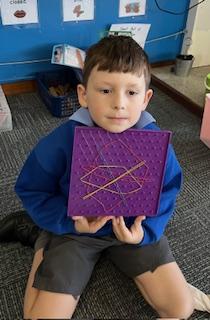
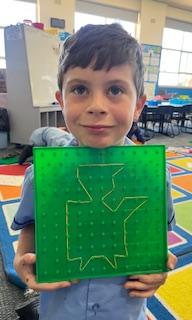
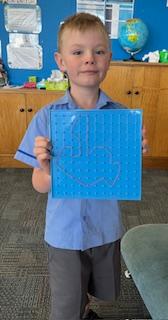
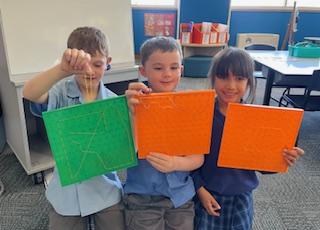
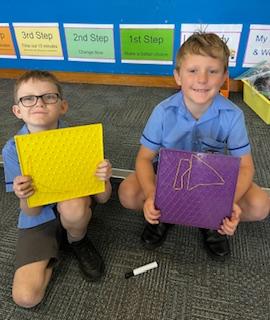
Mathematics
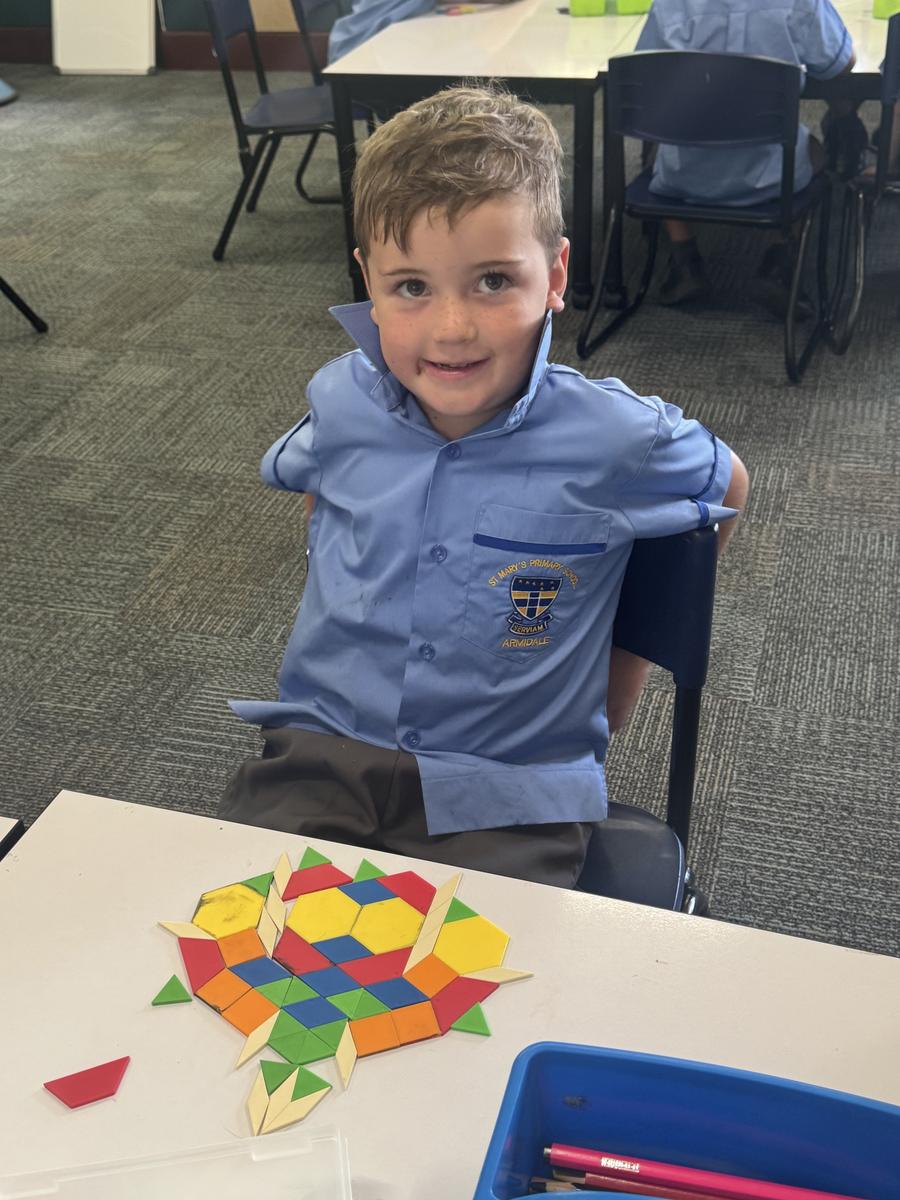
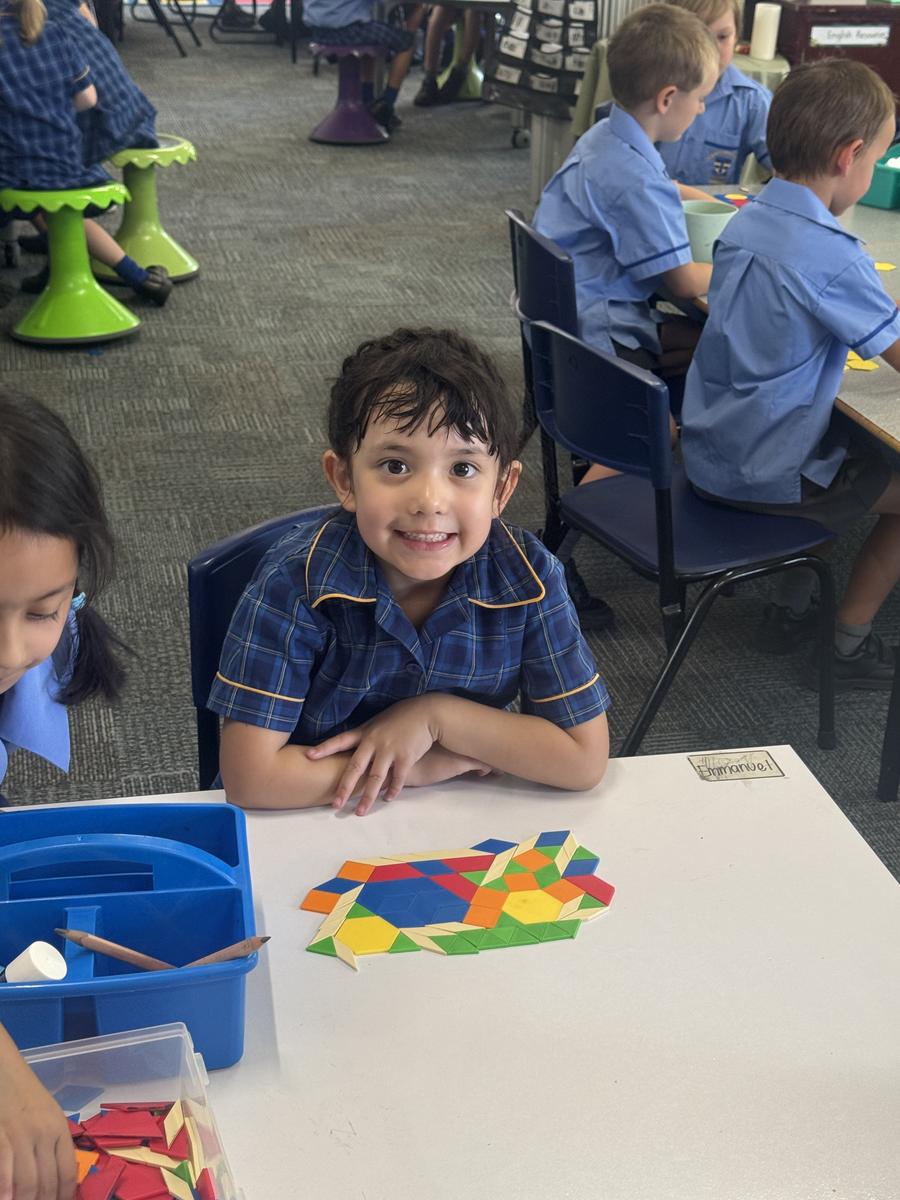
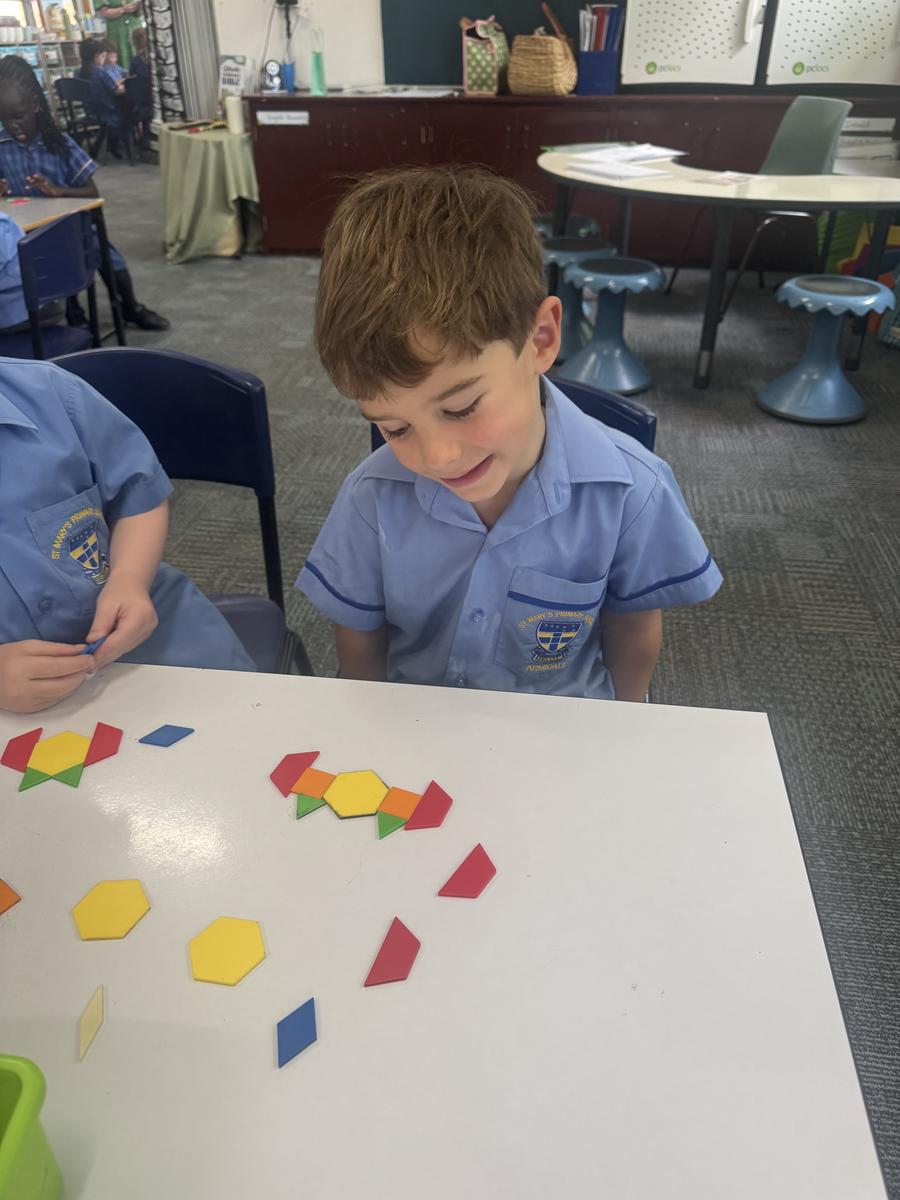
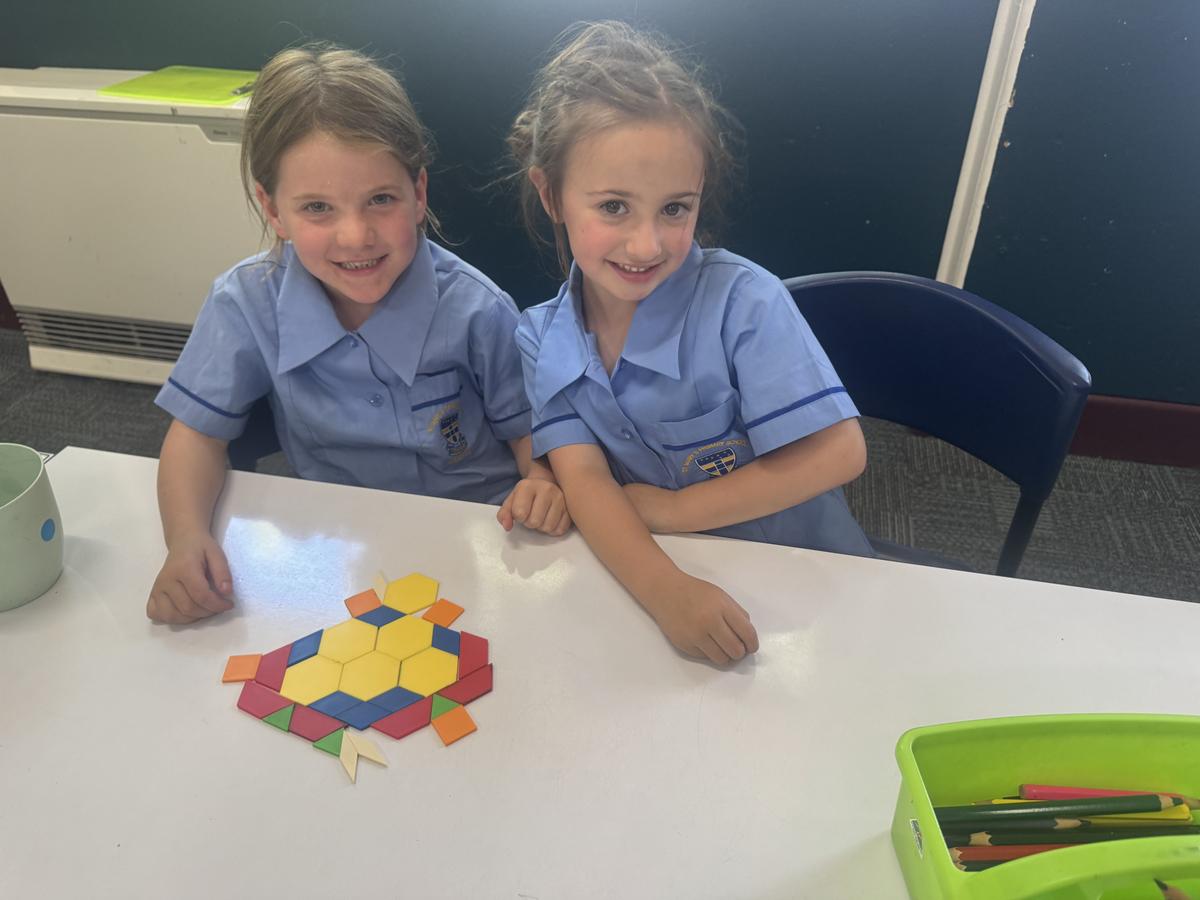
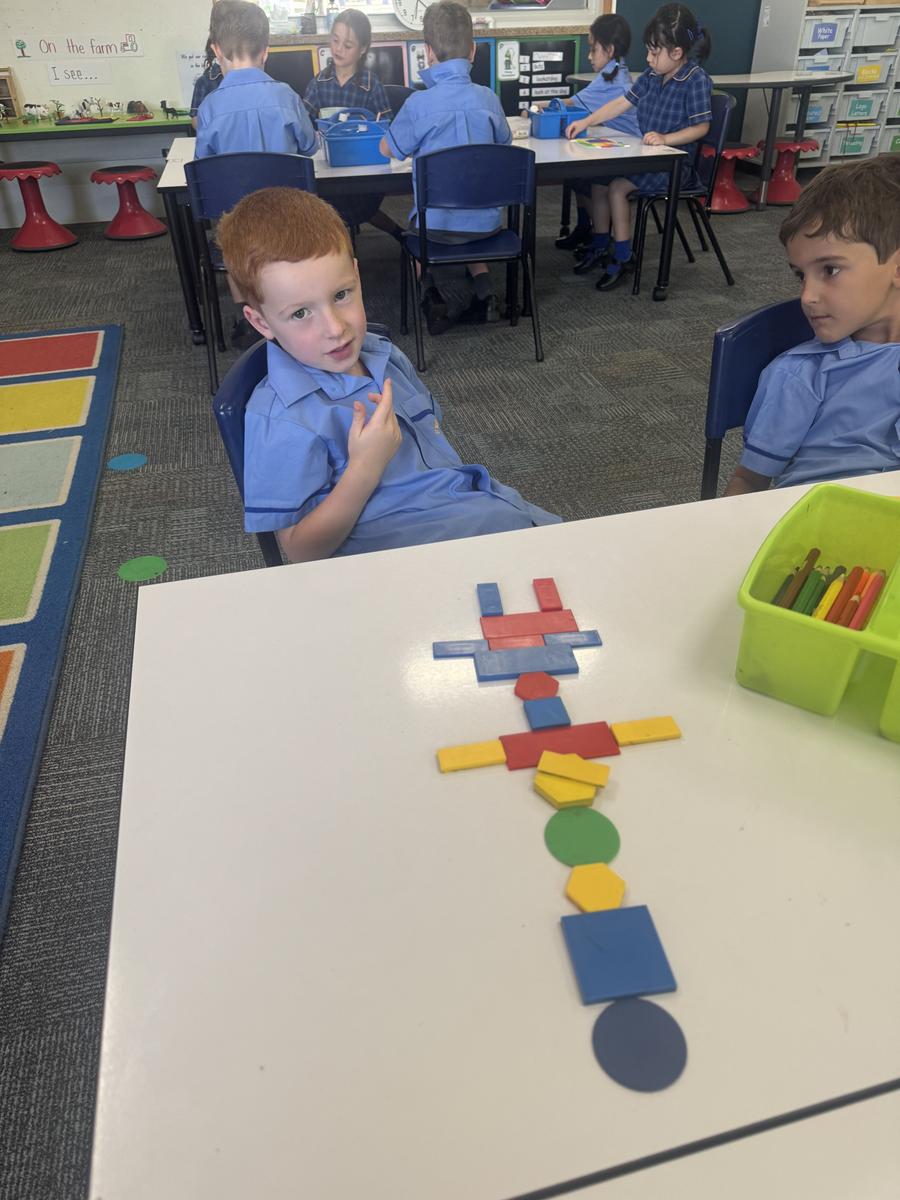
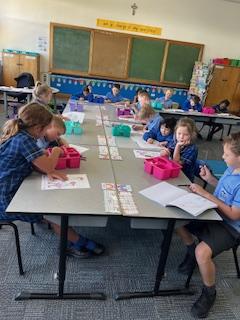
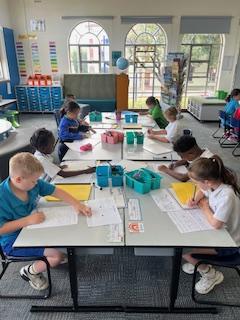
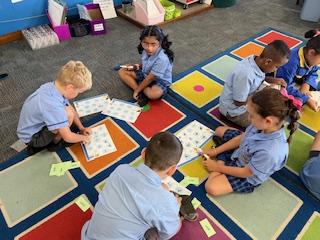
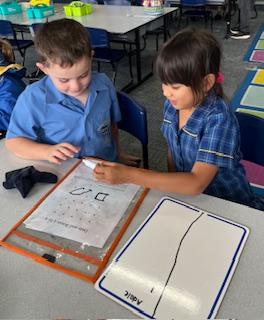
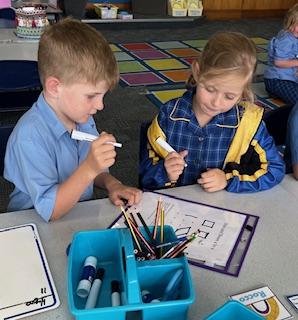
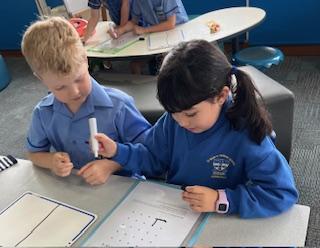
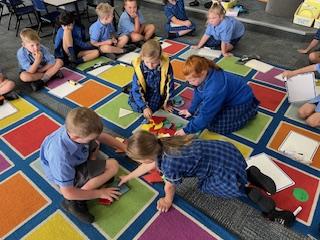
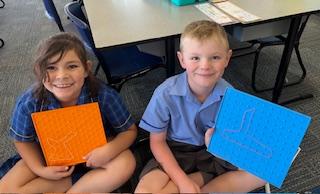
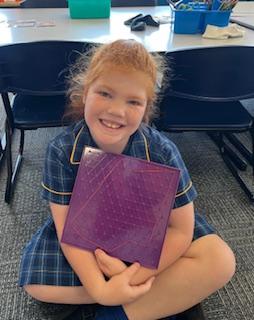
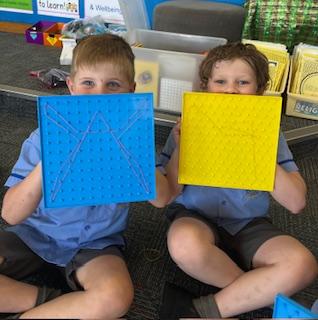
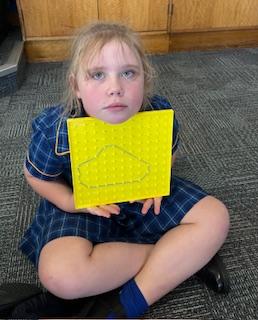
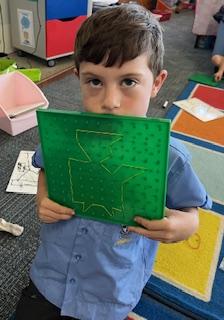
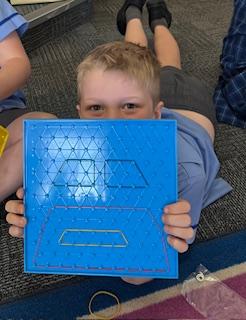
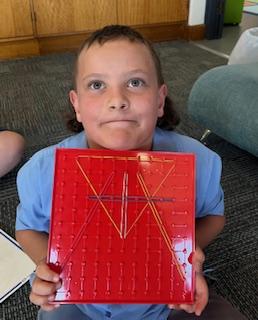
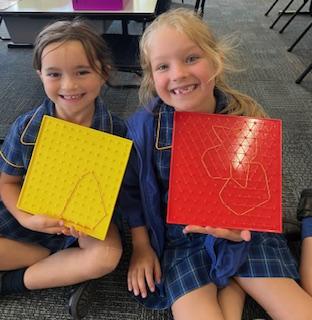
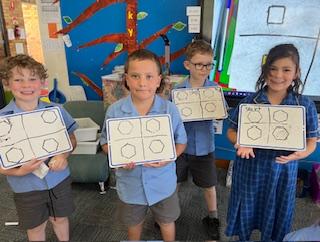
We are learning about different shapes in math. We can identify familiar shapes
Year 1 - Welcome to Year 1 2026
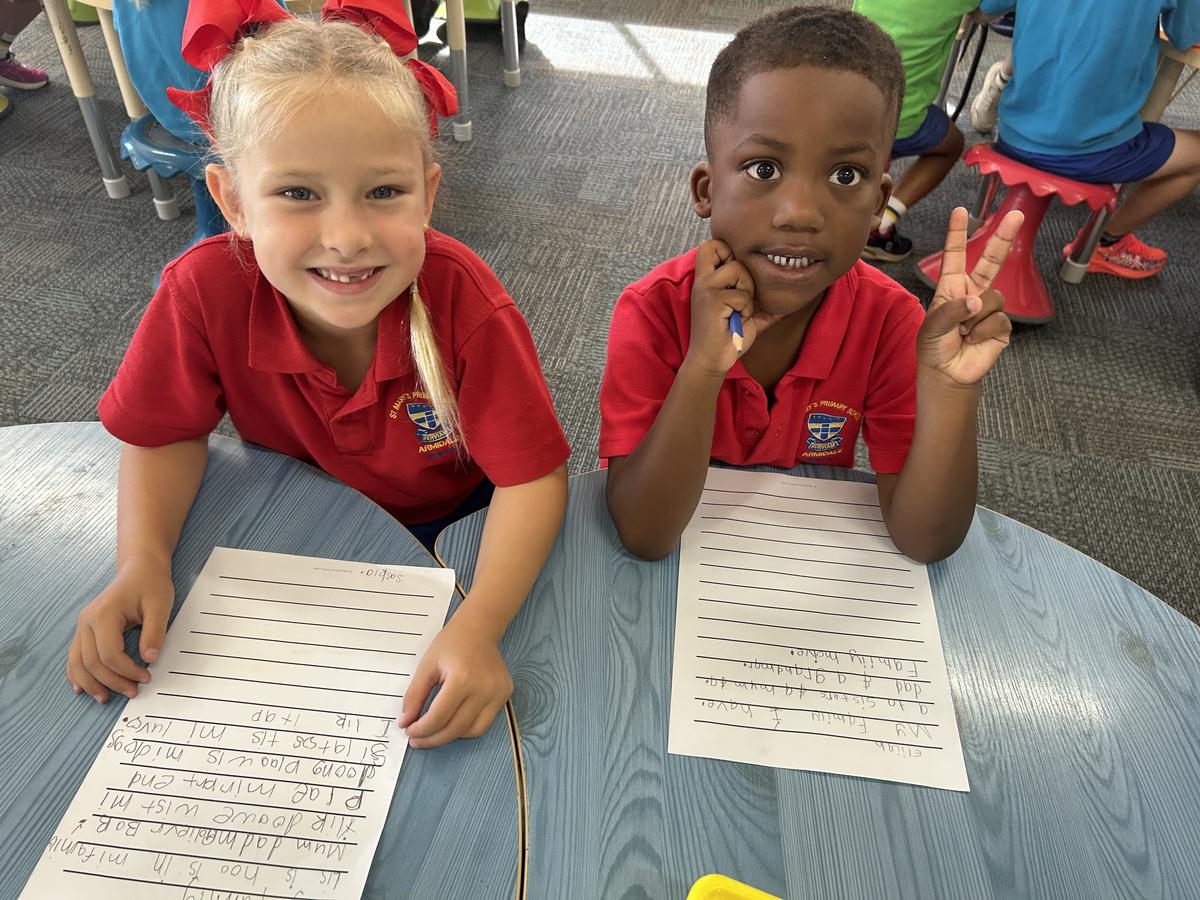
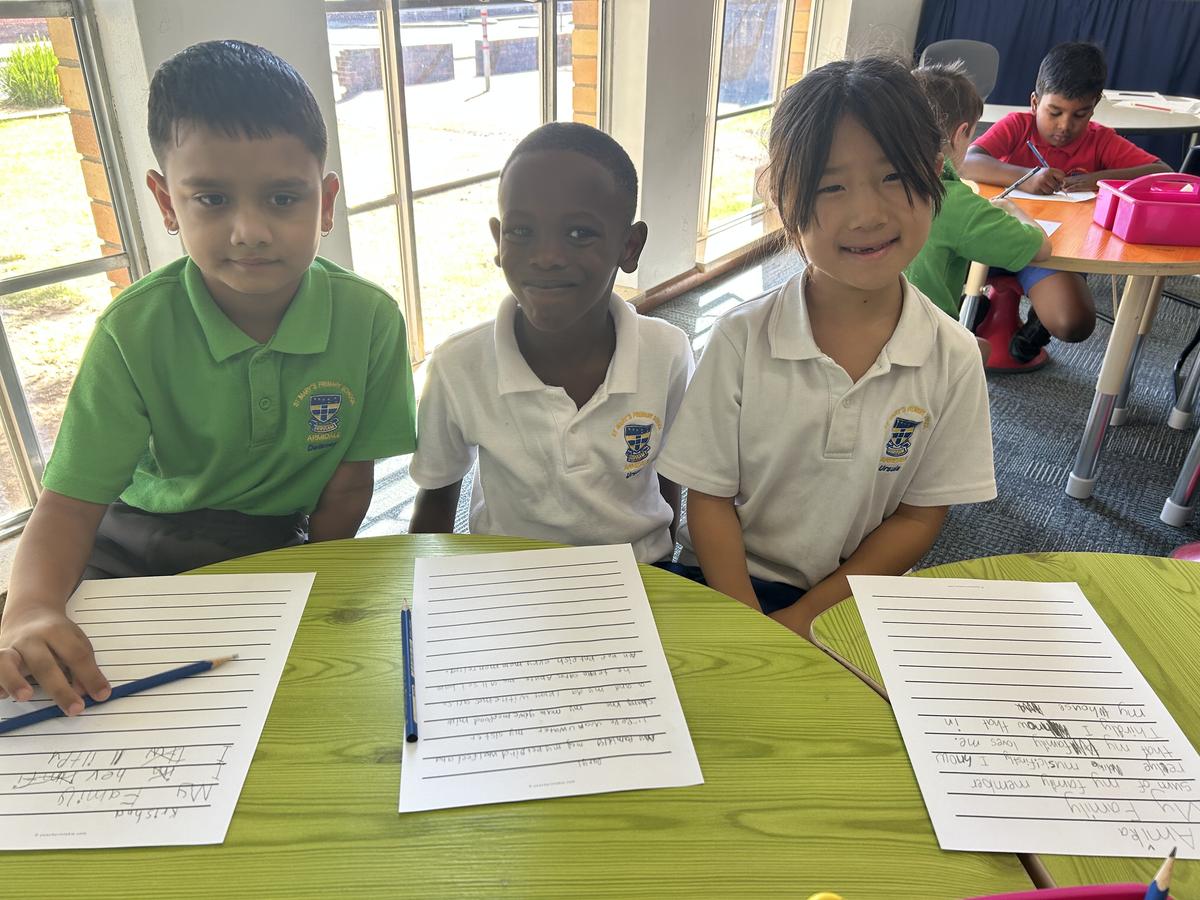
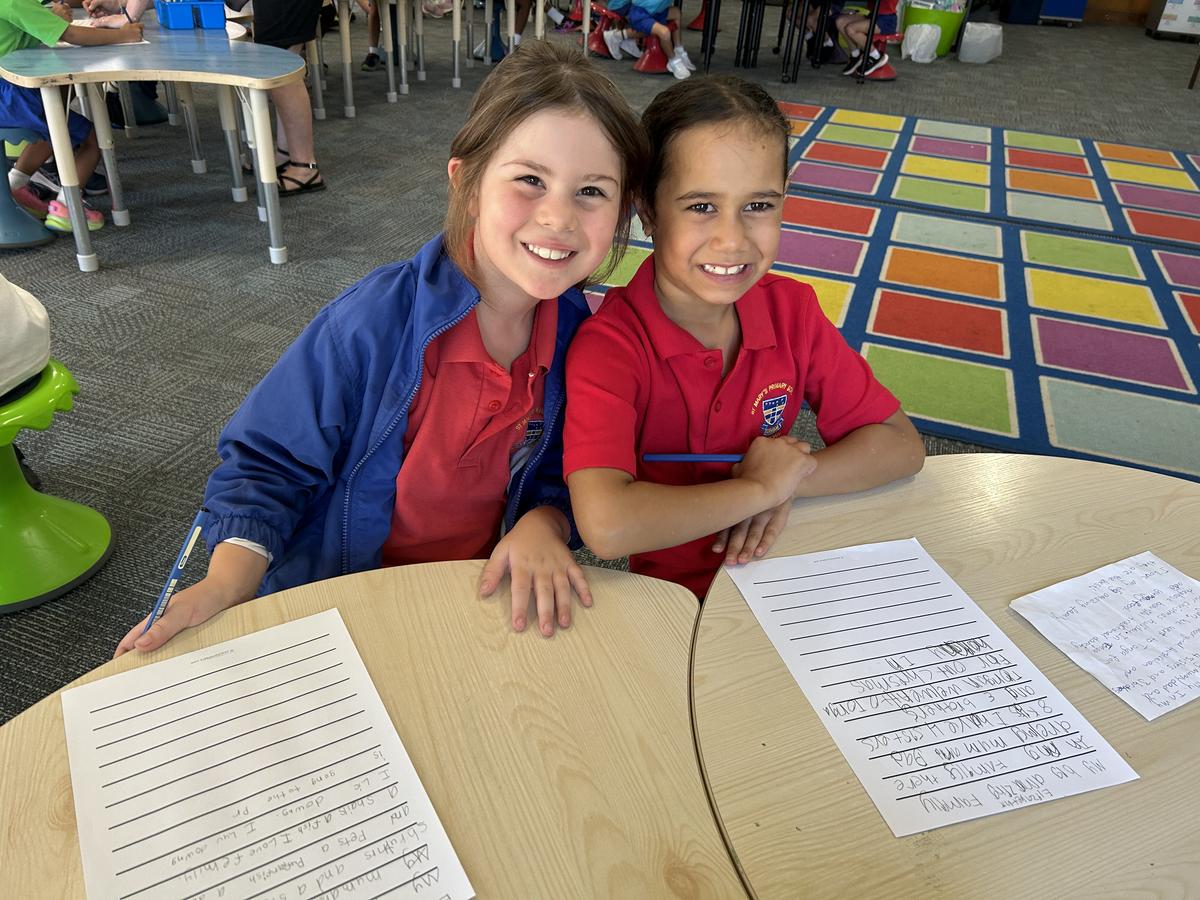
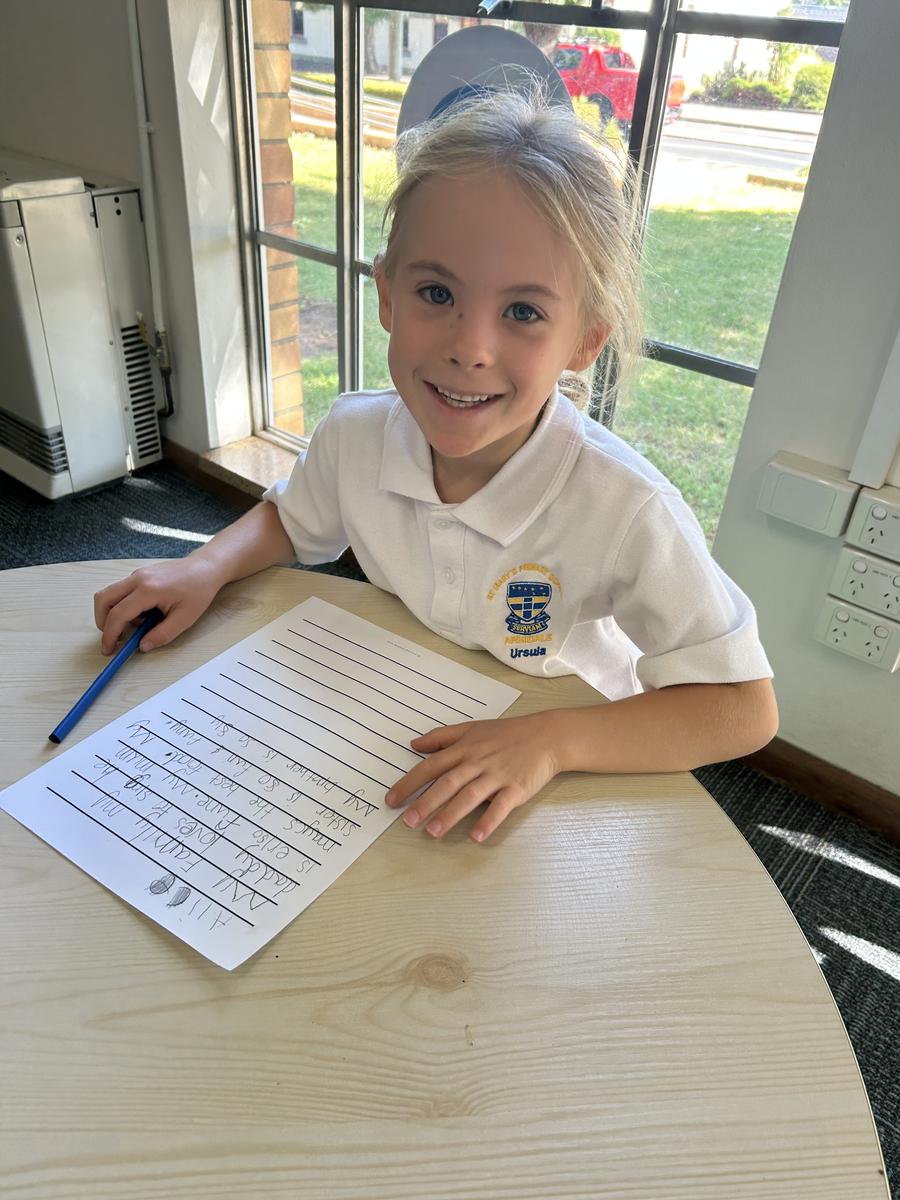
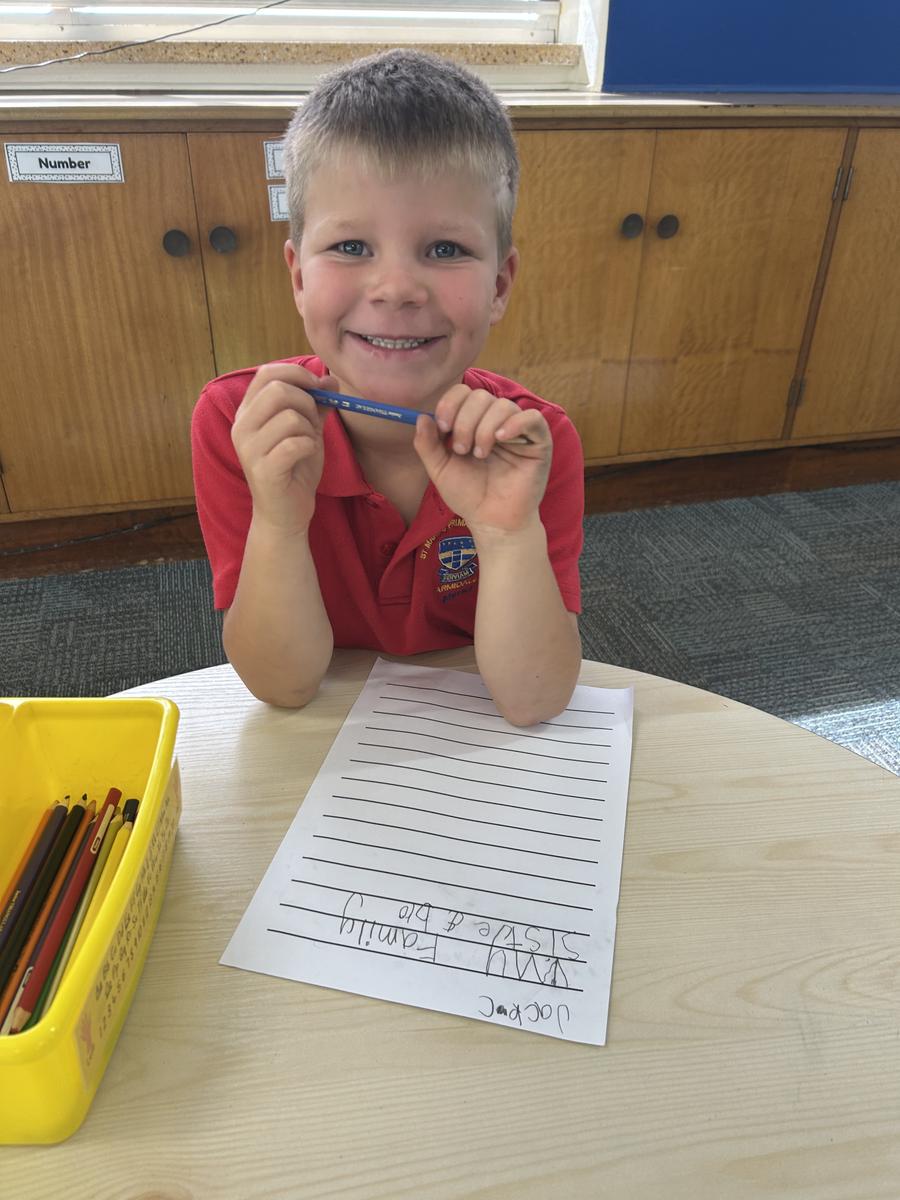
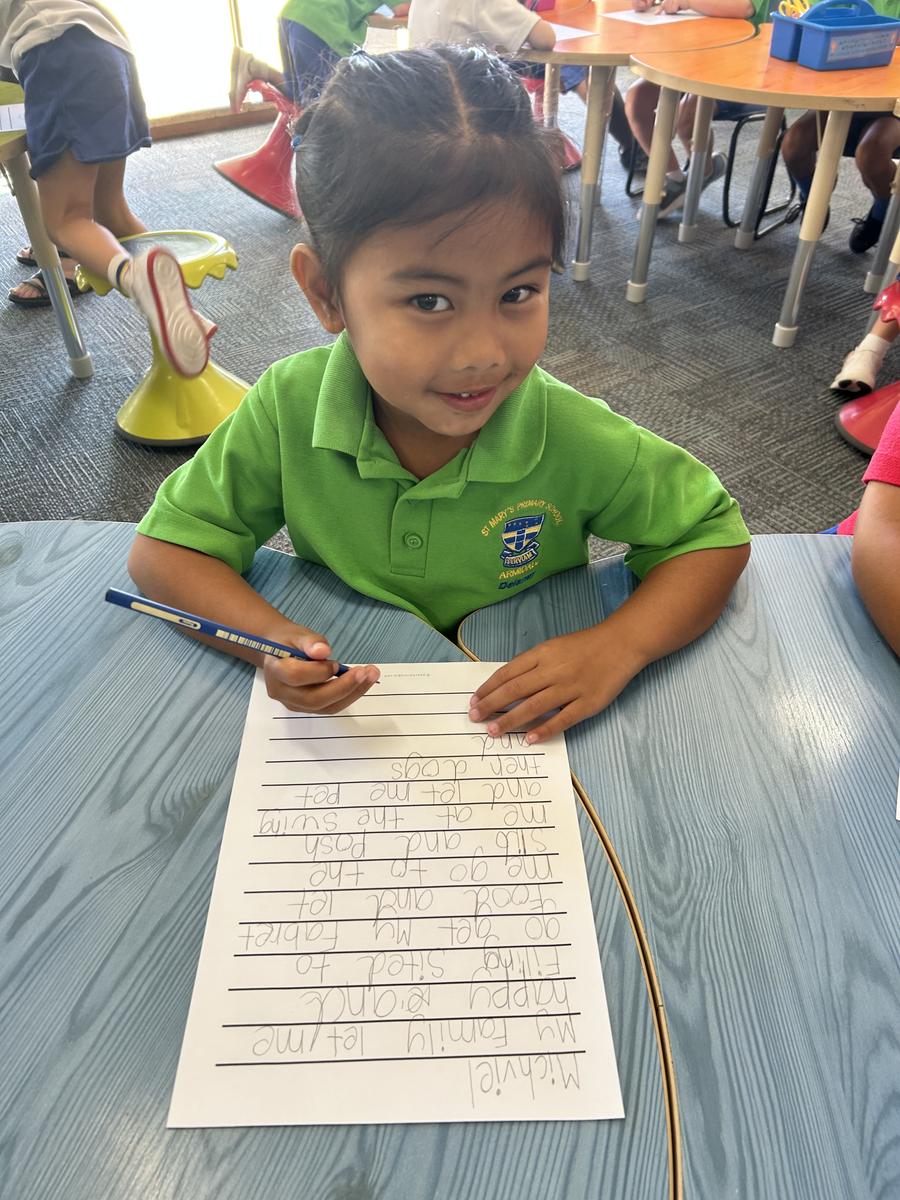
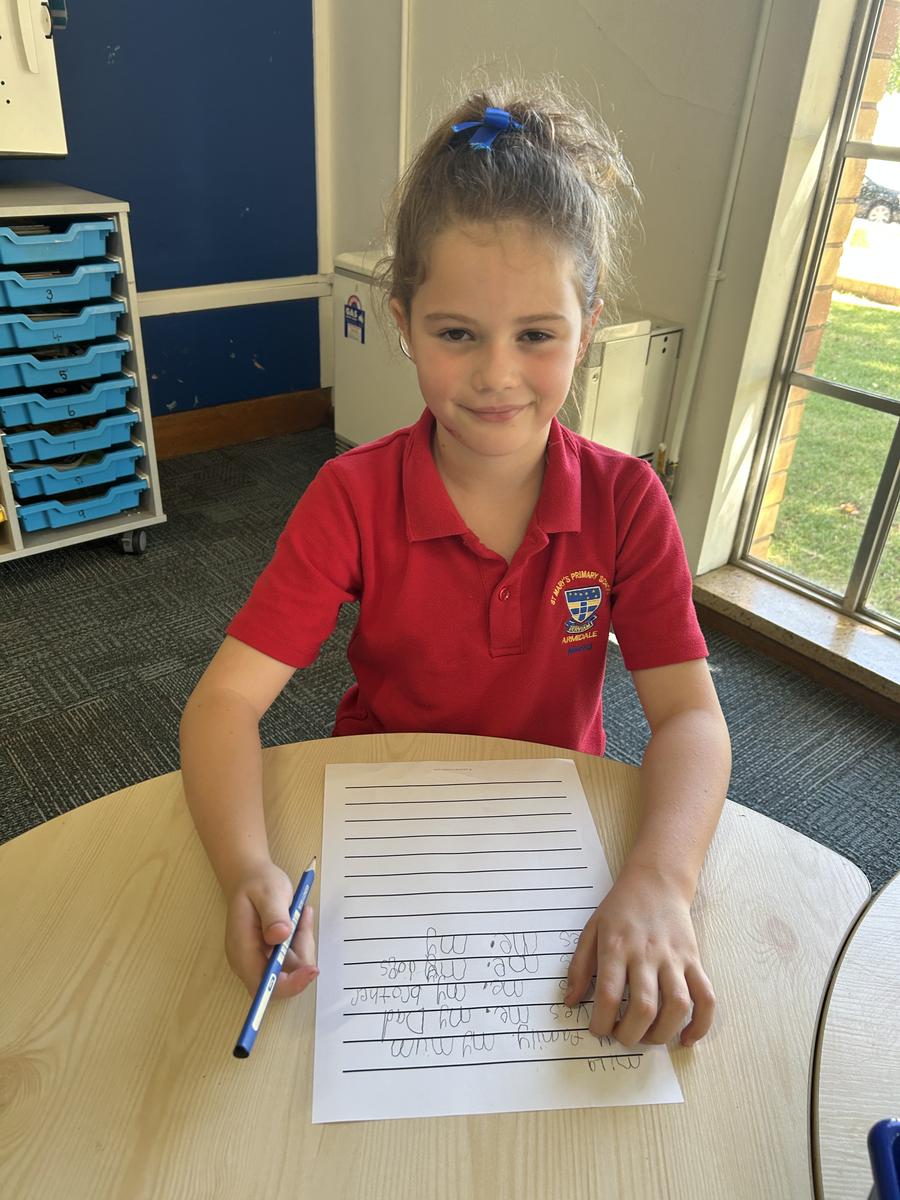
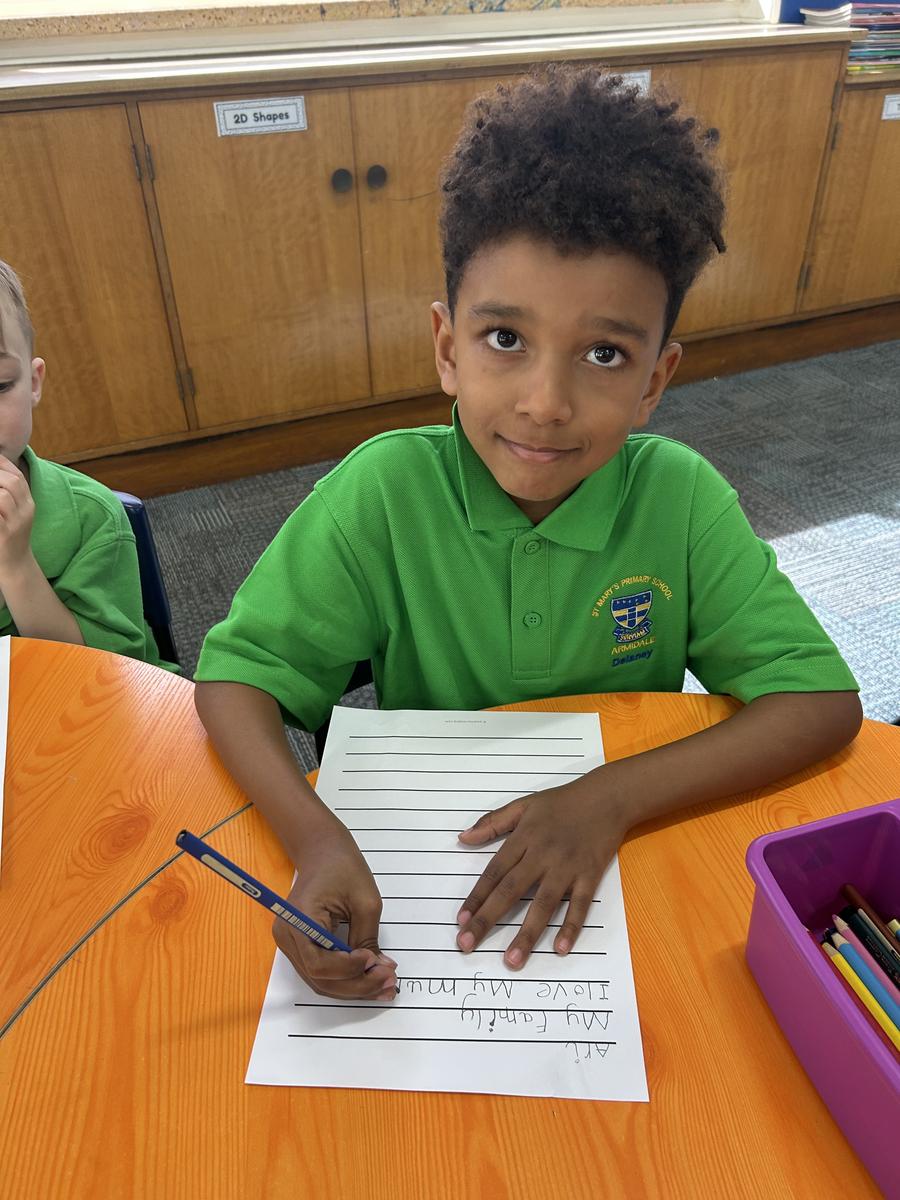
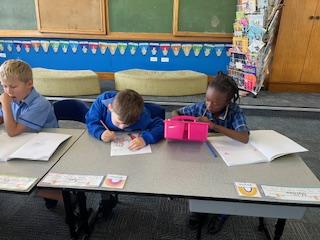
Our first Big Write for the Year. Today we are writing all about our amazing and special families.
Year 2 - Welcome to Year 2 2026
Religion
In Religion, we are learning about the different images of God from the Bible.
God is like a 'Shepherd', 'Potter', 'Mother' and 'Father'.
Students responding to the different images of God.
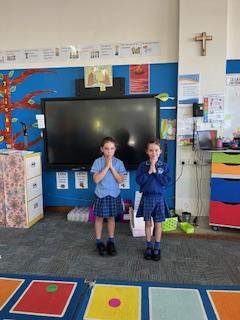
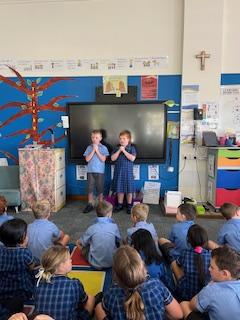
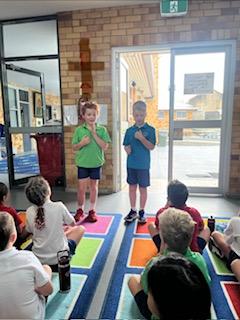
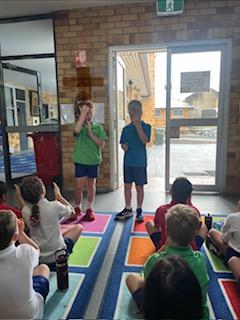
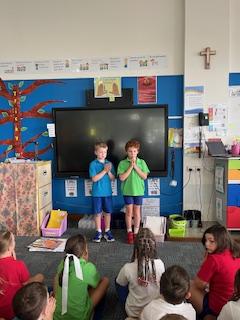
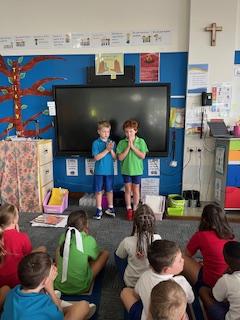
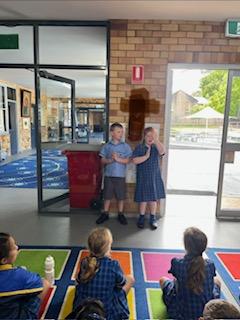
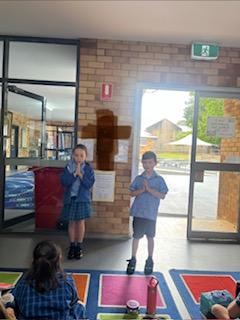
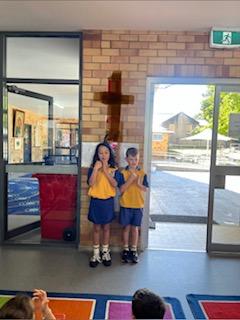
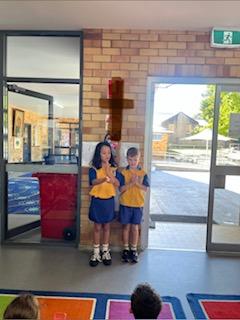
Prayer leaders share God's love through prayer.
English
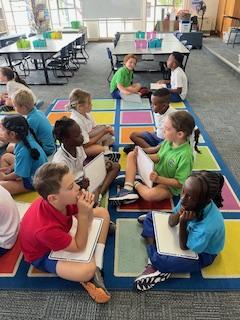
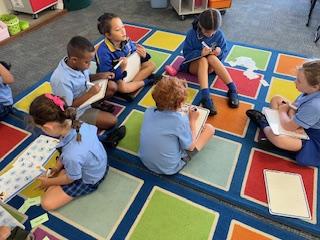
Students Think, Pair, Share before their first writing task for the Term.
Students writing about their 'Summer Holiday'.
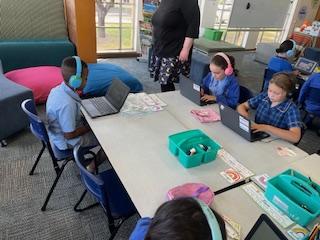
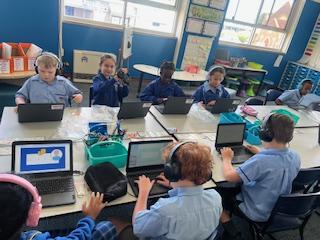
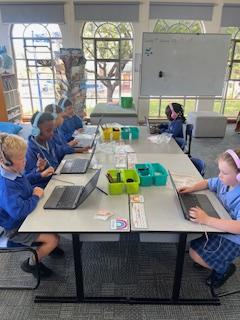
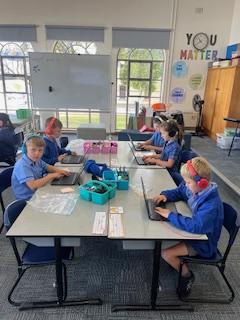
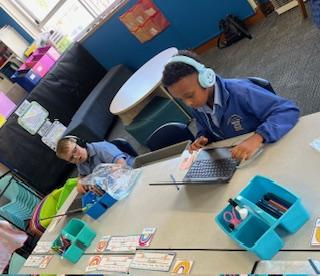
Students login to their Chromes for the first time in Year 2.
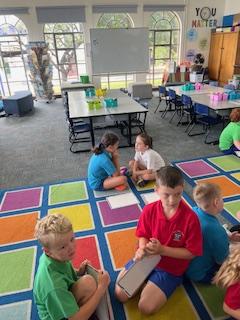
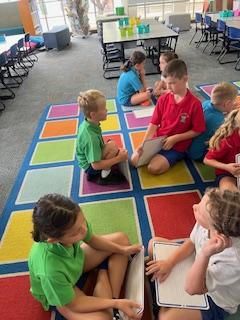
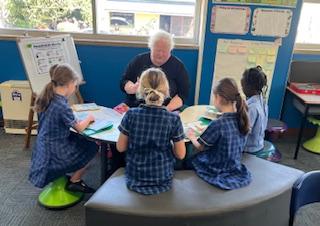
Students learning in their rotation groups.
Mathematics
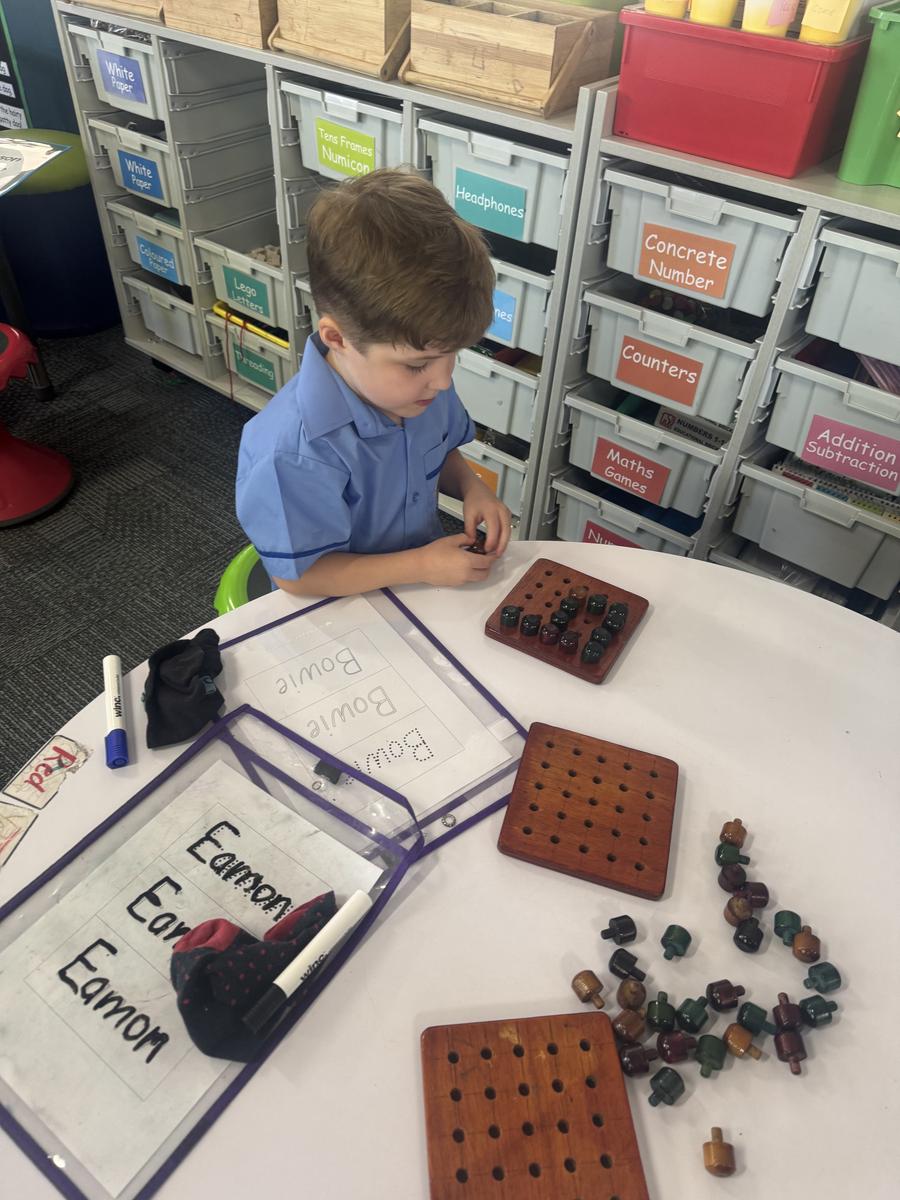
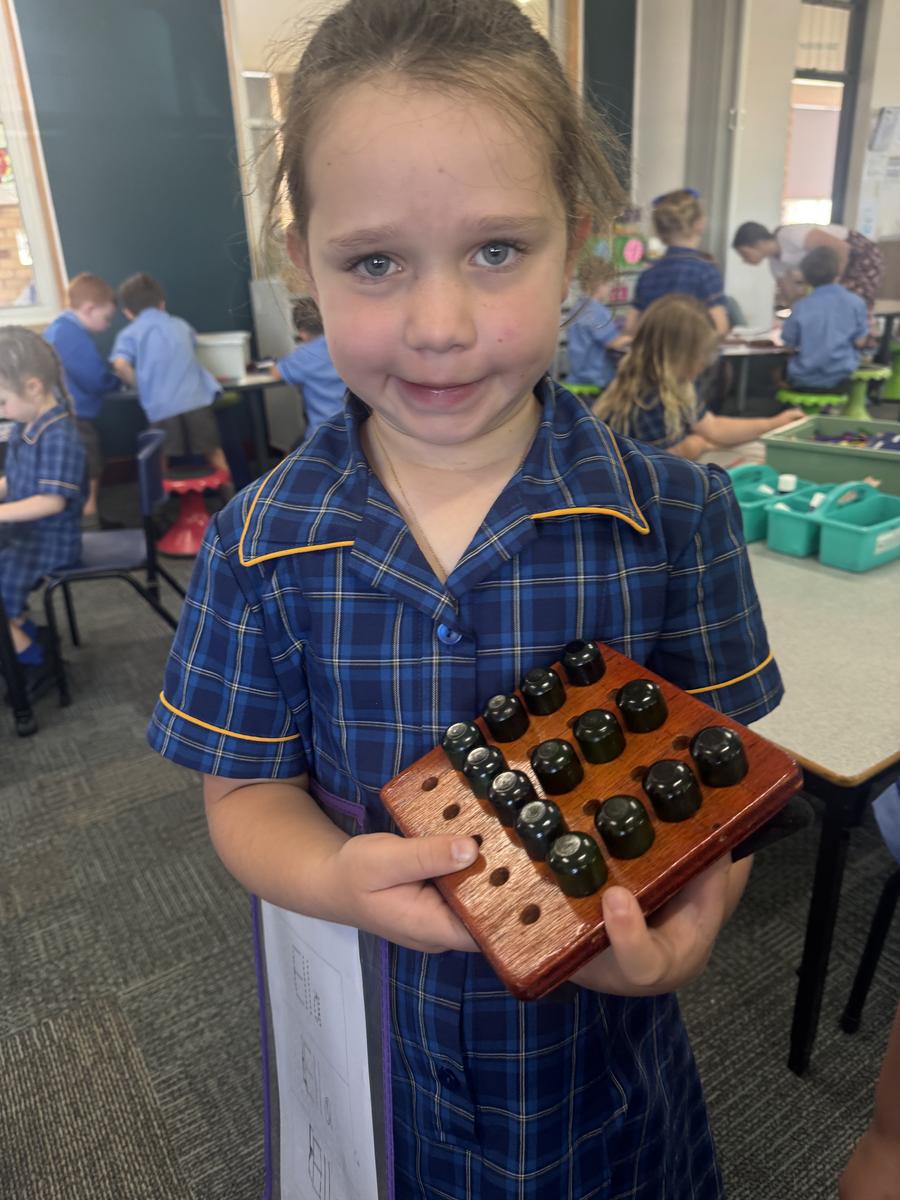
Math games
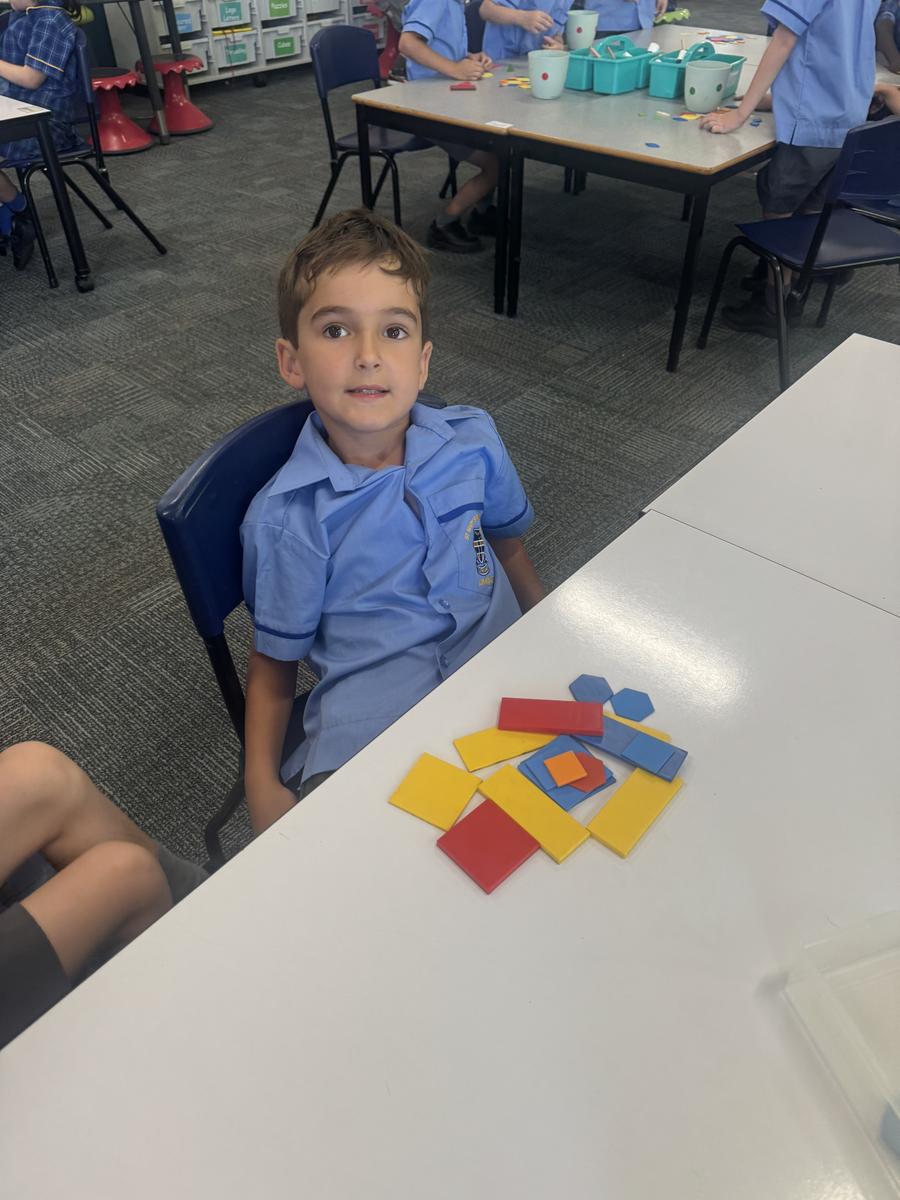
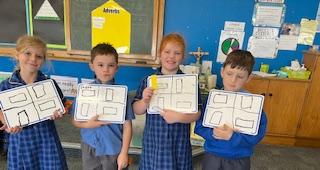
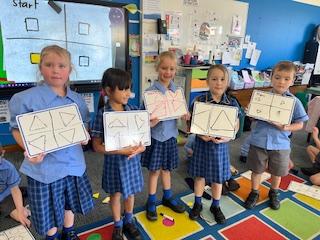
Sorting 2D shapes
Creating polygons
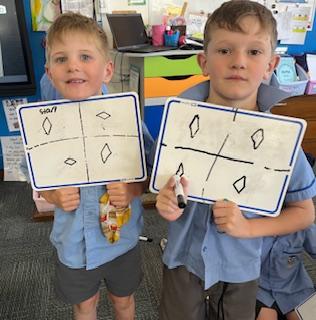
Turning 2D shapes
Year 2 get to play at the paddock at recess time.
Year 4 - Welcome to Year 4 2026
Thursday’s are Library borrowing days during our Library lesson
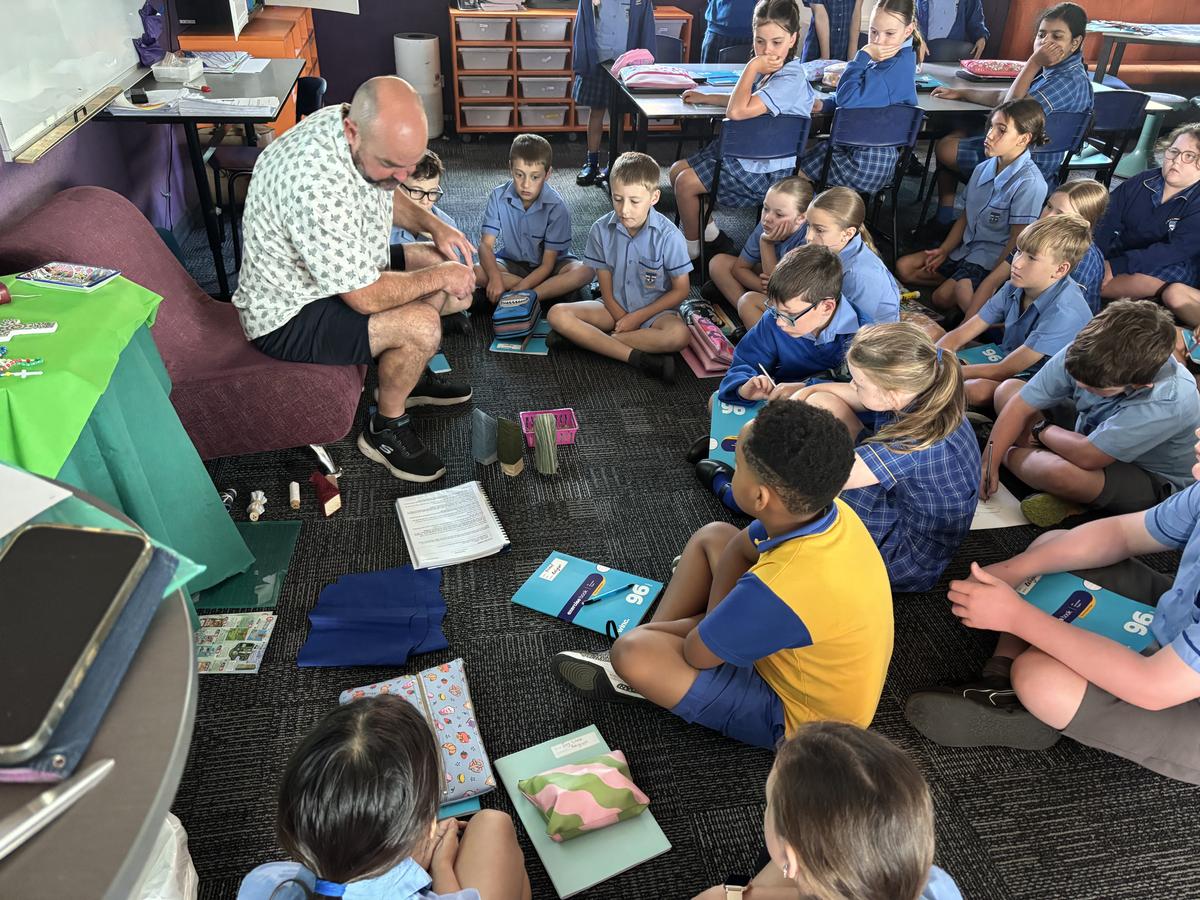
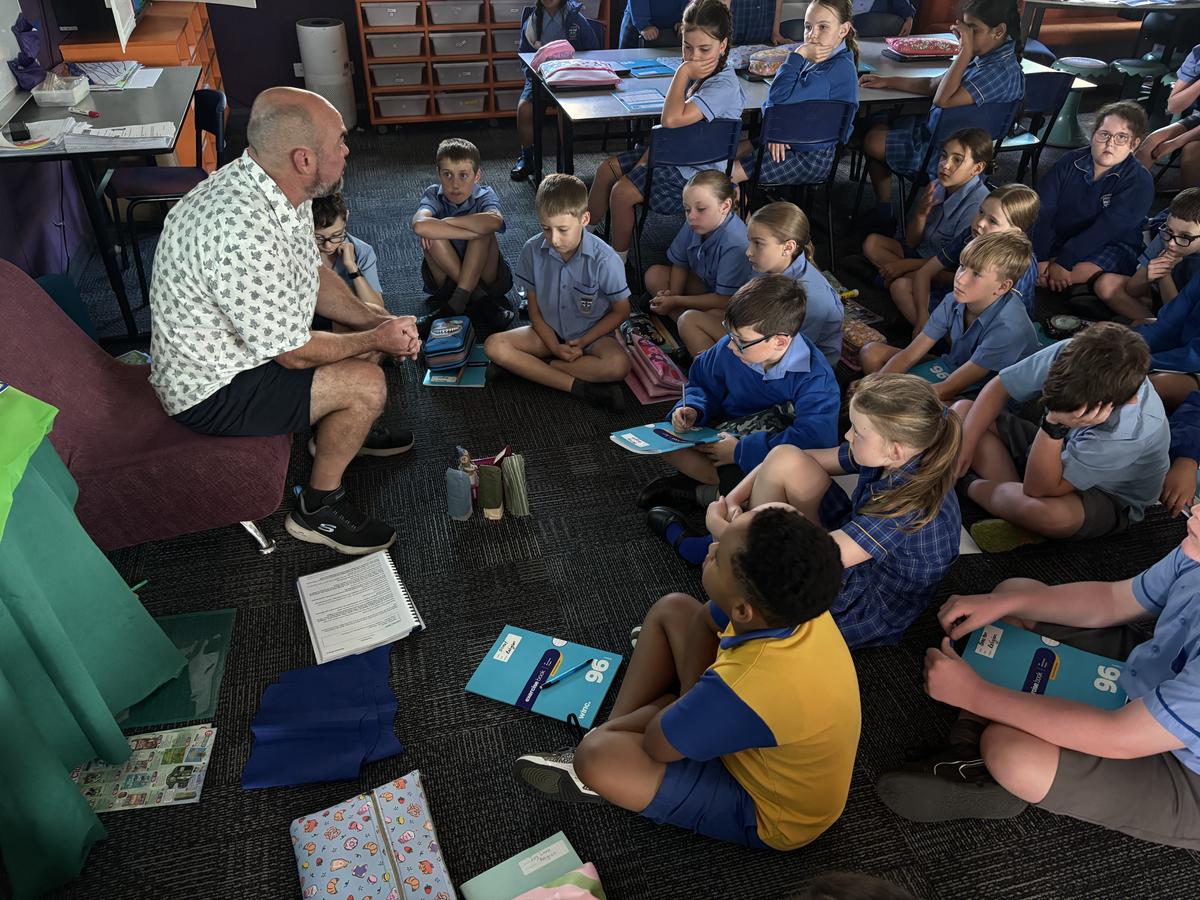
Religion - Storytelling
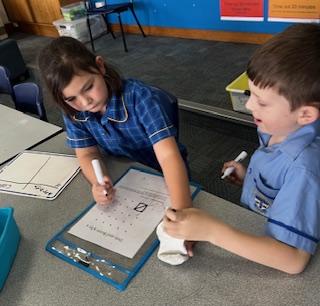
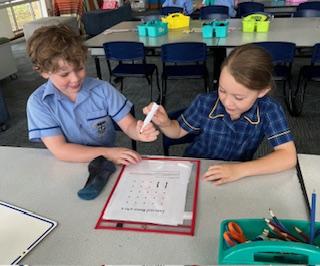
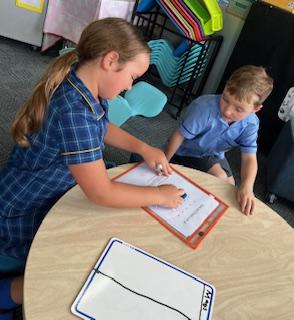
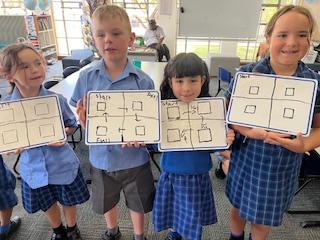
Mathematics - Position
Tips for parents:
Teaching children about using directional language and understanding routes with grid maps can be both educational and fun. Here are some tips for parents to help their children develop these skills:
Introduce Grid Maps in Play:
- Incorporate grid maps into play activities. Create a grid on a large surface and use toy cars or figurines to move around following specific directions.
- Build a Lego city with a grid layout and use it as a map for storytelling and exploration.
Read Map-Related Books:
- Explore children's books that involve maps and directions. This can make the learning experience more engaging and enjoyable.
- Discuss the maps in the books and relate them to real-world examples.
Be Patient and Encourage Exploration:
- Allow your child to explore and make mistakes. Learning directional skills is a process, and patience is key.
- Encourage questions and discussions about maps, directions, and routes.
Apply Learning to Real-Life Situations:
- When planning outings or vacations, involve your child in mapping out the route and discussing the directions you'll take.
- Emphasise the practical applications of directional skills in daily life.
Remember that learning directional language and map skills is a gradual process, and repetition and practical application will reinforce the concepts over time. Make the learning experience enjoyable and hands-on to keep your child engaged.
Year 5
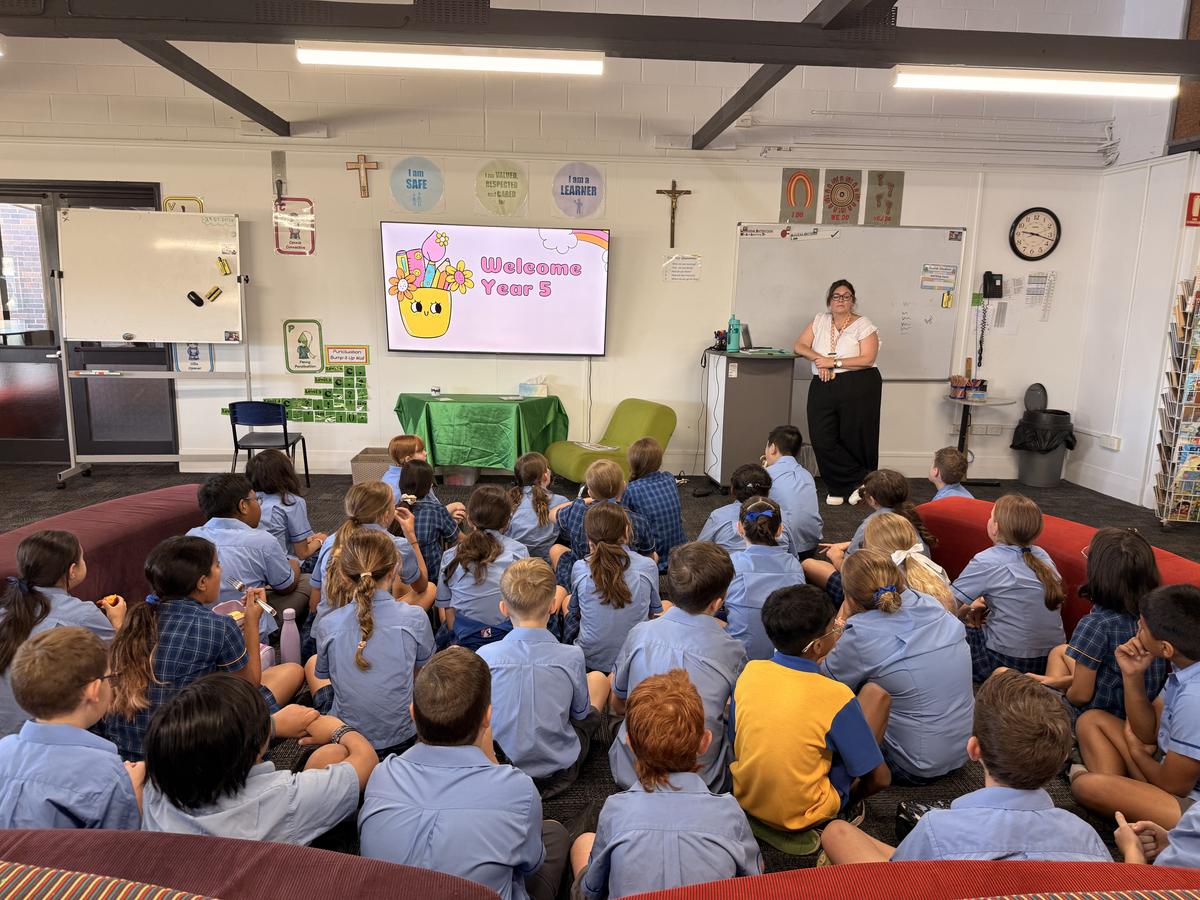
Welcome to Year 5, 2026! We are so excited to have your child join us this year!
A little housekeeping:
- Year 5 Library borrowing day (during library lesson) is Wednesday.
- PE Yellow sport shirt is to be worn by Year 5 on Wednesdays.
- House sport shirt (coloured) to be worn on Fridays.
- Please ensure your child comes to school with "Crunch & Sip" (fruit/veg & water).
- Students have been invited to take their workbooks home to cover if you choose to.
Early days of Year 5
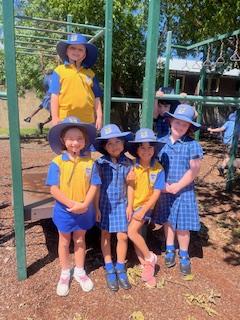
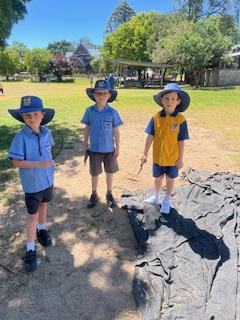
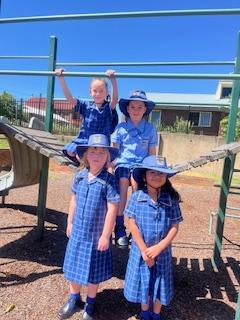
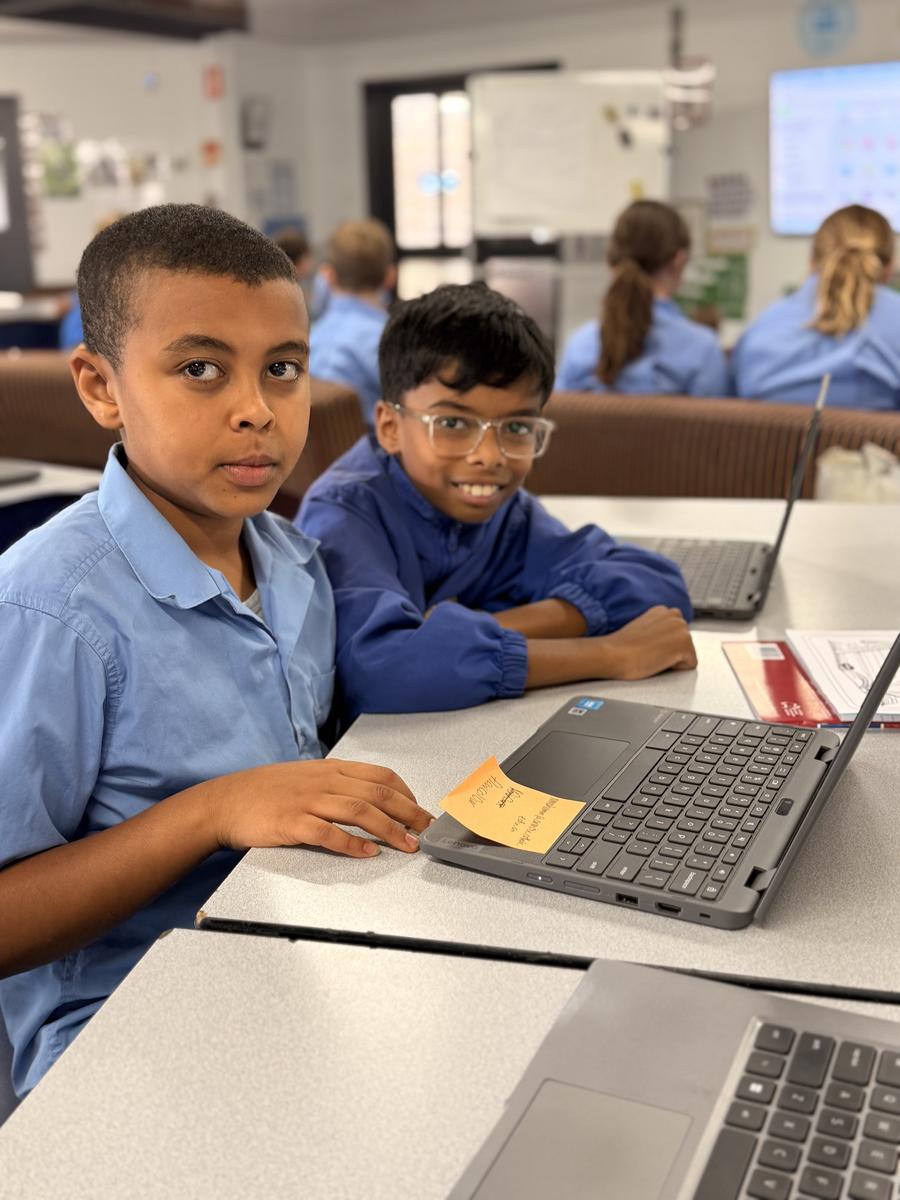
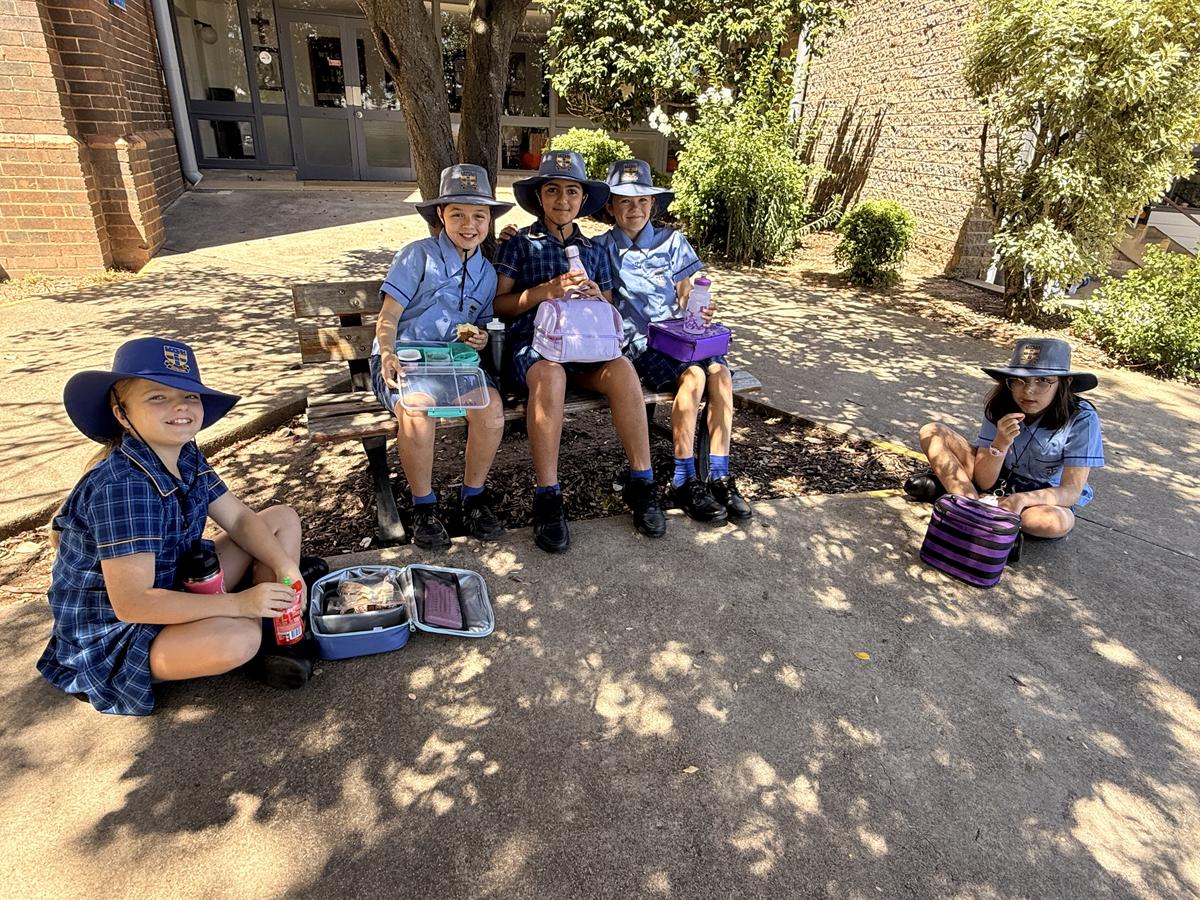
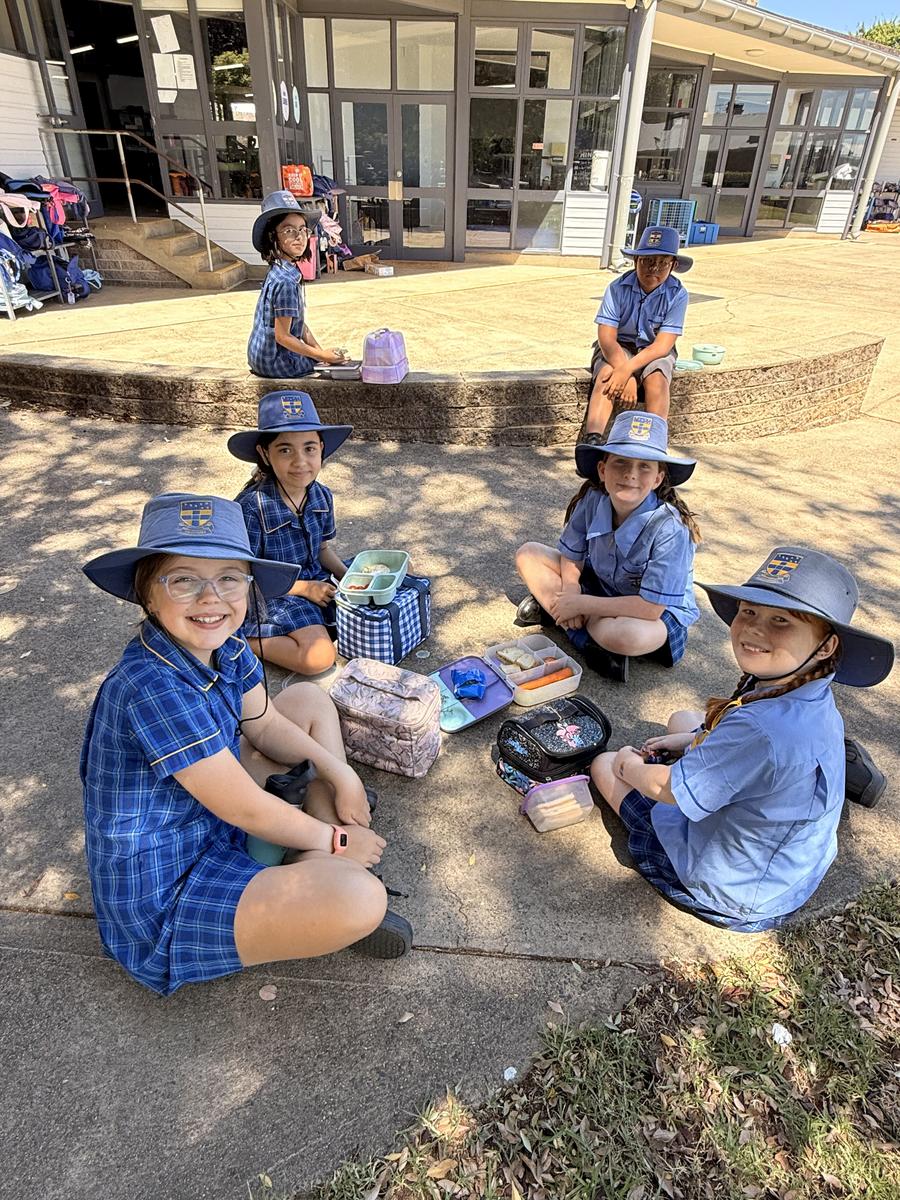
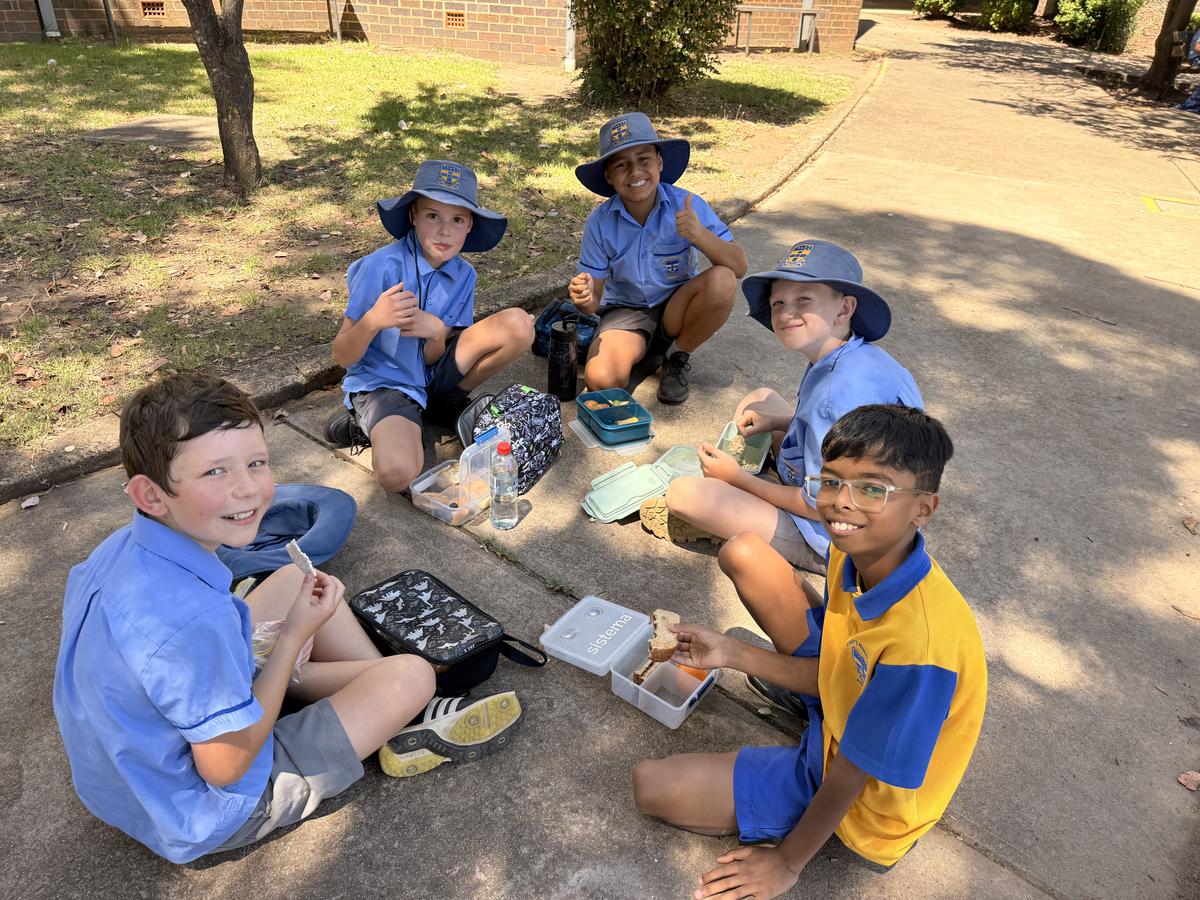
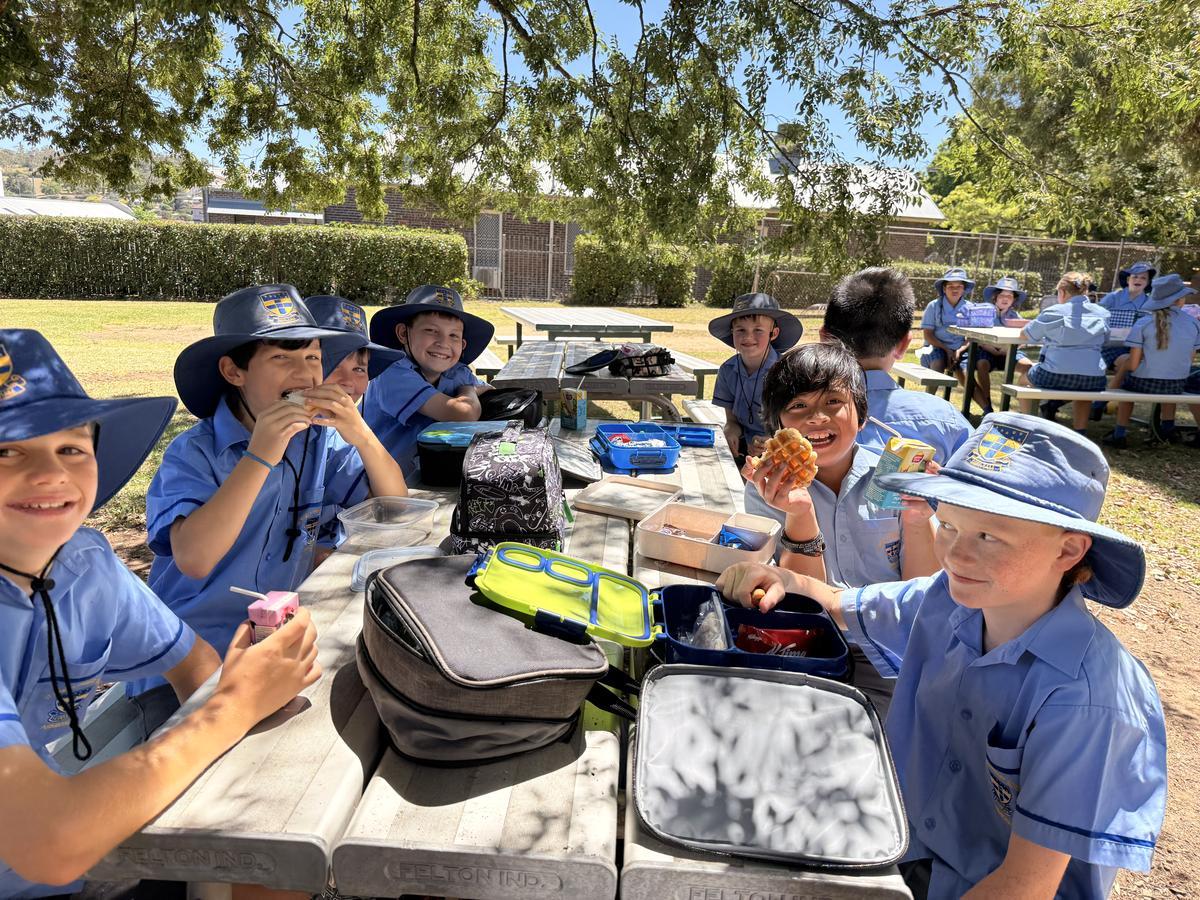
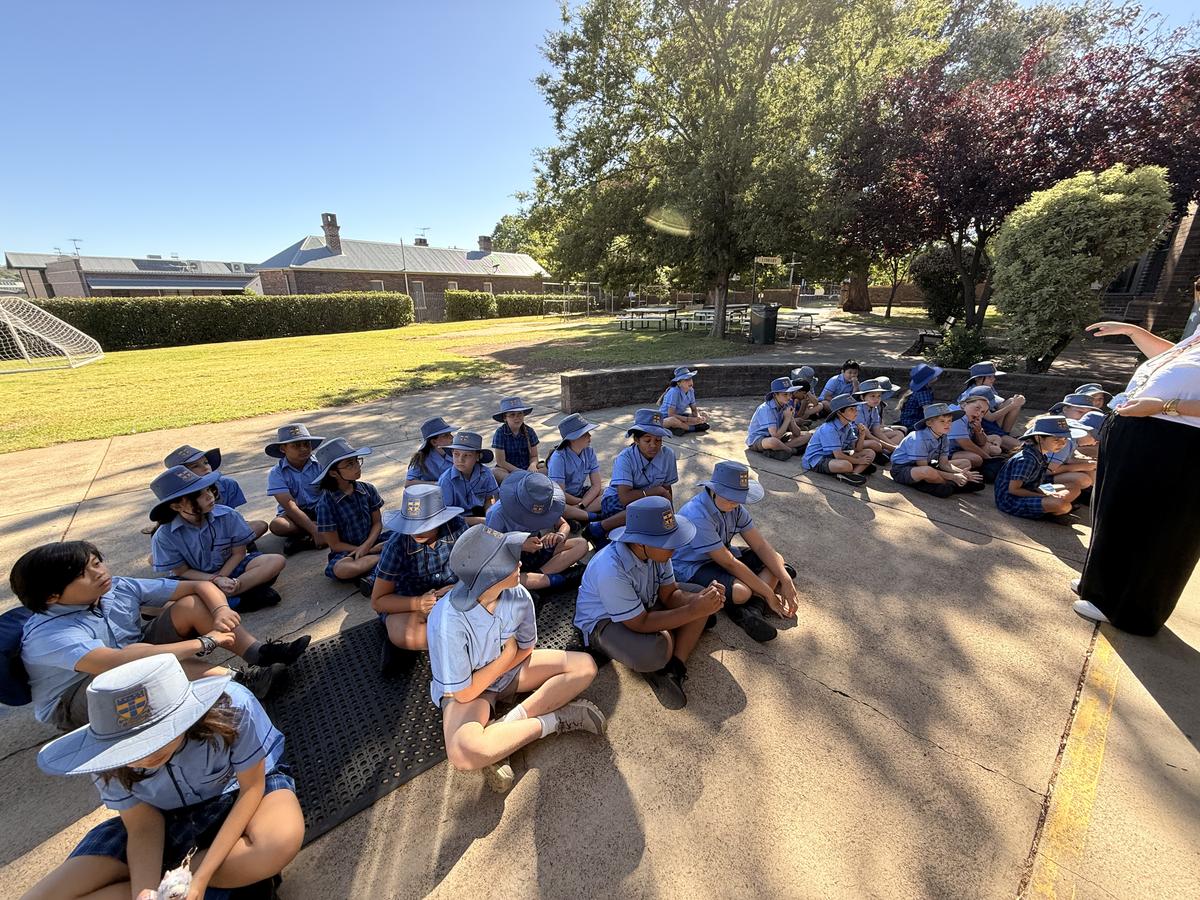
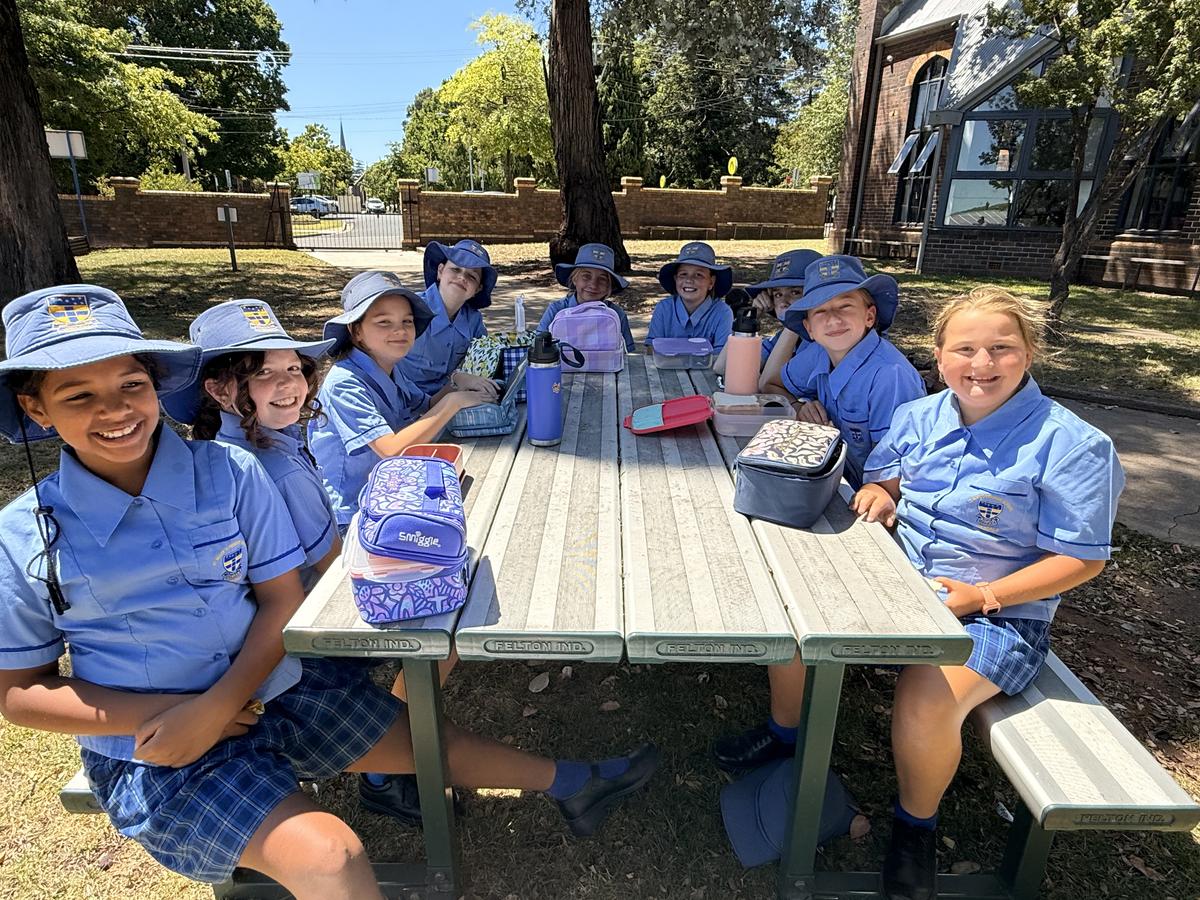
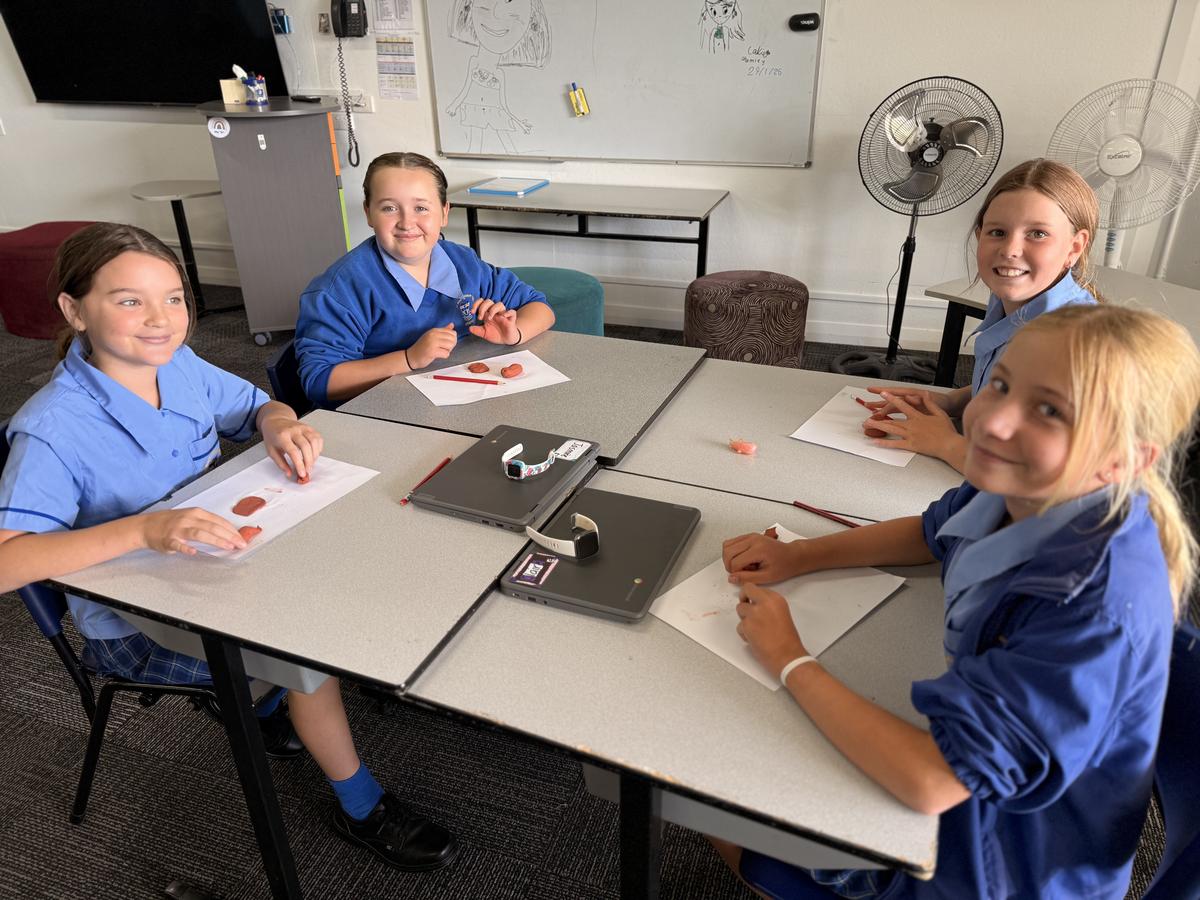
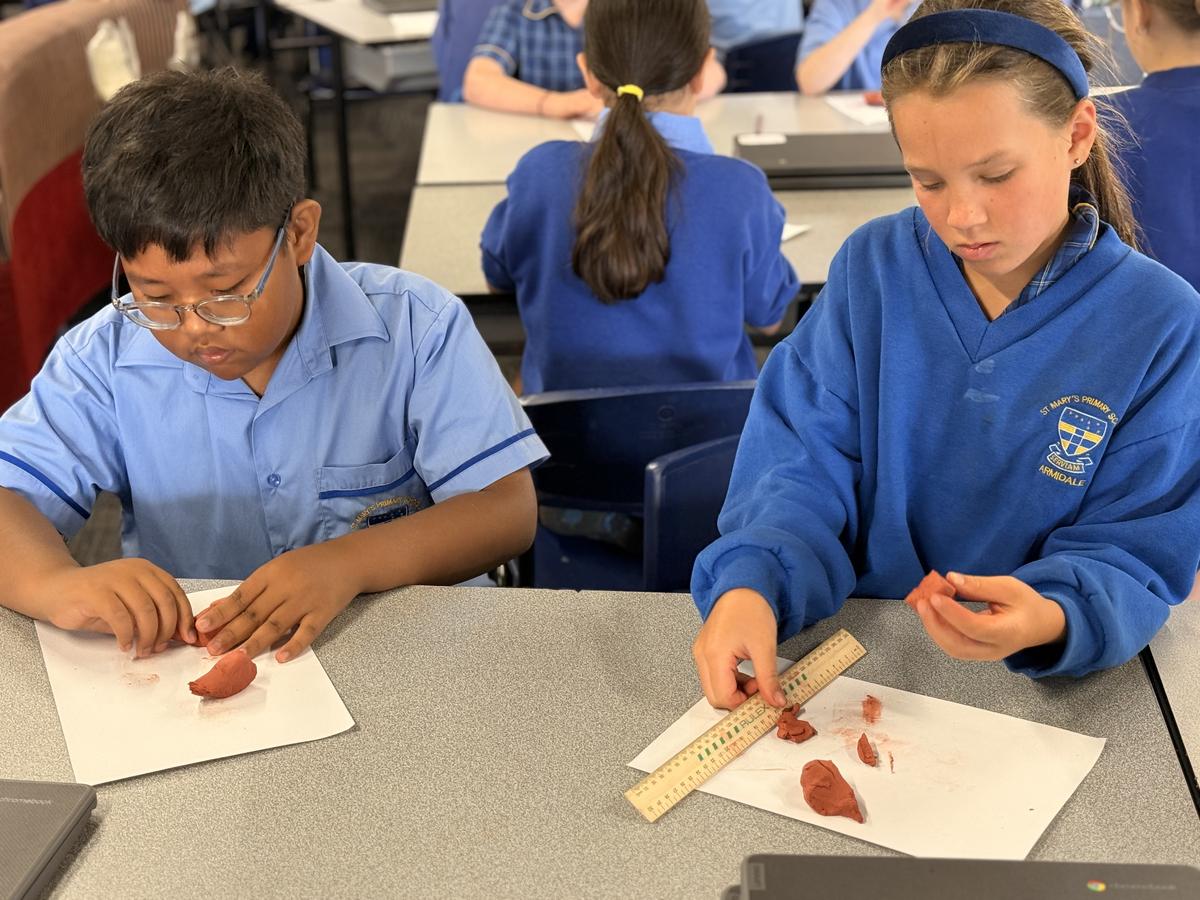
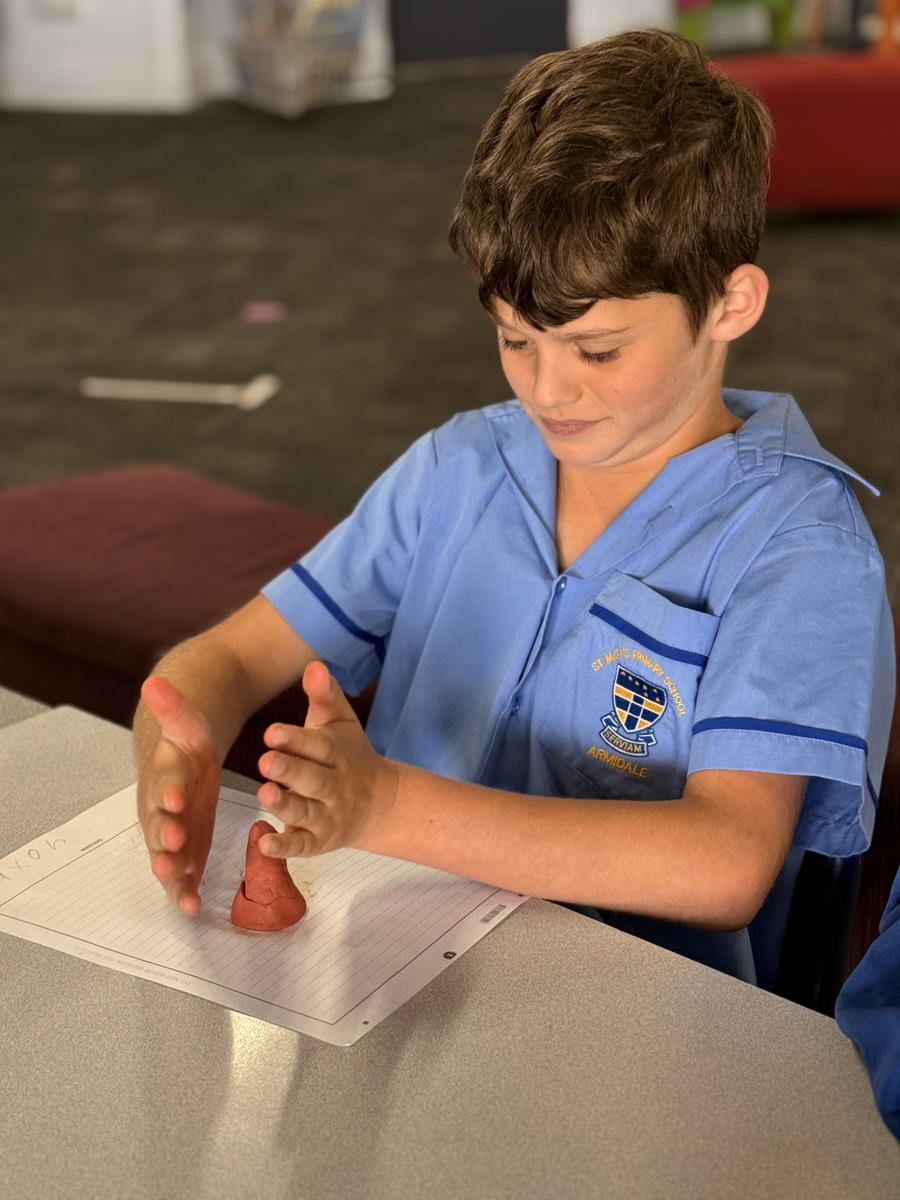
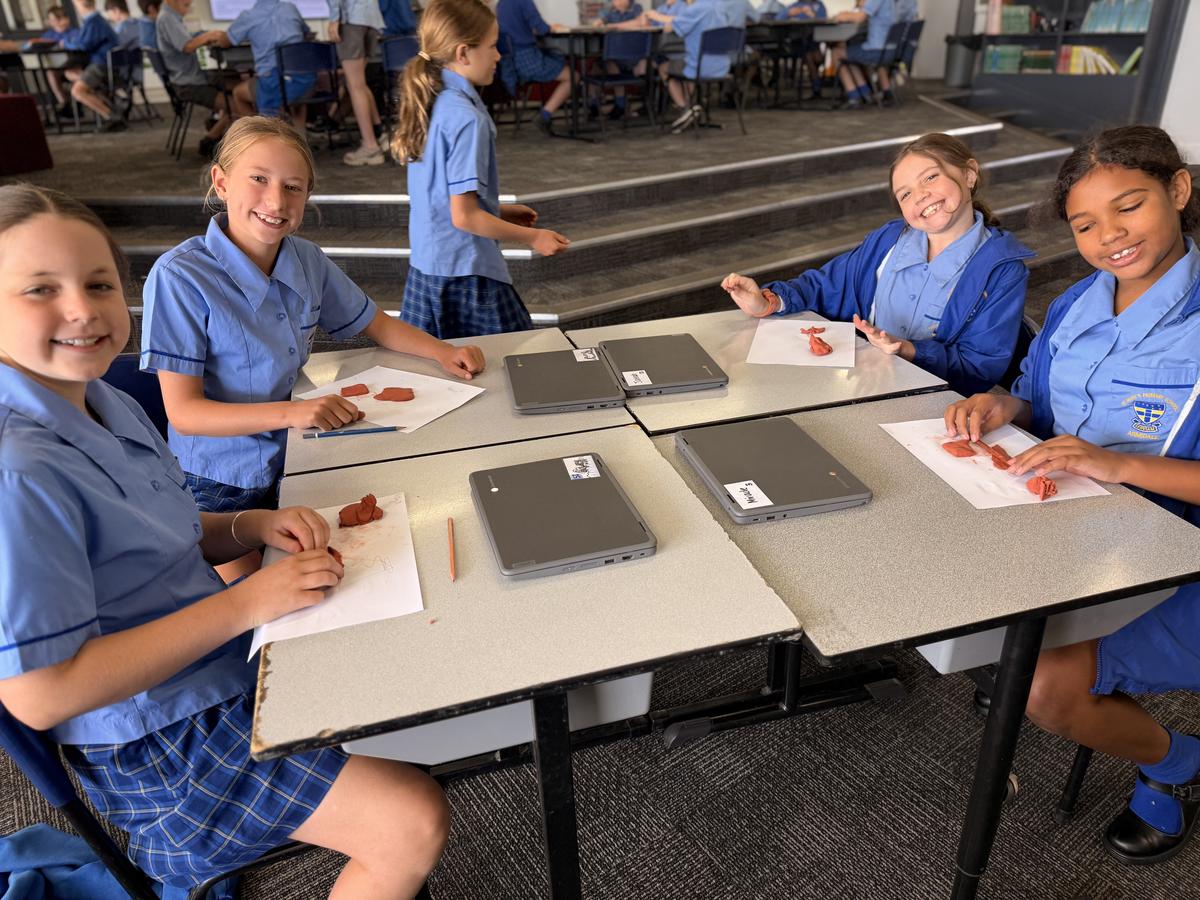
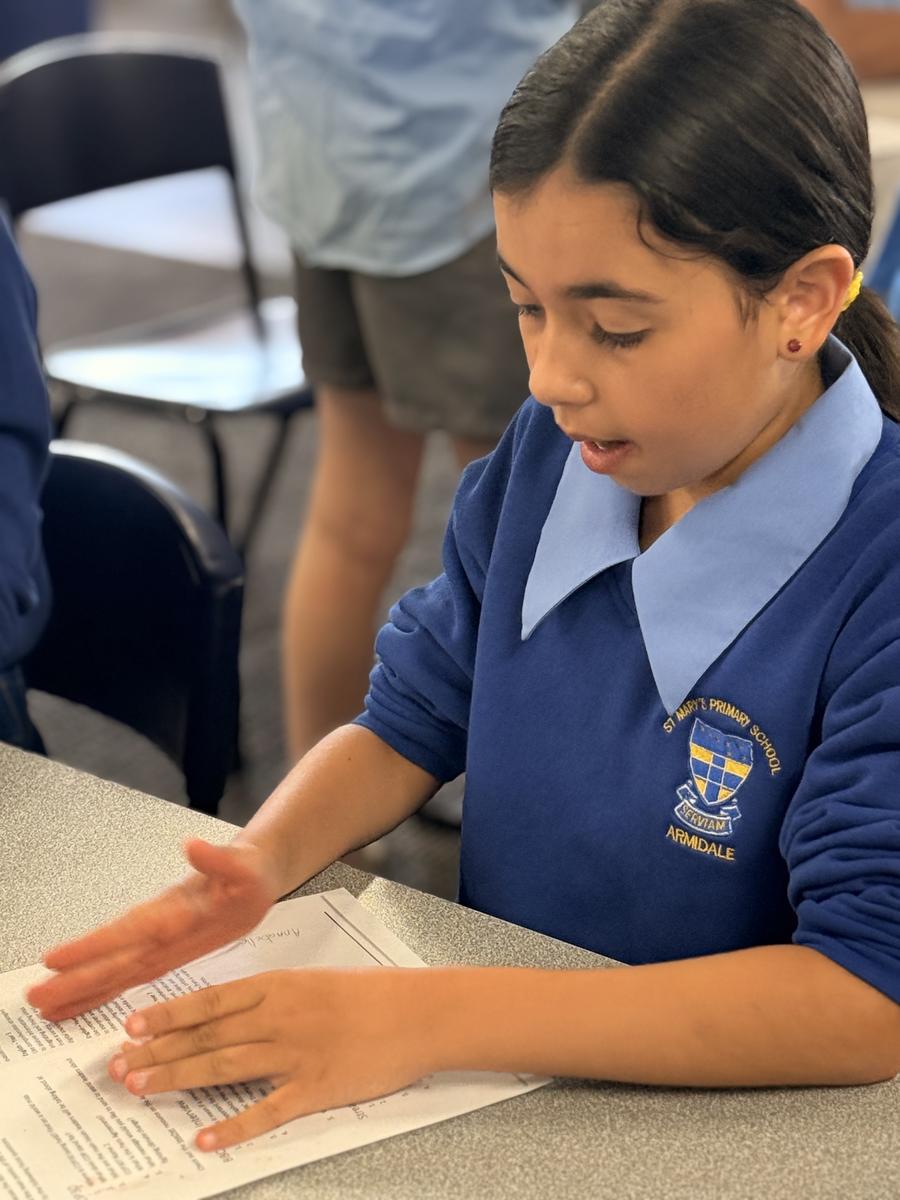
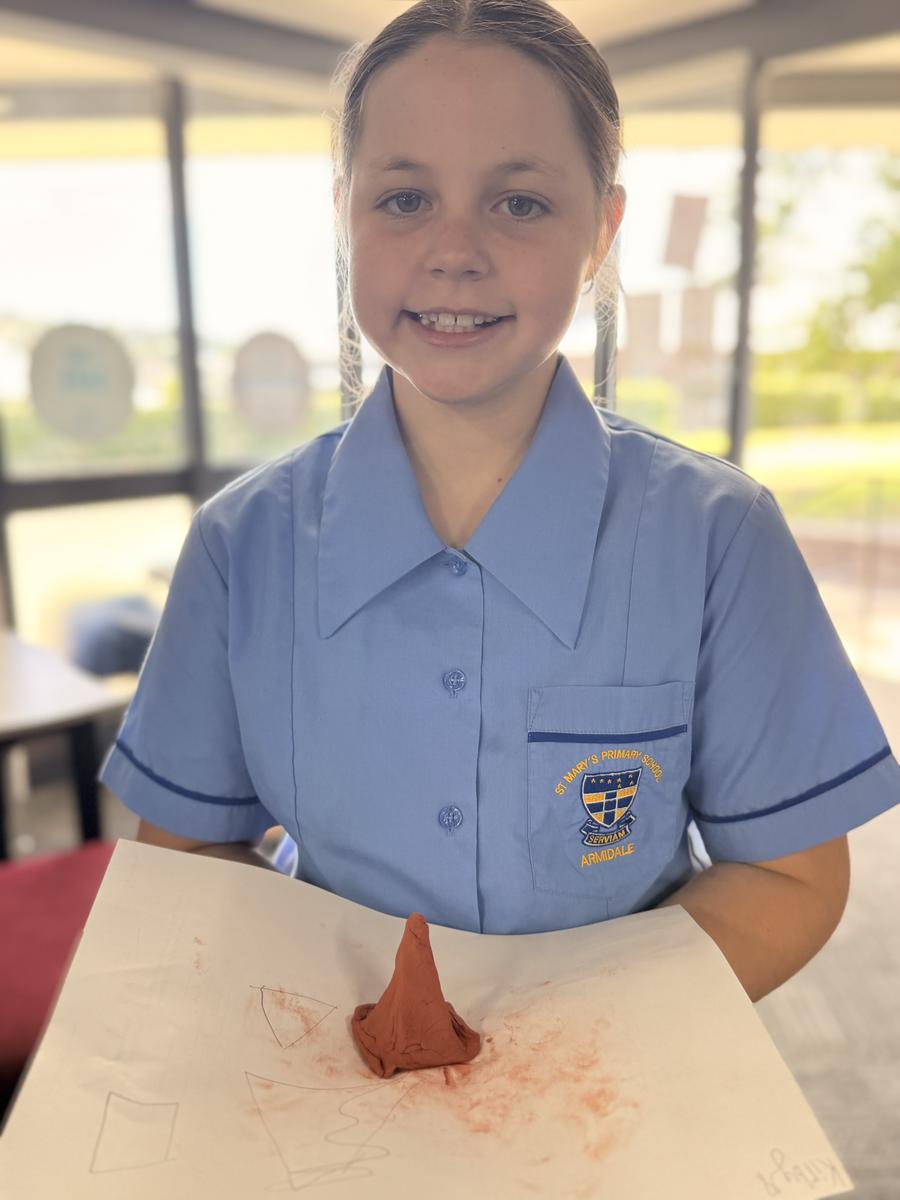
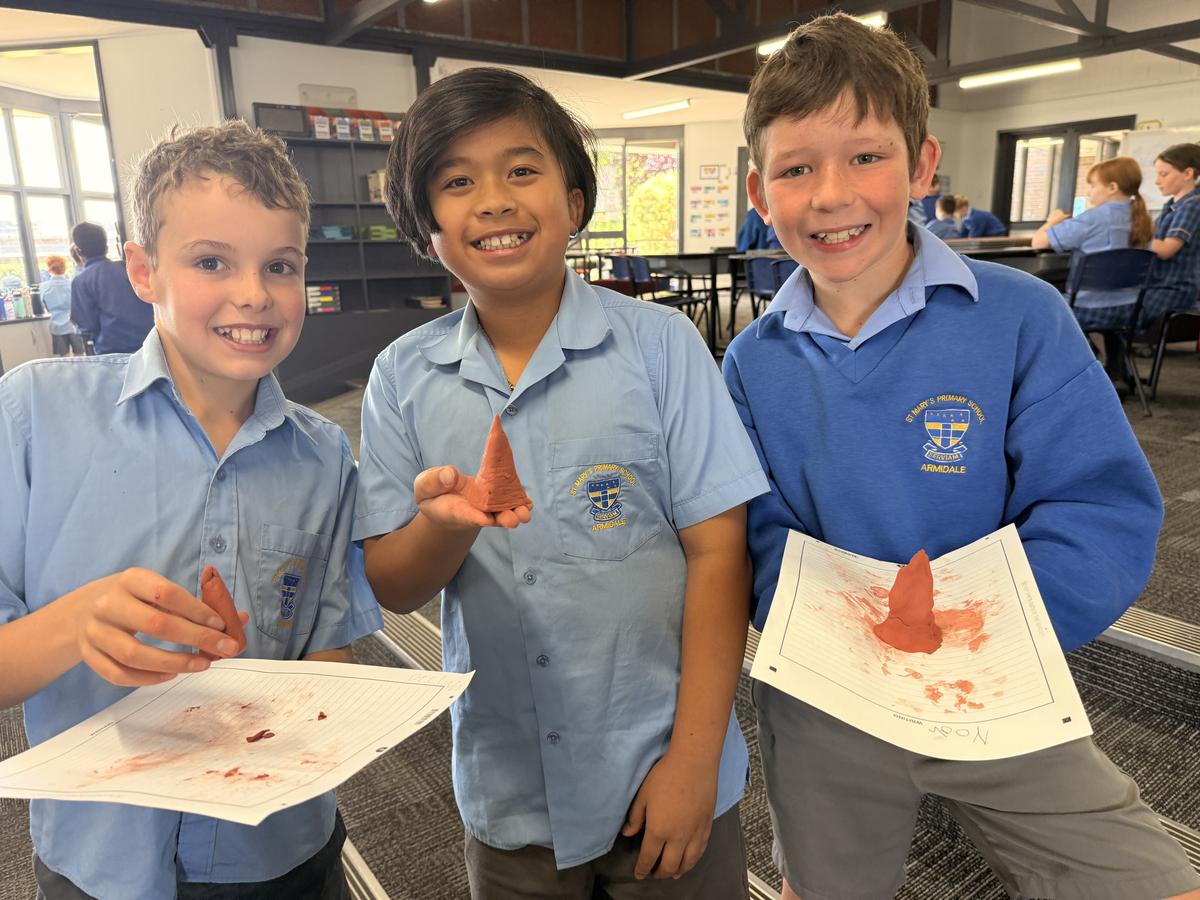
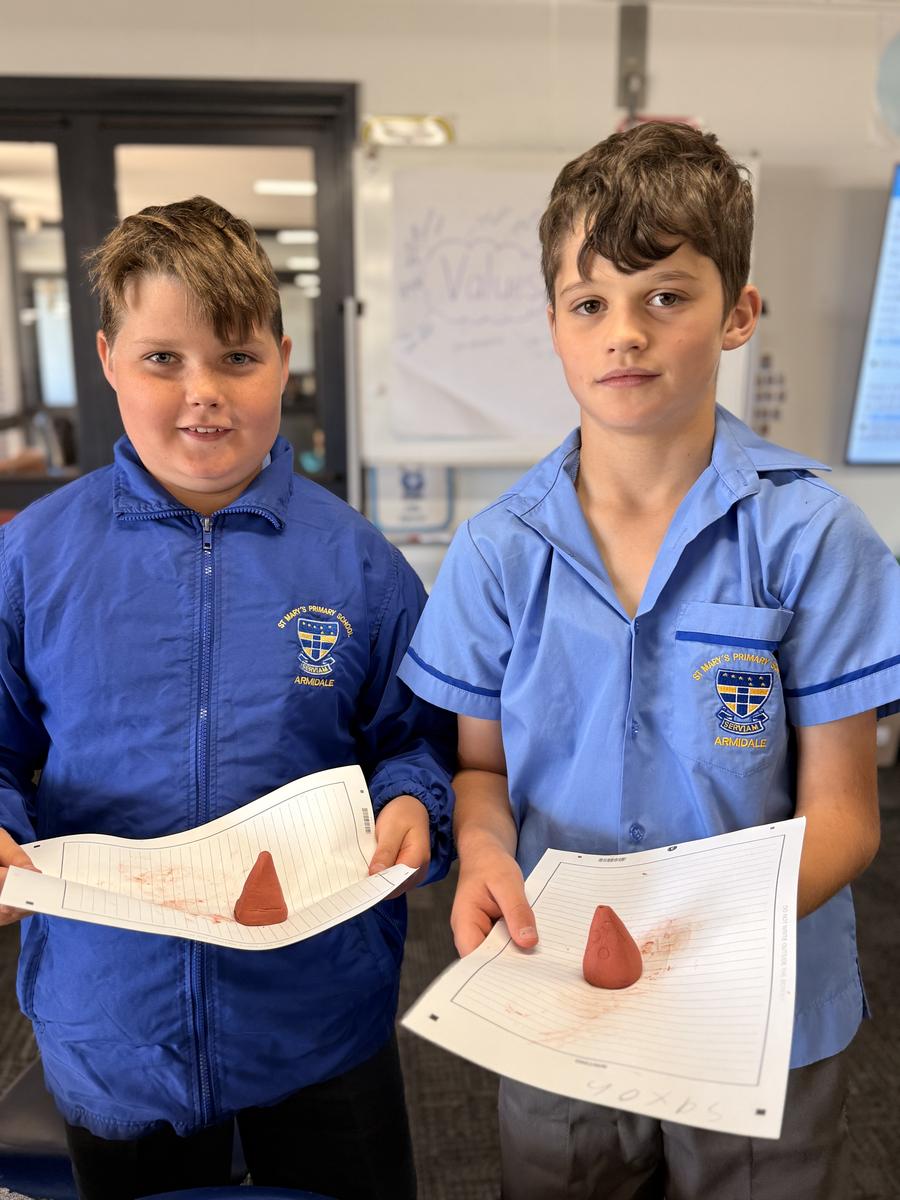
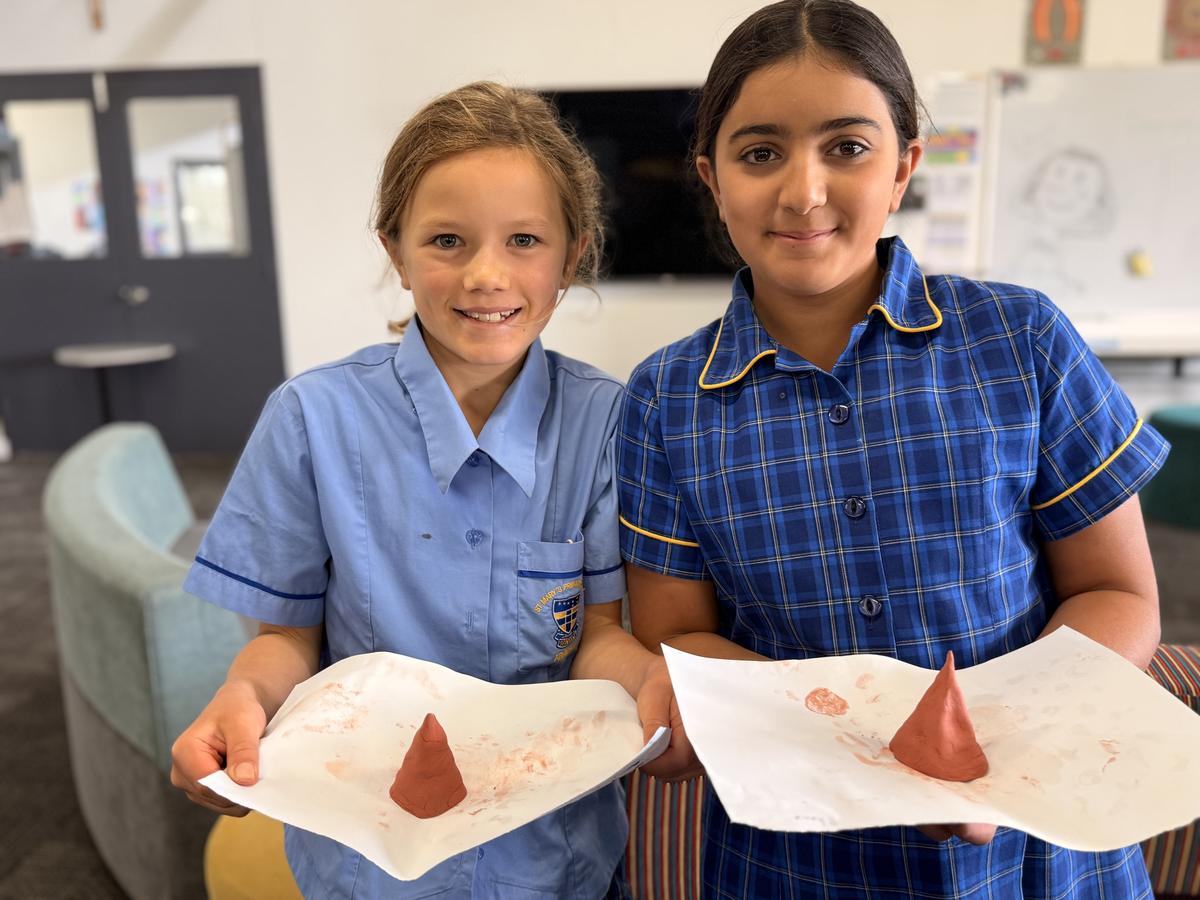
A few photos from the first few days of Year 5. So much excitement to see friends again and make new ones!
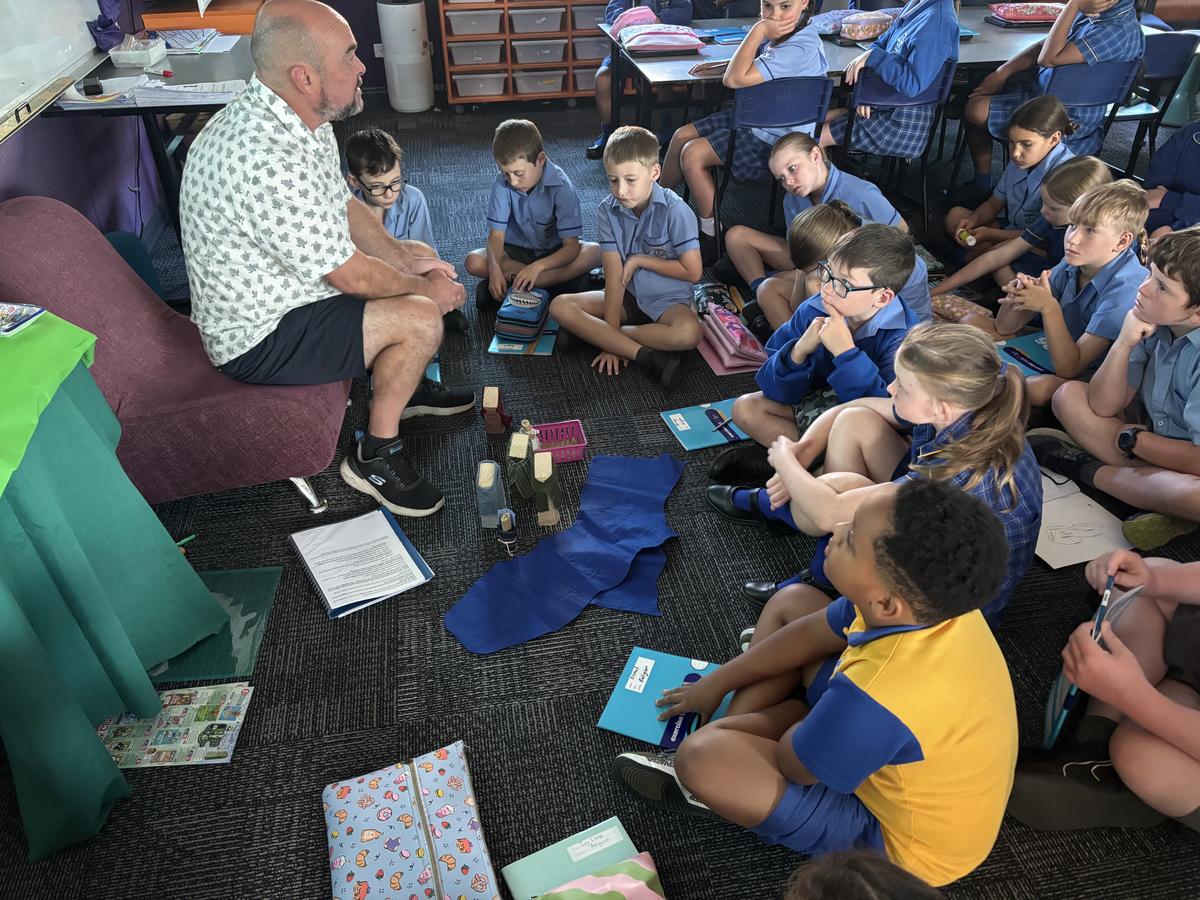
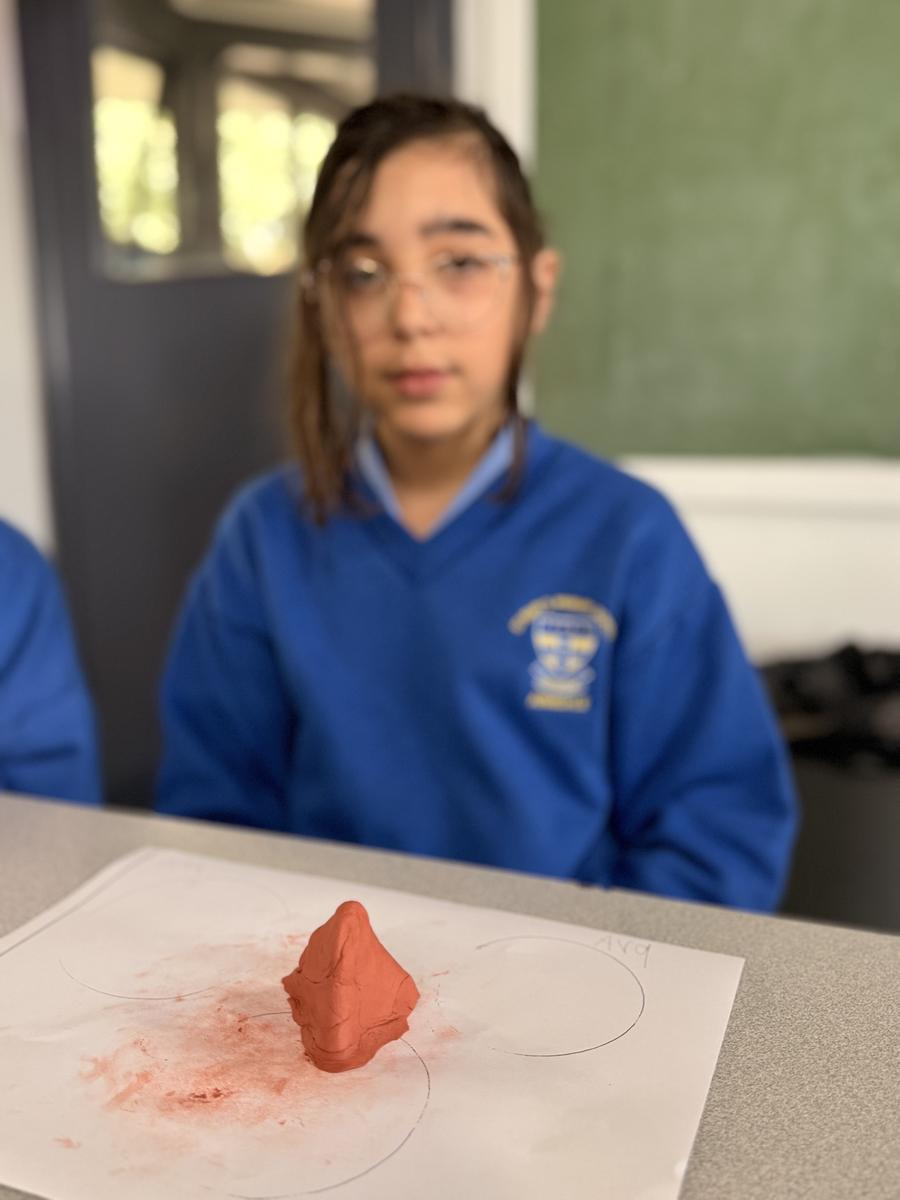
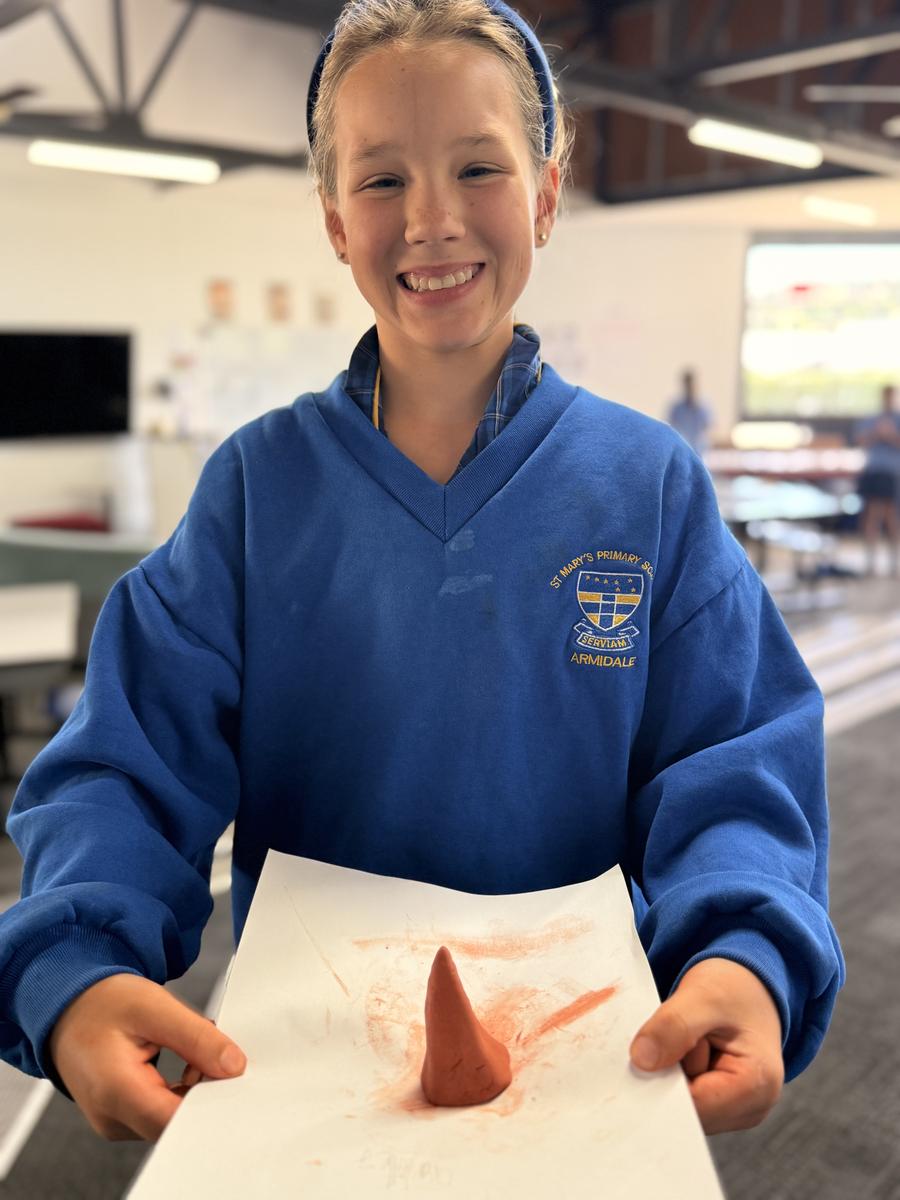
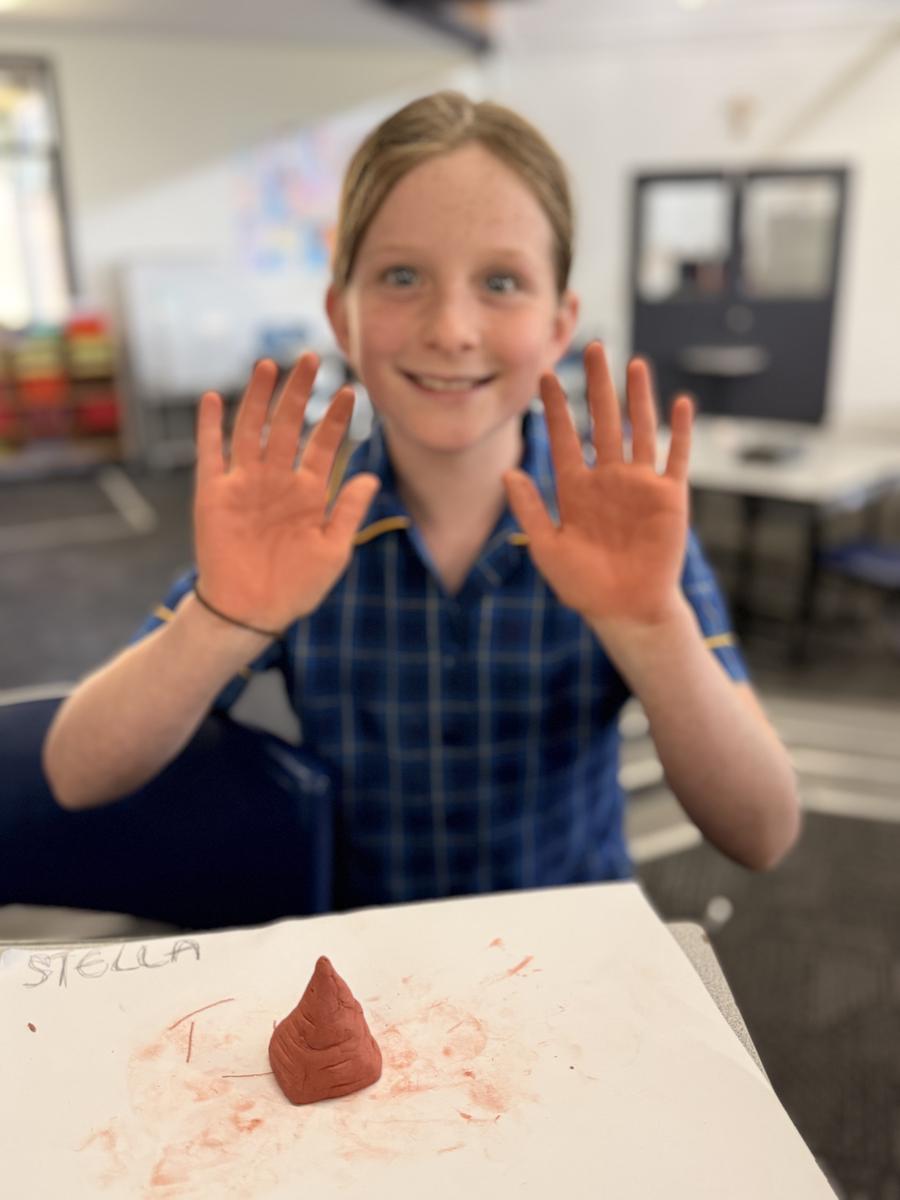
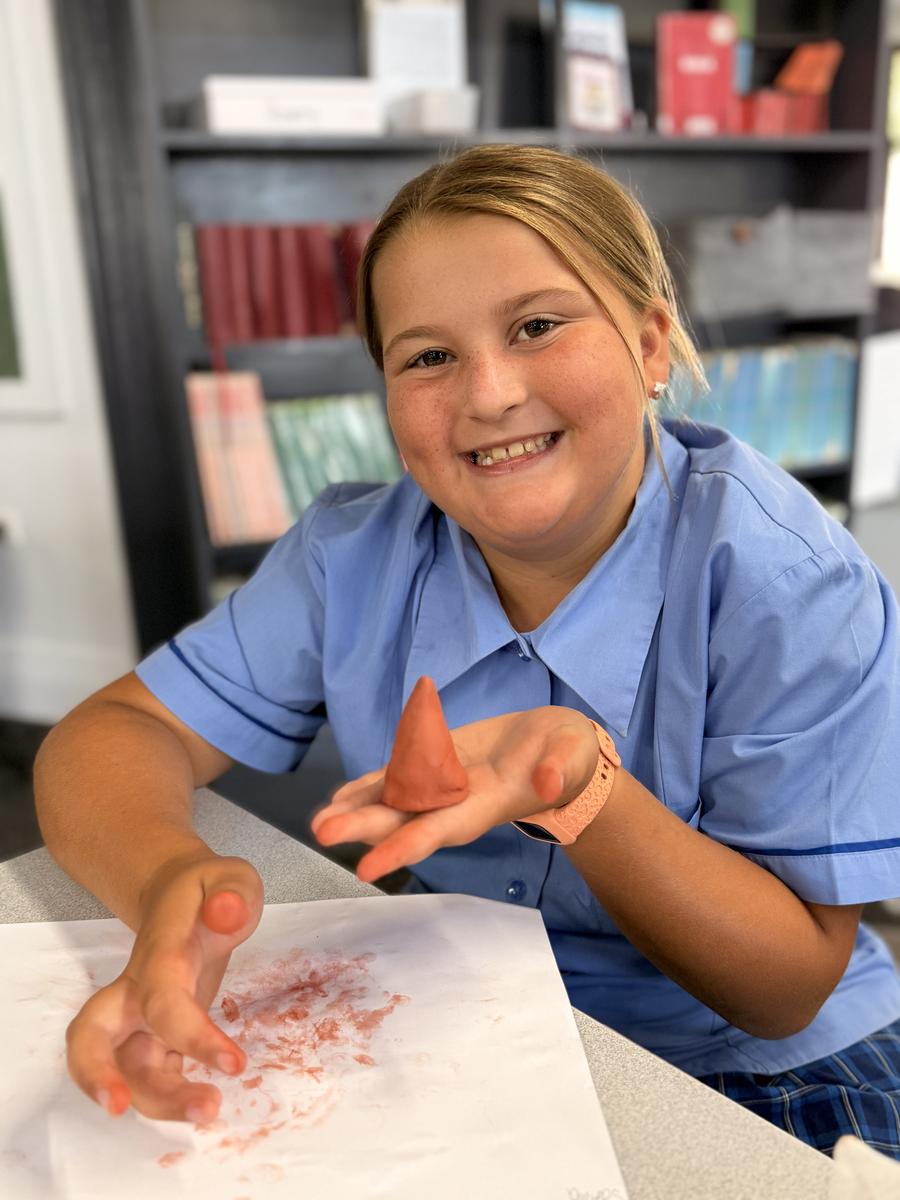
Mathematics : 3D Objects
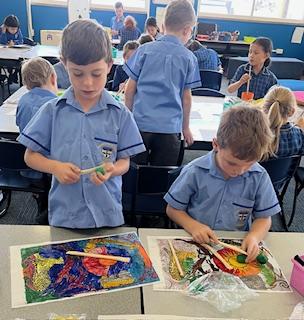
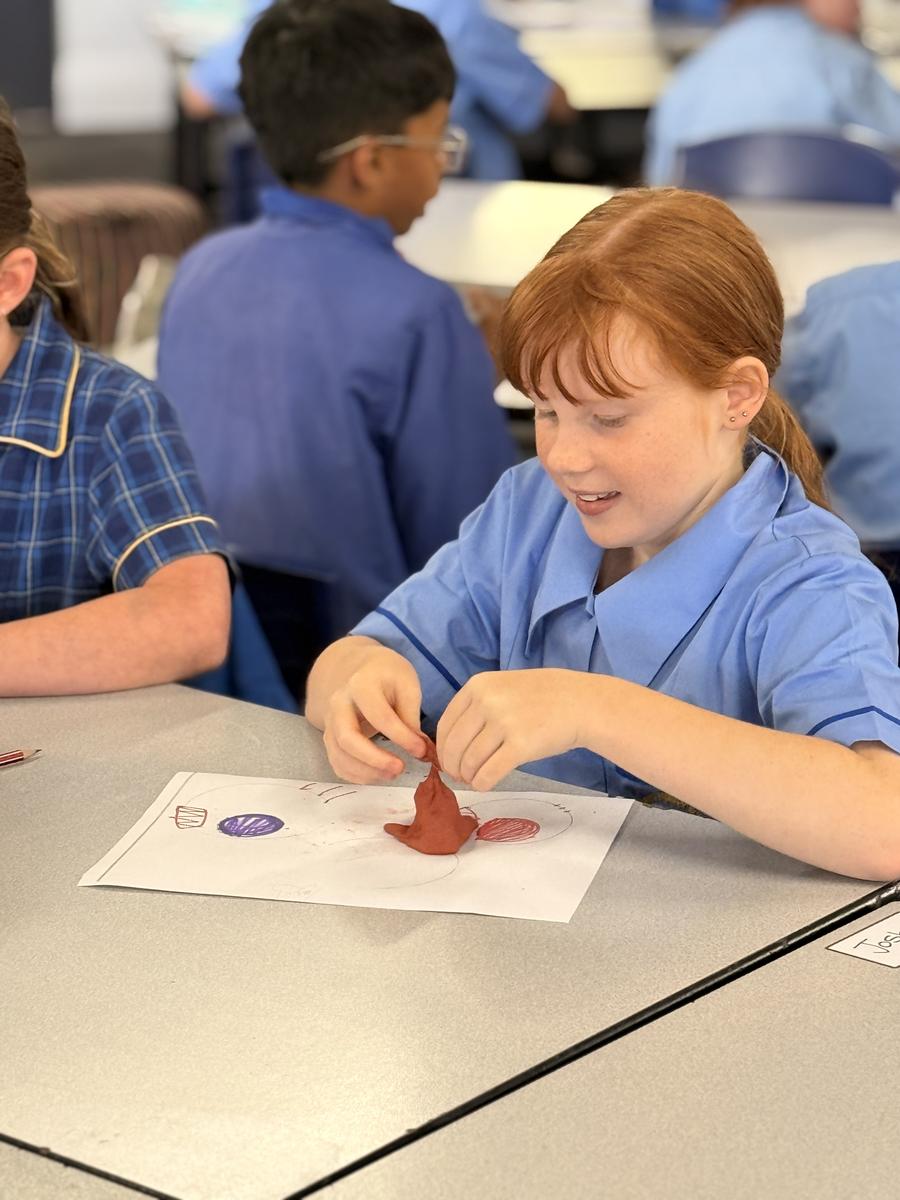
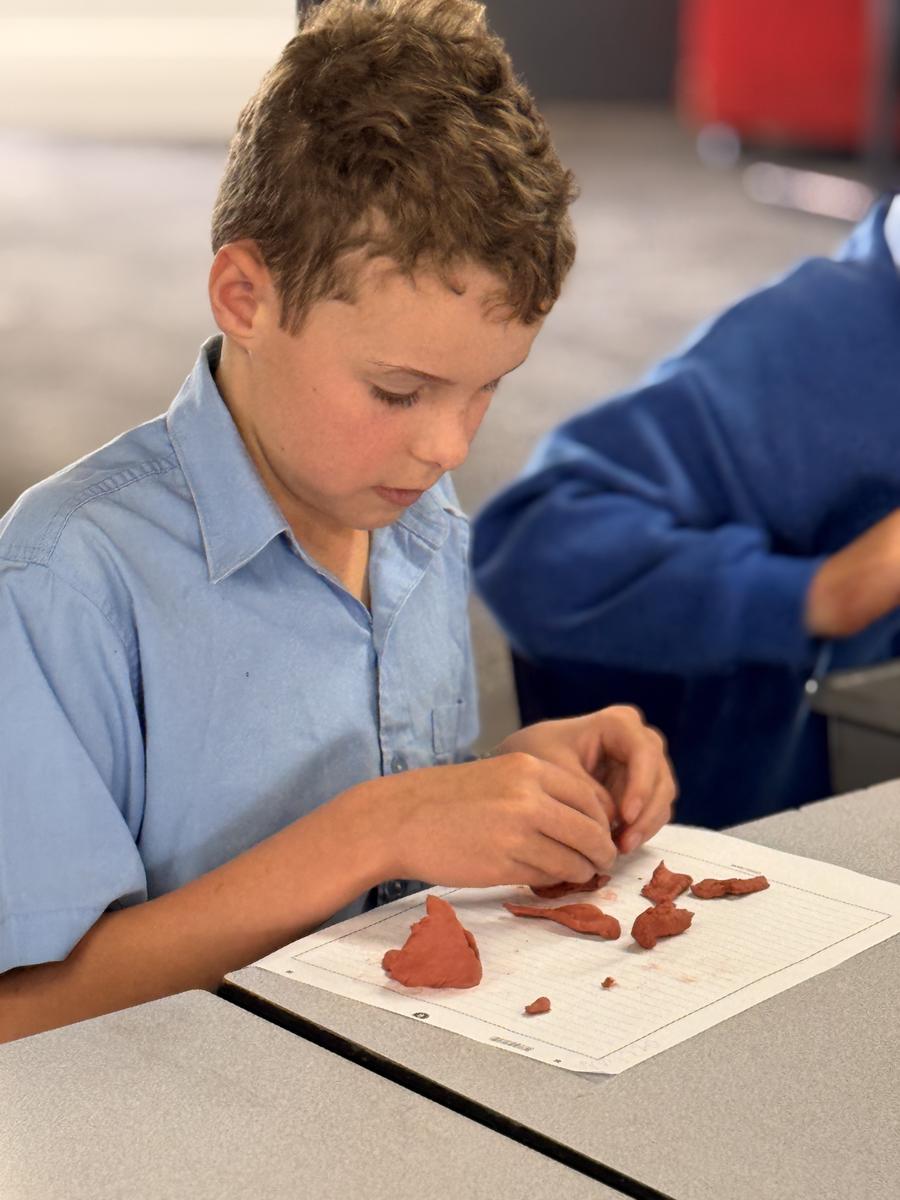
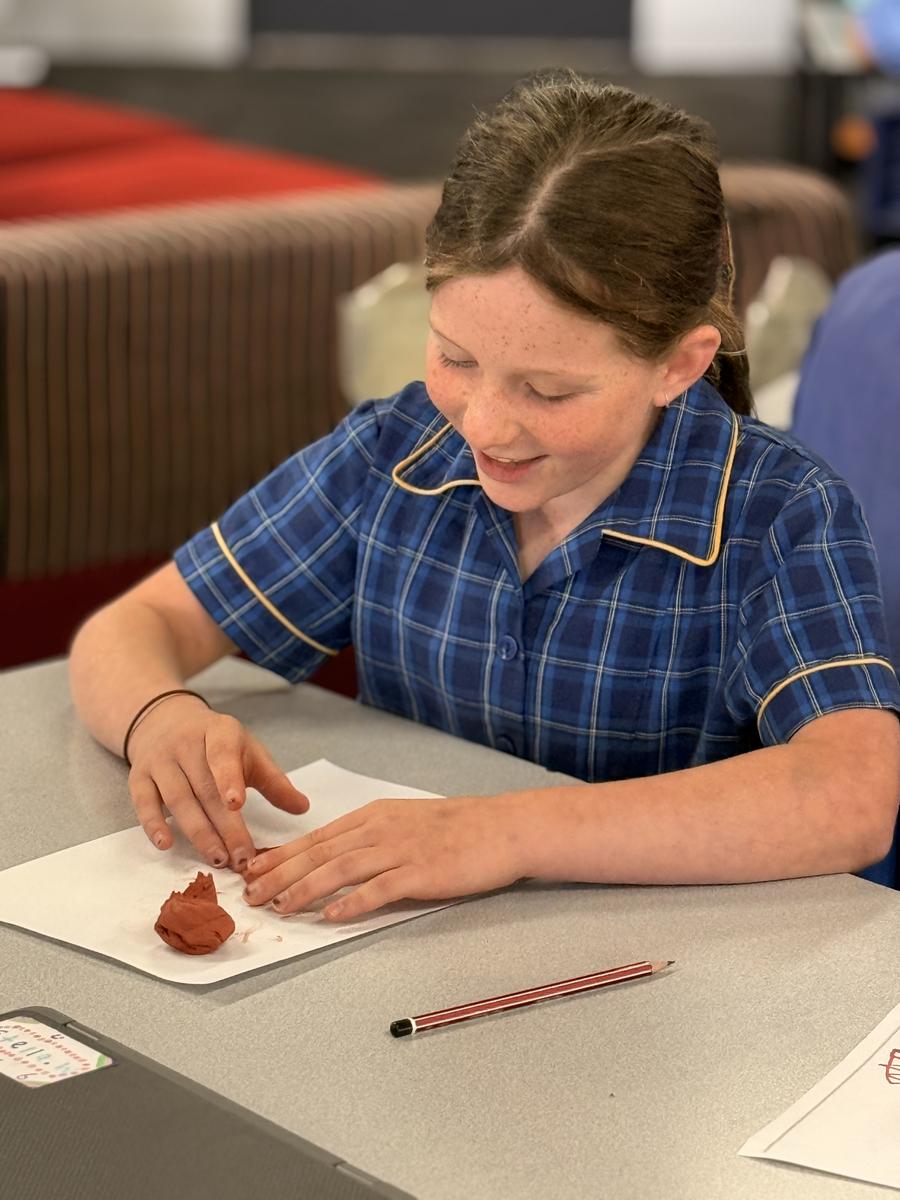
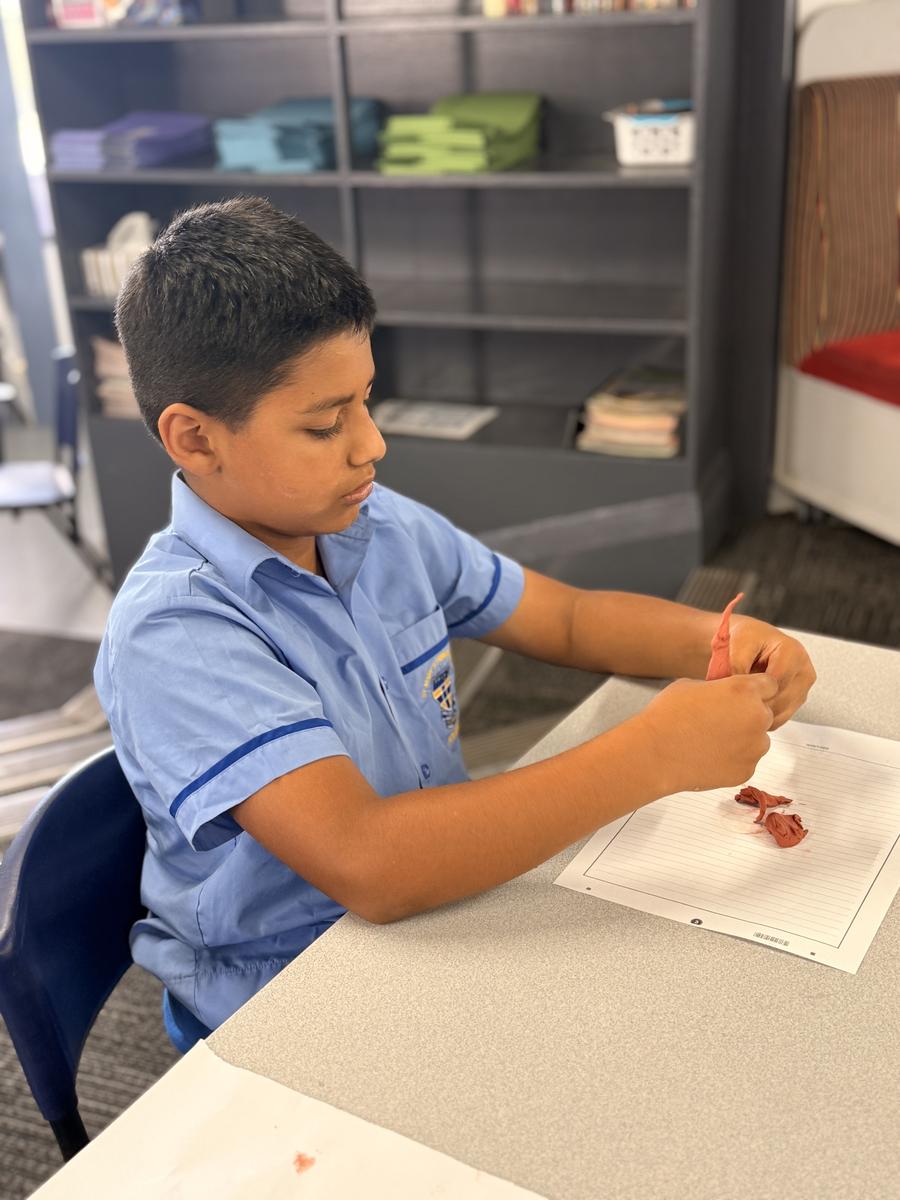
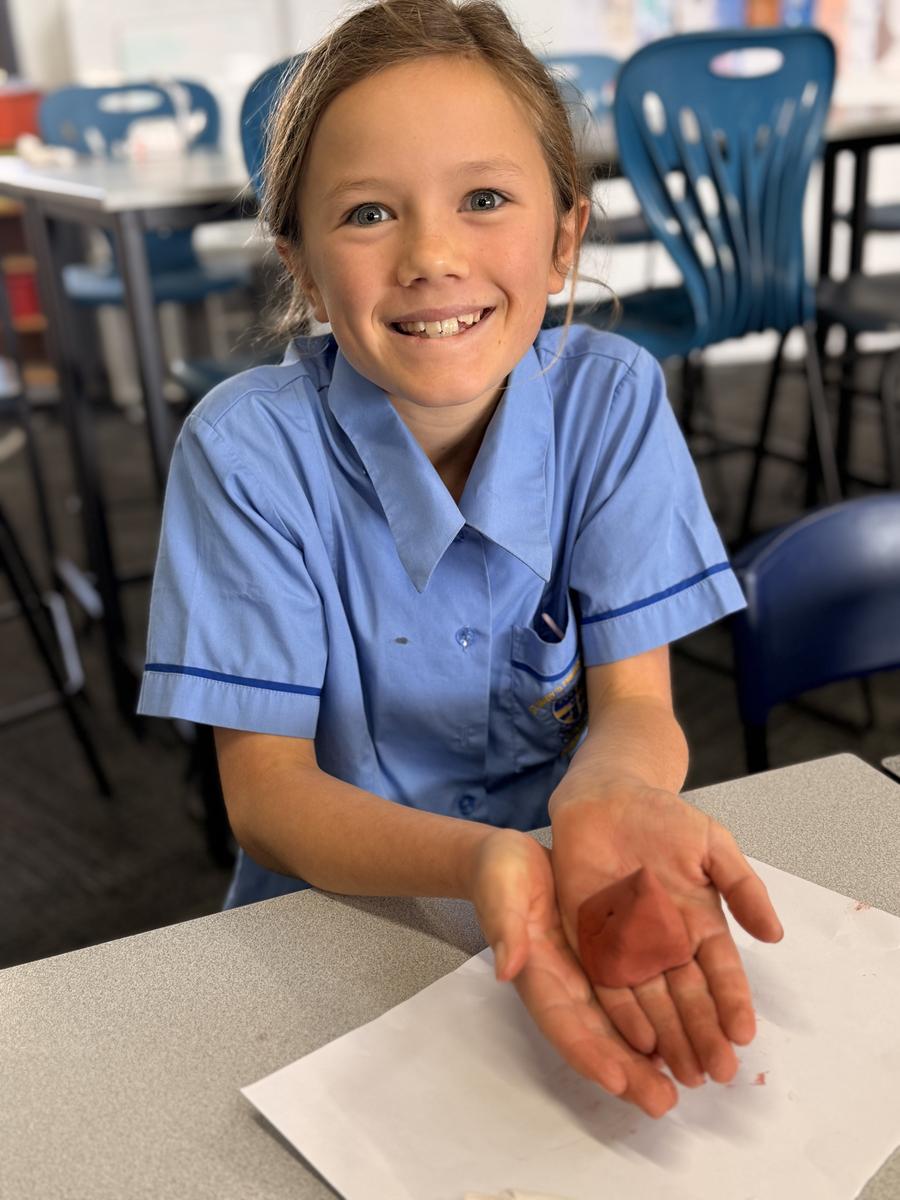
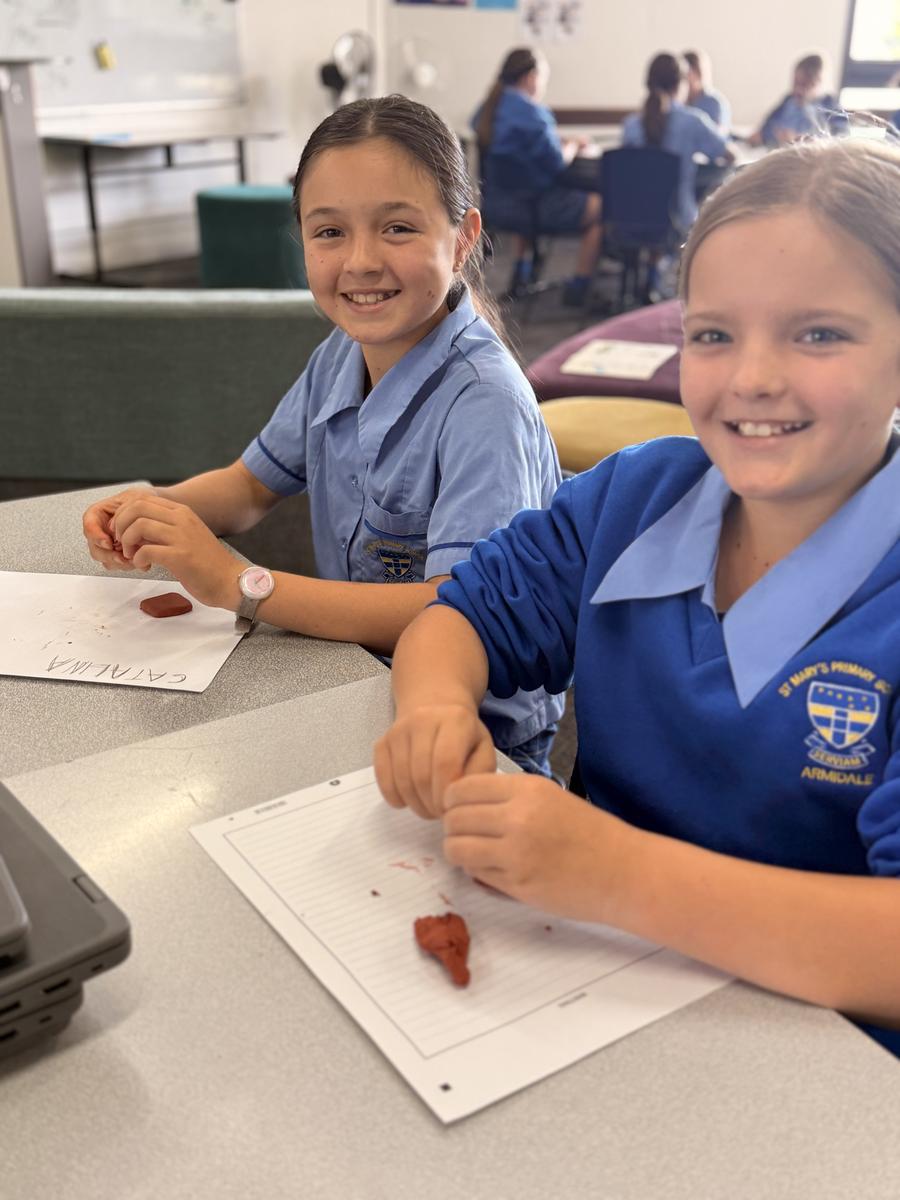
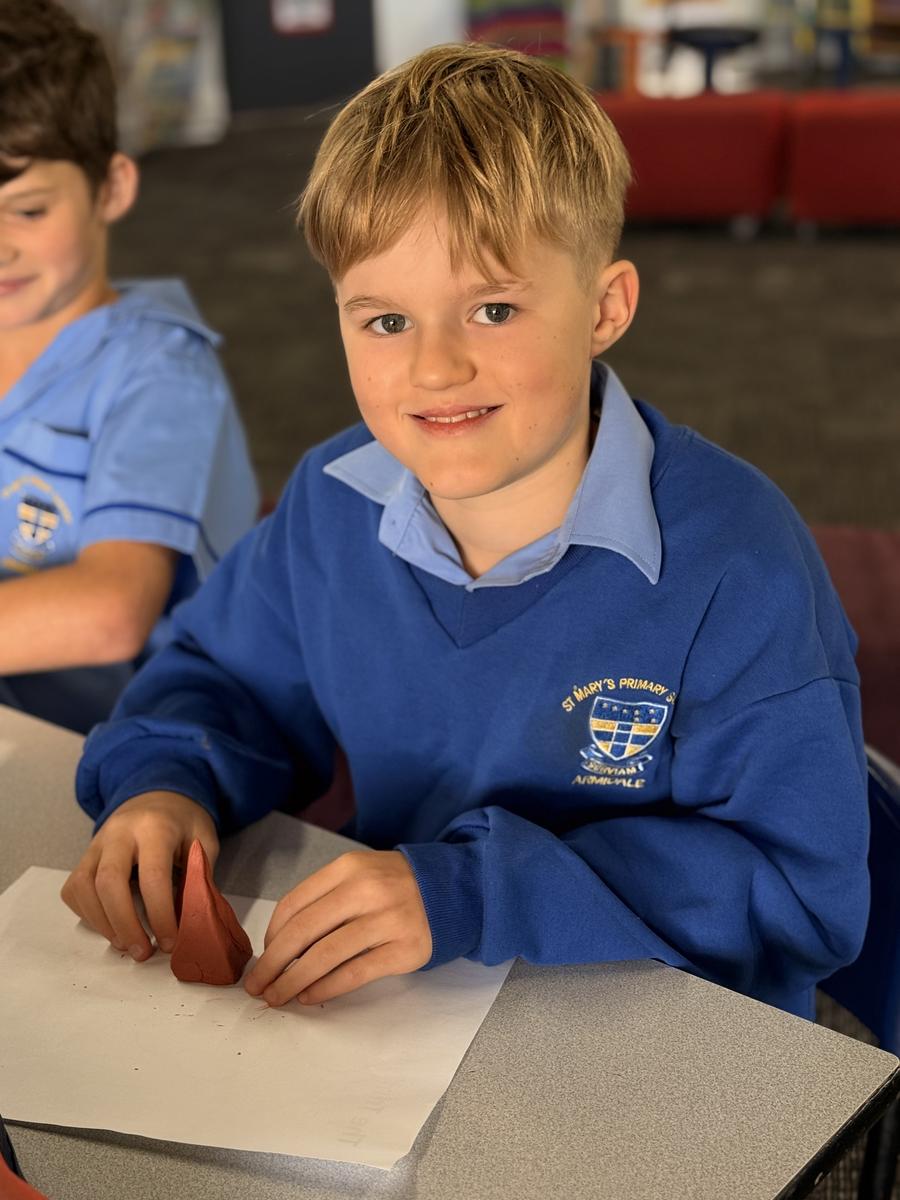
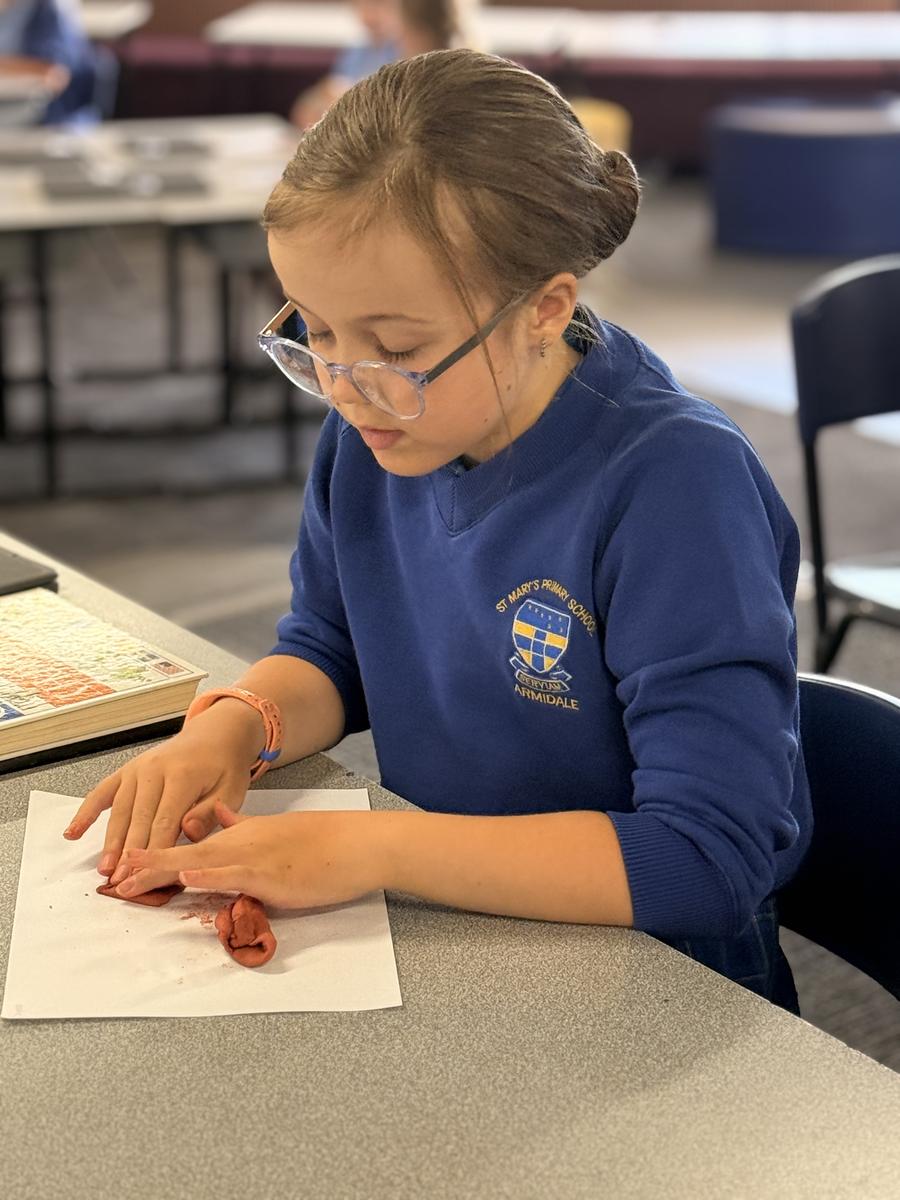
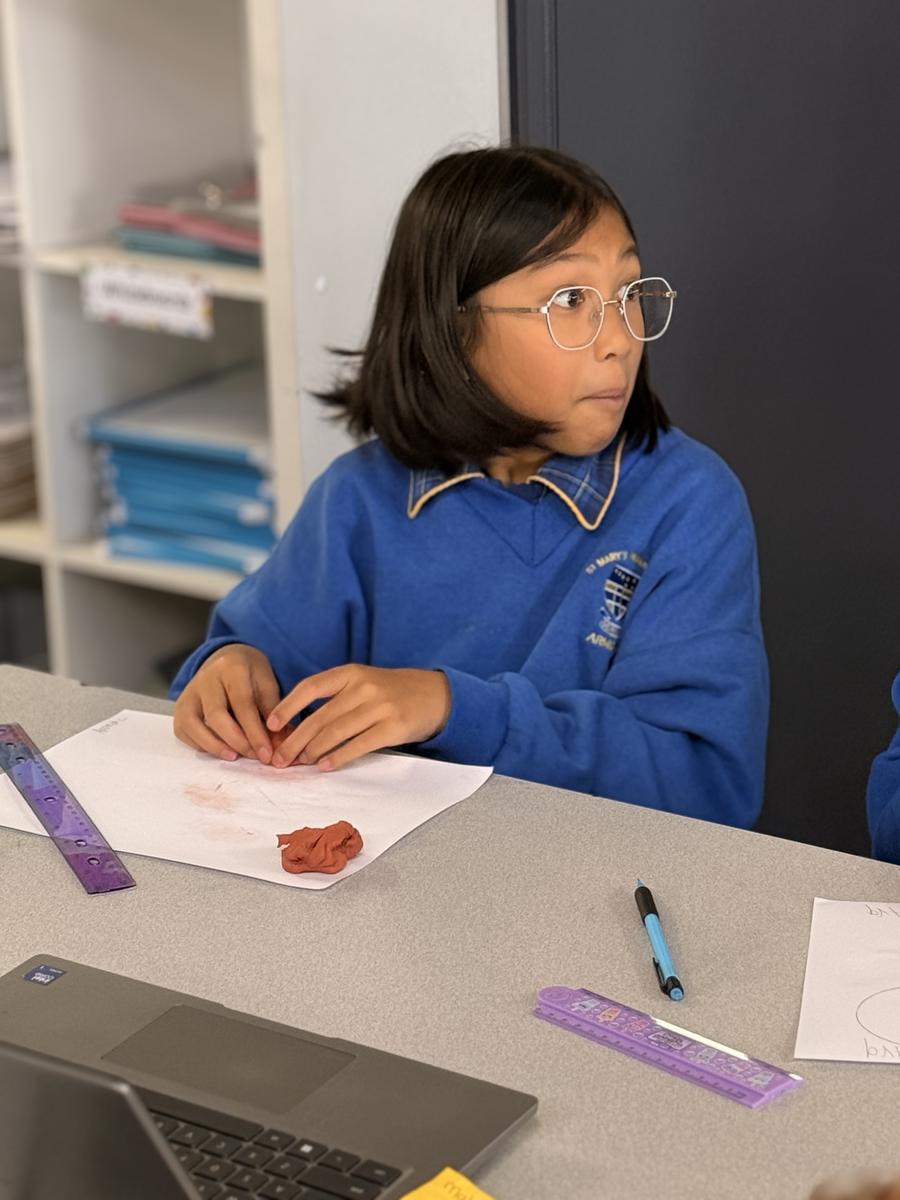
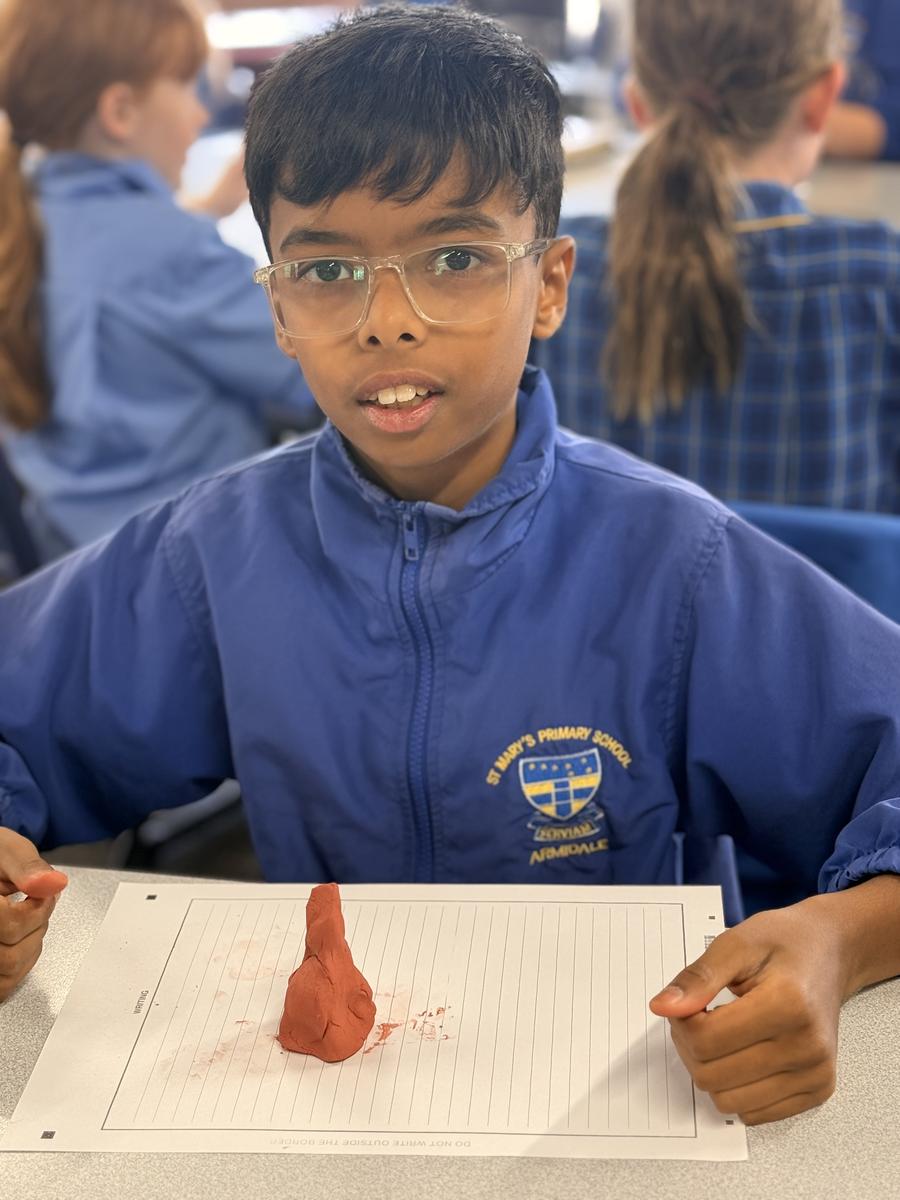
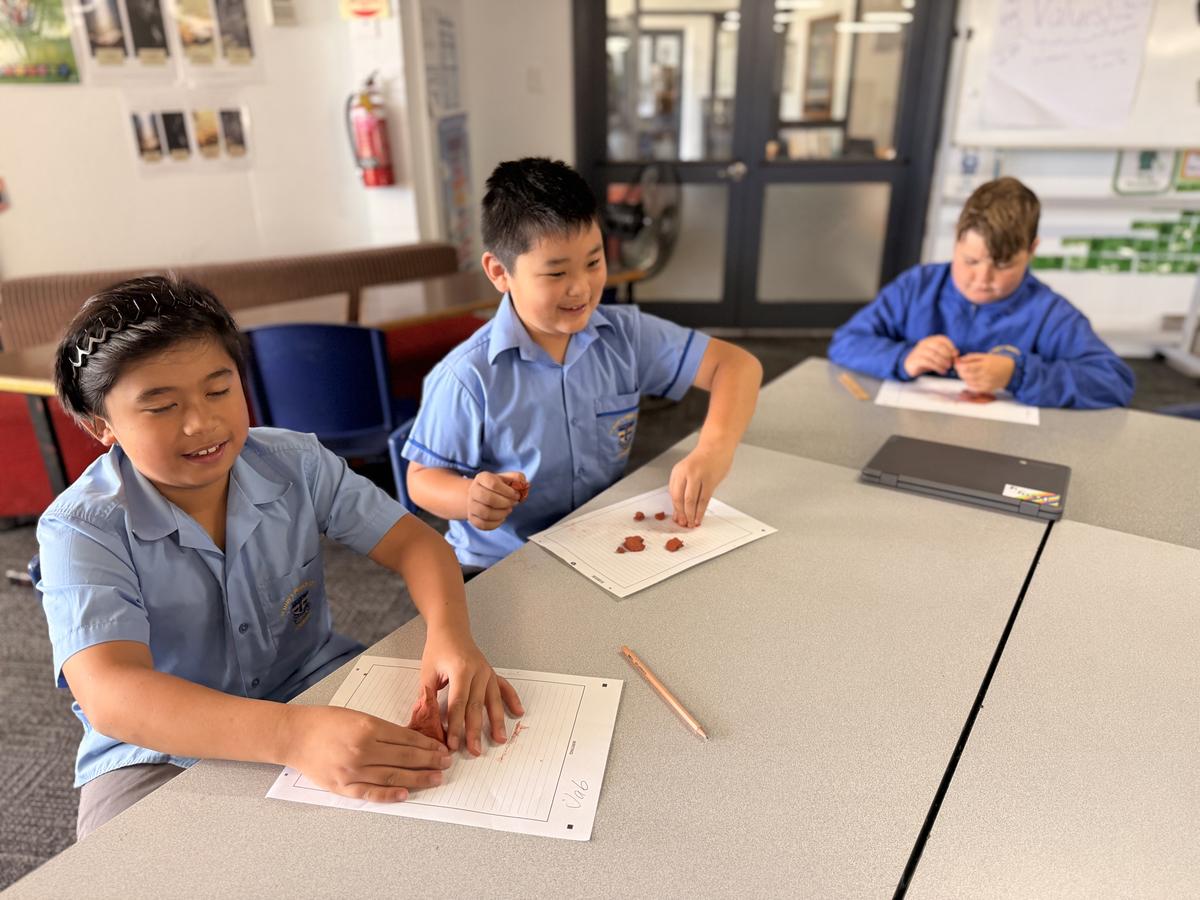
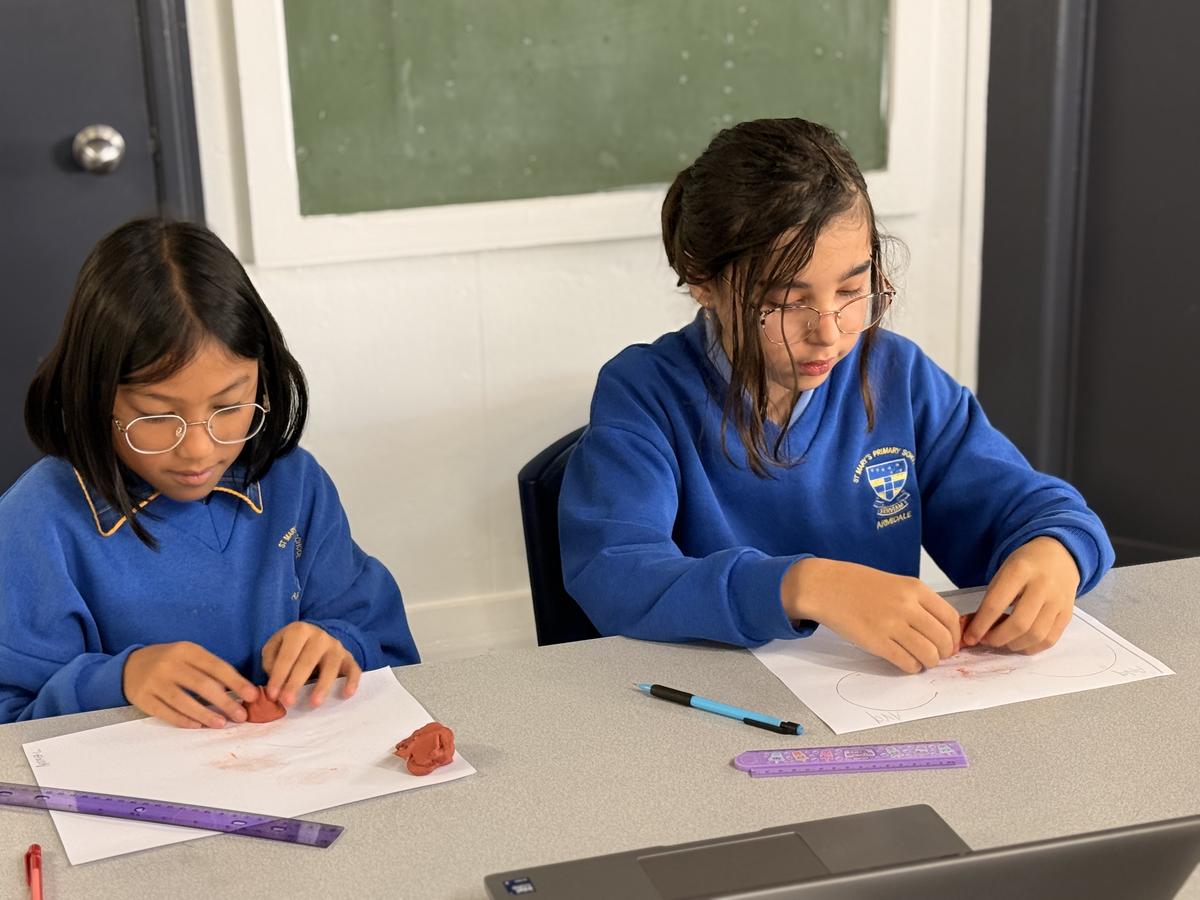
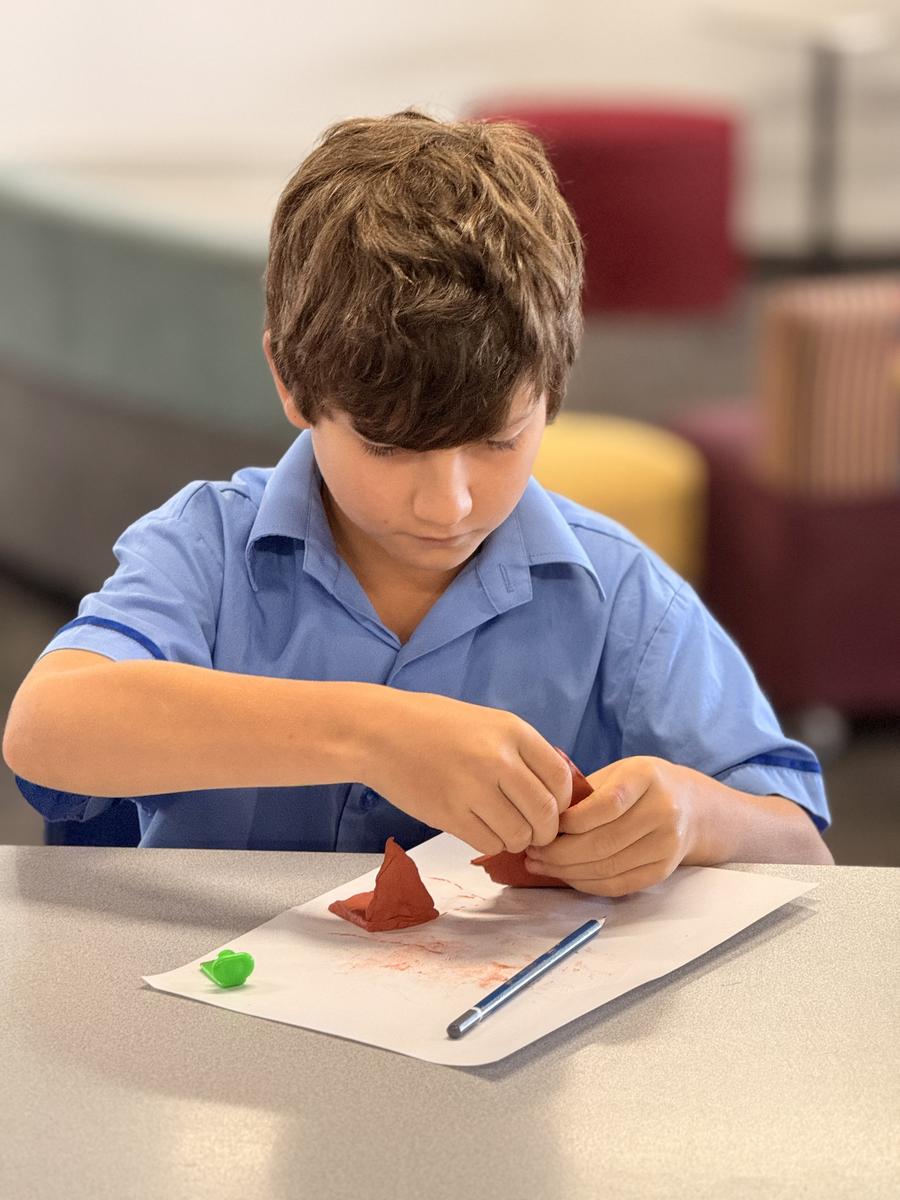
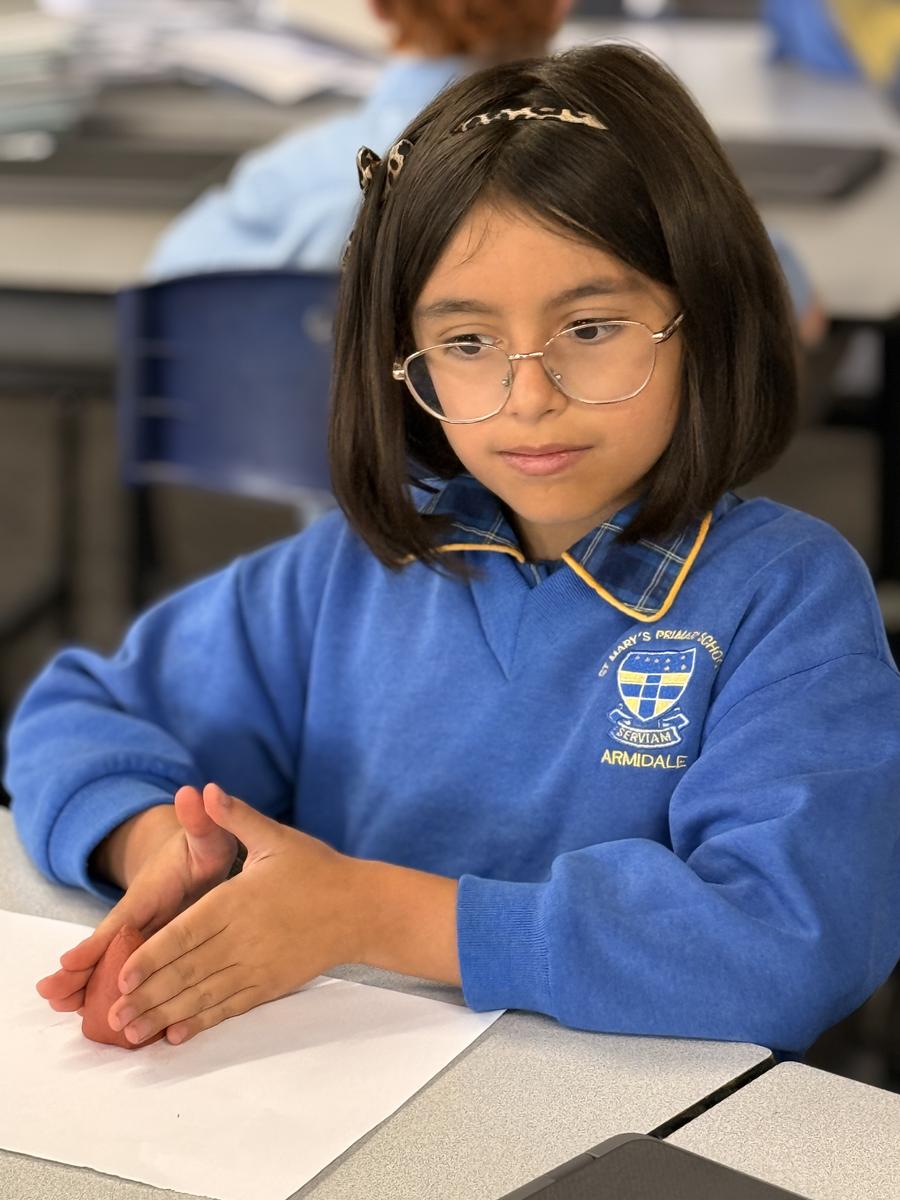
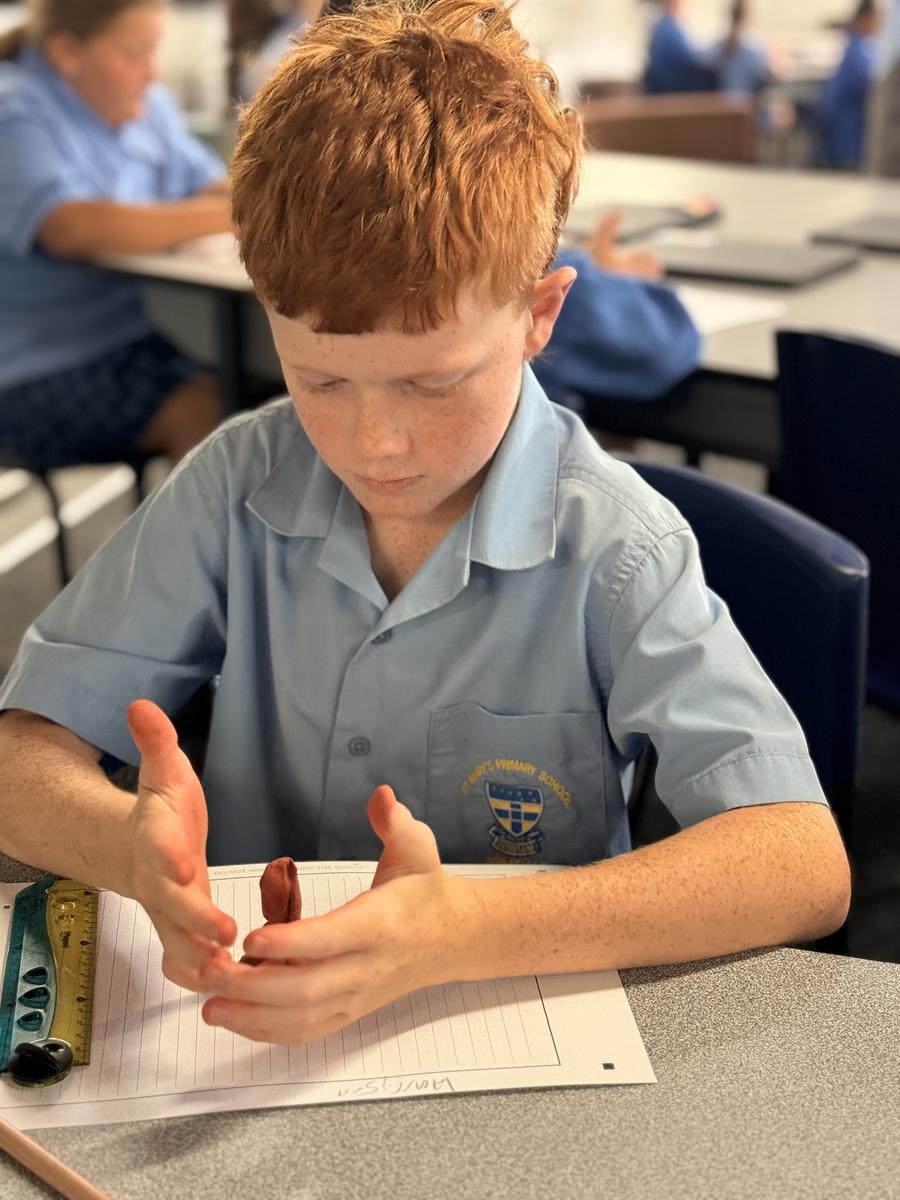
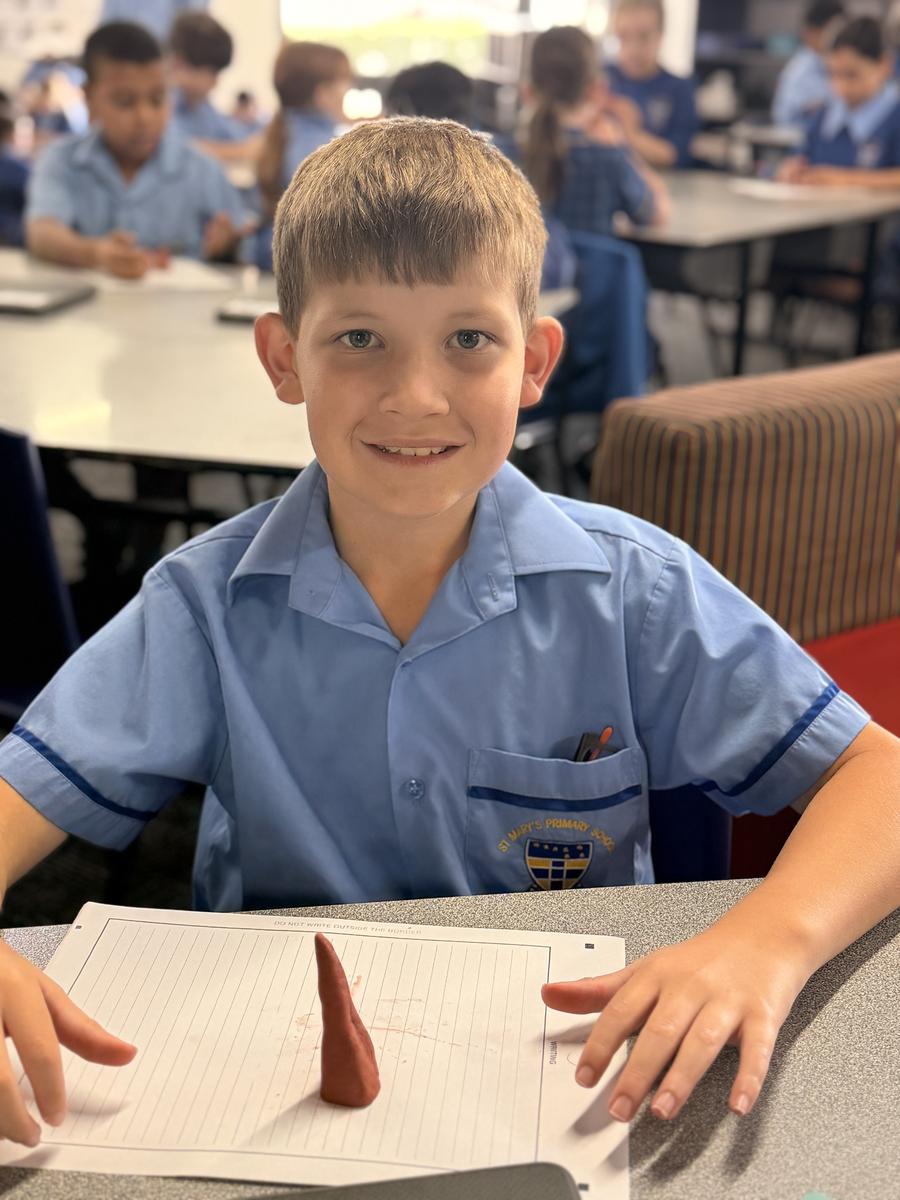
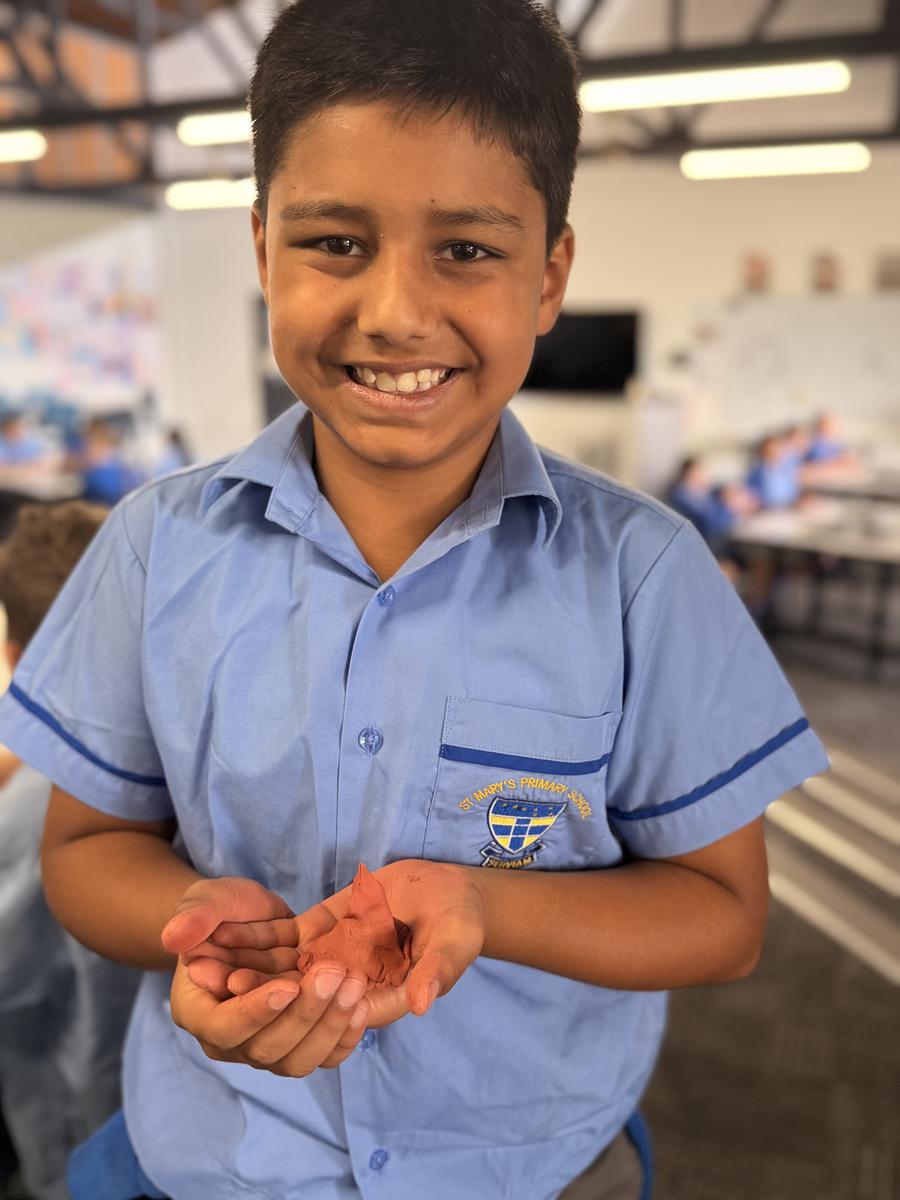
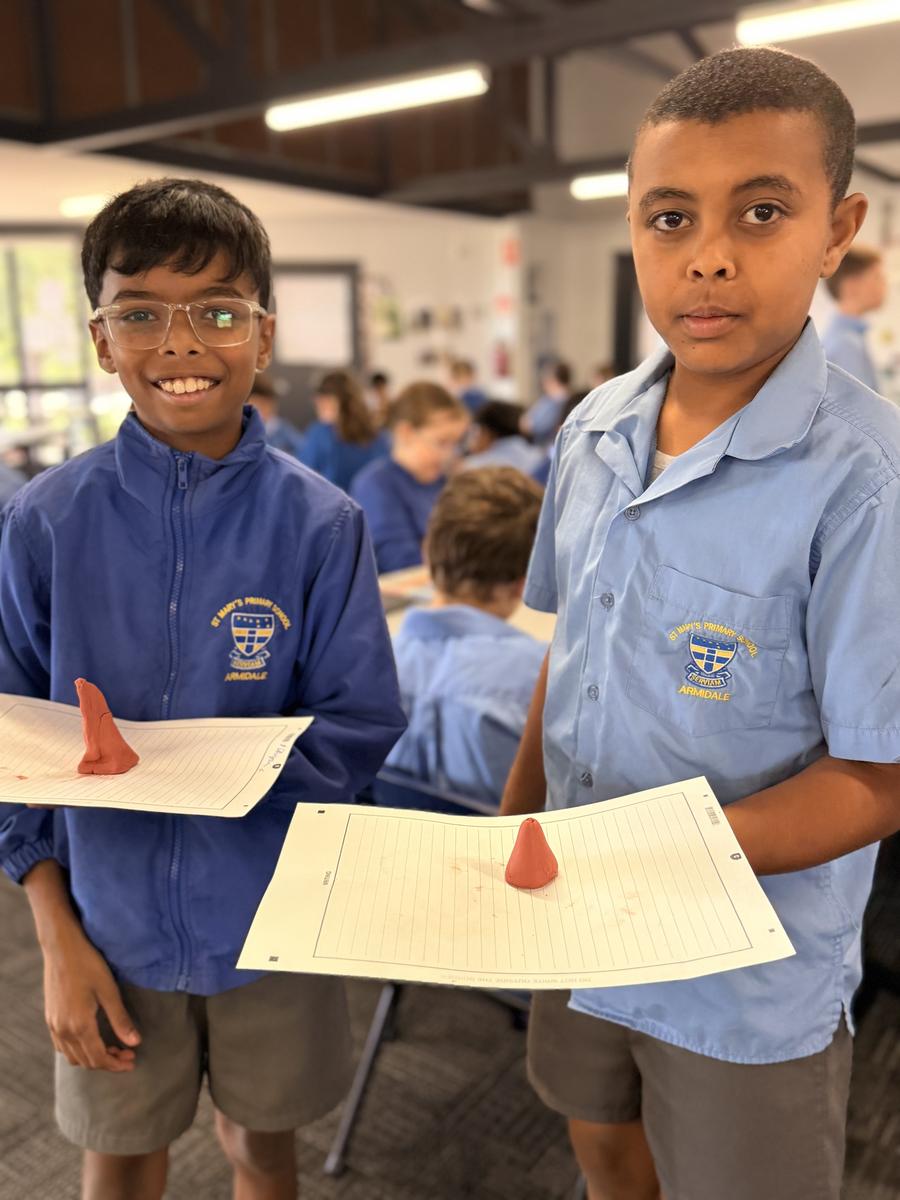
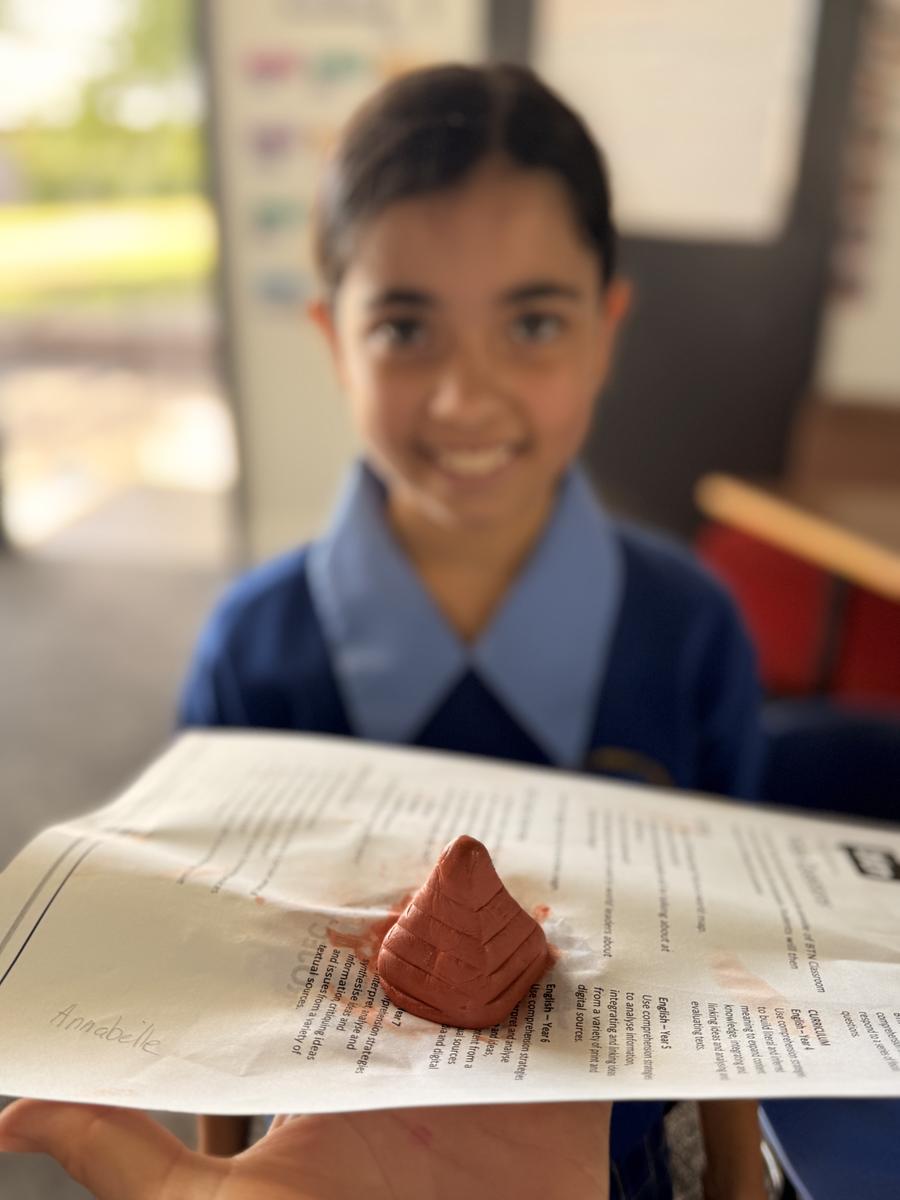
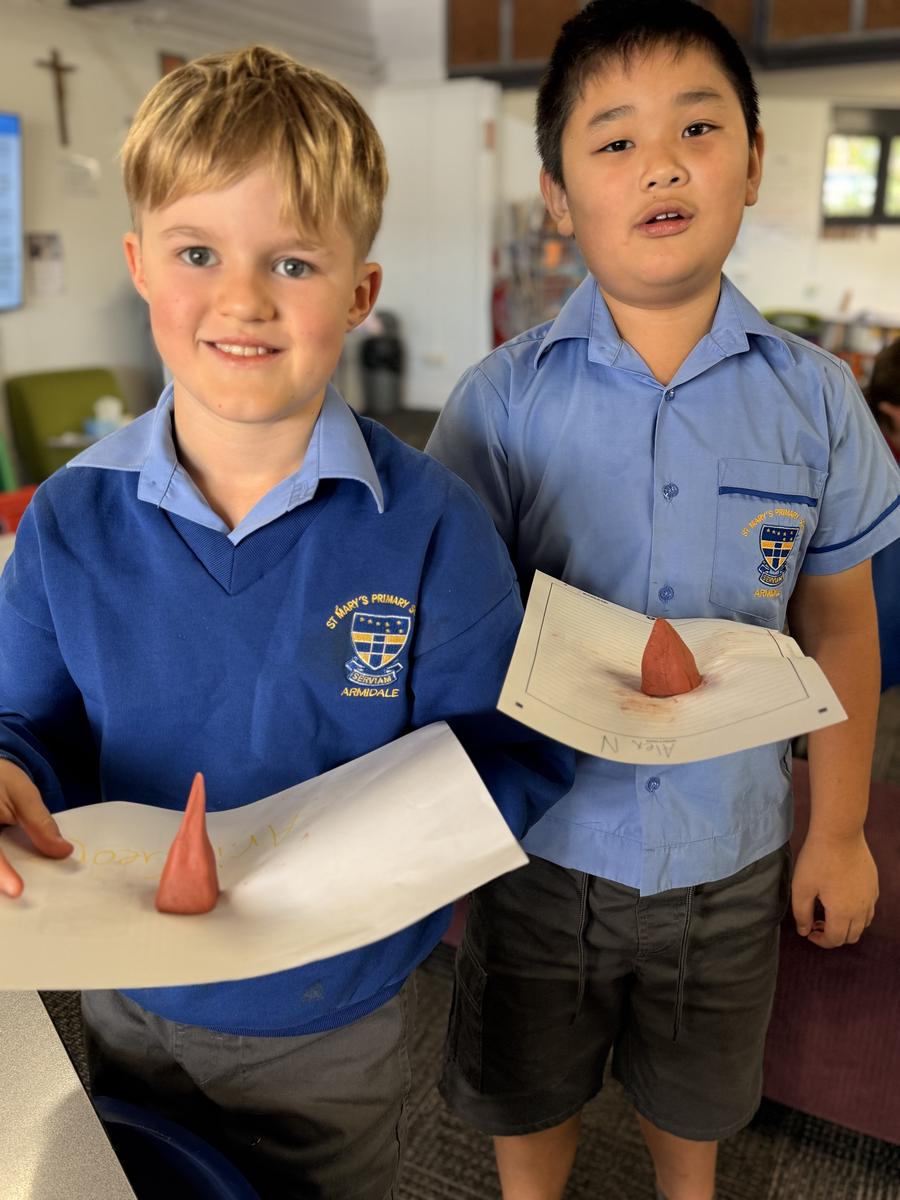
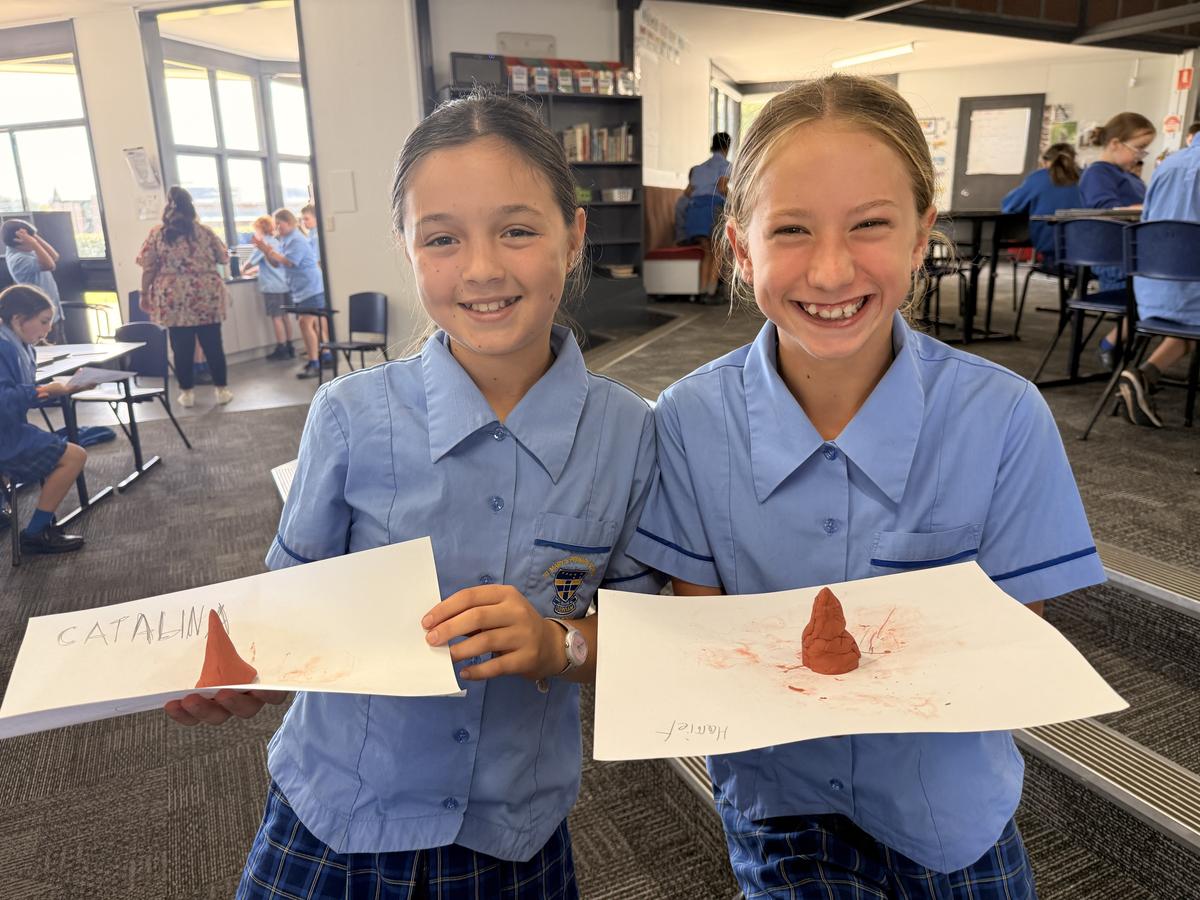
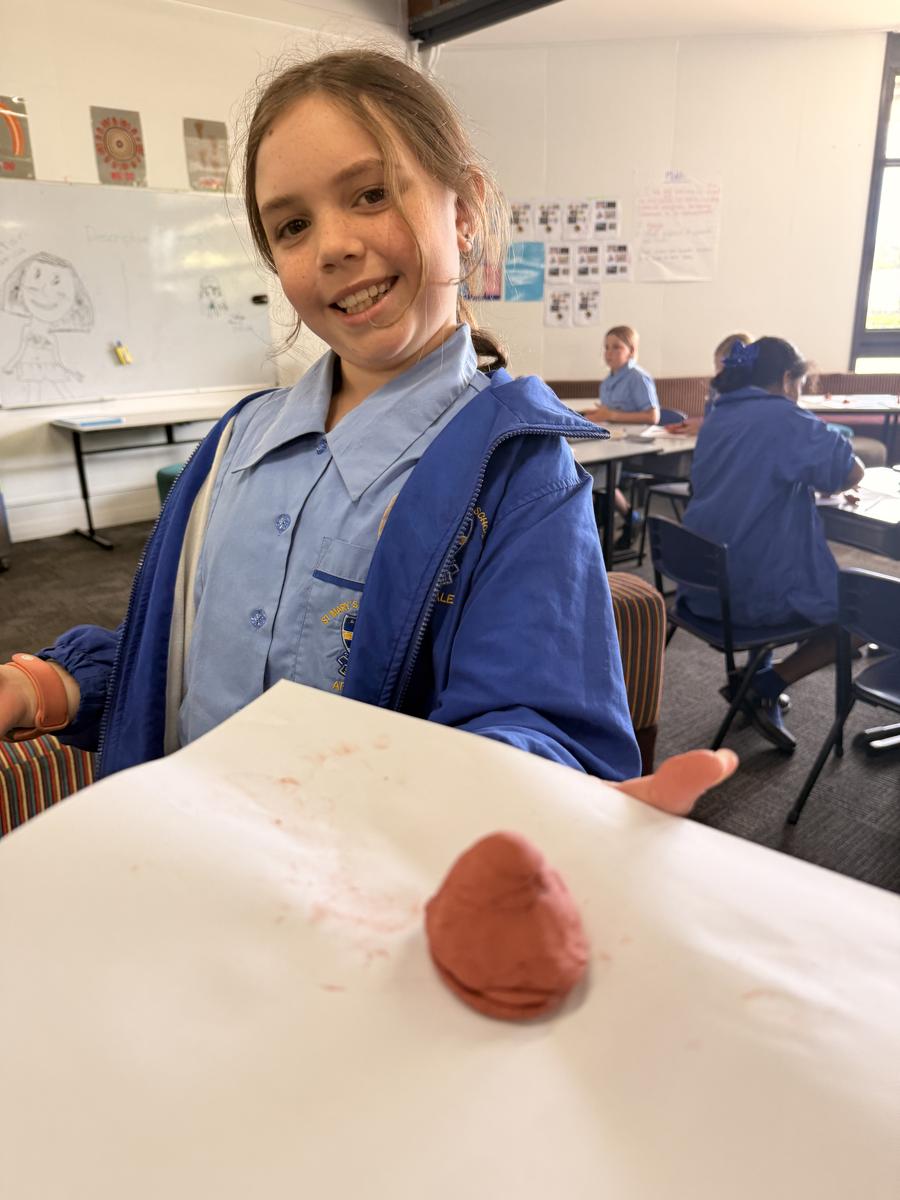
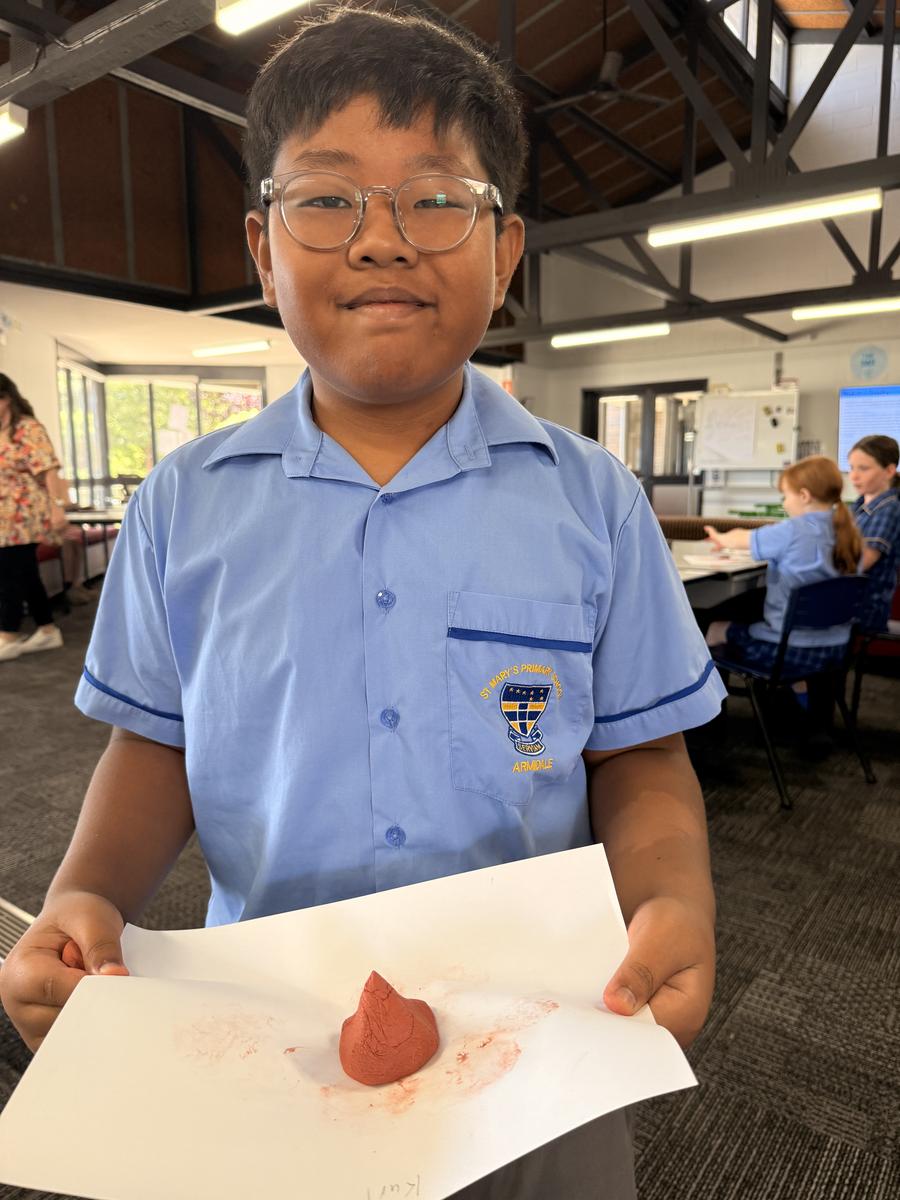
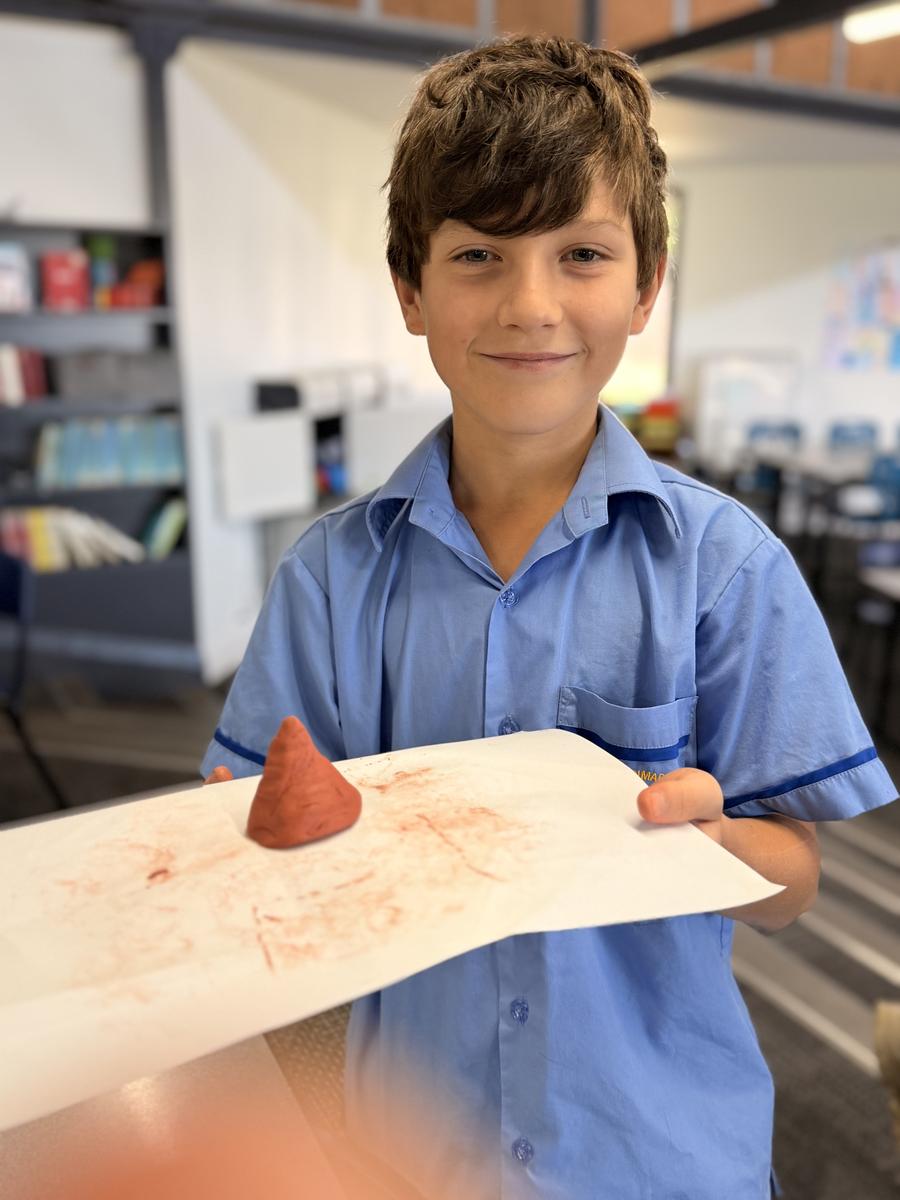
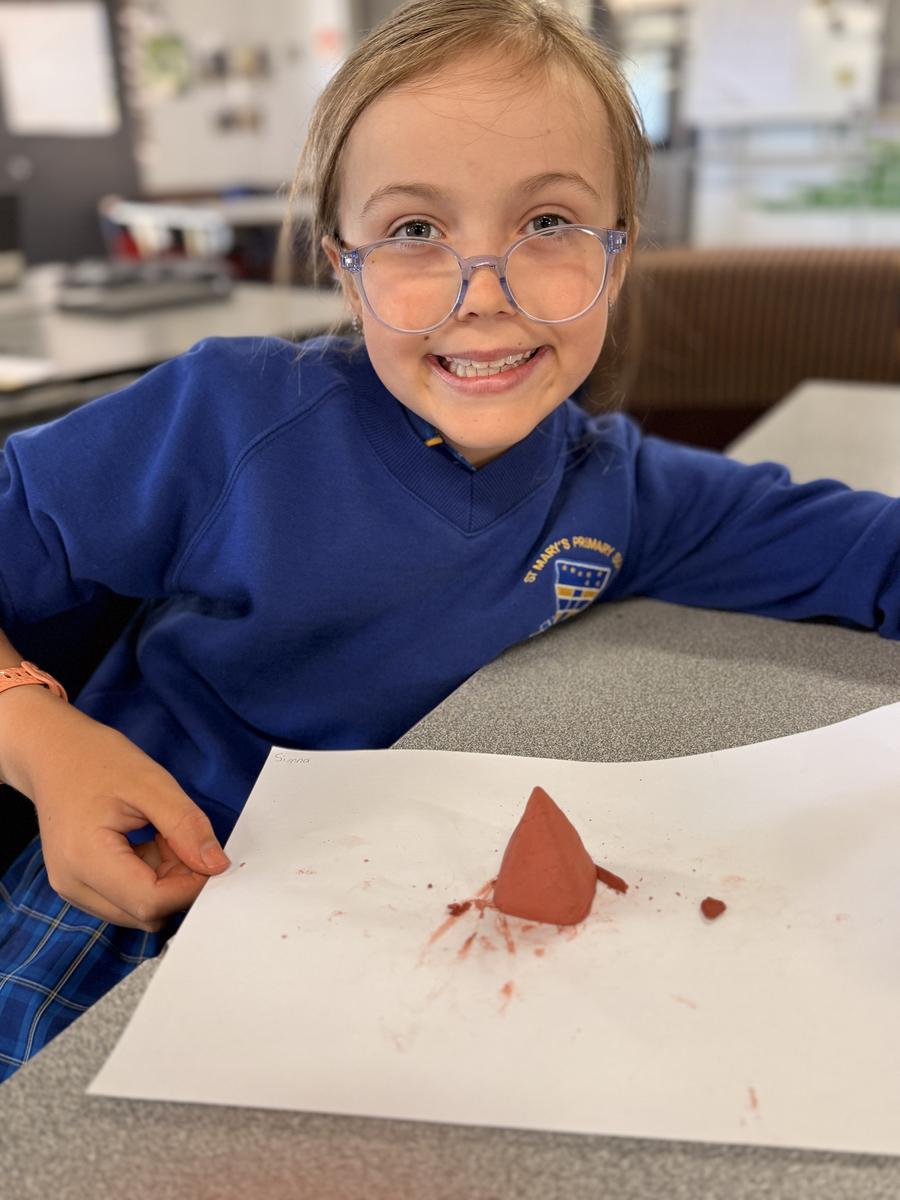
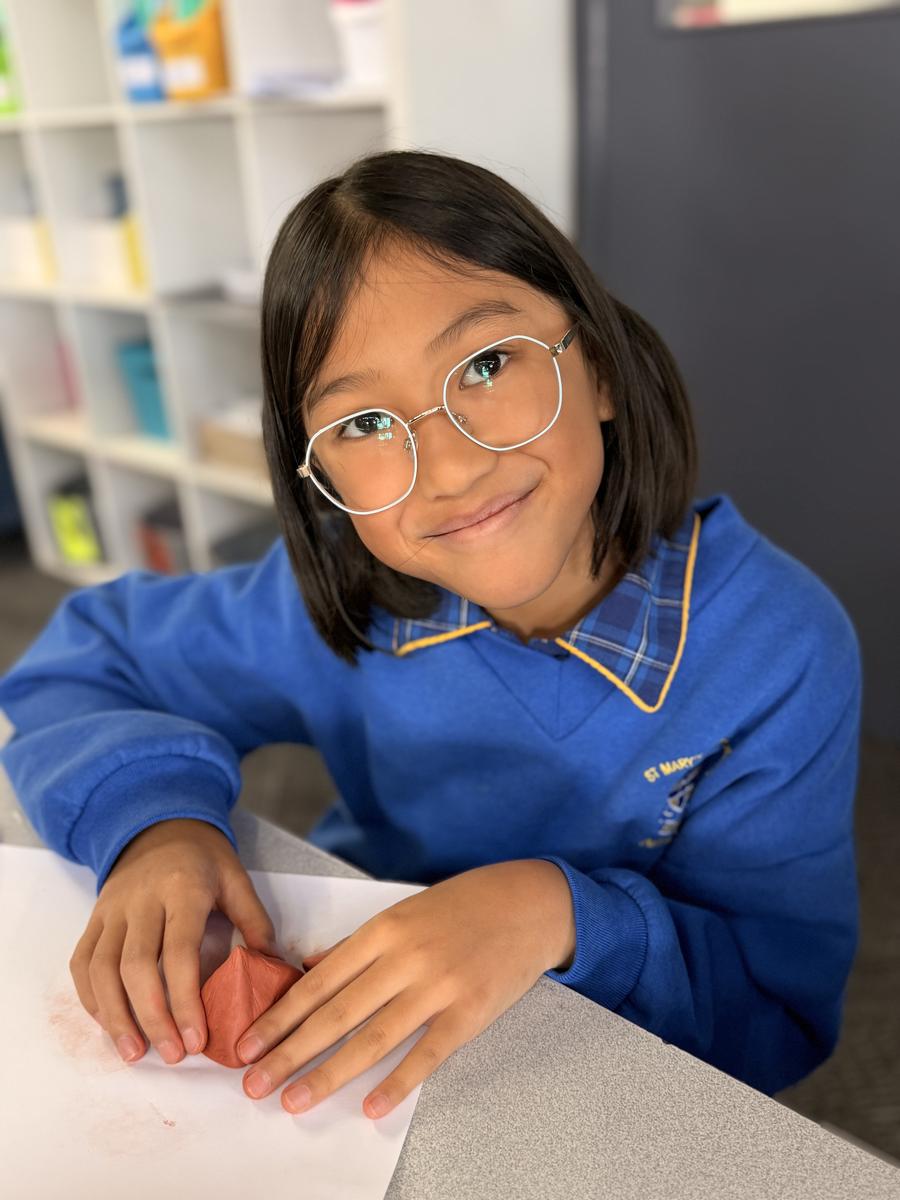
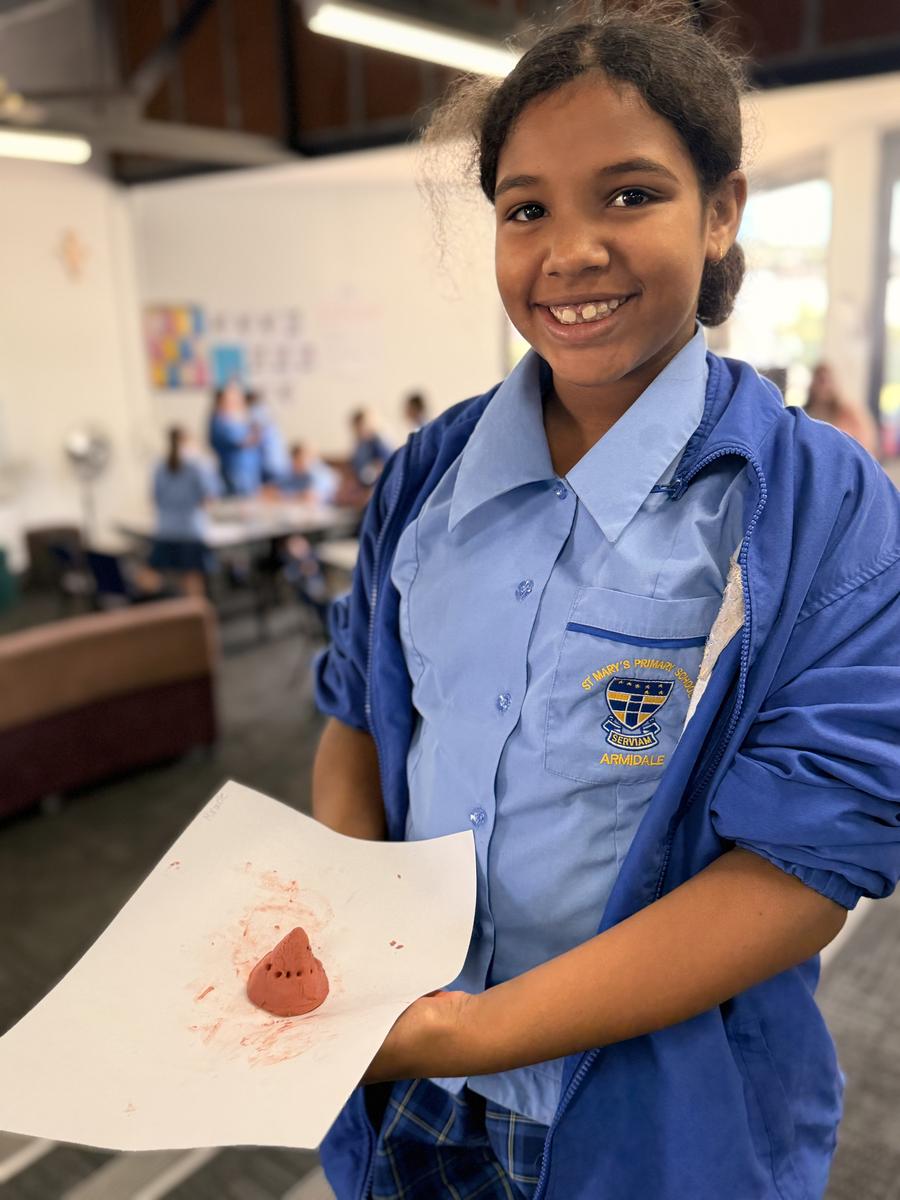
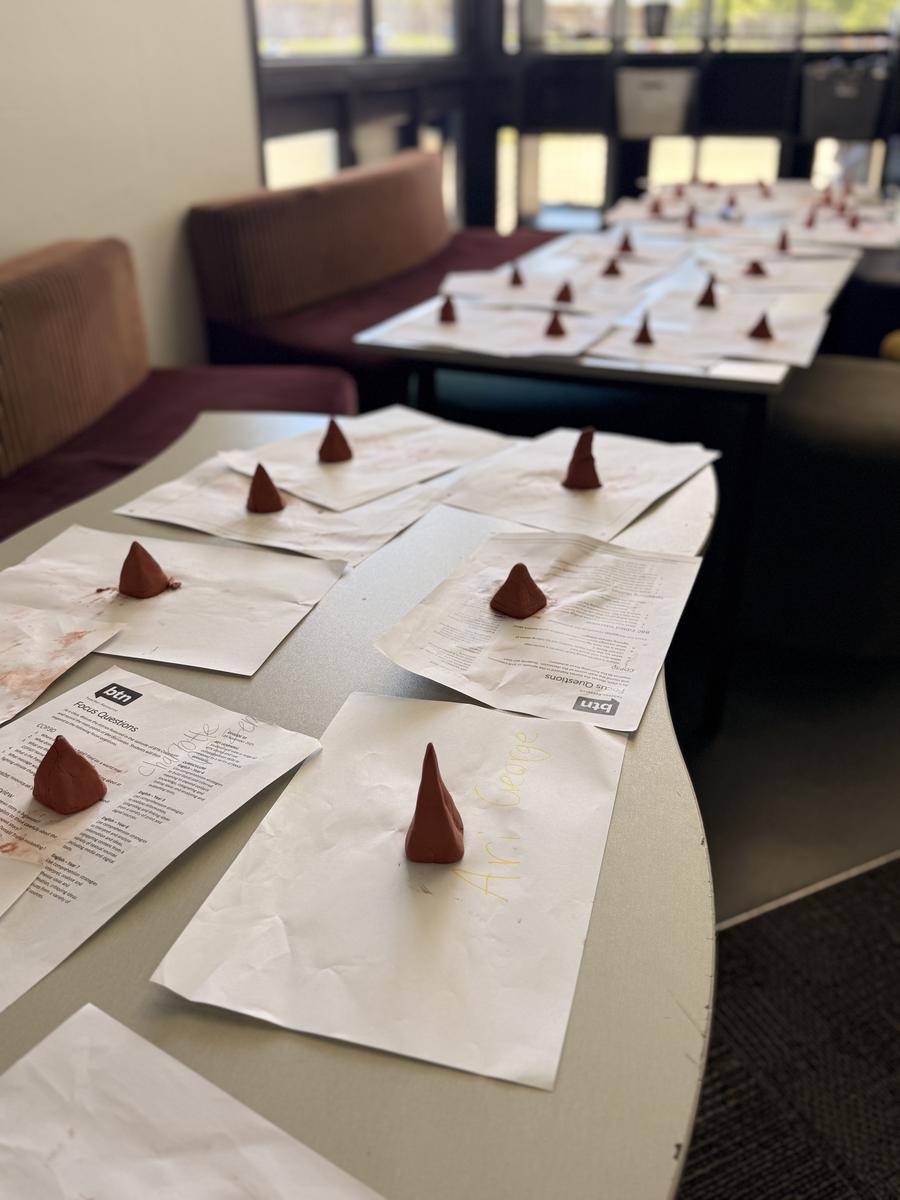
Students are learning to visualise, sketch and construct three-dimensional objects, including prisms and pyramids, making connections to two-dimensional representations. This week students used modelling clay to demonstrate their knowledge of pyramids.
Continued learning at home - tips for Parents:
- In our world we are surrounded by 3 Dimensional objects. In the coming weeks, ask your child to explain what the difference is between these two categories of 3D objects. They should also be able to explain the different types of prisms and pyramids and how they are named.
- If you are assembling items, like furniture, ask your child to help you with the assembly. If instructions come with the assembly, show them the instructions and the diagrams that assist with constructing the item into a fully-formed object.
- Students have been gaining an understanding of nets, ie. what a 3D object would look like if some of its sides were unattached and layed flat. Encourage your child to pull apart any containers/boxes that may be in your recycling to help them understand the net of that object.
- Create fun and relatively easy origami by searching website ideas to transform 2D shape into a 3D object.
Religion
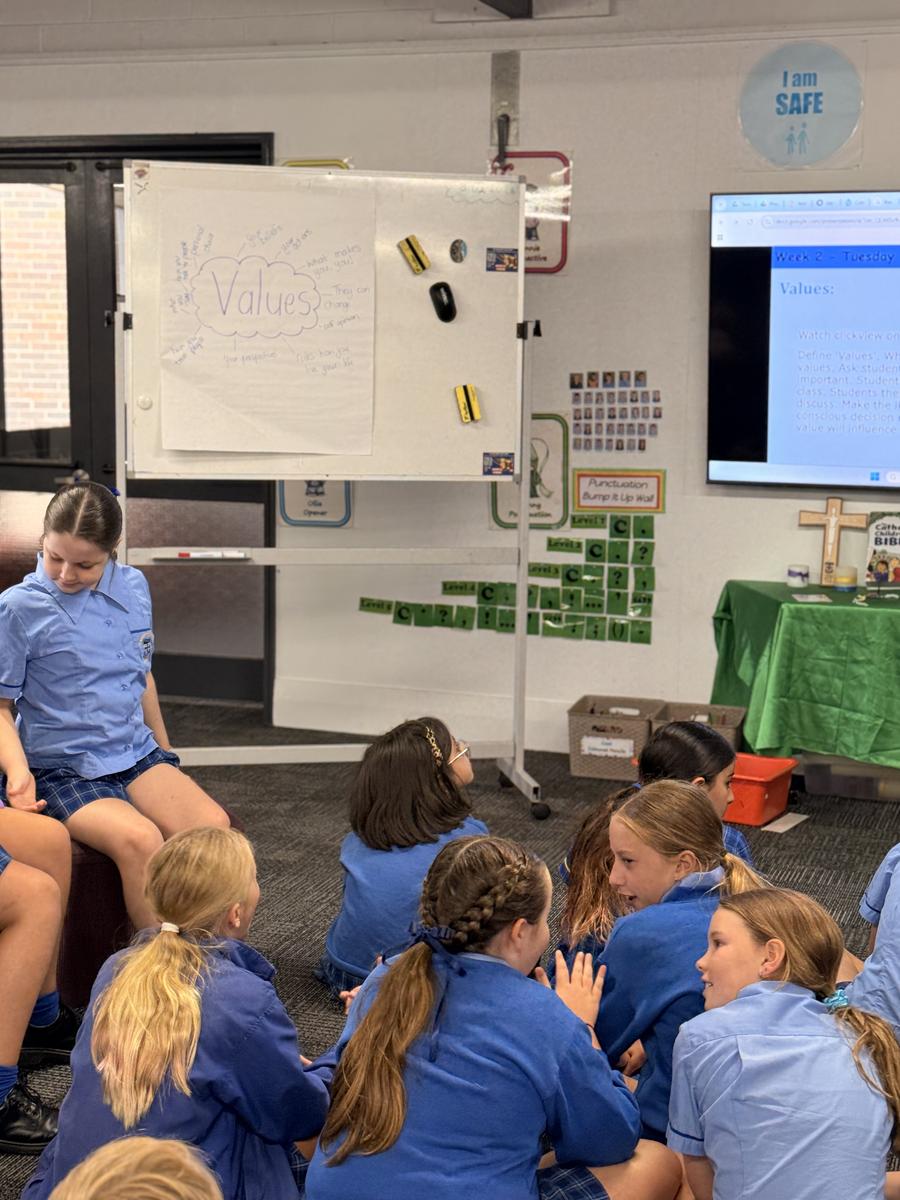
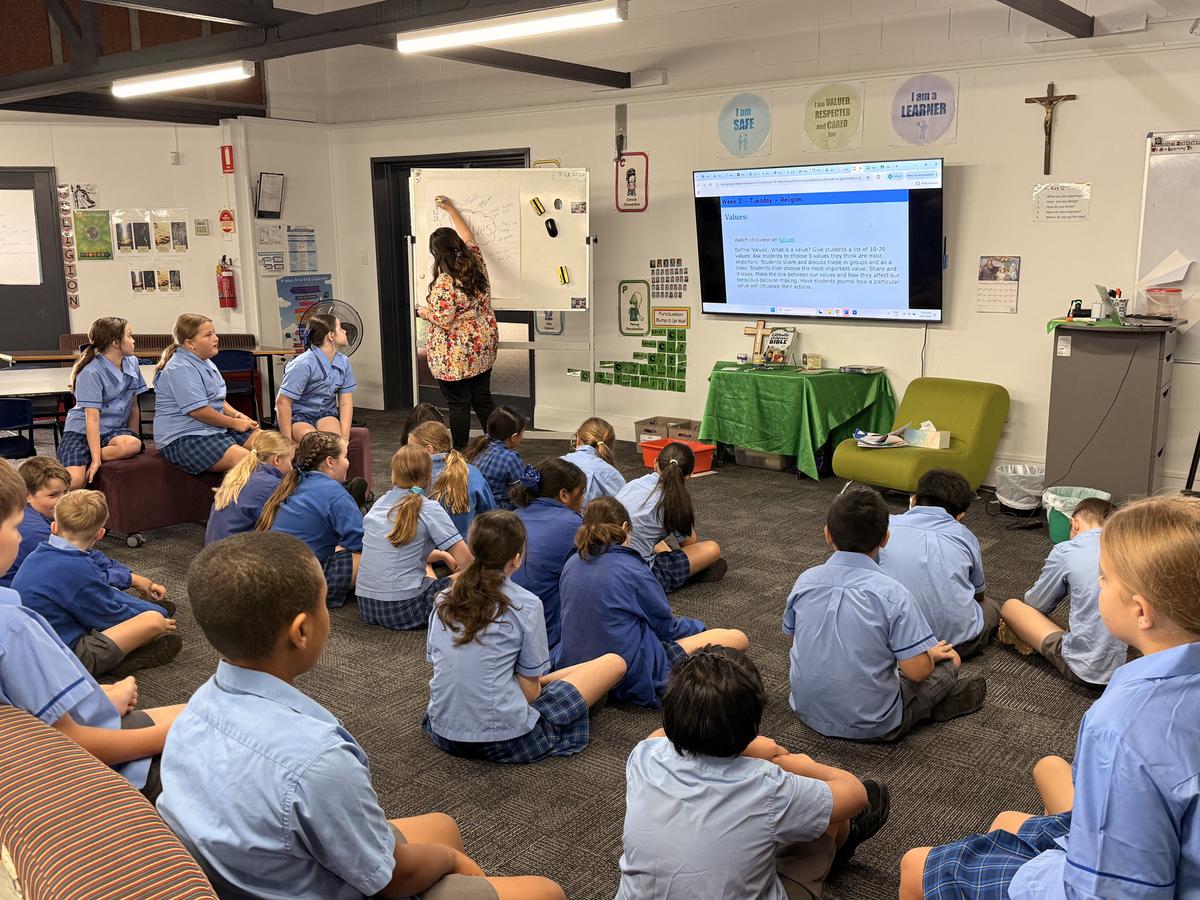
Year 5 have been discussing what 'values' we hold as individuals and having been making a link between our values and how they affect our conscious decision making.
Year 6
2026 Student Leaders
Congratulations to our Students Leaders for 2026.
School Captains
Molly Lawlor
Ethan Miller
School Vice Captains
Juliet Kenny
Luke Repp
De La Salle
House Captains
Jade Kenny and Aidan Lane
House Vice Captains
Hailey Archibald andAugusto Pallotta
Delaney
House Captains
Ana Las Heras Saldana and Angus Whitney
House Vice-Captains
Abigail Schumacher and Myles Cook
Merici
House Captains
Molly Kelly and Leonardo Stahlhut
House Vice-Captains
Mena Worthington and George Swift
Ursula
House Captains
Soren Mustonen and Asher Walsh
House Vice-Captains
Alice Mitchell-Tawhai and Jacob Dinn
Here are some tips for parents to help their children navigate the new school year:
1. Create a Routine
- Establish a consistent daily schedule, including wake-up times, meals, homework, and bedtime. A routine can help reduce anxiety and ensure students are prepared and organized.
2. Stay Positive and Encouraging
- Encourage your child by focusing on the positives. Talk about exciting opportunities and new experiences the new school year might bring, rather than stressing over challenges.
3. Open Communication
- Keep an open line of communication with both your child and their teachers. Make sure your child feels comfortable discussing any concerns or challenges they face.
4. Get to Know the School and Its Expectations
- Familiarise yourself with the school’s policies, events, and goals for the year. This will help you stay informed and better support your child.
5. Prepare for School Supplies Early
- Help your child get organised by shopping for necessary school supplies ahead of time. This can minimise last-minute stress and make them feel more prepared.
6. Encourage a Growth Mindset
- Remind your child that challenges and mistakes are part of the learning process. Encourage them to embrace setbacks as opportunities to grow.
7. Stay Involved
- Attend school events such as parent-teacher meetings or school orientations. Staying involved lets your child know you care about their education and gives you insight into their school environment.
8. Promote Good Study Habits
- Help your child establish effective study routines, break large tasks into manageable chunks, and encourage regular review of class materials to build confidence and mastery.
9. Support Social Connections
- If your child is starting a new school or class, help them with social situations. Encourage them to make new friends, join extracurricular activities, and practice good social skills.
10. Address Anxiety
- Some students may feel anxious about the new school year. Talk openly about their concerns and provide strategies for managing stress, such as deep breathing exercises or visualizing success.
11. Celebrate Achievements
- Celebrate the small victories and accomplishments your child achieves throughout the year to help build confidence and reinforce positive behavior.