5/6 Super Stars
Important Dates
| Western Port Secondary College Open Night | Wednesday 4th of March |
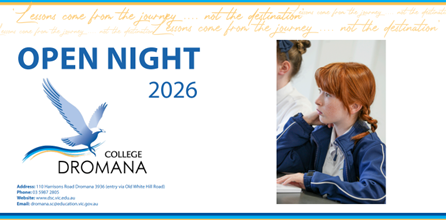
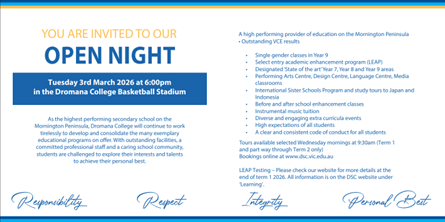
| Dromana Secondary College Open Night | Tuesday 3rd March |
| Western Port Secondary College Grade 6 Discovery Day | Monday 23rd of March |
Literacy
In Literacy this term, our Grade 5 and 6 students have been developing their skills in narrative writing, with a strong focus on how authors use language to engage and influence readers. Students have explored narrative structure and experimented with carefully chosen vocabulary, sentence variety and language features to uplevel their writing. Through drafting, revising and sharing their work, students are learning how small language choices can have a big impact on the quality and effectiveness of their stories.
Alongside our writing focus, we have been strengthening reading skills throughdaily Oral Reading Fluency sessions. These sessions have been purposefully linked to our current inquiry unit, allowing students to build background knowledge while improving accuracy, expression and confidence when reading aloud. This integrated approach supports both comprehension and fluency, helping students make stronger connections across learning areas.
We continue to encourage students to read regularly at home, as consistent reading plays a vital role in developing vocabulary, fluency and a love of literature. Even short, daily reading sessions make a meaningful difference, and we thank families for their ongoing support in fostering positive reading habits at home.
Maths
It’s been a busy and productive start to the year in Year 5/6 Maths!
Over the past couple of weeks, we have been knocking out our start-of-year assessments and data collection, helping us build a clear picture of what we know and where to next. This information will guide our teaching and ensure learning is targeted and meaningful for everyone.
Alongside this, we have been building our fluency through our daily multiplication challenge and brain training, revisiting key skills such as number facts, mental strategies, and quick recall. These short, regular reviews are helping us grow in confidence and accuracy with our maths thinking.
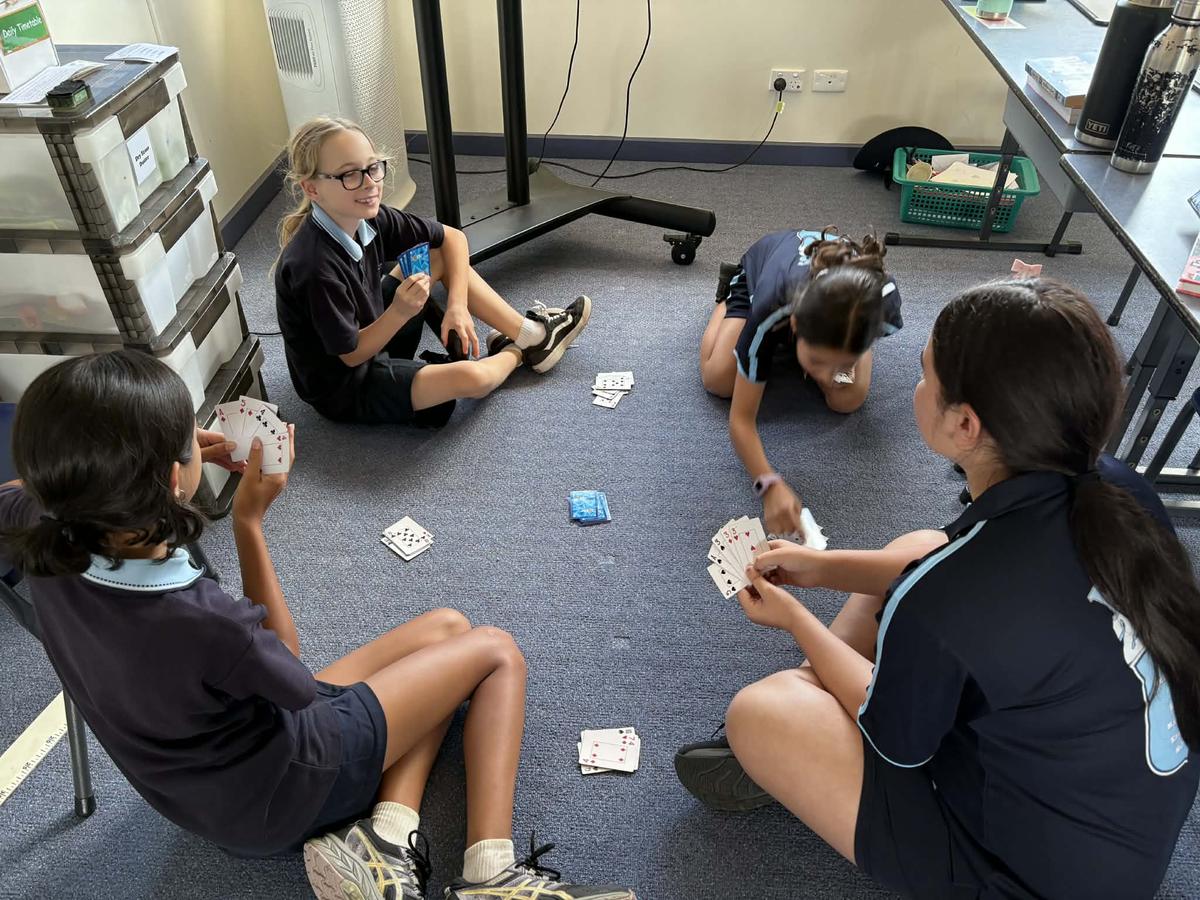
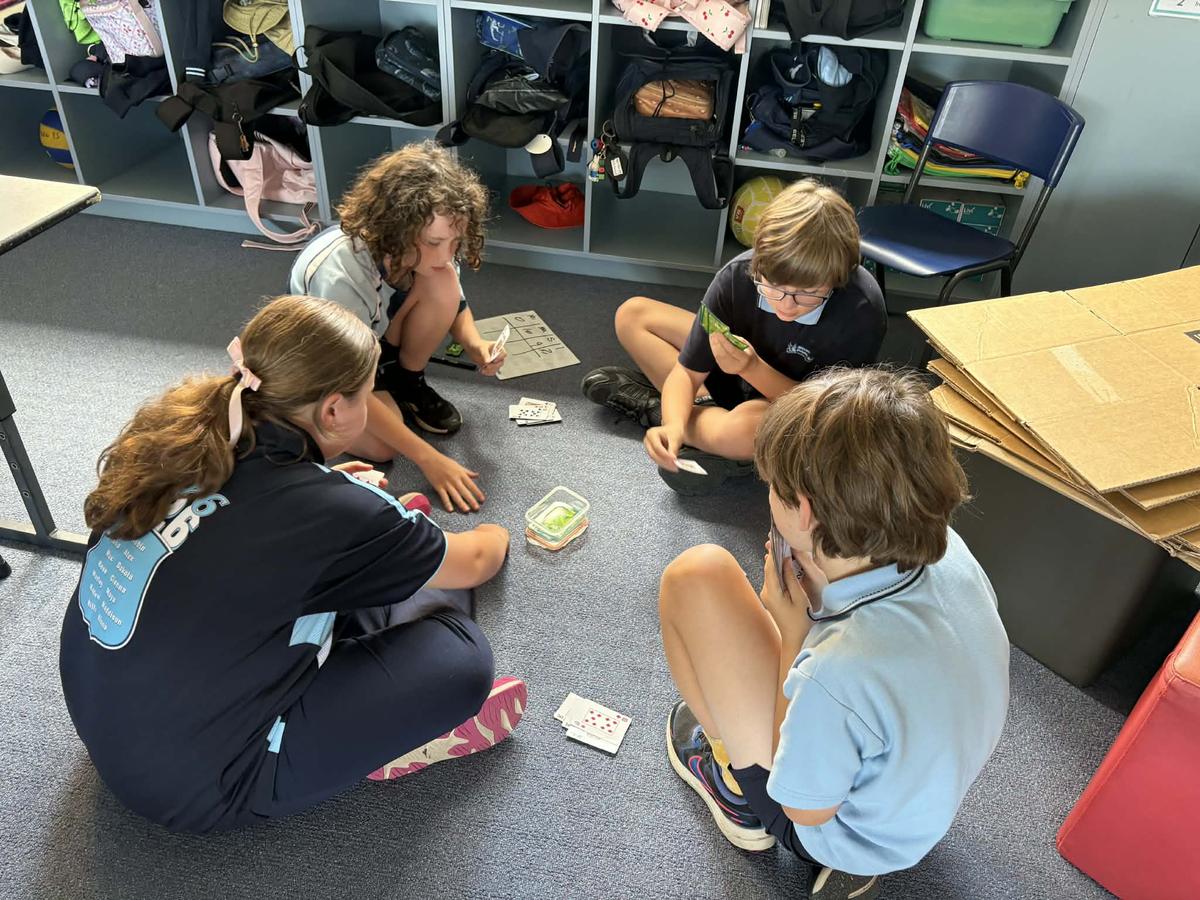
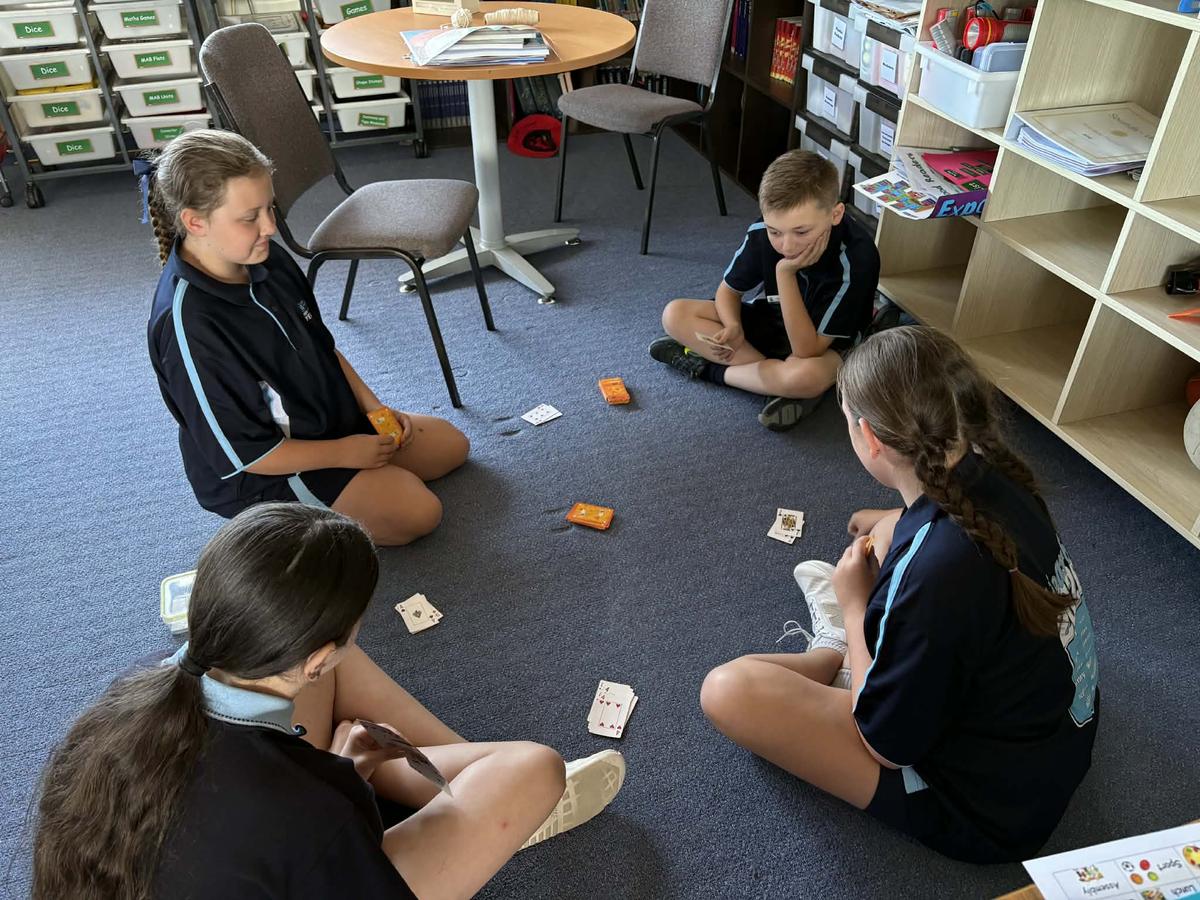
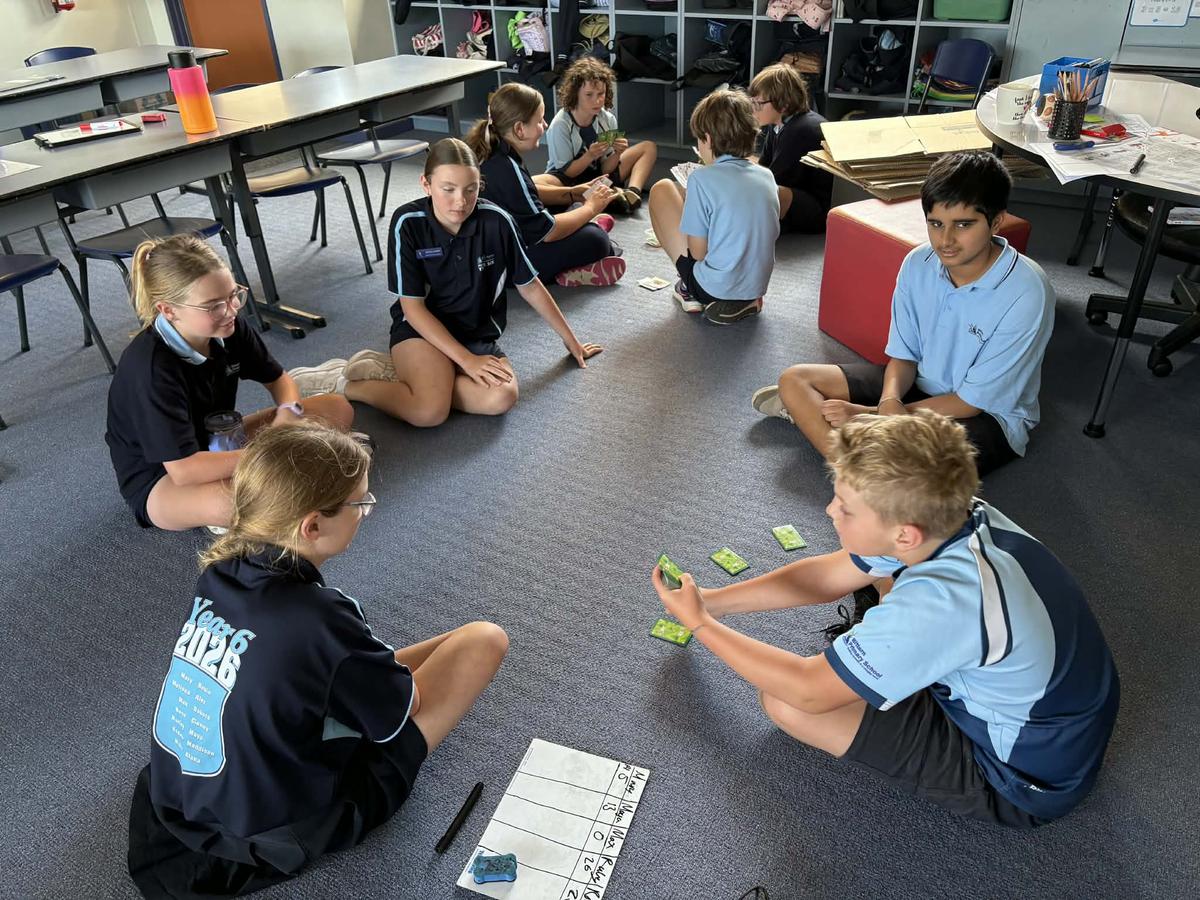
We’ve also been learning a new, fun maths game called Dhumbal. The aim of the game is to finish with the lowest card point total (ideally 5 or less) and confidently call “declare” to win. Players discard cards by creating sets or sequences, which means the game requires strong skills in addition, subtraction, mental calculation, pattern recognition, strategic thinking, and decision-making. We must constantly total our scores, evaluate risk, and plan ahead, all while having a lot of fun!
It’s been great to see such high engagement, collaboration, and mathematical thinking as we challenge ourselves and each other. We’re looking forward to a strong year of learning ahead!
Science
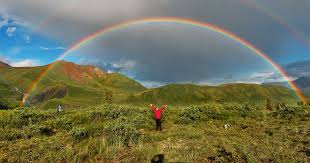
We have been exploring the fascinating world of light and shadows. We learned that light is a form of energy that travels in straight lines and can be reflected, refracted, or blocked by different materials. We investigated natural and artificial light sources, how shadows are formed, and why their size and shape can change. We also discovered how transparent, translucent, and opaque materials interact with light, helping explain everyday phenomena such as reflections, rainbows, and shadows. This learning has encouraged us to think scientifically about how light helps us see and understand the world around us.
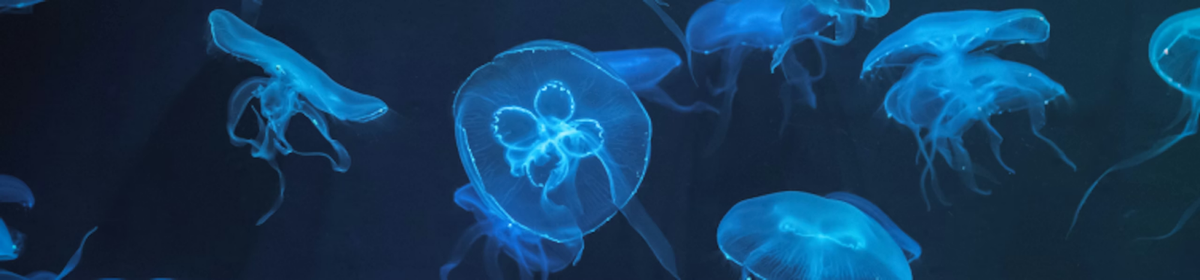
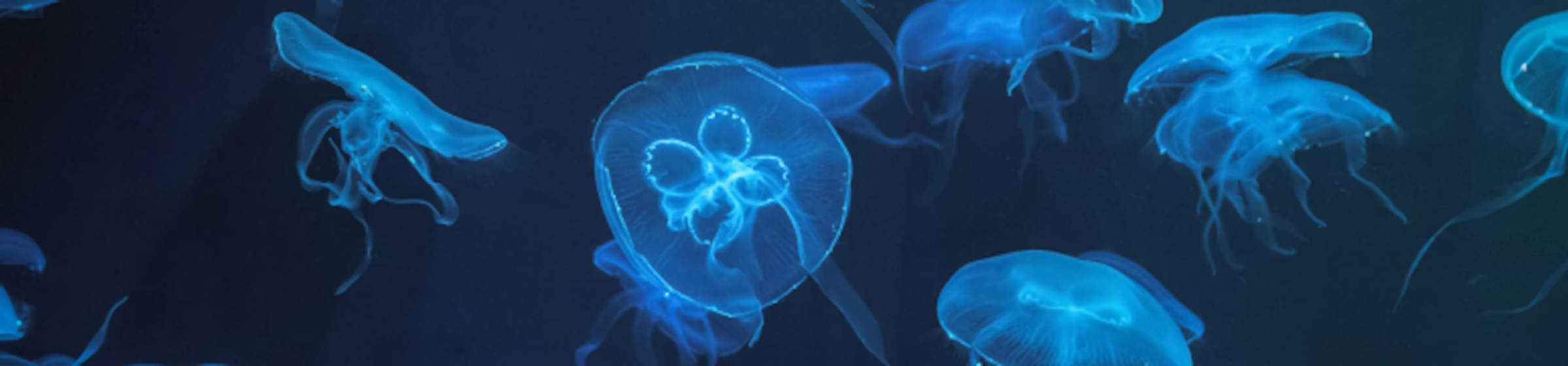
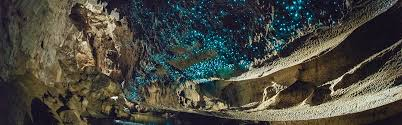
We were fascinated by the incredible glowworms found in the Waitomo Caves of New Zealand. We discovered how glowworms use bioluminescence to produce light, helping them attract insects in the dark cave environment. We explored how the glow is created through a chemical reaction inside the glowworm’s body and why darkness is essential for this process to work effectively. The glowworms of Waitomo provided a fascinating real-world example of science in action and captured our curiosity and wonder.
We have been investigating how light behaves and how different materials affect what we see. They learned to classify materials as transparent, translucent, or opaque, exploring how light can be transmitted, scattered, absorbed, or reflected. We examined real-world examples such as fog, windows, and walls to understand how light travels and why shadows form. We also explored reflection and mirrors, learning about the law of reflection and how smooth, shiny surfaces create clear images. This learning helped us connect scientific concepts to everyday experiences, from mirror mazes to the way visibility changes in different conditions.
Transition: