
From the Principal

Attendance Matters
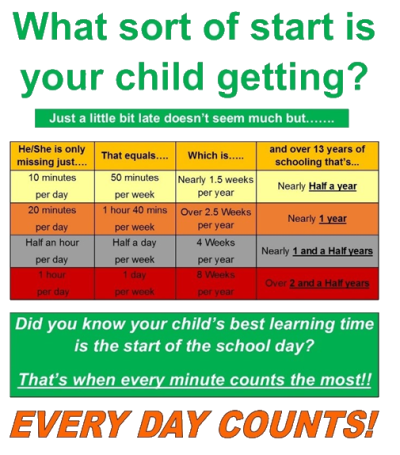
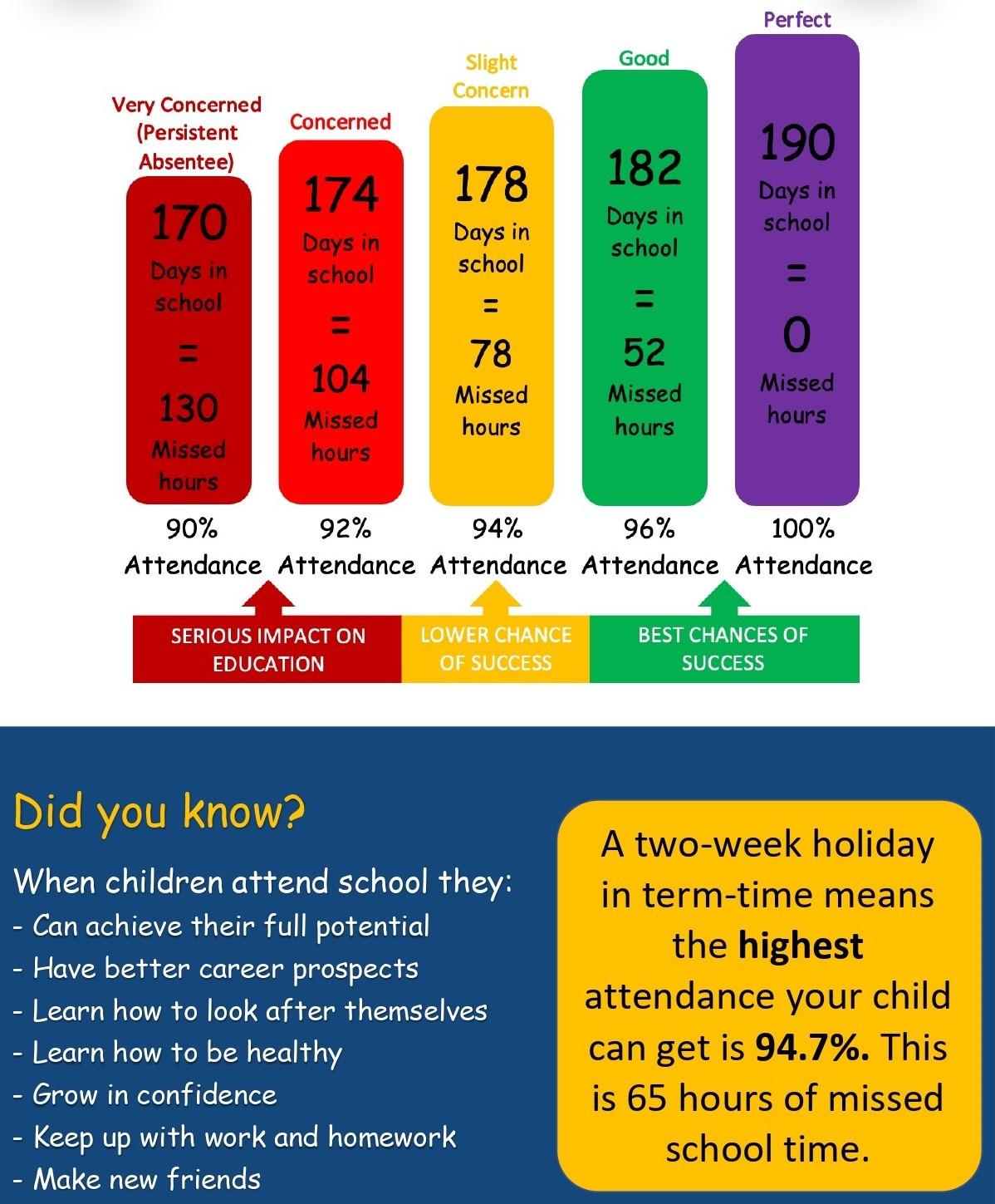
The overall proportion of St Francis de Sales students who attend school regularly is good, with 90% of Years P-6 students attending.
However 10% of our students are absent at least one day each fortnight. This equates to missing at least 20 days or more each year. These students are missing at least a month of school over the school year!! We also have a number of students who arrive at school late. Did you know that your child's best learning time is in the morning. When late your child regularly misses Reading clinics and learning opportunties.
“Every day counts and there is no ‘safe’ threshold for absences” – Hancock et al., 2013
Attendance is an important contributor to a student’s academic achievement – all school days matter. The correlation between absence and achievement is consistently negative and declines in achievement are evident with any level of absence.
’Authorised’ absences typically have parent-approved explanations that schools find acceptable. For example, illness, medical/health care appointments, religious or cultural activities, family holidays or bereavement. ‘Unauthorised’ absences occur when a school either does not receive an explanation or where the explanation given is deemed unacceptable by the school.
Declines in achievement are evident with any level of absence. However, greater numbers of absences are typically associated with larger declines in student achievement (Gottfried, 2014; Hancock et al., 2013) As absences accrue over several years, the effect on a student’s academic achievement is cumulative.
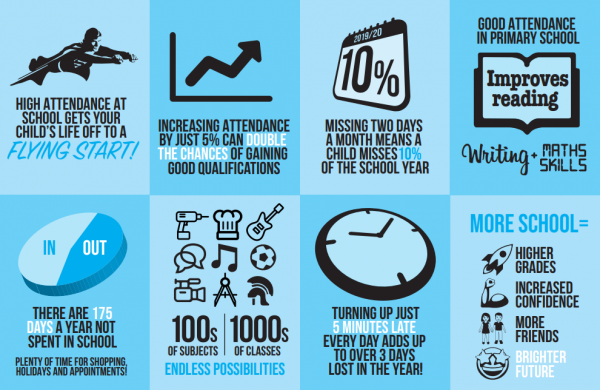
Hancock et al. (2013) found that Year 3 students with an accumulated unauthorised absence rate of 10% in each of their first three years of schooling achieved approximately 36 points lower in Year 3 on the NAPLAN numeracy domain than students with no unauthorised absences during the same period. This is almost two-thirds of a year 's growth.
“Research findings from the past decade unequivocally agree that the first years of life are a critical period of intense learning for children; these years provide the foundation for later academic and social success” – AIHW, 20
Every Day Counts!! It is crucial to maximise each student’s learning growth each year. I encourage all parents to minimise unauthorised absentism. Let's set good attendance habits to ensure improved learning and development for your child.
Be Safe Online
Tips to help your children be safe and responsible online users
Set the ground rules
- Establish rules about the types of content or information your child should report to an adult – for example, telling you about any swearing or bad words they find online.
- Set rules to make sure your child knows what information they can share or post online and the websites they can visit. This includes telling a trusted adult before posting any personal information online, including for competition entries.
- Encourage your child to use the same manners and communication they would use offline, and remind them it’s okay to report others who aren't being nice.
Stay involved
- Closely monitor younger children’s internet use.
- Try to keep the computer in a shared or visible place in the home.
- Be aware of how your child uses the internet and explore it with them.
Proactively guide
- Help your child understand that what they say and do online is important.
- Encourage your child to learn about online safety with fun and engaging resources from the eSafety Commissioner website.
- Learn about online safety for your child from the eSafety Commissioner website, including the parents section and parent resources. Online safety information is also available in multiple languages.
- Talk to your child about personal information and why it is special and remind them how it can be used to identify or locate them.
- Bookmark a list of favourite sites you are comfortable with your child visiting and teach them how to access this list.
- Consider using filters to help manage your child's online access.
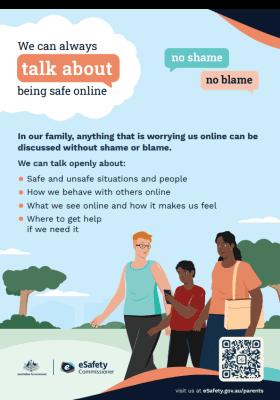
Support positively
- Advise your child not to respond to any negative messages and to report any hurtful messages they receive to you or another trusted adult.
- Teach your child that there are ways they can deal with material that worries or frightens them – this includes immediately telling a trusted adult of any concerns or uncomfortable material and how to close a web page or turn off a screen.
- If your child shows any concerning changes in behaviour or mood then talk to them or seek professional support – Kids Helpline provides free, confidential online counselling for young people, and your school may also be able to help.
- To improve digital awareness, spot scams and protect your family online, access the Cybermarvel online safety awareness program. Parents can access online safety resources and webinars through the Cybermarvel program.
Prep 2027
Pride in Our Identity
Uniform Reminder: Please ensure if your child has shoulder length or longer hair, that it is tied back. Hair accessories to tie back hair must be in school colours only - red, white or black. Wearing our uniform with pride is a powerful way to reflect the amazing culture we share here at St Francis de Sales. Please ensure children wear black shoes only with the school uniform.
Christine White
Principal