Science News
Year 11 Biology Students Explore the Digestive System Through Rat Dissection
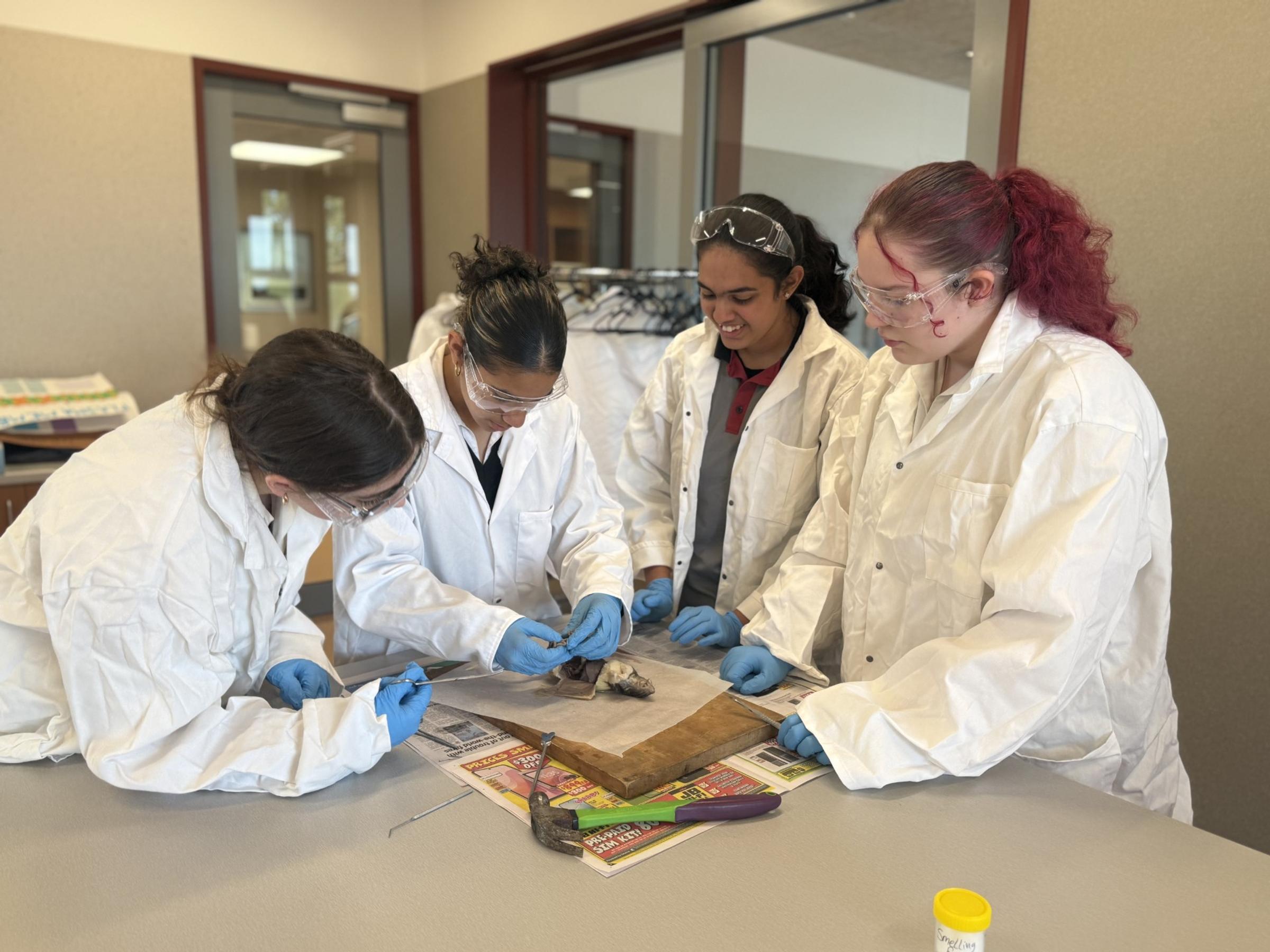
Year 11 Biology students recently participated in a hands-on rat dissection practical as part of their study of mammalian body systems. The activity focused on examining the digestive system and understanding how different organs work together to process food and absorb nutrients.
During the lesson, students carefully identified and observed major digestive organs including the oesophagus, stomach, liver, small intestine, and large intestine. By examining a real specimen, students were able to connect their theoretical classroom learning with practical scientific observation.
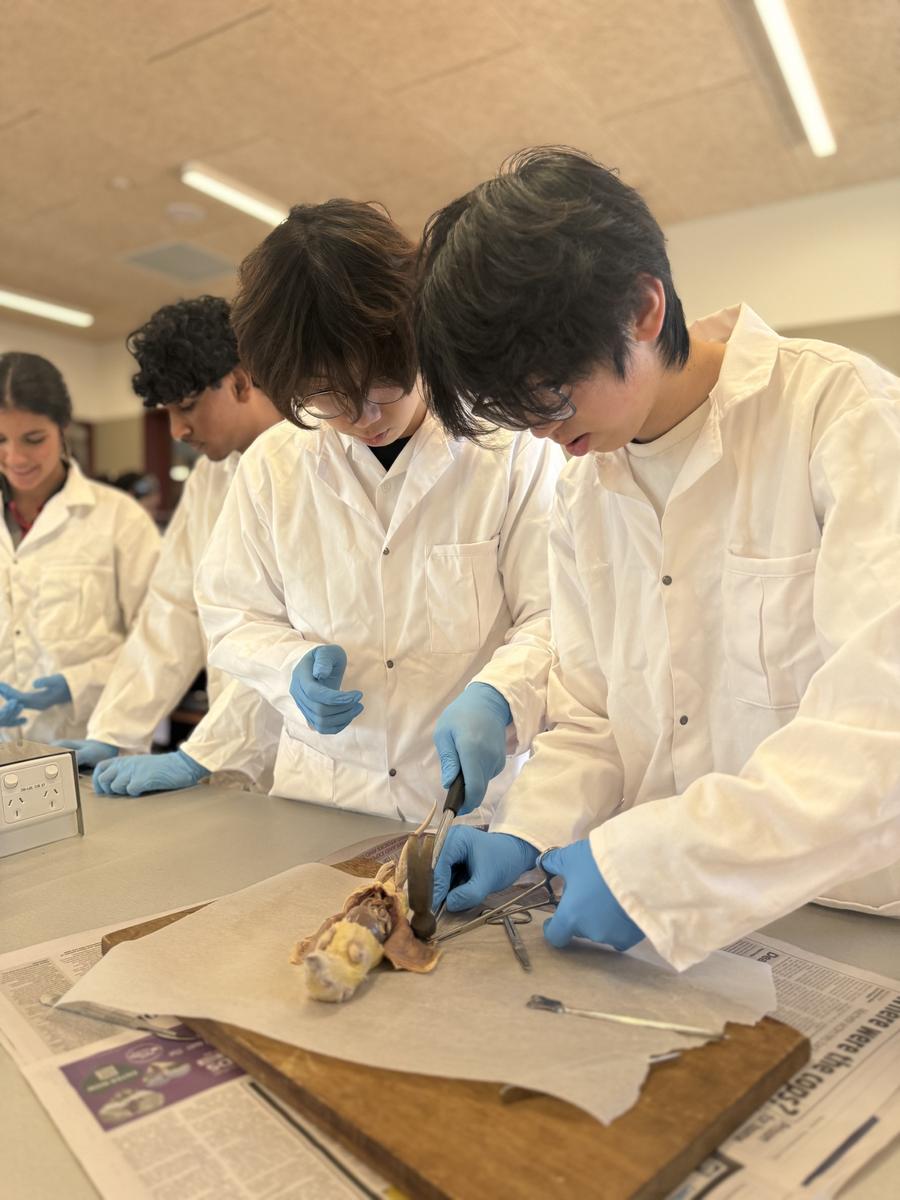
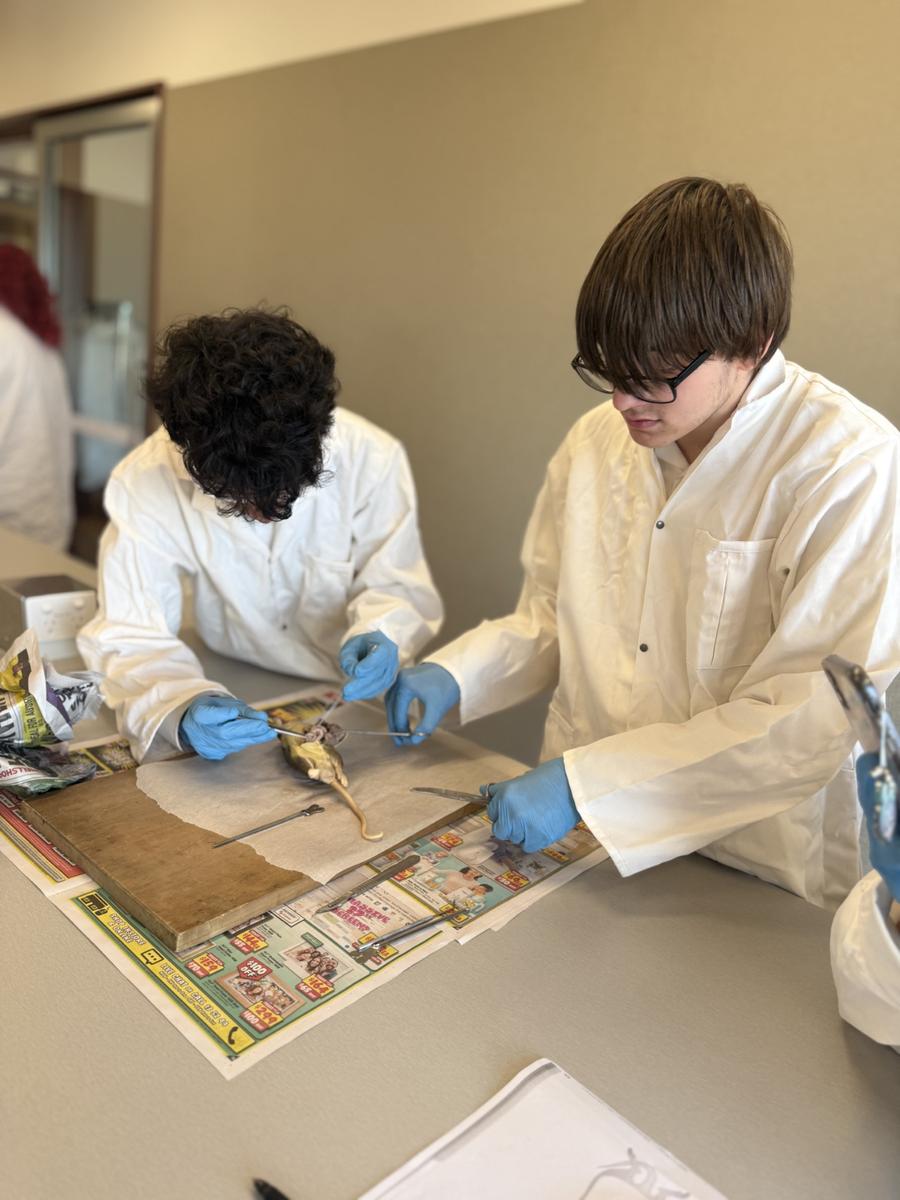
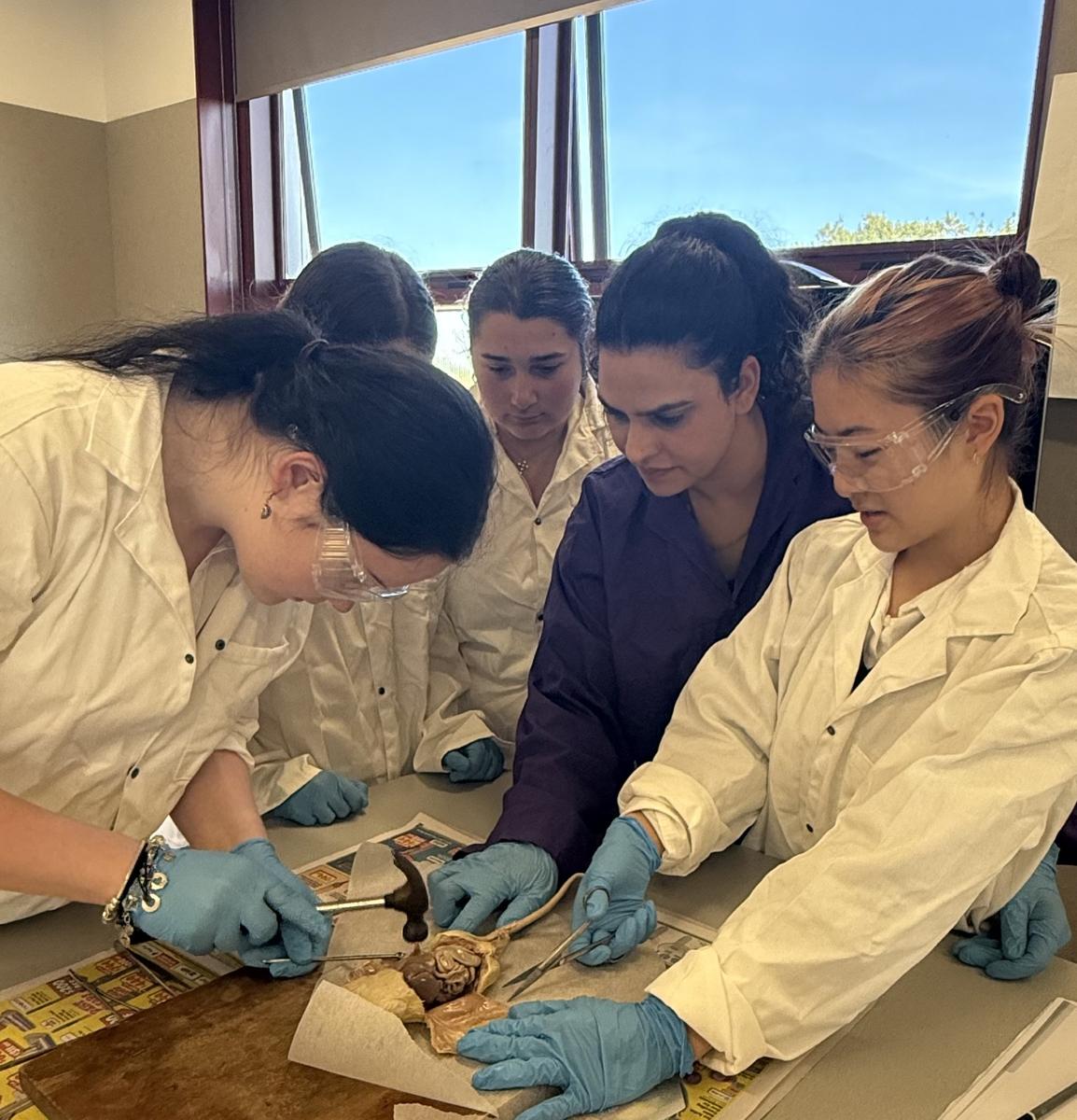
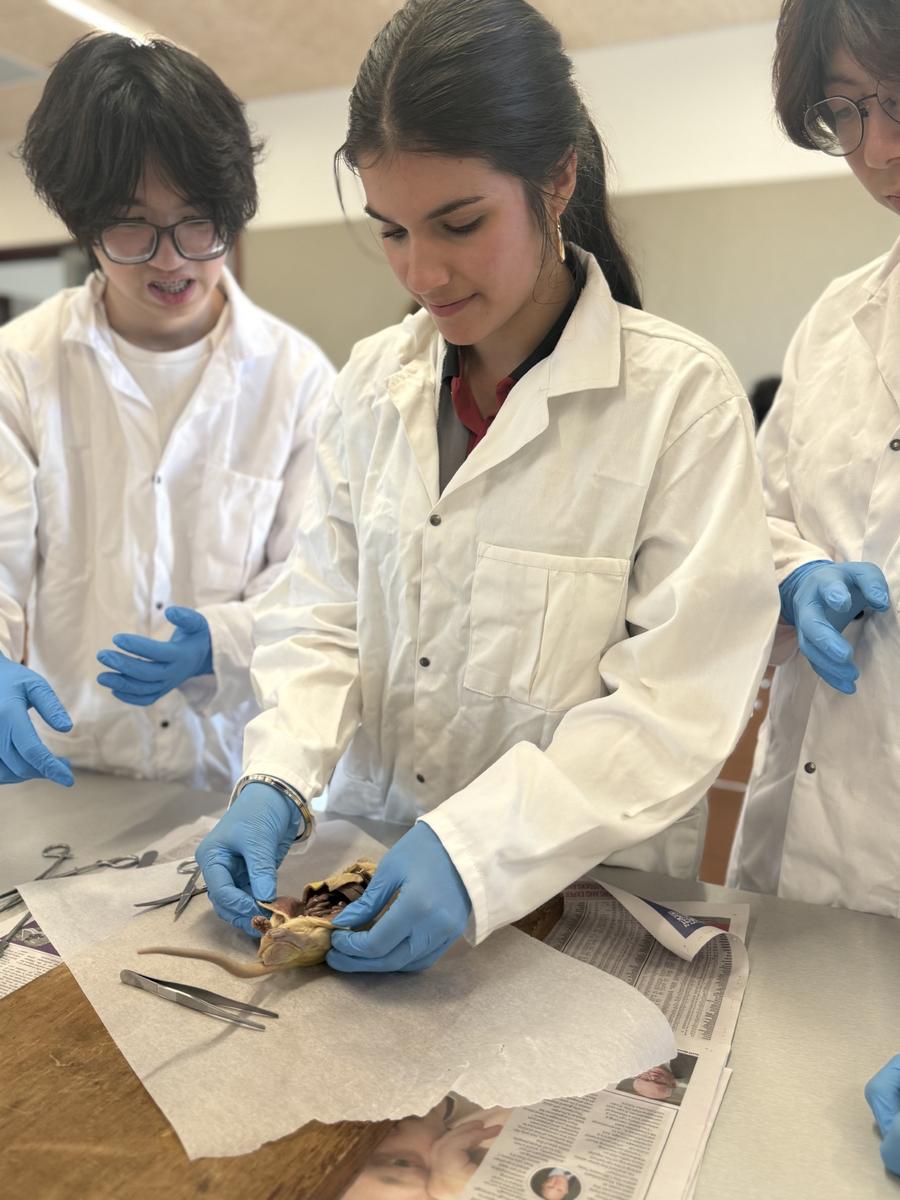
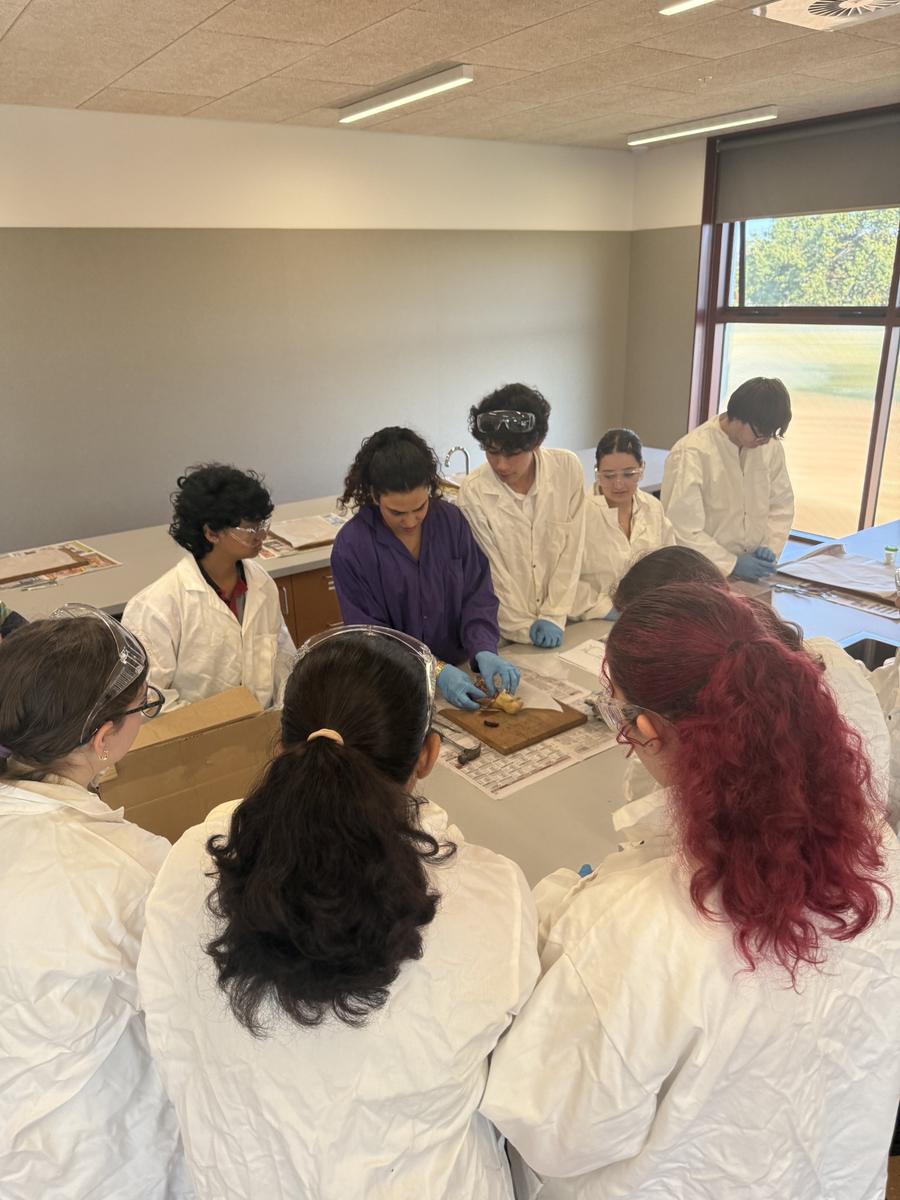
The dissection provided students with an opportunity to develop important scientific skills such as observation, anatomical identification, teamwork, and safe laboratory practices. Students also gained a deeper appreciation of the similarities between mammalian digestive systems and how structure relates to function in living organisms.
Throughout the activity, students demonstrated maturity, curiosity, and respect while following all laboratory safety procedures. Many students found the experience highly engaging and valuable in helping them better understand complex biological concepts.
Practical investigations like this play an important role in Biology education by encouraging inquiry-based learning and allowing students to experience science beyond textbooks. The Year 11 Biology class should be commended for their enthusiasm and professionalism during the practical session.
Dalji Sandhu
Chemistry and Biology Teacher
Years 8 & 9 Science Immersion
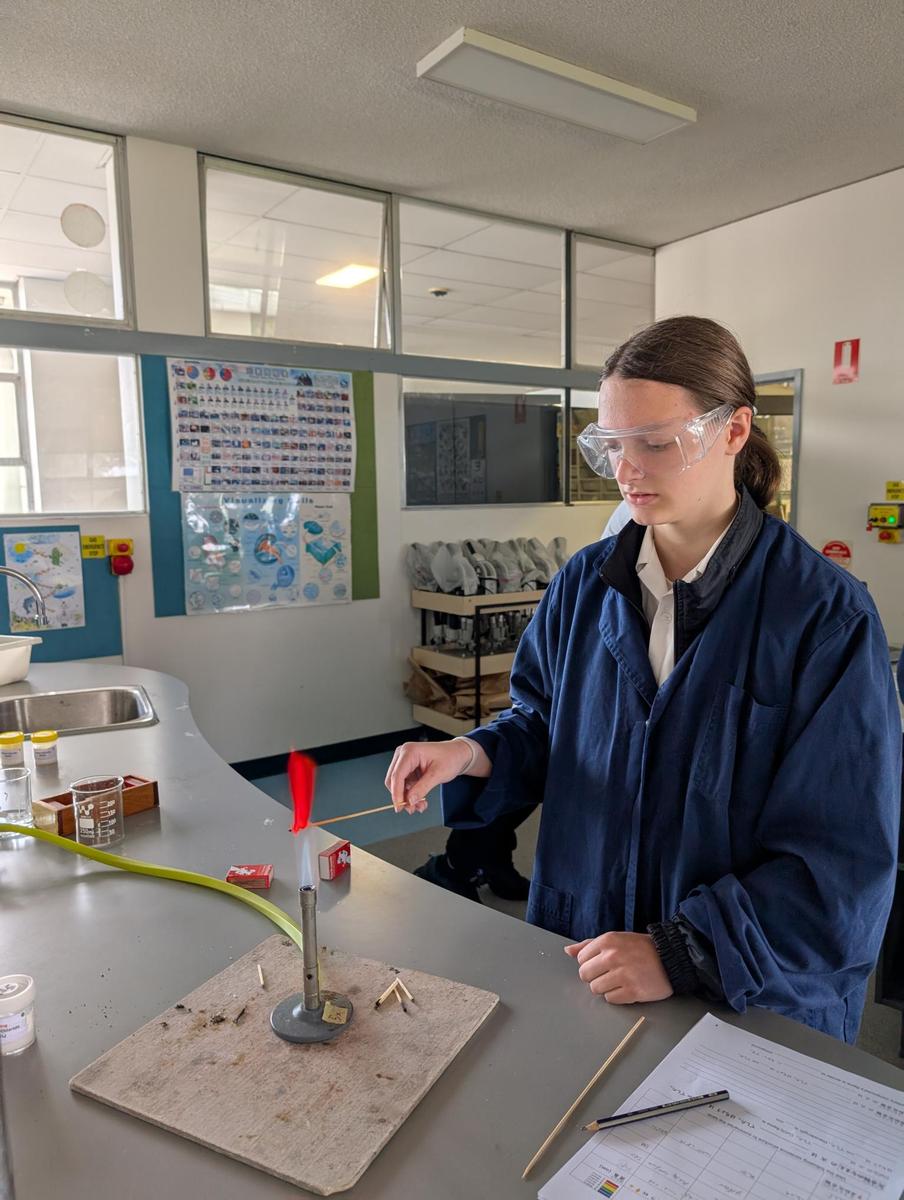
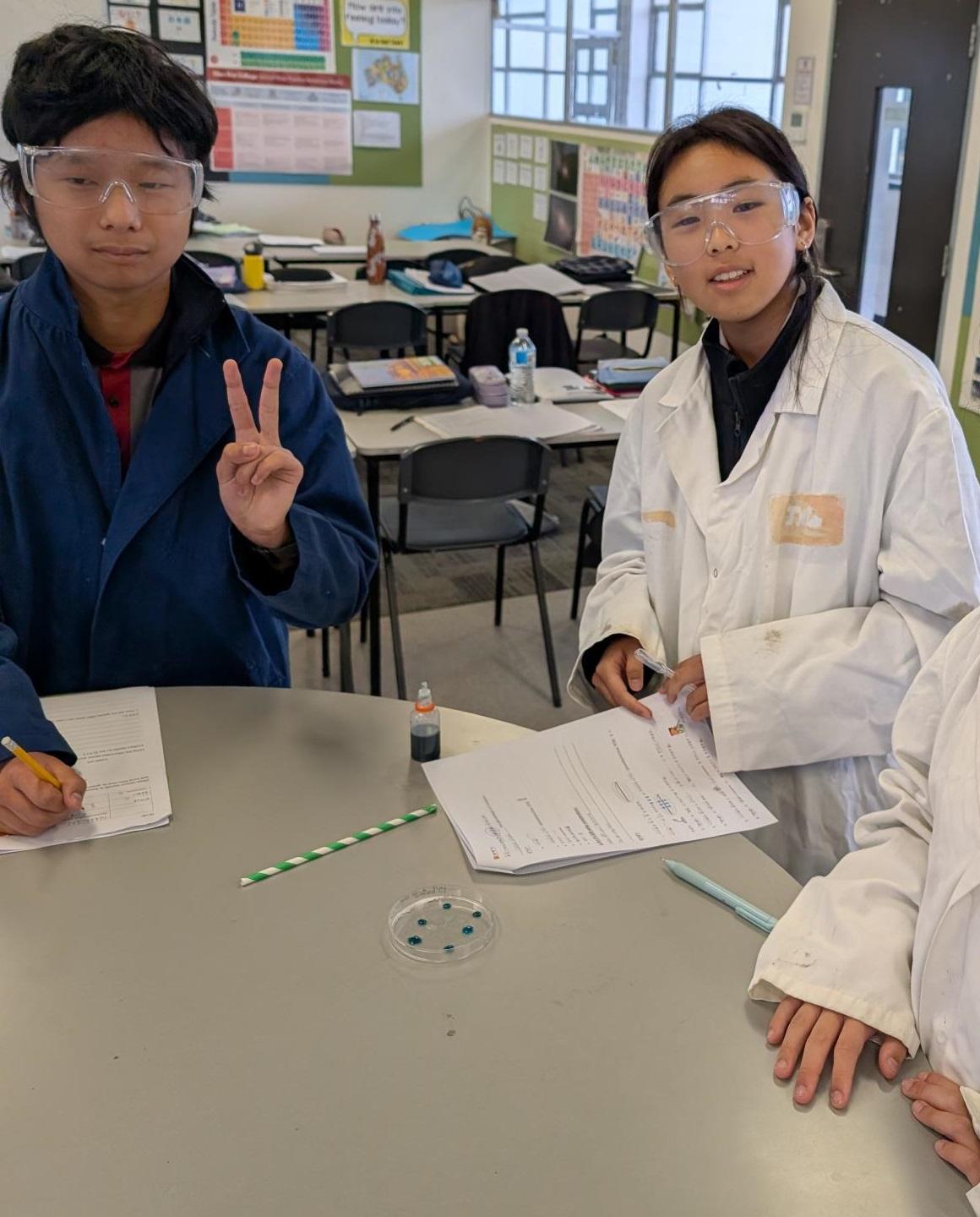
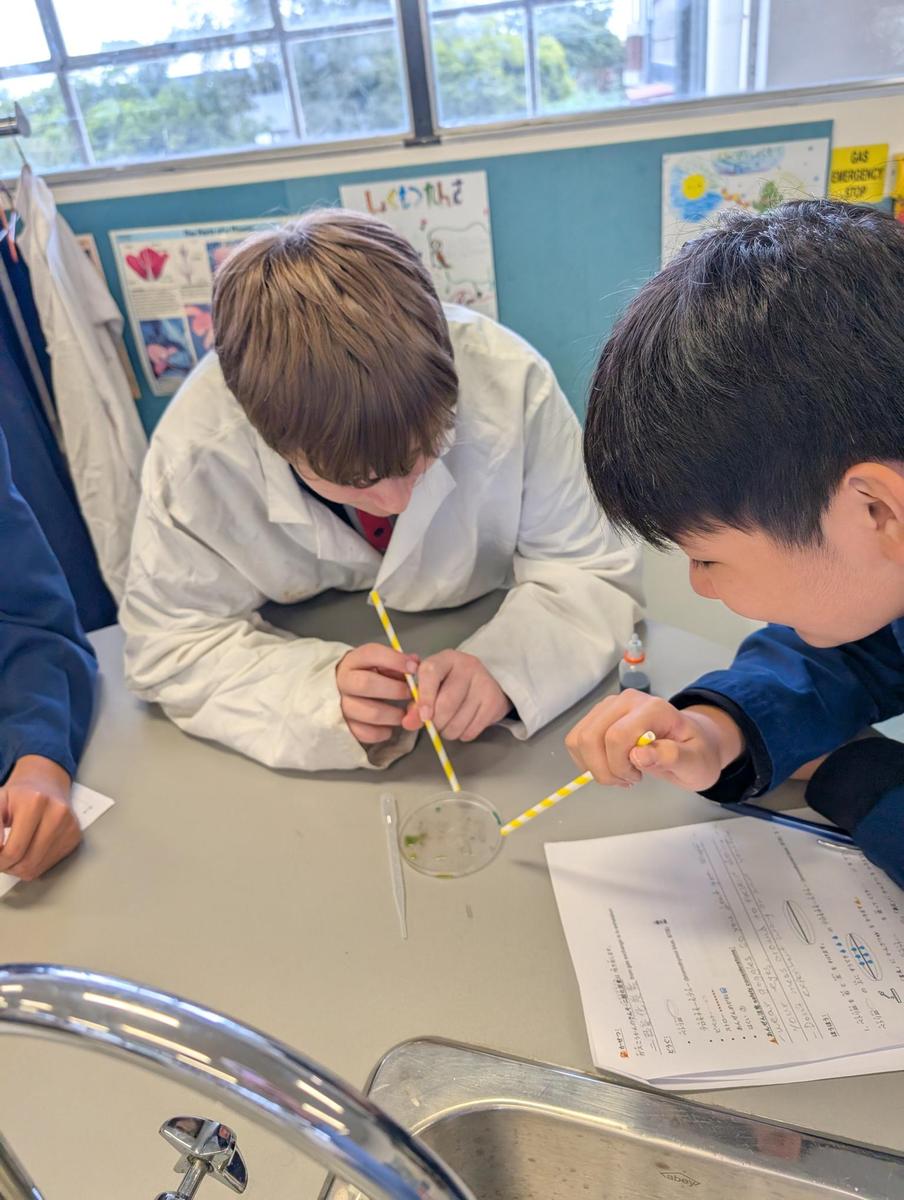
Year 9s have been learning about metals and nonmetals in chemistry.
We are doing the flame test to identify the metals found in different compounds. Different metals produce different coloured flame!
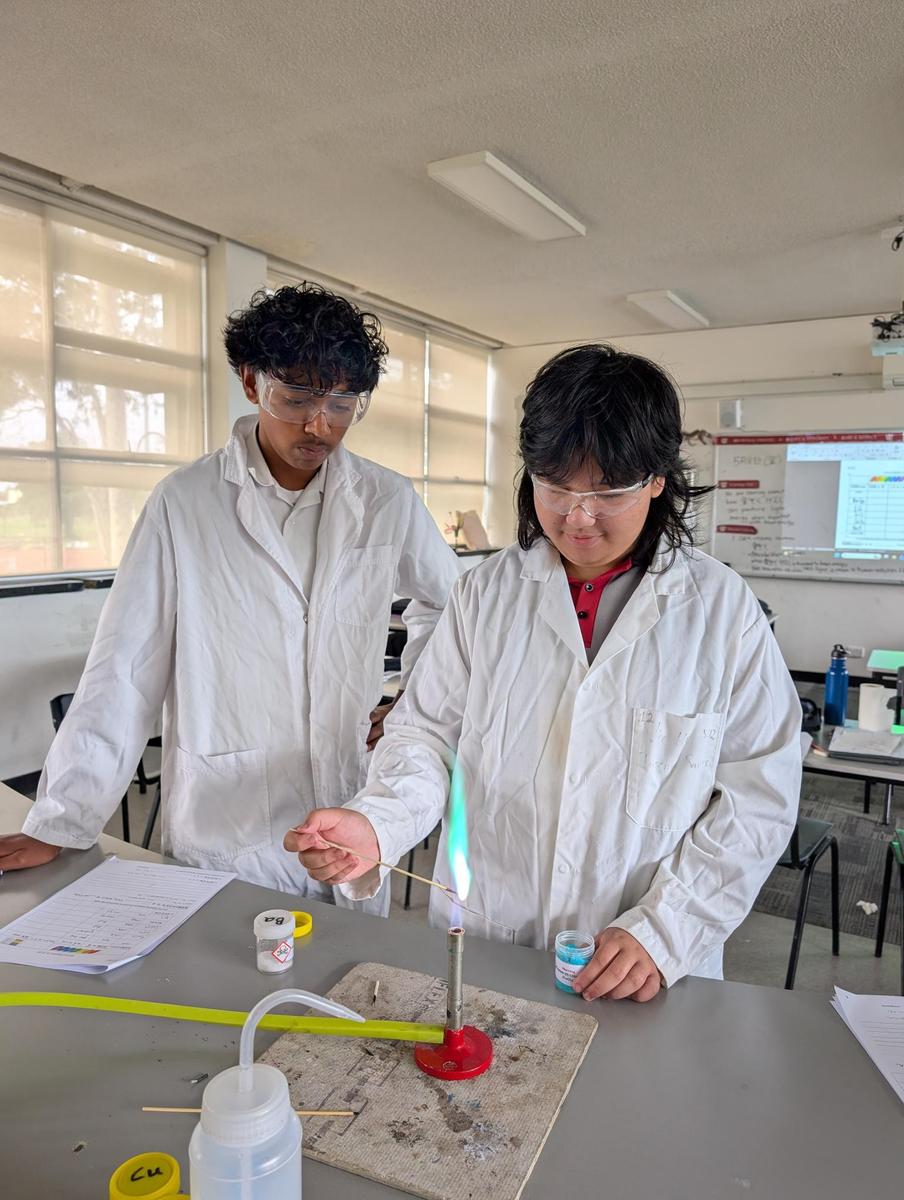
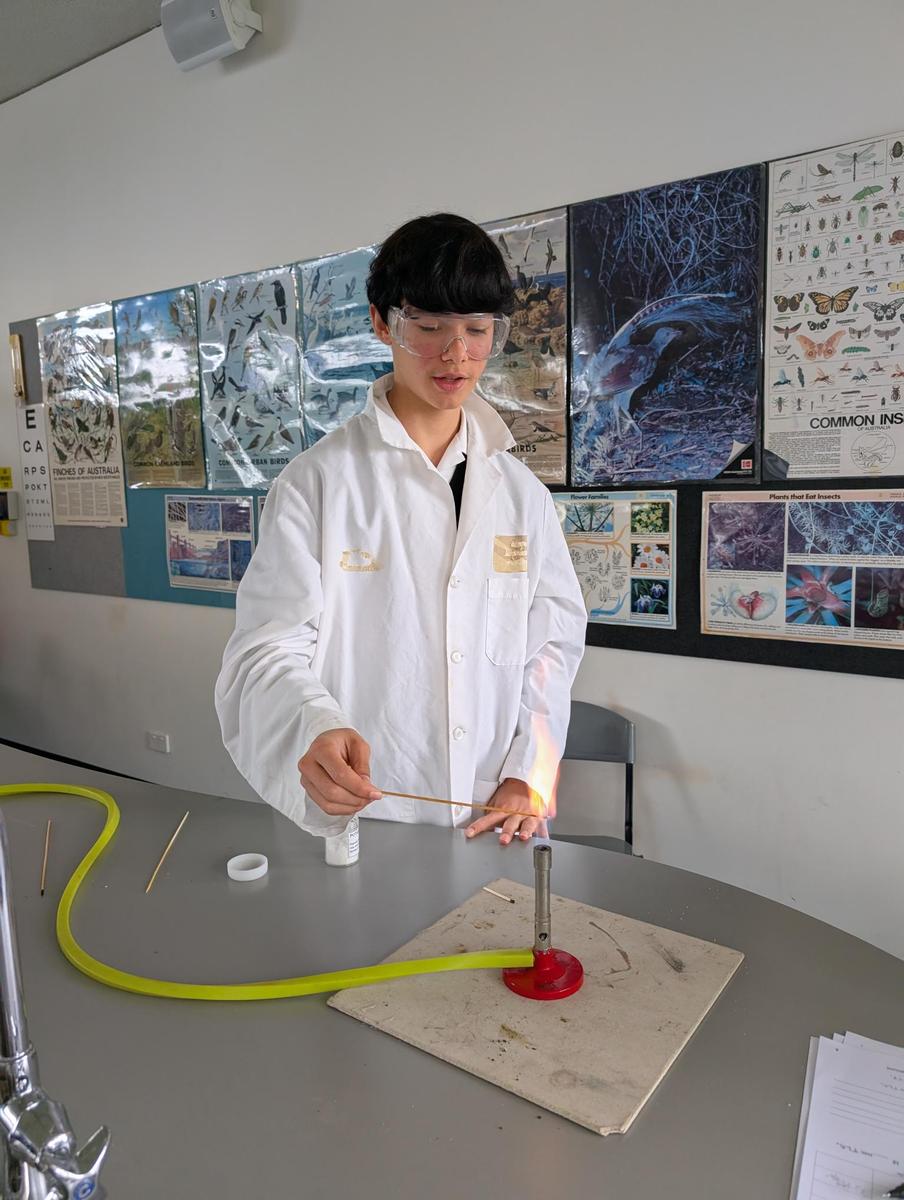
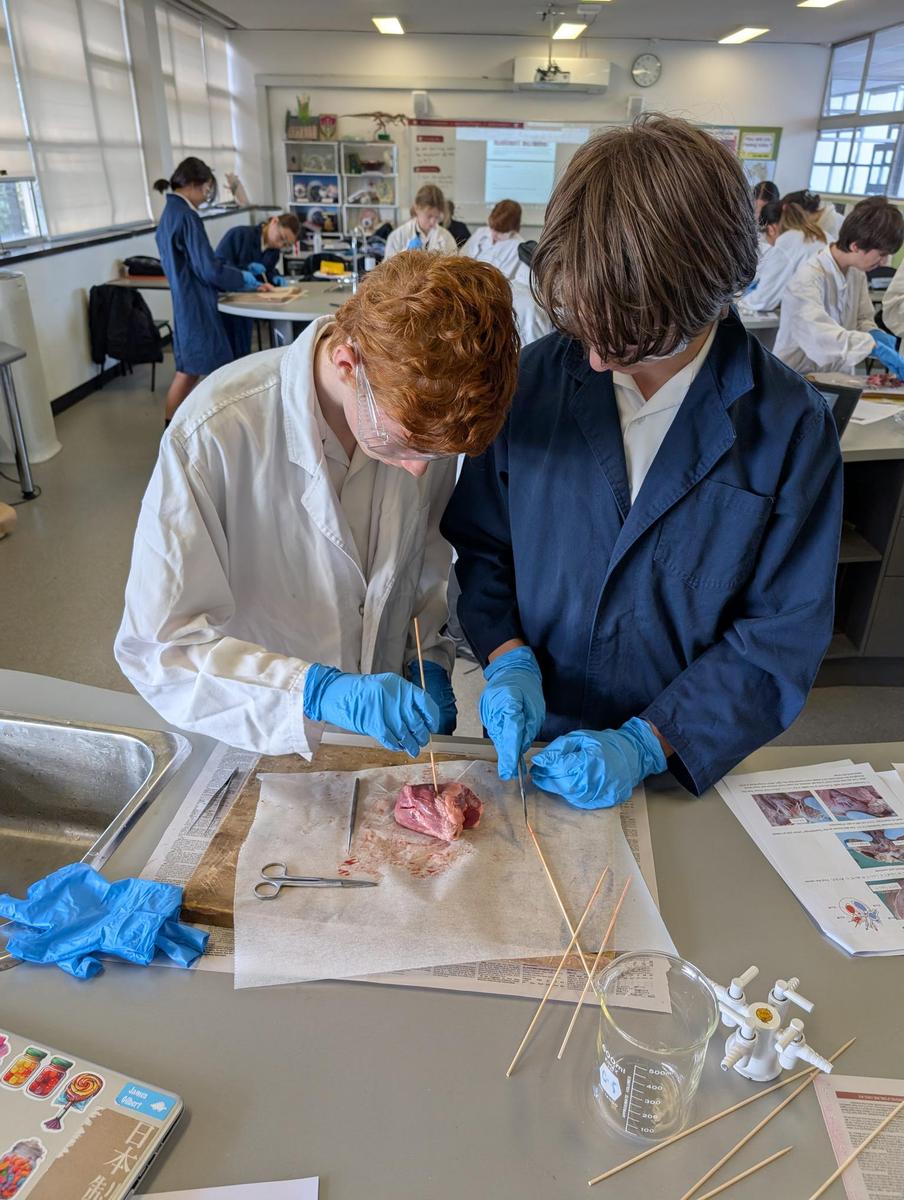
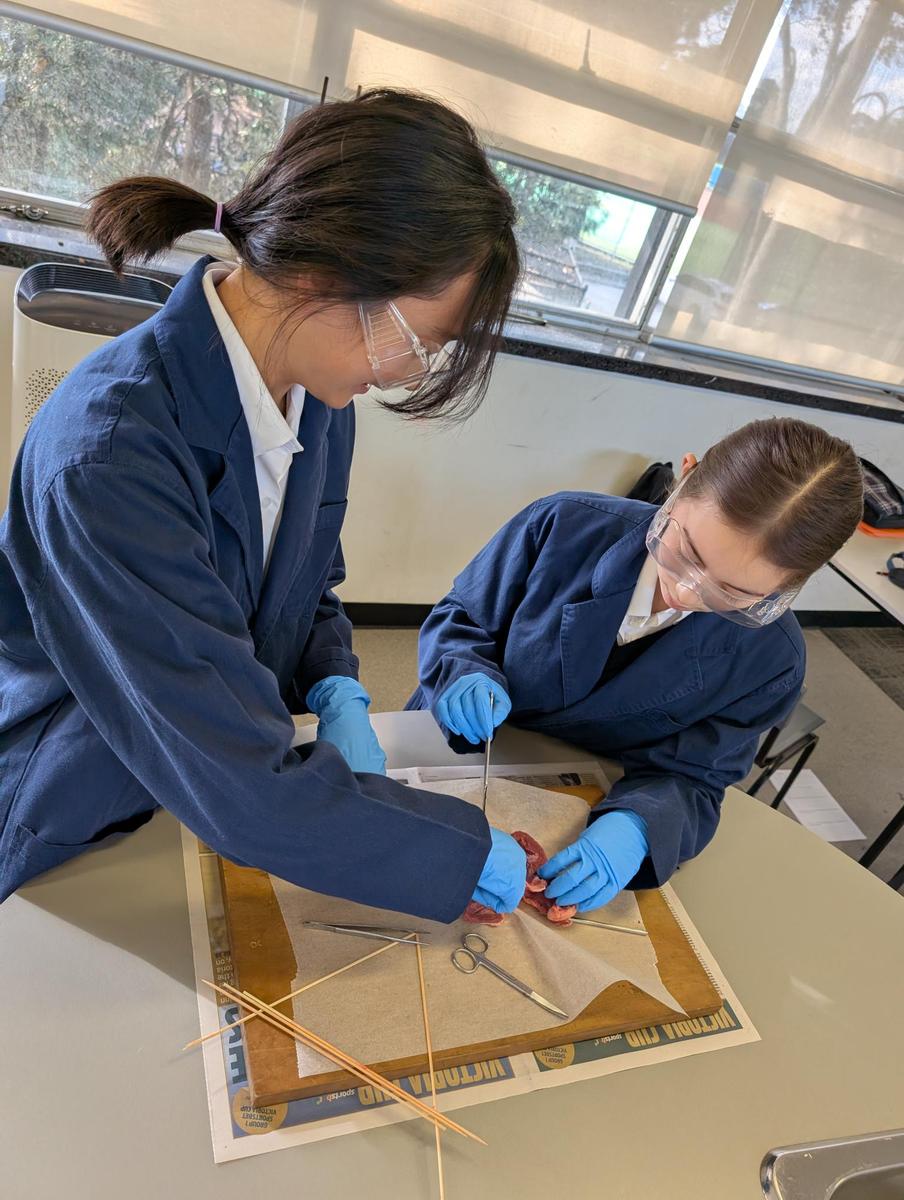
Year 8s have been learning about the structure of the heart and did a heart dissection.
8E have been learning about gas exchange in respiration. 8E has been testing for carbon dioxide in exhalation using bromothymol blue BTB. When carbon dioxide reacts with BTB, it creates a colour change.
Karen Muramatsu
Science and Japanese Teacher
Science Competitions at Glen Eira College
It has been pleasing to see a strong level of student interest in science competitions this term.
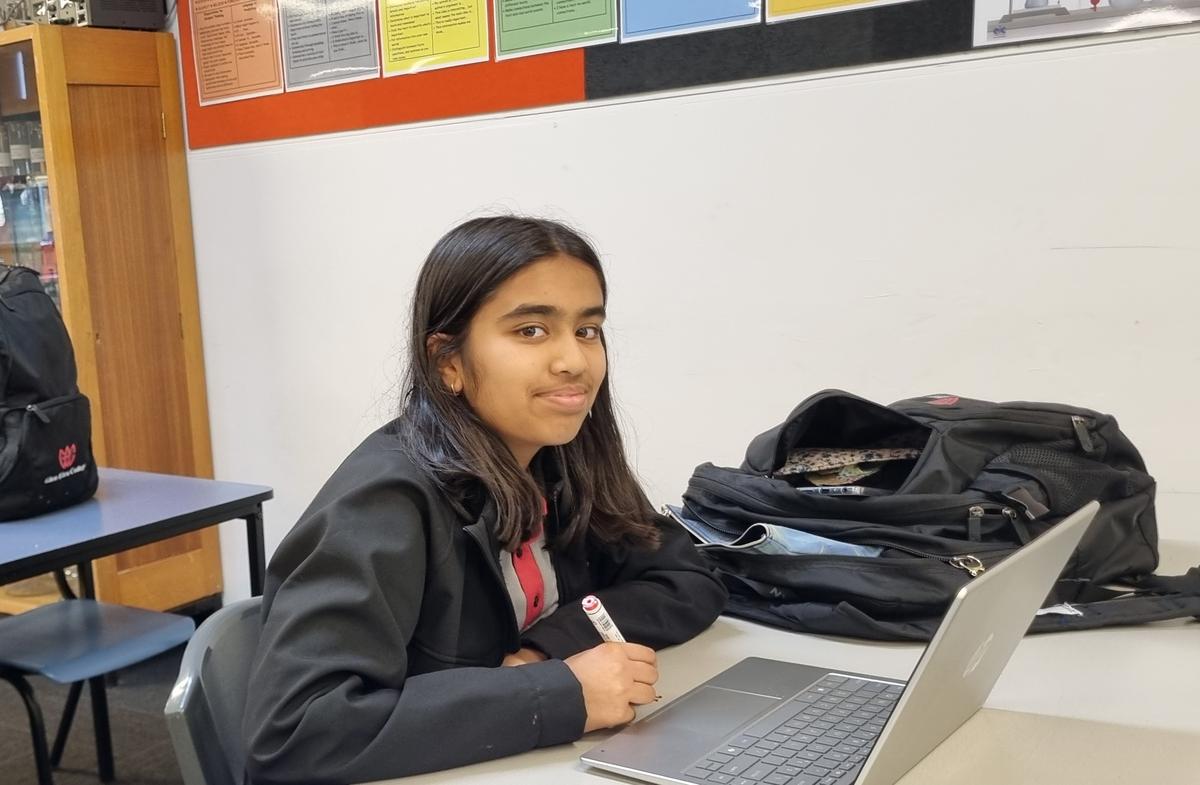
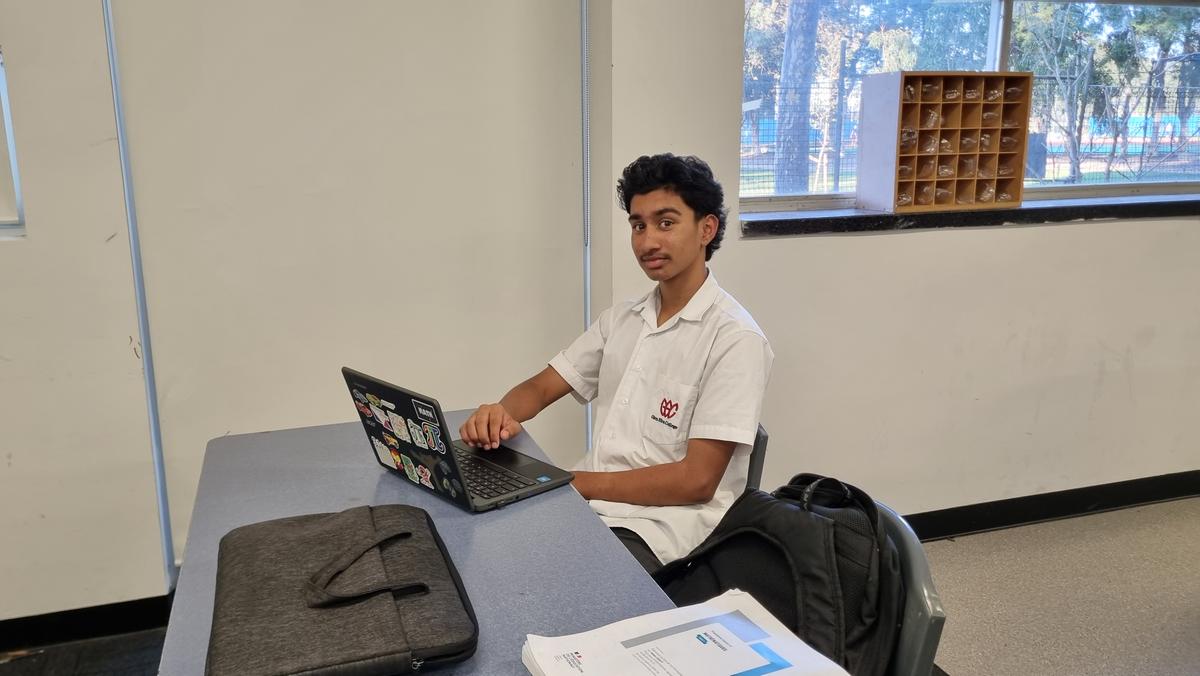
Seventeen students from Years 7 to 10 registered to participate in the Big Science Competition, an online competition run by Australian Science Innovations. The competition challenges students to apply their science knowledge, critical thinking and problem-solving skills to questions set in real-world and contemporary contexts. A number of students are pictured taking part in the competition.
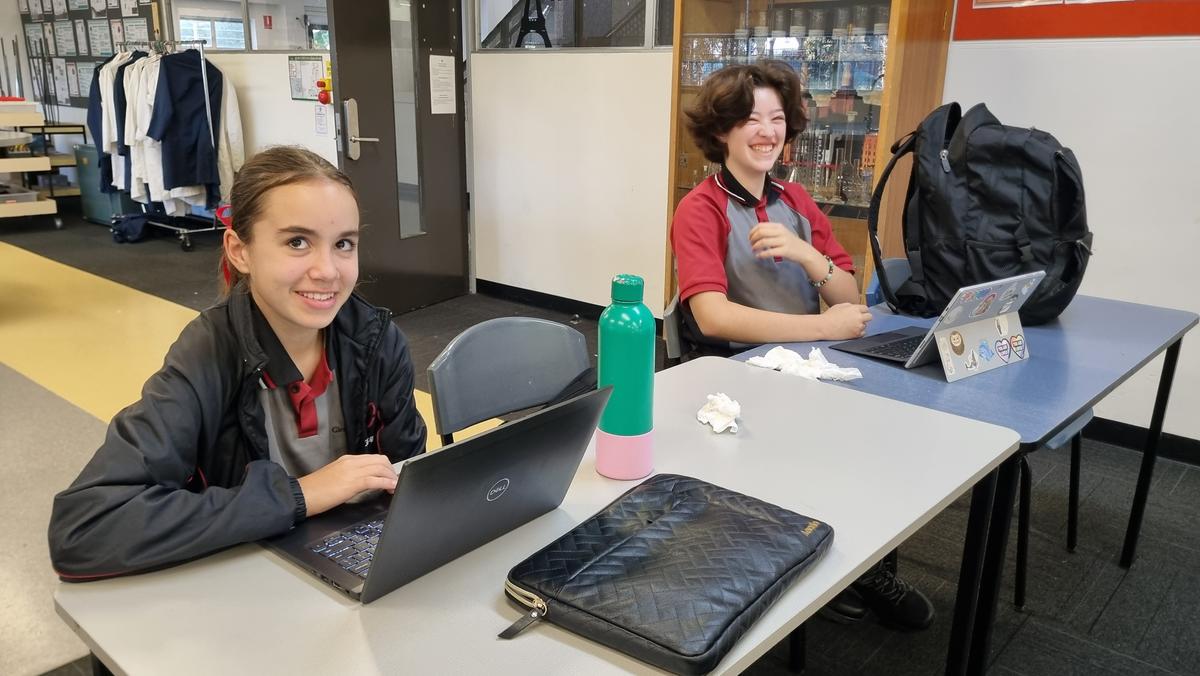
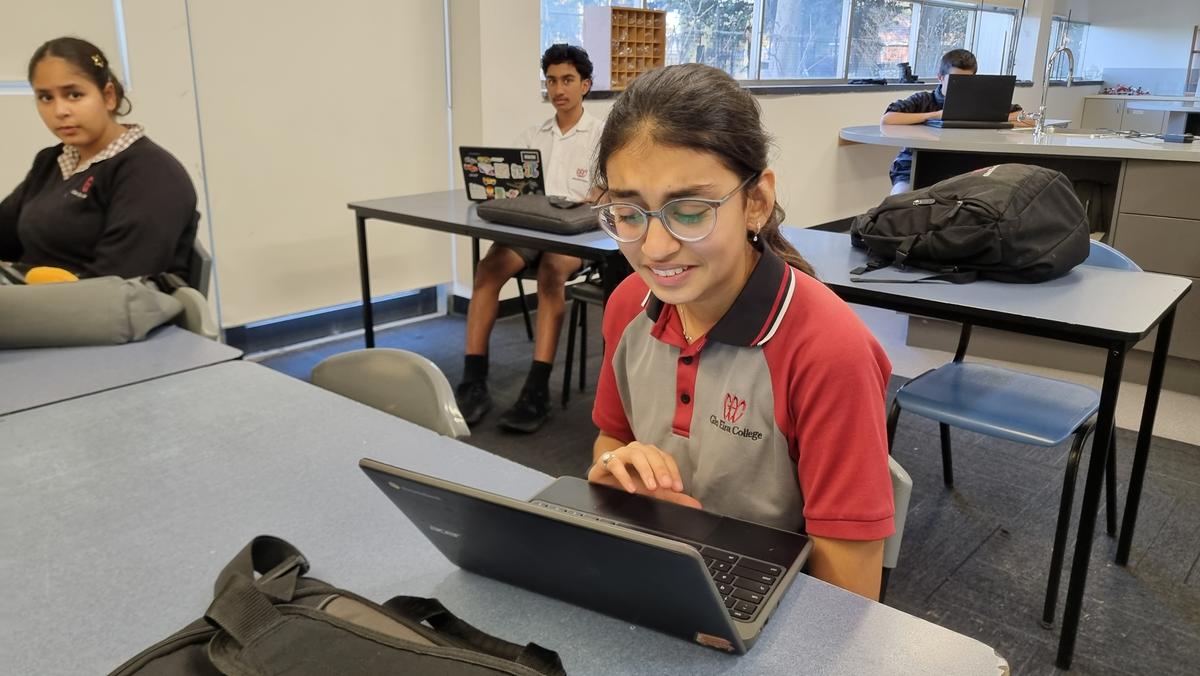
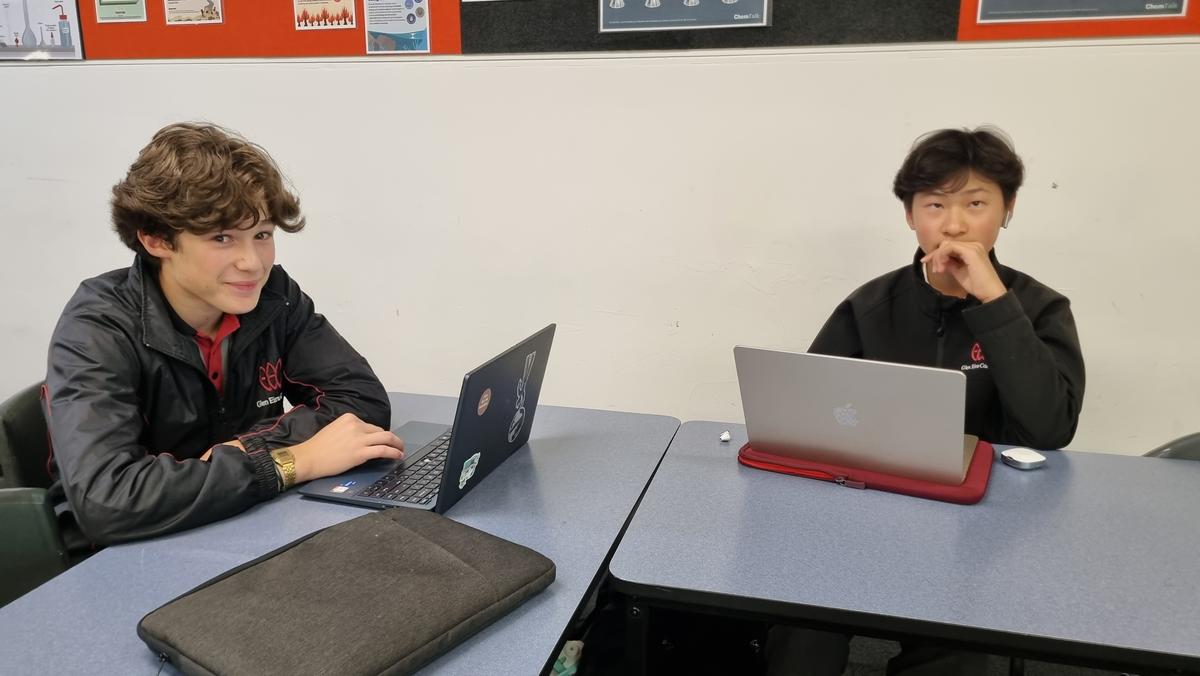
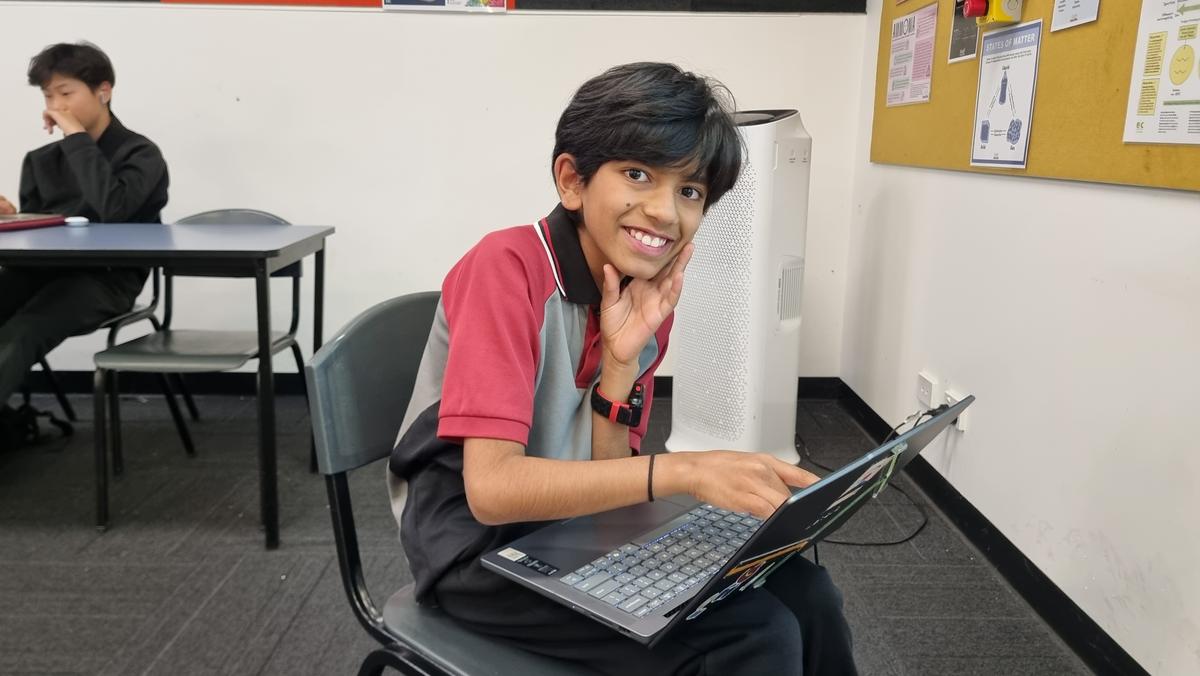
In addition, 11 students from Years 7, 8 and 11 have registered for the Science Talent Search, run by the Science Teachers’ Association of Victoria. The Science Talent Search is celebrating its 75th year in 2026 and encourages students to explore science through independent project work across a wide range of categories, including experimental research, posters, creative writing, inventions, games and working models.
Congratulations to all students who have chosen to get involved. We look forward to seeing their ideas develop and sharing more about their progress in future newsletters.
Erik Van Weeghel
Science Learning Area Leader