
Parent Wellbeing

Understanding Class Refusal
Looking Beyond the Behaviour
As parents, it can be difficult to ensure your children are staying at school, attending all of their classes, and actively engaging in learning. It can be even harder when you receive a phone call asking you to pick your child up because they do not want to attend a particular class, or when you discover they have been avoiding certain lessons altogether.
In these situations, it can be easy to jump to conclusions. However, one of the most important first steps when responding to class refusal is asking why. Approaching these conversations with curiosity rather than frustration can create a safe space for your child to express what may be worrying them or what they are finding difficult.
Leading with open communication allows children to feel heard and supported. It also helps parents better understand the emotions, beliefs, and assumptions that may be influencing their child’s behaviour. Often, behaviours such as class refusal are connected to underlying emotional experiences rather than simply a lack of motivation or defiance.
Class refusal is commonly linked to anxiety. This anxiety may relate to:
relationships with peers in the class
concerns about a teacher
feeling overwhelmed by class content
fear of failure or embarrassment
social pressures
difficulties with confidence and belonging
It is also important for parents to remember that occasional reluctance to attend school or certain classes can be a normal part of growing up. However, when avoidance becomes frequent, emotionally intense, or begins impacting learning, friendships, or wellbeing, it may indicate that additional support is needed.
By listening without judgement and working collaboratively with your child and the school, parents can play an important role in identifying the underlying issue and supporting positive engagement with learning. Early conversations and support can make a significant difference in helping students feel safe, confident, and capable within the classroom environment.
So, what next?
Conversations to understand where a child is coming from are incredibly important and can help identify the support they may need to increase their attendance and engagement.
This may involve:
speaking with the school about supports such as Connect to help your child build supportive peer networks
helping your child advocate for themselves and access additional classroom support
reducing the pressure to always perform at the highest level academically
gently challenging avoidance behaviours and reminding them that they can do hard things
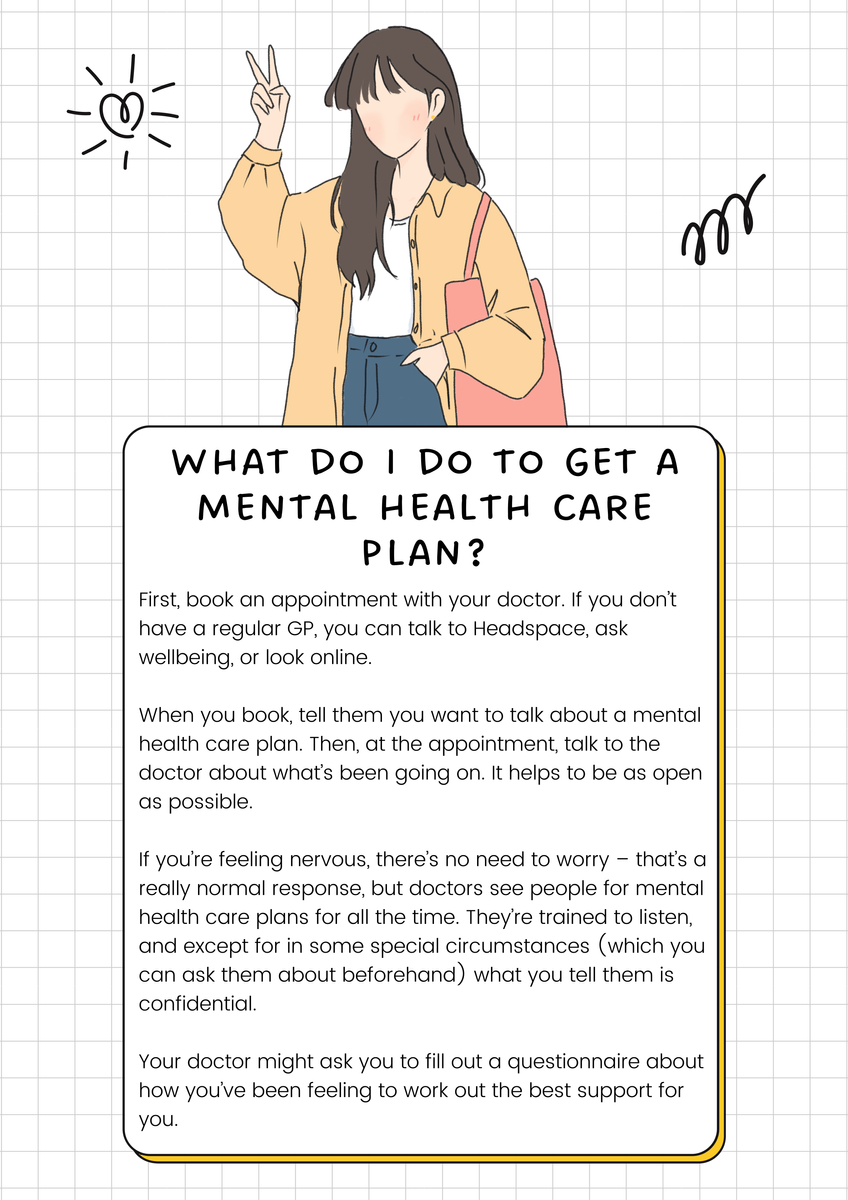
connecting them with wellbeing supports
The next steps are often easier once parents and children begin collaboratively planning together. Allowing your child to think of alternatives to class avoidance can help create a sense of autonomy and empowerment, making it easier to break patterns of disengagement.
While it can be tempting to remove all discomfort for a child experiencing anxiety, consistently avoiding difficult situations can unintentionally reinforce fear over time. Supporting young people to gradually face challenges, while ensuring they feel safe and supported, helps build resilience, confidence, and coping skills.
Maintaining predictable routines around sleep, morning preparation, and school attendance can also help reduce anxiety and create a stronger sense of stability and safety for young people.
A crucial thing to remember is that the longer classes are avoided, the harder it can become for students to re-engage. Missing too much school can impact friendships, learning, confidence, and mental health.
Having these conversations early, supporting your child to identify the underlying issue, and helping them work towards improved engagement is essential. Success may not always mean being the best in the class, always enjoying school, or being fully attentive every lesson. Sometimes, success simply means showing up.
Parents do not need to have all the answers immediately. Often, the most powerful support a young person can receive is knowing there is an adult willing to listen, stay calm, and work alongside them through the difficulty.
Parenting Workshops
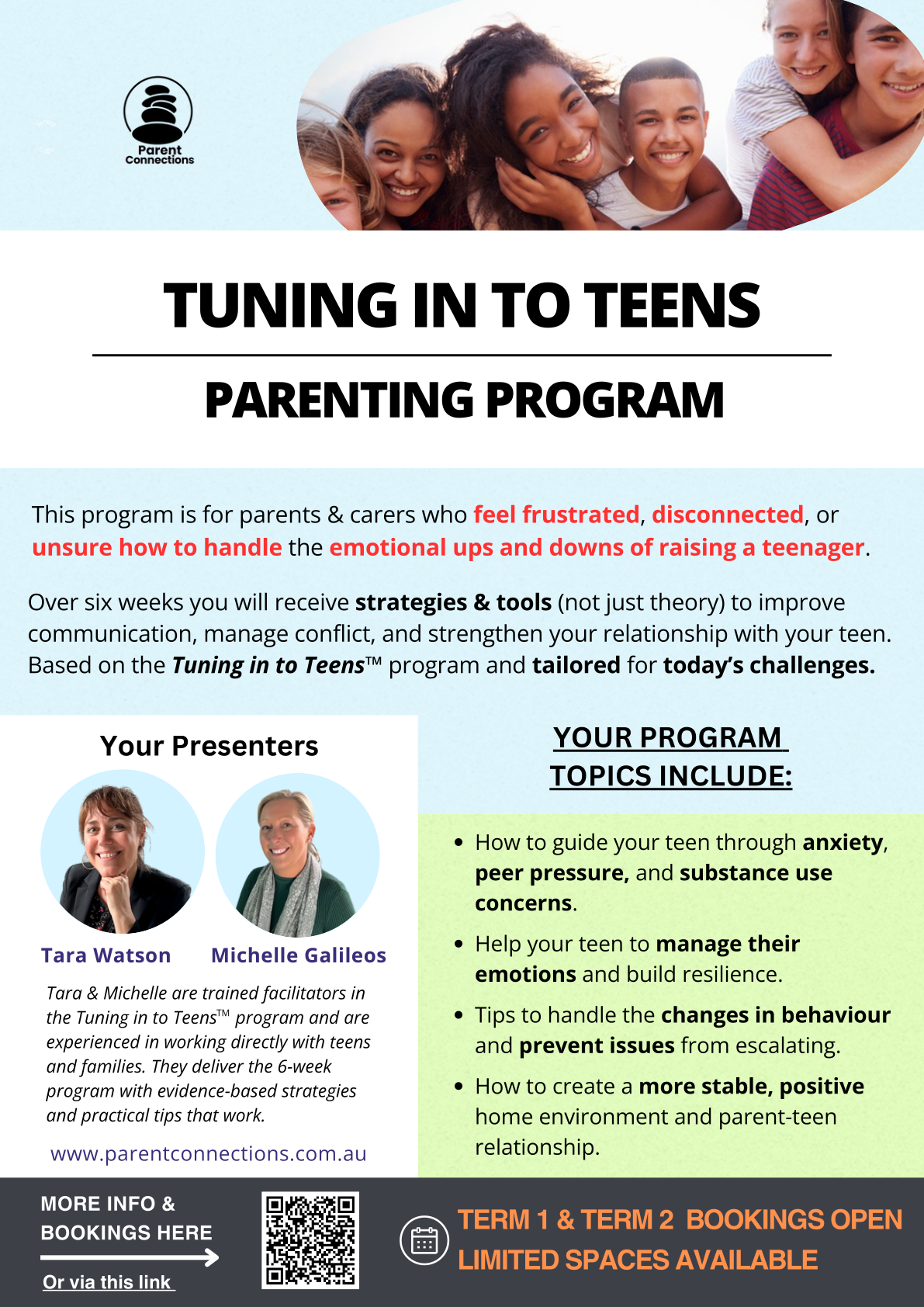
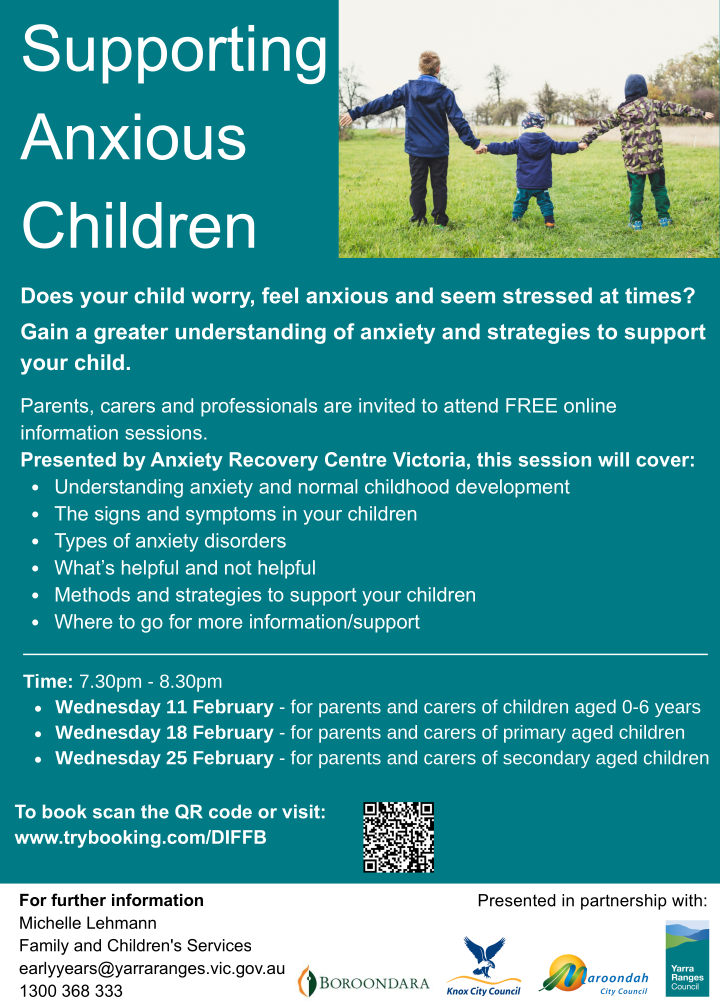
There are a number of upcoming parent workshops and online sessions available to parents:

Need Support?
Please note that the Wellbeing Office will be closed during the school holidays.
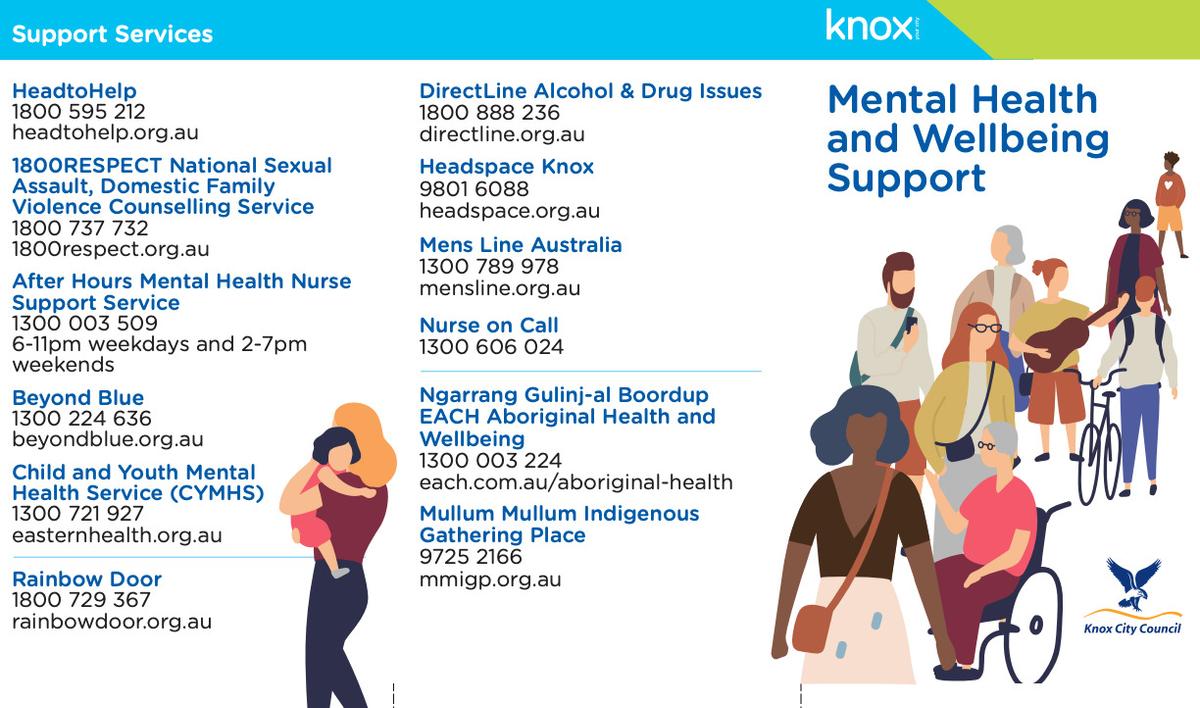
EACH - Health Services 1300 003 224
These services are free or low-cost.
93 Boronia Rd, Boronia
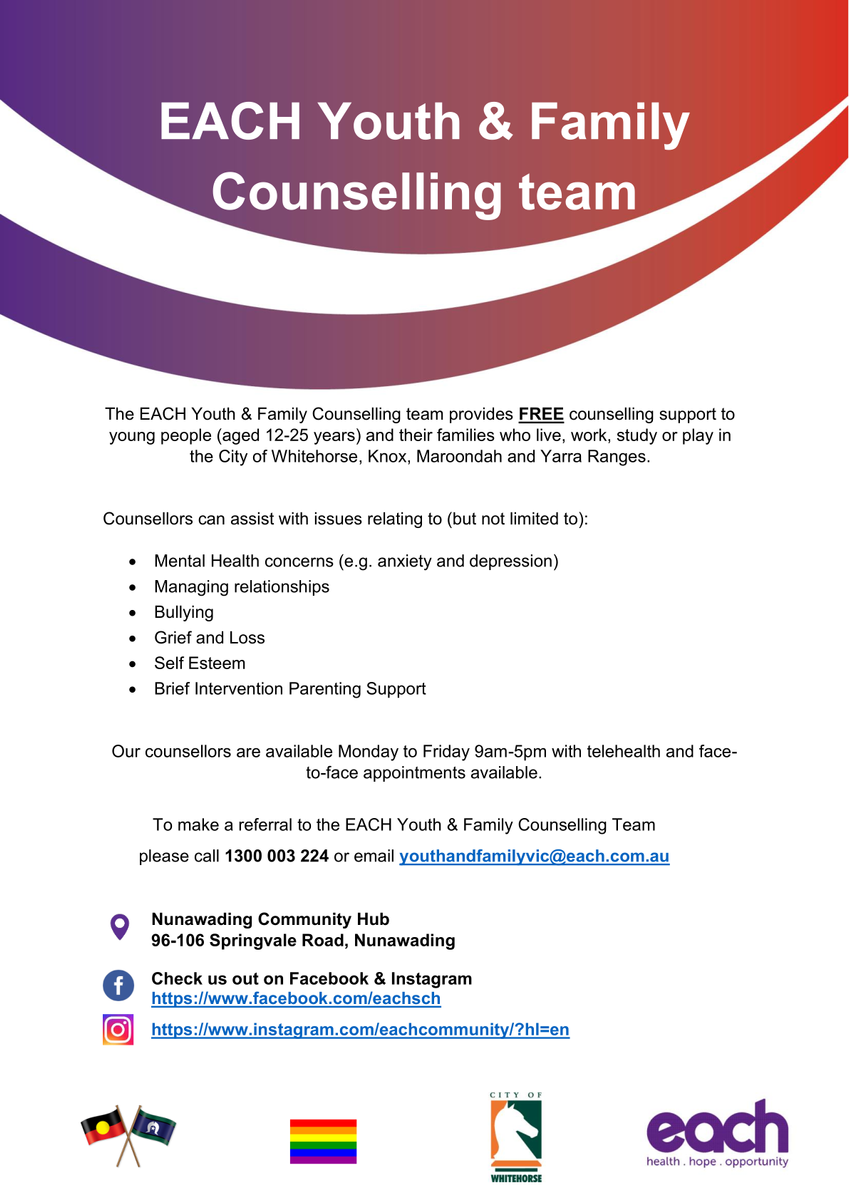
Youth Mental Health Services 9298 8469
headspace 1800 650 890
Safe Steps Family Violence Response Centre 1800 015 188 (24 Hours)
1800 Respect 1800 737 732 (24 Hours)
Nurse on Call 1300 60 60 24
The Butterfly Foundation 9822 5771
FriendLine 1800 424 287
24/7 Mental Health Hotlines:
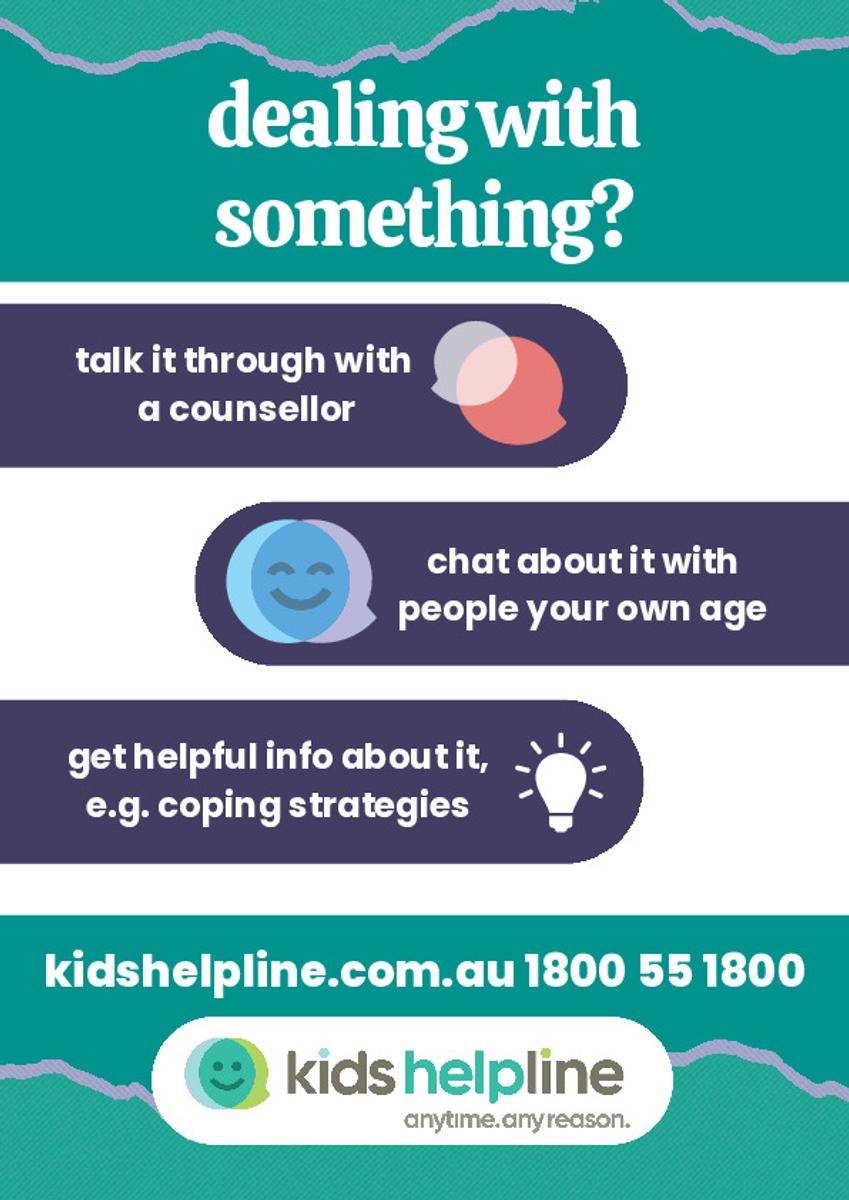
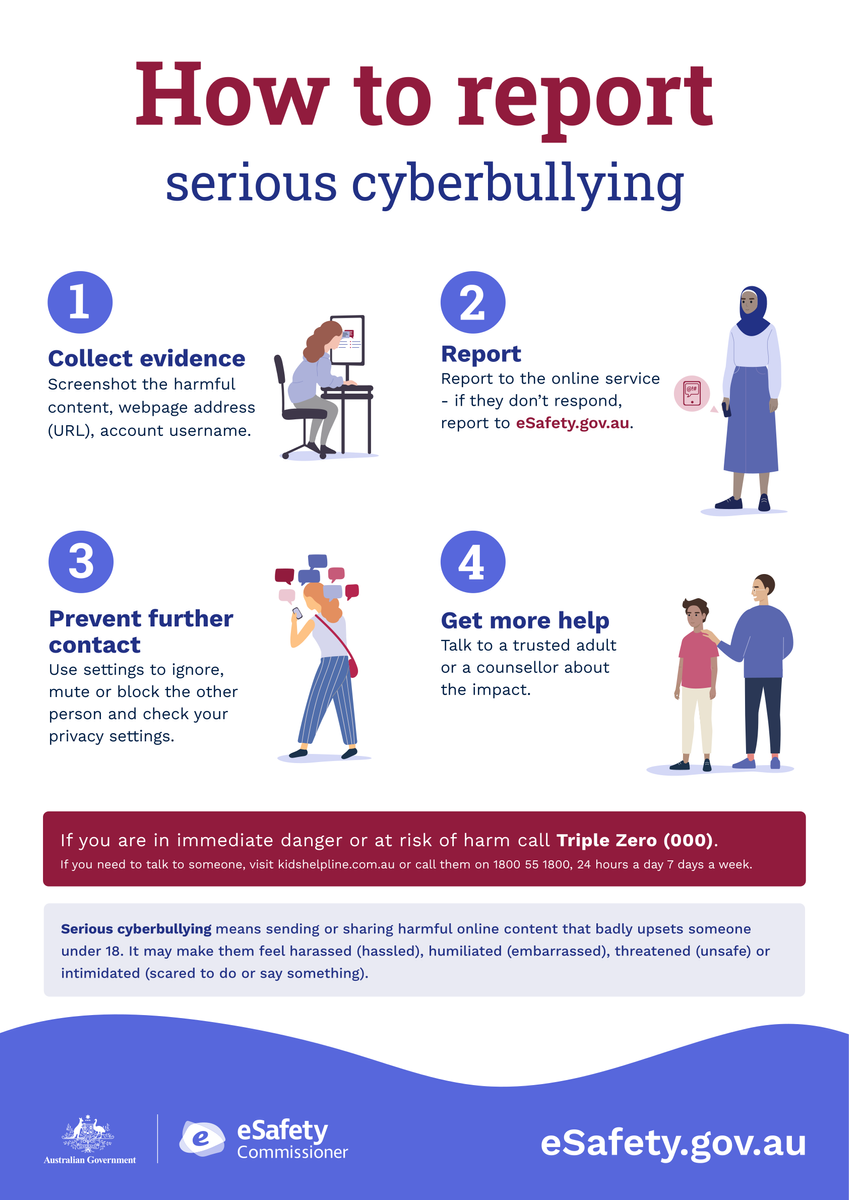
Kids Helpline 1800 55 1800
Lifeline - Call 13 11 14, text 0477 13 11 14 or chat online.
Suicide Call Back Service 1300 659 467 or suicidecallbackservice.org.au
Beyond Blue 1300 22 4636



Student Wellbeing Team
Email: wellbeing@wantirnacollege.vic.edu.au
Chelsea Collings - Leader of Wellbeing
Guiseppe Relia – Wellbeing Counsellor
Sanela Avdic - Wellbeing Counsellor
Talea-Jane Simpson – Wellbeing Counsellor
Tajinder Wulff - Mental Health Practitioner 7-8