Humanities

Humanities have had a strong start to Term One, with students across Years 7–9 beginning their learning in Civics & Citizenship.
Civics & Citizenship focuses on helping students understand how Australia is governed, the rights and responsibilities of citizens, and how people can participate in shaping society. It is a core part of Humanities from Years 7–9 because it equips students with the knowledge and skills, they need to become informed, active, and responsible members of their community.
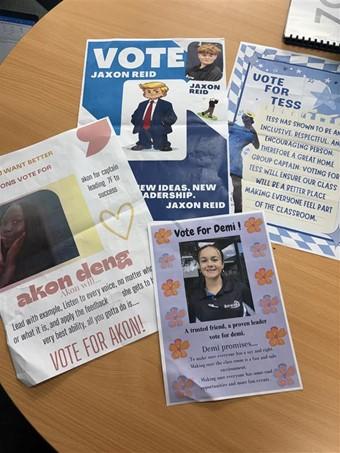
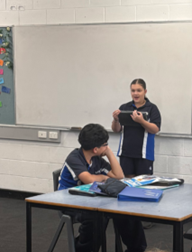
Our Year 7 students began the term by exploring the concept of democracy. As part of this, they participated in a mini unit where they applied their understanding in a real-world context by running class campaigns and elections to select their Homegroup and Year 7 Captains. This was a fantastic way for students to experience democracy in action.
In Year 8, students are learning about Australia’s political and legal systems. They are exploring political parties, the ideological spectrum, and how democracy operates in Australia. Later in the term, they will shift their focus to the legal system, examining how laws are made and how they impact their everyday lives.
Year 9 students are investigating the rights and freedoms we have in Australia and how these shape our daily lives. As the term progresses, they will also explore how laws can be challenged and reformed, developing an understanding of how change can occur within our legal system.
It has been wonderful to see students engaging thoughtfully with these topics, and we look forward to continuing to build their understanding throughout the term.
Some examples of the Year 7s completing their Election Campaigns:
Legal Studies
Year 10 Legal Studies students recently participated in an engaging gallery walk focused on the issue of gun violence in PNG. Working in small groups, students rotated around the classroom to analyse different sources, including statistics, news reports, and case studies exploring the causes and impacts of illegal firearms in PNG communities.
Throughout the activity, students examined contributing factors such as limited gun registration systems, homemade weapons, community safety challenges such as tribal conflict, and corruption. They were encouraged to think critically about how laws, enforcement, and community education can influence change.
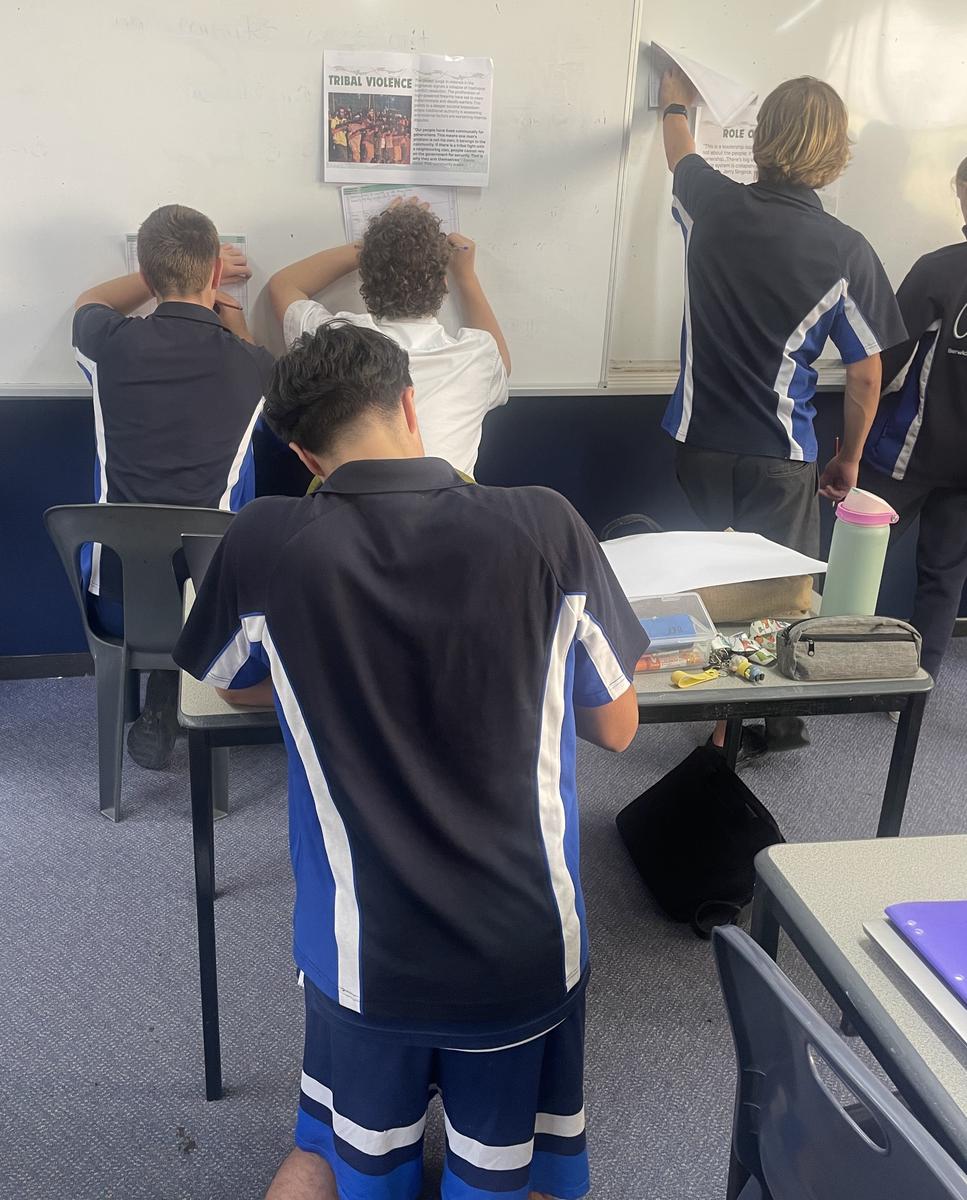
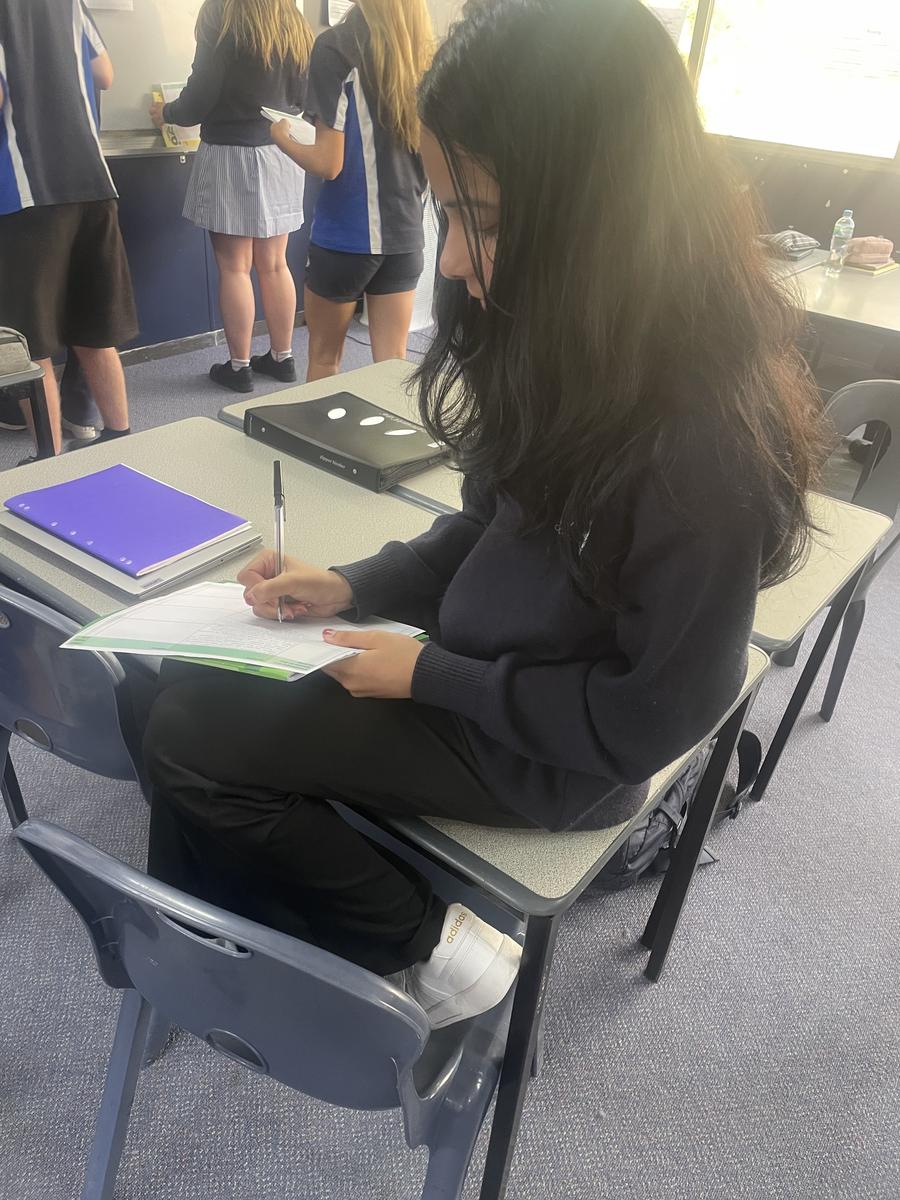
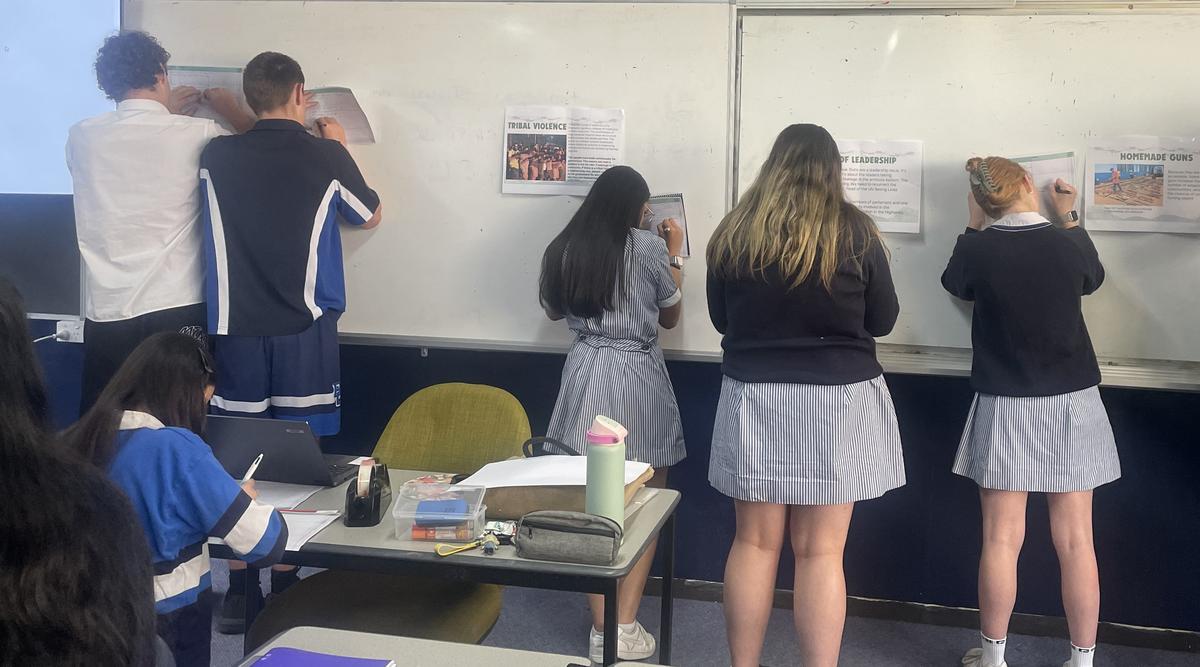
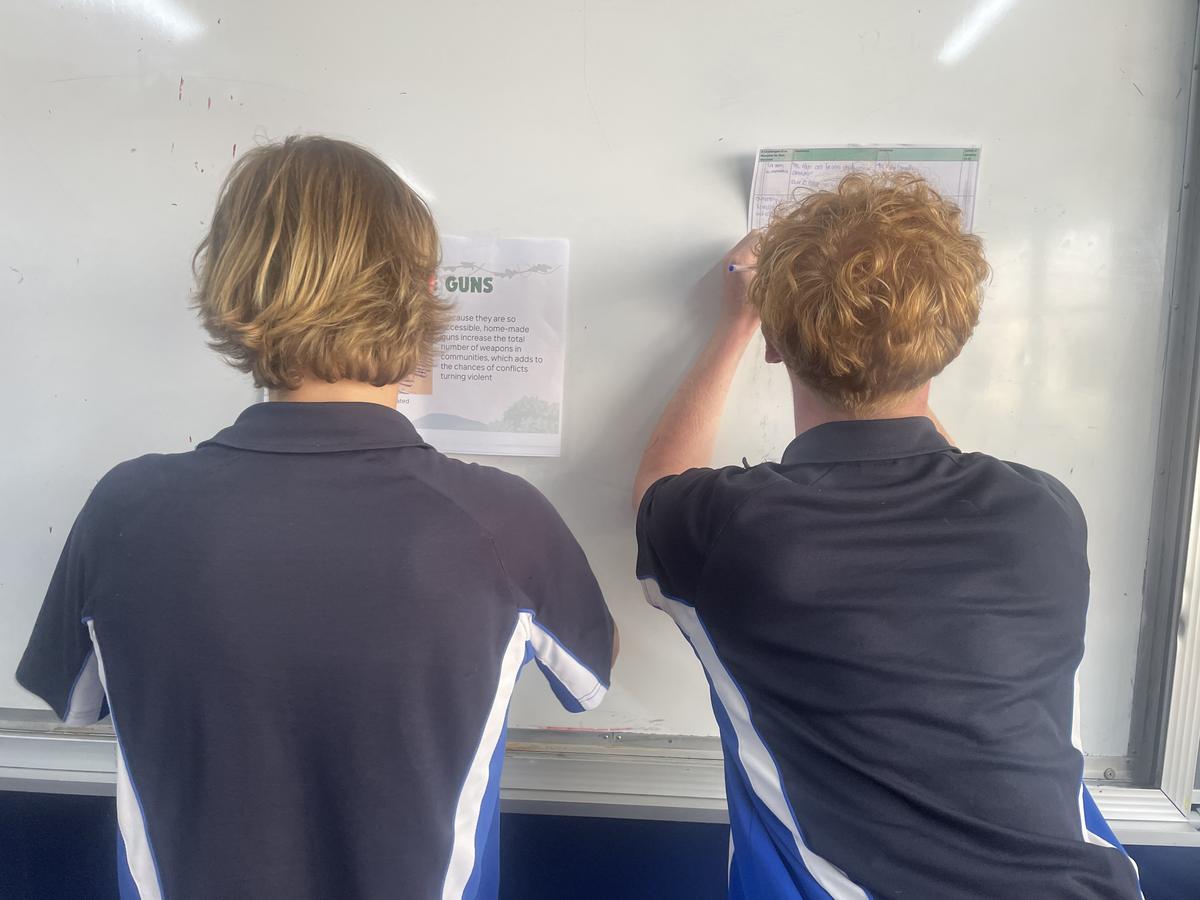
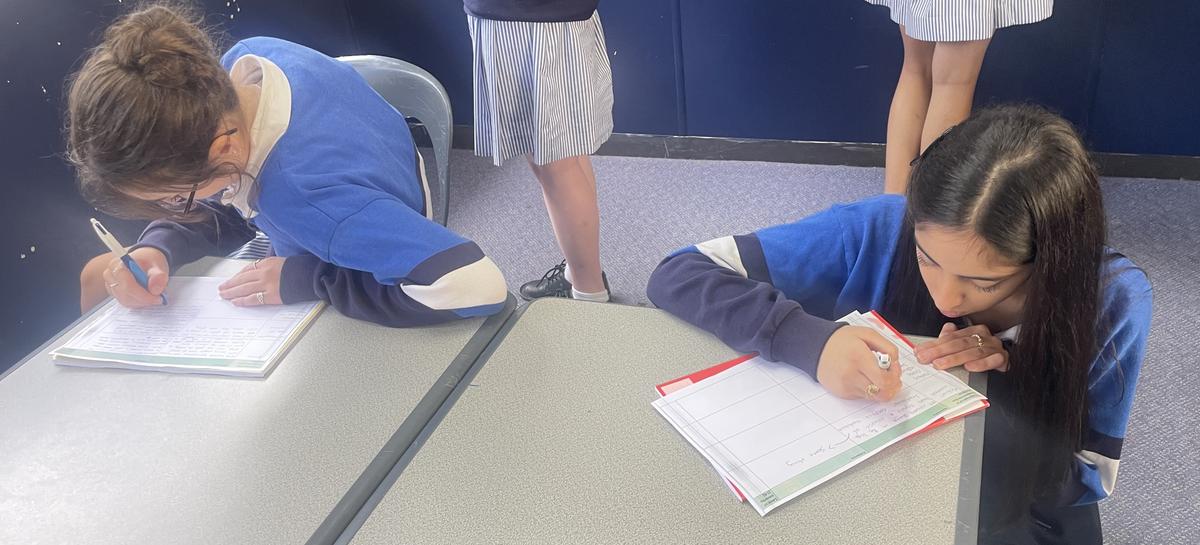
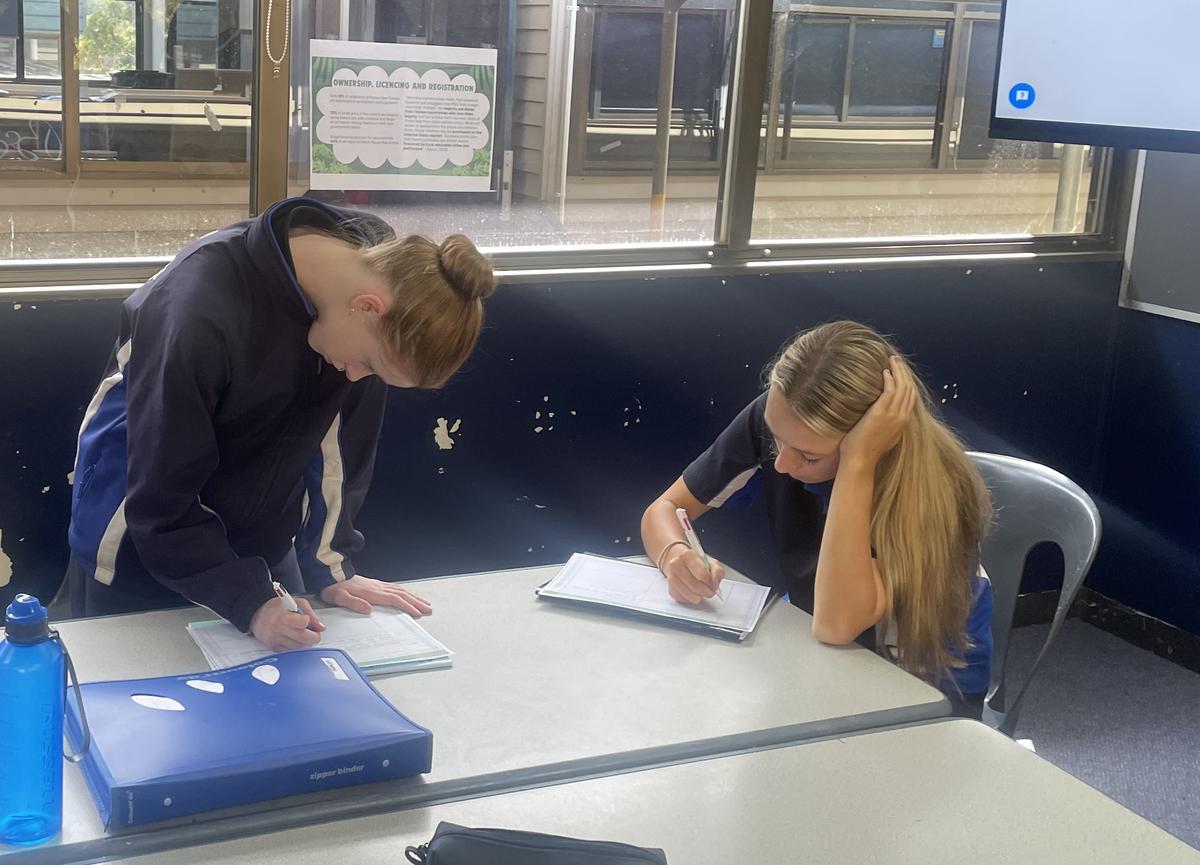
As part of the task, the students developed practical recommendations to improve safety and support affected communities. These included strengthening firearm registration processes, increasing public awareness campaigns, supporting youth programs, and improving cooperation between local authorities and community leaders.
The gallery walk format promoted collaboration, critical thinking, and evidence-based reasoning, helping students connect legal principles to real-world global issues.
Nicole Betteridge - Humanities Teacher

Annabel Bond
Learning Leader - Humanities