Cadets
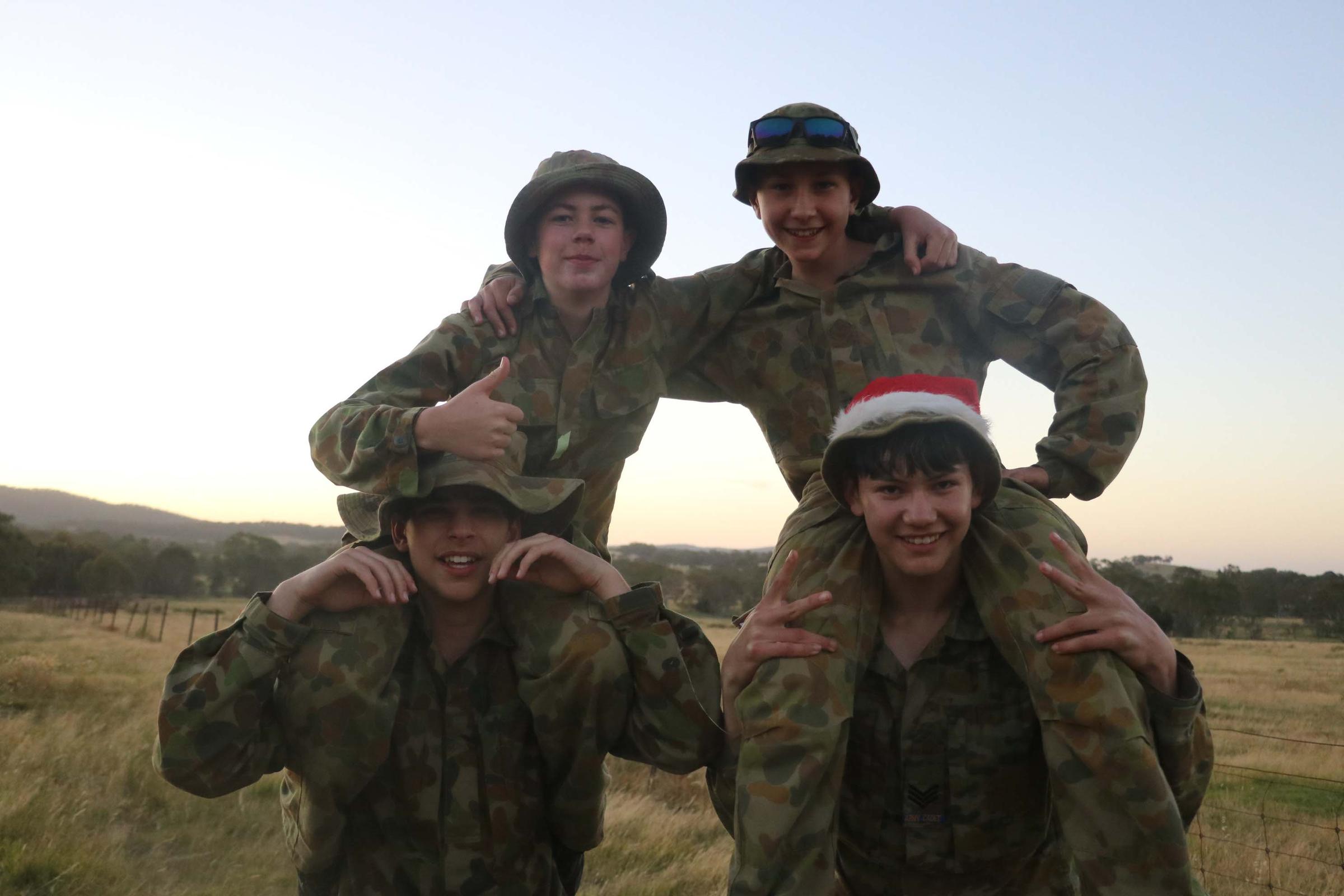
Bivuac Camp Experience
Riley Tyebji, Year 11, Ridgeway Campus
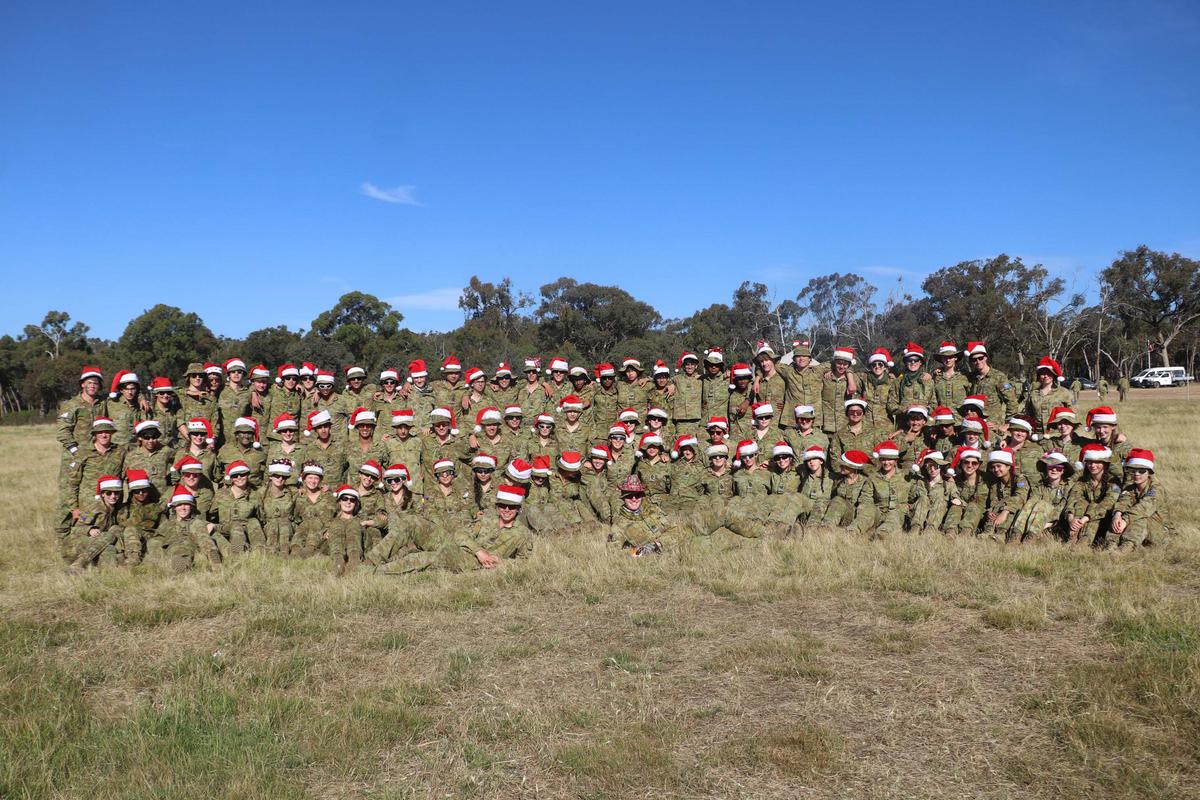
As the 2025 school year came to an end and many of the students started thinking about holidays, students in Ivanhoe Grammar School's Cadet Program were doing the opposite. While everyone else was waking up late and planning trips, we were tightening bootlaces, checking gear and getting ready for the December Bivouac Camp.
Bivouac has a reputation for being tough and exhausting but also the most fun you’ll have in cadets. After experiencing it myself over the last couple of years, I can say that it's reputation is absolutely deserved.
The word 'bivouac' literally means a temporary camp without tents, which sounds simple until you’re standing in the middle of the bush with a hoochie, some rope and the realisation that this flimsy sheet of material is the only thing between you and the night. As a Platoon Sergeant (2nd highest rank within the platoon), I am, alongside all others of rank within the platoon, a leader for the new recruits.
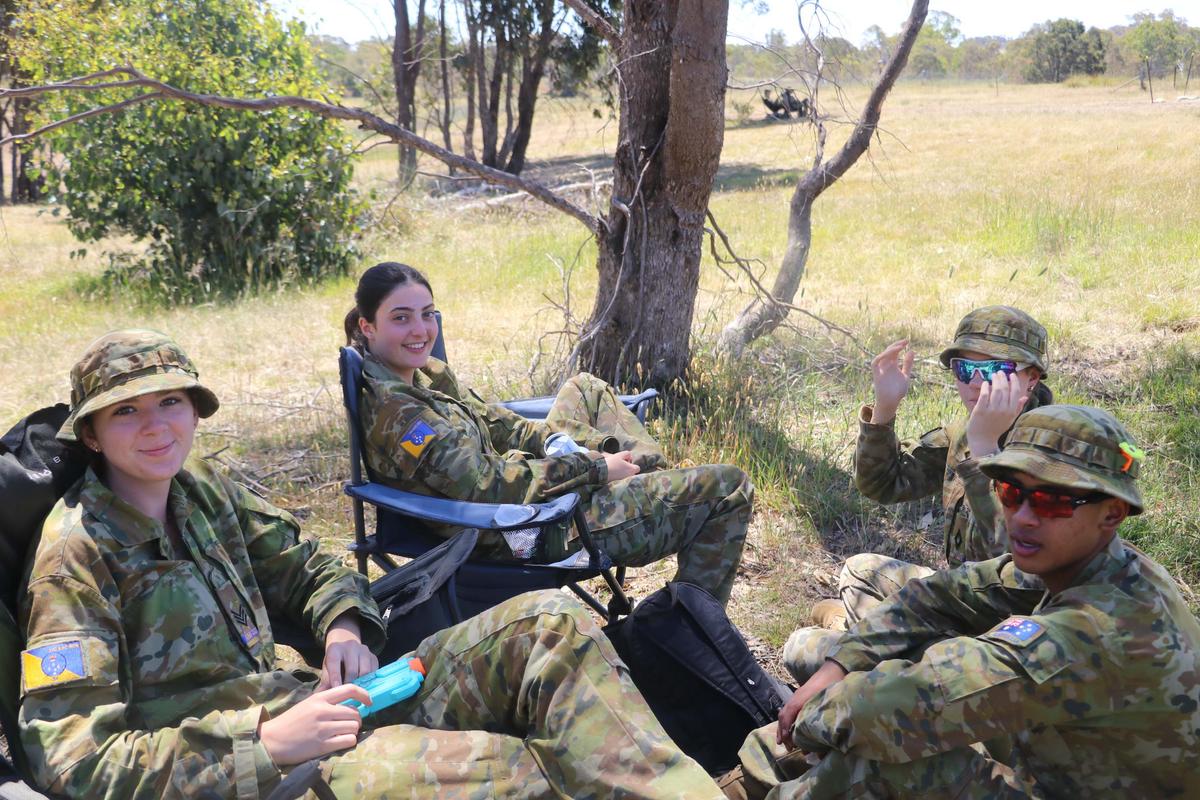
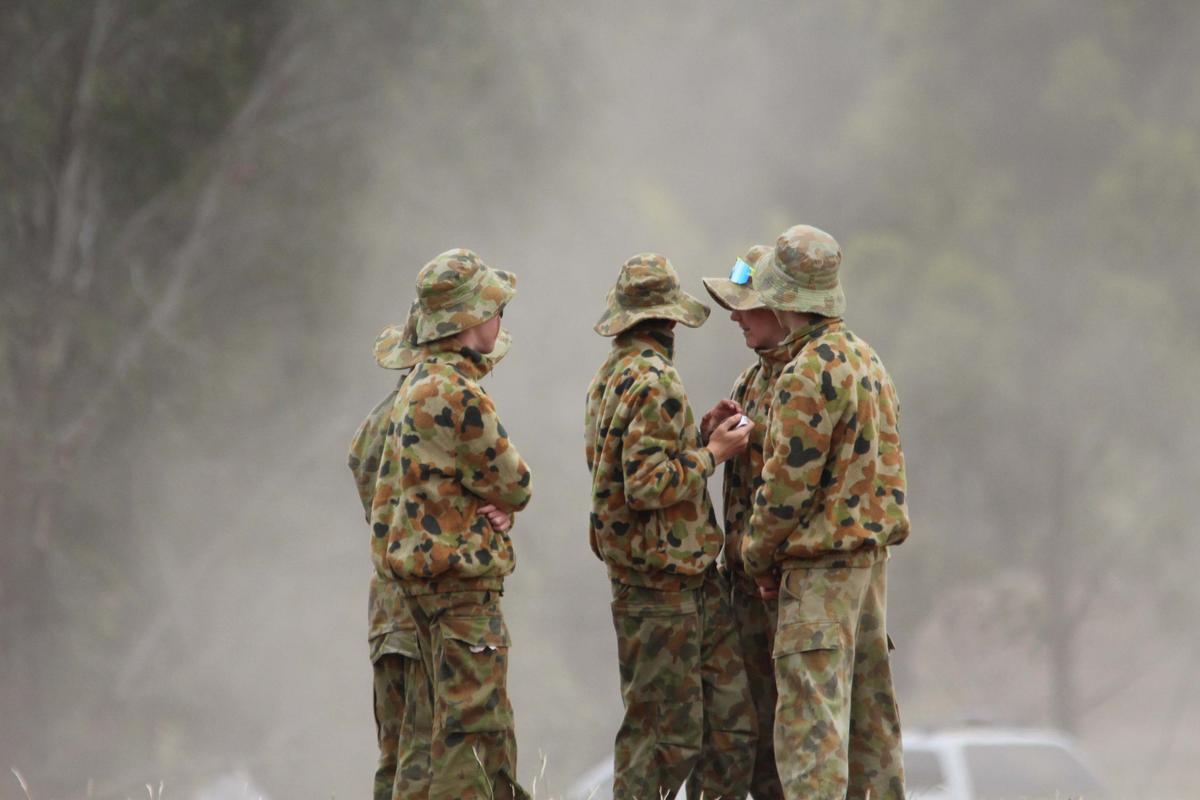
When we reached the camp, the first year cadets, still technically recruits, looked both excited and terrified. The senior cadets, on the other hand, were already in full leadership mode, organising platoons, checking equipment and hoping it wouldn’t rain.
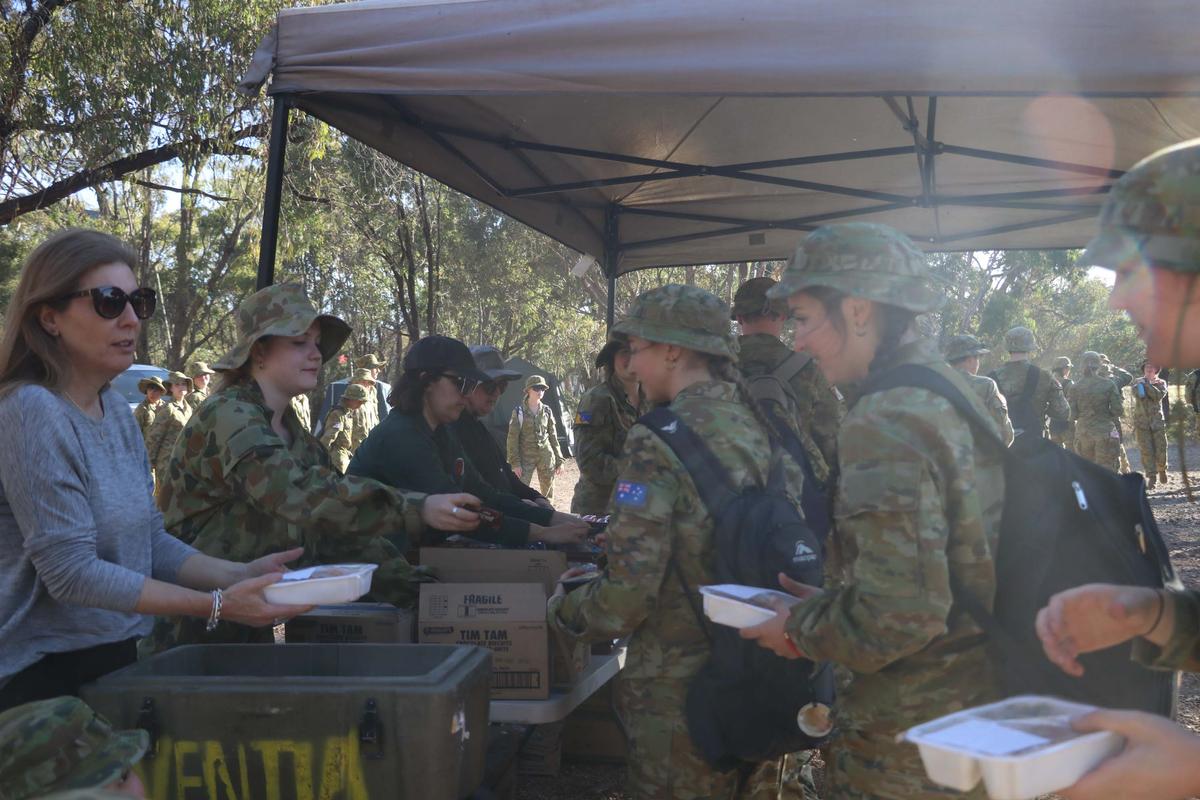
Setting up our platoon campsites was the first challenge. Finding a flat spot and tying knots that wouldn’t collapse at 2am felt like a crash course in survival for our platoon recruits. Some hoochies looked like they belonged in a training manual, others not so much. But that was part of the fun. With the leadership and assistance of every rank, by the time the sun set the campsite had turned into a patchwork of shelters, each one a small victory. Dinner and pretty much every meal, wasn’t exactly popular among the cadets, but it only built upon our experience.
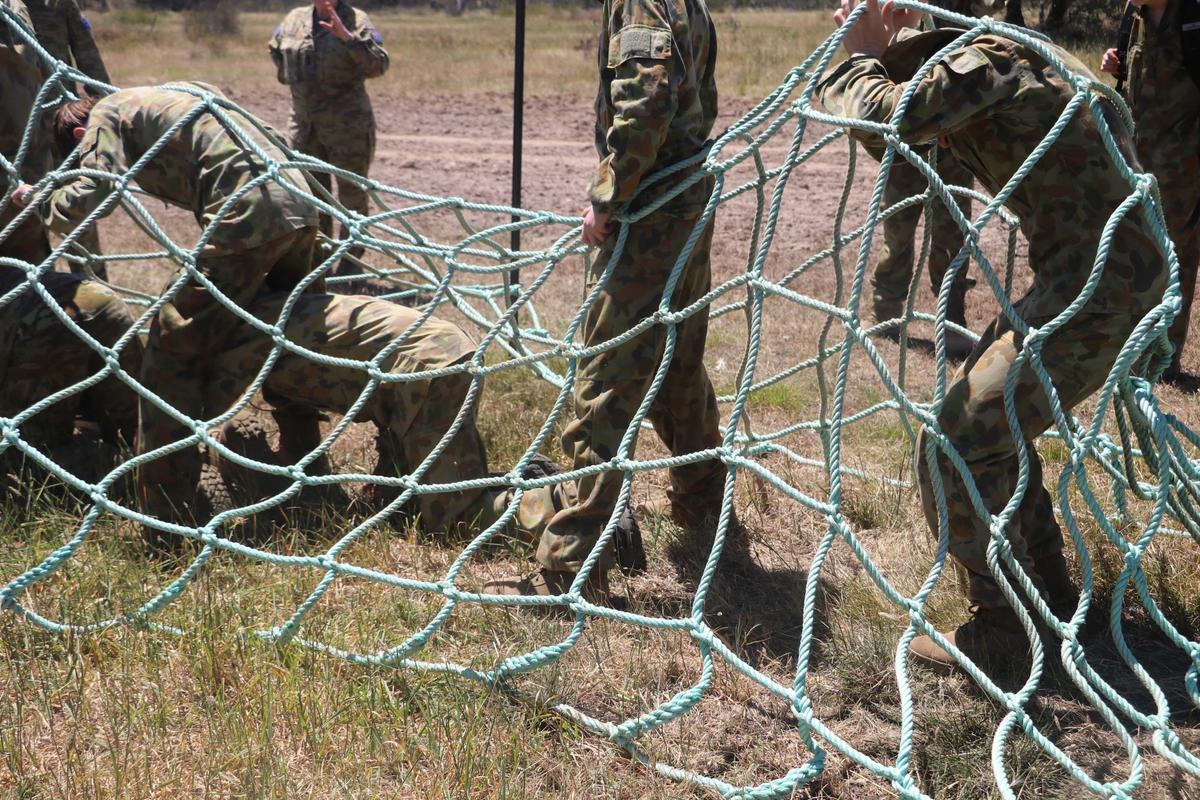
The next few days consisted of a series of tough and action-packed events that were intended to put all the skills the platoon had acquired over the previous weeks to test. Bull runs (activity rotations) were designed to get us through a series of activities including first aid, field signals, radio communication, and teamwork skills, all of which required quick thinking and perseverance. For recruits, this was where theory turned into practice, while for senior cadets, it was a test of leadership, issuing clear instructions, and maintaining morale. Platoon time allowed us to bond and reflect without any distractions, which helped to build trust and teamwork. The toughest activity was the 'nav', a navigation course where we had to rely solely on a map and compasses to reach five different checkpoints in the bush. Before we set off, the platoon leaders gathered everyone around the map and talked through the route. Then we were off, pushing through scrub, climbing over fallen branches and occasionally debating whether the hill we were standing on was actually the hill we were supposed to be standing on. By the time we reached the final checkpoint, we were exhausted but proud. Nav was the challenge that proved that we could work together, trust each other and push through even when we were tired and unsure.
For year first-years, the end of Bivouac meant the completion of the transition from recruit to cadet status, and this was a feeling that was definitely earned. For senior cadets, it was a chance to use and prove the leadership skills that had been acquired throughout the year. Bivouac was more than a camp experience; it was an experience that tested cadets beyond our comfort zones and showed the value of the Cadet Program at Ivanhoe Grammar School. It was not always comfortable or clean, but it was definitely an experience that will not be forgotten.